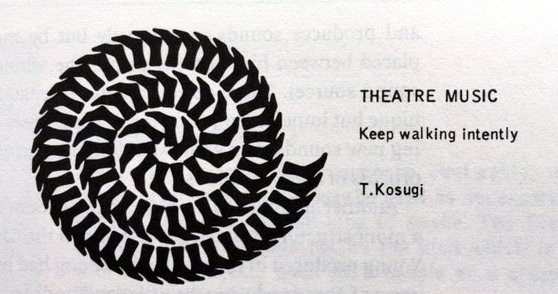
‘Keep walking intently’
Takehisa Kosugi’s text score Theatre Music.
Text score from Michael Nyman, Experimental Music: Cage and Beyond (Cambridge: Cambridge University Press, Second edition, 1999).
Now playing: Taj Mahal Travellers – July 15, 1972.
Murdo Eason - From Hill to Sea
walking / writing / between world and word
‘Keep walking intently’
Takehisa Kosugi’s text score Theatre Music.
Text score from Michael Nyman, Experimental Music: Cage and Beyond (Cambridge: Cambridge University Press, Second edition, 1999).
Now playing: Taj Mahal Travellers – July 15, 1972.

Up above, the sound is like a collision of thunder arriving from north and south. Traffic heading to unknown destinations, running up and down the asphalt spine of the M90 motorway. Here, underneath the flyover, the concrete walls have become vast, abstract-expressionist assemblages. Layer upon layer of weather effects, pollution spray, pigment and human mark-making. It is only the walker who will notice these. Why, would you dwell, to look, if travelling in a car?
Has any disorientated walker followed the arrow east TO DIVIT, or west TO THE RO?

Unusual names – DIVIT, THE RO.
Consulting any official map will be of little help. There will be no record of these places. Perhaps we are standing on a territorial boundary line. DIVIT being a local name for Inverkeithing to the east. THE RO is Rosyth to the west. That human compulsion to establish borders and territories. Points of entry or exit. Lines pronouncing otherness, even when invisible and local.
Not far away, a universally recognised symbol. How many times has a heart shape been inscribed on a surface across time and space? From Cro-Magnon cave walls, via the ancient Greeks – a symbol of life and morality and possibly an association with Dionysus and love – to the more familiar symbol of romantic love emerging in the 1200s. Anyone using social media will recognise ❤ ❤ <3.
Under this motorway flyover, a black heart in brush stroke, partly over-painted in white. The shape immediately recognisable, a symbol we can all ‘understand’. But does the nuance of its meaning remain with the mark maker? We connect through common language but subtleties of difference always escape, to be either celebrated or repressed.
Is that a human figure we see enclosed within the heart? Possibly kneeling? Who can say?This small detail, on the patina of concrete canvas, remains a daub of mystery. A symbol as elusive and remote from the casual observer as the Pictish symbols, found further up the Fife coast, carved in the Wemyss Caves around 600 – 700 AD.

The difference between the who and the what at the heart of love, separates the heart. It is often said that love is the movement of the heart. Does my heart move because I love someone who is an absolute singularity, or because I love the way that someone is?
Jacques Derrida
Now playing: Julian Priester Pepo Mtoto – Love, Love

.

.

.

.
Now playing: The Jesus And Mary Chain – Alphabet Street (Cover).
the handsomest by far of all the factory towns in Yorkshire and Lancashire
Friedrich Engels
In hindsight, it was perhaps inevitable. Brought to this town by a Wolf(f) and a Cow, (1) the animistic world was transmitting subtle messages within seconds of walking out of the station.
Directly opposite the grandiose railway building, that could easily masquerade as a town hall, a lion prowls the rooftops, frozen in time since 1853. Those Victorians loved their symbols of Empire and the earthbound relative of our rooftop dweller, gazes out imperiously from the entrance to Lion Chambers. A small winged dragon sits above on the keystone. Possibly a symbol of Victorian industriousness or, as Ruskin would have it, a more sinister, ‘satanic’ motif of rampant industrialisation. Or perhaps the dragon is simply hiding from St George. I have just walked across a square that bears his name.

I find out later that the present rooftop lion is a fibreglass copy of the original which was made in Coade stone, a ceramic stoneware popular with Victorian and Edwardian architectural sculptors. Other Coade stone lions and decorative statues can be found at Kew Gardens, Buckingham Palace and Westminster Bridge, the present home to London’s Red Lion a.k.a The South Bank Lion.
.
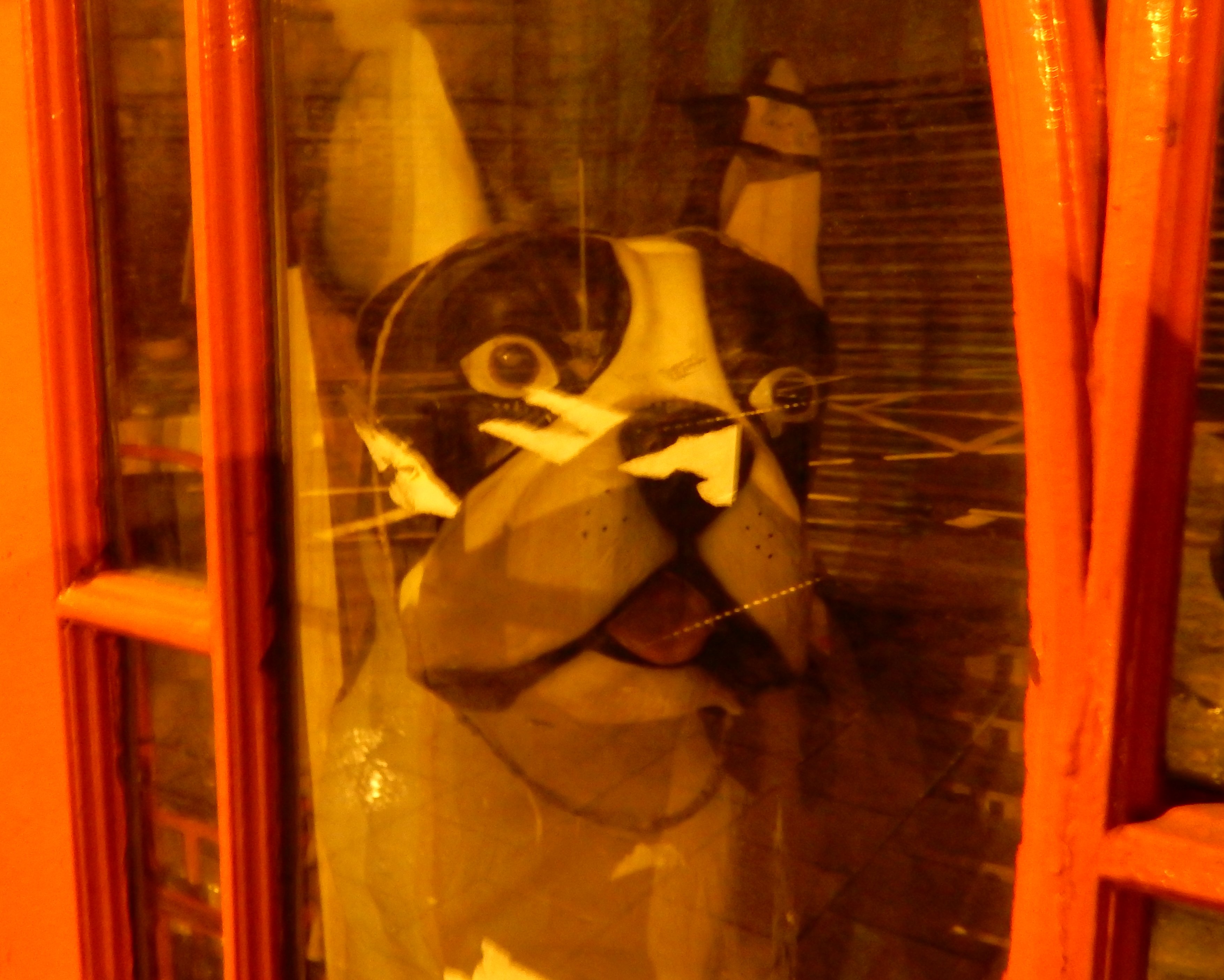
 Minutes later I turn a corner to come face to face with the Emporium Dog. All eager eyes and panting tongue. I half expect him to bound up on hind legs to his full height – “Buy Me, Buy Me, Buy Me”.
I pass him a few times over the weekend. Always looking happy, as dogs invariably are, when outside in the fresh air. Locked up for the night, he takes on a melancholy countenance, looking out wistfully from his glass cage under the red neon.
.
I imagine taking him out for the day, navigating on and off trains and buses. A window seat obviously, top deck right at the front. Squeezed into the passenger seat of a car, head out of the window, licking the breeze.
These transmissions from the non-human world became a feature as I wander through Huddersfield over the next few days. I walk up a street named Beast Market and regularly see magpies and crows flitting around the small grid of Victorian streets, perfectly at home in their urban environment.
Above what is now a nightclub bar called Sin, two fine horses catch the eye. Even with the stone weathering you can see that one is elegant, poised and groomed with a manicured mane.

.
The other is wild and untamed. Encased in its stone alcove since the 1840s, you can sense its desire to break free and run.
.
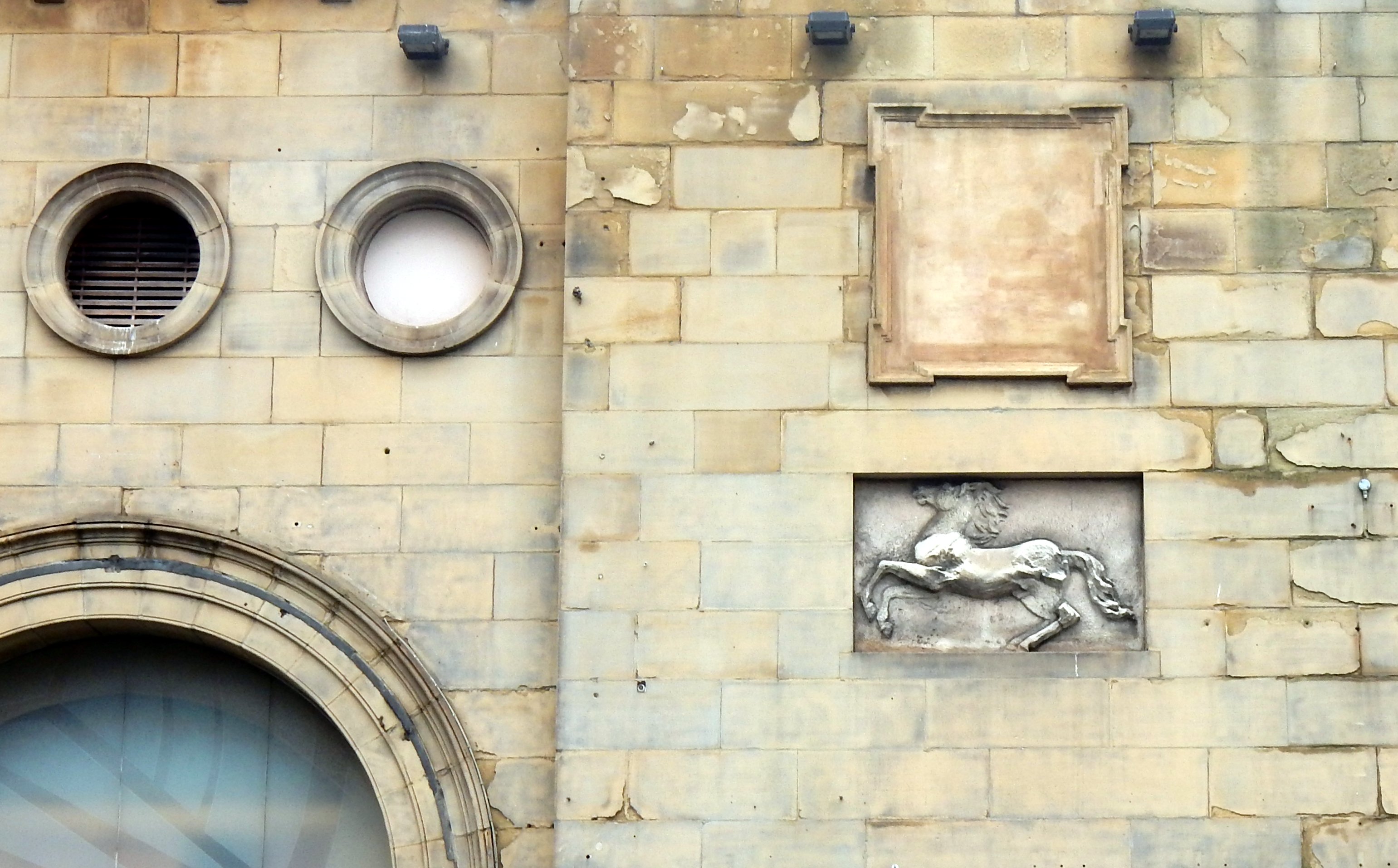
I find out that the building was originally built as a military riding school in the late 1840s and was the headquarters of the 2nd West Yorkshire Yeomanry Cavalry.  It subsequently became a music hall in 1905, aptly named the Hippodrome which must have made our wild horse dream of running around the racing stadiums of ancient Greece. Perhaps our groomed stallion was more suited for hippodrome chariot racing. I wonder what our horses make of the carnivalesque ambiance of the nightclub bar. Passing outside at night, the dull, techno thud-thud conjuring up the Taraxippus – or ‘horse disturber’ – a ghostly presence blamed for frightening horses at the hippodromes throughout ancient Greece. The current ‘To Let’ sign on the building must create future uncertainty for our equine friends and in a town bristling with the fading lions of Empire, the horses must always remain vigilant.
.
≈
One thing quickly becomes apparent about Huddersfield. Walk in any direction from the centre of the town and you will soon find that it is completely encased in a ring of traffic.
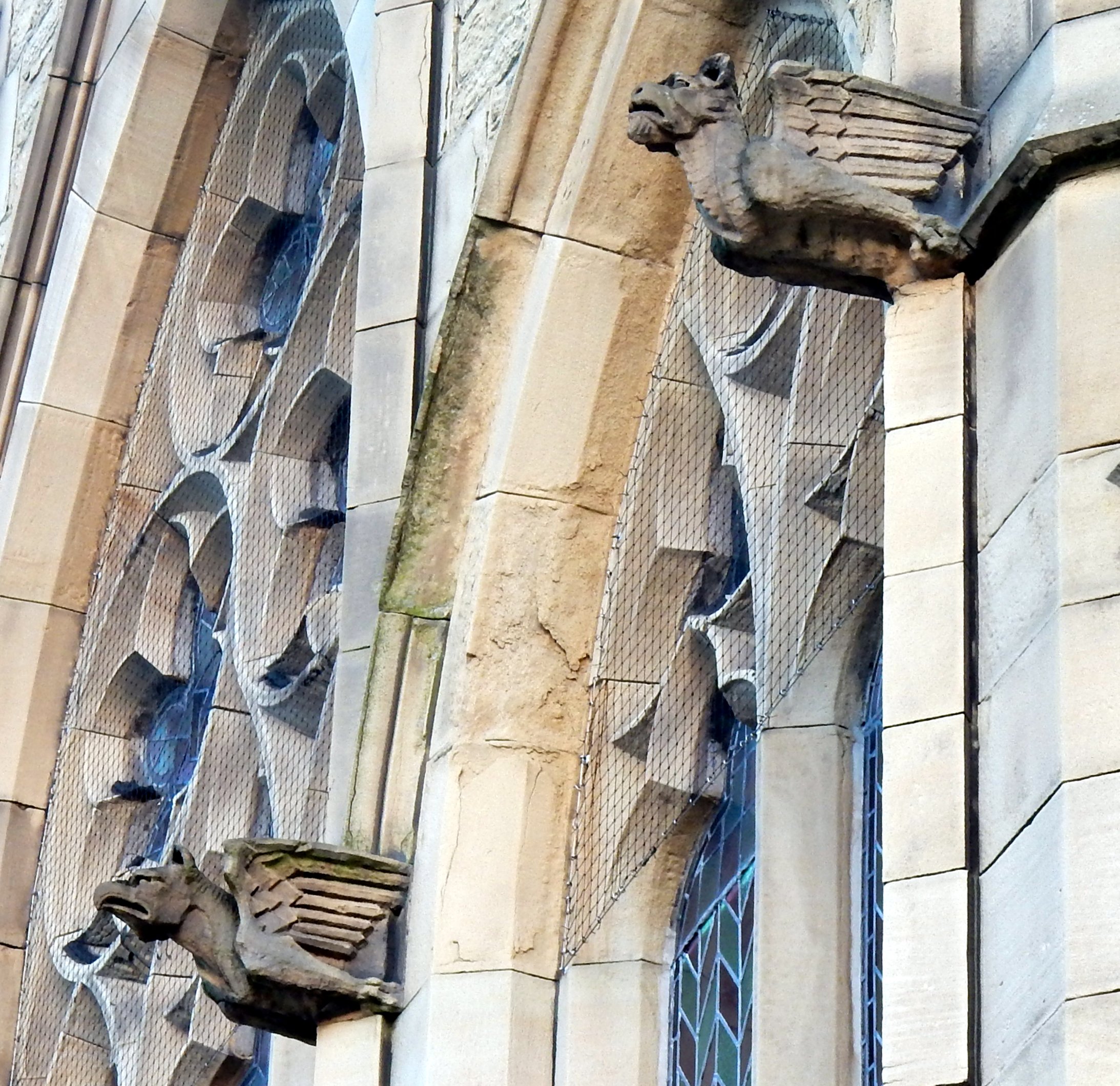
On a Saturday afternoon and with a bit of time until the next concert, I manage to break through the A62 ring road and head down towards the old industrial mill district, passing the winged lioness and griffins of the Gothic Milton Congregational Church on the way:
.
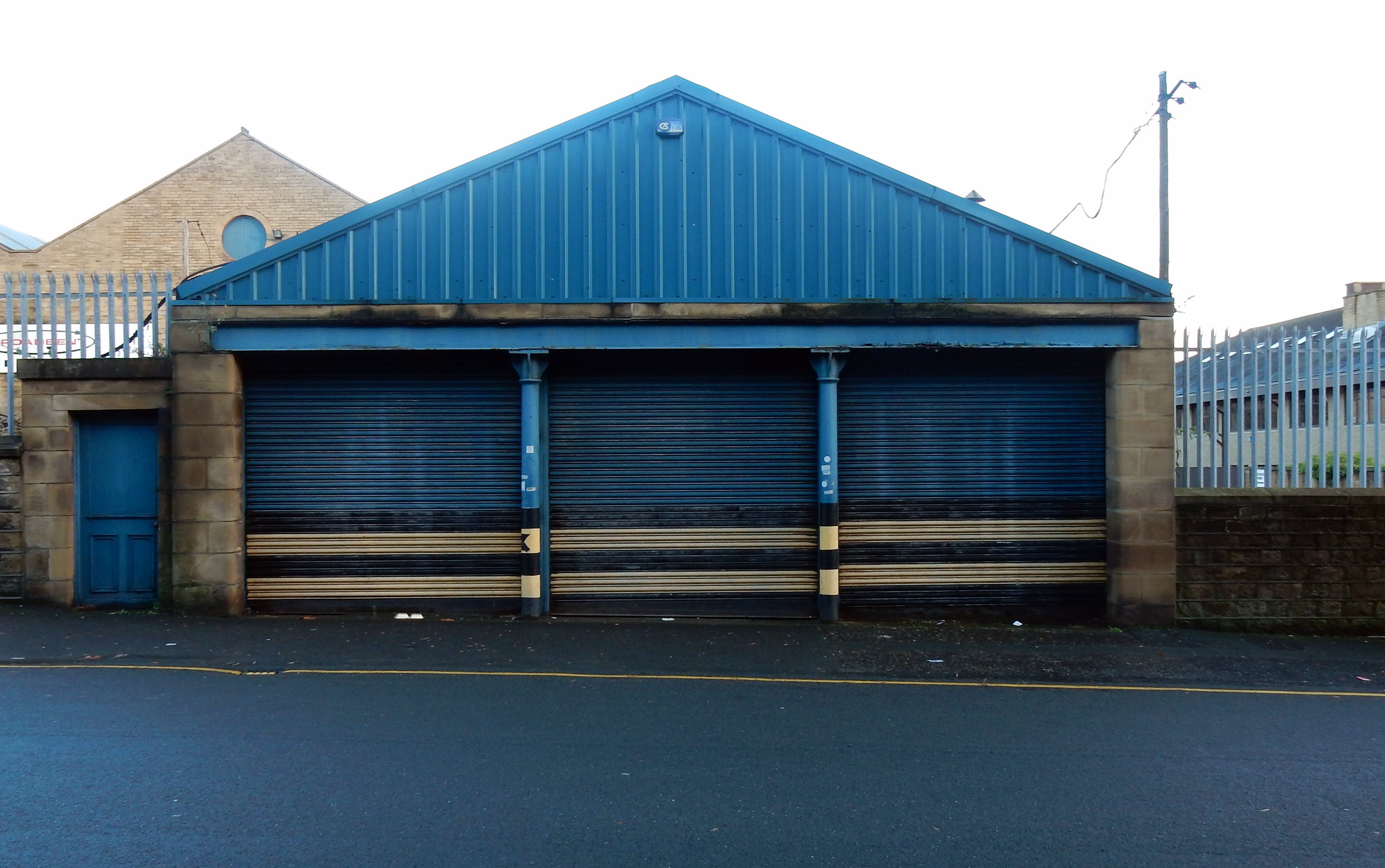
I’m drawn to a fairly nondescript, light industrial building. Shuttered and silent it’s a colour which has a kind of luminosity, casting light on the road. A premonition of blue?
I’m heading to Bates Mill to see Carlos Casas‘ audio-visual installation Avalanche:
Exploring the interrelation of landscape, soundscape, music and ethnography, Avalanche is an audiovisual meditation about a village and its traditions on the way to disappearance. One of the world’s highest inhabited villages, Hichigh is located in Tajikistan’s mysterious and fascinating Pamir mountains, home to many archaic and well-kept traditions. The film depicts Hichigh at a time of literal and figurative dusk: on the cusp of becoming a ghost village, just before its stones and mud houses are eaten by the mountain again.
It is a powerful and poignant piece, with the multi-screen environment enhanced by a Phill Niblock score. Depicting a culture barely surviving at subsistence level, they are clinging on to existence on the side of this high mountain landscape and yet, life goes on.
Standing in this space, you cannot help but reflect on the building where this is being exhibited. This old textile mill where the skills, traditions and culture of the yarn spinners was slowly eroded by globalisation, lower cost labour and the flight of international capital. Yet, life goes on. It is good to see Bates Mill now being reinvented as an arts venue, incubator space and photographic studio.
It is late afternoon, drizzly and overcast when I exit Bates Mill. I can hear the River Colne nearby and head off for a quick look. Walking through a deserted car park, a corner of graffiti and greenery, topped off by the pedestrian bridge, punches some colour into the monochrome light. Bizarrely, it looks like the wall has been partly rebuilt, with new bricks erasing part of the original graffiti.

I need to get back to the University where the next event will take place and notice a sign for the Narrow Canal Towpath. How can this be resisted? It feels as if it will take me in the general direction of the University so I enter the narrow opening, casting off the distant traffic sounds with each step as I descend on to the towpath. Looking underneath the arch of the road, which runs overhead, it’s no surprise to see the place has been tagged. The water, a still pool of black ink.

I’m heading in the opposite direction. It is so quiet and there is barely any movement on the water as the grey blanket of dusk descends. The phone in my pocket starts to ring and I have barely answered when I’m hit by a jolt of blue at the periphery of vision. Surely not. For I second, I wonder if I’ve imagined this, when it happens again, like a razor, scything through the twilight which descends to alight barely 10 feet away on the canal bank. A twitching ball of nervous energy, curious. It appears to pull in all the surrounding light and radiate it back. The illuminated blues of lapis lazuli, golden orange, red flecks. A shape-shifting intensity of colours.
“I’ve just seen a kingfisher, will phone you back”
Of course, it disappeared again as quickly as it had appeared and I was once again left wondering whether I had just imagined this. Up until this day, I had never seen a live kingfisher. I had certainly tried. I had gone to spots along The Water of Leith, in Edinburgh, where there had been sightings and yet they remained elusive. One day I sat on the banks of the Lyne Burn in Fife for hours like a fisherman without a rod, waiting for a glimpse. Anything … Nothing … Funny thing is, I doubt if I would have done this for any other bird. I’m not a birder and have little real knowledge of birds, yet they always captivate and fascinate when I stop to look at them. However, the kingfisher has always exerted a strange magic. The name itself – king – fisher – flitting between land and water with a display of colour that shouldn’t really belong in this world. As if it this small bird has escaped from a cartoon or wandered in from some exotic climate by accident.
Yet here, today, alongside an old industrial canal I had finally seen one. Of course the bird was long gone but this is where it happened:

Any lingering doubts of having imagined all of this were dispelled when it reappeared one final time. Flying low down the middle of the canal, barely above the water. It almost seemed to be a gesture to confirm its existence. A life enhancing presence in the most unlikely of settings.
Those animistic spirits had clearly been working in my favour.
.
Now playing: Lyndsay Cooper – Rags
Reference:
Huddersfield Heritage – Leaflet produced by Huddersfield Local History Society, Huddersfield Civic Society and Kirklees Council.
(1) In town for the fantastic Huddersfield Contemporary Music Festival. On this particular weekend two of the major events were concerts featuring Christian Wolff and Henry Cow. Christian Wolff is the last surviving member of the composers who came to be called The New York School alongside John Cage, Morton Feldman and Earle Brown. Wolff is also the person who gave John Cage his first copy of the I-Ching. Henry Cow and associated musicians reformed to celebrate the music of composer and multi-instrumentalist Lindsay Cooper (1951 – 2013).
With the clocks about to go back this weekend, autumnal hues cloak the body and seep into the skin. The piercing light of summer is almost emptied out. Weak threads of sunlight dissolve amongst russet, ochre and blanket skies of grey.
Here then, some small cups of blue:

.
inked
……………upon the sky
blue
……………cupped
time
……………held
in a breath
≈≈≈
The potter makes the earthen pitcher out of earth selected and prepared specifically for it. The potter … shapes the clay. No – he shapes the emptiness.
Martin Heidegger
When posting the above image on twitter, I received, by return, a digital echo from Andrew Male, (@AndrewMaleMojo). A fragile image, of the same unknown plant, etched in glaze and fire; ‘cupped’ and bleeding into blue.

The bowl was made by the potter Beresford Pealing who ran a studio-pottery at Harnham Mill, West Harnham, Salisbury, Wiltshire from 1966-1972. Pealing created hand-thrown domestic stoneware оf а type pioneered by Bernard Leach working іn аn Arts & Crafts tradition.
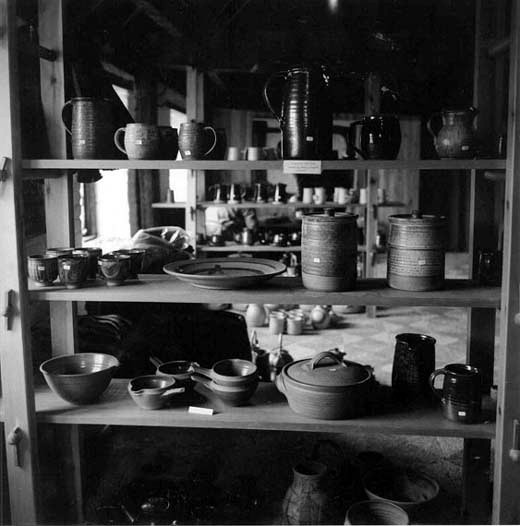
The image of Pealing’s bowl resonated with the image of that flower cupping light, sky and time and somehow reminded me of Martin Heidegger’s late thought, particularly his Bremen Lecture of 1949, Insight into That Which Is:
When we fill the pitcher, the liquid flows into the empty pitcher … The thingness of the container in no way rests in the material that it is made of, but in the emptiness that [it?] contains.
I’m not sure if Heidegger ever acknowledged it, but it seems too much of a coincidence if this passage was not influenced by the arguably more poetic rendering in the Tao Te Ching:
Shape clay into a vessel;
It is the space within that makes it useful.
(Tao Te Ching: Chapter 11, translated by Stephen Mitchell, 1988)
or in an alternative translation:
Hollowed out,
clay makes a pot.
Where the pot’s not
is where it’s useful.
(Tao Te Ching: Chapter 11, translated by Ursula K. Le Guin, 1998)
A random moment this week threaded together that plant inked against the sky and Beresford Pealing’s bowl. Opening the front door, an empty form cupping the autumn light:

Overnight, a dweller on the threshold had constructed possibly the perfect form of useful emptiness. A filigree construction allowing the world to pass through and bring whatever bounty may stick on the way…
And of the unknown plant?
When the photograph was taken, I had no idea what it was, although A, who is the gardener, told me that it would soon ‘explode’. She didn’t know the name either.
Fraser MacDonald @JAFMacDonald kindly identified it as Agapanthus and sent a link to this stunning time-lapse film. Enjoy the white stars exploding in all their glory. All within fifteen seconds:
.
But there is one final act of synchronicity. Re-watching the film clip today and revisiting Heidegger’s lecture, I come across his thinking on the emerging technologies of 1949 (for example film) and specifically, their ability to collapse time and space. An example that he gives is:
the sprouting and flourishing of plants which remained hidden throughout the seasons is now openly displayed on film within a minute…
We can only imagine what his response may have been to the webs spun by modern technologies. Lots of un-useful emptiness? Perhaps we can learn from the spider. Spin the web, shape the emptiness and see what sticks.
Many thanks go to Andrew Male and Fraser MacDonald for their invaluable contributions to this post.
Now playing: Brian Lavelle – Empty Transmissions.
References:
Martin Heidegger, Insight into That Which Is, Bremen Lecture, 1949 (Indiana: Indiana University Press, 2012)
Lao Tzu. The Tao Te Ching, various translations.
.
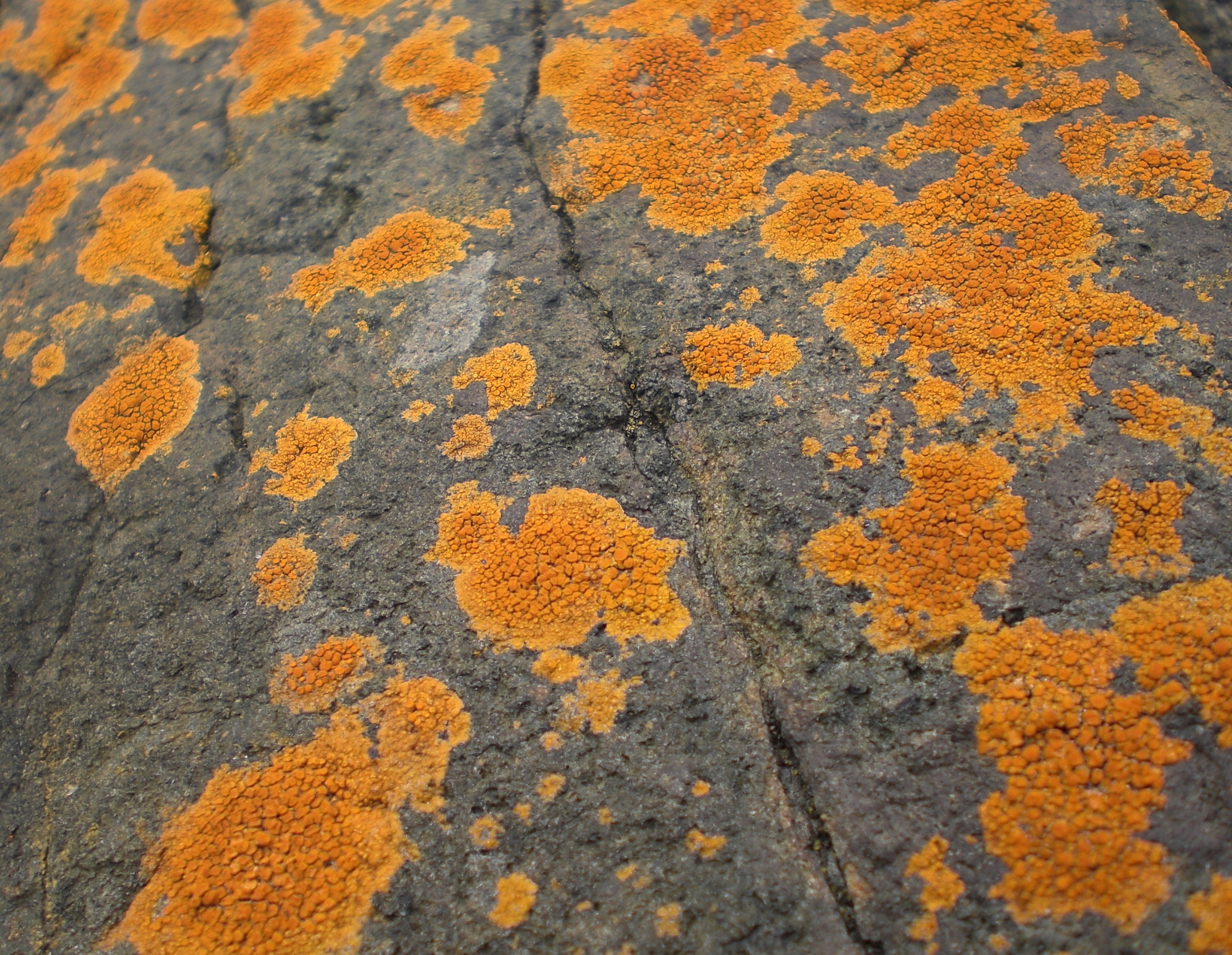
worlds within worlds
worlds within worlds
worlds within worlds
worlds within worlds
worlds within worlds
worlds within worlds
worlds within worlds
worlds within worlds
worlds within worlds
worlds within worlds
worlds within worlds
worlds within worlds

from the ocean
land forms
islands
an archipelago
of weather
and time

.
telescope, or
microscope?
thin world portal,
sea or sky?
.

.
an autarky
of green
only open
to sun
and rain
.
.
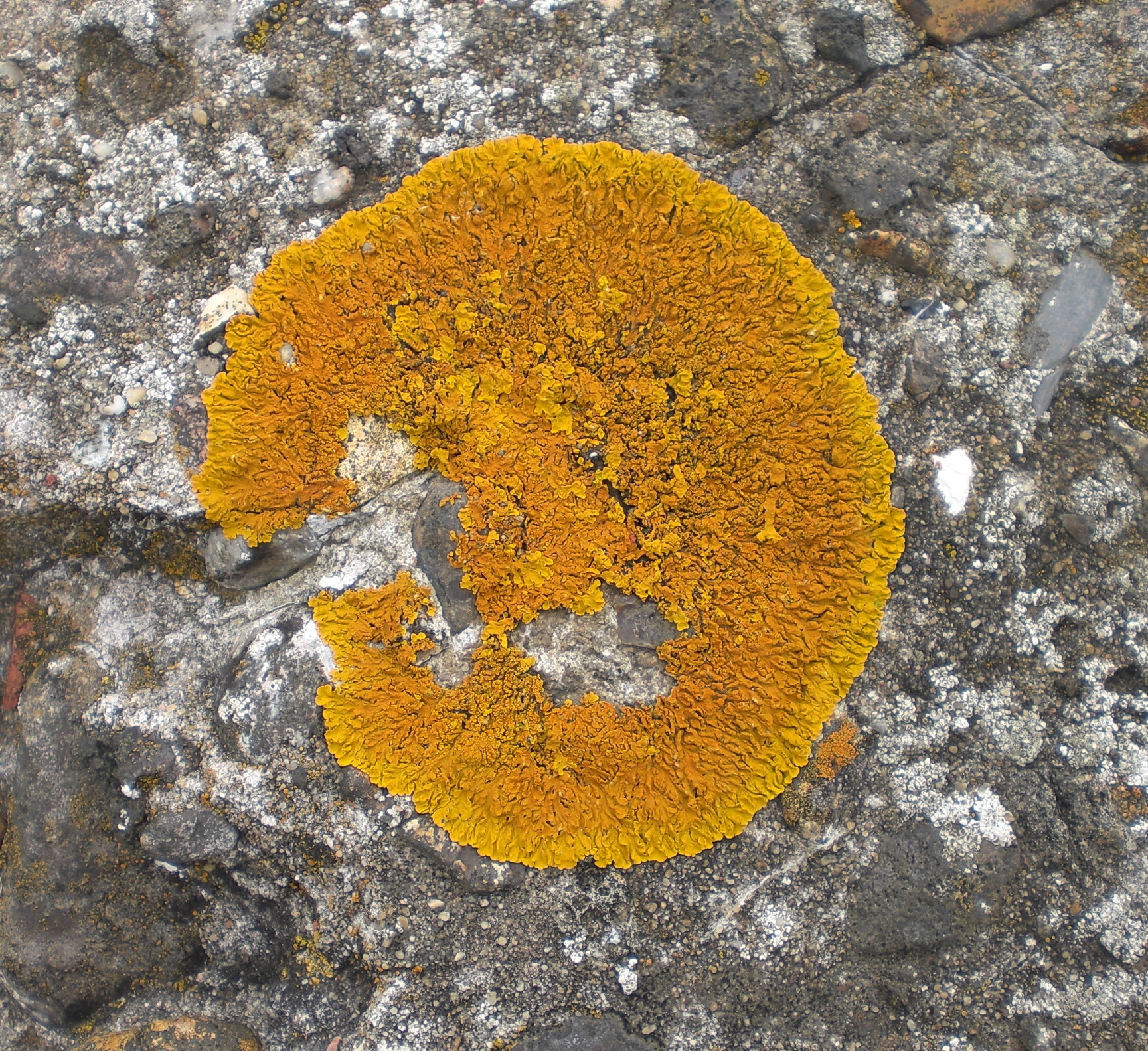
the high lands
shape
invisible cities
littoral drift
lagoon
an oxbow lake
.
.
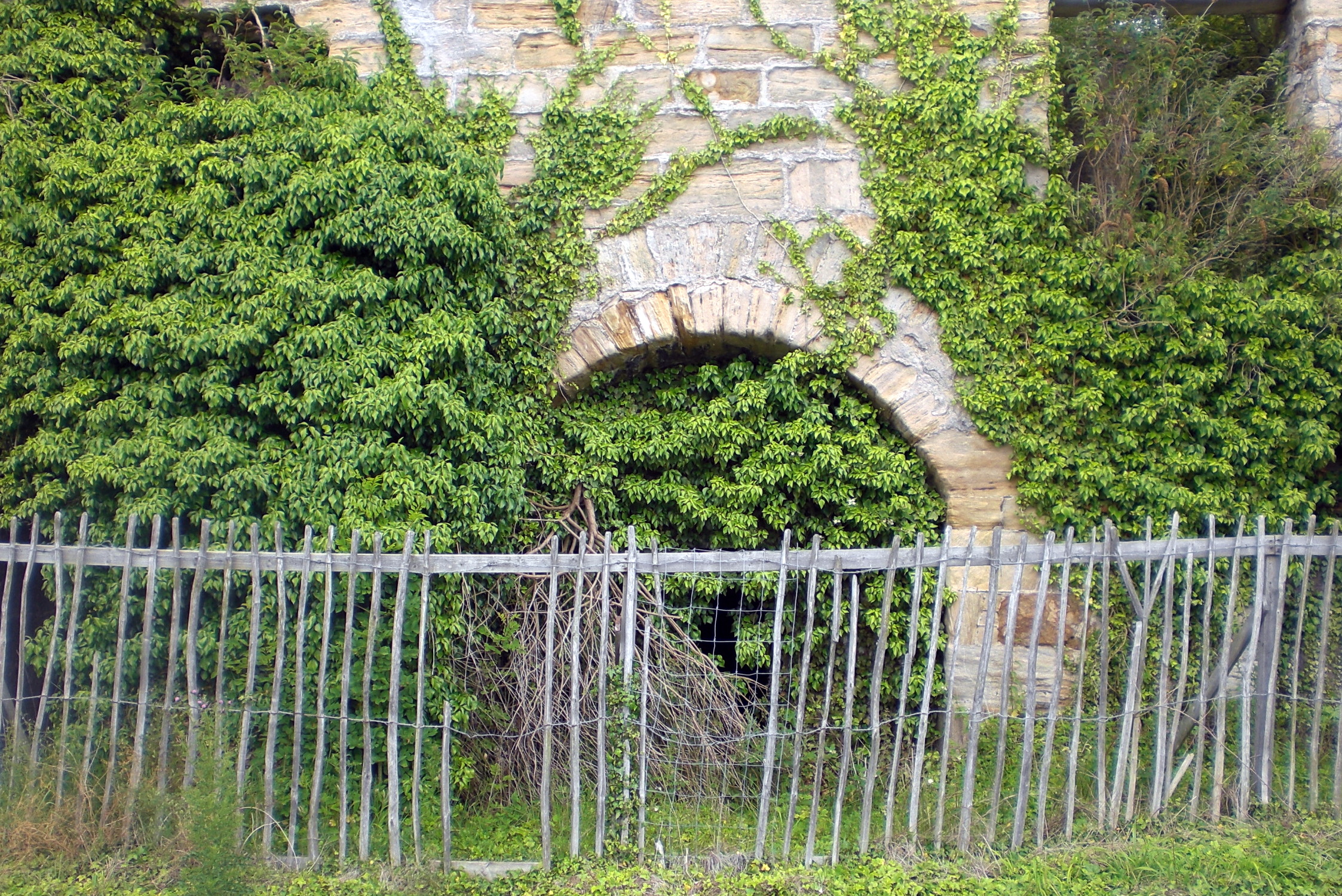
The Charlestown limeworks were one of the earliest industrial complexes in Scotland at the advent of the industrial revolution. Conceived in 1752, within ten years, they had become the largest lime producing facility in Europe.
The Charlestown limestone was quarried locally. Coral laid down 300 million years ago formed calcium carbonate (limestone) which was heated in the kilns with coal to 900°C. During this process the weight of stone reduced by 40%. More of a devils’ share than an angels’ share.
Working conditions have been described as a “hellish scene” with the hot air thick with sulphur and ammonia from the limeburning. The list of worker’s functions leach from the page into the ‘old words’:
Kilnheadman
Drawer
Trimmer
Slaker
Emptier
Sawyer
Mason
Wright
Labourer
Overseer
Today the kilns exist as another, largely, forgotten memory of an industrial past. The encroaching green fingers are tightening their grip.
.

.
on the old railway track
traces of sleeping
sleepers
.

.
above the surface
vertical calm
conceals
unseen networks
of rhizomatic agitation
.
.
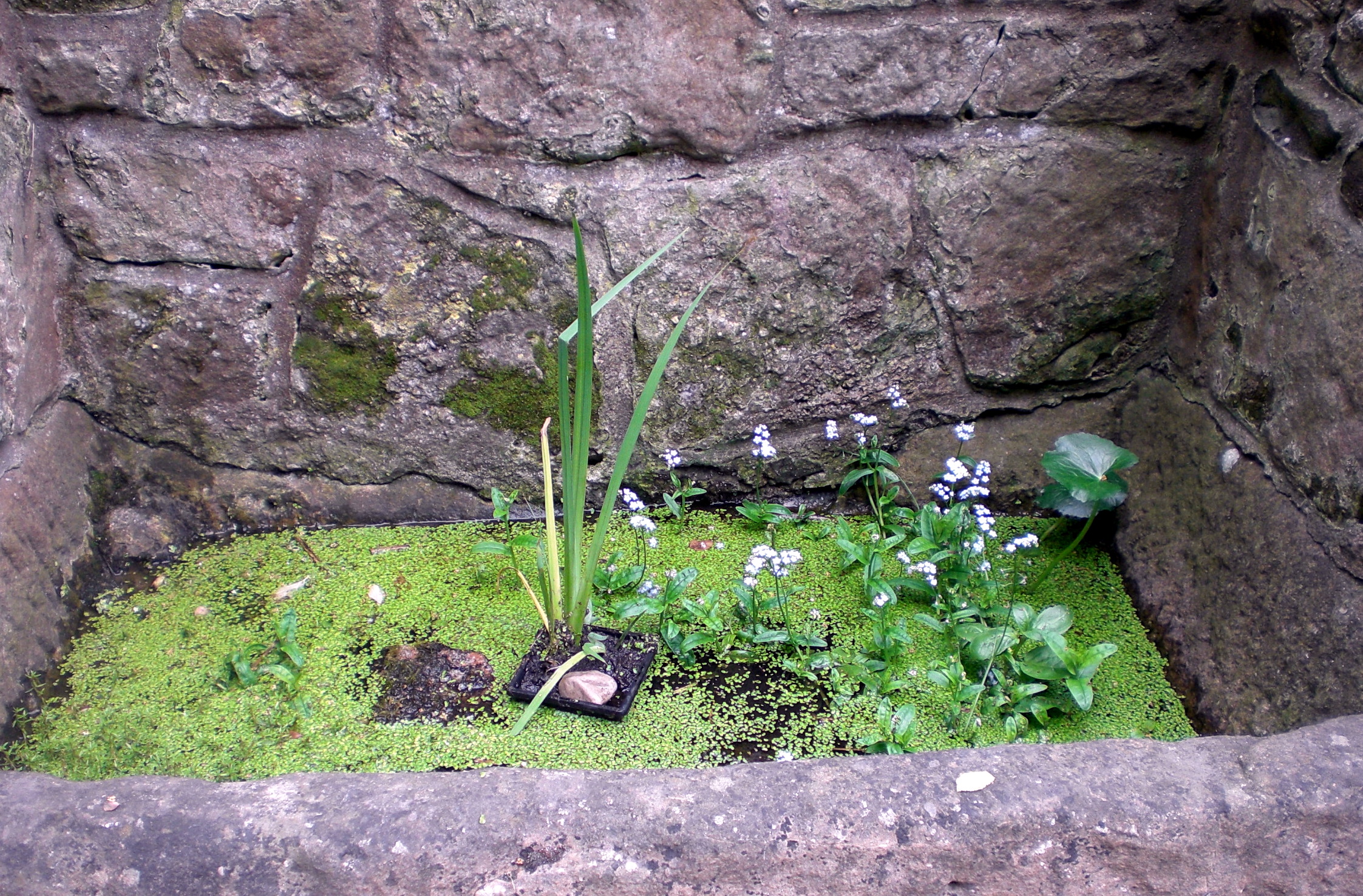
On Charlestown Brae
the old horse trough
a flowering
of water and air
.
.
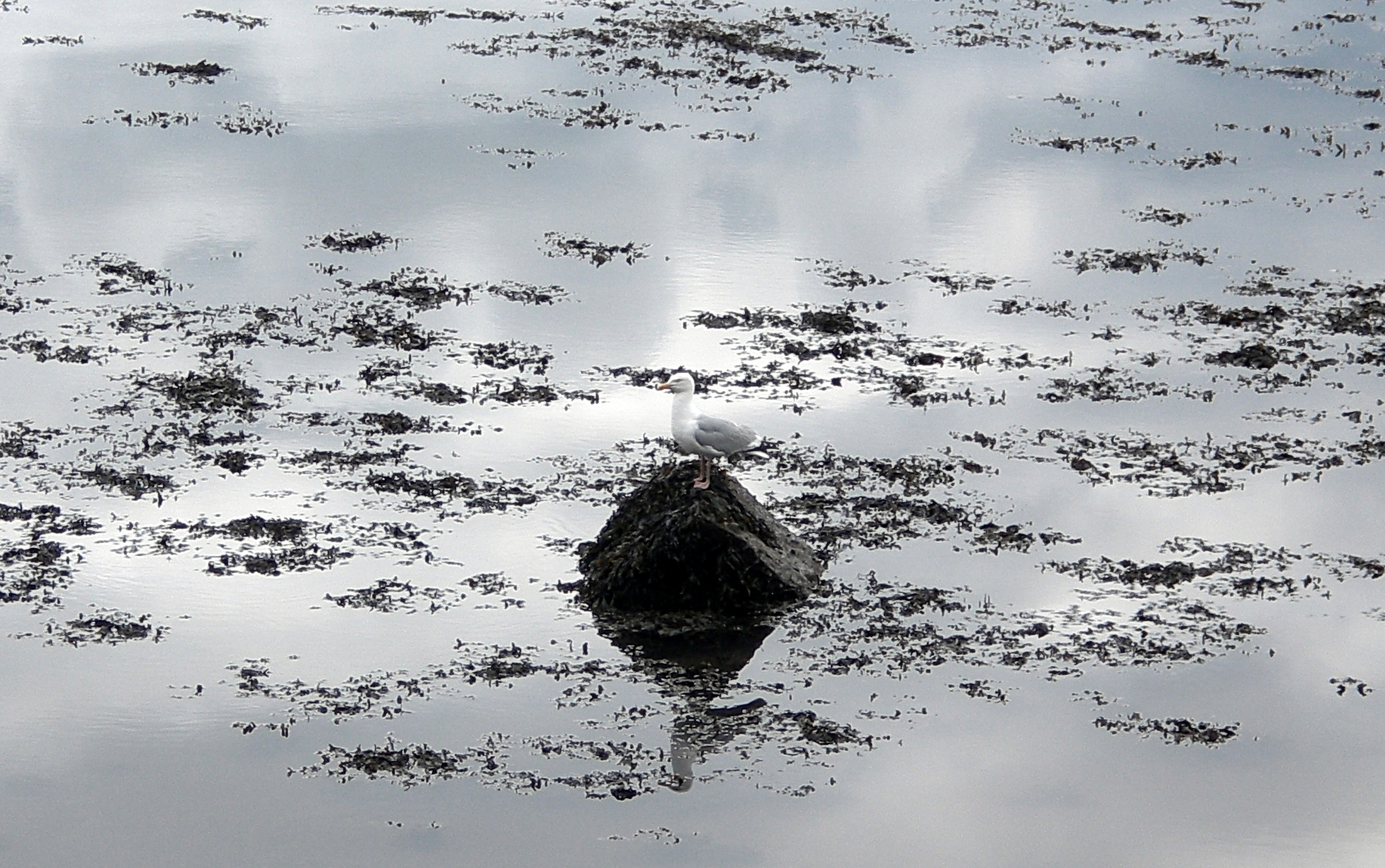
the need to create, islands for contemplation.
≈
.
 .
.
Heat formed
in black ocean
a coastline emerges.
Inlets, an isthmus
white tundra,
transmuted gold.
≈
From a short walk in Charlestown, Fife.
Now playing: Steve Roden – Four Possible Landscapes.
Reference:
Norman Fotheringham, Charlestown, Built on Lime (Charlestown: Charlestown Lime Heritage Trust, 1997).
.
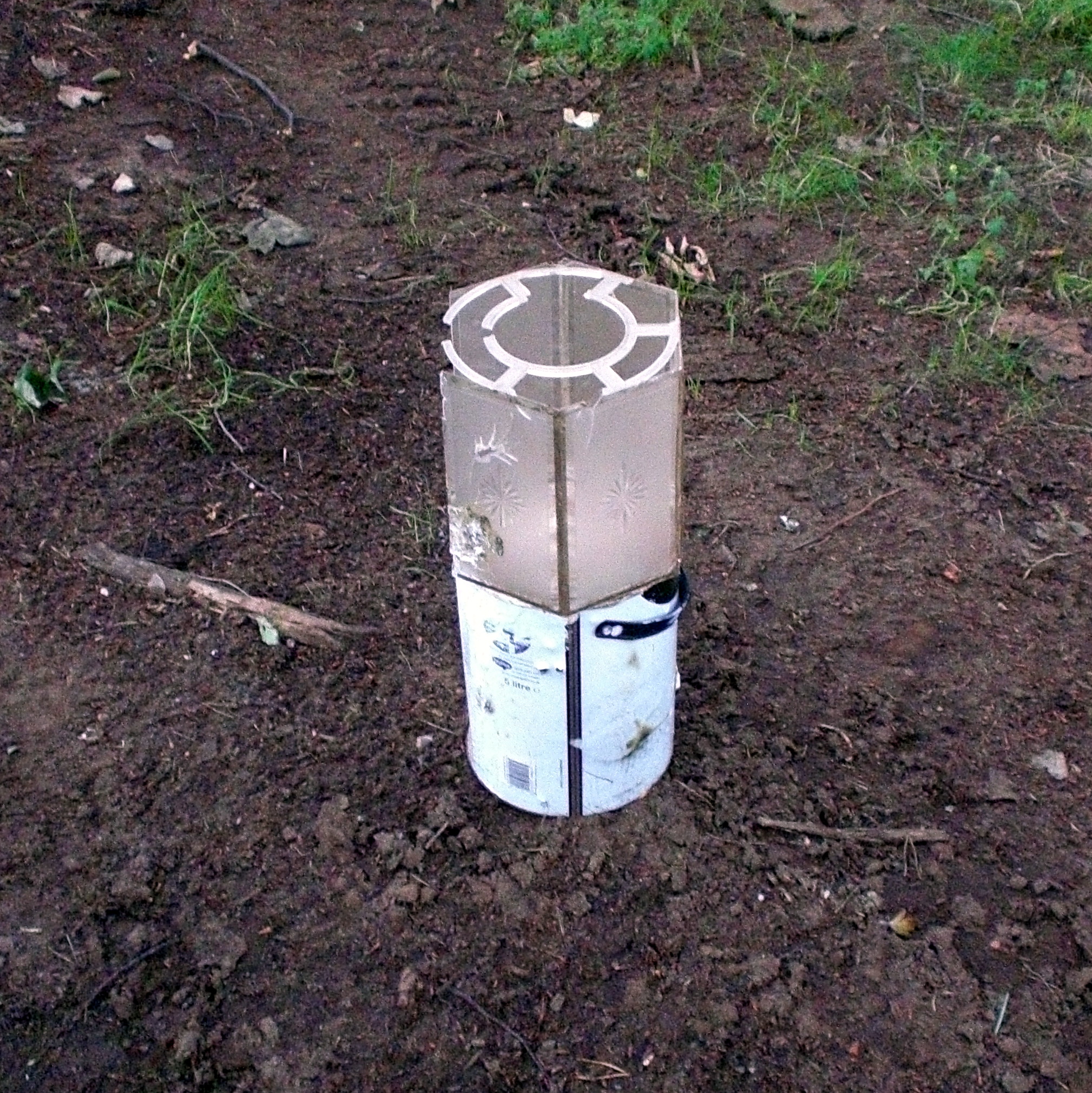
Found totem
Forest clearing
.
Now playing: The Sarsen Circle – The Sarsen Circle (Live)
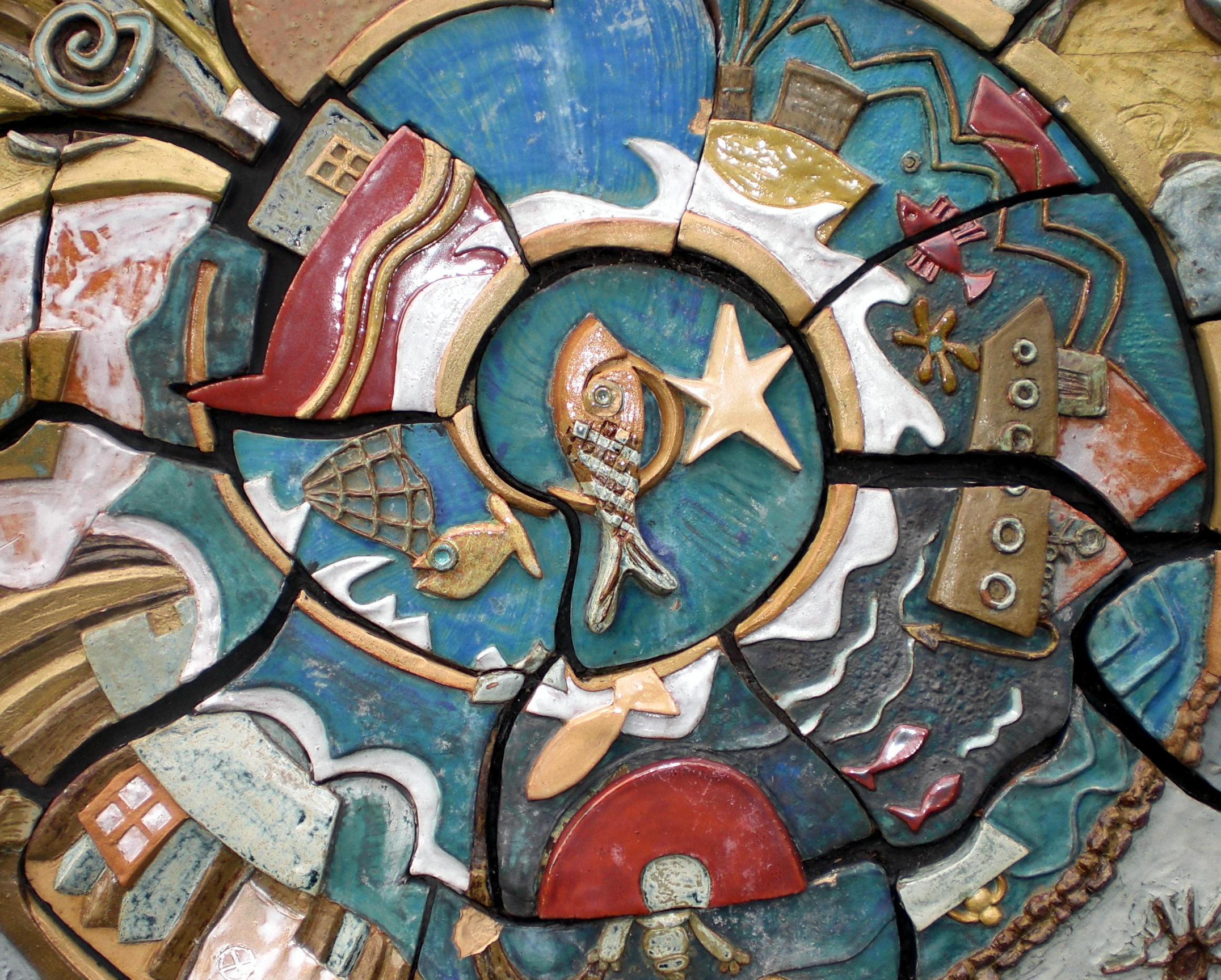
The unfolding spiral begins with the star, the sea and the fishes.
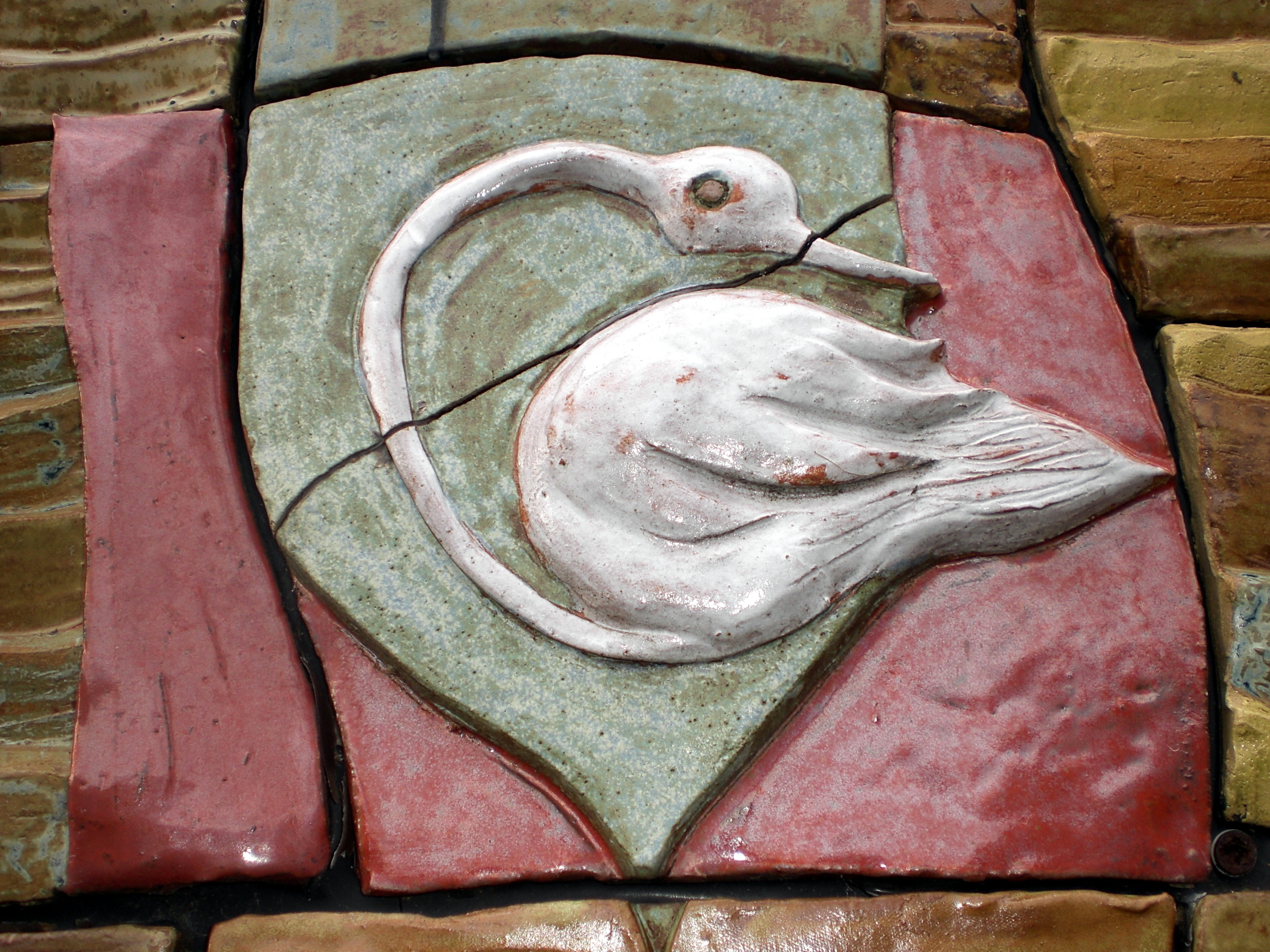
A story of place formed at the threshold of land and tidal flows. Named after the earliest human dwellings, the caves. Inhabited and used for thousands of years by the Picts, early Christians, Norsemen and smugglers, all leaving behind, evidence of that human need to make a mark. Their drawings of fish, serpents, sacred goats, deer and swans incised into stone as silent witness of their stories.
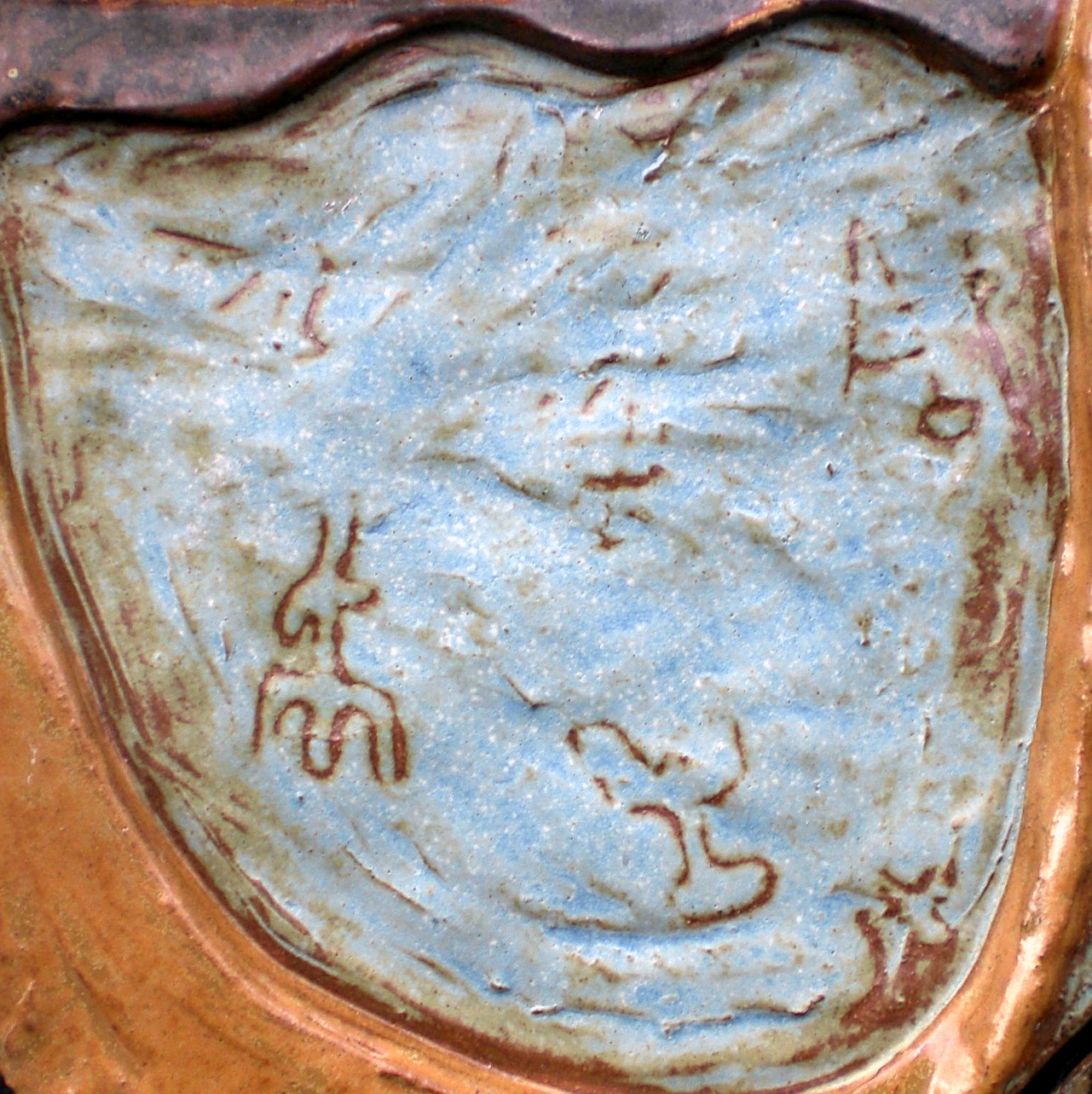
Walking down the aptly named School Wynd in East Wemyss, (the place-name of Wemyss derives from the Gaelic uamh, ‘cave’), you encounter a colourful piece of public art commemorating the history of the village. From the earliest beginnings of that liminal space between land and sea, there are later references to the nearby ruined castle of MacDuff, linked with the Thane of Fife, slayer of Macbeth. The distinctive red wheels of the Michael Colliery’s pithead winding gear represents the more recent industrial, mining heritage.
Like the whorls on a snail’s shell, an unfolding of time layered on place.
This place.
A place which holds and retains memory.
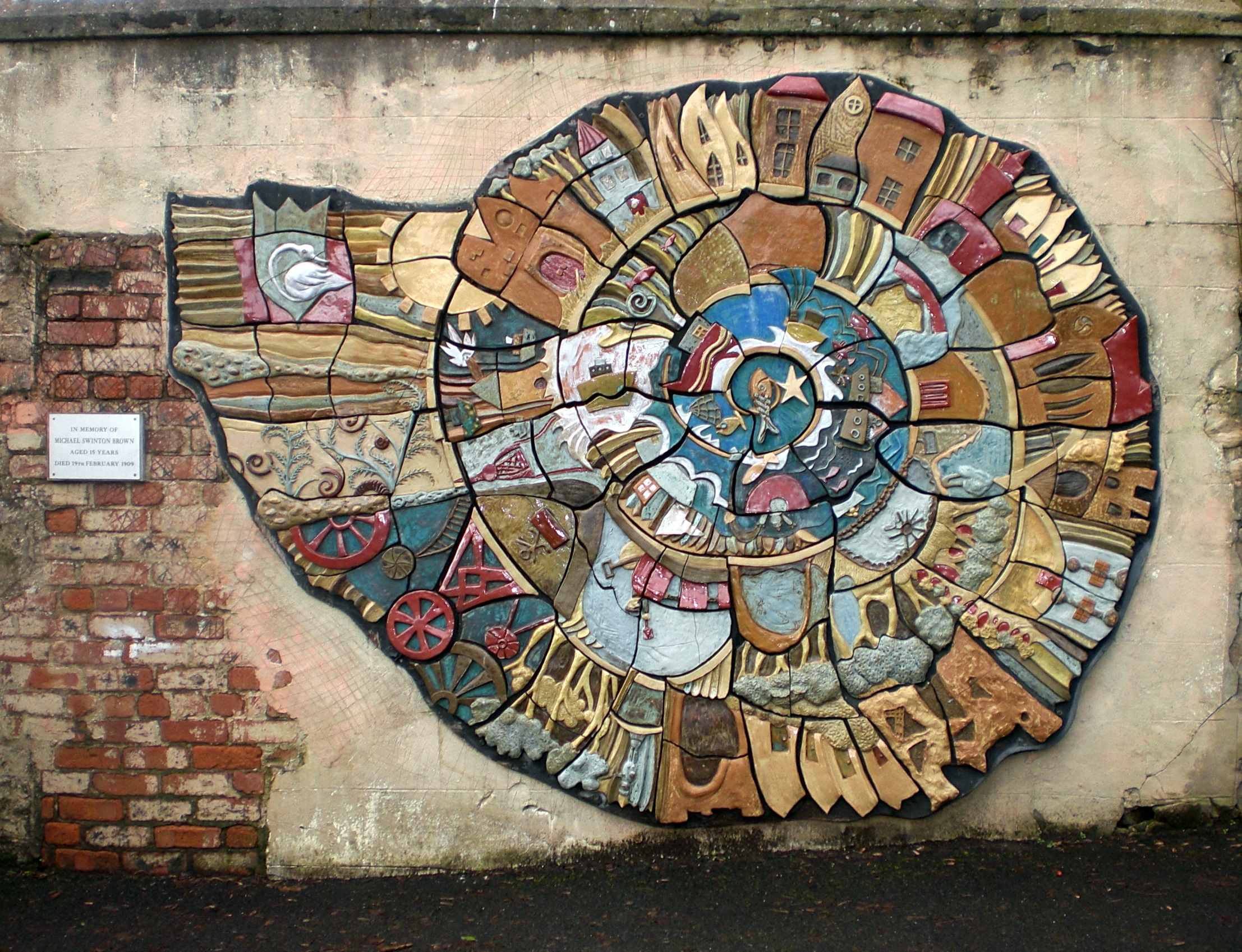
.
Why here, on this small, rough-cast covered, structure?
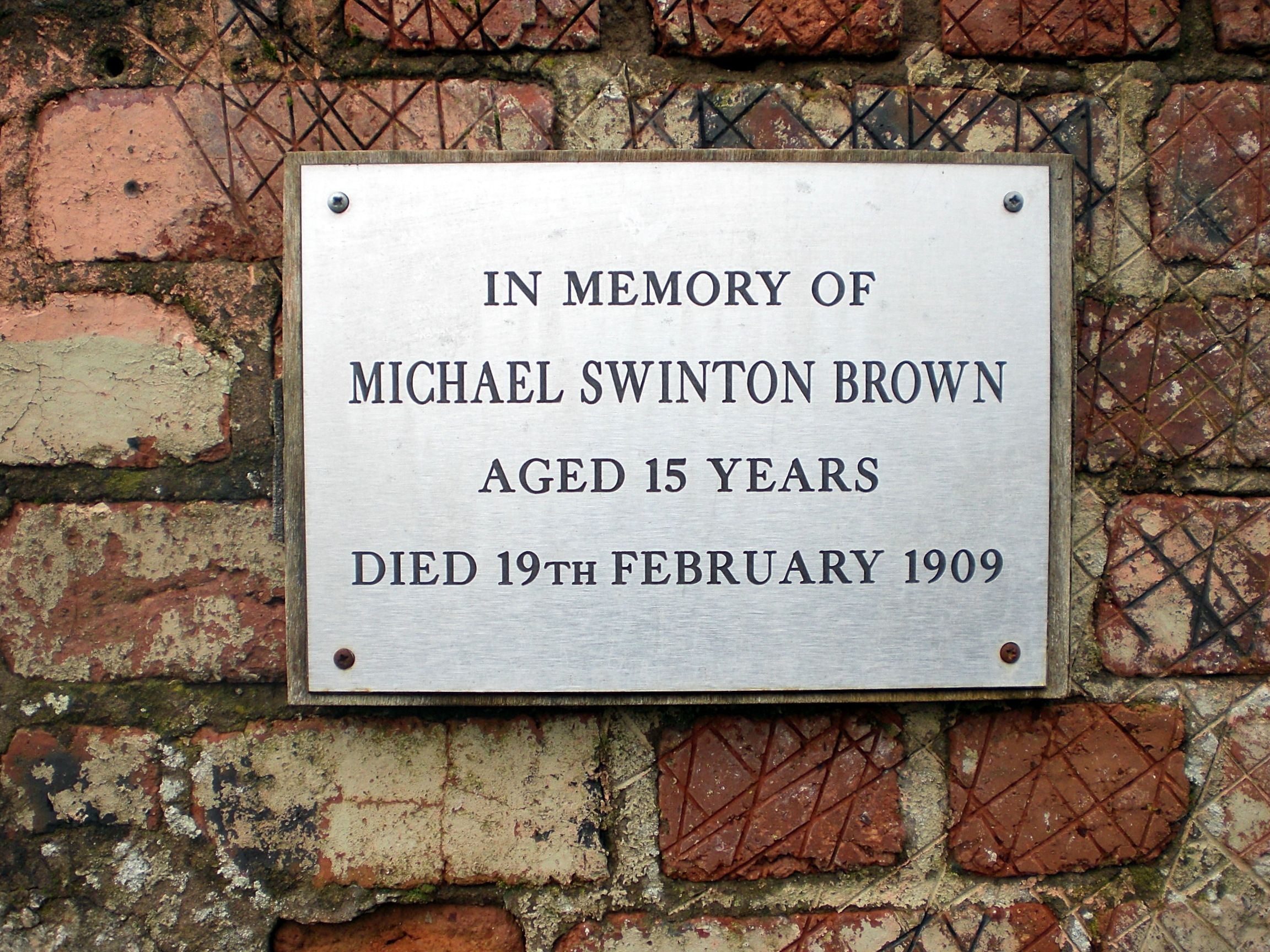
A small plaque sits to the left on exposed brick work:
.
.
We can’t learn too much from this. A memorial to a young boy, Michael Swinton Brown who died, aged 15, over 100 years ago.
Knowing what we now know, the cross-hatching on the brick work takes on an eerie significance:
.
Is this place speaking
of that violent energy
sustained slashing
– criss-cross, criss-cross
The need to make a mark?
.
≈
On 19th February, 1909, young Michael Brown did what he had to do every Friday. An apprentice clerk for the East Wemyss linen manufacturing firm, G & J Johnston, it was his task to take the tram to nearby Buckhaven to collect the weekly factory wages from the Royal Bank of Scotland. He would return to East Wemyss by tram and walk down School Wynd and back to the factory along the seashore. On this particular day another East Wemyss resident alighted from the tram just behind Michael.
Alexander Edmonstone, aged 23, was an unemployed miner who had moved, with his family, to the village from Edinburgh seven years previously. At exactly 11.54 am, Edmonstone watched Michael Brown set off down School Wynd carrying his brown leather bag containing £85. A few minutes later, Michael Brown entered the brick-built public lavatory and was shortly followed in by Alexander Edmonstone.
It is not exactly clear what happened in the next few minutes as no weapon was ever found but Michael Brown was murdered in a brutal and bloody assault. Edmonstone left with the bag of money and Michael’s watch and chain. He followed the course of the Black Burn before ditching the bag and bank pass-book on the seashore near to MacDuff’s Castle. Edmonstone knowing that he would be under suspicion, walked 12 miles to Strathmiglo, before catching a train to Perth and then on to Glasgow the following morning. Travelling on to Paisley, Edmonstone faked a suicide note which he left on the parapet of the bridge over the River Cart:
I murdered Mickey Brown – AE. You will find my body at the foot of the water nearby. I filled my pockets with stones. I bid goodbye to mother. Goodbye – Alexander Edmonstone.
Police dragged the river, obviously without success, and ‘Wanted’ posters were issued throughout the country offering a reward of £100 leading to an arrest. A month later, Edmonstone had managed to travel to Manchester to take up lodgings under the assumed identity of Alexander Edwards. A fellow lodger had been visiting Whitworth police station to apply for a hawkers licence when he noticed the ‘Wanted’ poster for Edmonstone and particularly noticed a reference to the watch stolen from Brown. He was sure he had seen this watch and convinced that his fellow lodger was Edmonstone.
Edmonstone was duly arrested and entered a defence of insanity at his trial. However, the jury only took ten minutes to deliver a unanimous verdict of guilty of murder. Edmonstone was hanged at Perth prison on 6th July 1910.
≈
The public lavatory in School Wynd has long since been bricked up. Now it’s a site on which the unfolding stories of place have been written.
A place that holds and retains memory.
A silent witness to the stories of place.
≈
Now playing: The Durutti Column – ‘Requiem Again’ from Vini Reilly
References:
Alexander Edmonstone, ‘Court Case 1909, July 8th and 9th’, The Fife Post
Molly Whittington-Egan, The Stockbridge Baby Farmer, (Castle-Douglas: Neil Wilson Publishing, 2013).
Recently, we have been visiting the area around the coastal town of Leven. A fairly long piece is slowly coming to fruition. Until then, here is a short post.
≈
Walk up Durie Street in Leven and listen out for the bees singing. Perhaps, the sound of the skep is more of a muted murmur now, but raise your eyes from street level and you may hear them.
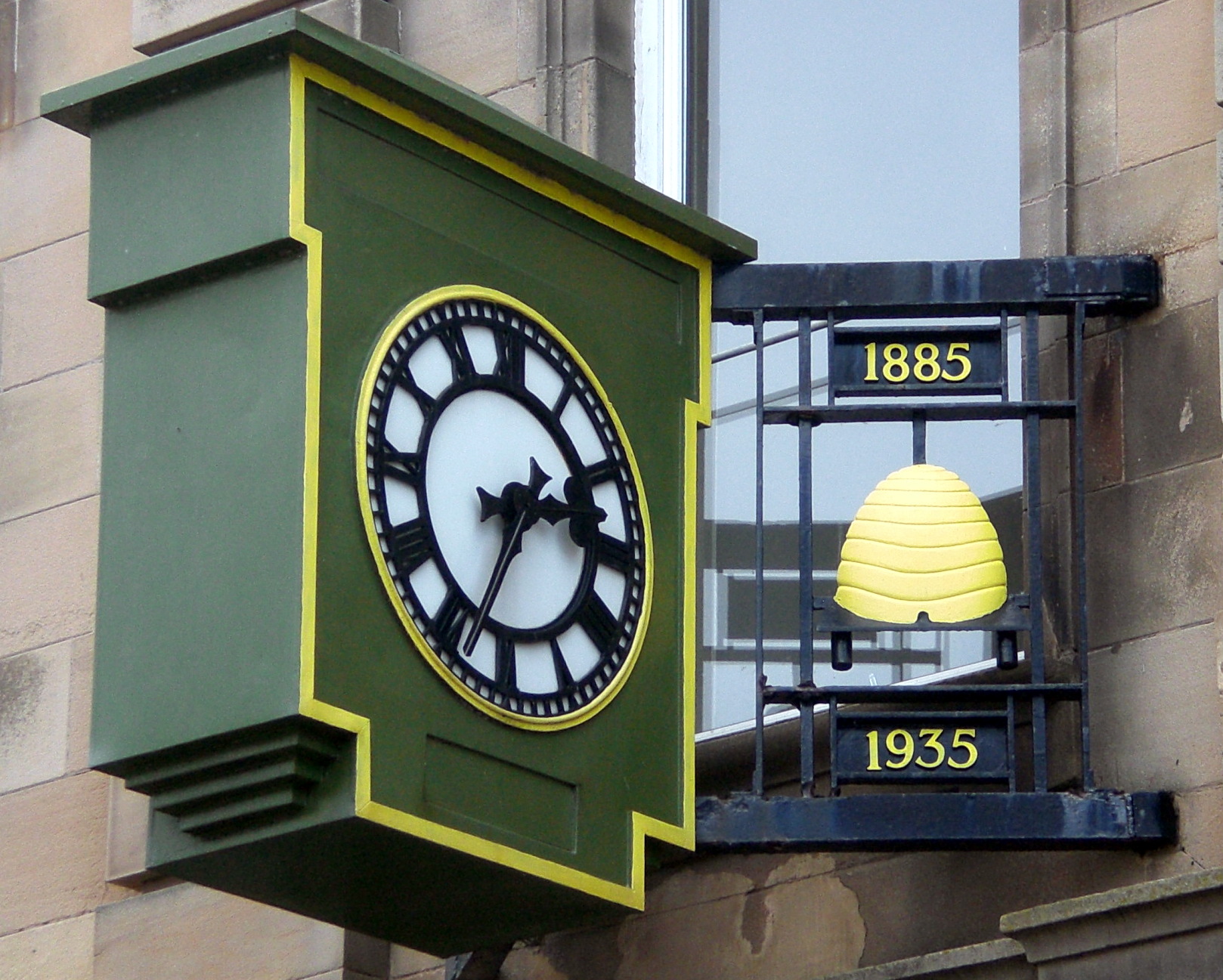
The first hive is above what is now the town library. Our industrious and co-operative little bees swarm around their skep as they have done since 1887.

This symbolic image on a former building of the Leven Reform Co-operative Society reminds us of the Rochdale Pioneers. In 1844, with an economy in decline, wage reductions and strikes, a group of unemployed weavers met at the Socialist Institute to debate the philosophies of Robert Owen and Chartism. Whilst there are many examples of co-operative societies existing before 1844, The Rochdale Pioneers formulated a set of guiding principles, upon which, an expansive version of co-operation was founded. Looking at these principles today, it is notable how well these stand up as a set of co-operative ideals:
1. Democratic control, one member one vote and equality of the sexes.
2. Open membership.
3. A fixed rate of interest payable on investment.
4. Pure, unadulterated goods with full weights and measures given.
5. No credit.
6. Profits to be divided pro-rata on the amount of purchase made (the dividend or divi).
7. A fixed percentage of profits to be devoted to educational purposes.
8. Political and religious neutrality.

Within ten years of the Pioneers founding efforts the co-operative movement in Britain had grown to nearly 1,000 co-operatives with many adopting the symbol of the beehive.
≈
We are back in Leven. Follow the echoes and walk further up Durie Street. On the clock of the former Co-operative department store, a golden skep, clotting the fingers of weak, ebbing sunlight:
Stand. Raise your head and look to the sky. Follow the thread of sibilant hum to the very top of the building. A change of tone – to low dissonant drone. A sign that the bees are, once again, getting ready to swarm:

Underneath the skep
intimations of new life
still sounding – echoes
of the Pioneers.
≈
Now Playing: Earth – The Bees Made Honey In The Lion’s Skull
References:
Watch a street and you become it. You construct, if so inclined, a narrative: but you are also part of the witnessed event. You shape what you see.
Iain Sinclair, Edge of the Orison
In Glasgow. Uncharacteristic, sweltering heat and a half hour to spare before the gig. Just enough time for a quick wander, to stretch the legs without expectation. A phone camera will have to suffice if anything should reveal itself.
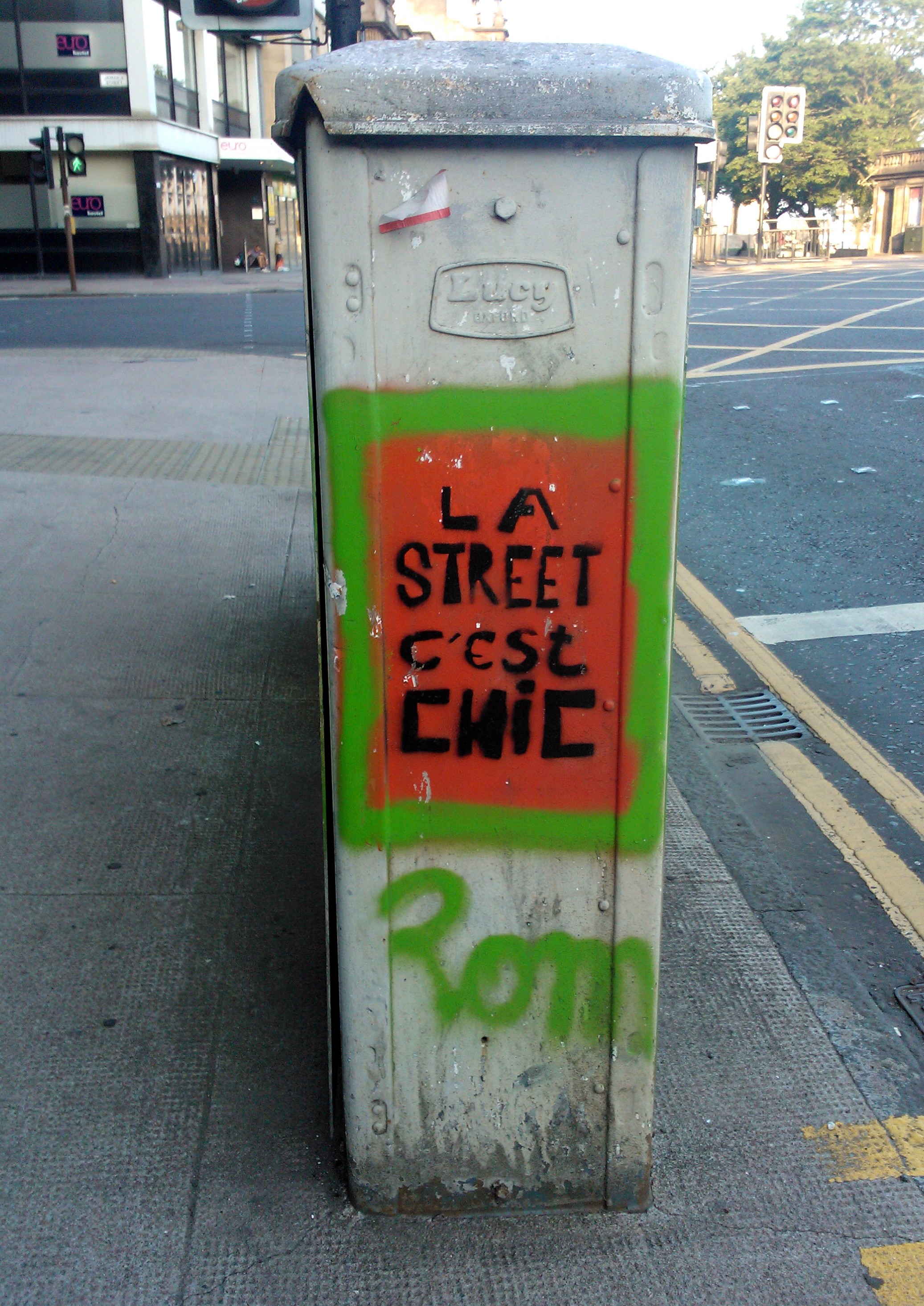
Out of the Arches, underneath Central Station, and into air larded with deep-fried food aromas and traffic fumes. I’m scanning for a sign to get started. Pastel shades shout out for attention and it seems that even the graffiti is responding to the sunshine:

Can’t help noticing the little green archipelago thriving around the base. The resilience of nature to establish existence, in the most barren of conditions, at a busy city centre intersection.
Head down towards the river and pick up the trail:
More dancing colour to puncture the grey. A Bernard Edwards bass line bounces around in the head.
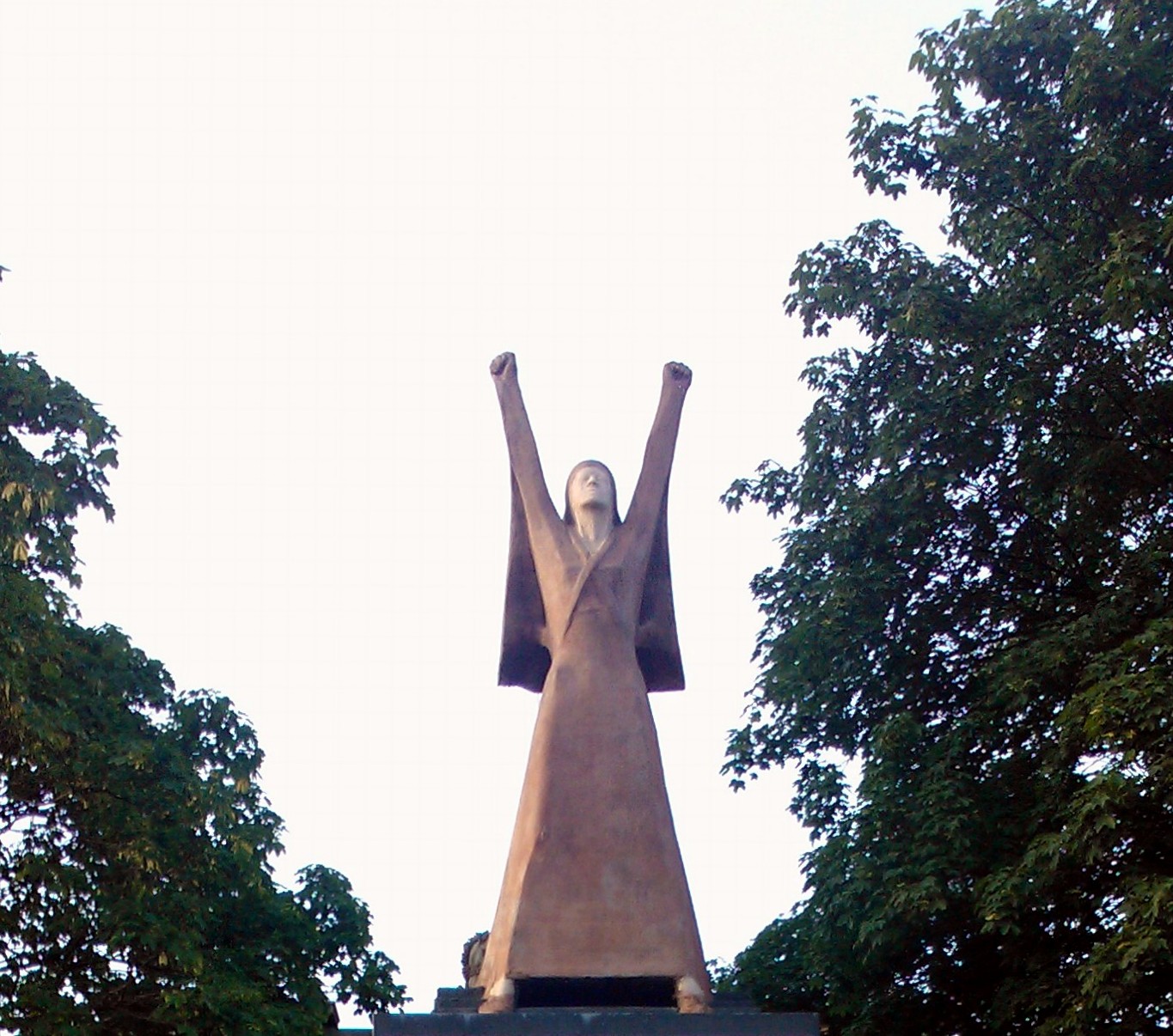
Walk straight on for a bit and over to the right there is a figure, facing towards the river, which looks interesting. From the rear I’m assuming it’s some form of religious icon, arms stretched out to heaven? St Mungo perhaps? Cross the road and down a shallow incline of steps to view the figure face on.
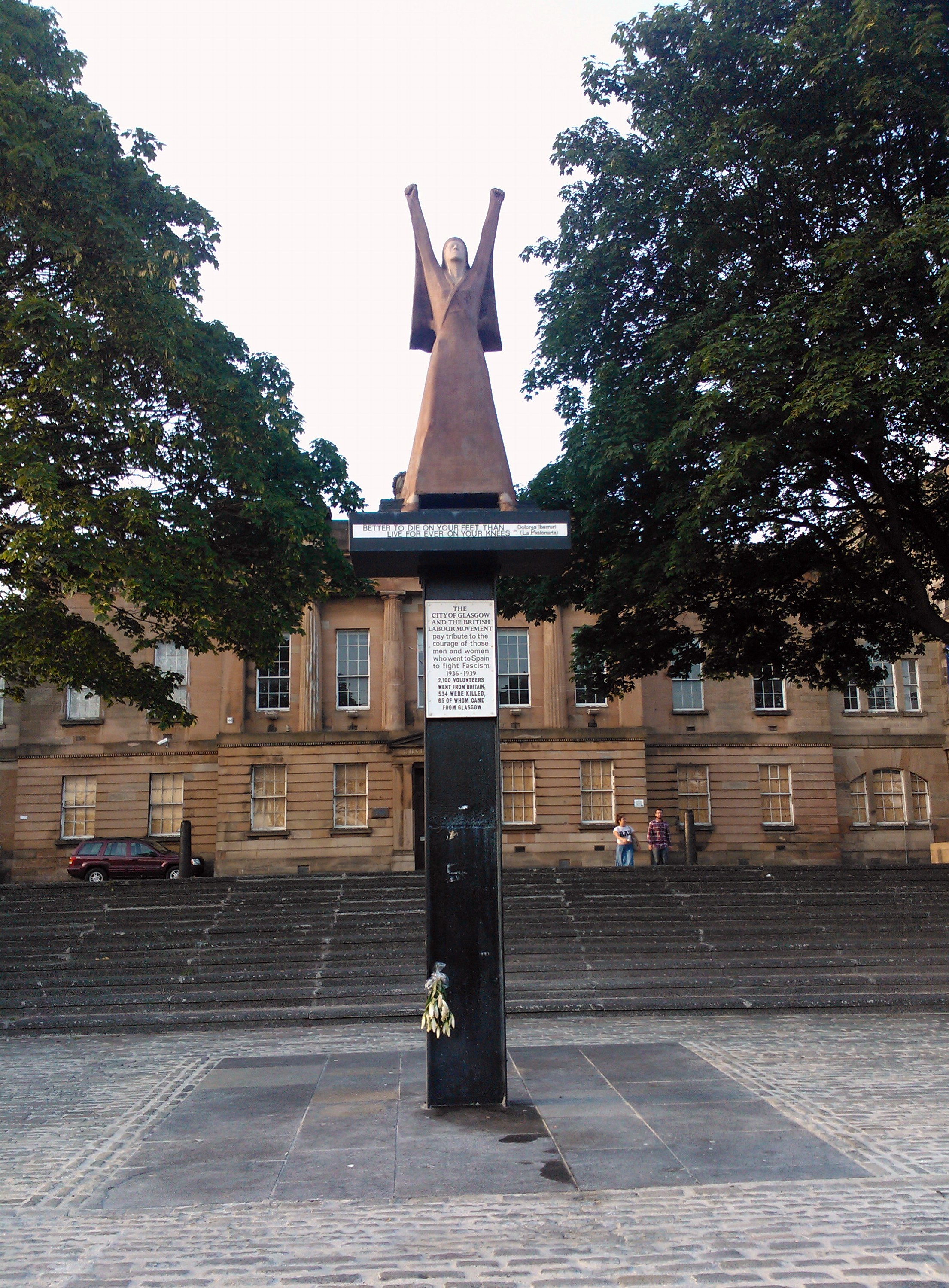
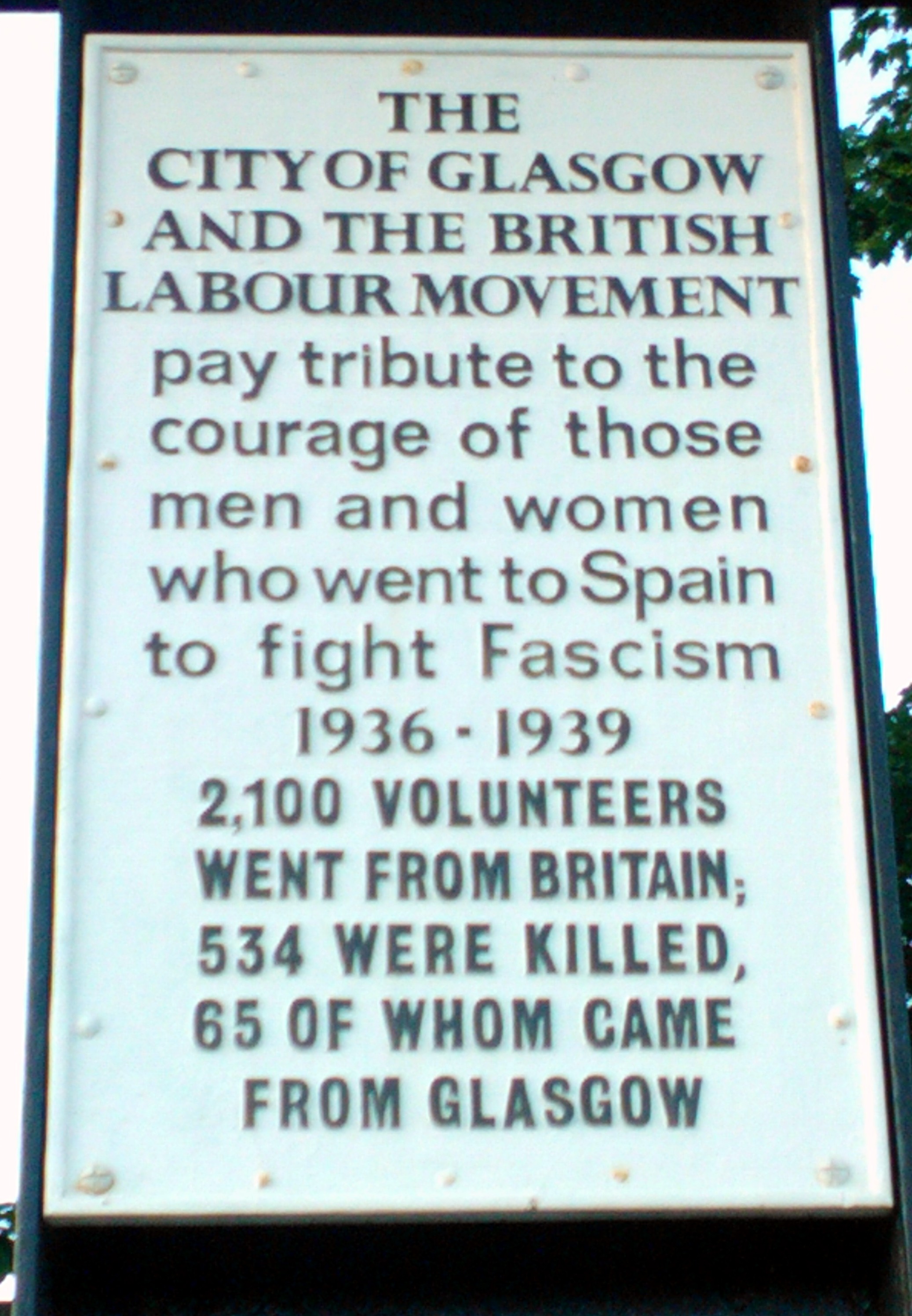
A bunch of flowers. wilting in the heat is tucked into the base of the statue. Obviously, still an active site of memory and remembrance. The plaque directly underneath the figure reads:

The statue is of Dolores Ibárruri (1895-1989), “La Pasionaria” (“The Passion Flower”), a heroine and leader in the Spanish Republican and Communist movements. An inspiration to the volunteers of the International Brigade who fought in the Spanish Civil War of 1936-1939.
I subsequently find out the sculpture is by Liverpool artist Arthur Dooley, who created the famous Beatles statue, Four Lads Who Shook the World. I was even more shocked to learn that Dooley never saw La Pasionaria installed, unable to afford the bus fare to come to Glasgow.
Continuing along the riverside walkway, a few people are taking full advantage of the heat wave. “Taps aff”. Sitting, lying down, starfished, enjoying being out-of-doors, heads raised, eyes closed, embracing the setting sun. A sense of the more usual activities of the area are perhaps revealed as a young man is pulled up by two patrolling police officers and asked to empty his pockets.
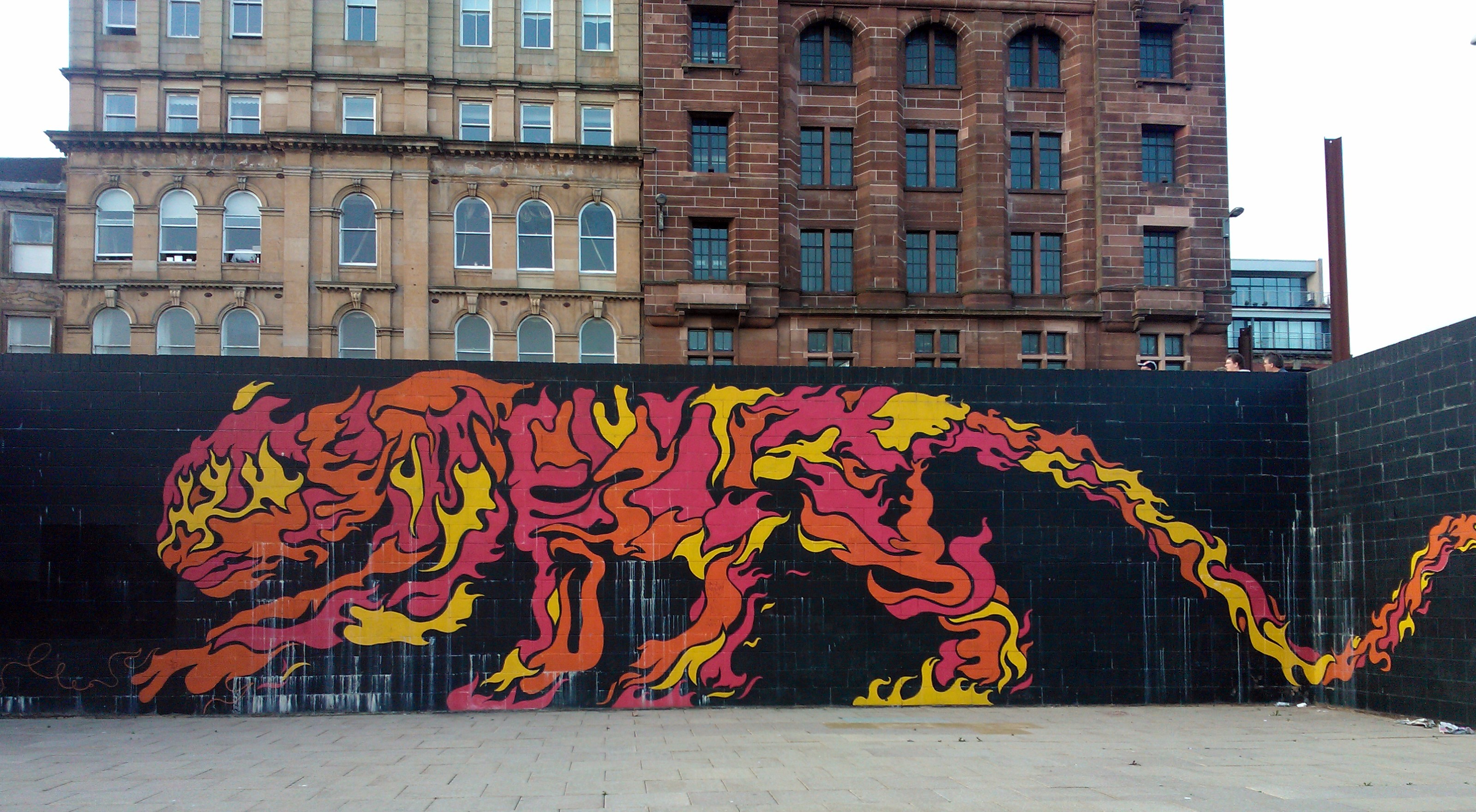
Underneath another bridge to come face-to-face with a psychedelic tiger. A fiery flux of shifting colours, crouched and ready to pounce on the indolent walker:

Ascending from the river up a miniature Odessa Steps, I half expect a pram to come toppling over the top.
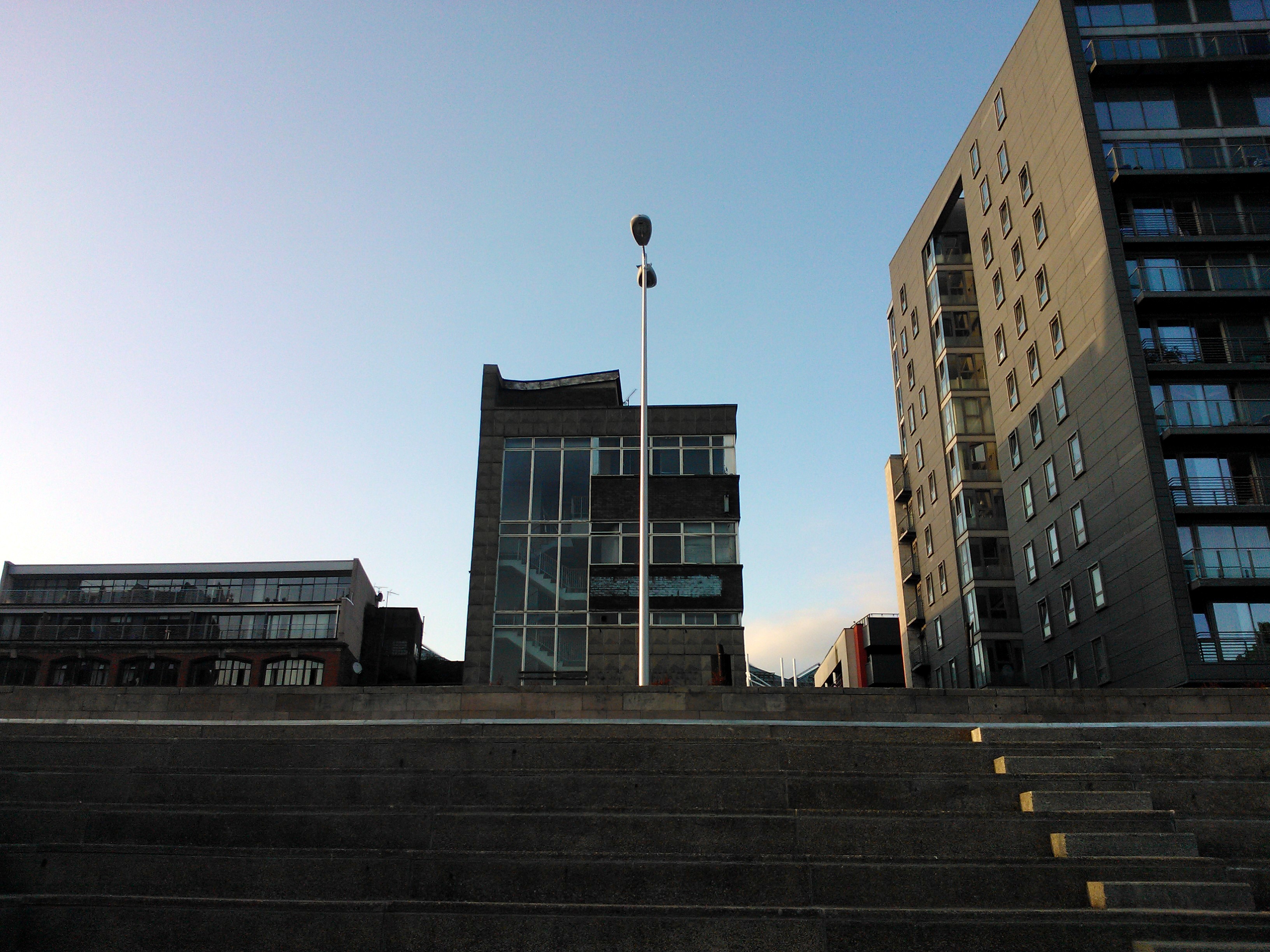
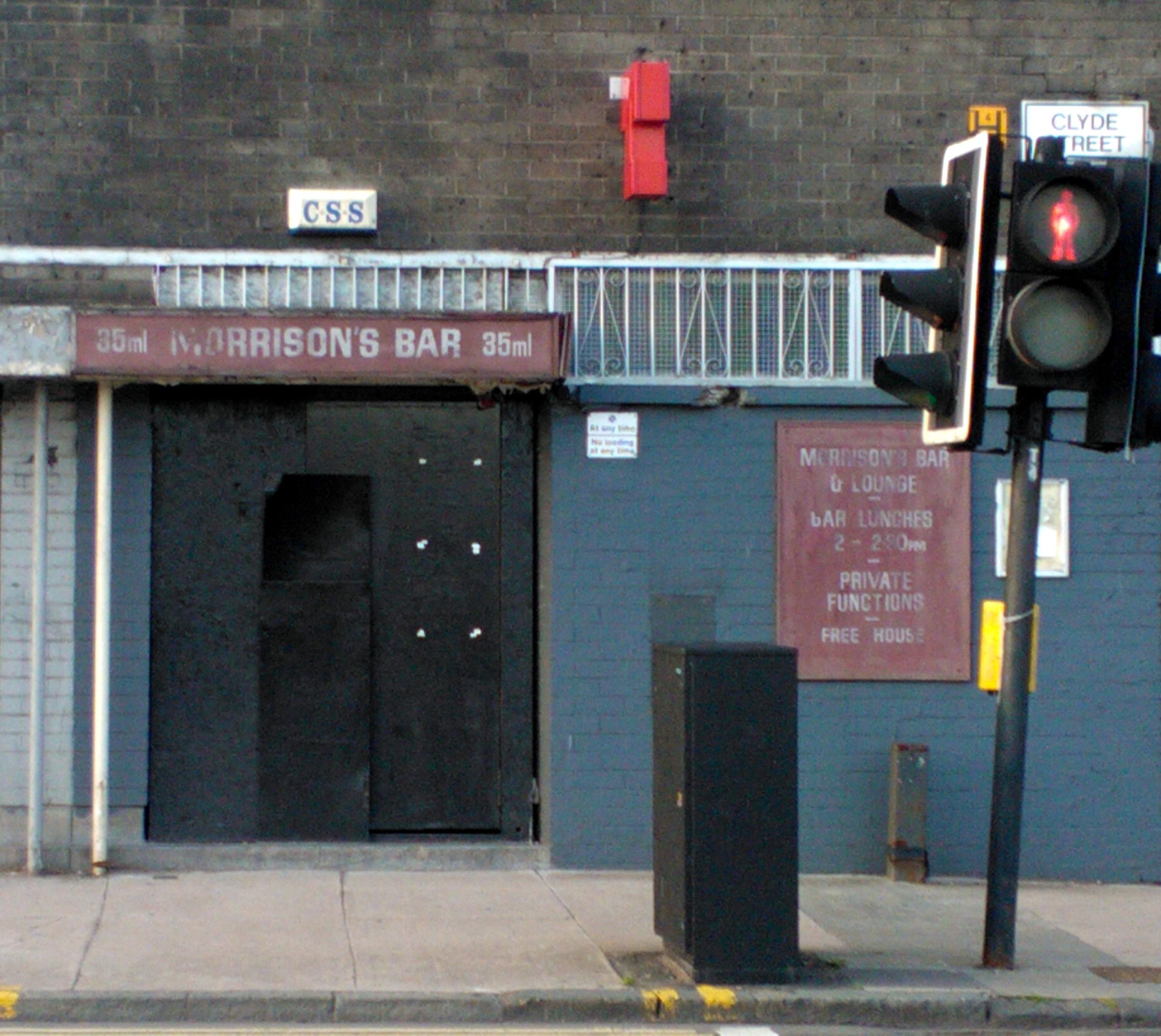
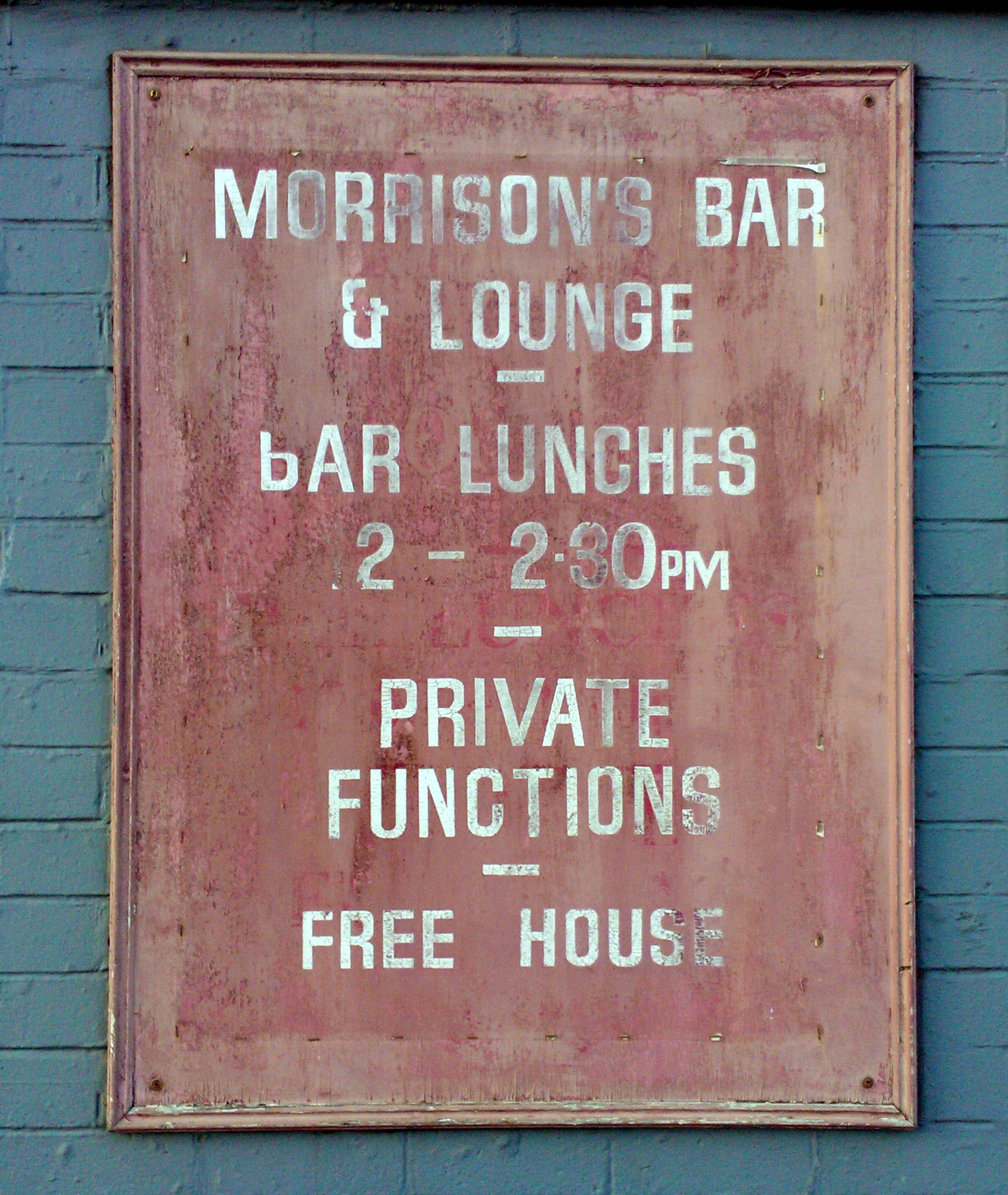
…and I’m facing Morrison’s Bar which looks like it may never have opened since Jim checked out:
 ….
….
…. Around the corner, The Riverside Club doesn’t look to be doing much business either. Perhaps these are ‘badger’ venues – they only come out in the dark?

I head into what I find is Fox Street. Looking back towards the east, the setting sun fracturing into shards hitting the ecclesiastical windows of a distant church:

Continuing west will take me back towards the City Centre:
Past the silent runners:
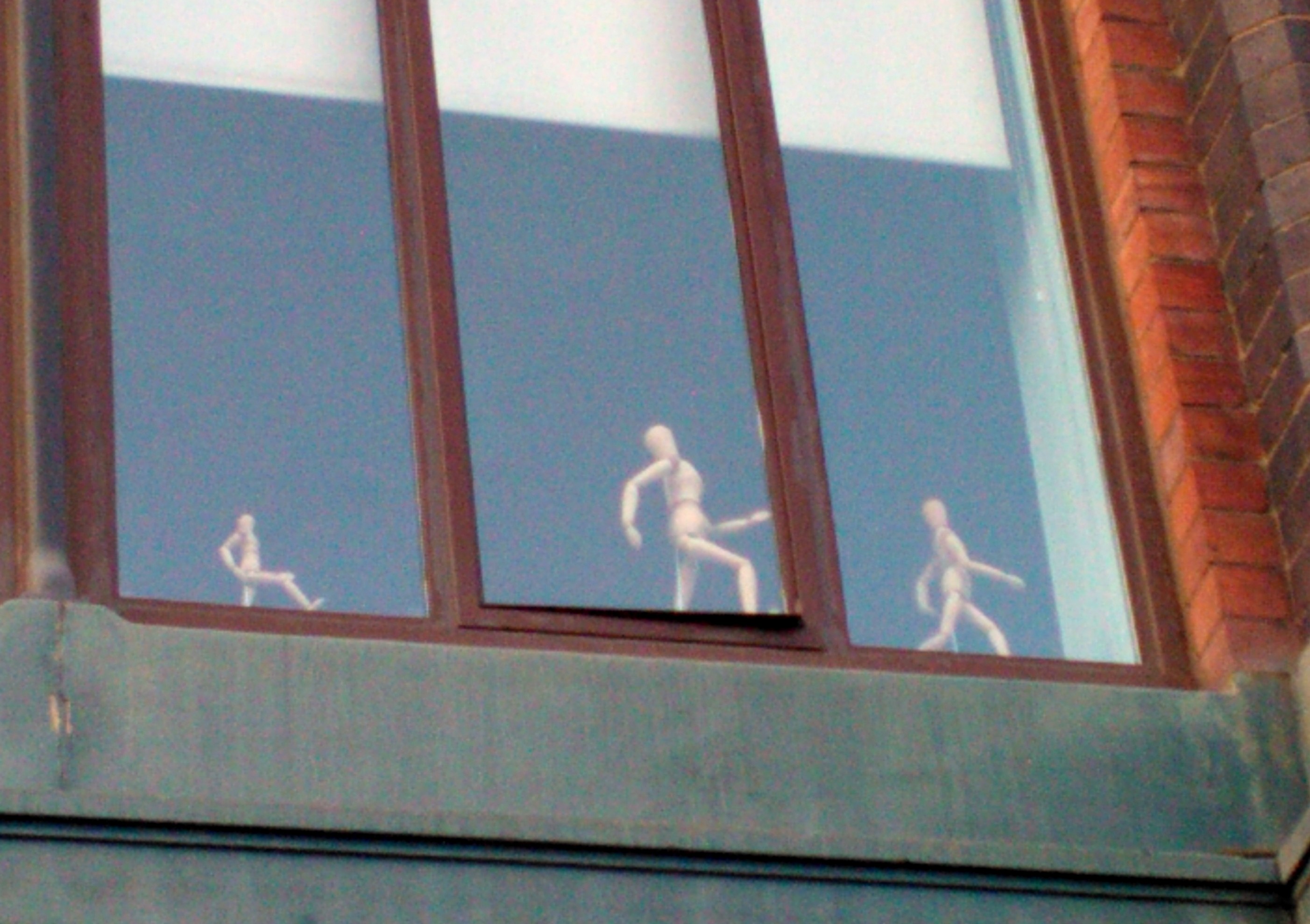
and the ghosts of Christmas Past:

and what could be a detail from the Boyle Family’s Journey to the Surface of the Earth project:

Along with the heat and the sunshine, two cheerful lovehearts brighten up the street:

And a message a few feet away. No addressee. No object of affection. No initials. Just a statement addressed to whom?

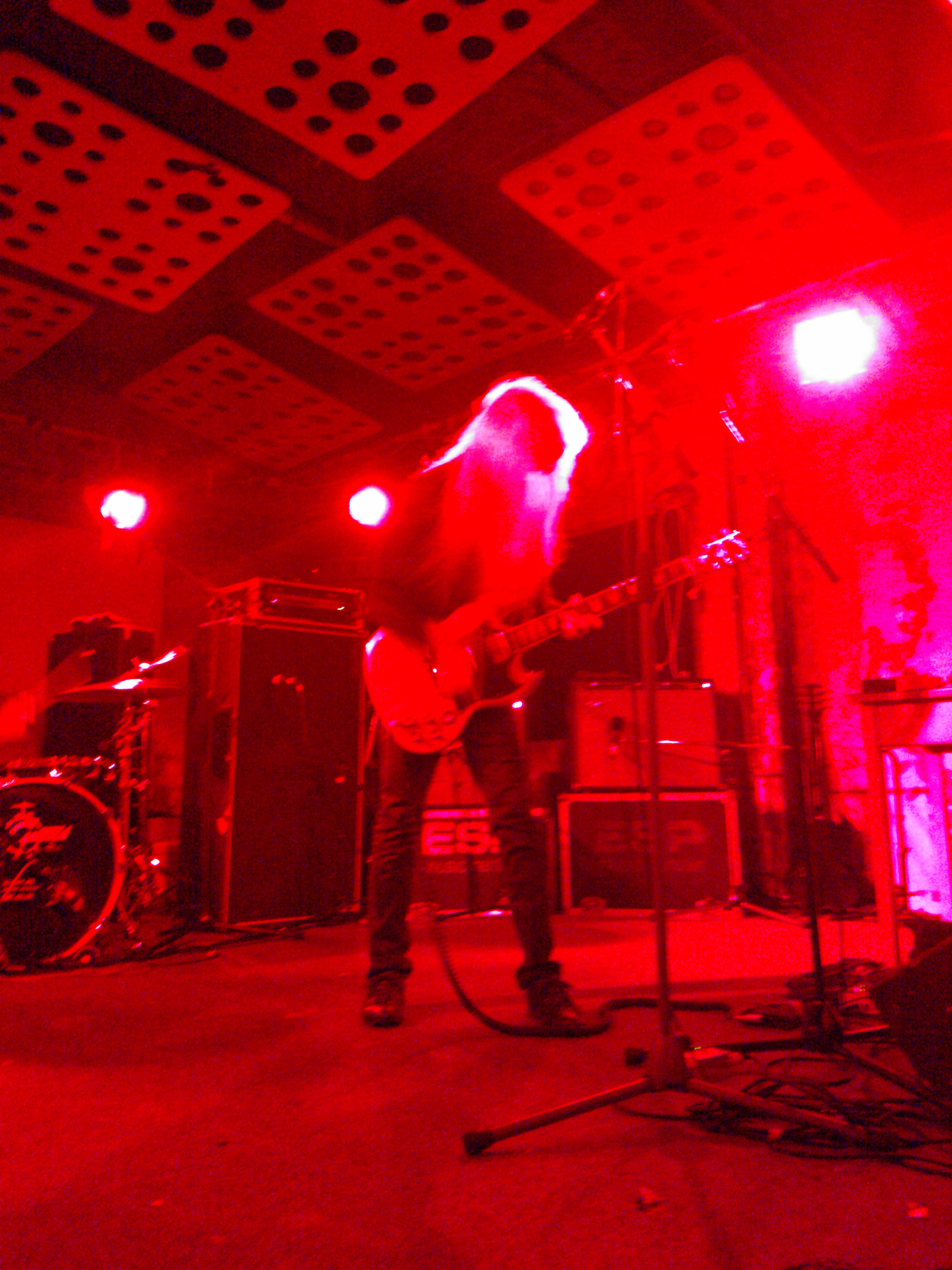
I walk up towards Renfield Lane, thinking about how even the shortest of walks through a city can surprise, enchant and provoke reflection. I’m thinking about La Pasionaria, The International Brigades and psychedelic tigers as I descend into the Stygian depths of Stereo. Moving between worlds. From light into darkness and a prelude to shortly having all body molecules rearranged by the shamanic noise rituals of Nazoranai: Keiji Haino, Stephen O’Malley and Oren Ambarchi. Sound as alchemy, carried within, back through the city, as, after the show, I head for the train in the warm, dark night.

.
.
.
.
.
.
.
.
.
.
.
.
.
.
..
.
.
Now playing: Stephen O’Malley – Salt


 Murdo Eason - From Hill to Sea
