Have tried to incorporate white space into blog posts, in the past, with pretty mixed results. Not found this easy to achieve in WordPress. A page can look fine in a certain browser, but a mess in others, particularly on smartphones. Have recently used Twitter to try out a few ideas which appears to work better. Also like the formal constraint of the 140 character limitation.
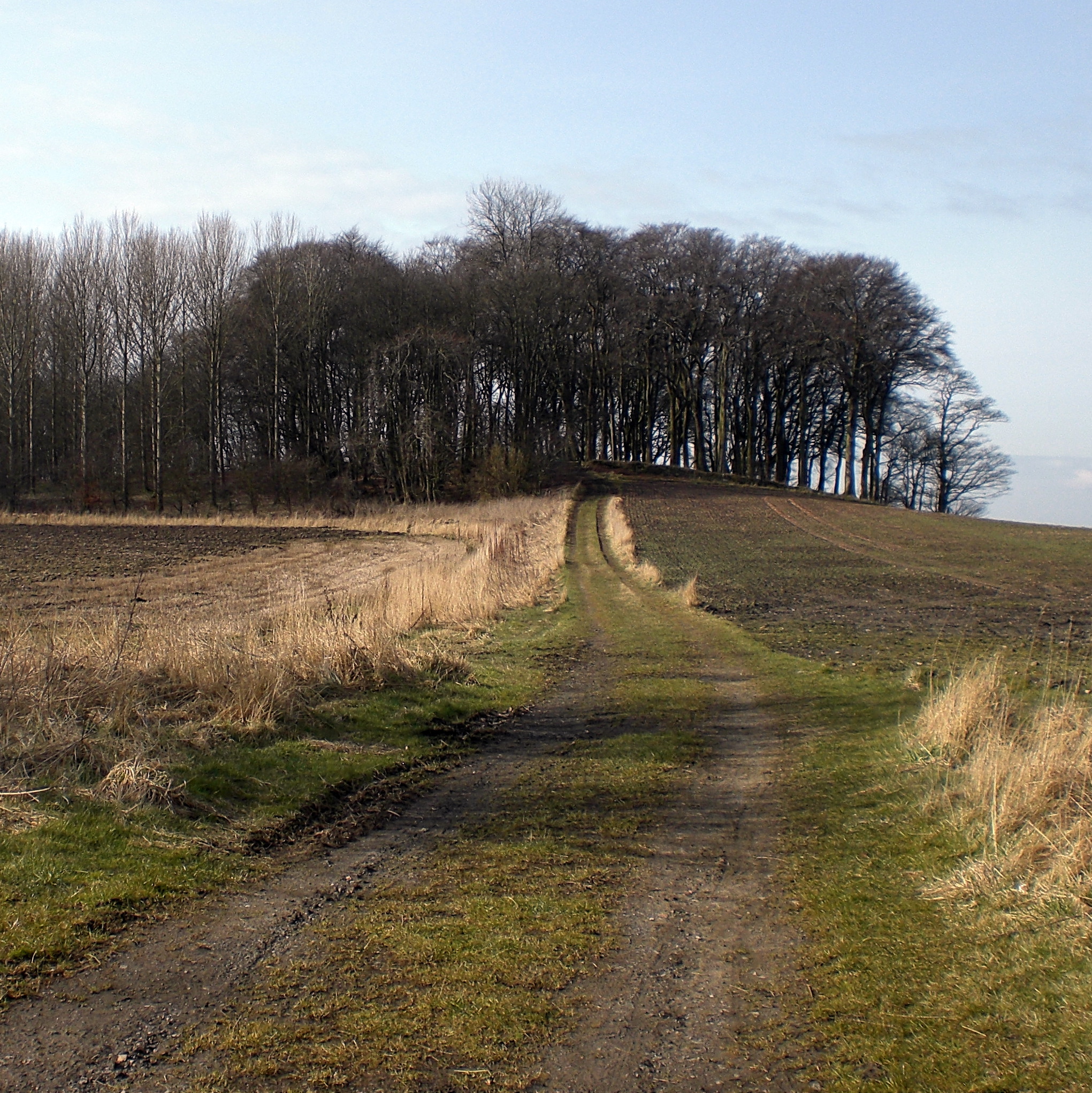
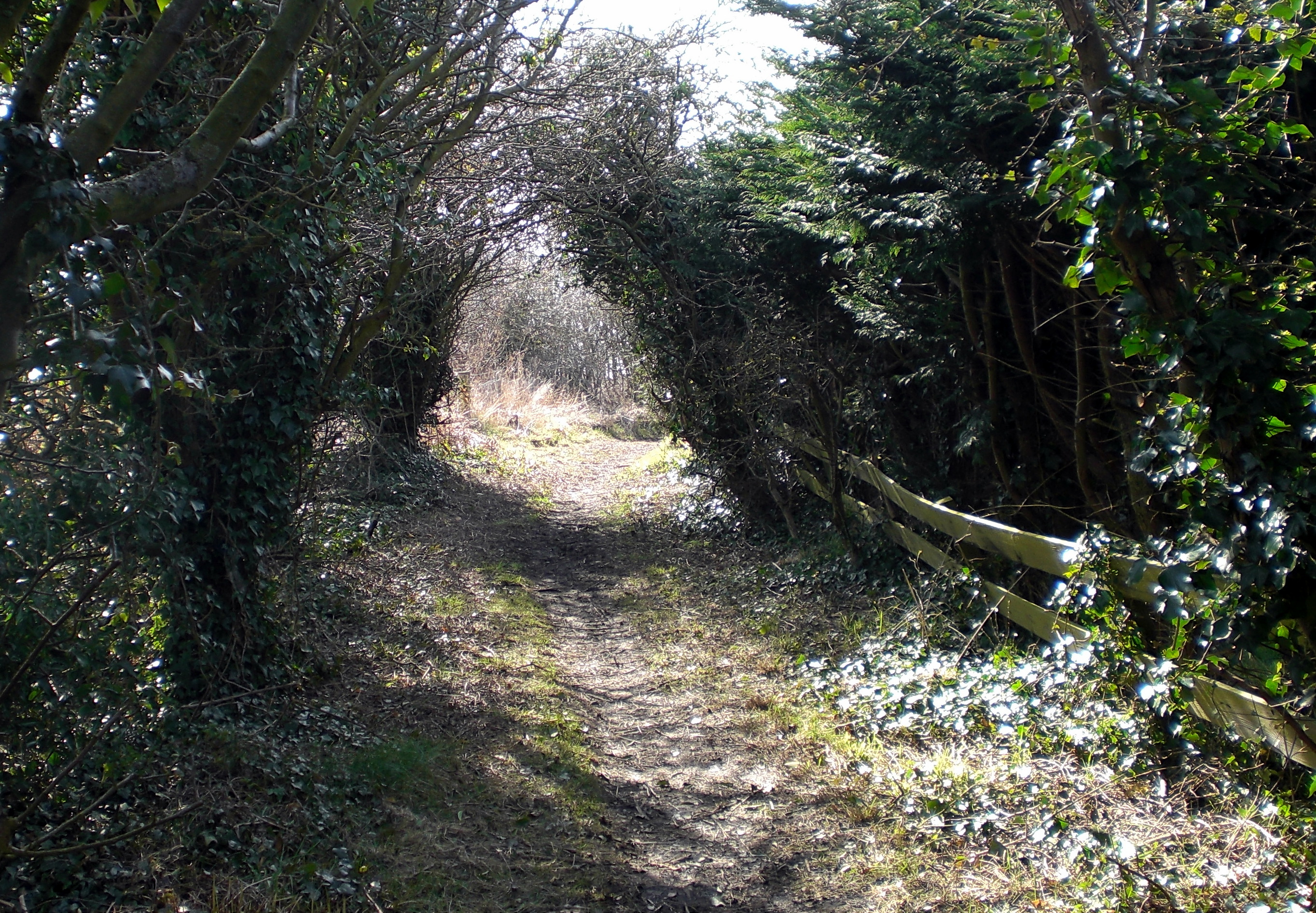
We approach the village from the North by the coffin road known as Windylaw. A sign indicates that this path was used for many centuries by people to carry their dead to Rosyth Church. Sometimes they would come from as far away as Dunfermline.
…
The ground is sodden underfoot and standing still you can feel the ticklish trickle of rivulets, running around your boots off the slight incline. This is the first day of reasonable weather for weeks and it feels good to stand under the mottled blue canopy and listen to the murmur of the flowing field.
L
i
s
t
e
n
Windylaw meanders up towards a small copse of trees. We are greeted by the guardian of the forest, a snuffling, wood-hedgehog type apparition which looks like it could have come straight out of Pogles Wood.
A woodpecker industriously loops its rrrrrat-a-tat-tat rhythm but remains unseen. We stand still and stare but there is no dart of kinetic red against gray bark. Instead, one particular tree conjures up a Medusa like quality. The branches appear to move, twisting and writhing like a cauldron of snakes.
Windylaw meanders through the trees and we walk alongside all of the ghosts who have tramped this path over centuries.
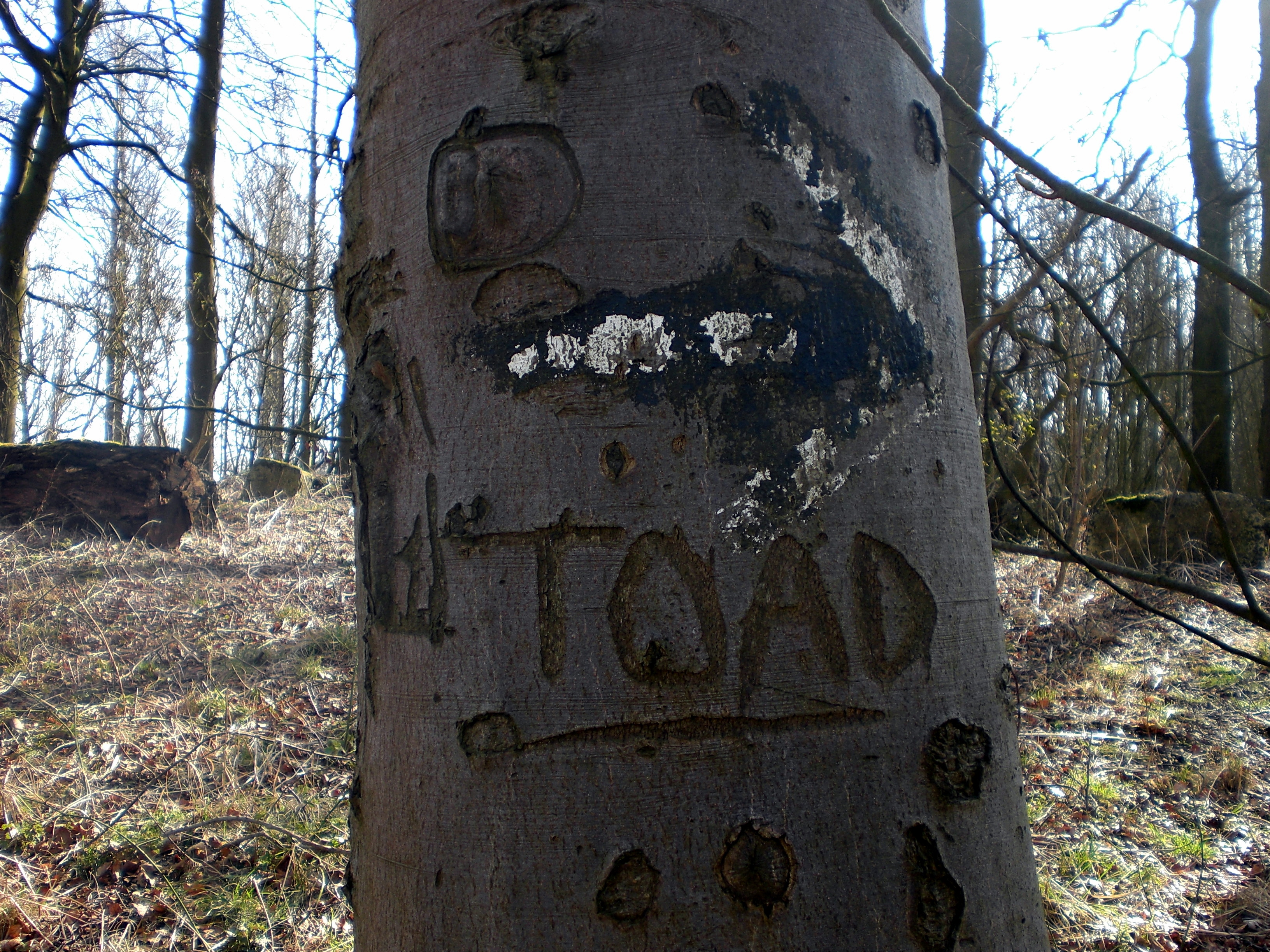
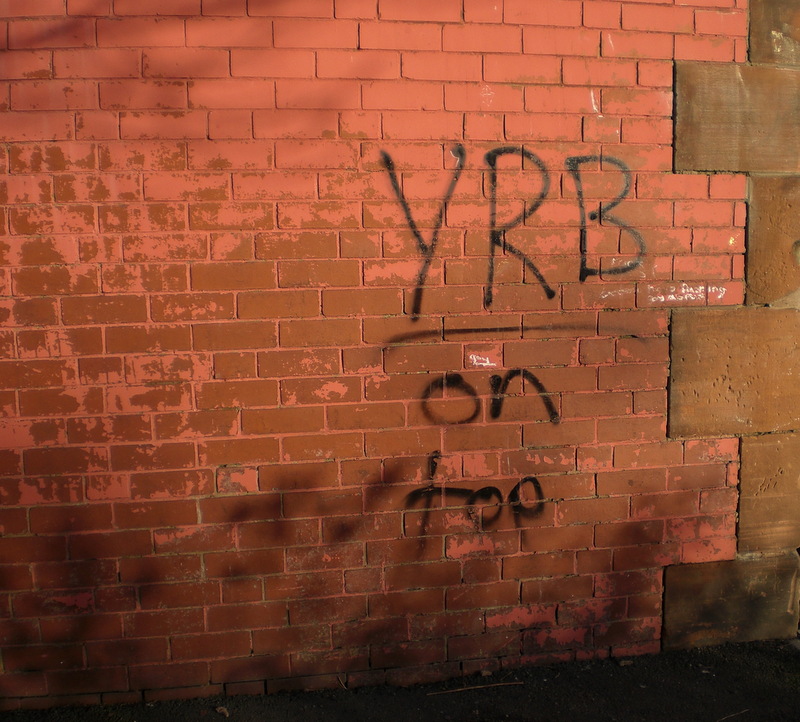
How many stopped to make their mark such as Toad has done here?
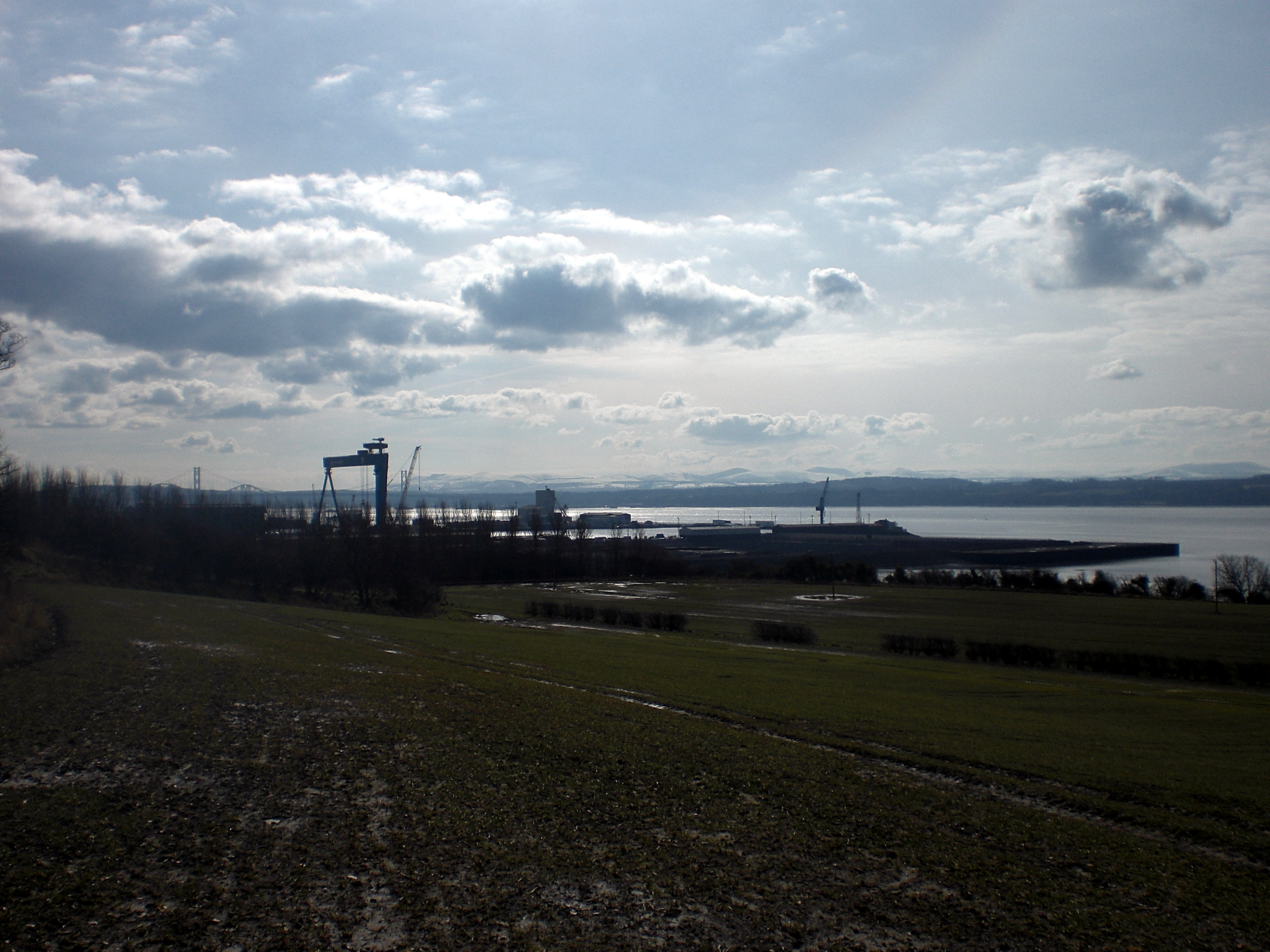
Once over the ridge of hill, we start to descend towards the shoreline and the village of Limekilns which we can see off to the right. We leave the path briefly to take in the vista over the Forth Estuary.
In many ways a picturesque enough view. Over the farmers fields to the river Forth and beyond to West Lothian. However, no view is ever as ‘innocent’ as it seems so let us tilt our heads a little bit further to the left and to the right. Let us ponder on what we can see…
…
Firstly off to the left, lies Rosyth Dockyard:
The picture is not great but you can clearly see Goliath’s looming presence of whom we have written before:
“Goliath is the largest crane installed in the UK and part of the most expensive project in British naval history with two aircraft carriers presently being constructed at £3 billion a pop. We have already been told that once constructed, one will be mothballed immediately and the other will have no planes to fly from it. Try explaining this logic to a five year old. The carriers are to be named HMS Queen Elizabeth and HMS Prince of Wales. The sheer folly, financial carnage and symbolism of this whole escapade is such that it almost fries our collective brain into meltdown. However, very soon we are all whistling and singing Elvis Costello’s Shipbuilding – the Robert Wyatt version naturally – so we can hum the piano solo with our kazoos. This has the desired effect, tames the beast and calm descends. As we walk further along the road, we can gain a better vantage point to look down over the dockyard and see the true scale of Goliath. Our fear turns to pity as we realise that all we are looking at is simply a dumb, beast of burden, a heavy lifter, on which has been foisted the indignity of jingoistic colours, the White Ensign flag and the reek of failed empire. Also lurking down there, somewhere in the bowels are seven decommissioned nuclear submarines, still radioactive and we are reminded of some possibly apocryphal tales of technicians metal-capped boots glowing green in the dark. Isn’t it amazing what can be buried in the edgelands.”
On the same day as our walk (31st March 2013), a number of articles appear in the press to indicate that Rosyth Dockyard has been chosen for a pilot project to break up some of the nuclear submarines, prompting fears it could become a dumping ground for radioactive waste. (Ignoring the somewhat obvious fact that it already is). The one fairly fundamental snag in this proposal is that no site or facility has yet been identified to store radioactive material safely. (It is going to be there for a long, long time). I suspect that our inventory of Empire and hubristic bravado – HMS Dreadnought, HMS Churchill, HMS Resolution, HMS Repulse, HMS Renown, HMS Revenge and HMS Swiftsure may continue to sit and rust for many years to come, hopefully with the nuclear reactors remaining intact.
You can also just make out the Forth Bridges, beyond the dockyard, in the above photographs. The iconic red diamonds of the Victorian rail bridge and the twin suspension towers of the not inelegant road bridge. Construction work is now well underway for a third bridge to join them. It would appear that the existing road bridge has literally become a piece of auto-destructive art. Road vehicle usage, far in excess of what was originally envisaged has reduced the life of the suspension cables and consequently the bridge. (although there is some debate about this). The result will be a new road bridge with an increased capacity to continue to satiate our desire for car travel. Build it and it and it will be filled is the usual outcome of transport policy so perhaps we stand as witnesses to the birth of yet another piece of auto destructive art.
As is becoming evident, the Forth is still very much a working river and from our viewpoint it would not be unusual to see a container ship – the new packhorse of global capitalism – chugging up the central channel to Grangemouth container port to drop off its wares. Alternatively, it could be a British warship off for some ‘munitions and maintenance support’ at Crombie Pier which is part of the sealed off Crombie Munitions Depot.
.
This is very close to Crombie Point where Jules Verne and Aristide Hignard disembarked from an Edinburgh steamer in 1859 to continue their travels through Fife and Scotland. This journey inspired Verne’s novel The Green Ray.
‘Le Rayon Vert’
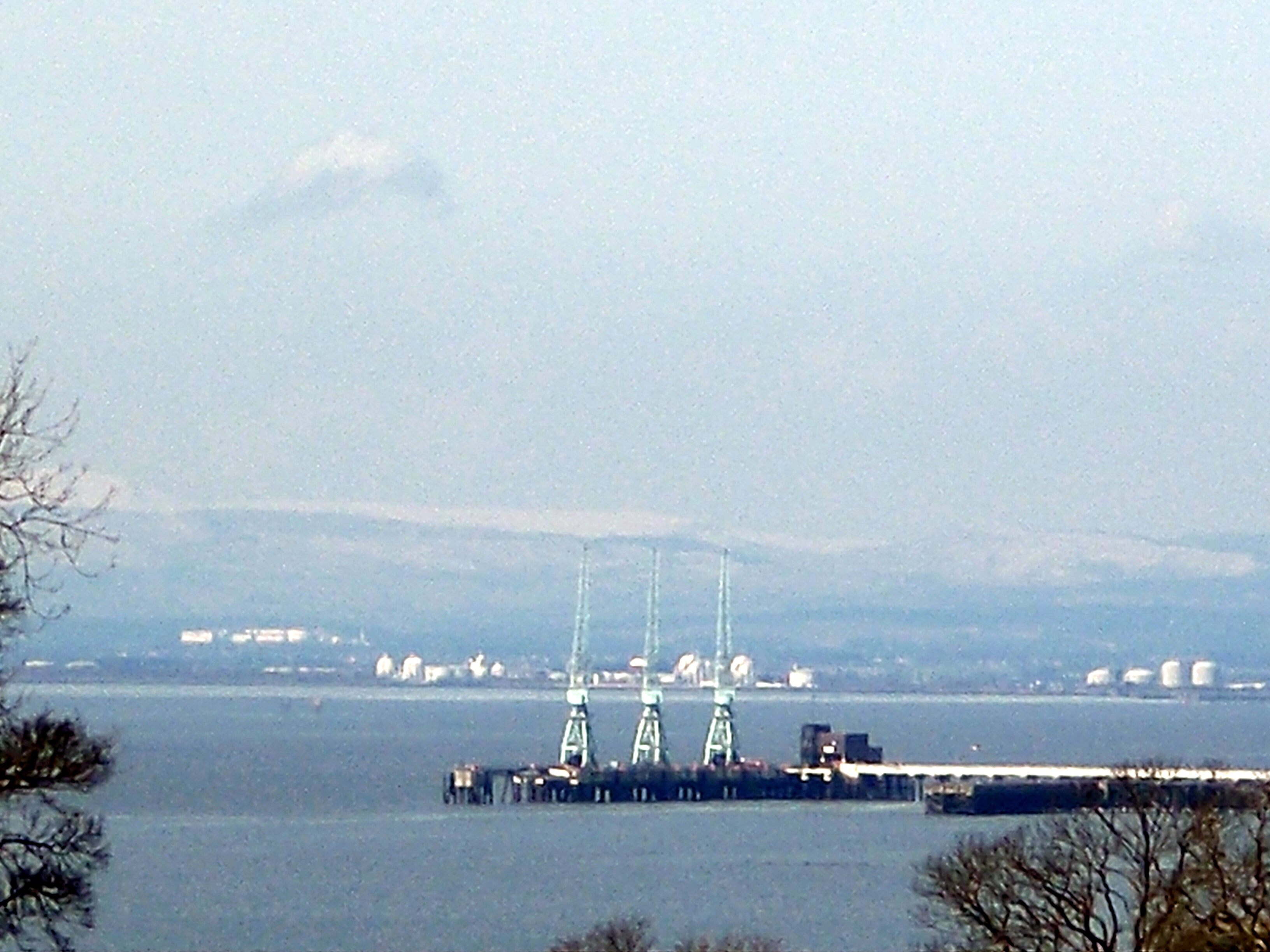
And beyond Crombie Pier lies the Grangemouth petrochemical plant, Scotland’s only oil refinery. An industrial city of chimneys and cooling towers, belching steam, and when darkness falls, shooting dramatic flares into the sky against a wash of sodium hue.
Chances are that all the cars sitting nose to tail on the Forth Bridges will ultimately get their petrol from here. Just another nodal point in the network of global petrochem dollars.
OK surely that’s it. But no. Strain your eyes to the far right and another iconic sight can be zoomed into view. The chimney of the coal powered Longannet Power Station. I’m sure it keeps our lights on but is regularly towards the top of the charts in any survey of ‘most polluting power stations’ in the UK and Europe.
Longannet Power Station – Zoom
Anyway this digression is just an illustration of how a landscape view is never neutral. On one level, yes this is a beautiful landscape. However, this is also a landscape inextricably linked into the ebb and flow of the global capitalist economy or on a more pessimistic note is there any more perfect spot to catalogue and observe the agents and consequences of what George Monbiot calls the Age of Entropy. (Thanks to Liminal City for alerting us to this). At the very least, the psychogeographer can reverse the panoptical gaze of the modern political machine. Standing here we can use landscape as a mirror to reflect back. We can see the war machines, the entropic processors of fossil fuels, how the local is connected to the global. On this spot we can be the watchers. We can see what you are up to and imagine and enact alternative possibilities. (Such as going for a walk!).
…
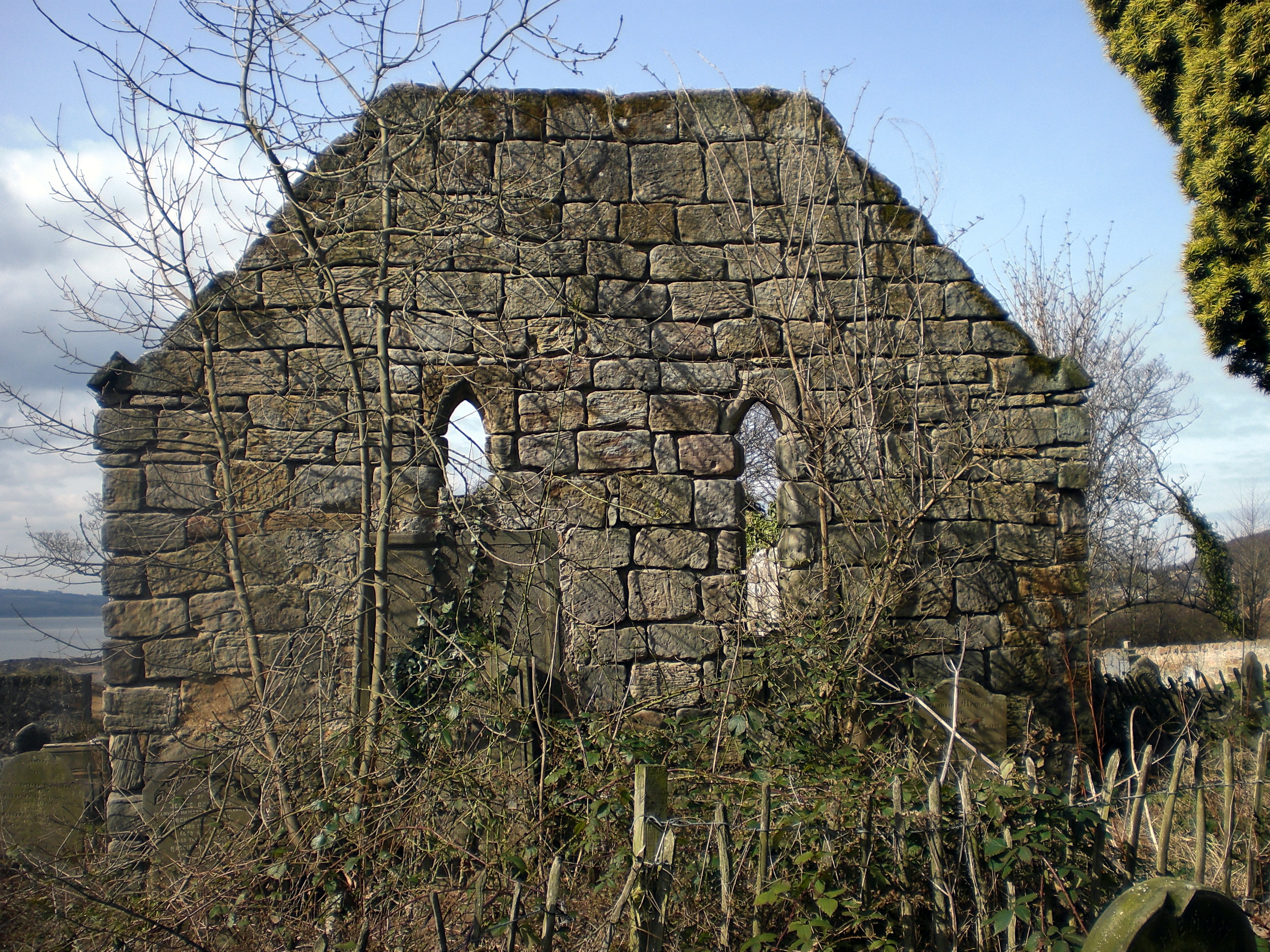
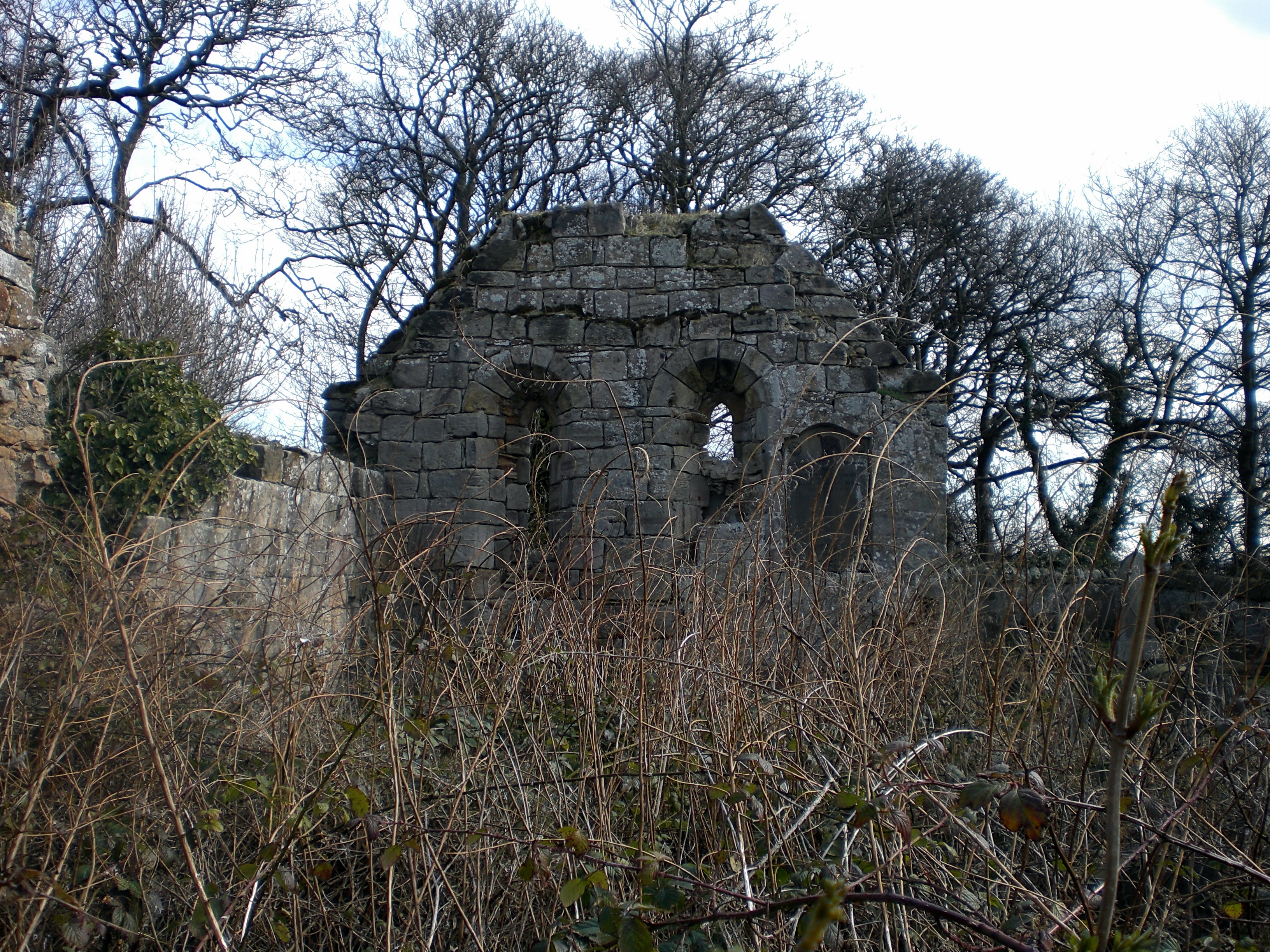
We continue our descent down Windylaw which edges the perimeter of the newer built part of Limekilns. A desire path breaks off to the left and we soon find ourselves at the rear of the old ruined Rosyth Church. Records indicate that the church dates back to the 12th century when it is mentioned in the charter sent to the monks of Inchcolm Abbey in 1123. The church ceased to be used as a place of worship sometime between 1630 and 1648. You can clearly appreciate why the coffin road evolved. Even today, the only access to this spot is by walking or possibly by boat. Whilst doing a bit of research, a curious entry in the RCHMS archive records catches the eye. In 1998 a “stray human mandible was found on a grassy area just south of Rosyth Old Kirk burial ground by Mr Walmsley of Inverkeithing. The very weathered and friable bone belonged to a child aged 6-9 years.”
there is none more lonely and eerie than Rosyth, at anyrate at the close of a winter day, when a rising wind is soughing through the bare branches, and the sea is beginning to moan and tramp to and fro over rock and shingle.
John Geddie, The Fringes of Fife, (1894)
Unlike Geddie, we find the church reflecting sunlight on a bright, still morning with just the slightest intimation of Spring in the air. Little of the original structure remains. Only the East gable and part of the North wall. A mort house still stands, built at a later date, to no-doubt frustrate the profitable enterprise of the resurrectionists (body snatchers) who are known to have prowled the coastal graveyards, often arriving by boat.
East Gable -OuterEast Gable Inner – from West
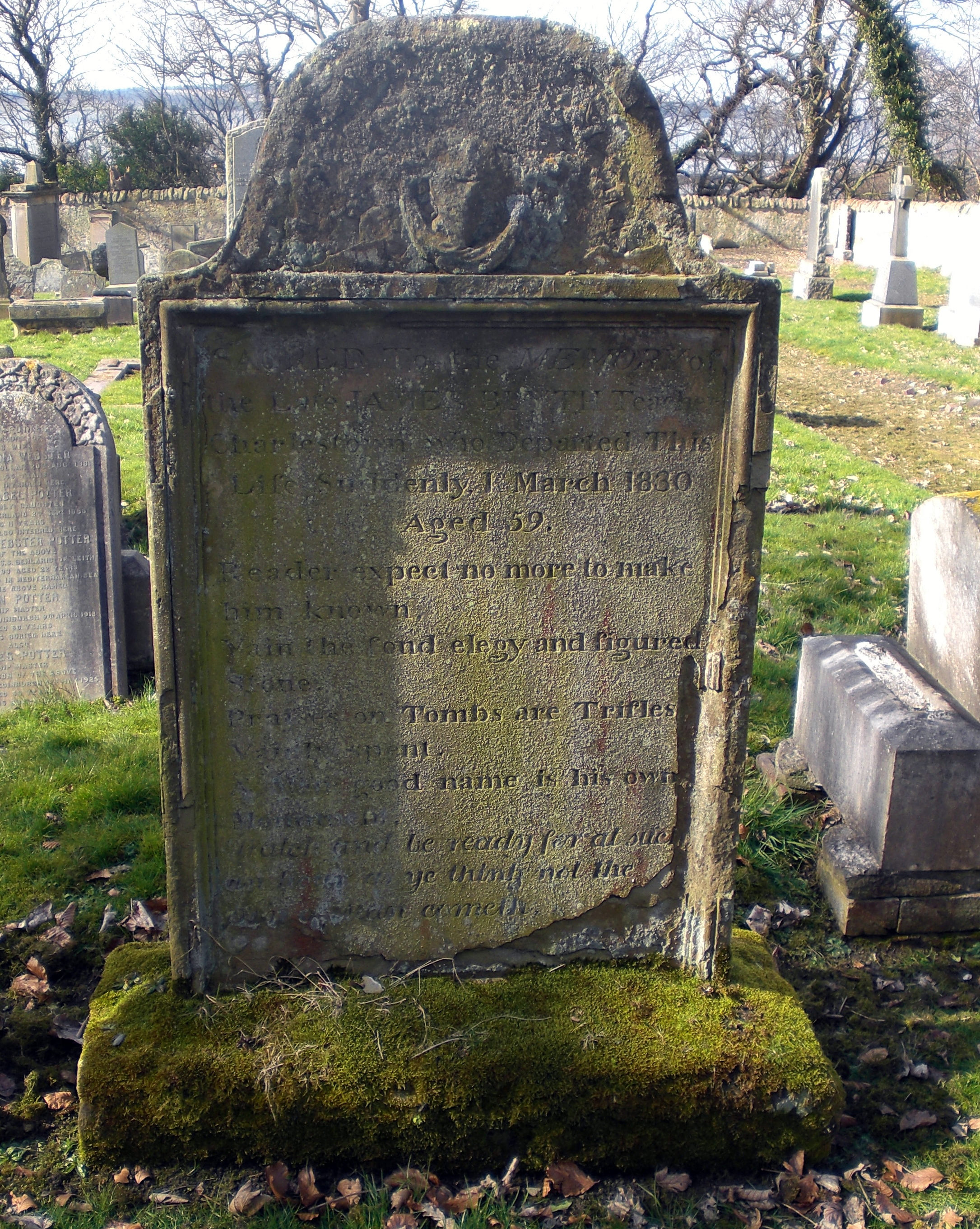
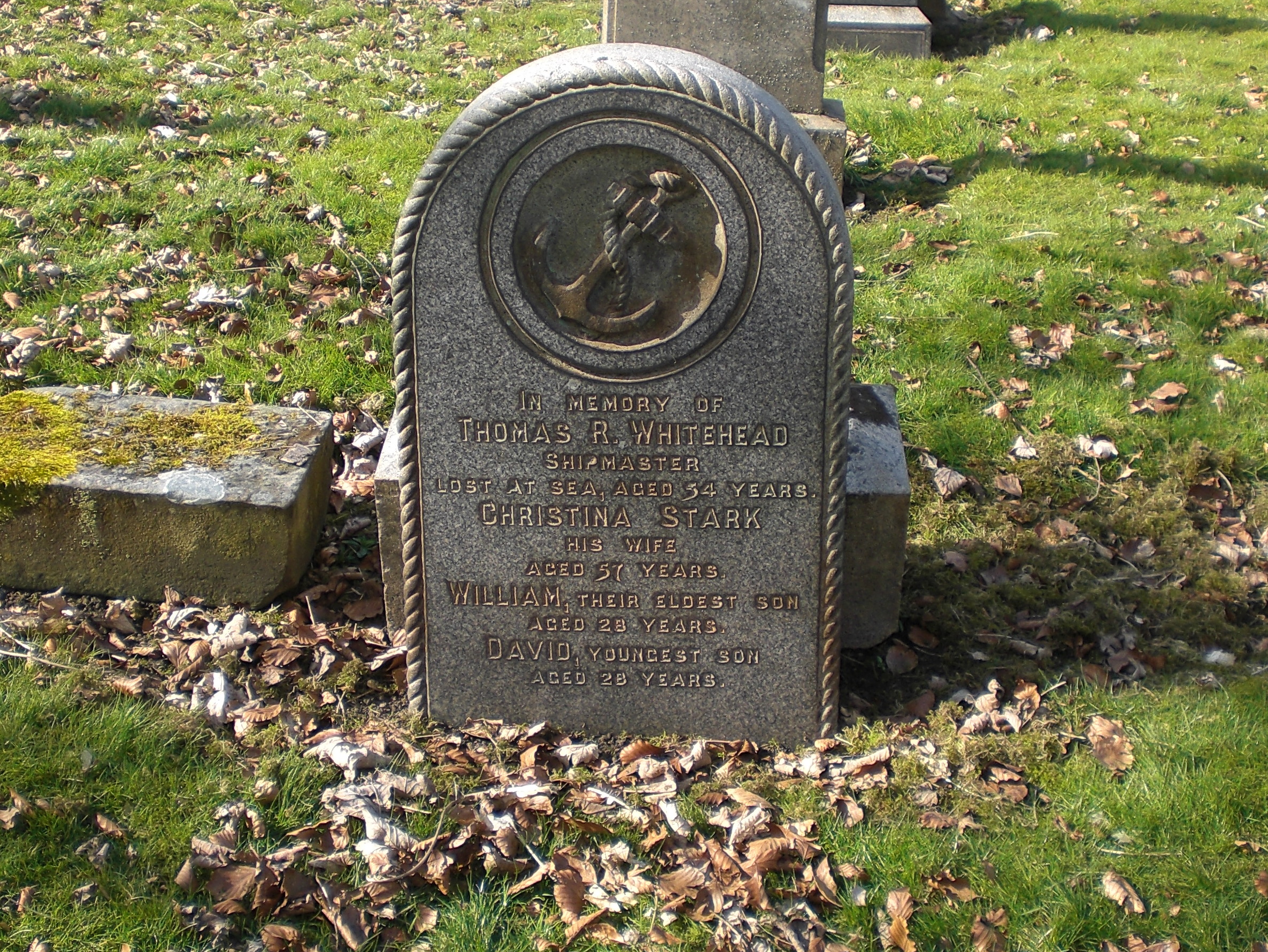
The churchyard, as in all churchyards, is full of stories. Manicured fragments of past lives lived. How much of a person can be captured when reduced to a few lines of inscription on a gravestone? In many cases, the weather and the passage of time work to gradually efface even this small act of material remembrance. Chiseled stone is returned to smoothness as the distant past becomes literally more difficult to read yielding up only broken fragments and guesses.
FracturedFragments & GuessesRobert Wood and Mary HarrisonTombs are TriflesLost at Sea
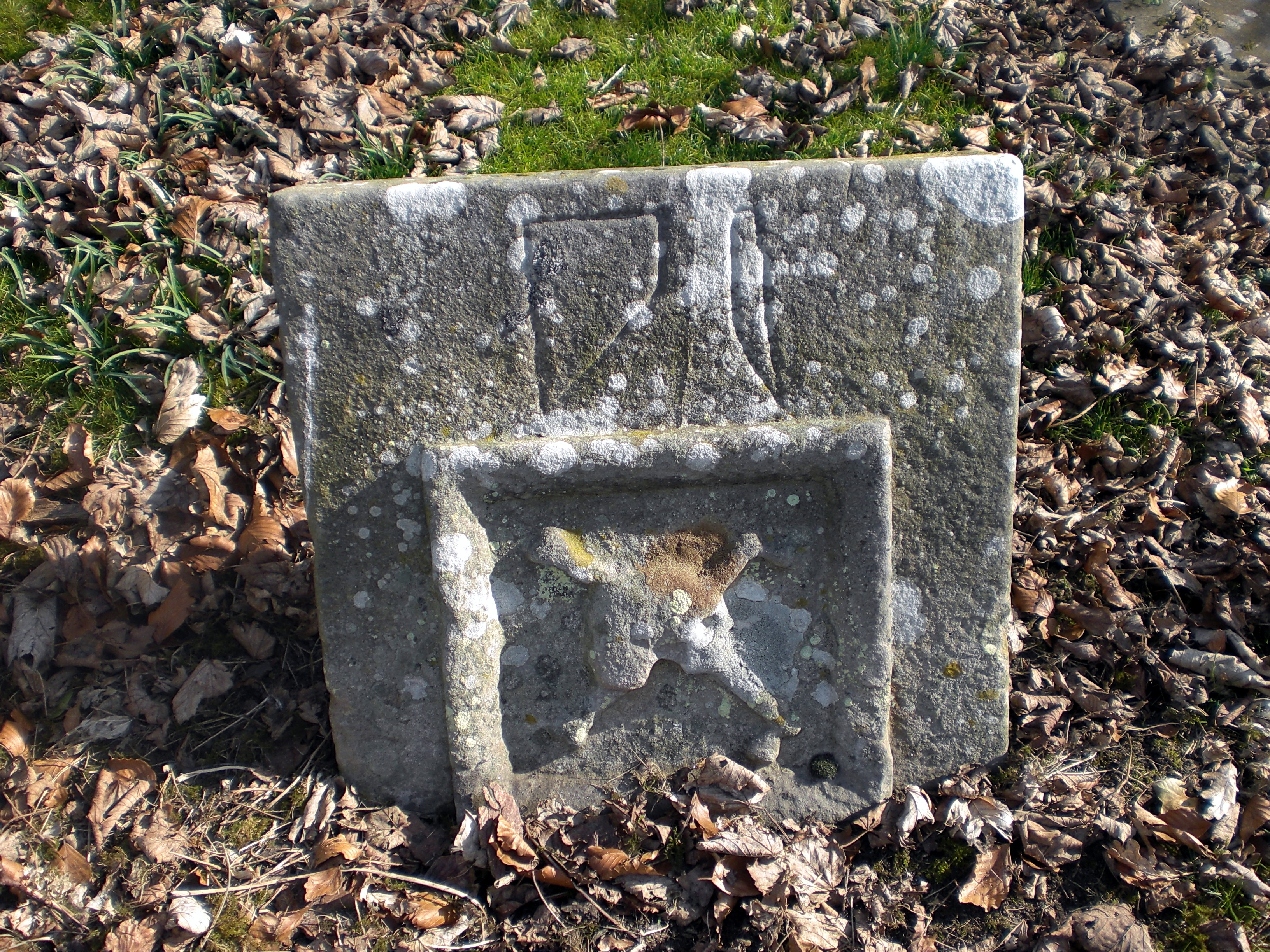
This gravestone below is particularly rich in symbolism: the trumpet blowing Angel of the Resurrection; the memento mori skull as a representation of death and the hourglass denoting the passing of time.
Angel of Resurrection, skull & hourglass
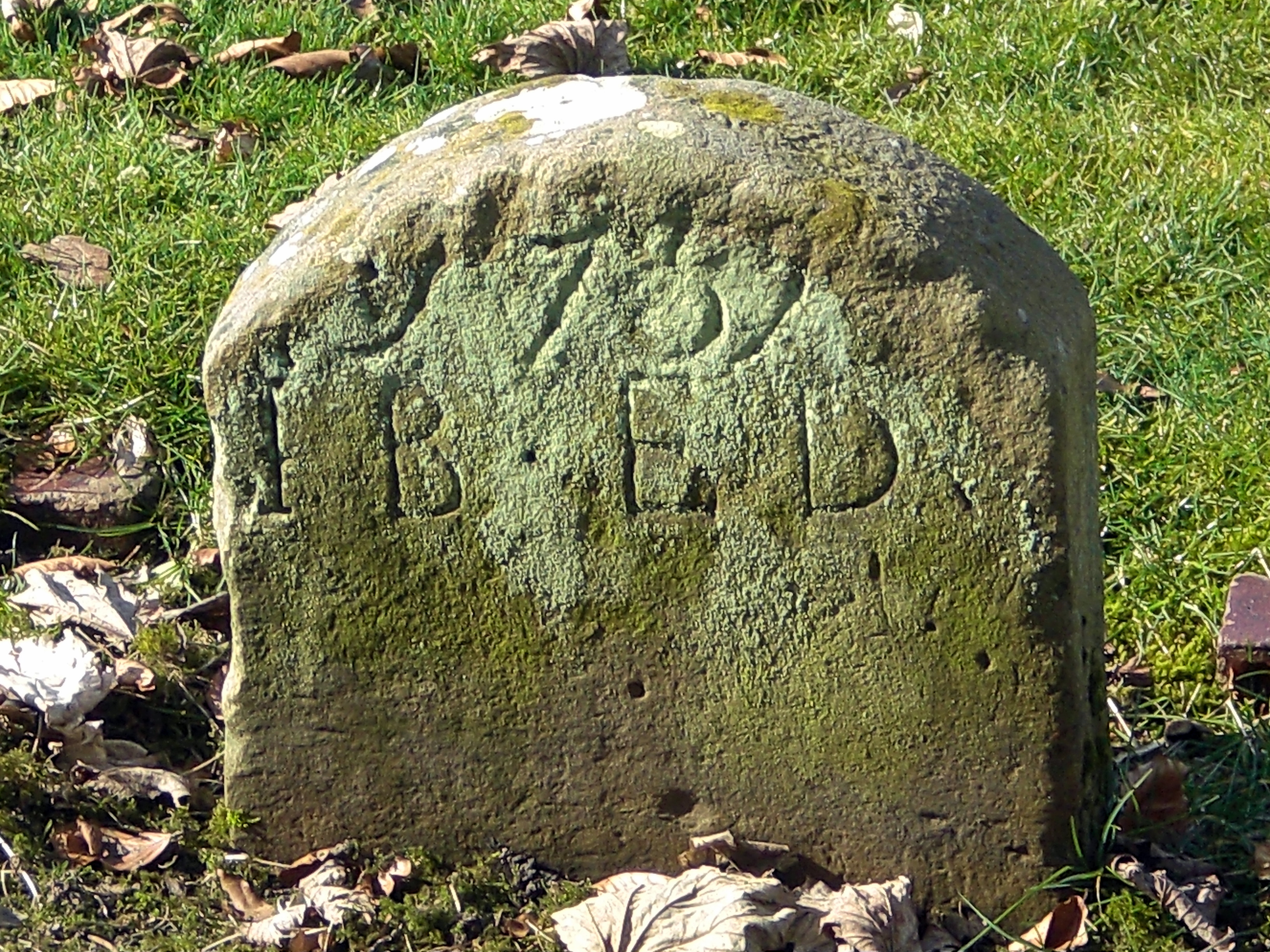
This stone was erected in the year of the French Revolution:
1789
We were really intrigued with this one. The reversed numeral “7” in particular. Also the fact that four sets of initials are on the gravestone?
Nowadays, the quiet graveyard appears to be a haven for bird life. During our visit, blackbirds scurried amongst the leaves whilst a robin dotted around the gravestones following us.
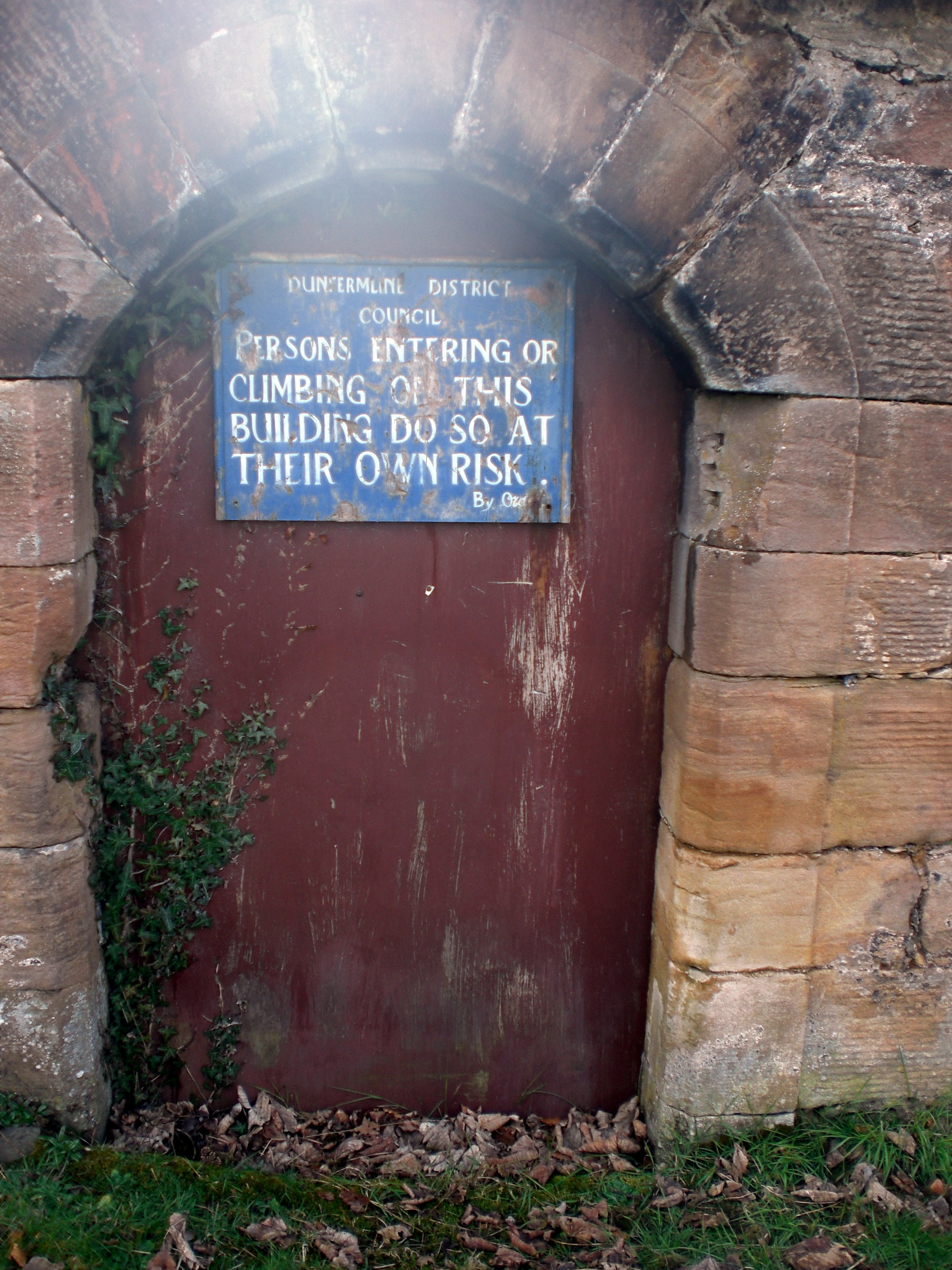
One last photo before we leave and its only later that we notice the ghostly halo around the door frame. Saturated light I’m sure but who knows?
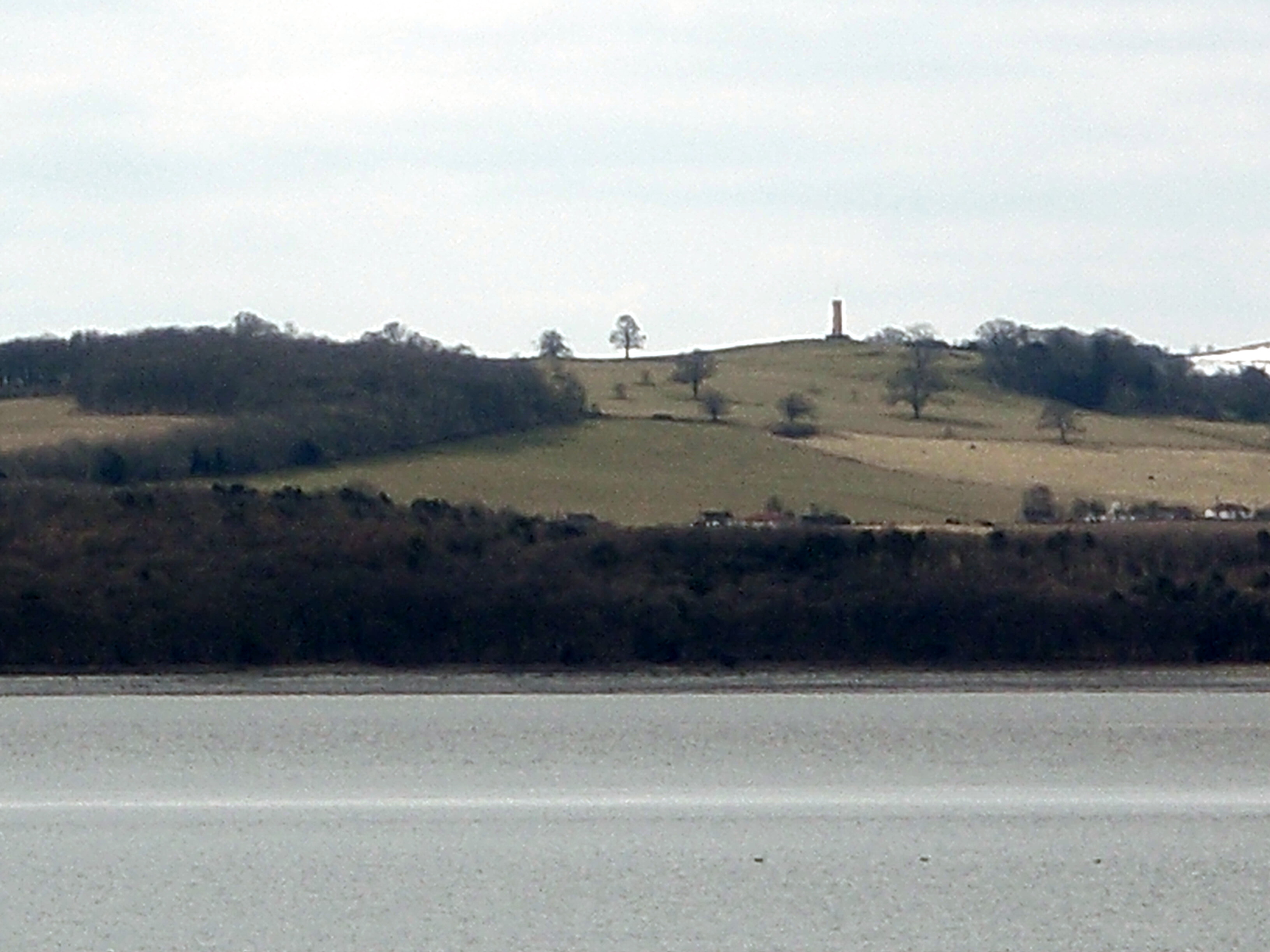
On leaving the the graveyard, we head right which leads to a pleasant shoreline walk along to Limekilns. Looking over the water there is even a hint of Glastonbury Tor over in West Lothian. It’s the tower folly of The House of the Binns, Tam Dalyell’s family home. It’s a short walk to Limekilns and as we approach we are reminded of David Balfour and Alan Breck who visit the village in Robert Louis Stevenson’s Kidnapped:
“about ten in the morning, mighty hungry and tired, came to the little clachan of Limekilns. This is a place that sits near in by the water-side, and looks across the Hope to the town of the Queensferry.”
(Kidnapped, Chapter XXVI, End of the Flight: We Pass the Forth).
We will write-up what we found in Limekilns and Charlestown another day.
Now Playing: Current 93 – Baalstorm, Sing Omega
References:
Alan Reid, Limekilns and Charlestown: A Historical Sketch and Descriptive Sketch of a Notable Fifeshire Neuk, (Dunfermline: A. Romanes, 1903).
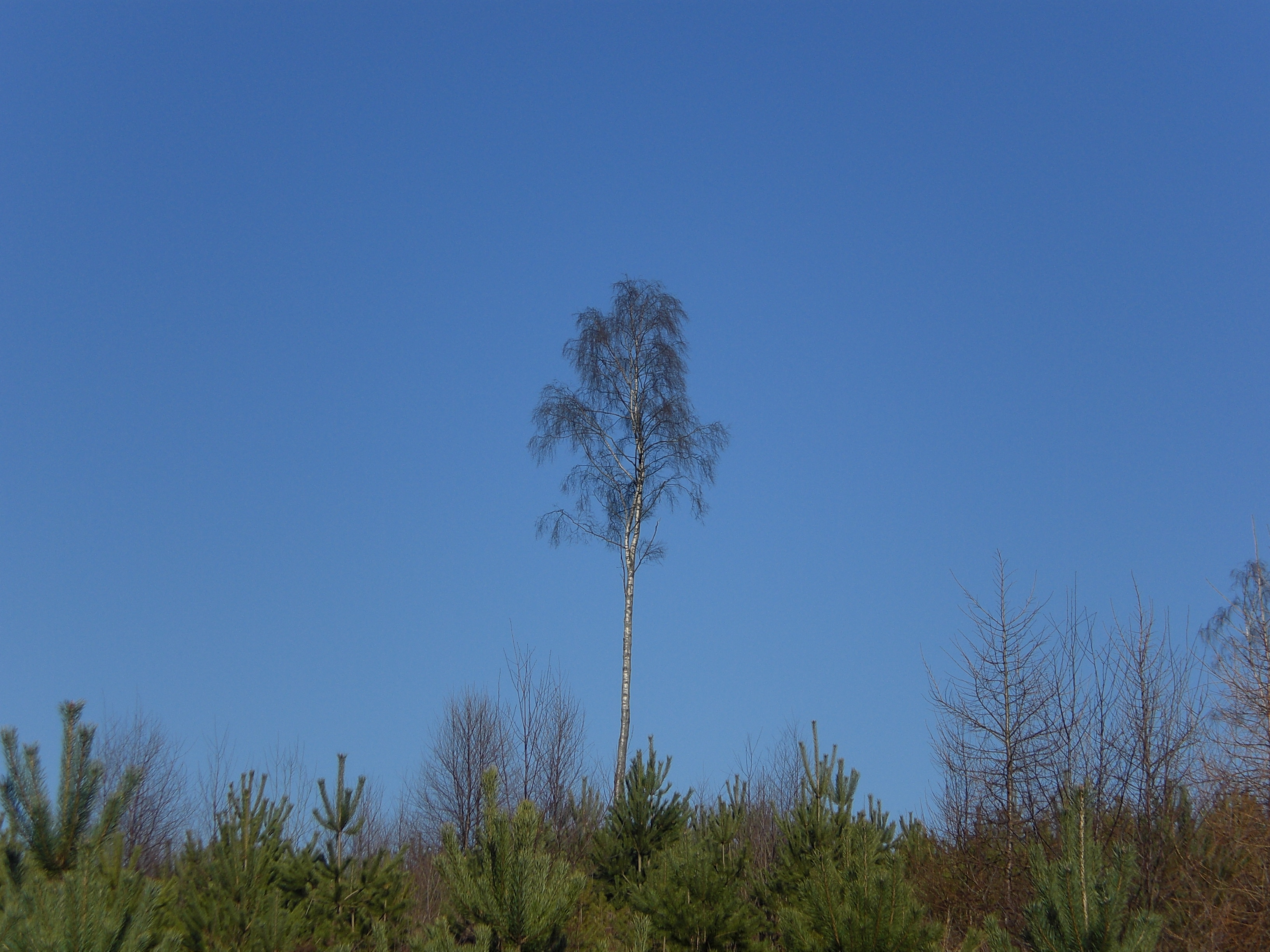
Looking up to the ridge, over the evergreen crowns, two spectral trees hang mid-air in the limpid heat. A smoke spiral, all coiled movement, settles to stillness as a Rorschach blot of charcoal smudge bleeds into sun saturated blue. The universe melts into my hands. A sublime stasis cupped and held close.
For how long is not the right question – linear time is of no help to us here.
The “caw caw” of a black craw – pierces the membrane of this no-time. The moment trickles away, dissolves on the ground, scattering the seeds of its eternal recurrence as memory…
Memory is not an instrument for exploring the past but its theatre. It is the medium of past experience, as the ground is the medium in which dead cities lie interred.
Walter Benjamin
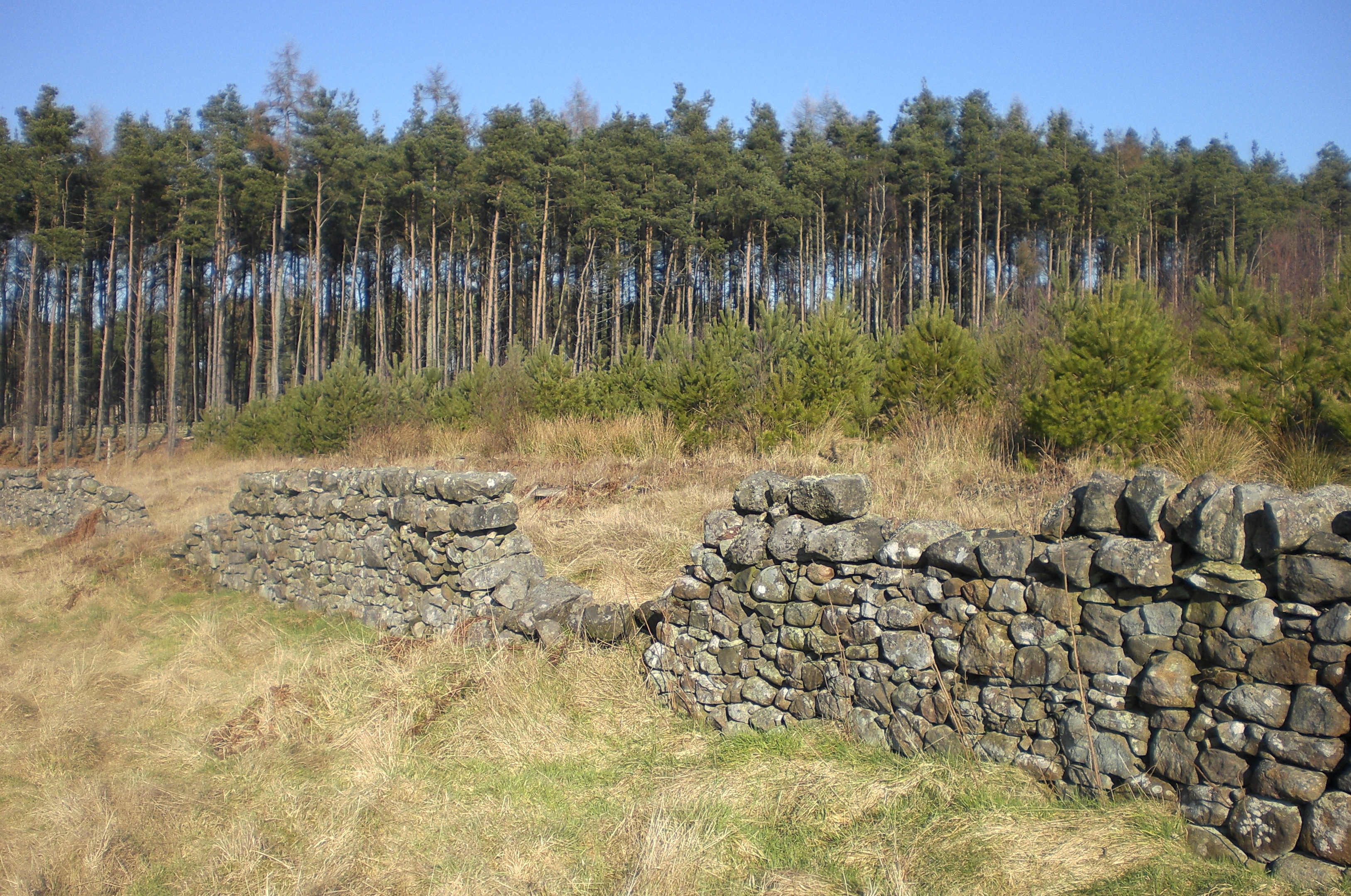
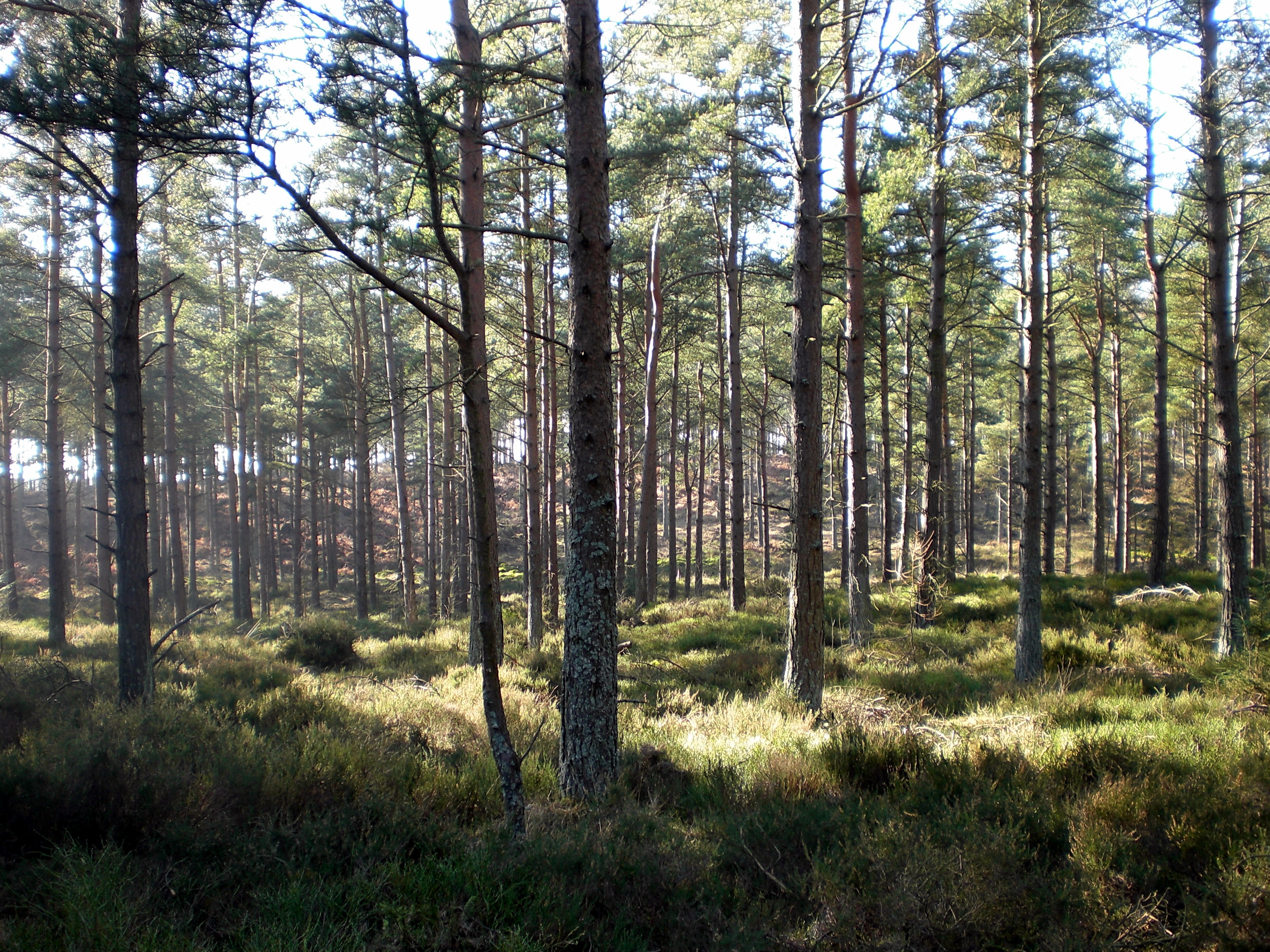
Just a brief extract from what will eventually develop into a longer piece or a series of shorter pieces. We have made a couple of visits to Devilla Forest, near Kincardine, recently and it is clear that it will take us a good few more trips to really get the measure of this place. Our foray into the heart of the forest last week was an exercise in getting hopelessly lost which coupled with the first intimation of Spring was no bad result. The overhead sky, was a cloudless colour field of bleached blue and once the sun was up it felt like the last of the winter murk was being cleansed away. We eventually ended up North of the forest climbing up to a ridge above the tree tops. Here we found the spectral trees and a curious weather mast amongst crumbling drystane dykes.
Devilla Forest is located just North East of Kincardine and the name is said to come from the Gaelic “dubh” and “eilean” meaning “black island”. The forest is now run as a commercial tree plantation by the Forestry Commission and consists mainly of Scots Pine, Norway Spruce and Larch. However, the area has a long history of land use with Prehistoric coffins, stone circles and Roman urns all found in different parts of the forest.
There are also plague graves, a stone which a local legend says is marked by the grooves from a witches apron string and the remains of a World War II explosives research establishment within the forest area. Combine all of that with four lochs/ponds, burns, meadowland and rich wildlife – including red squirrels – and it’s easy to see why this site should we worthy of further investigation.
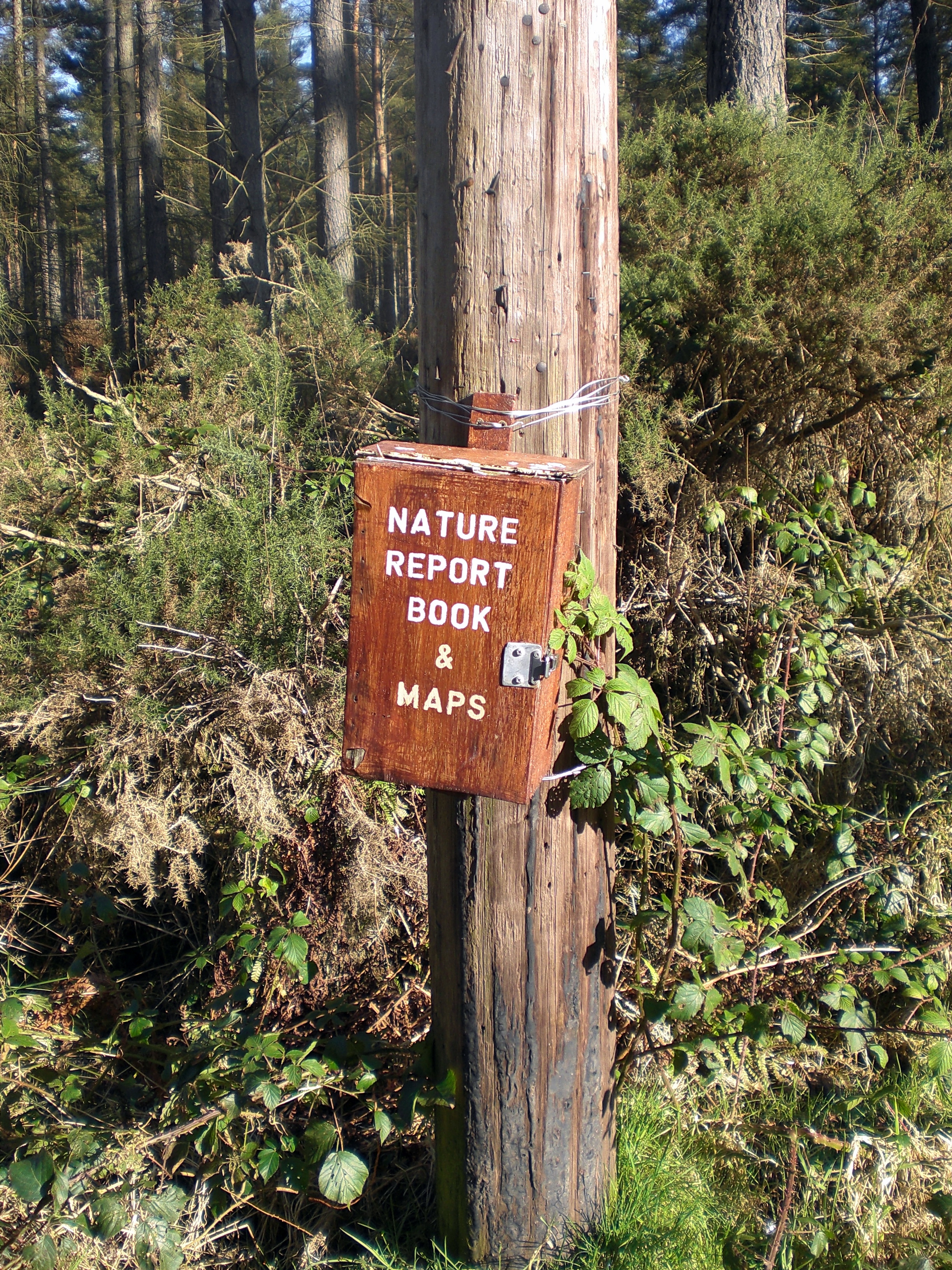
Oh and there is also a history of Big Black Cat sightings. We may have the chance to record one ourselves in The Nature Report Book.
Unfortunately there were no maps:
“I hunt among stones” – Charles Olson.
Prior to last week, we had made one previous brief visit to the forest on 23rd February. This date coincided with Terminalia, the ancient Roman Festival in honour of the god Terminus who presided over boundaries. Often his statue was merely a post or stone stuck in the ground to mark the boundaries between land. Aware that some psychogeographers throughout the country were commemorating Terminalia in some fashion, it was perhaps a serendipitous discovery to find some wonderful local examples in the forest:
This is a Meith Stone which has the St Andrews Cross carved in the top. The stones were used to mark land boundaries and sometimes initials were inscribed on each side of the stone denoting land ownership. Apparently five stones have been found along what would have been the old drove road between Kincardine and Culross.
This enigmatic looking stone is known locally as The Standard Stone, which according to local legend marks the spot where a Danish Army defeated Duncan and his generals Macbeth and Banquo in The Battle of Bordie Moor. (1038). The stone could also have been where the Scots army placed their battle standards, but is more likely to be the base of a medieval stone cross on a parish boundary or a wooden gallows.
From our initial couple of visits, we can feel that Devilla is going to yield up some interesting discoveries if we can manage to avoid getting lost next time. Then again that may be no bad thing.
The Owl is awaiting our return.
Now Playing: Boards of Canada – ‘You Could Feel the Sky’ from Geogaddi.
The white centre … is both an emptiness and an energy generator. Your eye is continually drawn back to its white silence, its void-ness. Then your attention is propelled out again along the twisting road-ways. The eye cycles back and forth between “something” and “nothing”.
First Rauschenberg laid down a base coat of white paint on a 48-by-32 inch piece of masonite. Then on the top four-fifths of this white ground, he pasted pieces of maps of American cities: Minneapolis, Pittsburgh, St Louis, New Orleans Boston, Denver…
The twisting spidery roadways – dark lines radiating across off-white backgrounds crackle with shivery linear energy. This frenetic activity is silenced at the pictures centre by a great white circular void that hovers like a pulsating energy field. This void isn’t empty. Literally it’s a layer of brushed white paint that laps over the cut edges of the maps. Visually, the painted surface dematerialises into a humming whiteness.
Kay Larson on Robert Rauschenberg’s Mother of God
I recently finished Kay Larson’s wonderful book Where the Heart Beats: John Cage, Zen Buddhism and the Inner Life of Artists. I don’t particularly want to offer a review here but if you have any interest in John Cage then I guess that you will be well rewarded by reading it.
Like any great book, it’s the ideas that linger around afterwards that are of greatest value. They push, prod and poke. Unconscious spectres haunting the edges of conscious thought before demanding some form of engagement, application or reflection. This perhaps explains why, for a few minutes last weekend I stood, in the dark, on a motorway bridge at Charing Cross, Glasgow. A walk back to the station interrupted by thoughts about “something” and “nothing”. The traffic of the M8 motorway cascading underneath my feet and I’m recording it on my phone…
Well clearly my silent piece…expresses the acceptance of whatever happens in that emptiness. And the same thing was expressed by that empty painting, that white painting of Bob Rauschenberg.
John Cage
One of the most fascinating parts of Larson’s book deals with Cage’s conceptual evolution leading up to his (in)famous ‘silent’ piece 4’33”. Larson makes the case that prior to 4’33”, Cage’s thinking was expressed in Either / Or dualities. His two lectures: Lecture on Something and Lecture on Nothing bookend this approach. Increasingly inspired by the Zen lectures of D. T. Suzuki at Columbia University and the white paintings of Robert Rauschenberg, Cage moved towards the idea of the radical act that was required to detonate these dualisms. His famous visit to the anechoic (sound-proof) chamber at Harvard had shown Cage that ‘silence’ could never be an absolute absence of sound. Even in the scientifically quietest place on Earth he could still hear sounds. The high whine of his own nervous system and dull roar of his blood circulation. He heard the sound of his life in process and Cage concluded that there is no such thing as silence.
Silence is not acoustic. It is a change of mind, a turning around.
4’33” embodies the idea of life and art as a process. As Larson says: “before anything else, it’s an experience.” It is a proposition that says, in notational shorthand: stop for a moment and look around you and listen; stop and look; stop and listen. “Something” and “Nothing” can never be divided.
Well I use it (4’33”) constantly in my life experience. No day goes by without my making use of that piece in my life and in my work…I turn my attention towards it. I realize that it’s going on continuously…
This may all sound pretty abstract but two events from a recent afternoon wander through Glasgow bring it all home. Heading back from the West End, the energetic bustle of Byers Road noticeably slips off the shoulders as you enter Kelvingrove Park. Welcomed into the crisp and brittle air by the bare winter trees, very few people are around and circumstances are conspiring to shift towards something approaching an urban ‘silence’. (The ubiquitous, low hum of traffic is always there, much like the sound of Cage’s blood circulation). Slipping into a kind of unconscious walking reverie, measured out in the rhythm of movement, I was brought completely into the moment by the spooling song of possibly a mistle thrush or song thrush high in a tree. What an enchanting experience to simply stop and listen to the cadences and Fi-ga-ro Fi-ga-ro refrains weaving a thread of song through the urban silence. An oscillation between something and nothing. Lives in process. I managed to capture around 40 seconds on a pretty rough phone recording, by which time several people had gathered around wondering what I was looking at:
.
.
[sometimelater]
.
.
I wanted to be quiet in a nonquiet situation.
Later in the early evening, it is already dark and I’m walking back into the town centre . I stop on the motorway flyover bridge at Charing Cross. For a short time I just watch the traffic swoosh past underneath. Pools of light flooding the motorway and dispersing within seconds. The experience is strangely mesmerising and calming. The rhythms of sound vary depending on the sequence and number of cars across the three lanes. Like a childhood game, I start to guess which lane a car will appear in next. A chance operation in process. I then notice that occasionally there can be an almost complete drop out towards a momentary void of sound. For a few seconds no cars are in view in any of the lanes. Once again this is a rough recording but within this short clip it happens a couple of times:
.
.
After a few minutes of this hypnotic experience, I realise that I’ve been in the white centre of Rauschenberg’s painting. The void. Quiet in a nonquiet situation. As I lift my head to look around, the roads and paths of the city spiral off in every direction. Energies of neon, arteries of possibility, encounters, histories and stories yet to come.
I walk towards Sauchiehall Street, always poised between something and nothing.
Now playing: Kevin Drumm – Tannenbaum
References:
Richard Konstelanetz (ed), Conversing with Cage (London: Omnibus Press, 1989).
Kay Larson, Where the Heart Beats: John Cage, Zen Buddhism and the Inner Life of Artists, (New York: The Penguin Press. 2012).
Robert Rauschenberg, Mother of God, 1950. San Francisco Museum of Modern Art.
Special thanks to Fraser Macdonald and Louise Arber for offering suggestions as to the identity of the singing bird. The wonder of Twitter.
How could we not be intrigued?
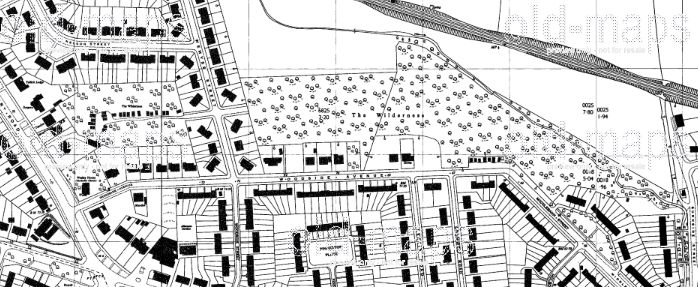
Casting an eye over some local maps from the late 1800s. Stumble and trip.
The Wilderness.
An actual place on the map.
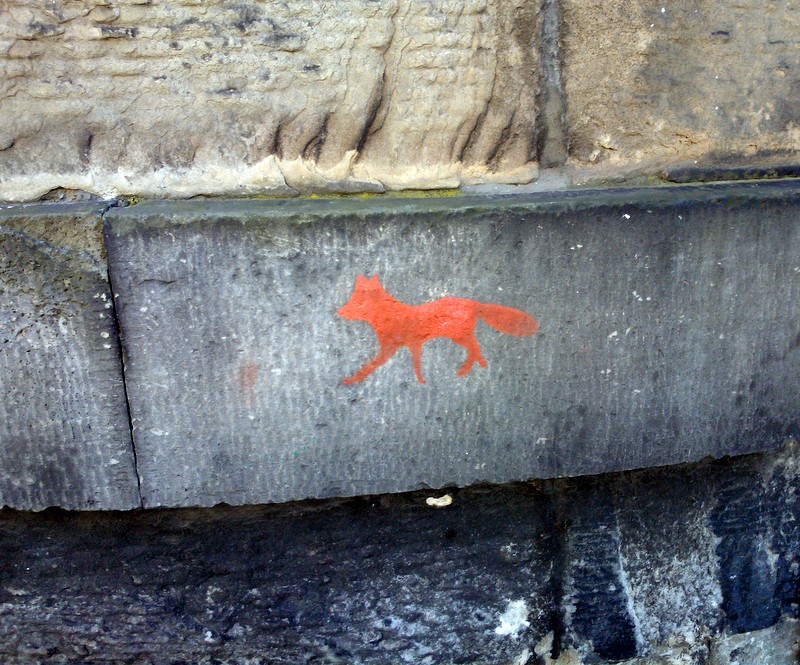
The delineated form resembles a long-front-legged cartoon fox. We resist the urge to draw on ears, eyes, nose and a brush. Somewhat ironically, The Wilderness is represented by dotted clumps of trees contrasting with the surrounding patchwork of largely undefined white space.
A field trip beckons. Is it possible to visit The Wilderness as an actual place, rather than just as an idea? Is The Wilderness always just an idea, conjuring up clichéd images of distant rain forests, shifting desert sands or a featureless frozen tundra pulled towards a distant white edge of land and sky. What would this Wilderness look like in 2012?
On a sunny December Sunday of 2012 we set off to see what we can find and mentally attempt to visualise the area of the cartoon fox, as it is today. Our best guess is that if anything is left it may now be in the middle of a housing estate in Rosyth, Fife. There could also be a Tesco store and pub planted firmly in its hind quarters…
The above map dates from 1896 which predates the building of Rosyth, Scotland’s only Garden City. The town was built to service the Royal Naval Dockyard which began construction in 1909. The original houses were first occupied in 1915 and still stand, exuding a solidity and displaying attractive design features that would be alien to the mass, wooden boxbuilders of today. (Who would bet against the big bad wolf confronting a timber-framed flat pack?). The original tree-lined street plan also remains largely intact although you will have to search harder to find a front garden. Many are now paved over into parking spaces for the ubiquitous car.
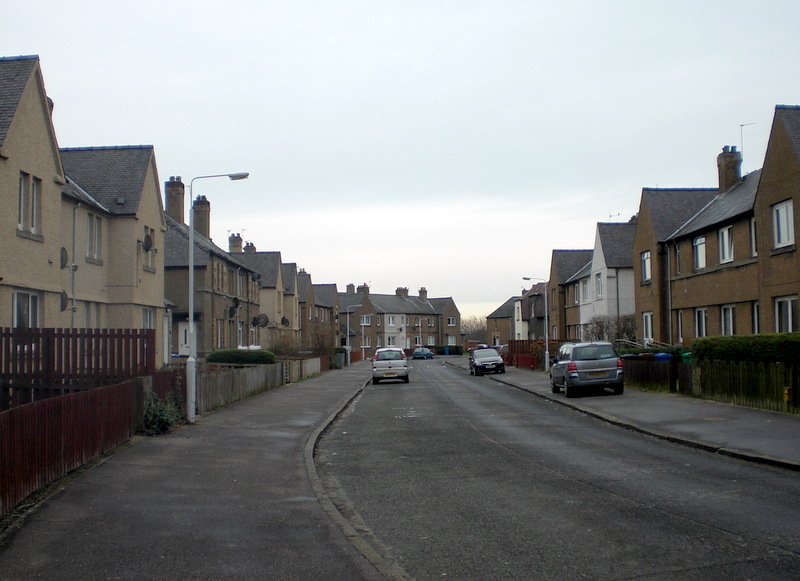
Arriving in Rosyth, we orientate ourselves from the railway station and set off. As suspected, it is clear that the rear end of our fox, on the 1896 map, now houses a Tesco store with Cleos pub alongside. The main road through the town – Queensferry Road – dissects a later phase of house building on the other side. As we walk down Queensferry Road, there is certainly no obvious sign or hint of any wilderness. We can see some mature trees lining the side of the road but it is difficult to say whether these could be original Wilderness trees or part of the town landscaping plan. Following our noses we turn left into Wemyss Street and ponder on the name. “Wemyss” is derived from the Gaelic word ‘uaimh’, meaning ‘cave’. There are strong landscape resonances in Fife to the Wemyss caves up the coast, beyond Dysart but we guess that the linkage is more likely to be associated with the landowning Wemyss family. Descended from the MacDuff Earls of Fife, (Macbeth!) the Wemyss built their castle between what is now known as East and West Wemyss. There are certainly no obvious caves around, that we can see, but in appellation terms, the connotation of landed gentry hobnobbing with royalty sits well with the nearby Kings Road and Queensferry Road.
Walking along Wemyss Street, it does occur to us that this may be a short trip. We are surrounded by residential houses and yet looking at the map we must be walking over part of the fox’s torso mapped as The Wilderness in 1896. Maybe this is actually a walk of mourning. A wake for an idea that, for whatever reason, resulted in an area of land being named The Wilderness. We can also extrapolate from the local to the global and the sense of the Earth’s Wilderness footprint being appropriated, exploited, diminished and perhaps lost forever.
Wemyss Street, Rosyth
We continue to follow the sweep of Wemyss Street and start heading south when we come across a little cul-de-sac named The Woodlands. This feels better. The signs are singing. We can see trees to the East. This looks more promising – and it is.
Across the world, people have perceived forest wildernesses to be full of spirit, as if the real and visible world had an equally real but invisible world folded within it.
Jay Griffiths (Wild: An Elemental Journey, p. 53).
It never ceases to amaze how, within a few short steps, the feeling of our surroundings can change completely. Guy Debord talks of moving between zones of distinct psychic atmospheres in the city. We believe that this can also happen outwith an urban setting as described in our post on the Fife Coastal Path. This happens here. One minute we are unmistakably in a quiet residential area of a small Fife town. Our most noticeable observation is a black cat dozing contentedly on top of a blue plastic dustbin. She jumps down to greet us and walks a few paces alongside glad of the company. A few steps later and we are through that transition zone and enter The Wilderness. It really does exist.
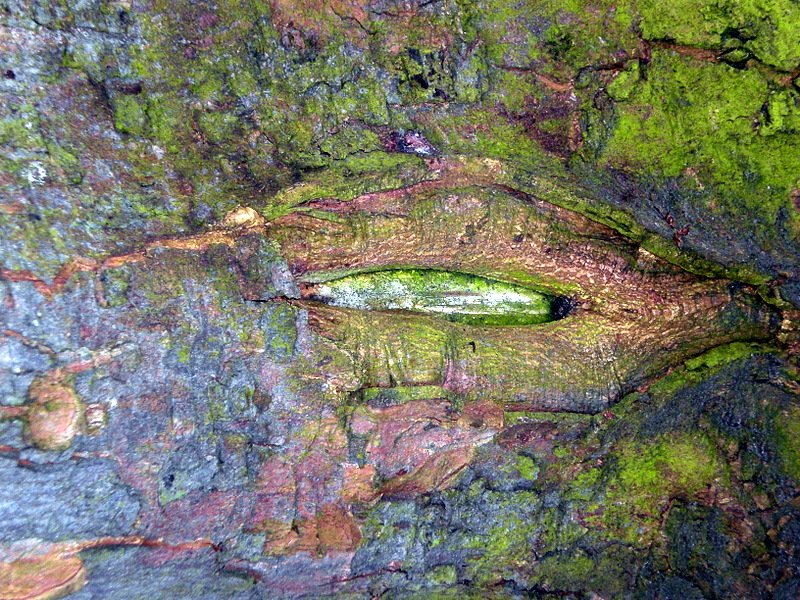
Tree mouth
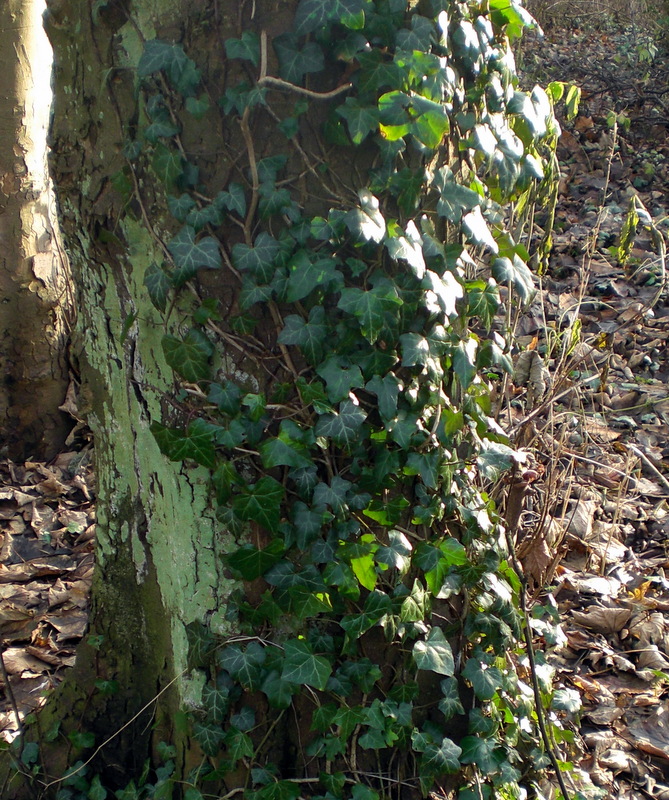
It’s good to feel the sun today. Fingers of warmth entwine and clasp hands amongst us. The lichens on my skin dissolve into light and the ivy loosens slightly. Stretching up towards the blue, a moment held in these short, chill days. Drinking from the earth, heavy with water. Sustained.
There are movers on the path. Coming.
Fingers of warmth entwine and clasp hands amongst uslichens on my skin dissolve into lightthe ivy loosens slightly
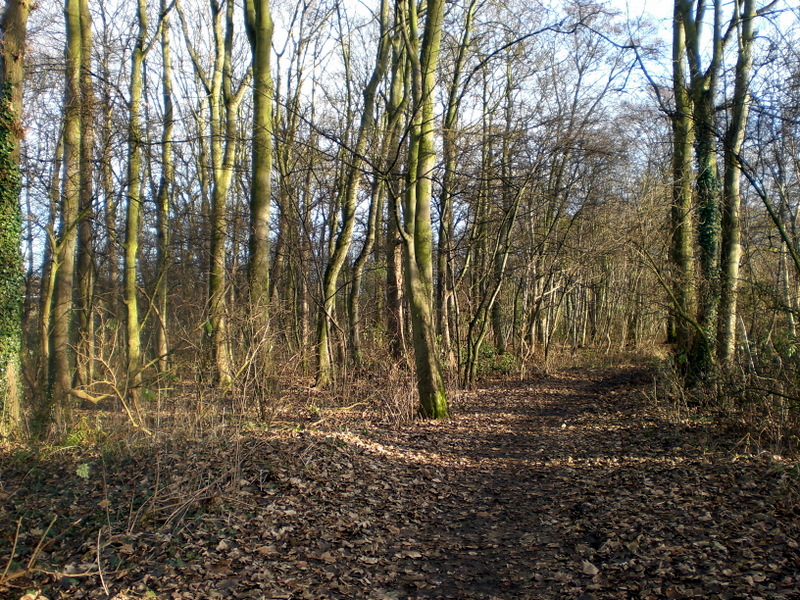
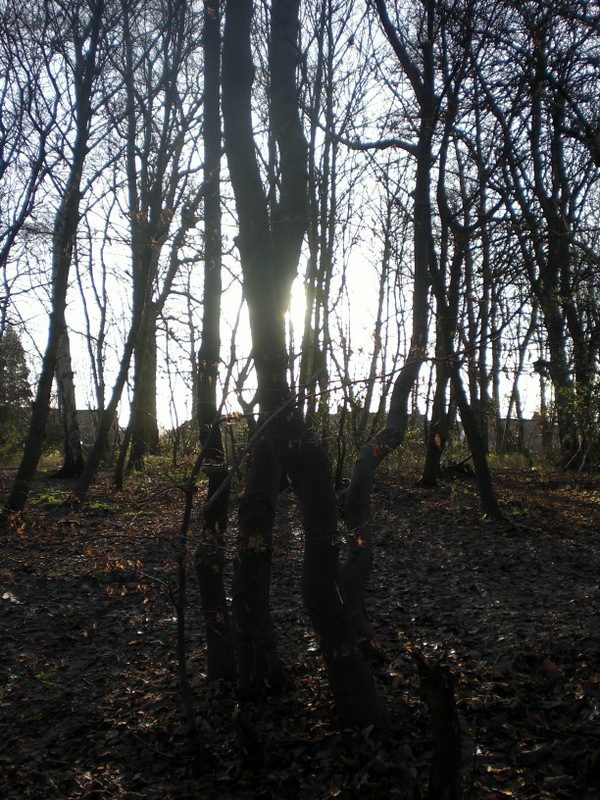
We enter the invisible, folded, other world of the wood. Old trees, bark encrusted with mottled green. Root formations resemble clawed, long-toed dinosaur feet. We expect them to lift free from the ground at any time.
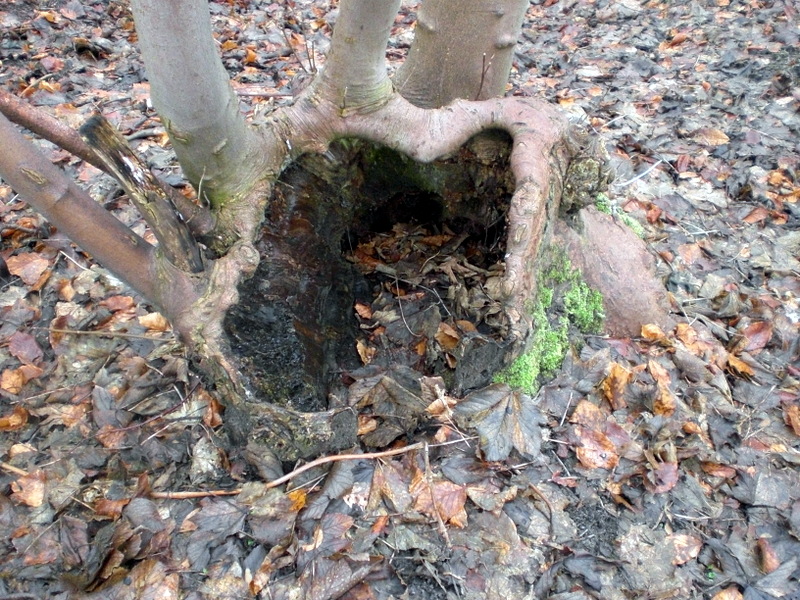
Hollowed out stumps of wooden teeth sup on leaves and sunlight.
There is a sense of a trail through the woods but little evidence of human visitation. During our visit no one arrives. No one goes. Just us. The trees and the sound and sense of birds. We find out later that there is no through-route. You have to climb a fence at the other end to get out so The Wilderness is effectively a bounded area. No doubt this discourages the use of the woods as path of transit, but perhaps helps to retain a little sliver of embedded wilderness.
We have often found that bounded, hidden areas become covert fly tipping sites but there is remarkably little evidence of this practice. A stray carrier bag probably relates to the two empty cans of Foster’s lager tossed aside.
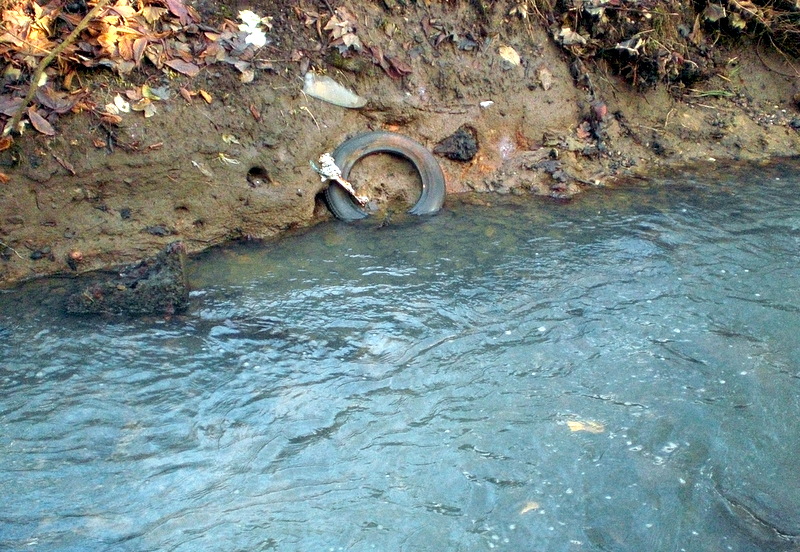
You can almost visualise the youngsters chipping in to scrape up enough money for their couple of cans before heading to the woods in anticipation of some bacchanalian wildness. We later find one car tyre and a bicycle frame. No white goods!
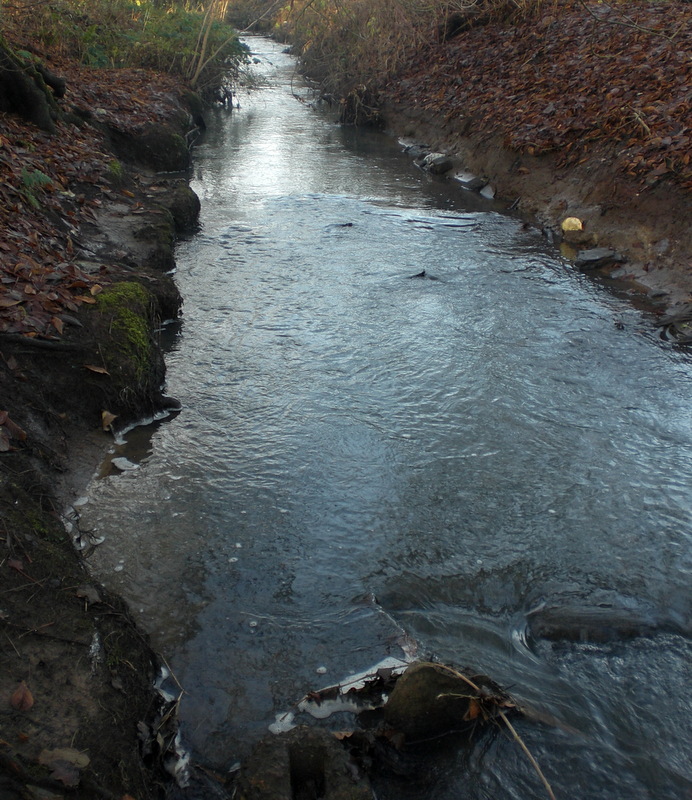
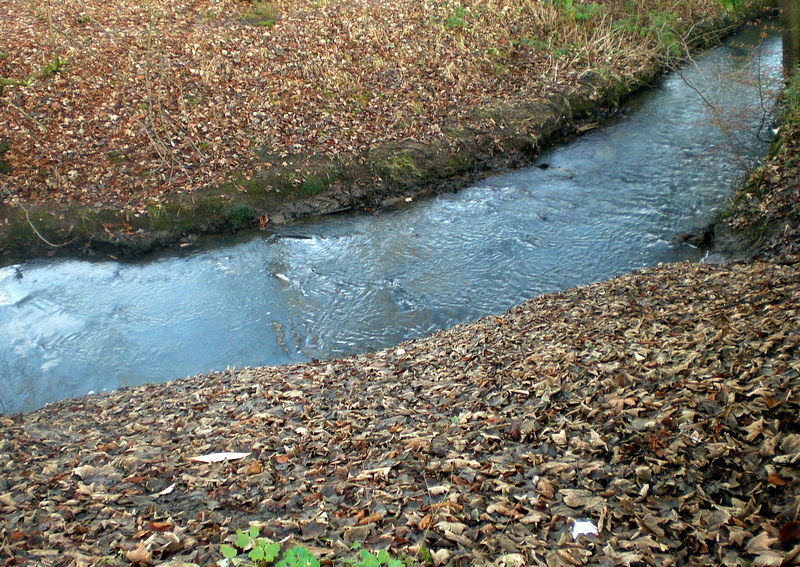
The purring murmur of running water soon entices and we follow the slope of the land down towards a wee burn.
Flowing here for many a year that’s what us wee burns do. The flow and the flux of the present moment, always existing in the eternal now. No history, no future, no time. Old Heraclitus was right you never step in the same burn twice.
Burn, stream, river, estuary. It’s all just a matter of scale.
A balloon lies trapped on the water underneath a branch. A human breath captured in time and space.
Imagine a situation where the last trace of human life on earth was the breath captured in a balloon? The most ephemeral of traces. Perhaps this is the breath of the Earth. The life-force slowly puckering, deflating, evaporating. If The Wilderness can exist in Rosyth, then why not the breath of Planet Earth?
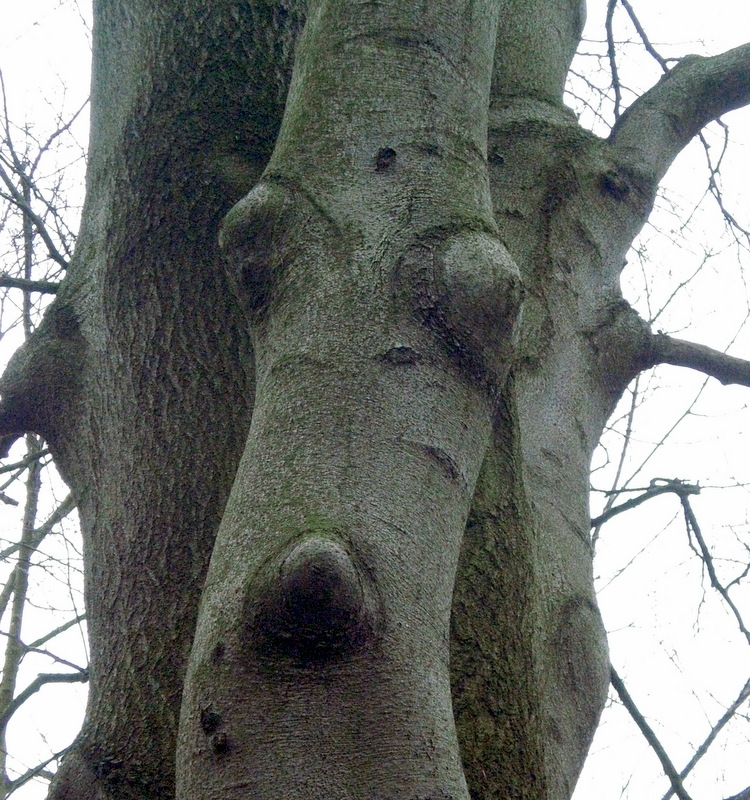
We follow the burn through to the end of the wood, watched by the bug-eyed tree spirit. Chameleon eyes surveying, observing. Oblivious to time or circumstance.
Listening and watching the wildness of the fungi, spilling from the tree stump.
[L o s t t i m e i n t h e m o m e n t]
Over the fence at the other end and we are back in a residential street. We know that we are walking down the front leg of the cartoon fox. Appropriately, the road is called Burnside.
The paws of the fox mark the transition zone and we exit The Wilderness and track back through Rosyth past the Carnegie Institute.
Back to civilisation, the chimneys, the birds and the tags.
Rosyth Institute – the chimneys, the birds
Appendix: The Wilderness over time
The Wilderness 1915
1915 – The Wilderness and our Fox are fully formed.
The Wilderness 1926-27
1926 -1927: The Garden City of Rosyth is now built. We can still see our fox although the rump has been annexed. A trail through The Wilderness is indicated on the map. Wilderness Cottage sits at the South West corner. Our best guess is that this was demolished and replaced by a new build church.
Wilderness 1952-66
1952-1966: New residential building has dissected our Fox’s torso almost right through the middle.
The Wilderness – 2013
2013: This is how The Wilderness is represented on Google Maps. Only a sliver of green remains – the head of our fox. The name has also disappeared but we know that however diminished it may be, The Wilderness most certainly does exist.
Now Playing: Andrew Chalk – The River that Flows into the Sands
References:
Jay Griffiths, Wild: An Elemental Journey (London: Penguin Books, 2006).


































 Murdo Eason - From Hill to Sea