Underneath the M90

DSCN2120

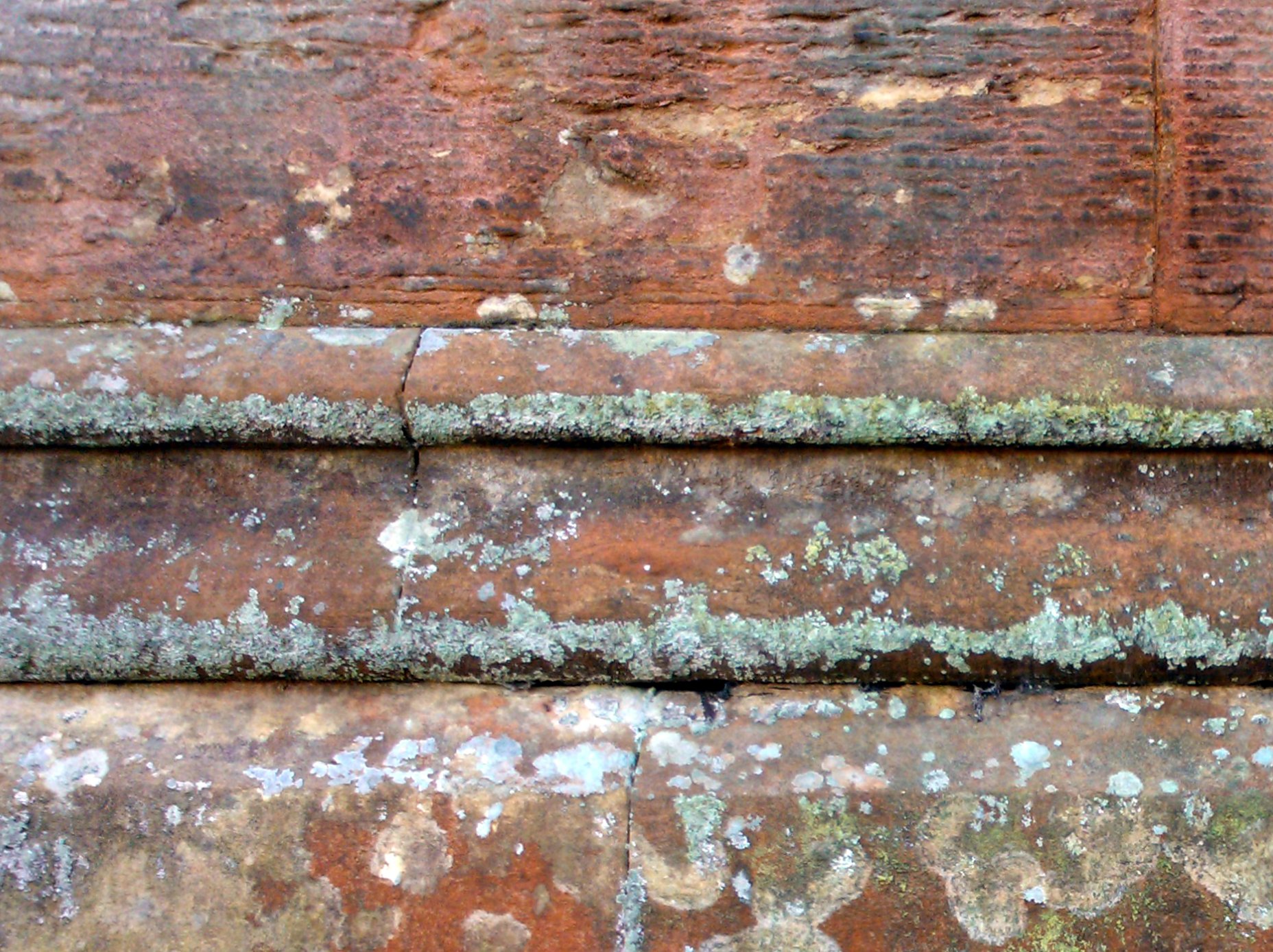
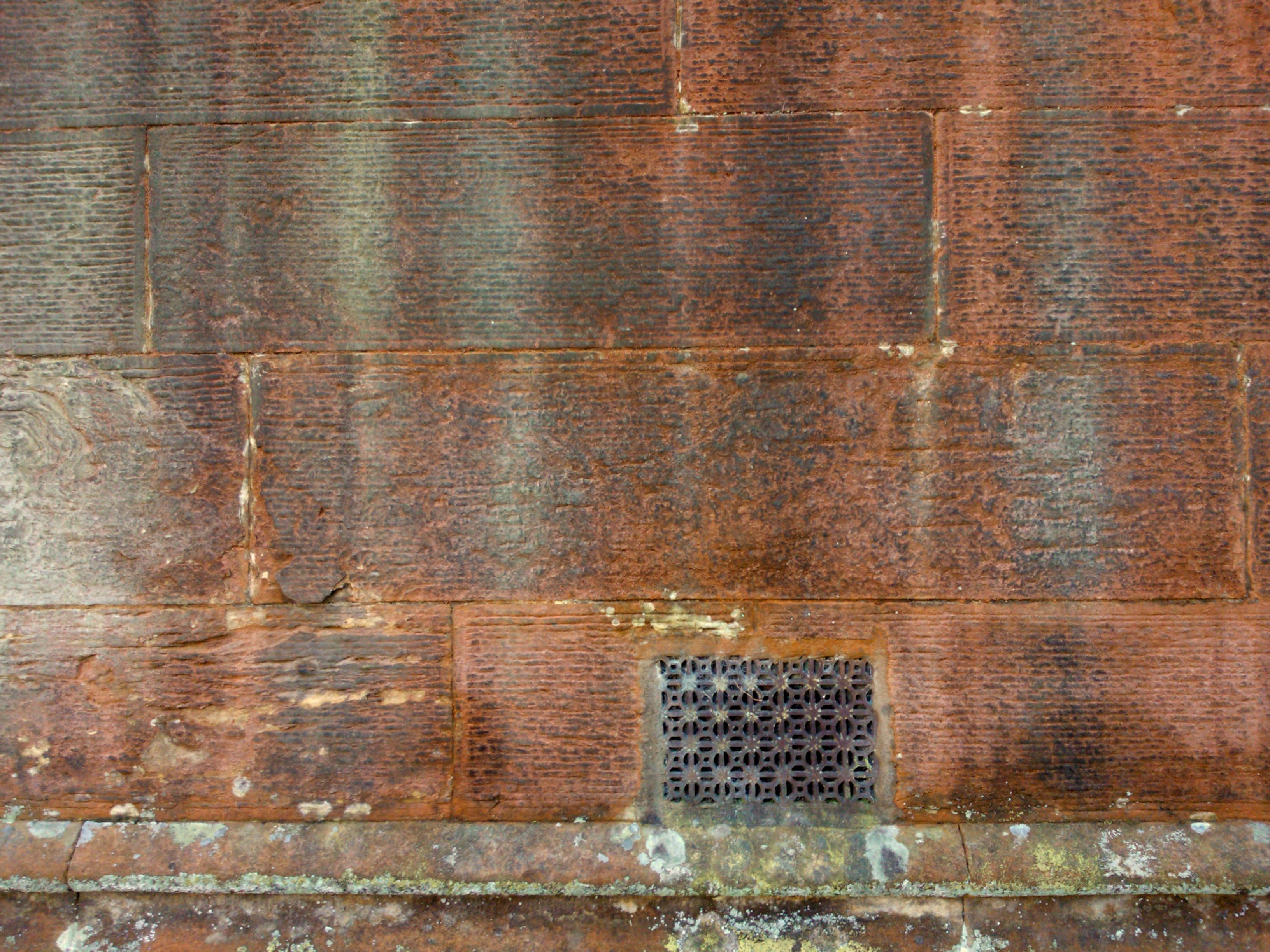
Up above, the sound is like a collision of thunder arriving from north and south. Traffic heading to unknown destinations, running up and down the asphalt spine of the M90 motorway. Here, underneath the flyover, the concrete walls have become vast, abstract-expressionist assemblages. Layer upon layer of weather effects, pollution spray, pigment and human mark-making.  It is only the walker who will notice these. Why, would you dwell, to look, if travelling in a car?

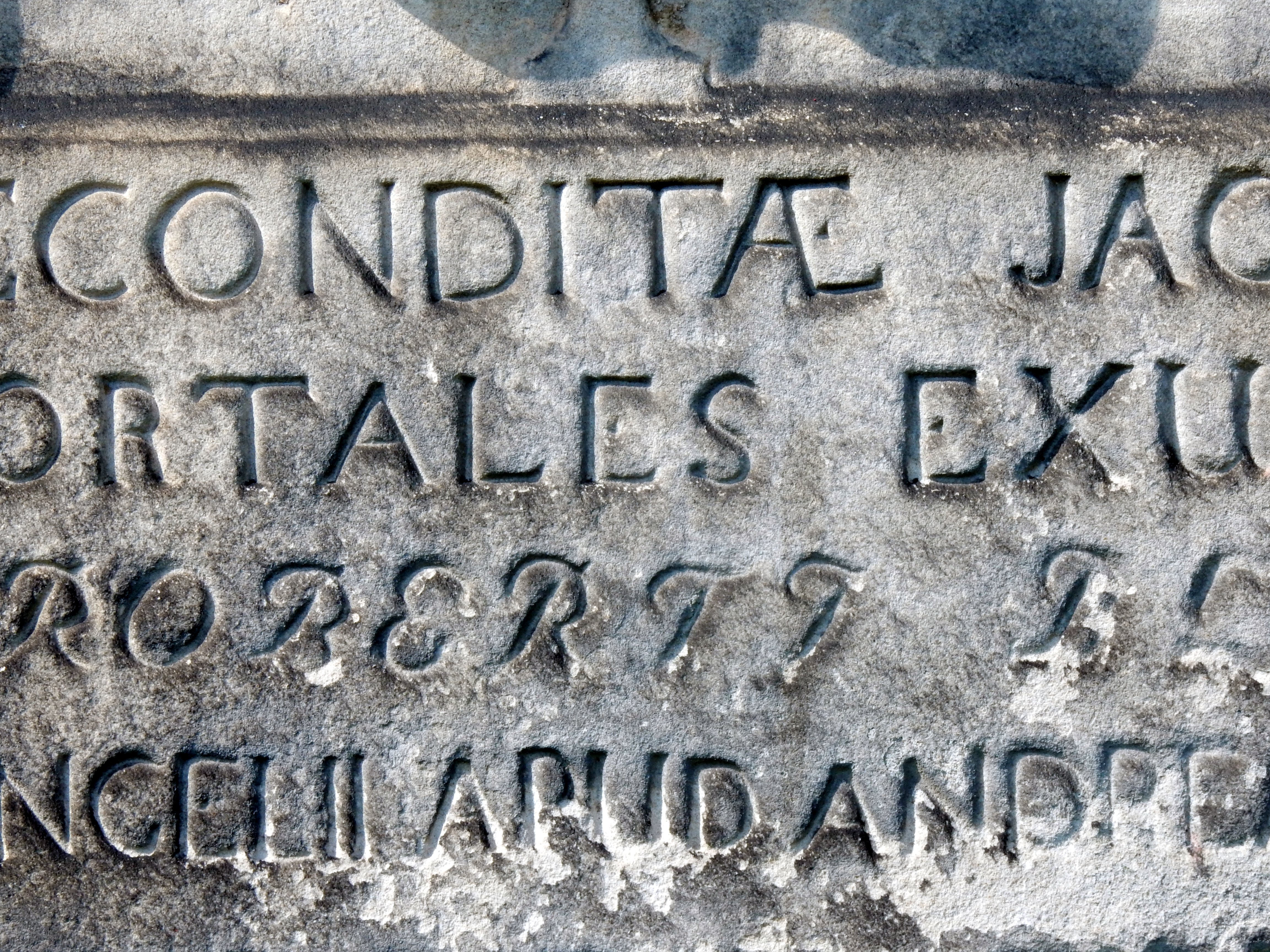
Has any disorientated walker followed the arrow east TO DIVIT, or west TO THE RO?

DSCN2122

Unusual names – DIVIT, THE RO.

Consulting any official map will be of little help. There will be no record of these places. Perhaps we are standing on a territorial boundary line. DIVIT being a local name for Inverkeithing to the east. THE RO is Rosyth to the west. That human compulsion to establish borders and territories. Points of entry or exit. Lines pronouncing otherness, even when invisible and local.

Not far away, a universally recognised symbol. How many times has a heart shape been inscribed on a surface across time and space? From Cro-Magnon cave walls, via the ancient Greeks – a symbol of life and morality and possibly an association with Dionysus and love – to the more familiar symbol of romantic love emerging in the 1200s. Anyone using social media will recognise ❤ ❤ <3.

Under this motorway flyover, a black heart in brush stroke, partly over-painted in white. The shape immediately recognisable, a symbol we can all ‘understand’. But does the nuance of its meaning remain with the mark maker? We connect through common language but subtleties of difference always escape, to be either celebrated or repressed.

Is that a human figure we see enclosed within the heart? Possibly kneeling? Who can say?This small detail, on the patina of concrete canvas, remains a daub of mystery. A symbol as elusive and remote from the casual observer as the Pictish symbols, found further up the Fife coast, carved in the Wemyss Caves around 600 – 700 AD.

DSCN2123

The difference between the who and the what at the heart of love, separates the heart. It is often said that love is the movement of the heart. Does my heart move because I love someone who is an absolute singularity, or because I love the way that someone is?

Jacques Derrida

Now playing: Julian Priester Pepo Mtoto – Love, Love

The Desire Line of Water

DSCN1667-001

.

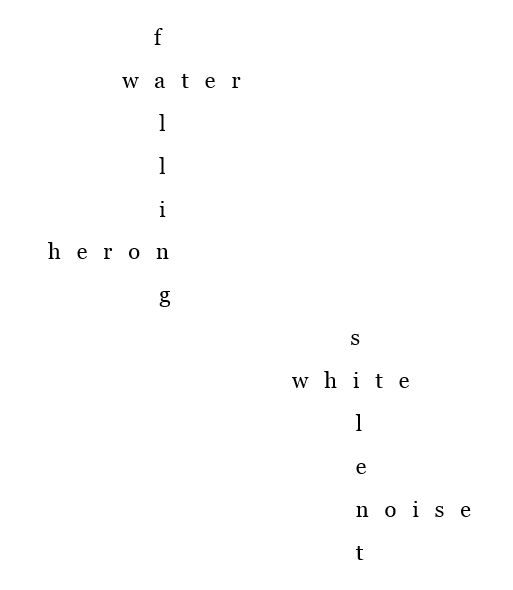
from source to sea:

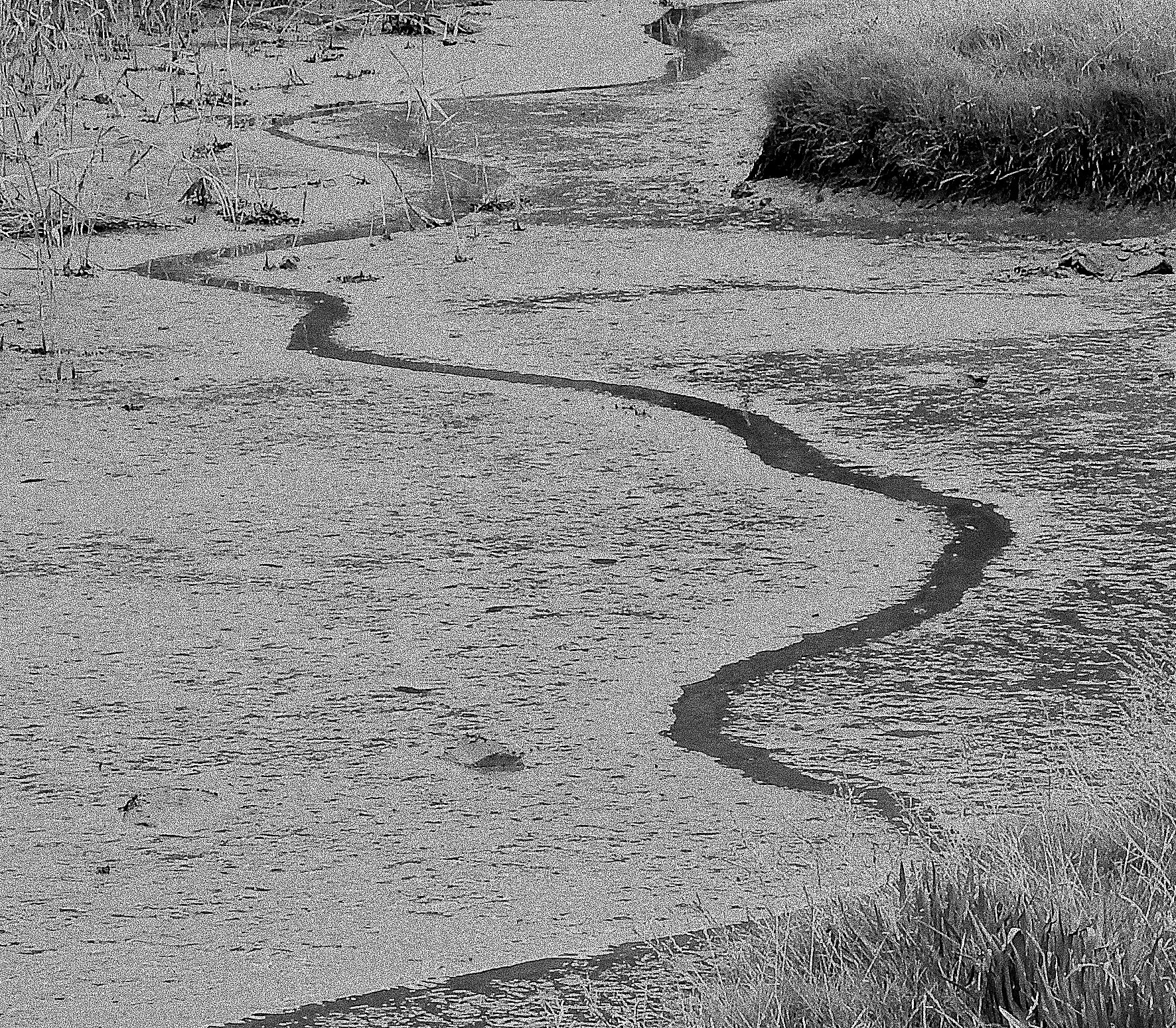
the desire line

of water

rarely follows

a straight path

.

DSCN1675

.

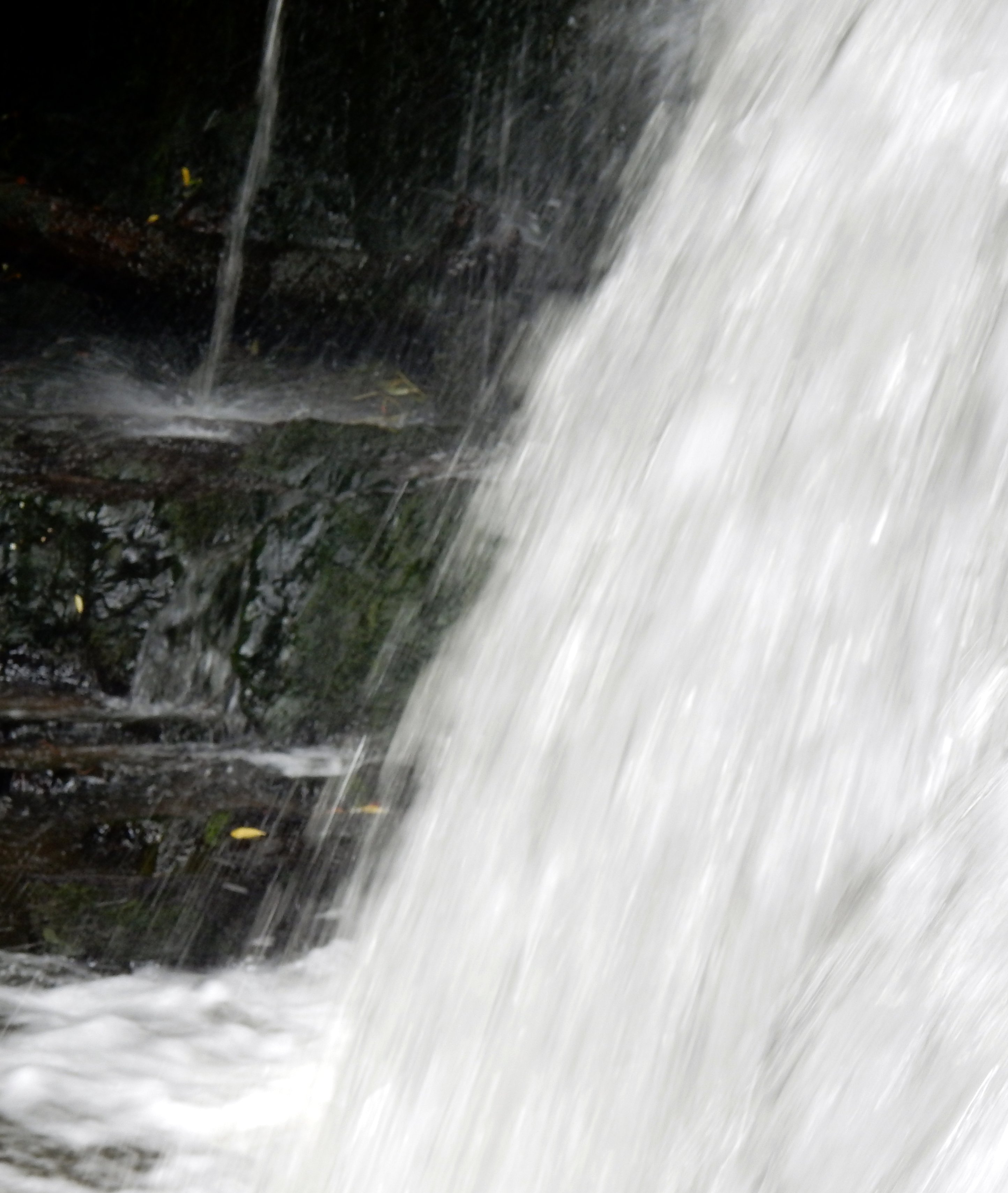
Flux -> Flow -> Gravity -> Time:

all combine

with light, to reveal

the sounds and colours

of falling water

.

DSCN1479

.

All of the utterances.

From a babble of words,

a line of desire

occasionally emerges

.

linedesire4.

.

Images from a walk between Kincardine and Culross and from St Fillans Churchyard Aberdour.

Now playing: Philip Jeck and Jacob Kirkegaard – Soaked

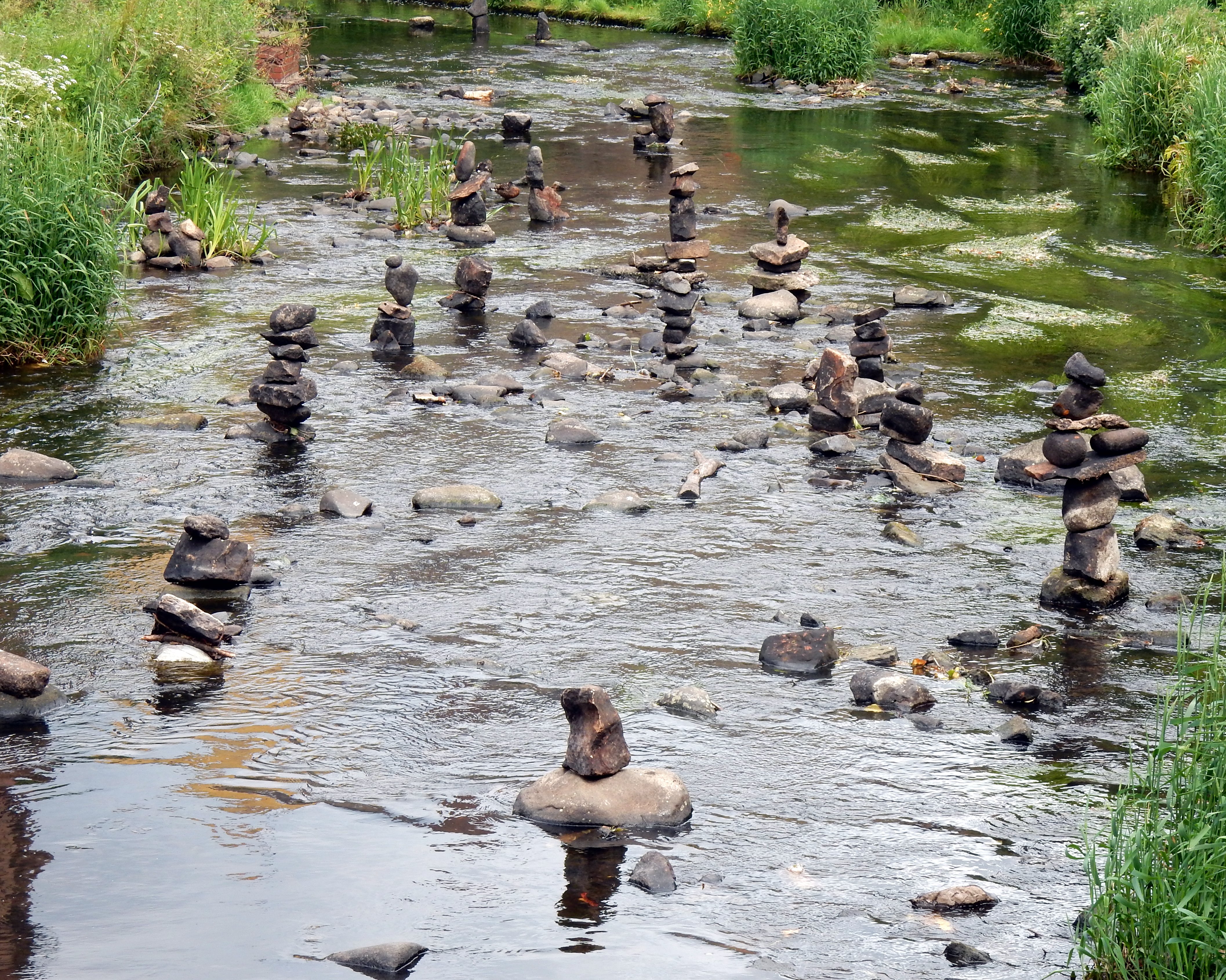
Following the Falling Water

DSCN1610-001


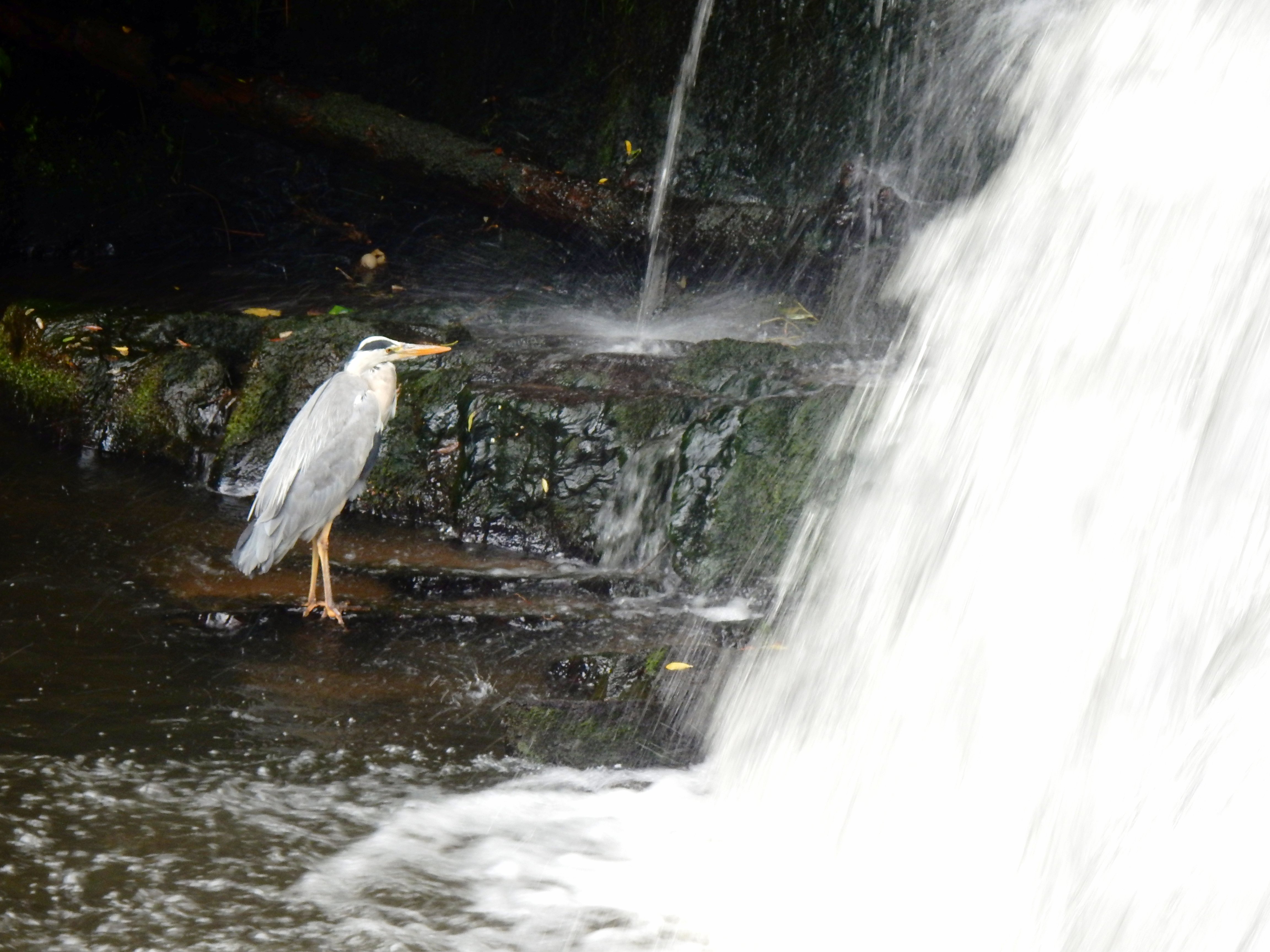
zen heron.


.DSCN1605-001


DSCN1603-001


DSCN1611

falling

≈≈≈


DSCN1615

.

totem

.

DSCN1612

≈≈≈

DSCN1621-001

.

time


≈≈≈


DSCN1626-001


DSCN1625


Images taken from a short walk on the Water of Leith, between the Scottish National Gallery of Modern Art and Stockbridge on 27th June 2015.

Now playing: Kevin Drumm – Reverse Osmosis

Memories of Water: Glen Bridge Car Park, Dunfermline

CIMG2609CIMG2610-001

.

1772

arriving at a fall

it becomes useful

in turning five mills

.

Dunf1

Dunf2

Thomas Pennant,  A Tour in Scotland and Voyage to the Hebrides, 1772, Volume 2 (London: B.White, 1776).

Now playing: This Heat – ‘A New Kind of Water’ from Deceit

Tracing the Cut: On the Path of Sleeping Sleepers

DSCN0714

On the path of sleeping sleepers

as it looked

on the last day of 2014.

Time to return

and follow the line.

.

⇒⇒⇒⇒⇒⇒⇒⇒⇒⇒⇒⇒⇒⇒⇒⇒

¦¦¦¦¦¦¦¦¦¦¦¦¦¦¦¦¦¦¦¦¦¦¦¦¦¦¦¦¦¦¦¦¦¦¦¦

⇒⇒⇒⇒⇒⇒⇒⇒⇒⇒⇒⇒⇒⇒⇒⇒

.

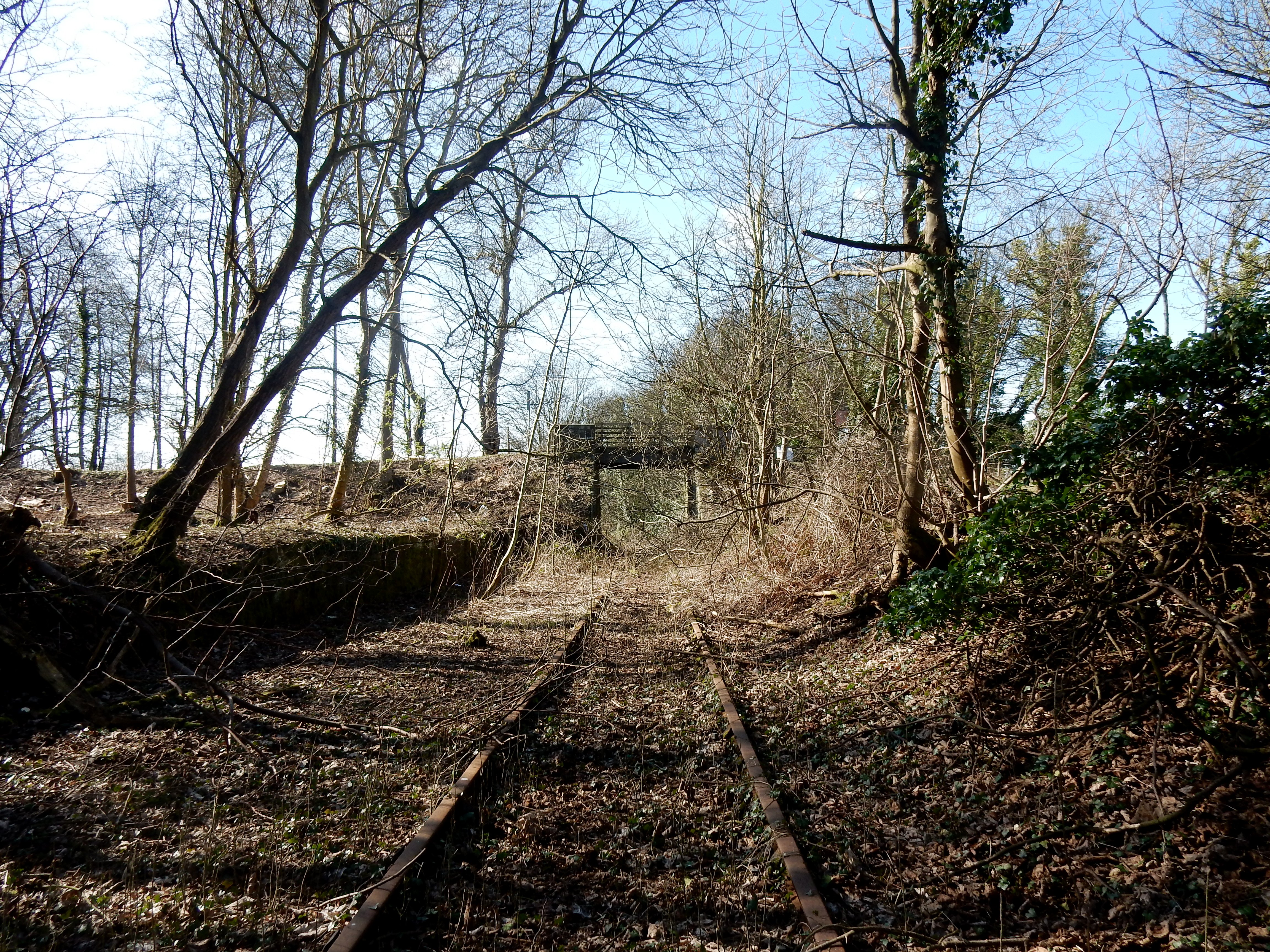
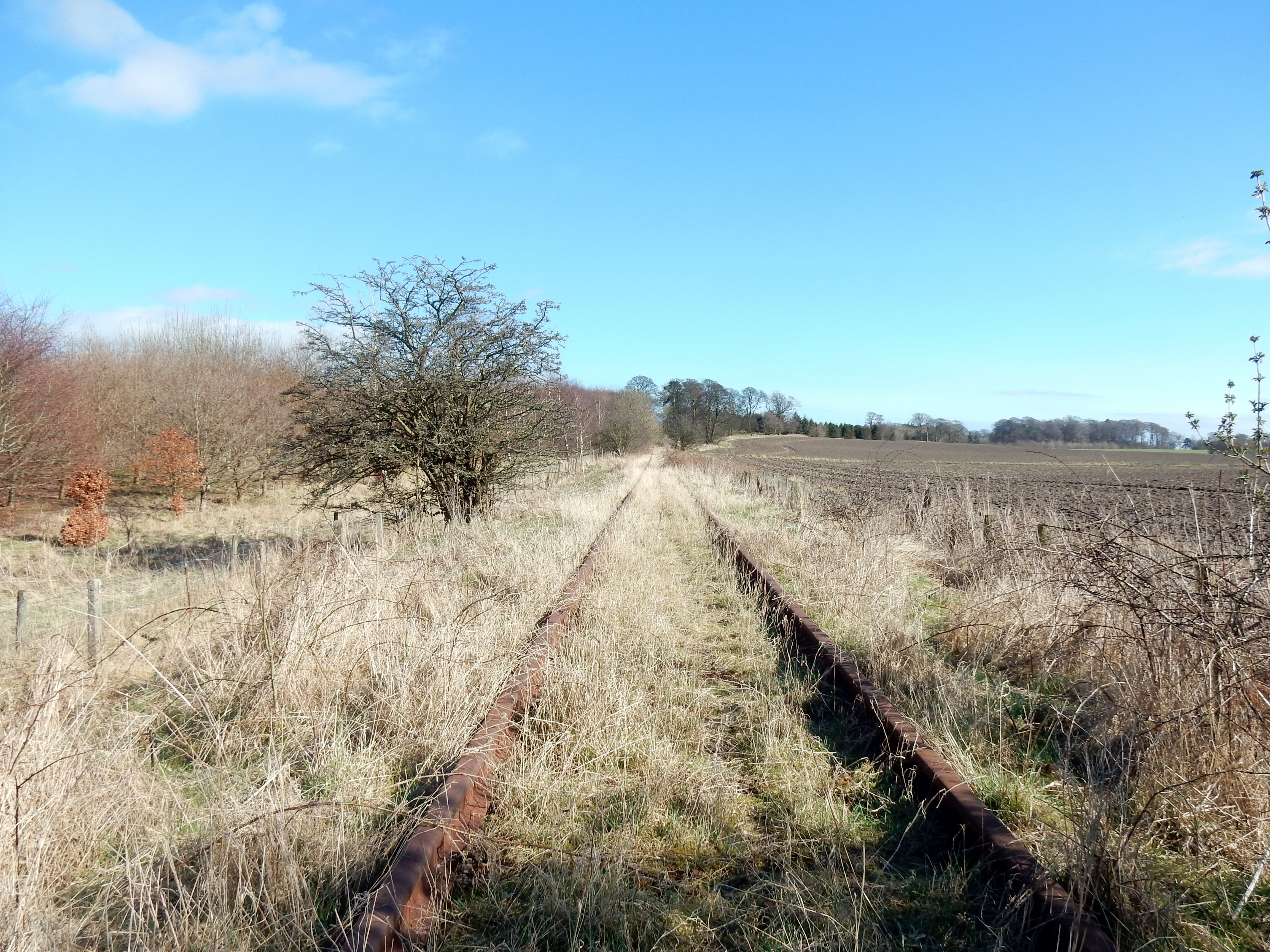
The small part of the track that we had walked at the end of last year was overgrown but easily passable. The rails and sleepers still intact. We returned a few weeks ago on a day heralding early intimations of another spring to come. That change in light, the soft drone of an awakening insect world and pointillistic bursts of unseen and unidentified bird calls.

The paradox of being off the well-trodden path and yet only following a line to wherever it may eventually lead. We are not sure how far it goes and whether it will be entirely passable.

We almost fail immediately as we soon encounter impenetrable thickets of bramble bushes. (noted for autumn). This leaves no option but to take a slight detour and pick up the line again by sliding down an embankment beside a small road bridge. This looks more promising. The line stretches out ahead. Blue pools trap the sky whilst shadow branches sweep across the cut in the light breeze.

DSCN0879-003

This incision through the landscape is just another example of a history of human activity that leaves its traces and stories embedded in the earth. Field enclosures, drystane dykes, managed woodlands, roads and a network of railways have all left enduring marks on the landscape from the pre-agrarian to the post-industrial.

Prior to construction of this railway line, ox-drawn wagons delivered coal from the Dunfermline pits to the nearest harbour at Brucehaven a distance of around five miles on primitive roads. By the end of the 18th century, growth of the lime industry at Charlestown – which relied on large amounts of coal – led to the construction of the Elgin Wagonway which laid down wooden and then, in 1812, iron rails on which heavy horses pulled coal wagons. By 1852 a fully functioning steam railway carrying freight and passengers connected Dunfermline and Charlestown. Passenger trains continued to run up until 1938 (with a break in continuity between 1863 and 1894). The line was apparently maintained and kept usable to service the Royal Naval Armaments Depot at Crombie, if required, but it is clear from our walk that no train has passed this way for a very long time.

DSCN0886

.

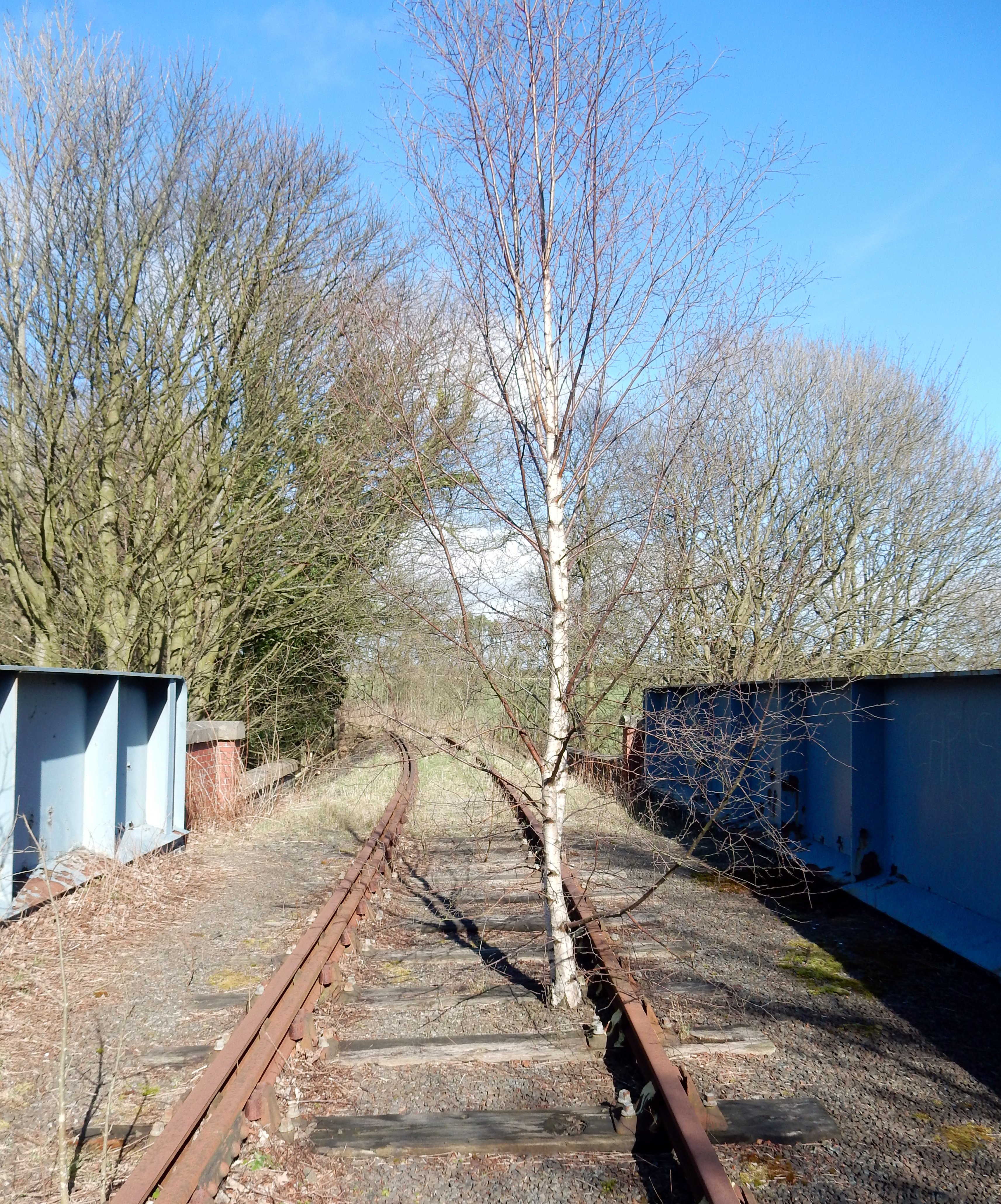
Whilst not the smoothest of conditions underfoot, many stretches offer pleasant walking. The iron rails guiding us under abandoned bridges and then on to long straight tracks that disappear into the horizon.

.

DSCN0892

.

But this is no isolated rural idyll. To the north, the line runs parallel to the A985, one of the busiest trunk roads in Scotland and the white-noise throb of passing traffic is our soundtrack for a mile or so. To the south, the views are over agricultural land, recently ploughed. In the foreground a suggestion of trees:

DSCN0889

.

Occasionally we have to navigate over, under or through some obstacles:

.

DSCN0898DSCN0901

DSCN0902

.

and traverse abandoned level crossings:

.

DSCN0894

Forgotten mileage markers barely stand upright as we walk high over earth-piled embankments:

.

DSCN0910

.

A rooftop eyrie. What creature could inhabit this green island in an ocean of blue?

.

DSCN0896

We wonder how long it has been since anyone has walked the entire line. You are not actively encouraged to walk it with each entry and exit point fenced off. Not surprisingly we encounter no-one.  Our only constant companions are the buzzards who circle high in the sky and the occasional explosion of displaying pheasants. We guess they are escapees from the nearby Elgin Estate where they are bred and shot by corporate middle managers who like to go ‘hunting’.


DSCN0909

.

Tuning forks

sounding out

vibrations

of the sun

.

DSCN0905


As the line curves northwards towards Dunfermline, we approach the bridge which crosses the A985:

.

DSCN0911

.

Echoes of a painted relief by Ben Nicholson?

.

DSCN0913


Shadows and rust:

.

DSCN0917DSCN0918DSCN0919

.

Old branch line

new branches

.

Old Branch Line.

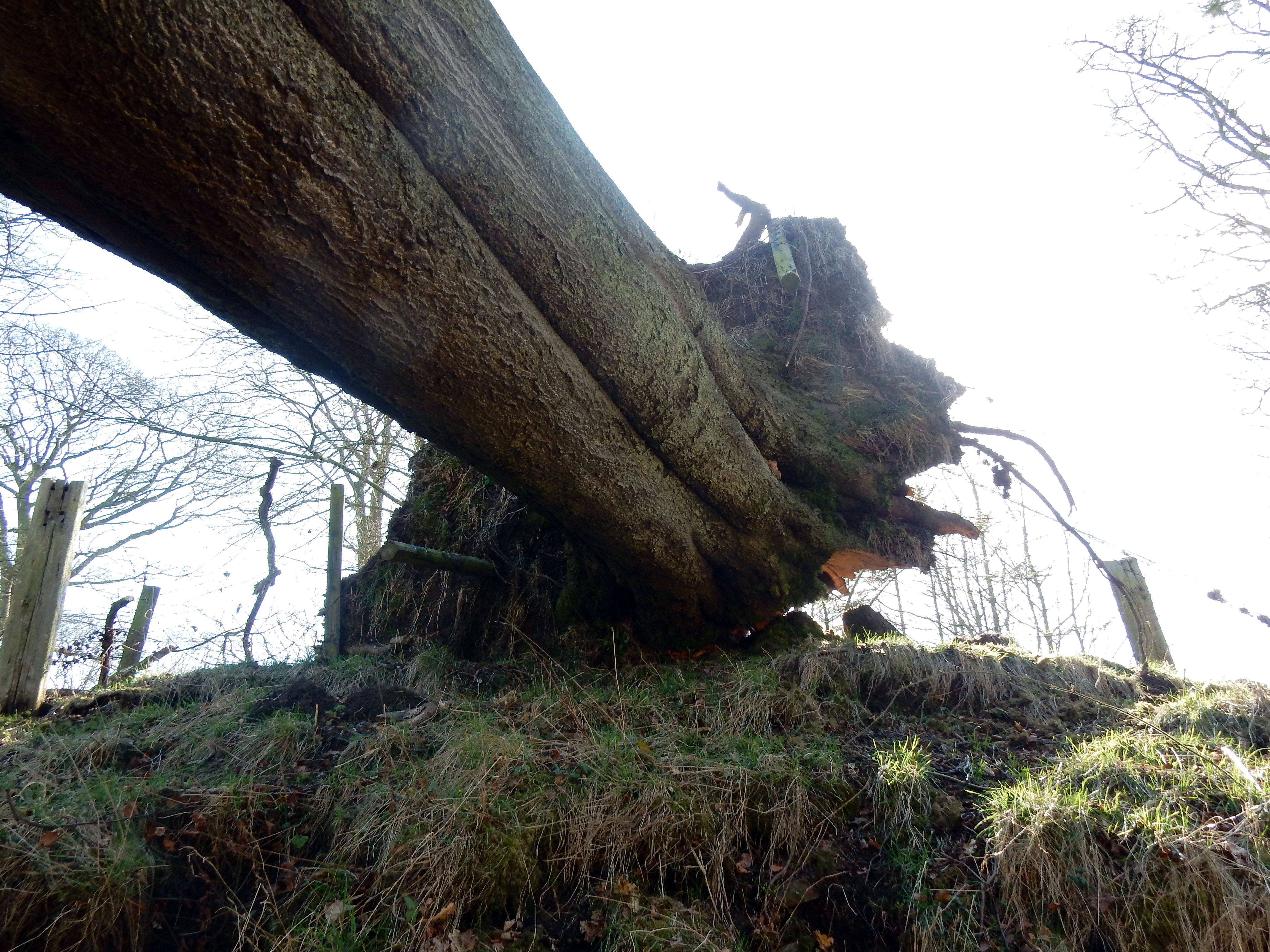
Tracing the cut northwards, we become submerged within the landscape as if walking through a post-industrial holloway. A waterlogged, sodden stretch with tumbled trees conjures up visions of Tarkovsky’s Stalker. Our views of the surrounding land obscured as we walk into The Zone, following the rusting red rails.

.
DSCN0920

DSCN0927

DSCN0929

.

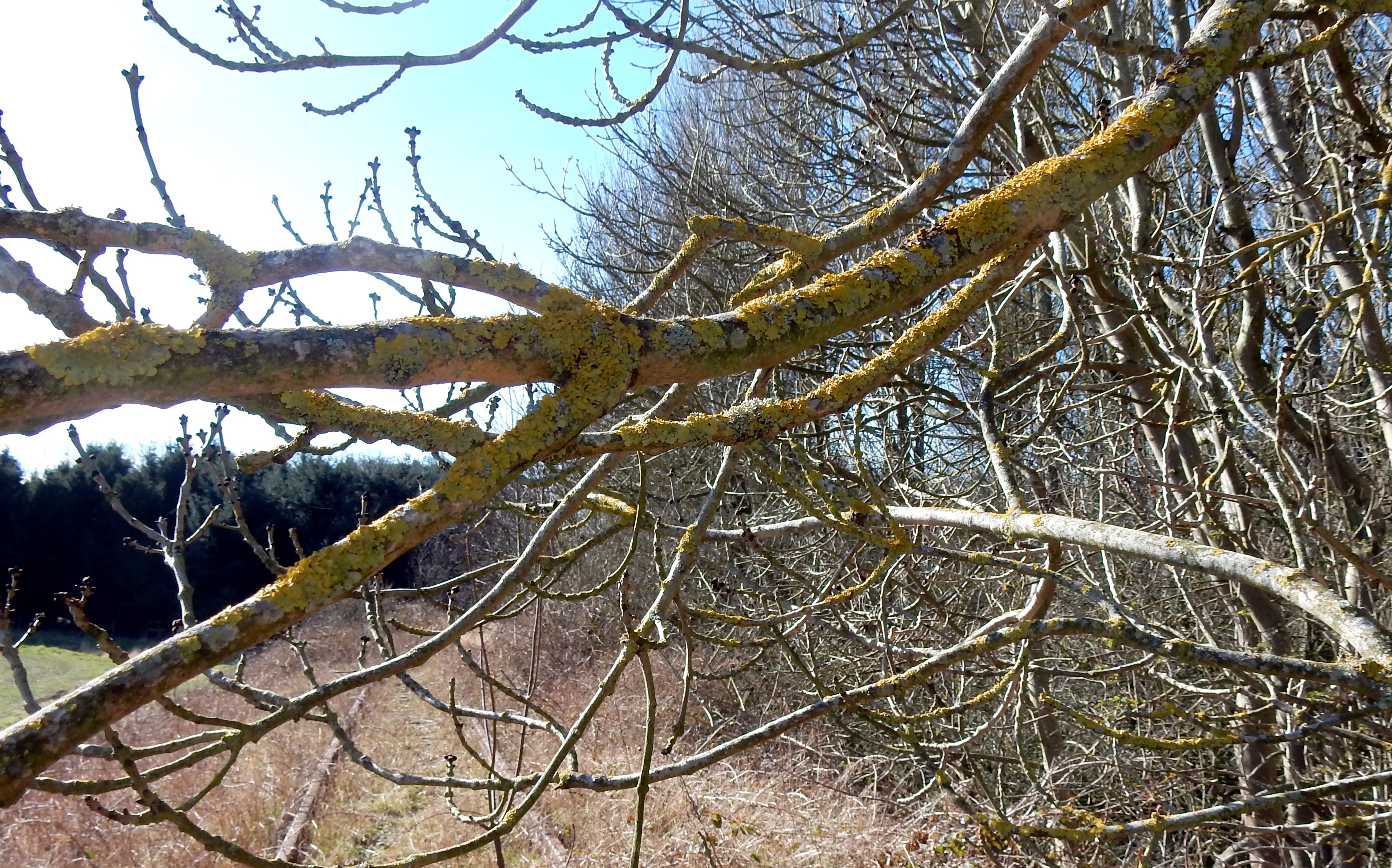
And when we walk, we stroll alongside retrieved memories but also construct new ones. Small pebbles collected and stored: the sun warmed lichen; that particular apparition of trees; the smell of an emerging spring; laces in boots being shredded by brambles.

.

⇒⇒⇒⇒⇒⇒⇒⇒⇒⇒⇒⇒⇒⇒⇒⇒

¦¦¦¦¦¦¦¦¦¦¦¦¦¦¦¦¦¦¦¦¦¦¦¦¦¦¦¦¦¦¦¦¦¦¦¦

⇒⇒⇒⇒⇒⇒⇒⇒⇒⇒⇒⇒⇒⇒⇒⇒

.

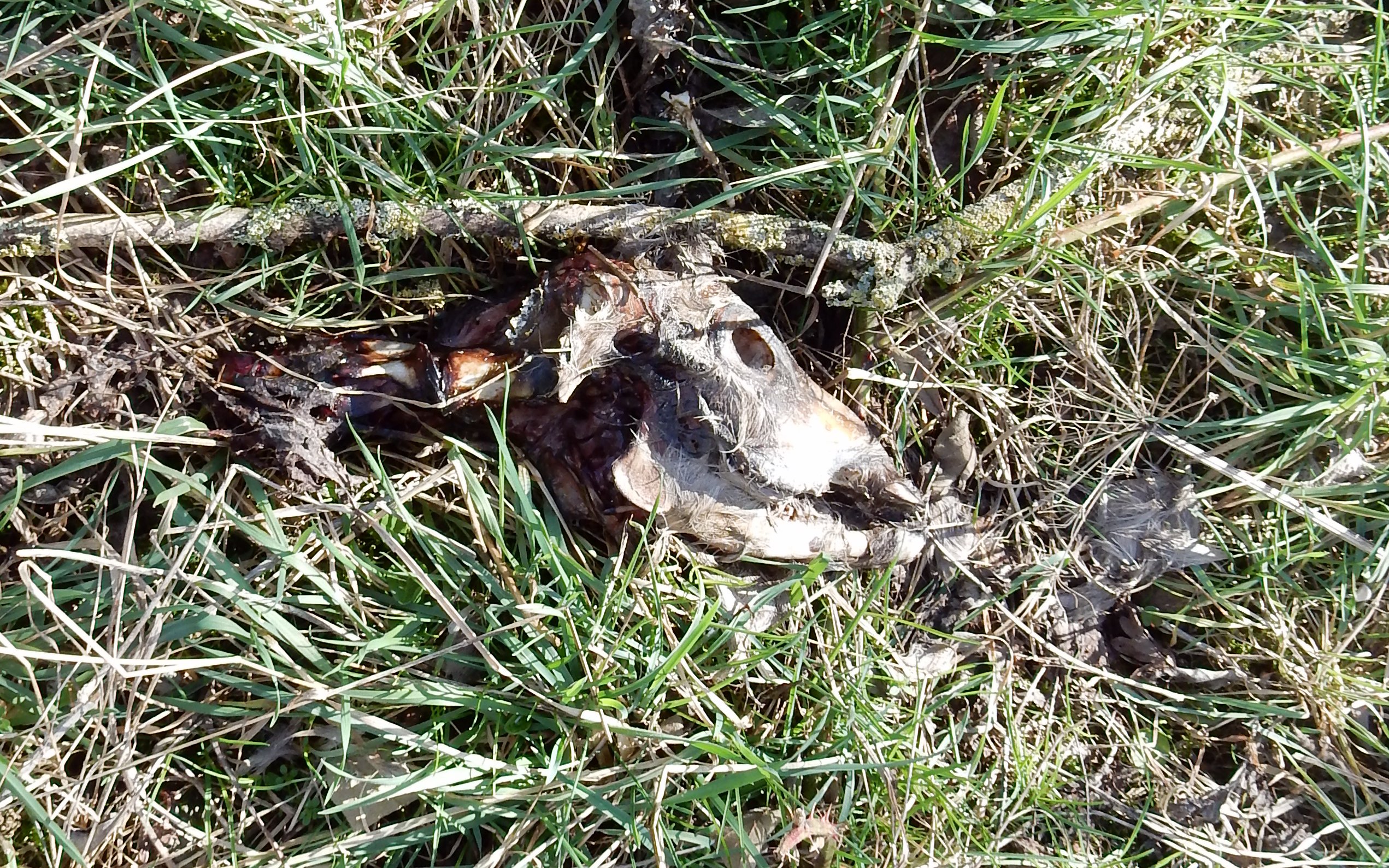
The sun reflects from the elegant curve of bleached white bone amongst a bed of grey feathers. Ribs sparkle like some primitive xylophone and still attached to the leg, a small dark hoof.  The sweep of bones and sinew appear to retain some residue of movement; of a life-force that has been so abruptly arrested. Who knows what happened to this (we guess) young deer?

Detached and slightly further away lies the white skull, stripped and pecked clean. The downy feather bed suggests that some of the birds who came to feast on the carcass ended up being part of someone else’s meal.


DSCN0936


.

DSCN0935


Fur, feather, rib, bone

Old Nature Writing

.

We eventually come to the end of the track alongside a well maintained and clearly operational train line. We later find out that this is Elbowend Junction where the track to Charlestown branched off from the Dunfermline and Alloa line.

The connection is now clearly severed.

.

DSCN0938-001

Another mark, a cut, embedded in the landscape, made by human activity and reflecting the ebb and flow of industry and capital. Slowly merging back into the earth a corridor of memory and potential new futures. An incision slowly being repurposed by nature once again.

Now playing: Andrew Chalk – Blue Eye of the March

Reference:

Norman Fotheringham, Charlestown, Built on Lime (Charlestown: Charlestown Lime Heritage Trust, 1997).

A Huddersfield Bestiary – with Kingfisher


DSCN0549

the handsomest by far of all the factory towns in Yorkshire and Lancashire

Friedrich Engels

In hindsight, it was perhaps inevitable. Brought to this town by a Wolf(f) and a Cow, (1) the animistic world was transmitting subtle messages within seconds of walking out of the station.

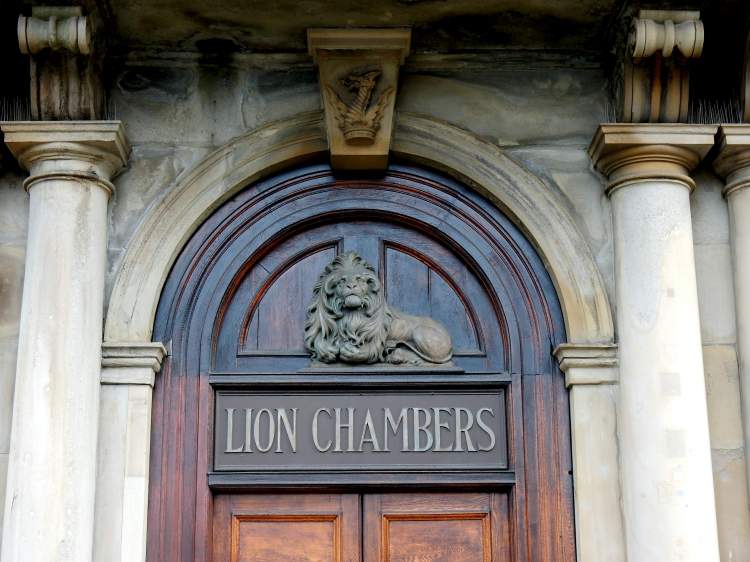
Directly opposite the grandiose railway building, that could easily masquerade as a town hall, a lion prowls the rooftops, frozen in time since 1853.  Those Victorians loved their symbols of Empire and the earthbound relative of our rooftop dweller, gazes out imperiously from the entrance to Lion Chambers.  A small winged dragon sits above on the keystone. Possibly a symbol of Victorian industriousness or, as Ruskin would have it, a more sinister, ‘satanic’ motif of rampant industrialisation. Or perhaps the dragon is simply hiding from St George.  I have just walked across a square that bears his name.
DSCN0553

I find out later that the present rooftop lion is a fibreglass copy of the original which was made in Coade stone, a ceramic stoneware popular with Victorian and Edwardian architectural sculptors. Other Coade stone lions and decorative statues can be found at Kew Gardens, Buckingham Palace and Westminster Bridge, the present home to London’s Red Lion a.k.a The South Bank Lion.

.
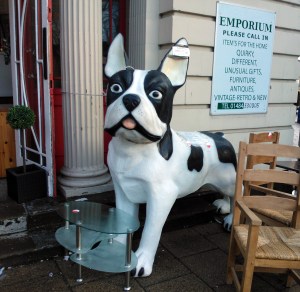
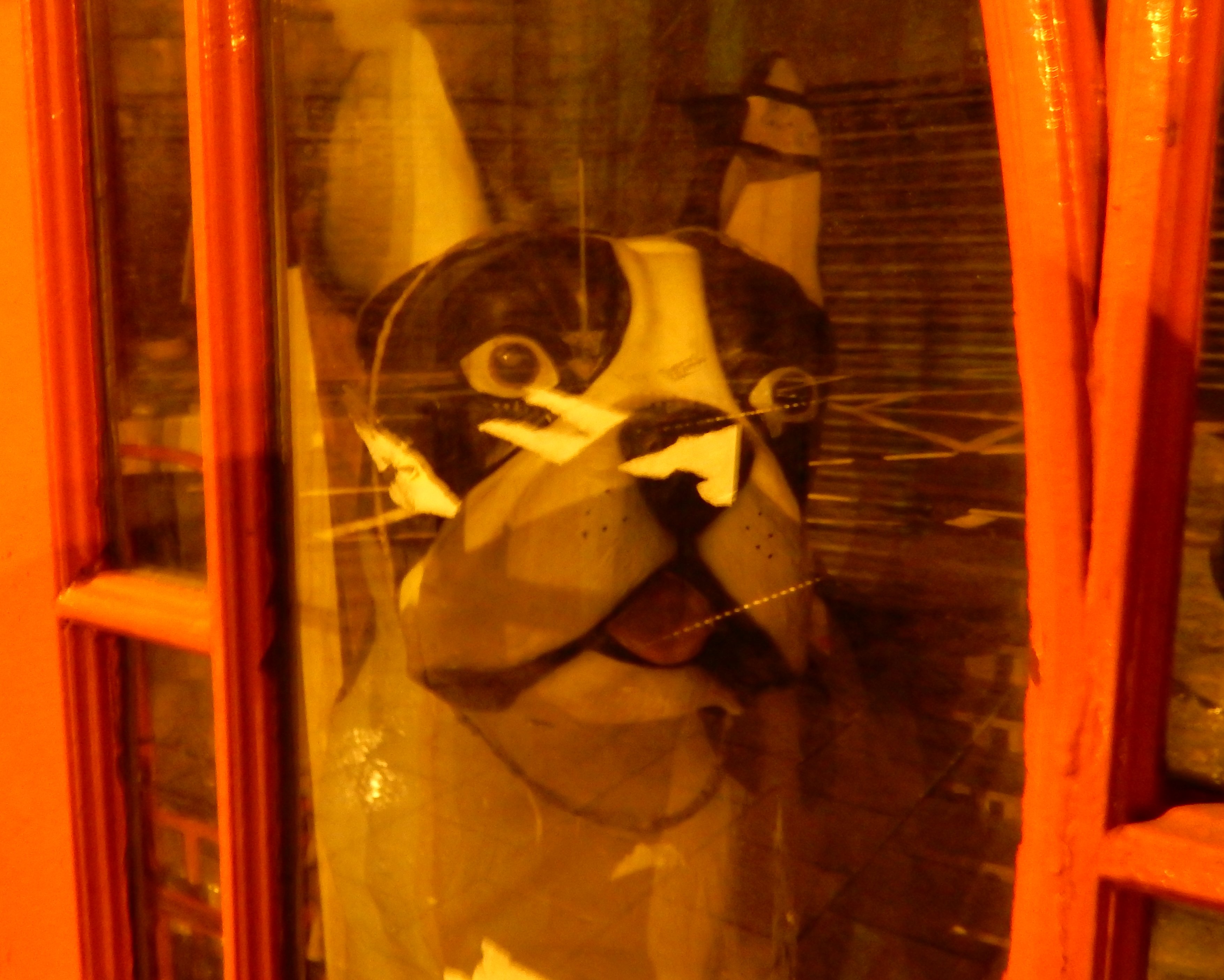
WP_000772Minutes later I turn a corner to come face to face with the Emporium Dog. All eager eyes and panting tongue. I half expect him to bound up on hind legs to his full height – “Buy Me, Buy Me, Buy Me”.

I pass him a few times over the weekend. Always looking happy, as dogs invariably are, when outside in the fresh air. Locked up for the night, he takes on a melancholy countenance, looking out wistfully from his glass cage under the red neon.

Caged

.

I imagine taking him out for the day, navigating on and off trains and buses. A window seat obviously, top deck right at the front. Squeezed into the passenger seat of a car, head out of the window, licking the breeze.


These transmissions from the non-human world became a feature as I wander through Huddersfield over the next few days. I walk up a street named Beast Market and regularly see magpies and crows flitting around the small grid of Victorian streets, perfectly at home in their urban environment.

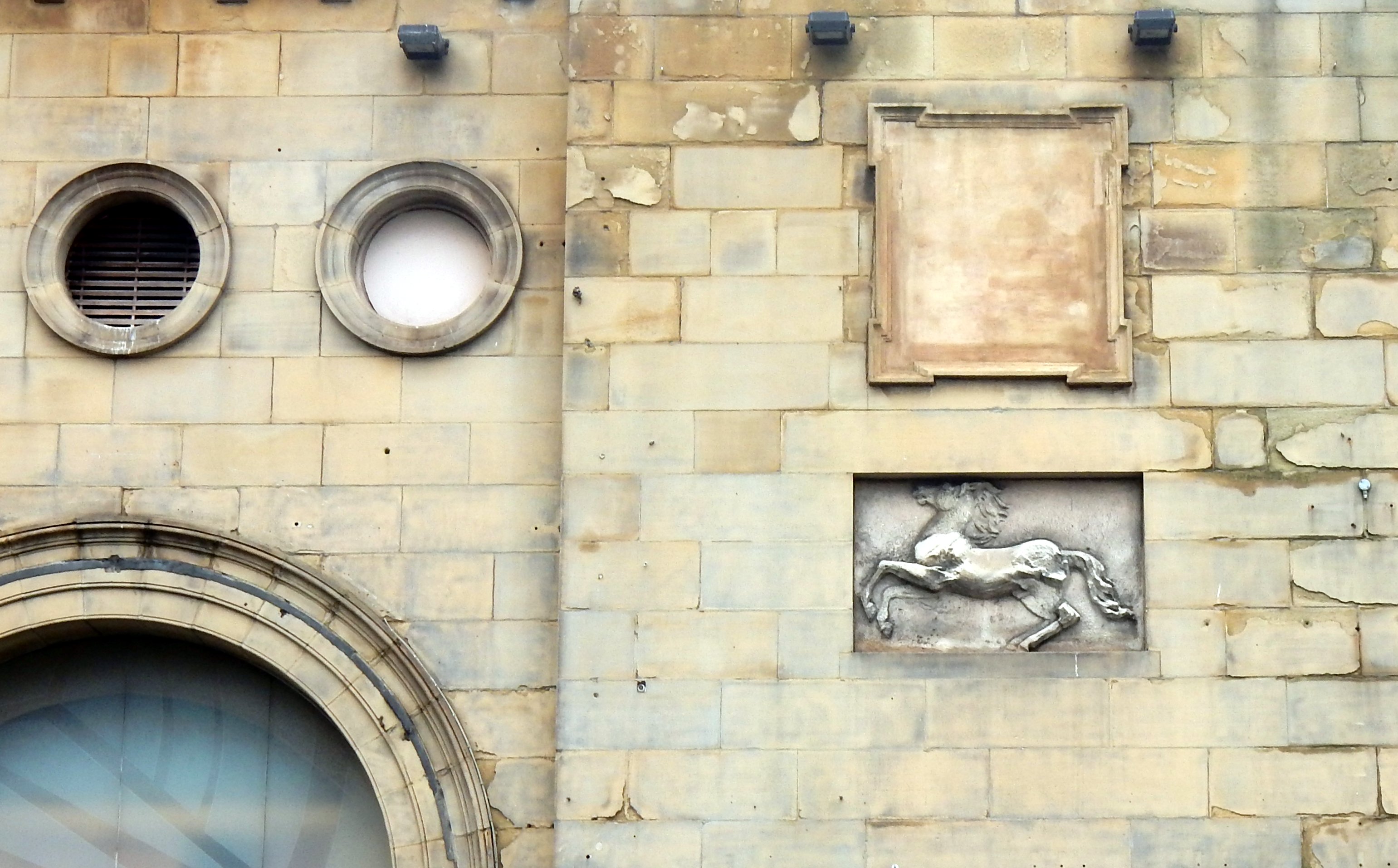
Above what is now a nightclub bar called Sin, two fine horses catch the eye. Even with the stone weathering you can see that one is elegant, poised and groomed with a manicured mane.

DSCN0520

 .

The other is wild and untamed. Encased in its stone alcove since the 1840s, you can sense its desire to break free and run.

.
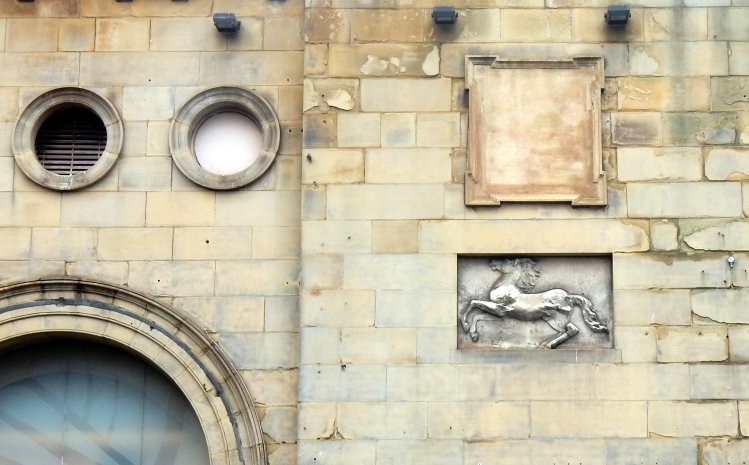
Encased Horse Huddersfield
I find out that the building was originally built as a military riding school in the late 1840s and was the headquarters of the 2nd West Yorkshire Yeomanry Cavalry.  DSCN0519It subsequently became a music hall in 1905, aptly named the Hippodrome which must have made our wild horse dream of running around the racing stadiums of ancient Greece.  Perhaps our groomed stallion was more suited for hippodrome chariot racing. I wonder what our horses make of the carnivalesque ambiance of the nightclub bar. Passing outside at night, the dull, techno thud-thud conjuring up the Taraxippus – or ‘horse disturber’ – a ghostly presence blamed for frightening horses at the hippodromes throughout ancient Greece. The current ‘To Let’ sign on the building must create future uncertainty for our equine friends and in a town bristling with the fading lions of Empire, the horses must always remain vigilant.

.

DSCN0579

One thing quickly becomes apparent about Huddersfield. Walk in any direction from the centre of the town and you will soon find that it is completely encased in a ring of traffic.

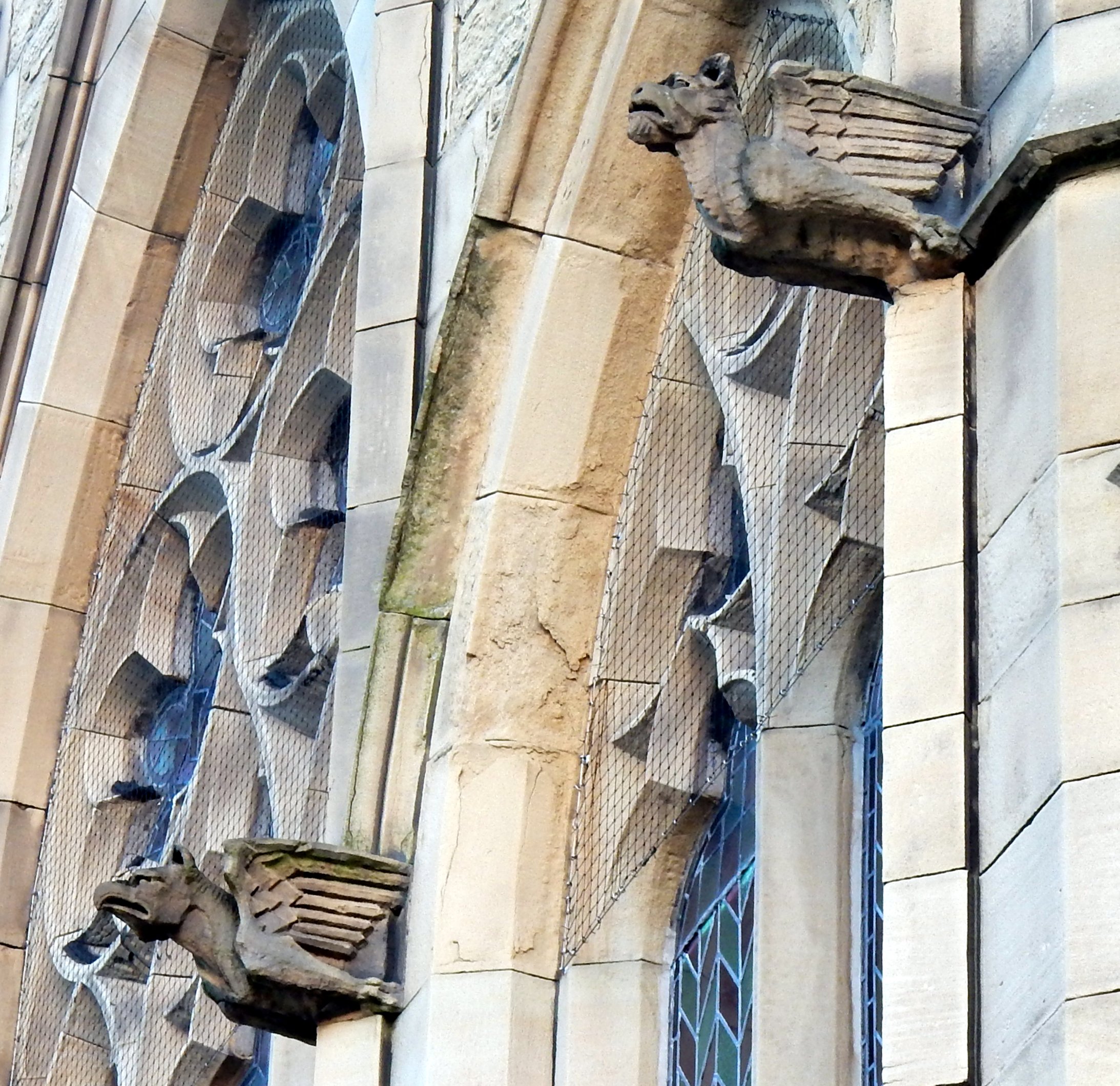
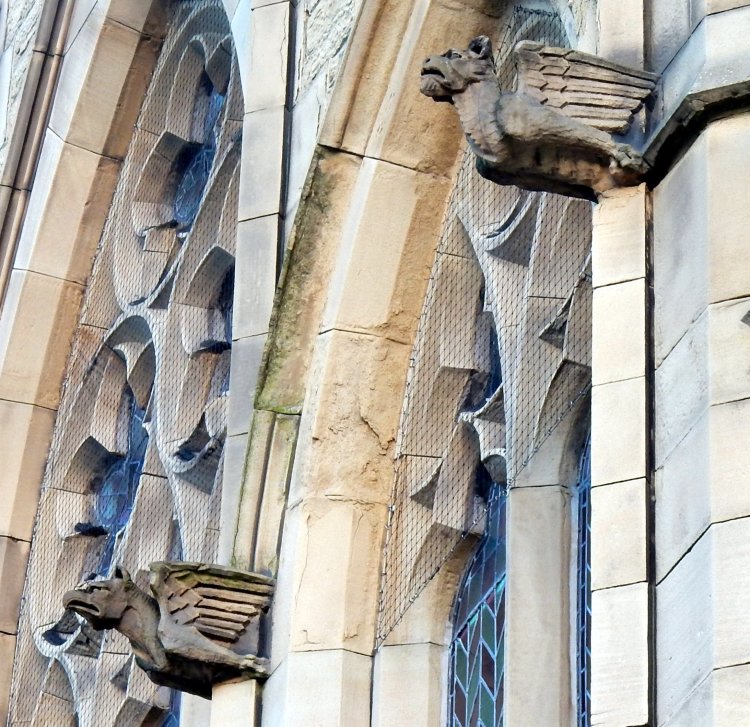
On a Saturday afternoon and with a bit of time until the next concert, I manage to break through the A62 ring road and head down towards the old industrial mill district, passing the winged lioness and griffins of the Gothic Milton Congregational Church on the way:
DSCN0523

.

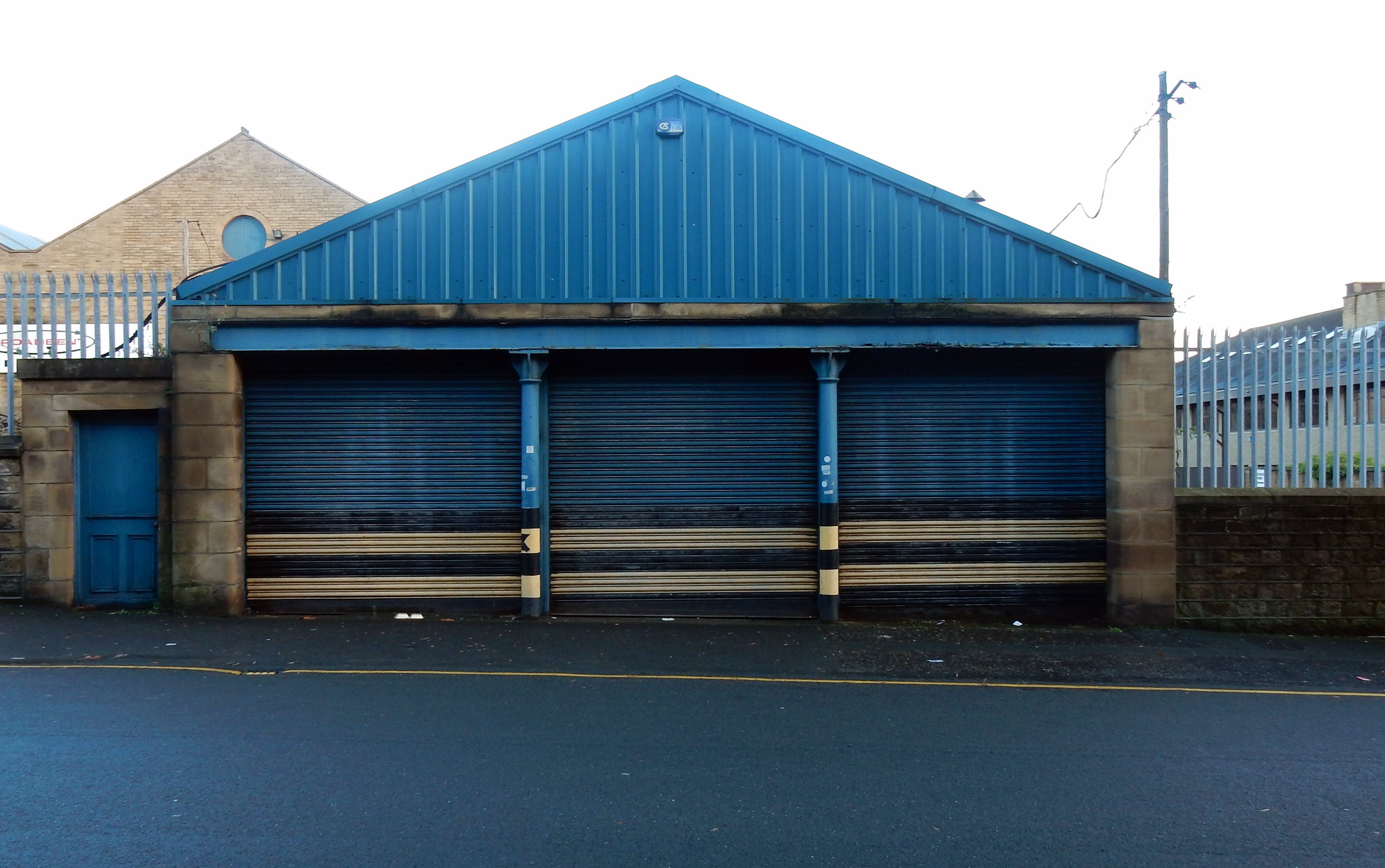
I’m drawn to a fairly nondescript, light industrial building. Shuttered and silent it’s a colour which has a kind of luminosity, casting light on the road. A premonition of blue?

Premonition of a kingfisher

I’m heading to Bates Mill to see Carlos Casas‘ audio-visual installation Avalanche:

Exploring the interrelation of landscape, soundscape, music and ethnography, Avalanche is an audiovisual meditation about a village and its traditions on the way to disappearance. One of the world’s highest inhabited villages, Hichigh is located in Tajikistan’s mysterious and fascinating Pamir mountains, home to many archaic and well-kept traditions. The film depicts Hichigh at a time of literal and figurative dusk: on the cusp of becoming a ghost village, just before its stones and mud houses are eaten by the mountain again.

It is a powerful and poignant piece, with the multi-screen environment enhanced by a Phill Niblock score. Depicting a culture barely surviving at subsistence level, they are clinging on to existence on the side of this high mountain landscape and yet, life goes on.

Standing in this space, you cannot help but reflect on the building where this is being exhibited. This old textile mill where the skills, traditions and culture of the yarn spinners was slowly eroded by globalisation, lower cost labour and the flight of international capital. Yet, life goes on. It is good to see Bates Mill now being reinvented as an arts venue, incubator space and photographic studio.

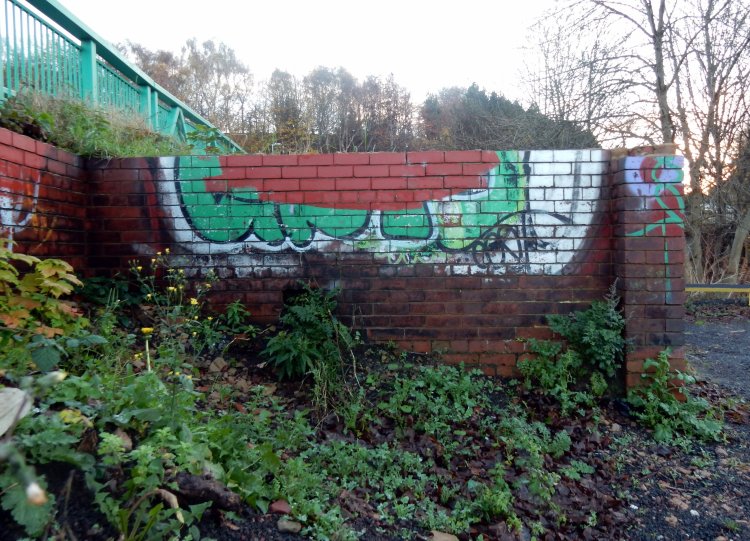
It is late afternoon, drizzly and overcast when I exit Bates Mill. I can hear the River Colne nearby and head off for a quick look. Walking through a deserted car park, a corner of graffiti and greenery, topped off by the pedestrian bridge, punches some colour into the monochrome light. Bizarrely, it looks like the wall has been partly rebuilt, with new bricks erasing part of the original graffiti.
DSCN0525

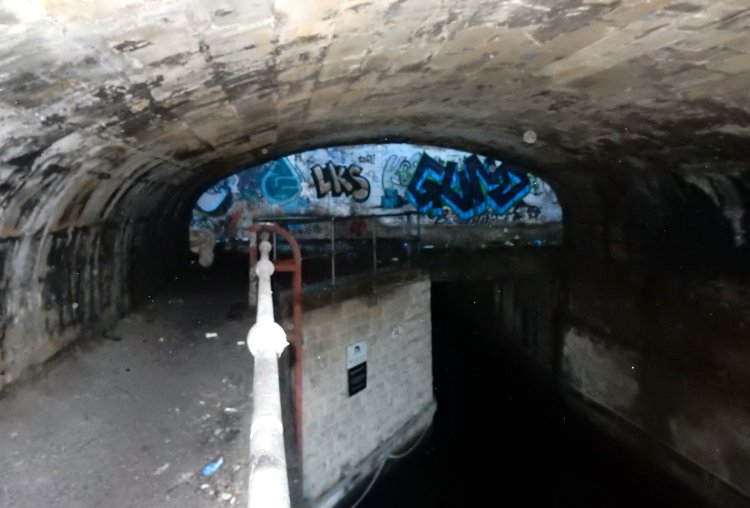
I need to get back to the University where the next event will take place and notice a sign for the Narrow Canal Towpath. How can this be resisted? It feels as if it will take me in the general direction of the University so I enter the narrow opening, casting off the distant traffic sounds with each step as I descend on to the towpath. Looking underneath the arch of the road, which runs overhead, it’s no surprise to see the place has been tagged. The water, a still pool of black ink.
DSCN0531

I’m heading in the opposite direction. It is so quiet and there is barely any movement on the water as the grey blanket of dusk descends. The phone in my pocket starts to ring and I have barely answered when I’m hit by a jolt of blue at the periphery of vision. Surely not. For I second, I wonder if I’ve imagined this, when it happens again, like a razor, scything through the twilight which descends to alight barely 10 feet away on the canal bank. A twitching ball of nervous energy, curious. It appears to pull in all the surrounding light and radiate it back. The illuminated blues of lapis lazuli, golden orange, red flecks. A shape-shifting intensity of colours.

“I’ve just seen a kingfisher, will phone you back”

Of course, it disappeared again as quickly as it had appeared and I was once again left wondering whether I had just imagined this. Up until this day, I had never seen a live kingfisher. I had certainly tried. I had gone to spots along The Water of Leith, in Edinburgh, where there had been sightings and yet they remained elusive. One day I sat on the banks of the Lyne Burn in Fife for hours like a fisherman without a rod, waiting for a glimpse. Anything … Nothing … Funny thing is, I doubt if I would have done this for any other bird. I’m not a birder and have little real knowledge of birds, yet they always captivate and fascinate when I stop to look at them. However, the kingfisher has always exerted a strange magic. The name itself – king – fisher – flitting between land and water with a display of colour that shouldn’t really belong in this world. As if it this small bird has escaped from a cartoon or wandered in from some exotic climate by accident.

Yet here, today, alongside an old industrial canal I had finally seen one. Of course the bird was long gone but this is where it happened:
DSCN0534-001

Any lingering doubts of having imagined all of this were dispelled when it reappeared one final time. Flying low down the middle of the canal, barely above the water. It almost seemed to be a gesture to confirm its existence. A life enhancing presence in the most unlikely of settings.

Those animistic spirits had clearly been working in my favour.

.

Now playing: Lyndsay Cooper – Rags

Reference:

Huddersfield Heritage – Leaflet produced by Huddersfield Local History Society, Huddersfield Civic Society and Kirklees Council.

(1) In town for the fantastic Huddersfield Contemporary Music Festival. On this particular weekend two of the major events were concerts featuring Christian Wolff and Henry Cow. Christian Wolff is the last surviving member of the composers who came to be called The New York School alongside John Cage, Morton Feldman and Earle Brown. Wolff is also the person who gave John Cage his first copy of the I-Ching.  Henry Cow and associated musicians reformed to celebrate the music of composer and multi-instrumentalist Lindsay Cooper (1951 – 2013).

Crows, Crowns and a Curious Landscape

DSCN0254

Like animated clods of black earth suspended in the branches. A murder of crows.
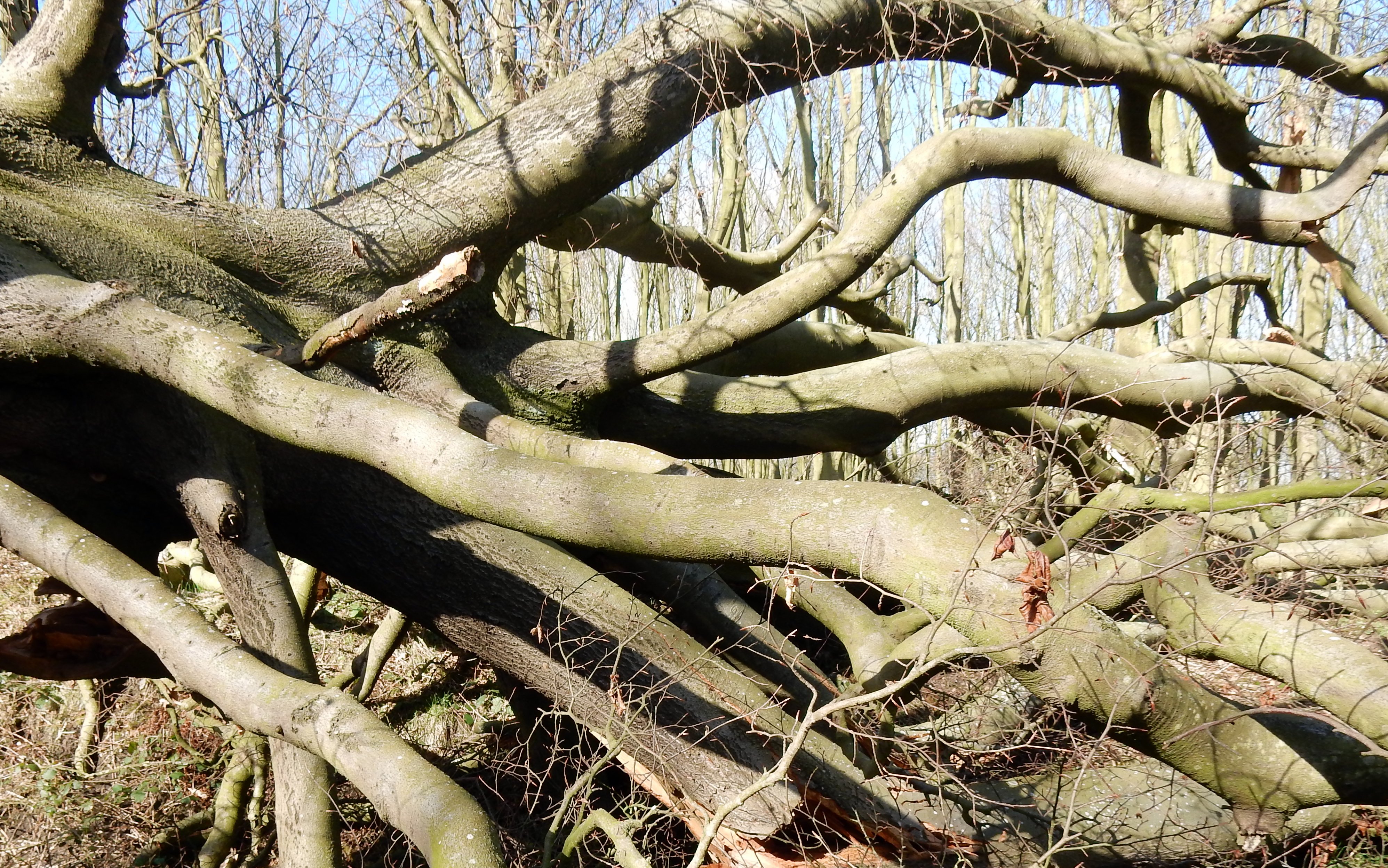
We can feel their collective beady gaze following us as we walk down the single-track road that leads into the hamlet of Pattiesmuir.  A fluttering of wings and more descend. It is hard not to think of the gathering flocks in Hitchcock’s The Birds. 

For no apparent reason, they suddenly take flight. A spiralling vortex of wing, beak and claw, ascending, then wind-blown towards the white crosses in Douglas Bank Cemetery. Only four return to the upper branches, no longer interested in us. One looks west whilst three gaze towards the east indicating our direction of travel.

Three craws …

The old car at the entrance to Pattiesmuir evokes a sense of time travel asDSCN0256 we walk through an agricultural hamlet whose physical fabric has changed very little over the past 150 years.  A collection of low-level whitewashed cottages line a single street that provides both entrance and exit with no through road.

Pattiesmuir has been recorded on maps as Patiemuir, Peattie Muir, Pettymuir and a number of other variants. An early map from 1654 records it as Pettimuir, although the origin of the name remains obscure.  Local folklore suggests that the area was once a focus of Romany activity and even that The King of the Gypsies once had a ‘palace’ nearby. The 1896 Ordnance Survey map does refer to an area of trees to the west of the settlement as “Egyptian Clump”, and a neighbouring field is also noted as “Egypt Field”.

In the early 18th Century a small community of hand-loom weavers formed in Pattiesmuir to help supply the Dunfermline linen industry.  By 1841,there was a population of 130 which supported a school – attended by 34 pupils – an Inn, a blacksmith and three public wells. By 1857 the population was 190. However, the introduction of the power-loom meant a slow decline in the fortunes of hand-loom weavers and by 1870 almost all weaving activity had ceased.

There are no schools or Inns in Pattiesmuir these days but a building called The College remains. It’s origins lie in a fraternity of radical weavers who set up the ‘college’ so that weavers and agricultural workers could meet for self-improvement classes in politics, philosophy, economics and theology. They subscribed to the Edinburgh Political and Literary Journal and pooled funds to buy the works of Burns and the new Waverley novels of Walter Scott. One notable member and self-proclaimed ‘professor’ of the College was Andrew Carnegie, grandfather to a Dunfermline born grandson of the same name. Young ‘Andra’ would travel to America in 1848 and eventually consolidate the US steel industry to become the ‘richest man in the world’.

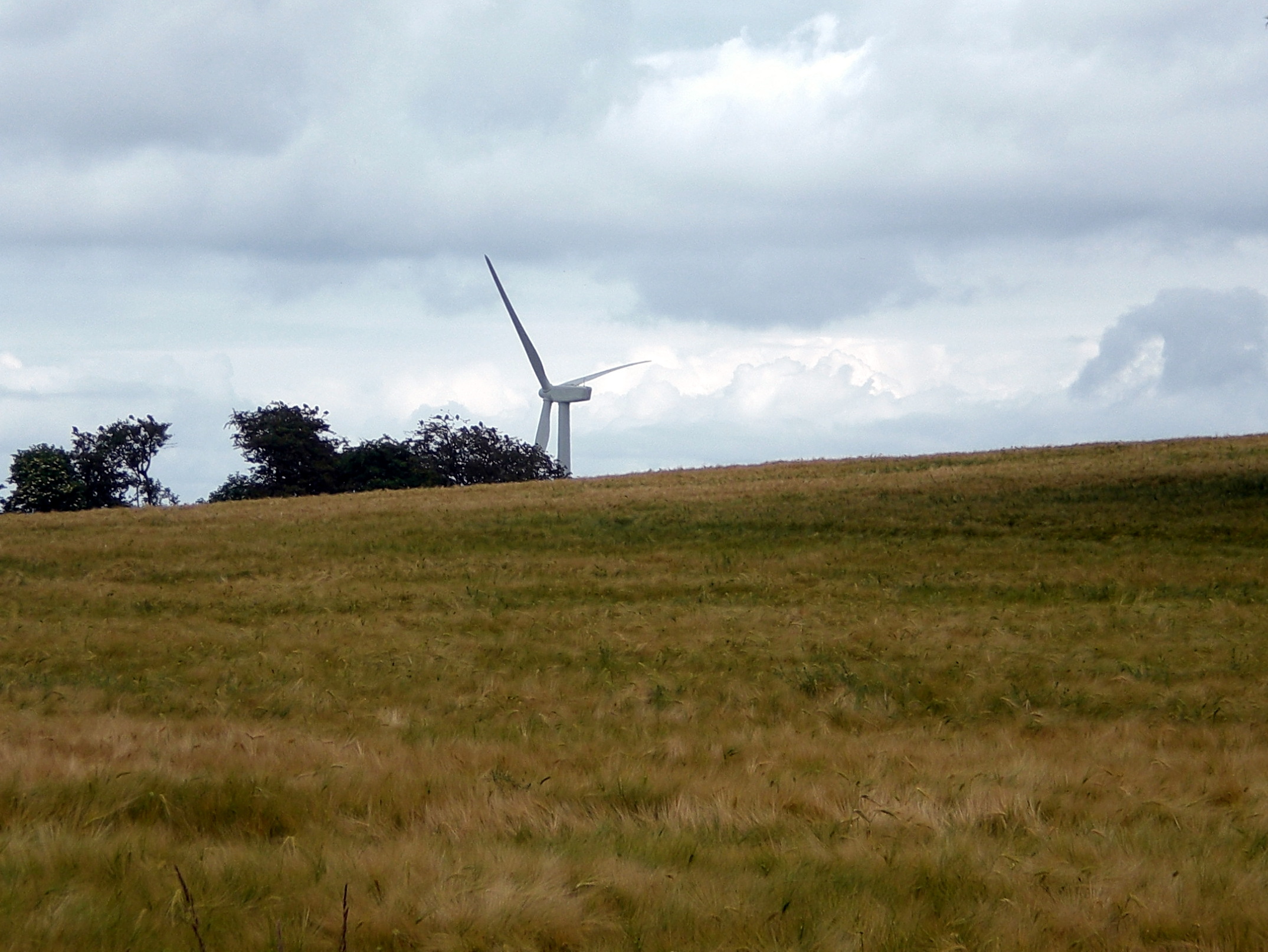
You cannot drive through Pattiesmuir, but if you walk you can take a left where the road stops and walk into a curious area of landscape. Neither edgeland nor particularly rural it is bounded by Dunfermline, only a few miles away, to the north and Rosyth to the East. A rarely walked mix of hedgerows, old woodland, farm tracks and tenanted agricultural land. On Google maps it is an area that is deemed ‘featureless’. However, we already know that it hosts a coffin road and the wild wood. Today’s walk will reveal a few more surprises …

DSCN0261

We stand and watch the weather arrive. A huge palm of grey sky that threatens to smother us with rain but growls quickly past. Underfoot, attention is diverted to the heroic efforts of a slug traversing the rough stone path. The intensity of existence revealed in this waltzing fuselage of seal-smooth skin and striated hand-painted detail. Eventually it reaches more hospitable looking terrain and we can walk on.

DSCN0264

Minimum Disease Pigs II

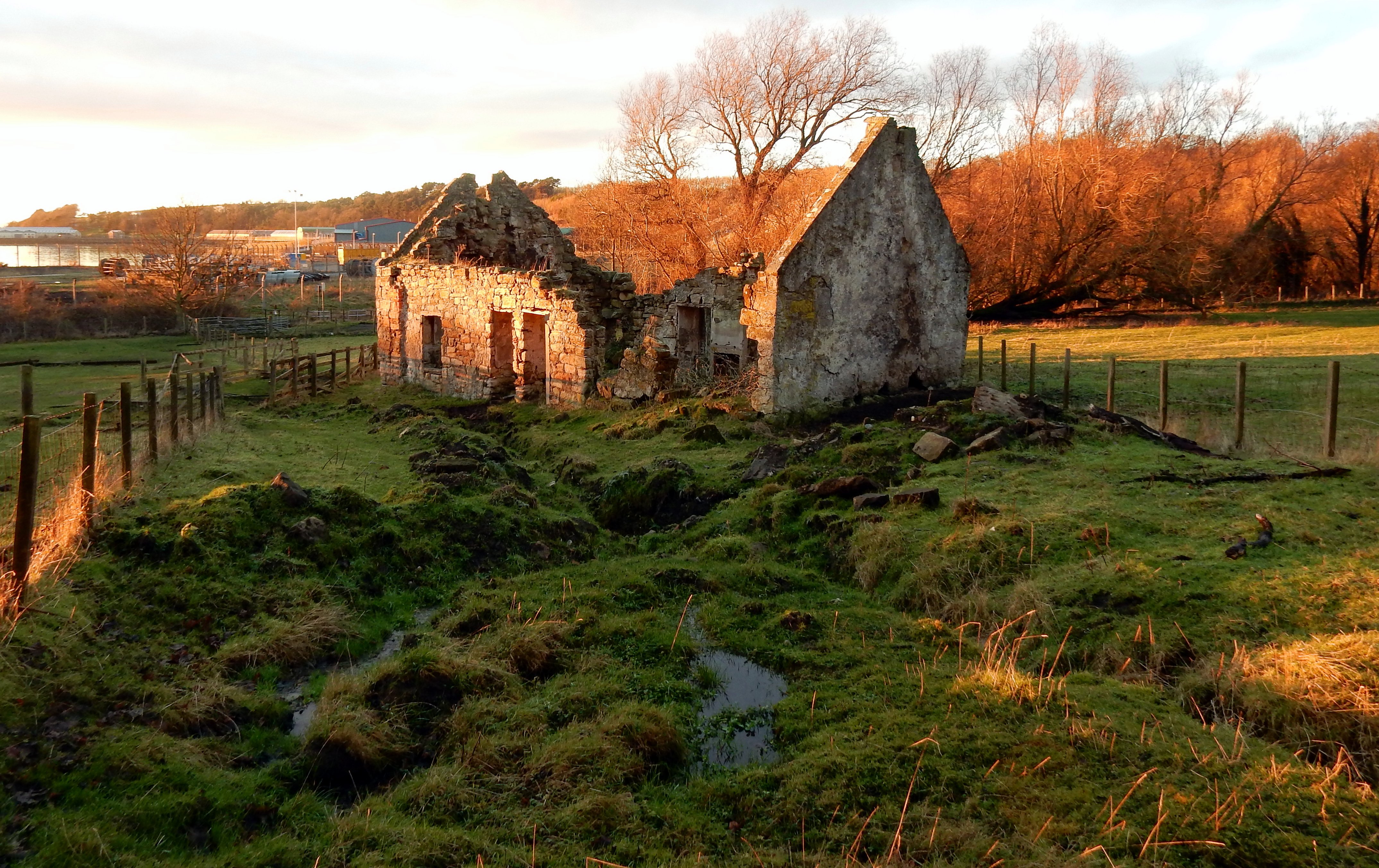
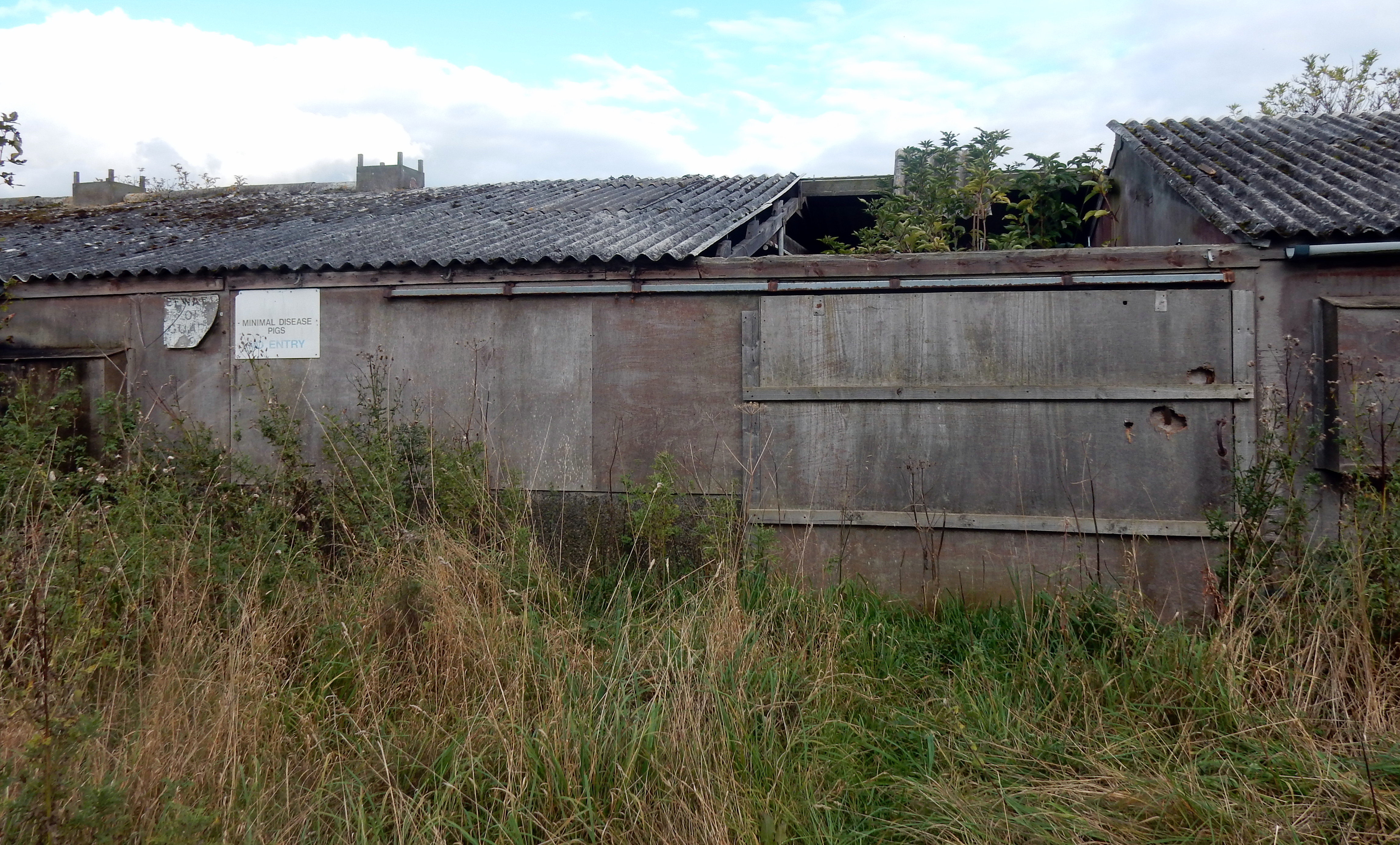
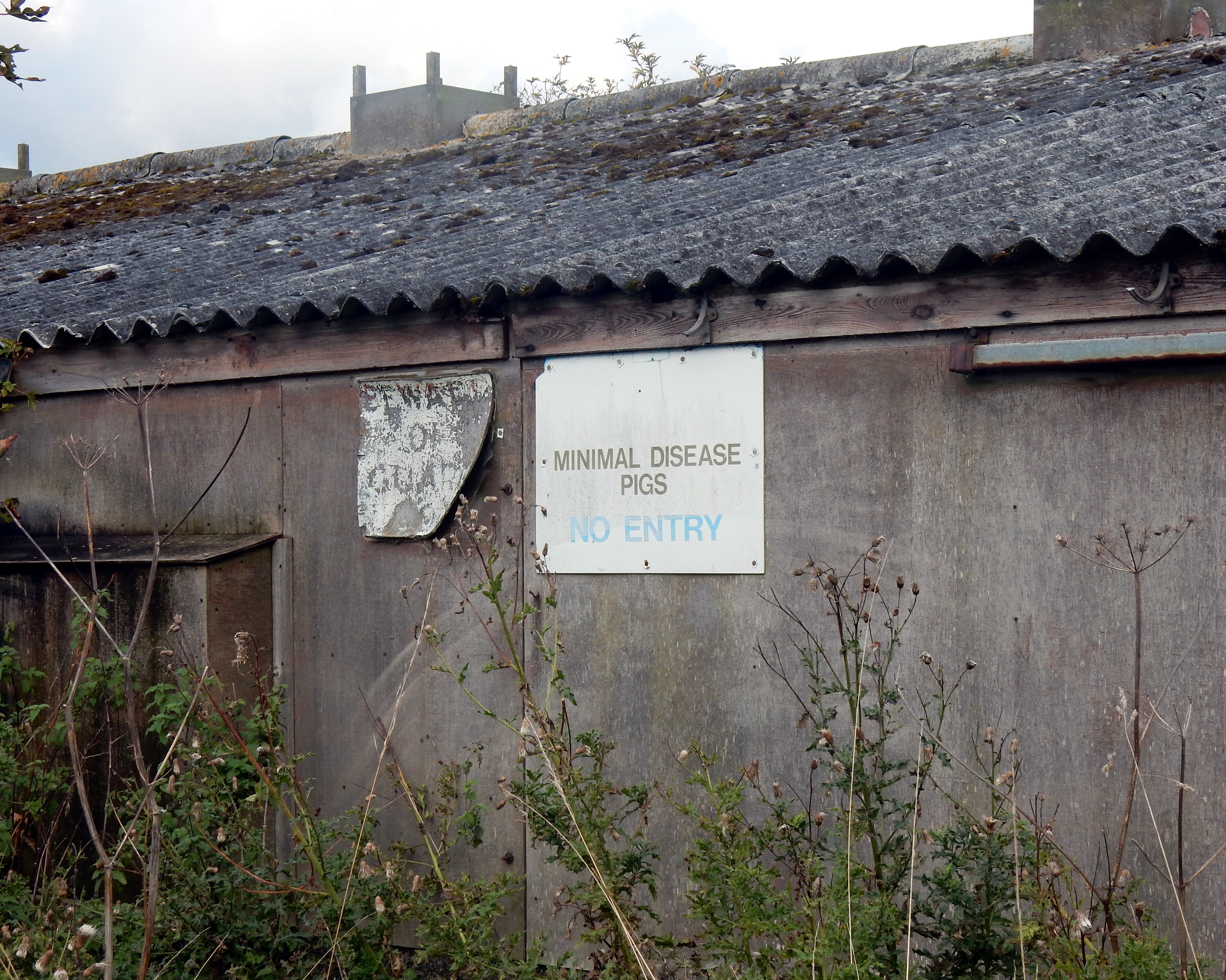
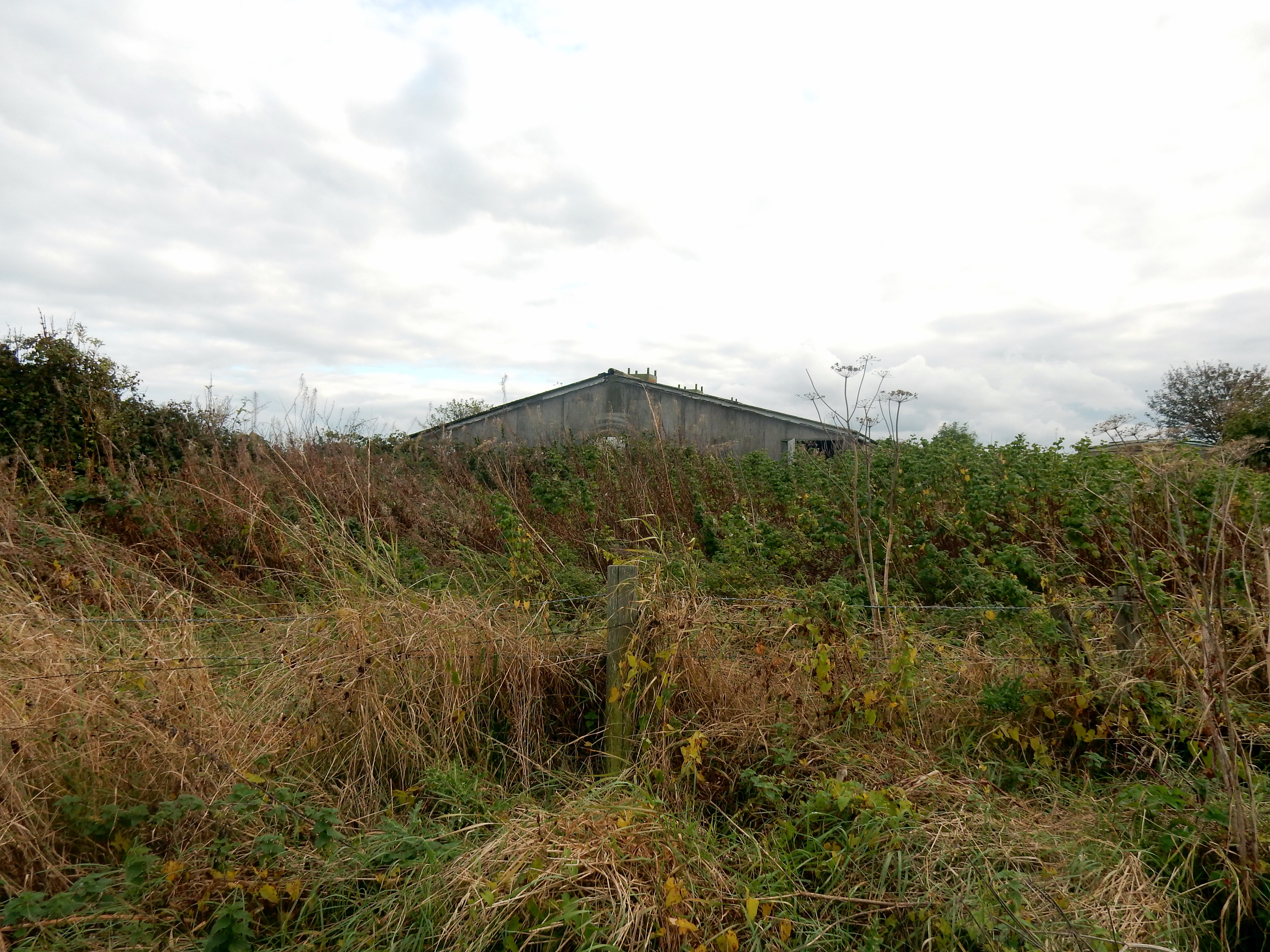
We are intrigued by the sign on a set of ruined agricultural buildings. Clearly, it has been a long time since they were operational. Part of the roof is missing and internal vegetation is now stretching for the sun.

Minimal Disease Pigs No EntryMinimal Disease Pigs – it could either be the name of an undiscovered hardcore punk band or a fragment from a Mark E. Smith lyric:

Beware of Guard – uh

Minimal Disease Pigs

No Entry

No Entry – uh

Of course, after the walk we had to find out what minimal disease pigs were:

Many infectious diseases are transferred from the sow to her offspring after birth and breaking this cycle of transference is the basis of the minimal disease concept. If piglets are reared in total isolation from their mother and all other pigs that are not minimal disease pigs (that is they never come in contact with or even breathe the same air as other pigs), they will not become infected with certain disease-causing organisms (pathogens) that are normally present in pigs. Thus the cycle of transfer of many organisms from one generation (the sow) to the next (her offspring) is broken.

There is an almost chilling bio-technocratic language behind this concept. A section on ‘Breaking the Cycle‘ becomes even more so with descriptions of ‘snatch farrowing’, ‘hysterectomy procurement techniques’, ‘euthanased sows’ and ‘total isolation rearing’. It would appear that the minimal disease nomenclature died out, in the UK, in the 1970s to be replaced by ‘High Health Status‘.

DSCN0260It is unclear what happened to the fortunes of this particular pig farm that is now being slowly reclaimed back into the landscape. An agricultural ruin that has given us a partial glimpse into the bio-technic world of the animal husbandry practices that deliver up packets of bacon and pork on to the supermarket shelves. Another connection that illustrates that the urban and rural, local and global  can never be viewed in isolation when we consider such basic questions as to how and where do we get our food.


DSCN0266

As we head northwards towards the distant spires of Dunfermline, we encounter another relic of the agricultural past.

DSCN0268

Crowned by thorns

an elegy

from the future?

An old petrol pump, presumably used at one time for filling up farm vehicles.  Crowned by thorns, nature’s brittle fingers have enveloped the head and spiraled down the structure. Any message that was once conveyed by the sign on the wall is completely effaced. At one level the image perhaps conveys a narrative of decline of the tenant farmer or small farmer in general. As food production becomes increasingly industrialised, the small farmer finds it uneconomic to compete. Like the pig-farm, the infrastructure is slowly being reclaimed by the natural world.

Rural Elegy II

However, is there another narrative? The petrol pump as a potent symbol of the global petrochemical and energy industries that exploit non-renewable resources that will one day inevitably run out. What will the cost be to planet Earth and its lifeforms? Is a crown of thorns awaiting the petrochemical plants, power stations, cars, aeroplanes …?

All questions to ponder as we head over the fields, nodding to the strange, silent wind poetry of Spinner. Just another story layered upon this ‘featureless’ curious landscape.


CIMG3699-002


 ≈≈≈

Now playing: Hacker Farm – UHF

References:

Department of Agriculture, Fisheries and Forestry, Queensland Government, Minimal Disease Pigs

Fife Council Enterprise Planning and Protective Services Pattiesmuir Conservation Area Appraisal and Conservation Area Management Plan, October 2011.

Raymond Lamont-Brown,  Carnegie: The Richest Man in the World (Stroud: The History Press, 2006).