We have previously entered the Zone-like territory of The Void which was documented in a previous post here:
.
We have just been sent this wonderful photo by Stray Seal which captures the uncanny, submerged world of The Void. It also confirms that the pike rumoured to patrol the waters is clearly swimming in the depths:
Stray Seal is Lindsay Brown, a cinematographer specialising in underwater film and photography for both drama and documentary, including natural history. There are some more of her quarry pictures here and check out her website and facebook albums.
Now playing: Mothlite – ‘The One in the Water’ from Flax of Reverie
The Charlestown limeworks were one of the earliest industrial complexes in Scotland at the advent of the industrial revolution. Conceived in 1752, within ten years, they had become the largest lime producing facility in Europe.
The Charlestown limestone was quarried locally. Coral laid down 300 million years ago formed calcium carbonate (limestone) which was heated in the kilns with coal to 900°C. During this process the weight of stone reduced by 40%. More of a devils’ share than an angels’ share.
Working conditions have been described as a “hellish scene” with the hot air thick with sulphur and ammonia from the limeburning. The list of worker’s functions leach from the page into the ‘old words’:
Kilnheadman
Drawer
Trimmer
Slaker
Emptier
Sawyer
Mason
Wright
Labourer
Overseer
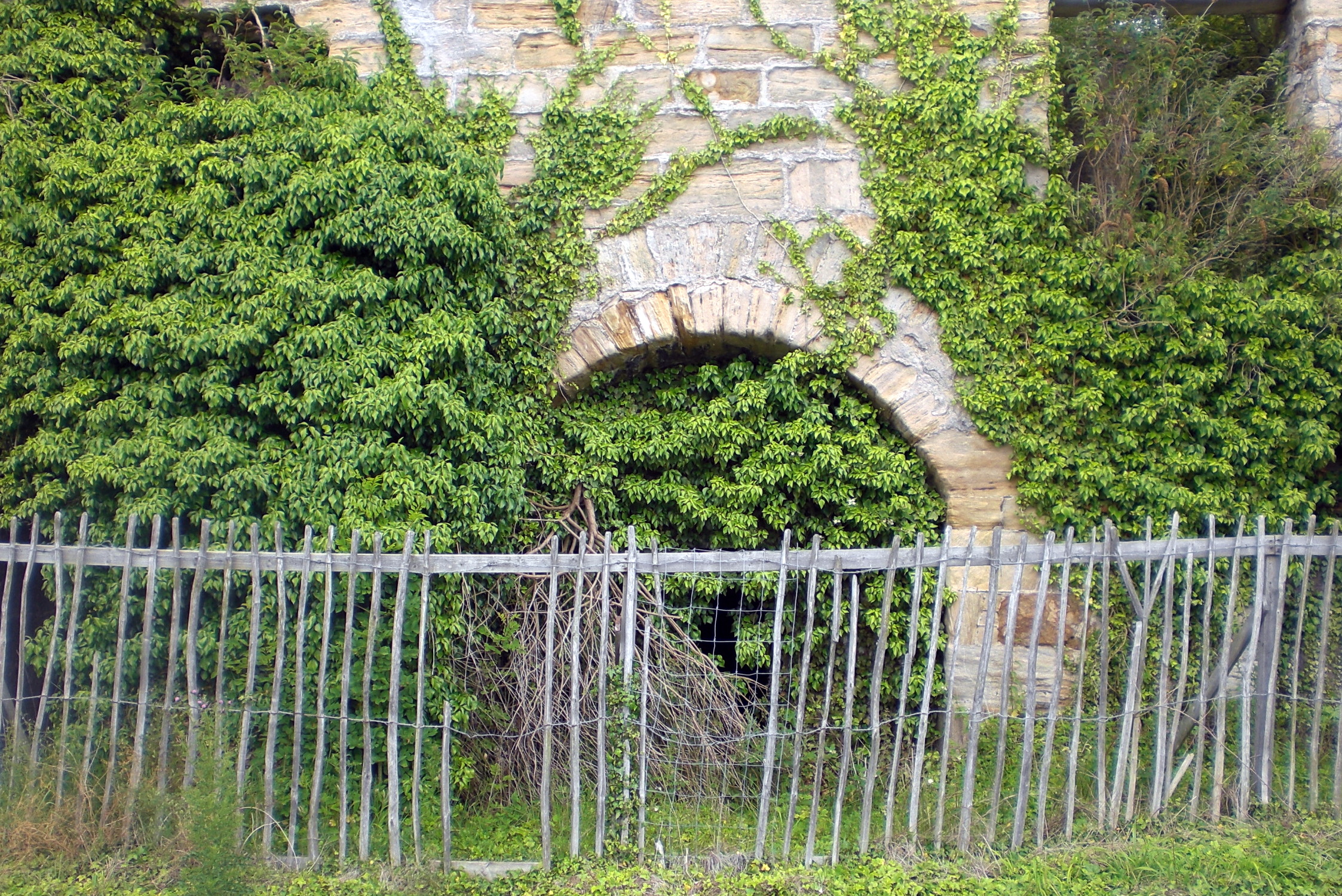
Today the kilns exist as another, largely, forgotten memory of an industrial past. The encroaching green fingers are tightening their grip.
.
.
on the old railway track
traces of sleeping
sleepers
.
.
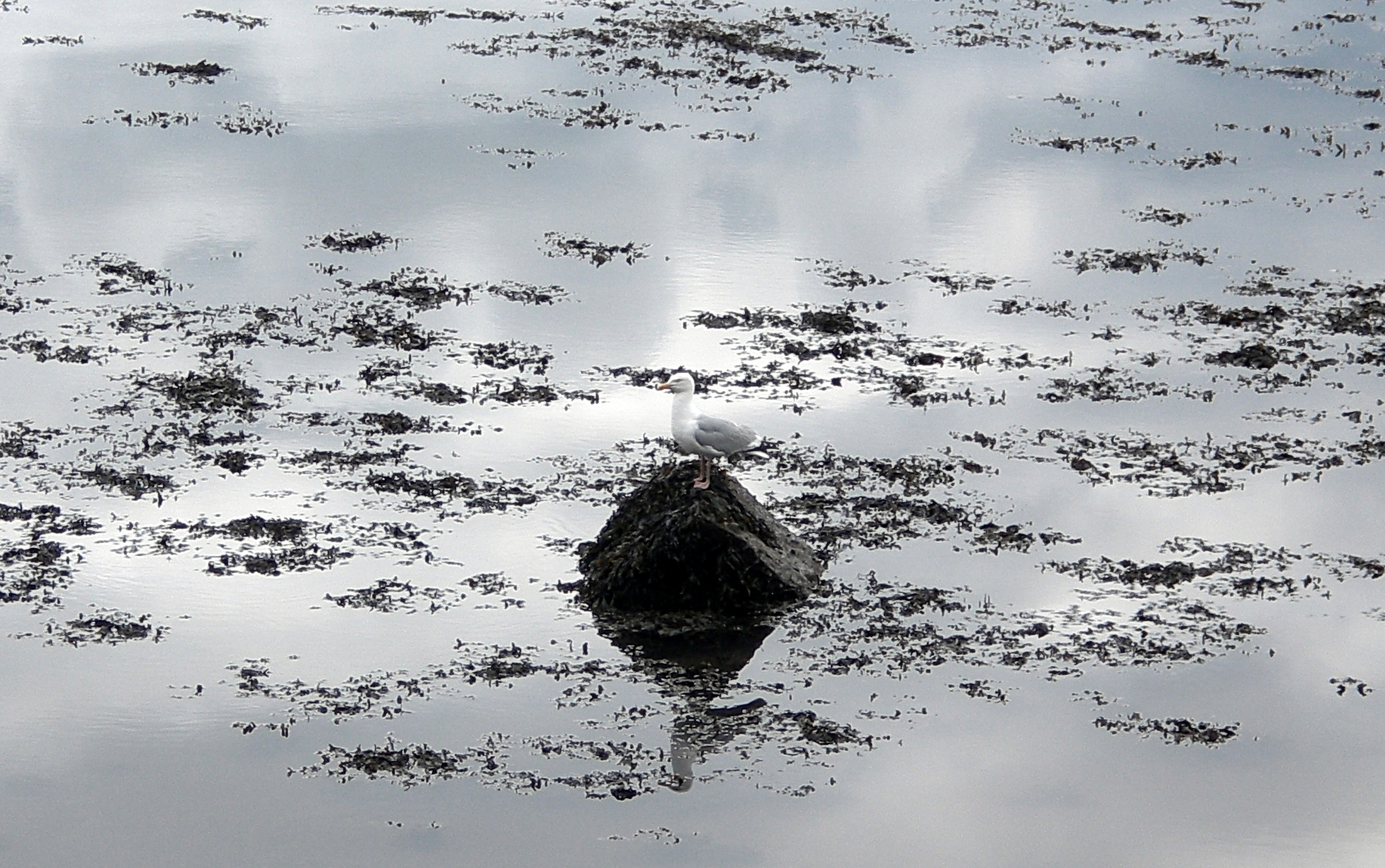
above the surface
vertical calm
conceals
unseen networks
of rhizomatic agitation
.
.
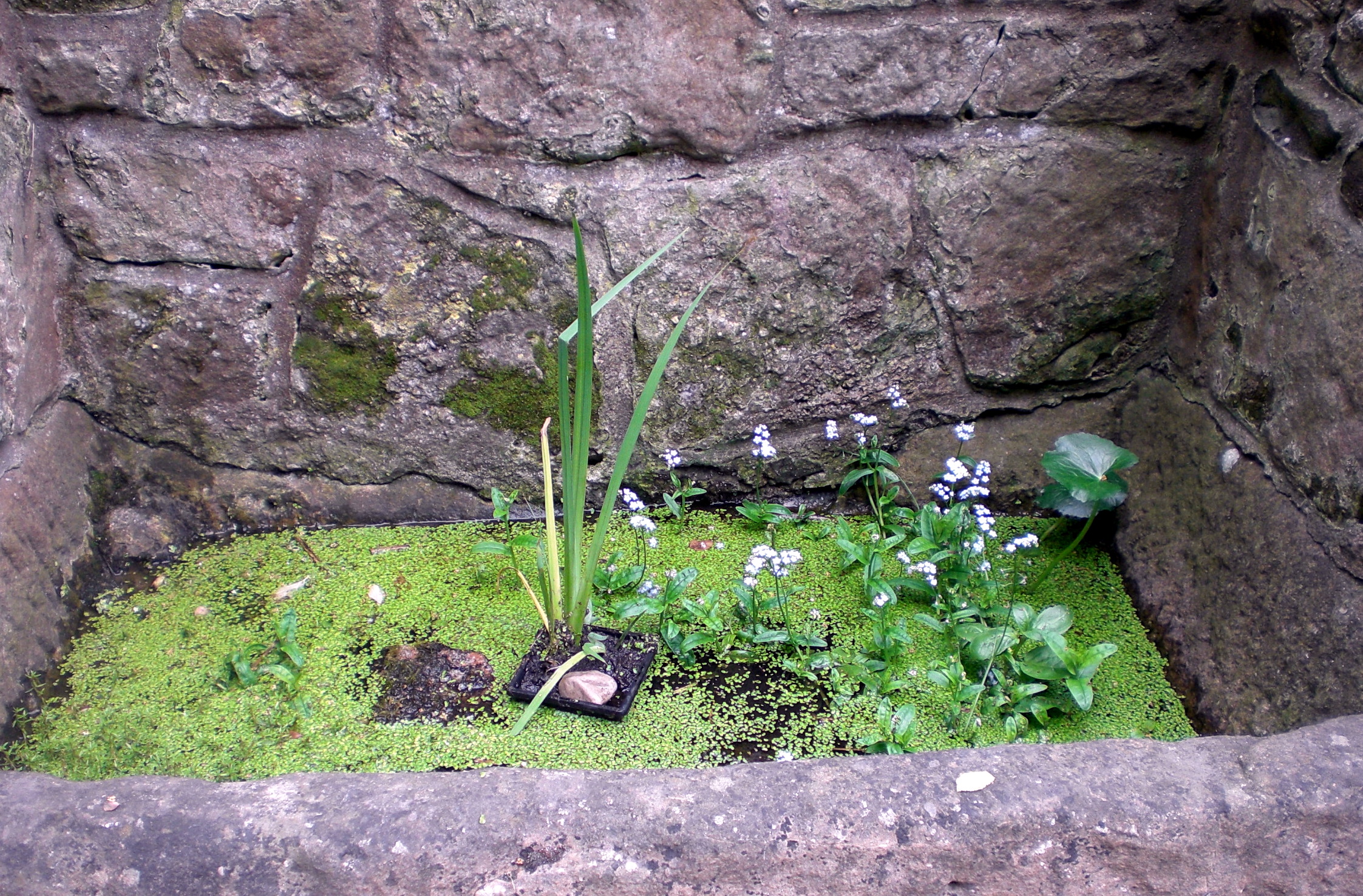
On Charlestown Brae
the old horse trough
a flowering
of water and air
.
.
the need to create, islands for contemplation.
≈
.
.
Heat formed
in black ocean
a coastline emerges.
Inlets, an isthmus
white tundra,
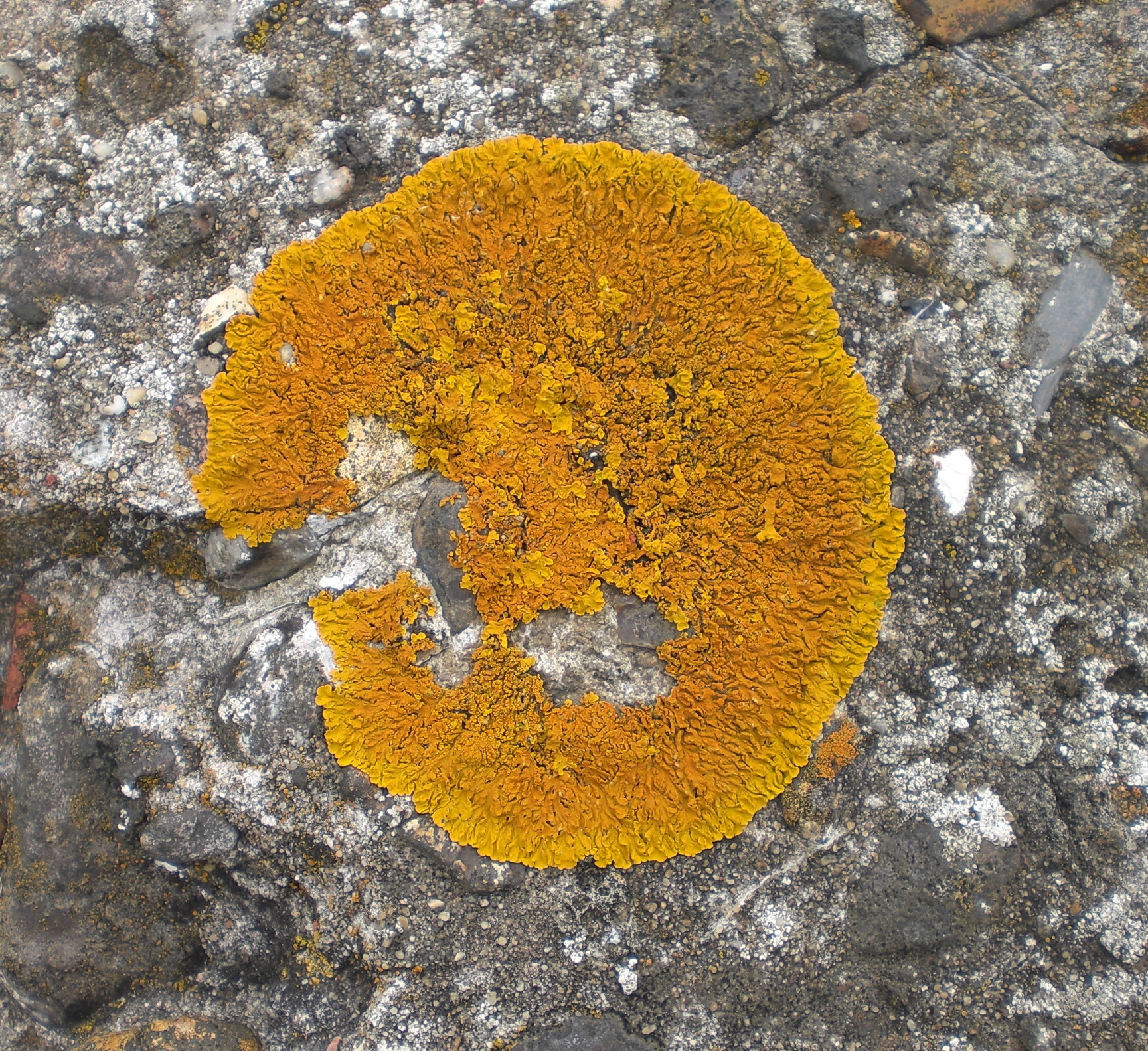
transmuted gold.
≈
From a short walk in Charlestown, Fife.
Now playing: Steve Roden – Four Possible Landscapes.
Reference:
Norman Fotheringham, Charlestown, Built on Lime (Charlestown: Charlestown Lime Heritage Trust, 1997).
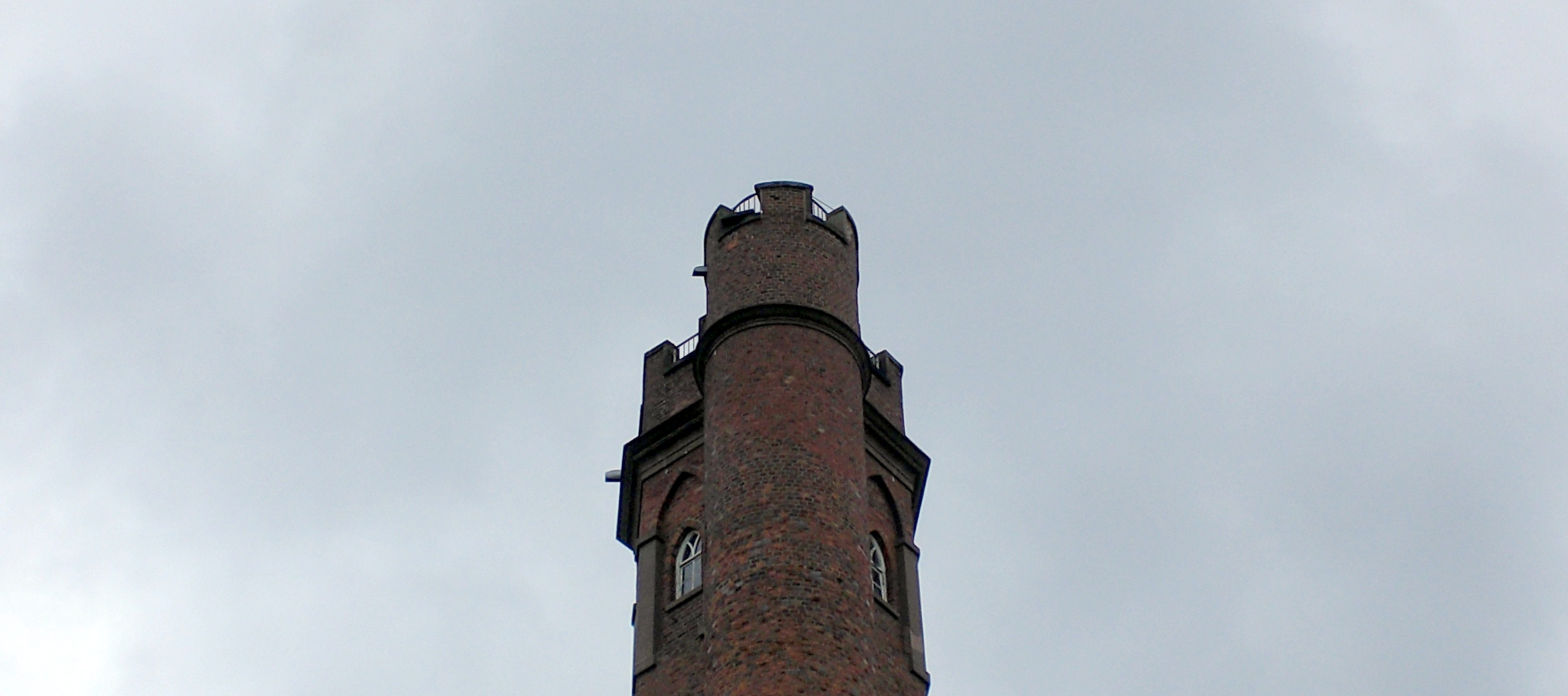
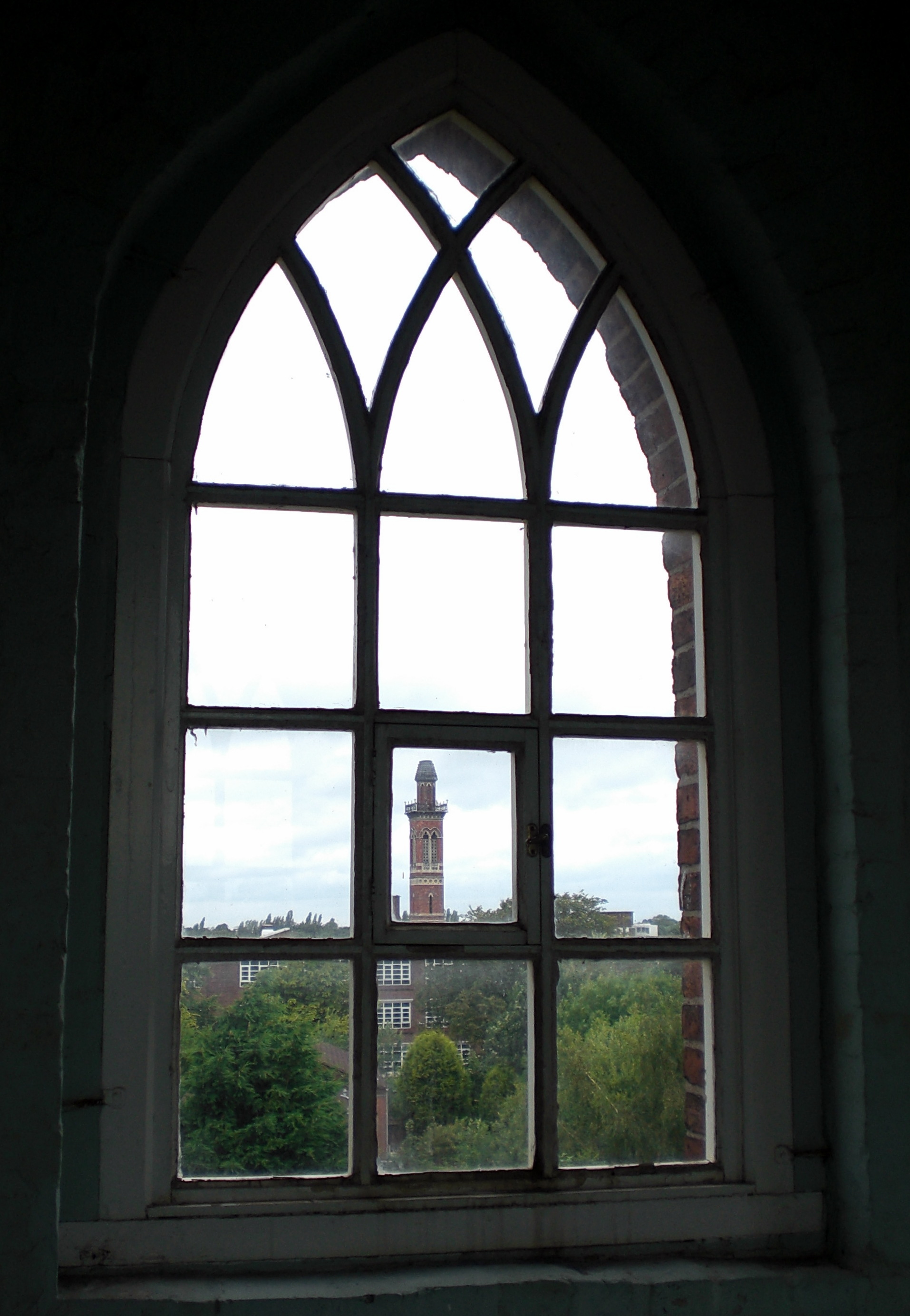
We have contributed a short piece called The Tower to Unofficial Britain which you can find here
Unofficial Britain is a new hub for unusual perspectives on the landscape of the British Isles, exploring the urban, the rural and those spaces in between. It is the creation of Gareth E. Rees, author of the highly recommended Marshland: Dreams & Nightmares on the Edge of London, published by Influx Press. He is also author of The Marshman Chronicles and is now broadcasting weird missives from the coastline of East Sussex.
.
.
Now playing: Githead – ‘Transmission Tower’ from Landing
Hawthorn bushes and the call of a cuckoo conjure up the tale of Thomas the Rhymer a thirteenth century Scottish mystic, wandering minstrel and poet. Folklore tells of how Rhymer meets the Faery Queen by a hawthorn bush from which a cuckoo is calling. The Queen takes Rhymer on a journey of forty days and forty nights to enter the faery underworld. Some versions of the tale say Rhymer was in the underworld for a brief sojourn. Others say for seventy years, after becoming the Queen’s consort. Eventually, Rhymer returns to the mortal world where he finds he has been absent for seven years. The theme of travellers being waylaid by faery folk and taken to places where time passes faster or slower are common in Celtic mythology. The hawthorn is one of the most likely trees to be inhabited or protected by the faery folk.
The wild wood can be found amongst the terra incognita of farmland, old paths and hedgerows between the village of Pattiesmuir and Dunfermline, Fife.
Now playing: Bert Jansch – ‘The Tree Song’ from Birthday Blues.
21 June 2014. Walking along an overgrown railway track near Crombie in Fife. As ‘night’ approaches, darkness fails to smother the light. Even the Giant Hogweed (?) appears to embrace the sky.
Now playing: Loren Mazzacane & Suzanne Langille – Come Night
a flower expresses itself by flowering, not by being labelled
Patrick Geddes
That blue
There – beyond the iris heads.
As if a grey tarpaulin
has been peeled back
across the eyeball of the sky.
.
Spring light, a different light.
.
Colours made strange,
as smears of white heat
dab at fold-gathered shadows.
.
The spooling thread of a blackbird’s raga, weaves through a chitter-chatter tapestry of blue tit and sparrow song as we lie under the flowers, observing a line of marching ants. A posse of advance troops, jolted into collective industry after winter’s hibernation. Out, once again, to prospect and survey the land.
Here. Now. All of us. Feeling the natural cycles turn.
Looking up to the sky from underneath the flowers.
An ant’s world view invoking vague memories of Land of the Giants, and of this place before the flowers arrived.
Across the road, jump the fence and head towards what turns out to be a picture frame.
Walking into the frame and down an avenue of young trees, we are lured by the vanishing point of reflecting silver.
.
Flocks of daffodils gather around the rotunda, a yellow flecked congregation. Heads nodding, as if worshipping the filigree forms of a newly descended alien god. Bringer of light and heat.
A turn into mature woodland and a network of tracks and paths. A sense of water running close-by but which we cannot see – yet. Tree animism.
.
You will have to move closer,
to hear,
the guttural whispers
of the tree maw
.
.
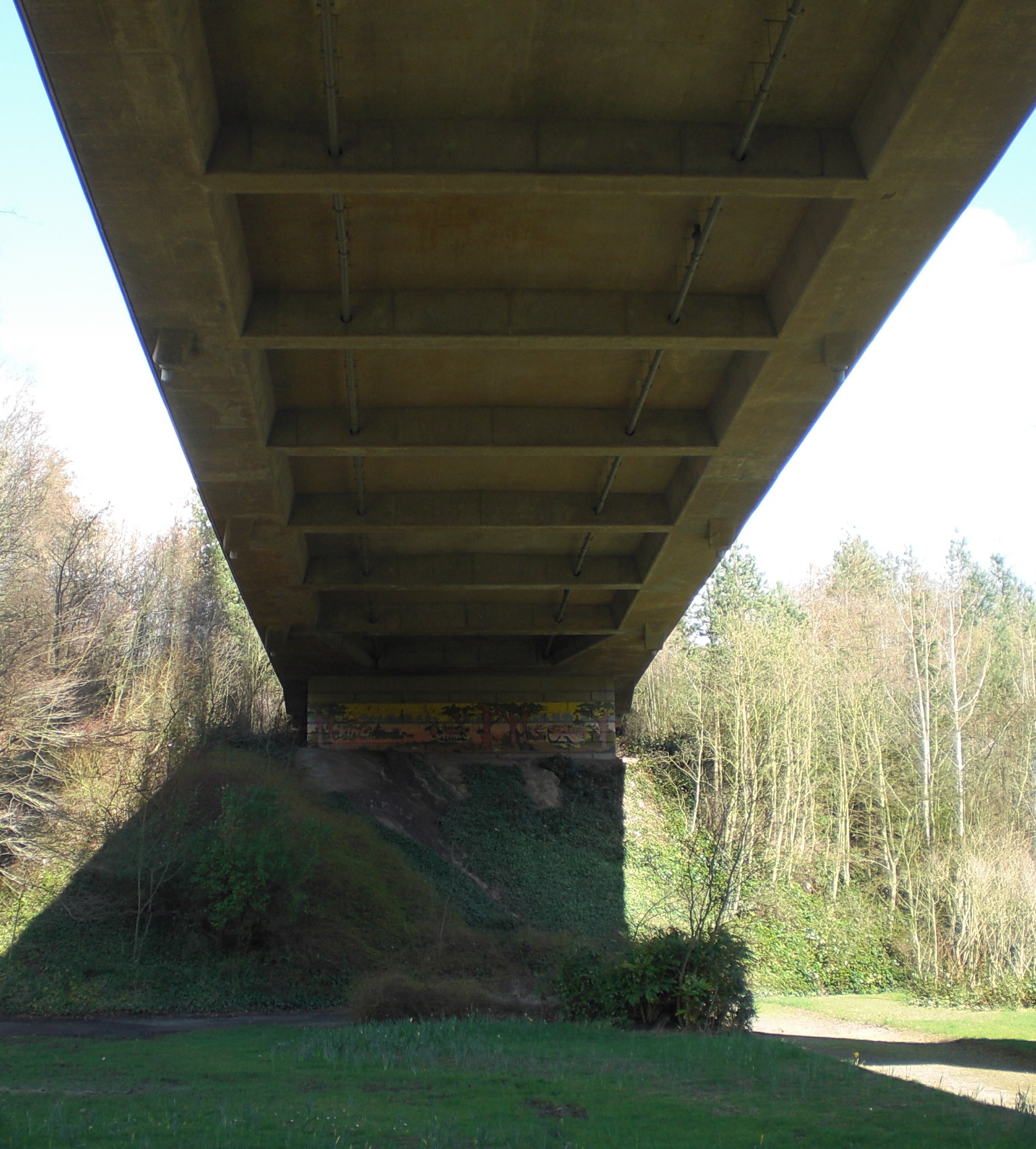
With spring sunshine, woodland, birdsong and the sense of water, this feels like ‘the countryside’ but it doesn’t take long to be reminded how close we are to the centre of this New Town. We look up at the polished concrete belly of transport entrails as the low thrum of traffic passes overhead.
In the last photograph, on the left hand side, you can see what turns out to be a rather incongruous plinth nestling under the concrete flyover. We discover that it is displaying a 16th century stone-carved coat of arms, of the Leslie family. The stone originally came from an old building in the nearby policies (grounds) of Leslie House, the ancestral home of the Earls of Rothes. It bears the griffins and motto of the Leslie family: Grip Fast
From Kinross, I came to Lessley, where I had a full view of the palace of Rothess, both inside and outside … The house is the glory of the place and indeed of the whole province of Fife.
Daniel Defoe, 1724
Sir Norman Leslie acquired Fythkil, the original name of this parish, around 1282 and renamed it after the Rothes family lands in Aberdeenshire. The Leslies became the Earls of Rothes in 1457. The earliest evidence of a house on this site is 1667 which was destroyed by fire in December 1763. A much smaller house was subsequently built, supposedly restoring the least damaged Western side.
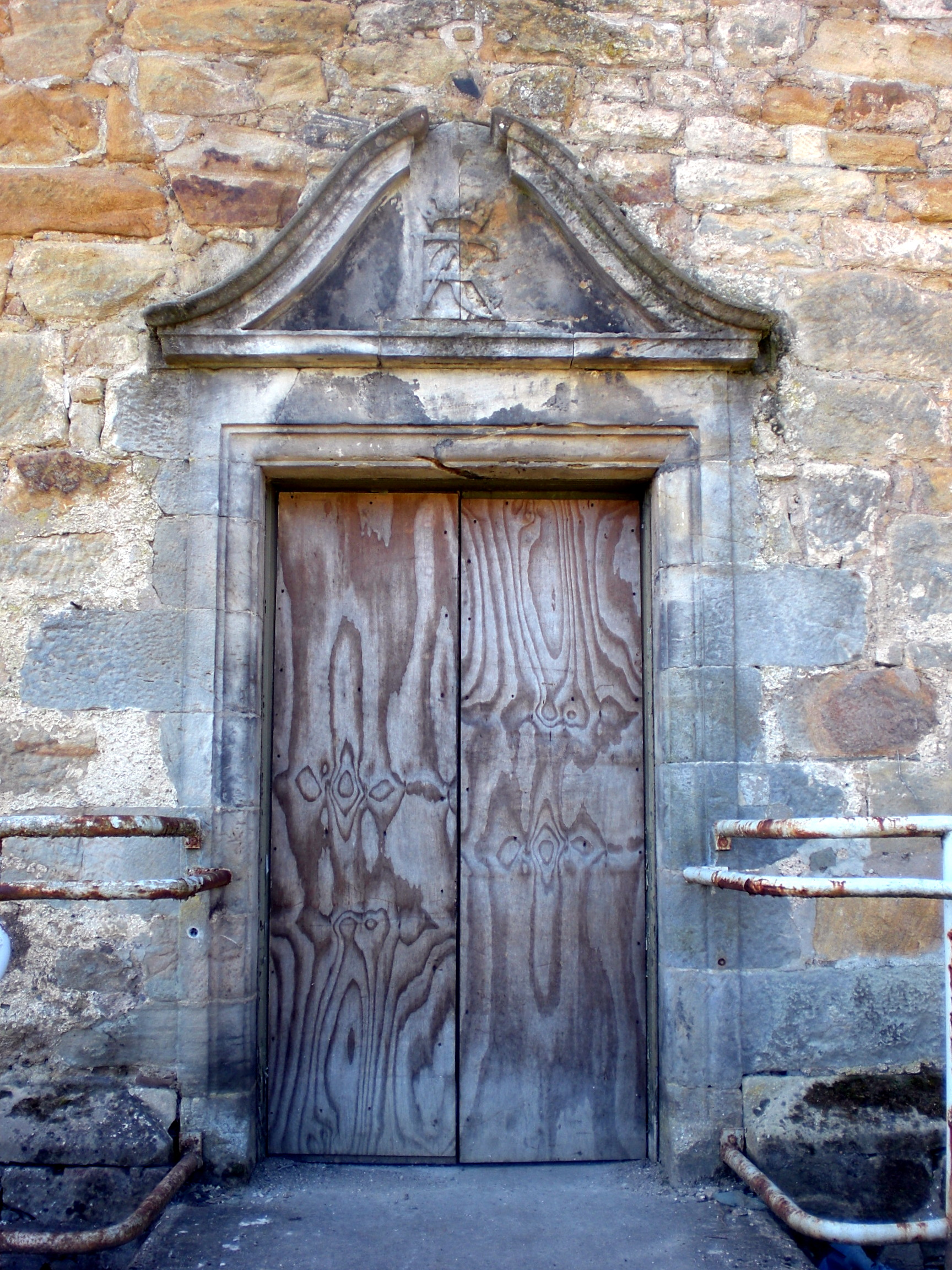
The Earls of Rothes, obviously didn’t Grip Fast enough as we soon alight on the ancestral home, now sealed off with iron spiked fencing. It’s not too difficult to find a way in to have a quick look. The building looks fairly structurally sound but is minus a roof and much of the interior, creating the effect of being able to see right through the facade to the other side.
One part of the fabric that has clearly survived intact is the flagpole which we can see through various windows:
.
In.
Spring light
No flags fly
≈
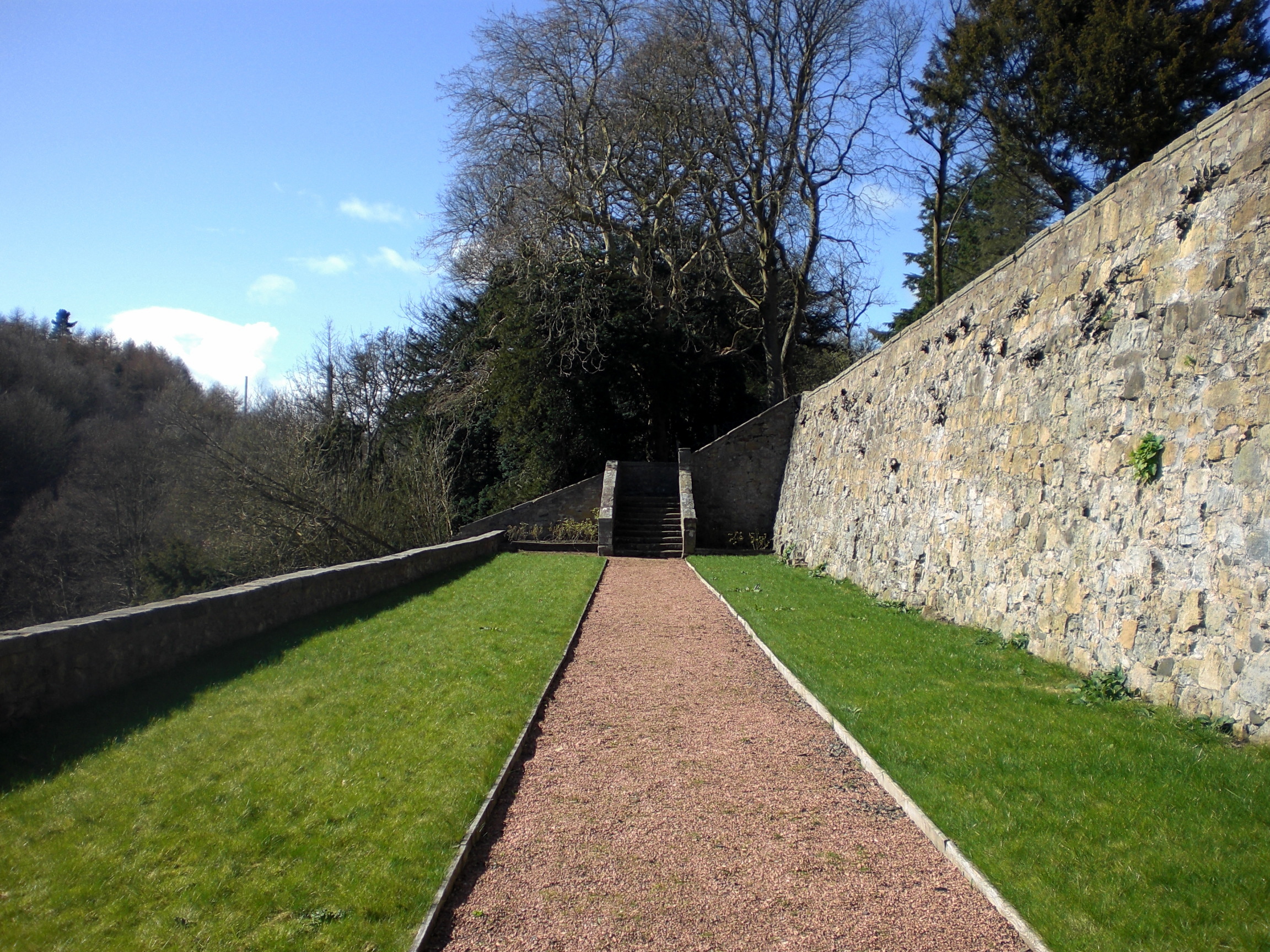
To the left of the house are a tiered set of south-facing terraces, although now denuded of any plant life other than the carefully manicured grass. Like the grounds in front of the house it shows that some care and maintenance is obviously still taking place …
.
Whilst, in the conservatory, the buddleia appears to be thriving:
.
We are just about to scale the wall that will take us to the front of the house when we hear voices on the other side and decide to exit the grounds quietly by the way we came in.
We subsequently learn that the house had been acquired by Sir Robert Spencer Nairn in 1919 who, supposedly, as he saw the advancing development of the New Town, gifted it to the Church of Scotland in 1952 for use as an Eventide Home. After falling into disuse, the house was sold for property development in 2005. Little appears to have happened until December 2009 when an unexplained ‘raging inferno’ reduced the property to its present state.
(c) Mike Brailsford
≈
We head down towards the River Leven, thinking of its flowing waters coursing through the Fife landscape from Loch Leven near Kinross all the way to joining the Firth of Forth at Leven. What memory does this water hold? Of powering linen mills and the local paper mills of Tullis Russell and Smith Anderson. Of sustaining the tadpoles and sticklebacks in the pond where we used to peer into the depths searching for those tiny flickering tails. The webbed feet of the white swans gliding through the water today.
Before heading down to the riverside, we stop to listen to the bridge. The wind plucked treble of the harp like strings:
.
… and the deep base drones of the underside sound box. We expect the huge columnar legs to start lumbering forward at any time:
.
.
As always, the eaves of the bridge have been tagged.
Power and capital, enabled The Leslie family to appropriate, name and tag these lands. Our graffiti artist(s) tag is of a more existentialist nature. “I am here, in this place”.
.
.
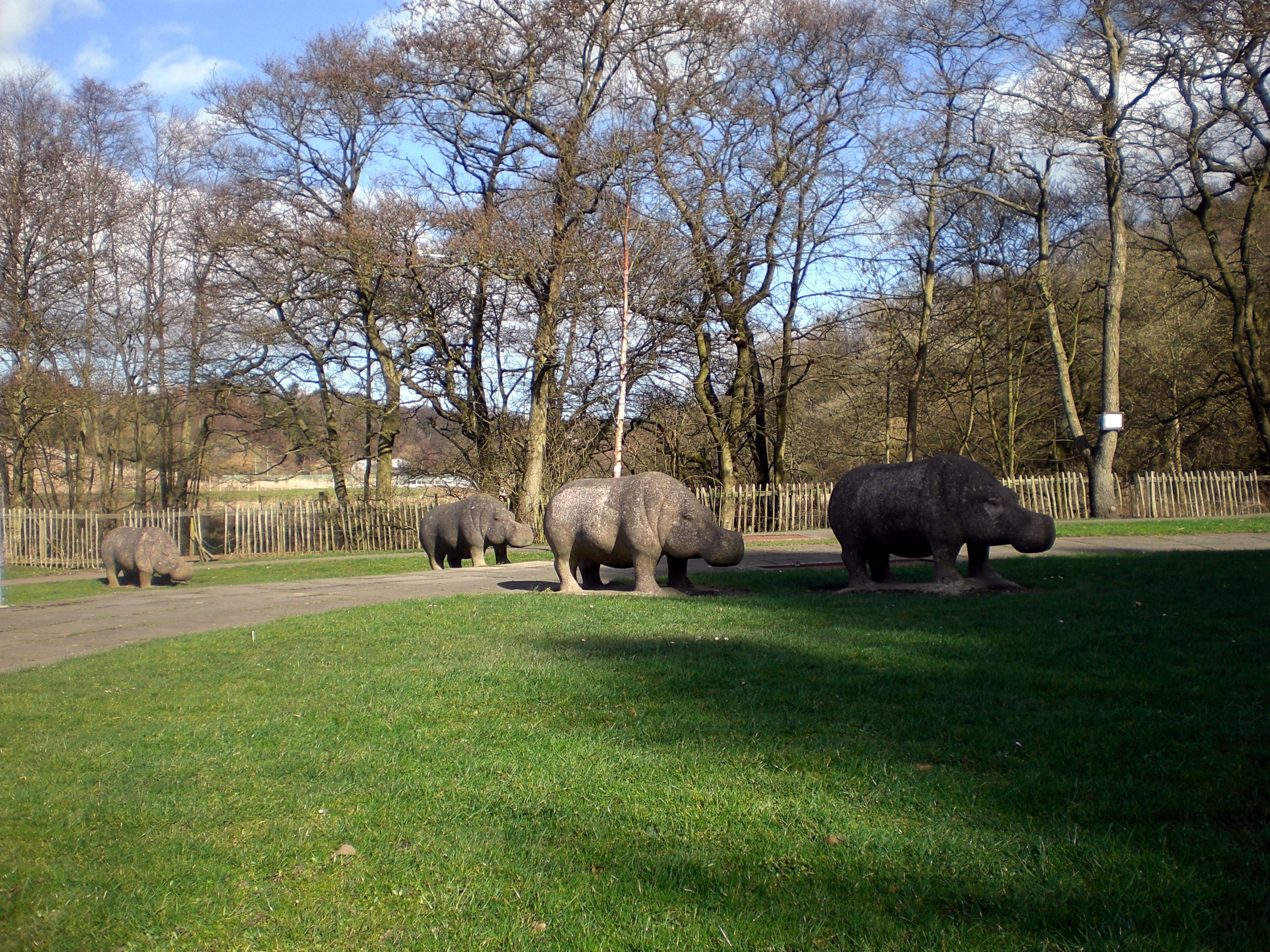
Following the course of the river, this world becomes a little stranger when we encounter the hippos traversing their water hole:
.
.
A familiar encounter in this town. If Proust had his madeleine to kick him into paroxysms of involuntary memory, then the image of a hippo should do the trick for anyone who grew up in this town.
.
(c) Douglas A McIntosh
It’s not just the hippos. It’s also the dinosaurs, henges, flying saucers, pipe tunnels, giant hands, the toadstools and other curios which all ‘do something’ to social space for those who stumble across them.
Two bin bags murmur in agreement as they huddle in the shade, underneath the clatter of skateboards, waiting for the sun to come around.
.
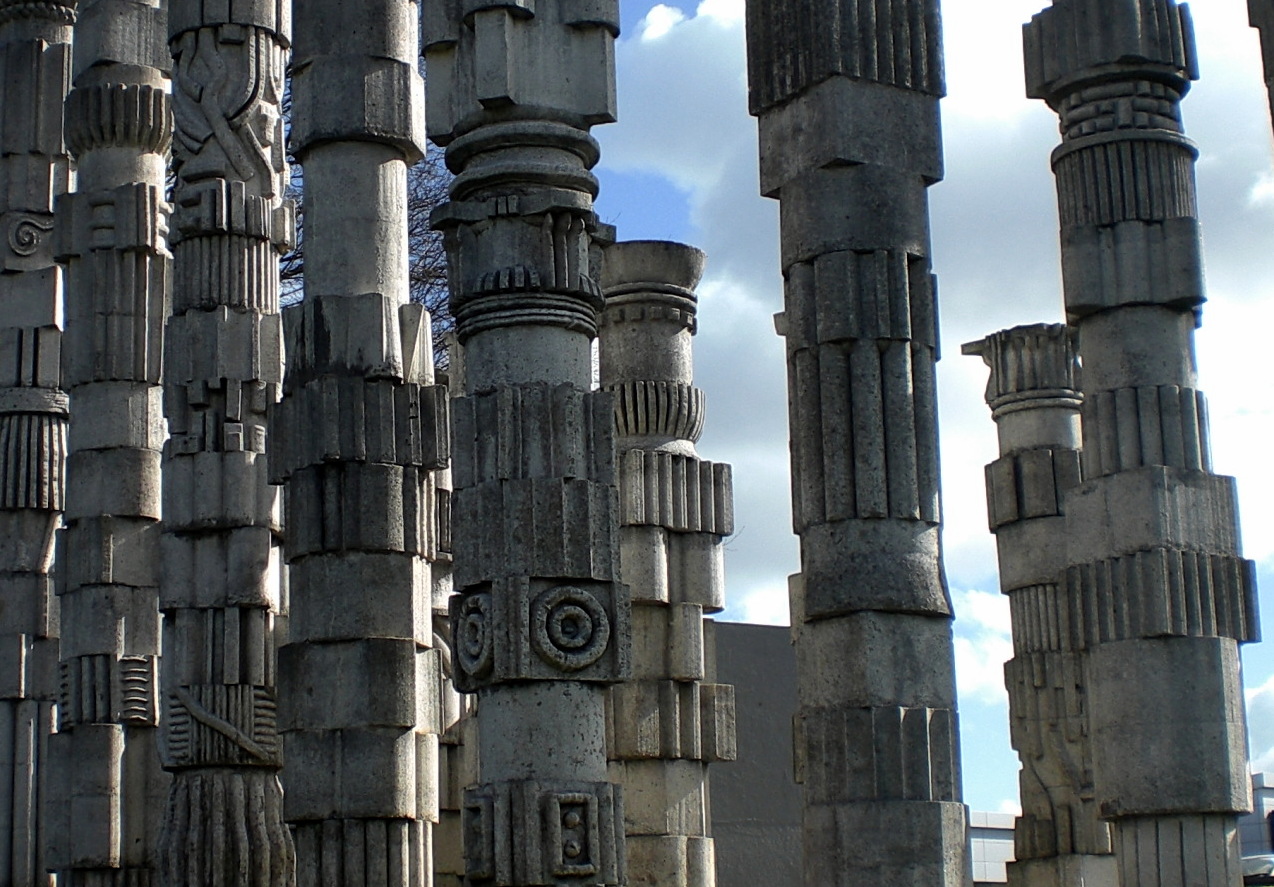
Ascending the hill to the town centre, we are reminded that every place needs its temples
.
And what would any New Town be without its Brutalist municipal buildings? Guaranteed to be derided as ‘plooks’, ‘carbuncles’ and in this case, contributing to its award as ‘the most dismal town in Britain 2009’.
Well, perhaps it’s all a matter of perspective and the warm fingers of spring weather but the buildings are looking far from dismal today.
Tactile, concrete carpets, frame frozen flight and light.
.
Frozen flight – open sky
The original Brutalist grey cube of Fife House with its newer postmodern counterpart. It has to be a grandfather clock?
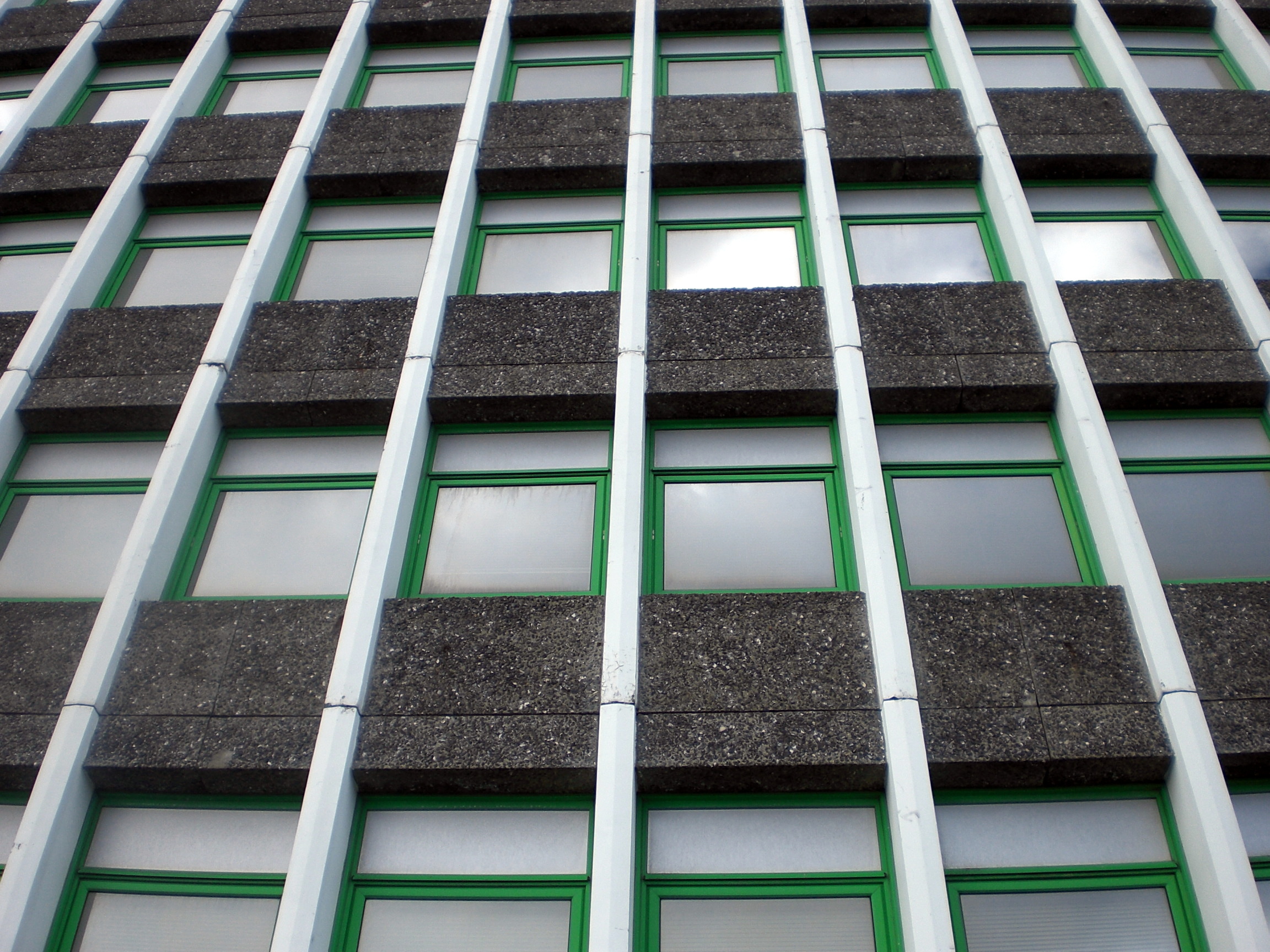
Green detailing can soften even the most austere facade:
.
Whilst brutalist windows, can dream of trees and sky
.
.T
Nearby, North facing Rothesay house hasn’t weathered quite as well.
.
After a walk back down to the public park, with vistas to the Paps of Fife we almost return to our starting point. Layers of place intersecting with past present and future in the returning bright light of Spring.
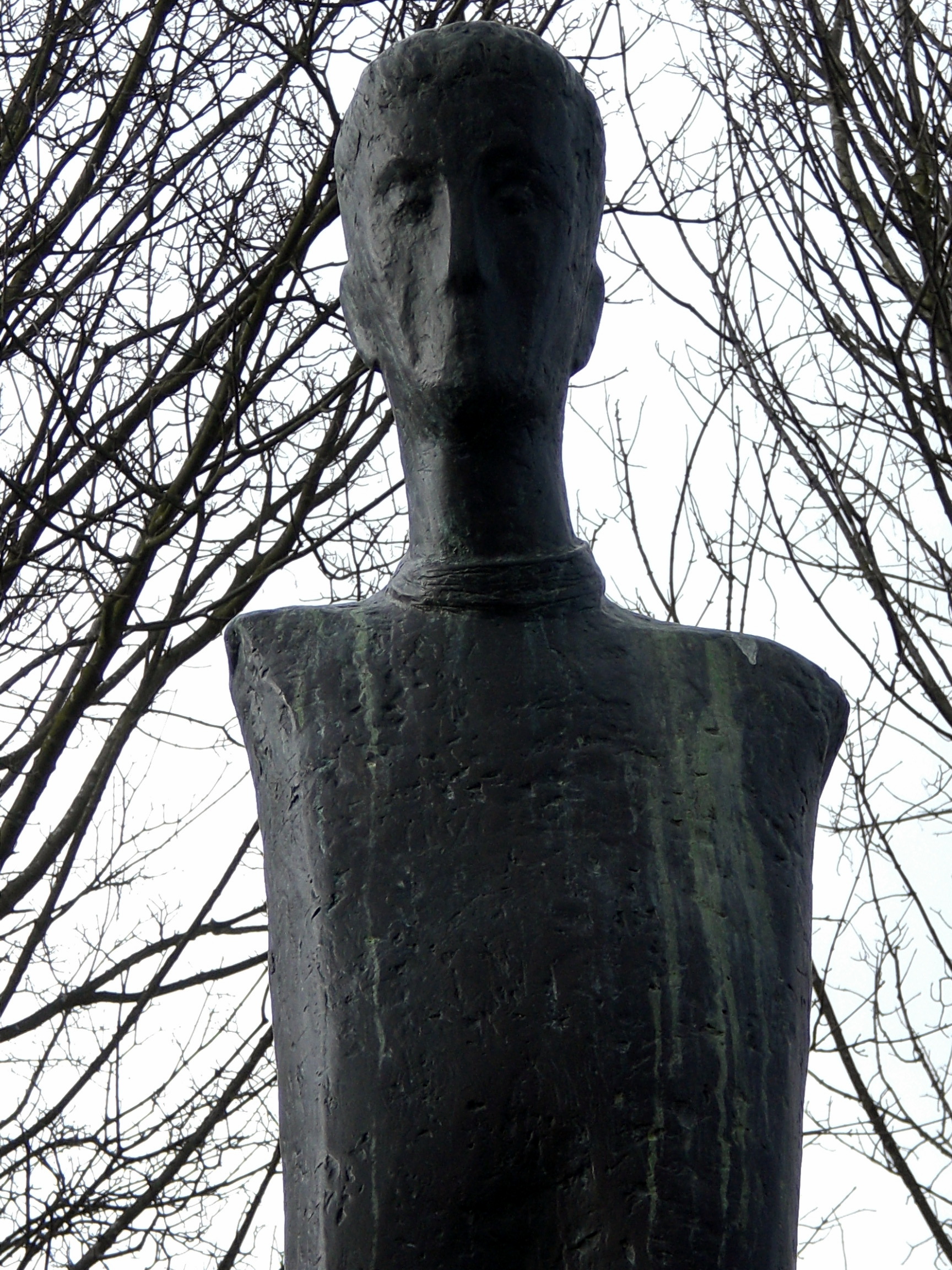
We nod to the defenceless one as we pass.
.
..
Comforted that the Good Samaritan is looking on from not too far away
.
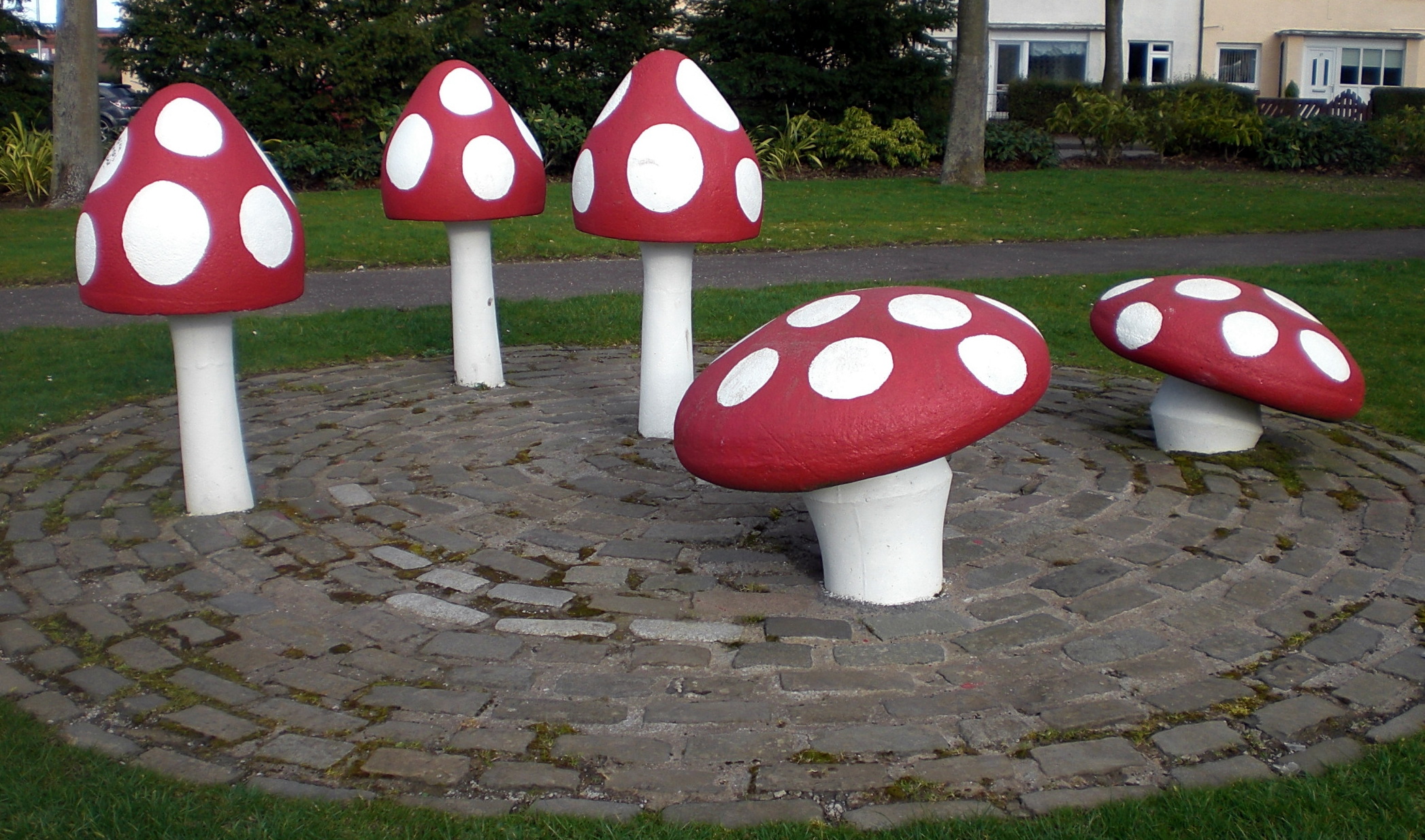
And, as we leave town, how can we not stop to take delight in the toadstools. Vibrant and colourful, they look as if they have just (re)emerged, stretching into the returning Spring light.
Their months quietly growing in winter darkness appear to have passed.
≈
Now Playing: Motorpsycho – Behind the Sun.
Note:
The New Town is Glenrothes in Fife. Planned in the late 1940s as one of Scotland’s first post-second world war new towns, its original purpose was to house miners who were to work at a newly established state-of the-art coal mine, the Rothes Colliery. The mine never opened commercially and the town subsequently became an important part of Scotland’s emerging electronics industry ‘Silicon Glen’. It is now the administrative capital of Fife.
Glenrothes was the first town in the UK to appoint a town artist in 1968. This is now recognised as playing a significant role, both in a Scottish and in an international context, in helping to create the idea of art being a key factor in creating a sense of place. Two town artists, David Harding (1968–78) and Malcolm Roberston (1978–91), were employed supported by a number of assistants, including Stan Bonnar who created the hippos. A large variety of artworks and sculptures were created and are scattered throughout the town, some of which are shown above. David Harding went on to found the Department of Environmental Art at the Glasgow School of Art whose alumni include: Douglas Gordon, David Shrigley, Nathan Coley, Christine Borland and Martin Boyce.
References:
Daniel Defoe, (1724), A Tour Through the Whole Islands of Great Britain, (New Haven, Yale University Press, 1991 edition), (p.346).
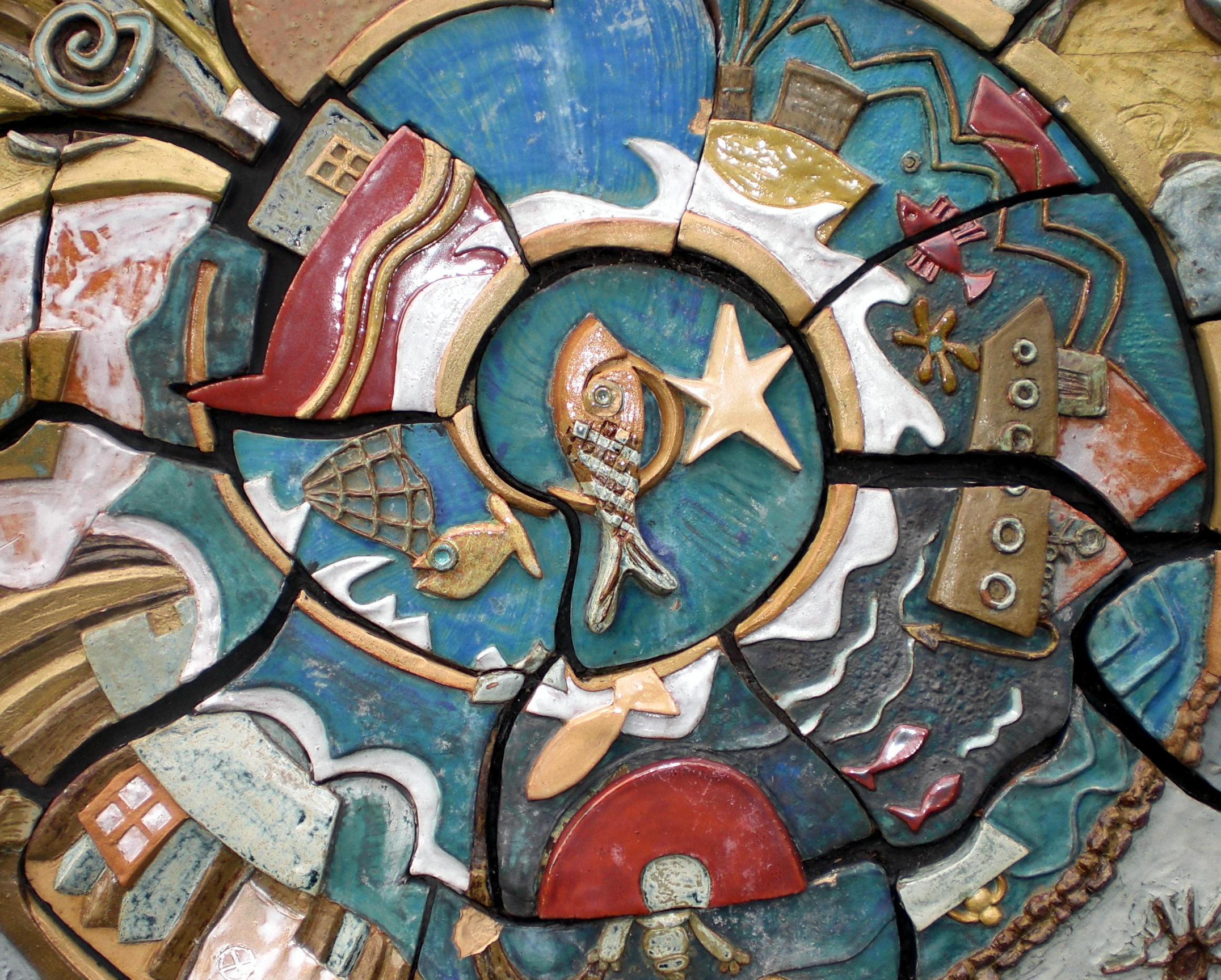
The unfolding spiral begins with the star, the sea and the fishes.
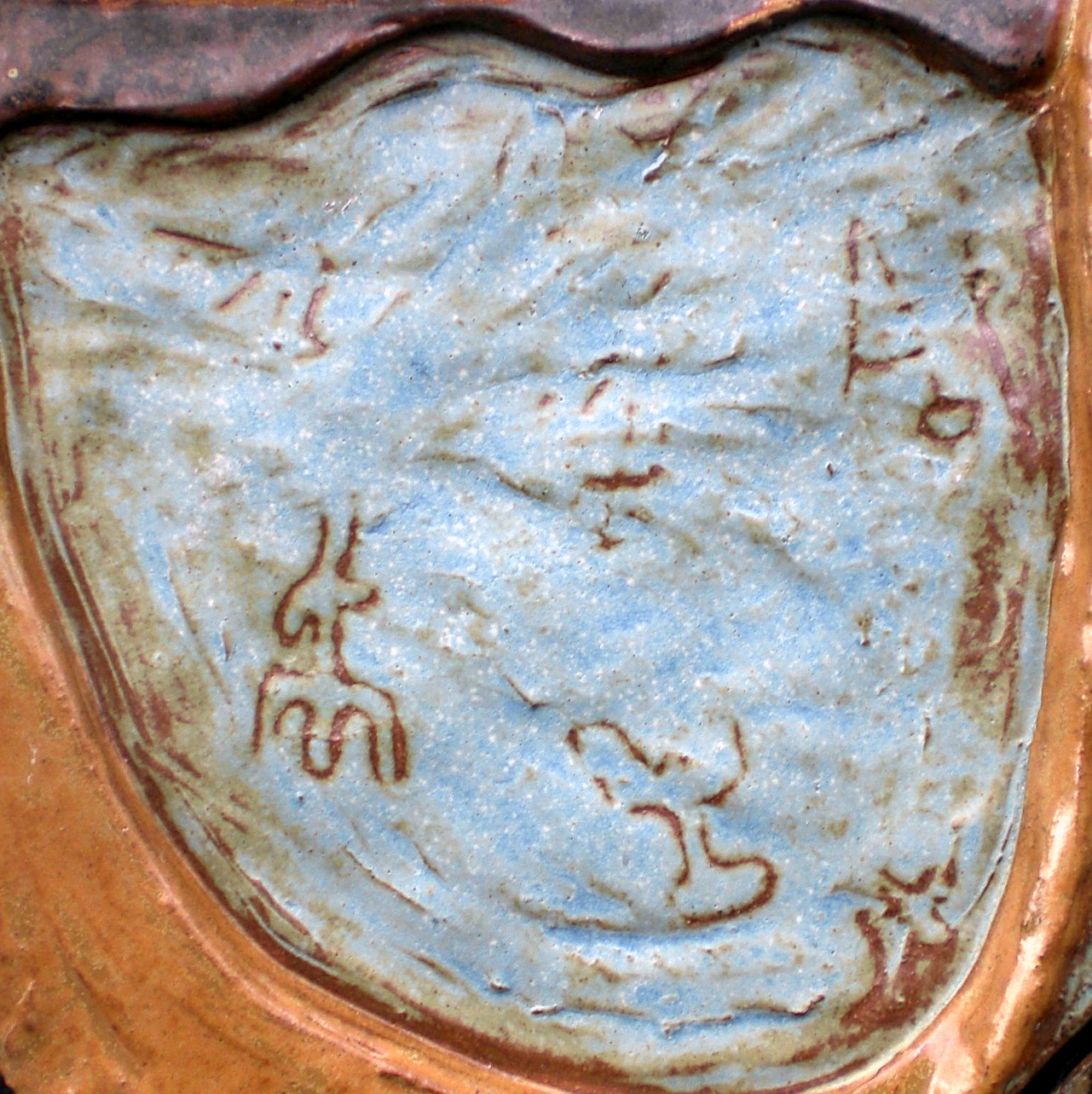
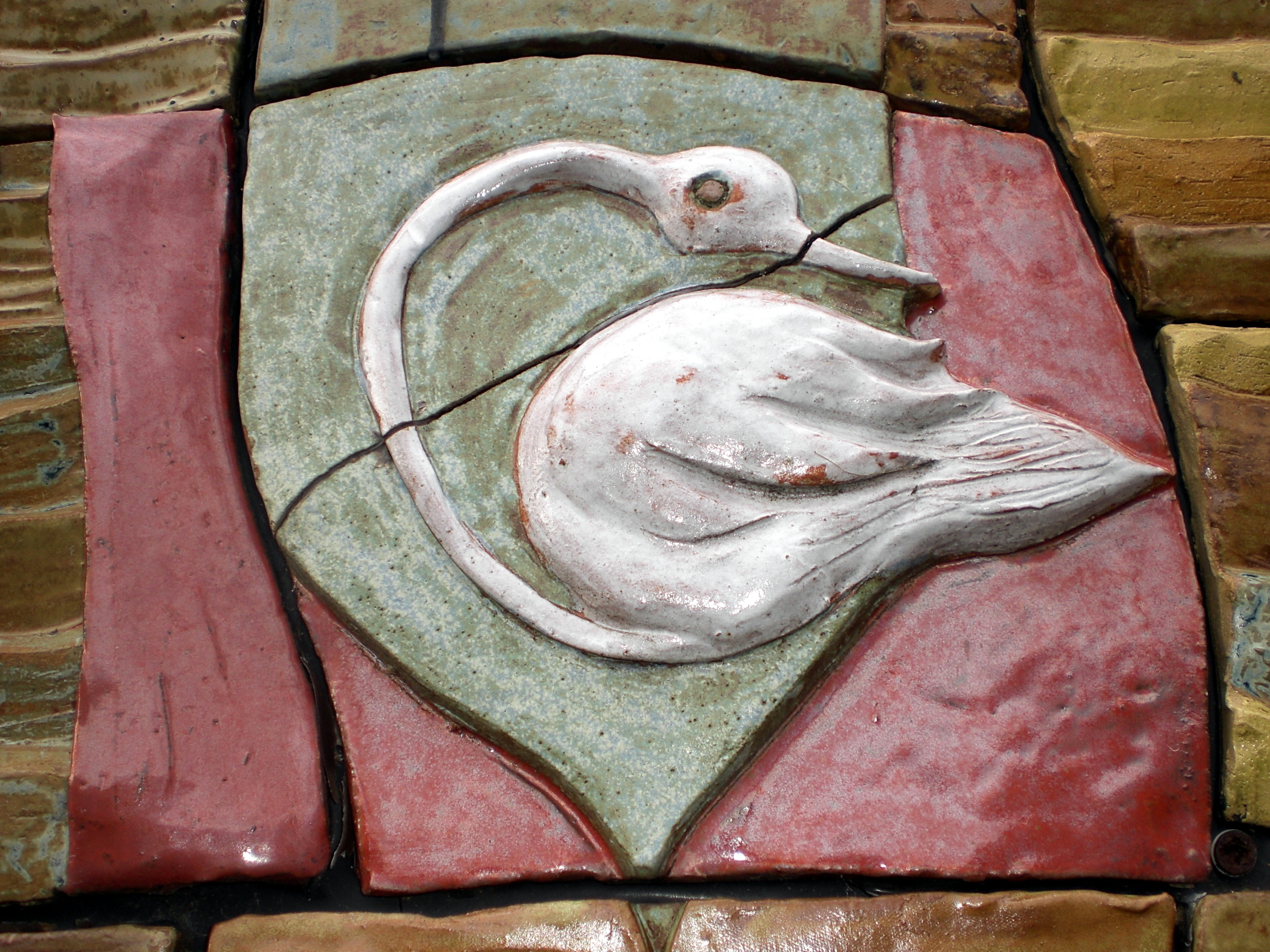
A story of place formed at the threshold of land and tidal flows. Named after the earliest human dwellings, the caves. Inhabited and used for thousands of years by the Picts, early Christians, Norsemen and smugglers, all leaving behind, evidence of that human need to make a mark. Their drawings of fish, serpents, sacred goats, deer and swans incised into stone as silent witness of their stories.
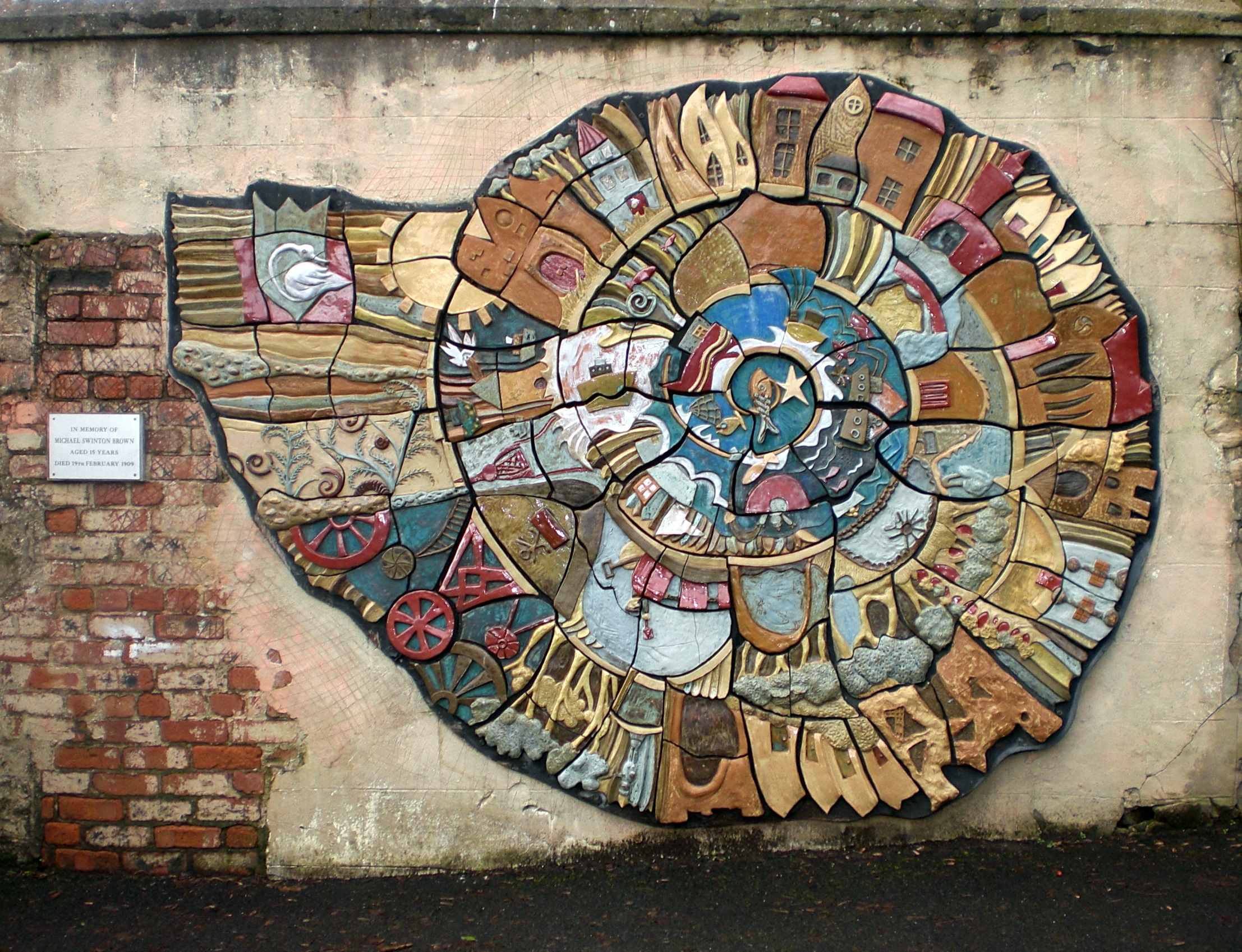
Walking down the aptly named School Wynd in East Wemyss, (the place-name of Wemyss derives from the Gaelic uamh, ‘cave’), you encounter a colourful piece of public art commemorating the history of the village. From the earliest beginnings of that liminal space between land and sea, there are later references to the nearby ruined castle of MacDuff, linked with the Thane of Fife, slayer of Macbeth. The distinctive red wheels of the Michael Colliery’s pithead winding gear represents the more recent industrial, mining heritage.
Like the whorls on a snail’s shell, an unfolding of time layered on place.
This place.
A place which holds and retains memory.
.
Why here, on this small, rough-cast covered, structure?
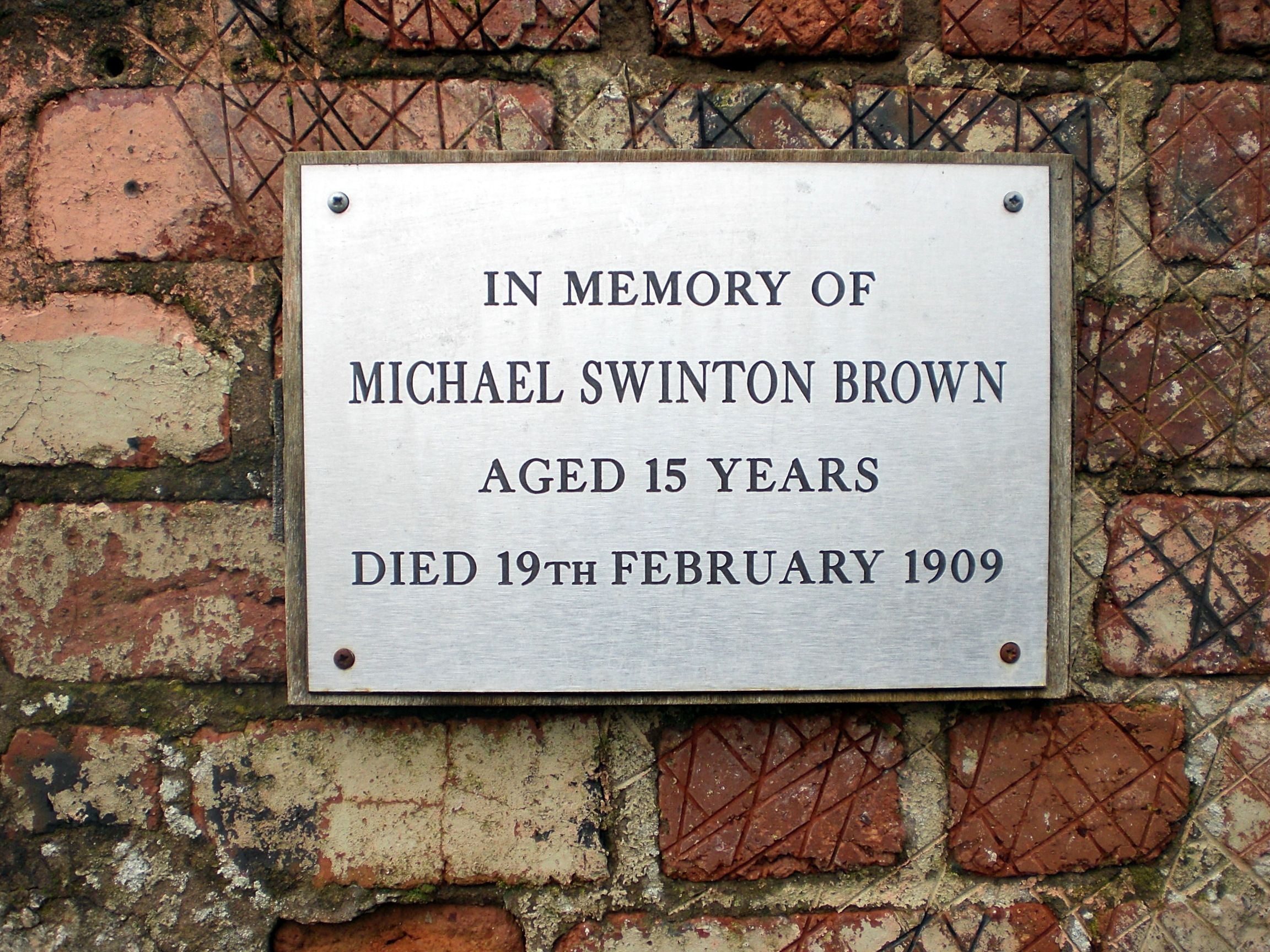
A small plaque sits to the left on exposed brick work:
.
.
We can’t learn too much from this. A memorial to a young boy, Michael Swinton Brown who died, aged 15, over 100 years ago.
Knowing what we now know, the cross-hatching on the brick work takes on an eerie significance:
.
Is this place speaking
of that violent energy
sustained slashing
– criss-cross, criss-cross
The need to make a mark?
.
≈
On 19th February, 1909, young Michael Brown did what he had to do every Friday. An apprentice clerk for the East Wemyss linen manufacturing firm, G & J Johnston, it was his task to take the tram to nearby Buckhaven to collect the weekly factory wages from the Royal Bank of Scotland. He would return to East Wemyss by tram and walk down School Wynd and back to the factory along the seashore. On this particular day another East Wemyss resident alighted from the tram just behind Michael.
Alexander Edmonstone, aged 23, was an unemployed miner who had moved, with his family, to the village from Edinburgh seven years previously. At exactly 11.54 am, Edmonstone watched Michael Brown set off down School Wynd carrying his brown leather bag containing £85. A few minutes later, Michael Brown entered the brick-built public lavatory and was shortly followed in by Alexander Edmonstone.
It is not exactly clear what happened in the next few minutes as no weapon was ever found but Michael Brown was murdered in a brutal and bloody assault. Edmonstone left with the bag of money and Michael’s watch and chain. He followed the course of the Black Burn before ditching the bag and bank pass-book on the seashore near to MacDuff’s Castle. Edmonstone knowing that he would be under suspicion, walked 12 miles to Strathmiglo, before catching a train to Perth and then on to Glasgow the following morning. Travelling on to Paisley, Edmonstone faked a suicide note which he left on the parapet of the bridge over the River Cart:
I murdered Mickey Brown – AE. You will find my body at the foot of the water nearby. I filled my pockets with stones. I bid goodbye to mother. Goodbye – Alexander Edmonstone.
Police dragged the river, obviously without success, and ‘Wanted’ posters were issued throughout the country offering a reward of £100 leading to an arrest. A month later, Edmonstone had managed to travel to Manchester to take up lodgings under the assumed identity of Alexander Edwards. A fellow lodger had been visiting Whitworth police station to apply for a hawkers licence when he noticed the ‘Wanted’ poster for Edmonstone and particularly noticed a reference to the watch stolen from Brown. He was sure he had seen this watch and convinced that his fellow lodger was Edmonstone.
Edmonstone was duly arrested and entered a defence of insanity at his trial. However, the jury only took ten minutes to deliver a unanimous verdict of guilty of murder. Edmonstone was hanged at Perth prison on 6th July 1910.
≈
The public lavatory in School Wynd has long since been bricked up. Now it’s a site on which the unfolding stories of place have been written.
A place that holds and retains memory.
A silent witness to the stories of place.
≈
Now playing: The Durutti Column – ‘Requiem Again’ from Vini Reilly
References:
Alexander Edmonstone, ‘Court Case 1909, July 8th and 9th’,The Fife Post
Molly Whittington-Egan, The Stockbridge Baby Farmer, (Castle-Douglas: Neil Wilson Publishing, 2013).


























 Murdo Eason - From Hill to Sea