Category: Observation
Crows, Crowns and a Curious Landscape

Like animated clods of black earth suspended in the branches. A murder of crows.
We can feel their collective beady gaze following us as we walk down the single-track road that leads into the hamlet of Pattiesmuir. A fluttering of wings and more descend. It is hard not to think of the gathering flocks in Hitchcock’s The Birds.
For no apparent reason, they suddenly take flight. A spiralling vortex of wing, beak and claw, ascending, then wind-blown towards the white crosses in Douglas Bank Cemetery. Only four return to the upper branches, no longer interested in us. One looks west whilst three gaze towards the east indicating our direction of travel.
Three craws …
The old car at the entrance to Pattiesmuir evokes a sense of time travel as we walk through an agricultural hamlet whose physical fabric has changed very little over the past 150 years. A collection of low-level whitewashed cottages line a single street that provides both entrance and exit with no through road.
Pattiesmuir has been recorded on maps as Patiemuir, Peattie Muir, Pettymuir and a number of other variants. An early map from 1654 records it as Pettimuir, although the origin of the name remains obscure. Local folklore suggests that the area was once a focus of Romany activity and even that The King of the Gypsies once had a ‘palace’ nearby. The 1896 Ordnance Survey map does refer to an area of trees to the west of the settlement as “Egyptian Clump”, and a neighbouring field is also noted as “Egypt Field”.
In the early 18th Century a small community of hand-loom weavers formed in Pattiesmuir to help supply the Dunfermline linen industry. By 1841,there was a population of 130 which supported a school – attended by 34 pupils – an Inn, a blacksmith and three public wells. By 1857 the population was 190. However, the introduction of the power-loom meant a slow decline in the fortunes of hand-loom weavers and by 1870 almost all weaving activity had ceased.
There are no schools or Inns in Pattiesmuir these days but a building called The College remains. It’s origins lie in a fraternity of radical weavers who set up the ‘college’ so that weavers and agricultural workers could meet for self-improvement classes in politics, philosophy, economics and theology. They subscribed to the Edinburgh Political and Literary Journal and pooled funds to buy the works of Burns and the new Waverley novels of Walter Scott. One notable member and self-proclaimed ‘professor’ of the College was Andrew Carnegie, grandfather to a Dunfermline born grandson of the same name. Young ‘Andra’ would travel to America in 1848 and eventually consolidate the US steel industry to become the ‘richest man in the world’.
You cannot drive through Pattiesmuir, but if you walk you can take a left where the road stops and walk into a curious area of landscape. Neither edgeland nor particularly rural it is bounded by Dunfermline, only a few miles away, to the north and Rosyth to the East. A rarely walked mix of hedgerows, old woodland, farm tracks and tenanted agricultural land. On Google maps it is an area that is deemed ‘featureless’. However, we already know that it hosts a coffin road and the wild wood. Today’s walk will reveal a few more surprises …
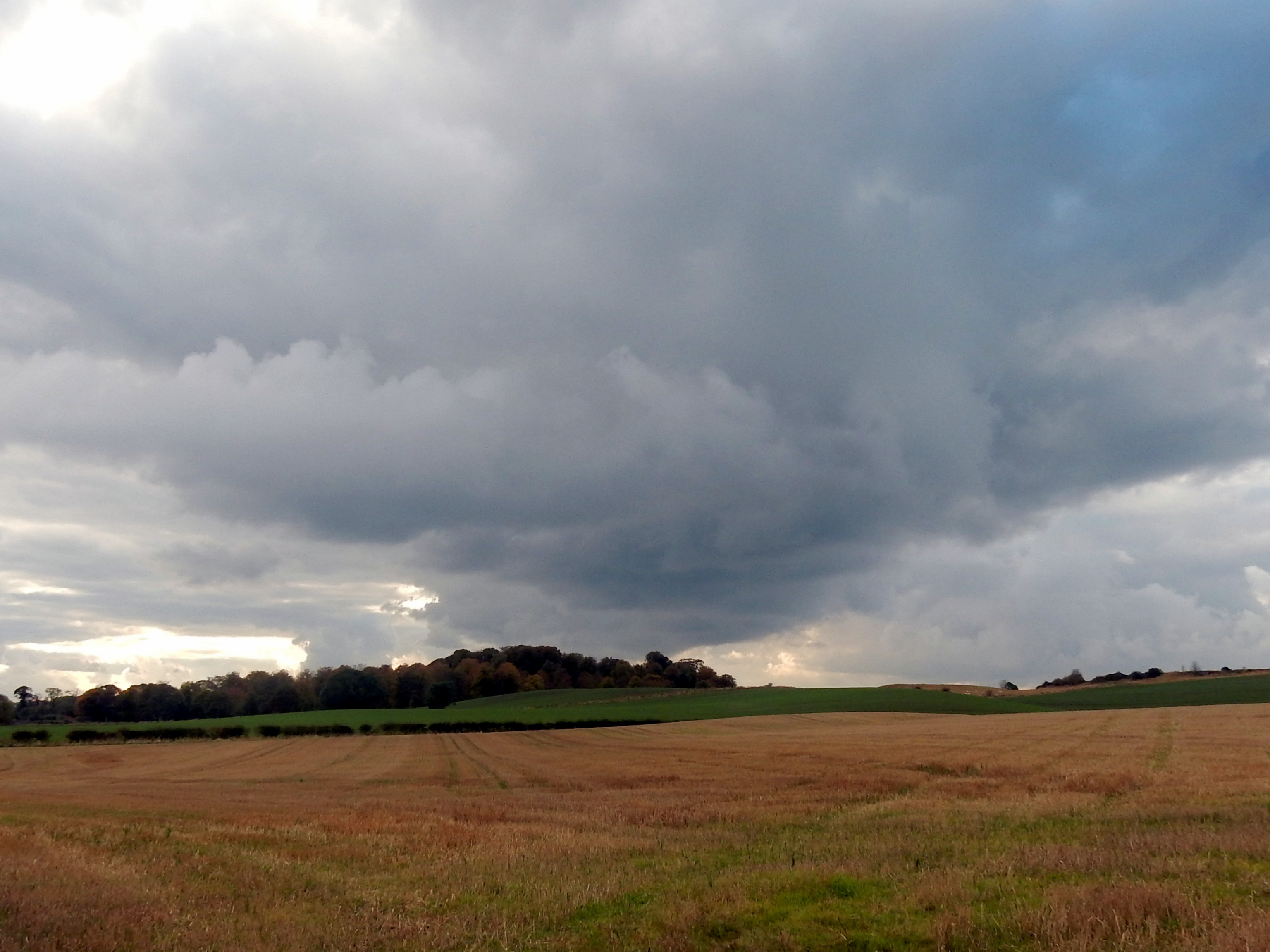
We stand and watch the weather arrive. A huge palm of grey sky that threatens to smother us with rain but growls quickly past. Underfoot, attention is diverted to the heroic efforts of a slug traversing the rough stone path. The intensity of existence revealed in this waltzing fuselage of seal-smooth skin and striated hand-painted detail. Eventually it reaches more hospitable looking terrain and we can walk on.

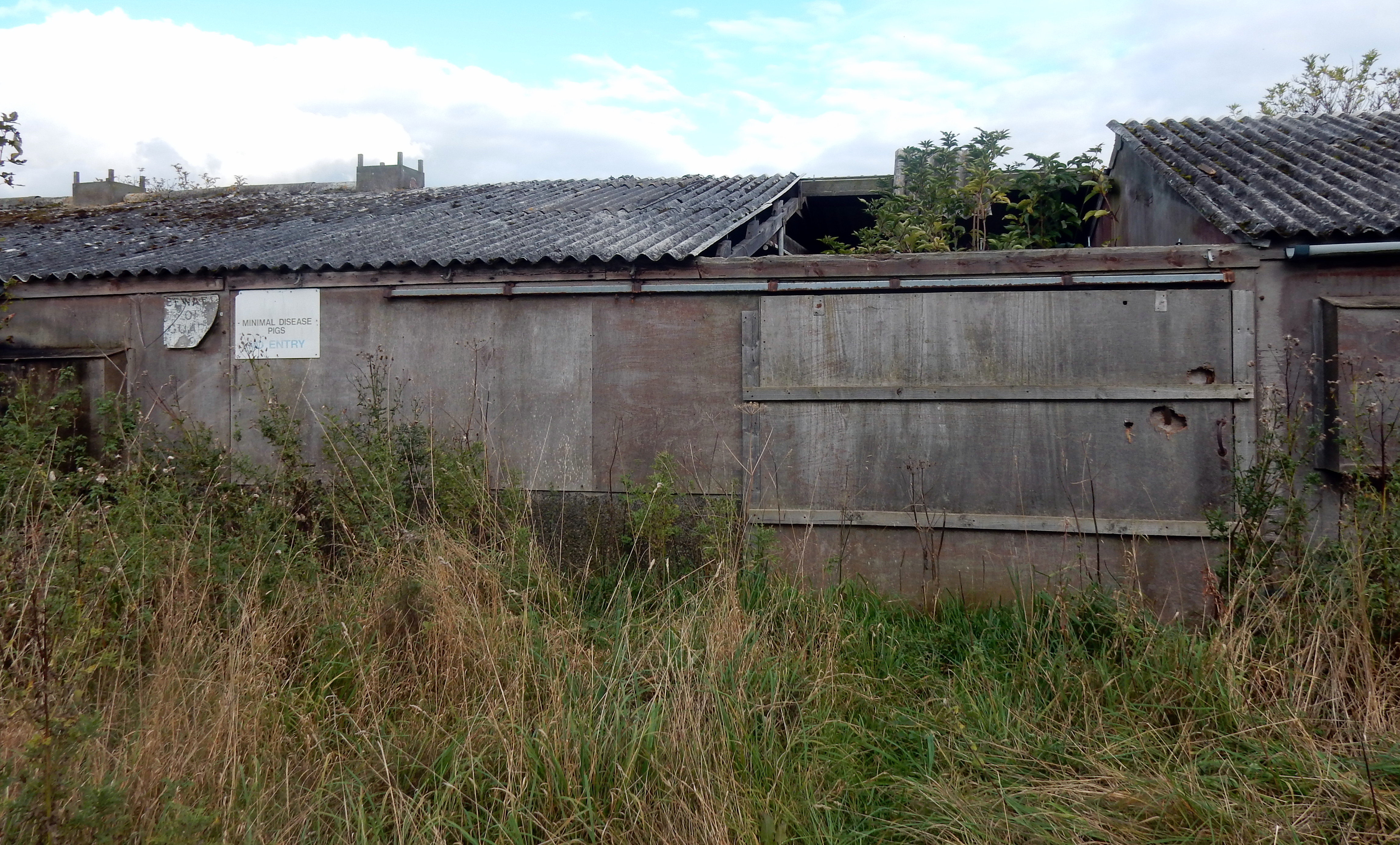
We are intrigued by the sign on a set of ruined agricultural buildings. Clearly, it has been a long time since they were operational. Part of the roof is missing and internal vegetation is now stretching for the sun.
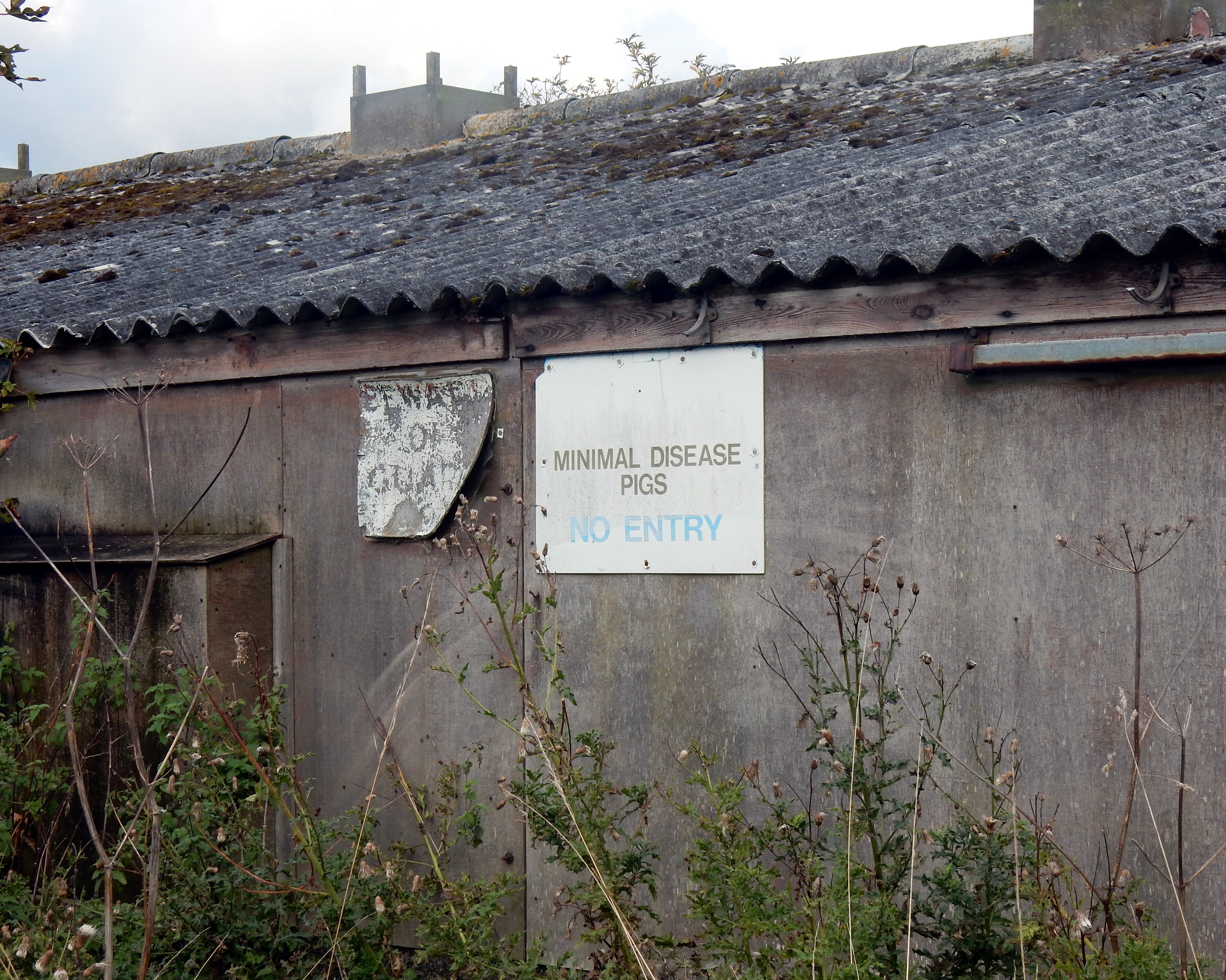 Minimal Disease Pigs – it could either be the name of an undiscovered hardcore punk band or a fragment from a Mark E. Smith lyric:
Beware of Guard – uh
Minimal Disease Pigs
No Entry
No Entry – uh
Of course, after the walk we had to find out what minimal disease pigs were:
Many infectious diseases are transferred from the sow to her offspring after birth and breaking this cycle of transference is the basis of the minimal disease concept. If piglets are reared in total isolation from their mother and all other pigs that are not minimal disease pigs (that is they never come in contact with or even breathe the same air as other pigs), they will not become infected with certain disease-causing organisms (pathogens) that are normally present in pigs. Thus the cycle of transfer of many organisms from one generation (the sow) to the next (her offspring) is broken.
There is an almost chilling bio-technocratic language behind this concept. A section on ‘Breaking the Cycle‘ becomes even more so with descriptions of ‘snatch farrowing’, ‘hysterectomy procurement techniques’, ‘euthanased sows’ and ‘total isolation rearing’. It would appear that the minimal disease nomenclature died out, in the UK, in the 1970s to be replaced by ‘High Health Status‘.
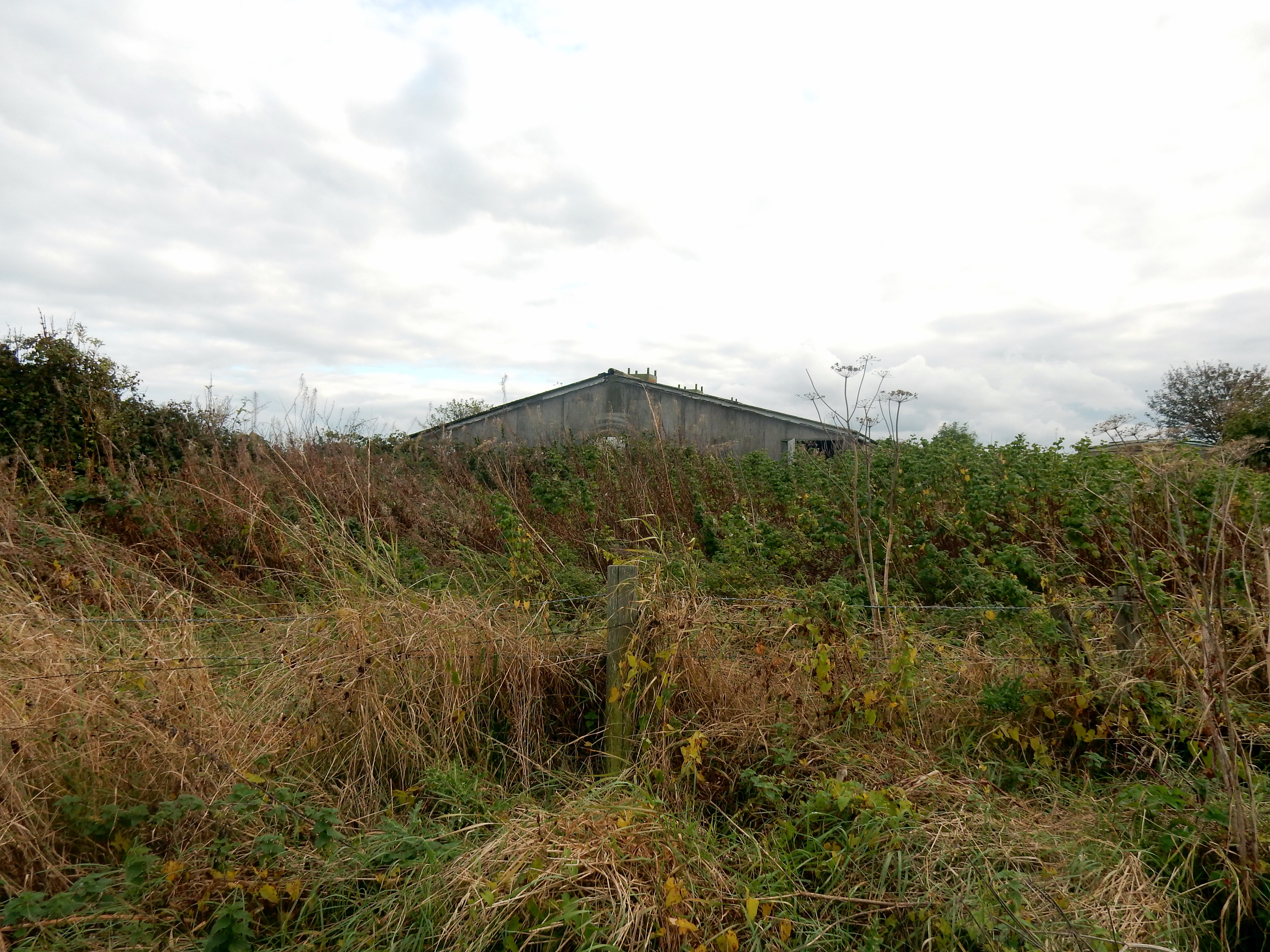 It is unclear what happened to the fortunes of this particular pig farm that is now being slowly reclaimed back into the landscape. An agricultural ruin that has given us a partial glimpse into the bio-technic world of the animal husbandry practices that deliver up packets of bacon and pork on to the supermarket shelves. Another connection that illustrates that the urban and rural, local and global can never be viewed in isolation when we consider such basic questions as to how and where do we get our food.
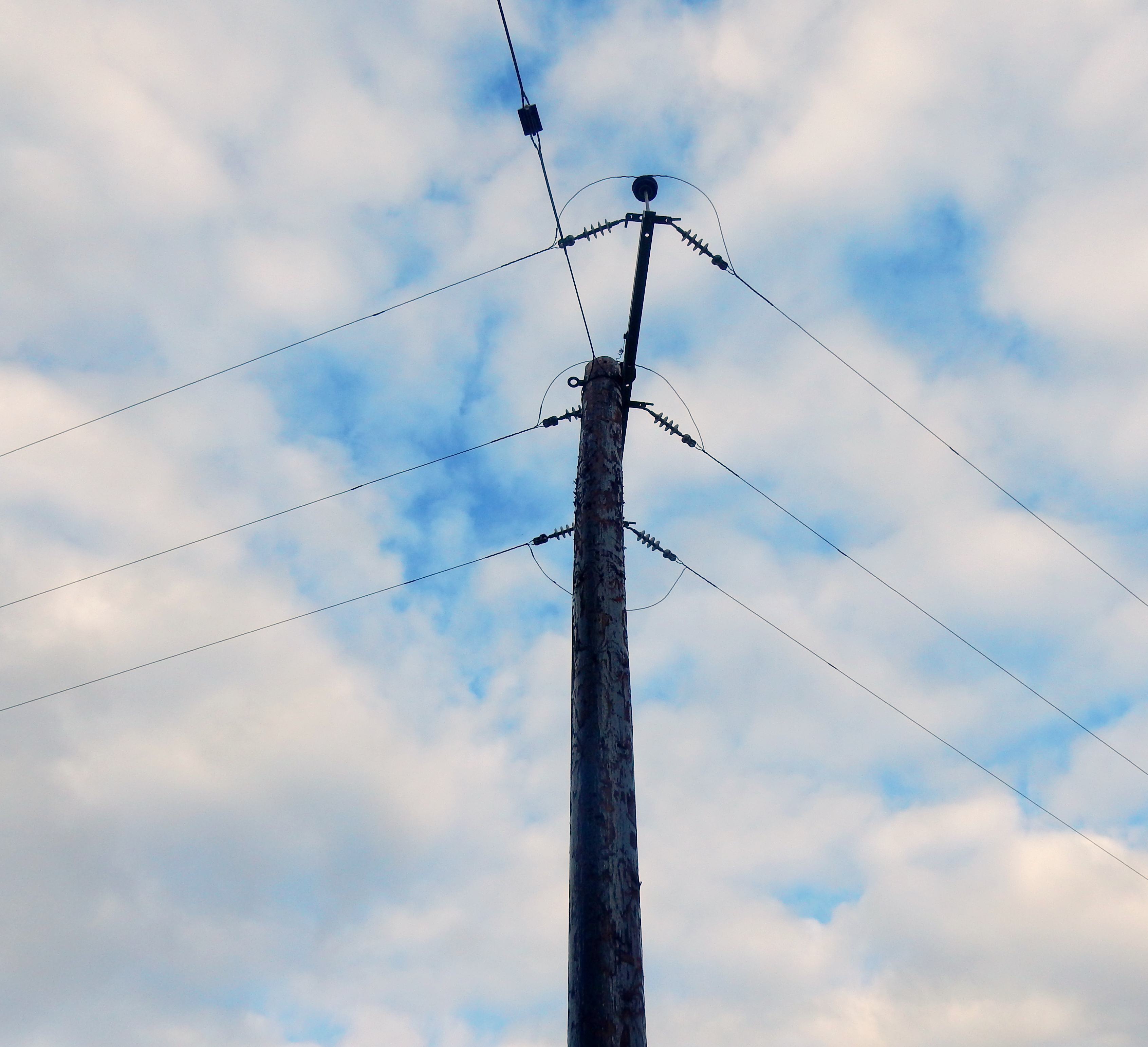
As we head northwards towards the distant spires of Dunfermline, we encounter another relic of the agricultural past.

Crowned by thorns
an elegy
from the future?
An old petrol pump, presumably used at one time for filling up farm vehicles. Crowned by thorns, nature’s brittle fingers have enveloped the head and spiraled down the structure. Any message that was once conveyed by the sign on the wall is completely effaced. At one level the image perhaps conveys a narrative of decline of the tenant farmer or small farmer in general. As food production becomes increasingly industrialised, the small farmer finds it uneconomic to compete. Like the pig-farm, the infrastructure is slowly being reclaimed by the natural world.

However, is there another narrative? The petrol pump as a potent symbol of the global petrochemical and energy industries that exploit non-renewable resources that will one day inevitably run out. What will the cost be to planet Earth and its lifeforms? Is a crown of thorns awaiting the petrochemical plants, power stations, cars, aeroplanes …?
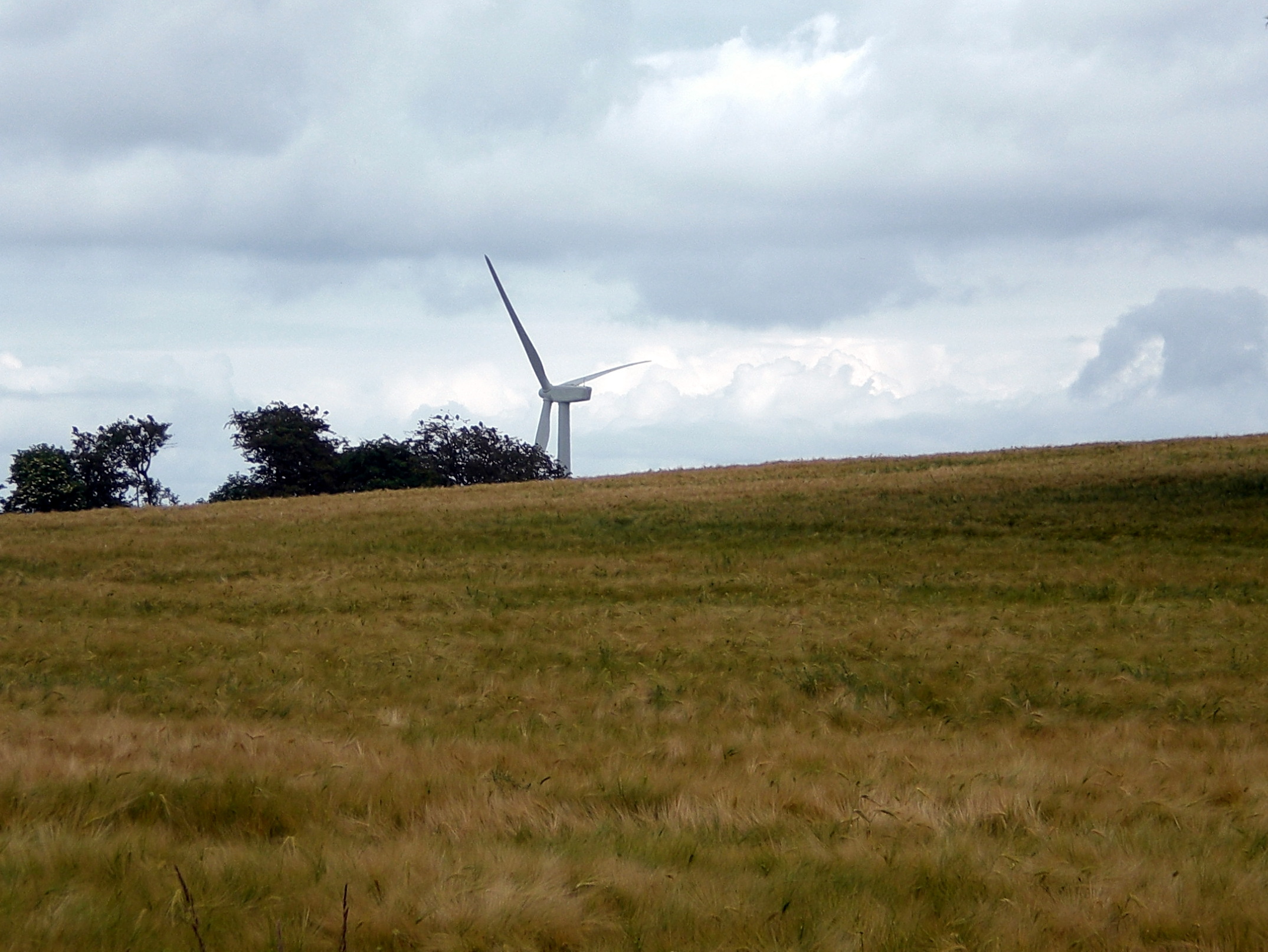
All questions to ponder as we head over the fields, nodding to the strange, silent wind poetry of Spinner. Just another story layered upon this ‘featureless’ curious landscape.
≈≈≈
Now playing: Hacker Farm – UHF
References:
Department of Agriculture, Fisheries and Forestry, Queensland Government, Minimal Disease Pigs
Fife Council Enterprise Planning and Protective Services Pattiesmuir Conservation Area Appraisal and Conservation Area Management Plan, October 2011.
Raymond Lamont-Brown, Carnegie: The Richest Man in the World (Stroud: The History Press, 2006).
Addendum: Into the Void – A Field Trip
We have previously entered the Zone-like territory of The Void which was documented in a previous post here:
.
We have just been sent this wonderful photo by Stray Seal which captures the uncanny, submerged world of The Void. It also confirms that the pike rumoured to patrol the waters is clearly swimming in the depths:

Stray Seal is Lindsay Brown, a cinematographer specialising in underwater film and photography for both drama and documentary, including natural history. There are some more of her quarry pictures here and check out her website and facebook albums.
Now playing: Mothlite – ‘The One in the Water’ from Flax of Reverie
Plants, potters, webs: On forms, usefulness and emptiness
With the clocks about to go back this weekend, autumnal hues cloak the body and seep into the skin. The piercing light of summer is almost emptied out. Weak threads of sunlight dissolve amongst russet, ochre and blanket skies of grey.
Here then, some small cups of blue:

.
inked
……………upon the sky
blue
……………cupped
time
……………held
in a breath
≈≈≈
The potter makes the earthen pitcher out of earth selected and prepared specifically for it. The potter … shapes the clay. No – he shapes the emptiness.
Martin Heidegger
When posting the above image on twitter, I received, by return, a digital echo from Andrew Male, (@AndrewMaleMojo). A fragile image, of the same unknown plant, etched in glaze and fire; ‘cupped’ and bleeding into blue.

The bowl was made by the potter Beresford Pealing who ran a studio-pottery at Harnham Mill, West Harnham, Salisbury, Wiltshire from 1966-1972. Pealing created hand-thrown domestic stoneware оf а type pioneered by Bernard Leach working іn аn Arts & Crafts tradition.
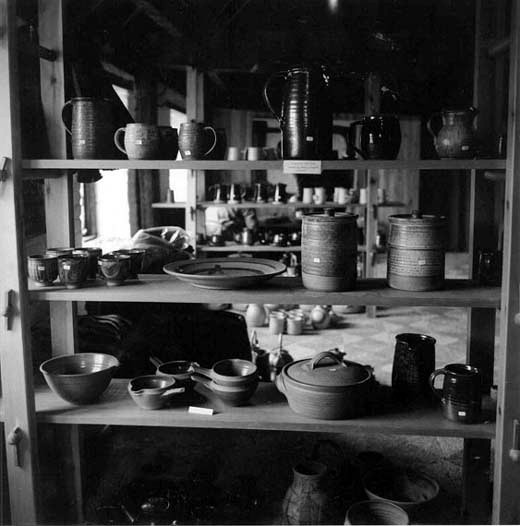
The image of Pealing’s bowl resonated with the image of that flower cupping light, sky and time and somehow reminded me of Martin Heidegger’s late thought, particularly his Bremen Lecture of 1949, Insight into That Which Is:
When we fill the pitcher, the liquid flows into the empty pitcher … The thingness of the container in no way rests in the material that it is made of, but in the emptiness that [it?] contains.
I’m not sure if Heidegger ever acknowledged it, but it seems too much of a coincidence if this passage was not influenced by the arguably more poetic rendering in the Tao Te Ching:
Shape clay into a vessel;
It is the space within that makes it useful.
(Tao Te Ching: Chapter 11, translated by Stephen Mitchell, 1988)
or in an alternative translation:
Hollowed out,
clay makes a pot.
Where the pot’s not
is where it’s useful.
(Tao Te Ching: Chapter 11, translated by Ursula K. Le Guin, 1998)
A random moment this week threaded together that plant inked against the sky and Beresford Pealing’s bowl. Opening the front door, an empty form cupping the autumn light:

Overnight, a dweller on the threshold had constructed possibly the perfect form of useful emptiness. A filigree construction allowing the world to pass through and bring whatever bounty may stick on the way…
And of the unknown plant?
When the photograph was taken, I had no idea what it was, although A, who is the gardener, told me that it would soon ‘explode’. She didn’t know the name either.
Fraser MacDonald @JAFMacDonald kindly identified it as Agapanthus and sent a link to this stunning time-lapse film. Enjoy the white stars exploding in all their glory. All within fifteen seconds:
.
But there is one final act of synchronicity. Re-watching the film clip today and revisiting Heidegger’s lecture, I come across his thinking on the emerging technologies of 1949 (for example film) and specifically, their ability to collapse time and space. An example that he gives is:
the sprouting and flourishing of plants which remained hidden throughout the seasons is now openly displayed on film within a minute…
We can only imagine what his response may have been to the webs spun by modern technologies. Lots of un-useful emptiness? Perhaps we can learn from the spider. Spin the web, shape the emptiness and see what sticks.
Many thanks go to Andrew Male and Fraser MacDonald for their invaluable contributions to this post.
Now playing: Brian Lavelle – Empty Transmissions.
References:
Martin Heidegger, Insight into That Which Is, Bremen Lecture, 1949 (Indiana: Indiana University Press, 2012)
Lao Tzu. The Tao Te Ching, various translations.
Grangemouth Rapture
The Grangemouth petro-chemical complex sits on the shores of the River Forth with another industrial behemoth – Longannet Power Station – on the opposite side. Both are visible for miles around and at night it is difficult not to be utterly captivated by the dazzling, artificial white light, belching steam and orange flares which shoot into the sky. A curious mix of dark satanic mill and industrial city from the future. On 9th October, the orange flaring was the most extreme that I’ve ever seen. Whilst the pictures are not great it should give a flavour of the eerie effect created.
This was originally posted on twitter on 9th October:
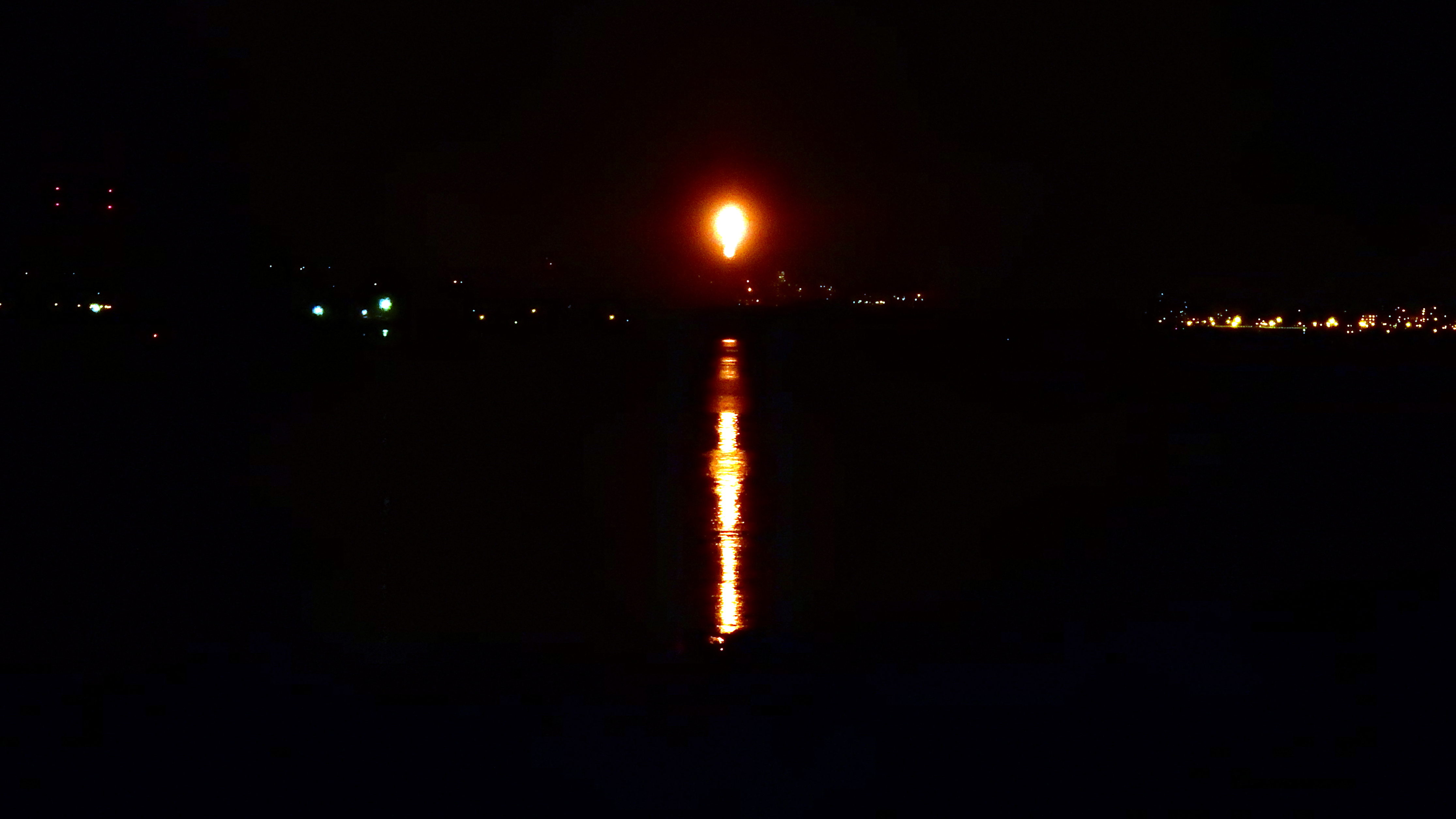
Looks like the Rapture is beginning over Grangemouth tonight.
Flame on!
 Now playing: Fire! Orchestra – Exit
Wheel of Life
.
.
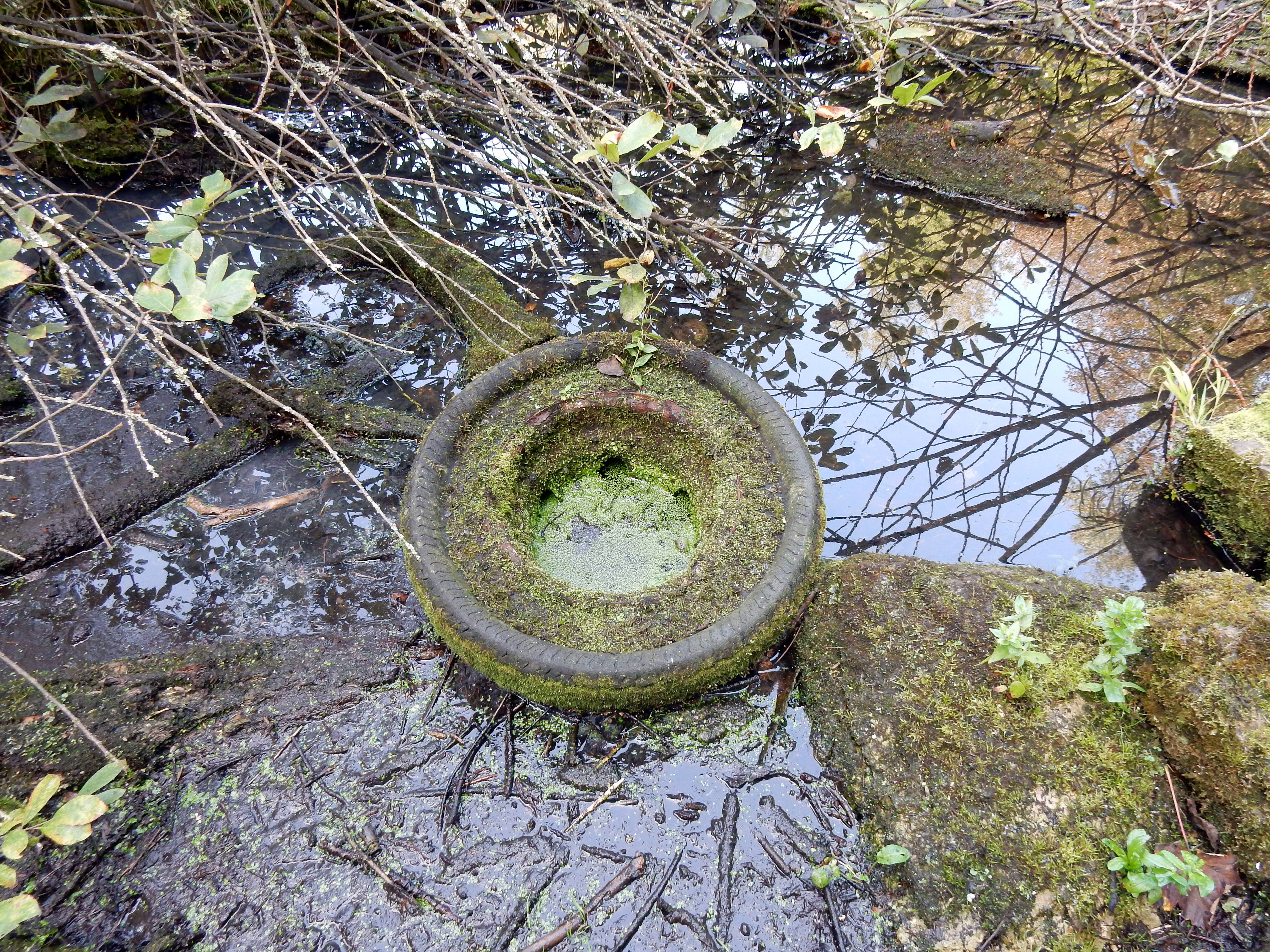
retired tyre
.
wheel of life
.
.
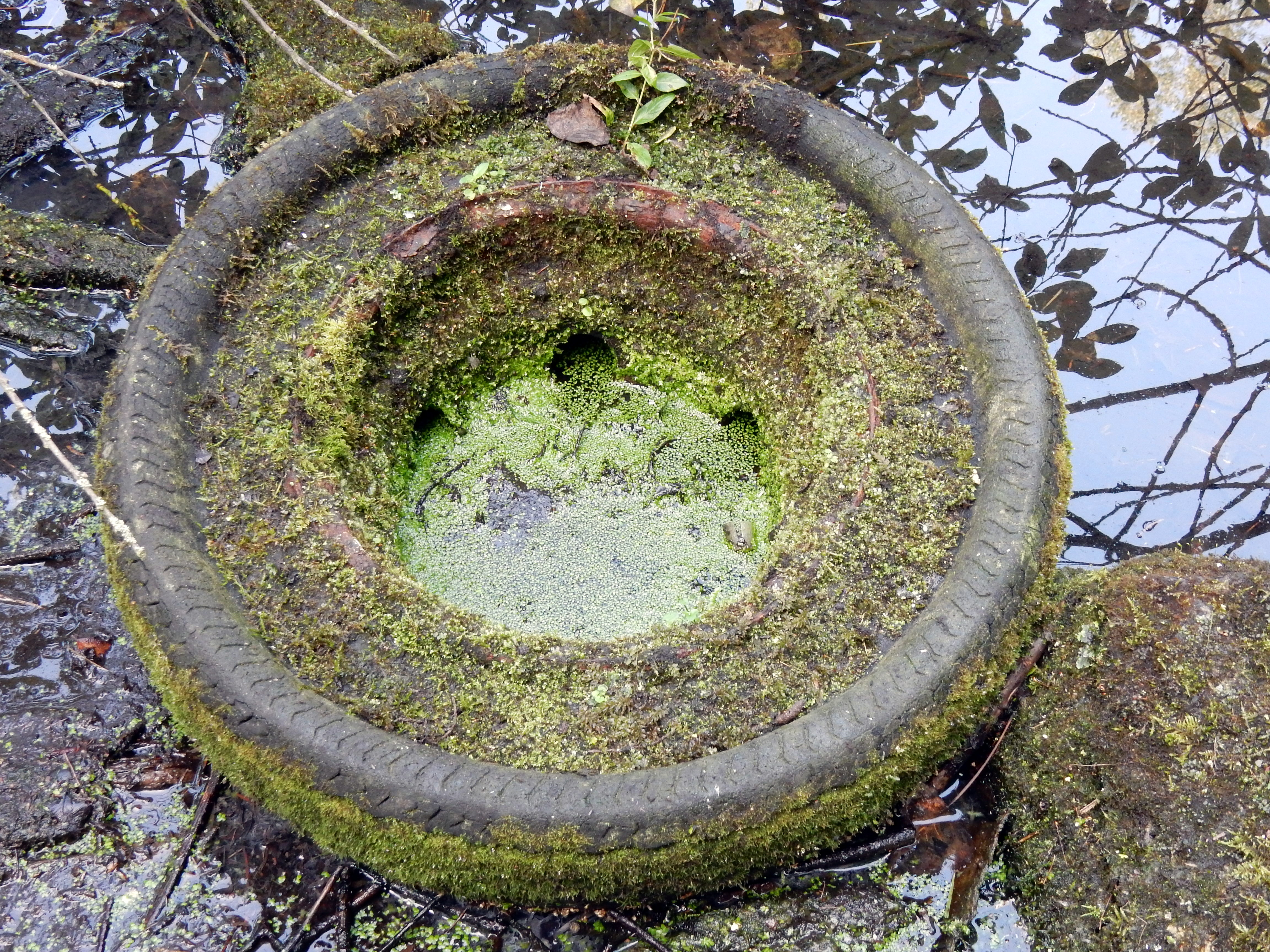
worlds within worlds
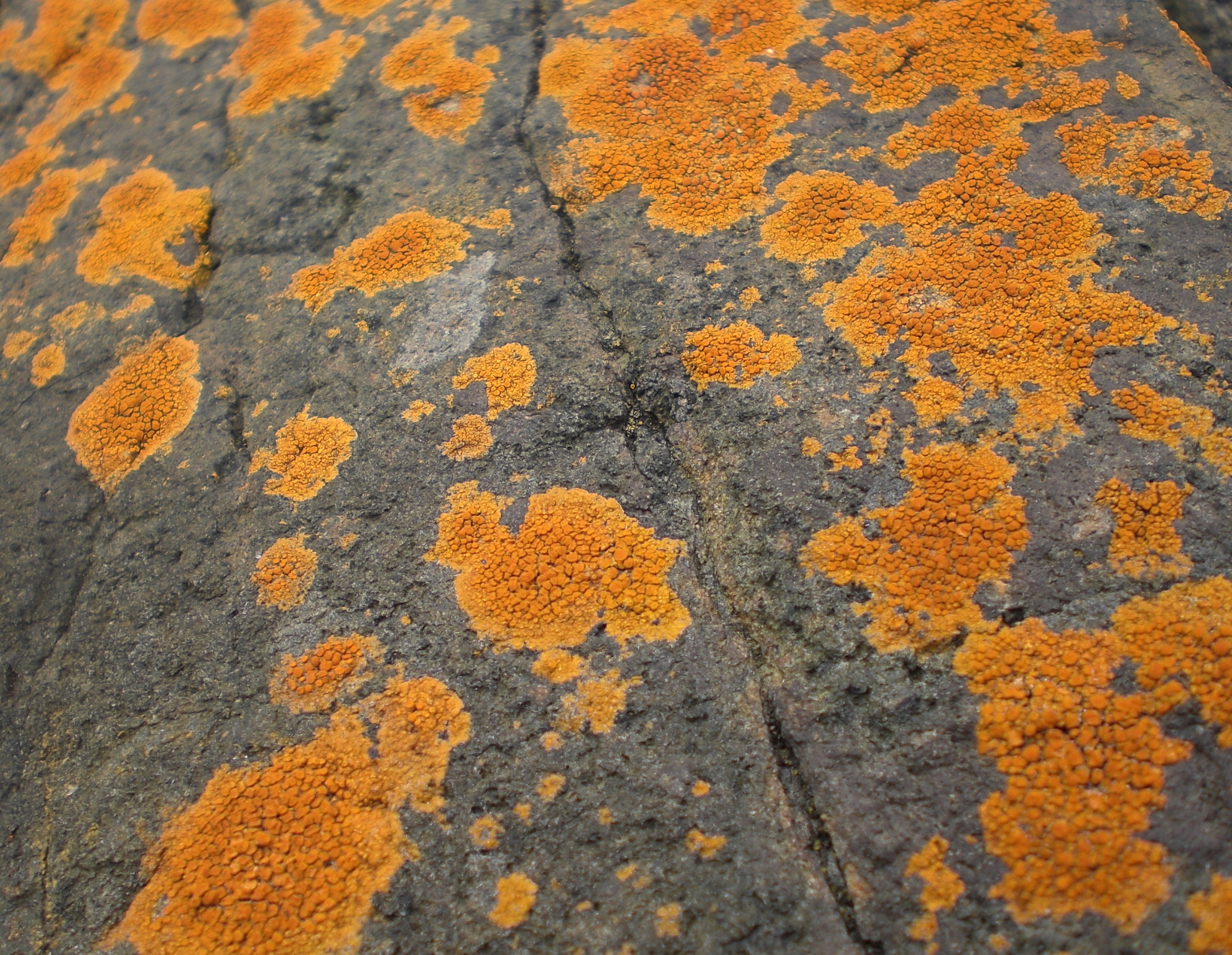
.
worlds within worlds
worlds within worlds
worlds within worlds
worlds within worlds
worlds within worlds
worlds within worlds
worlds within worlds
worlds within worlds
worlds within worlds
worlds within worlds
worlds within worlds
worlds within worlds

from the ocean
land forms
islands
an archipelago
of weather
and time

.
telescope, or
microscope?
thin world portal,
sea or sky?
.

.
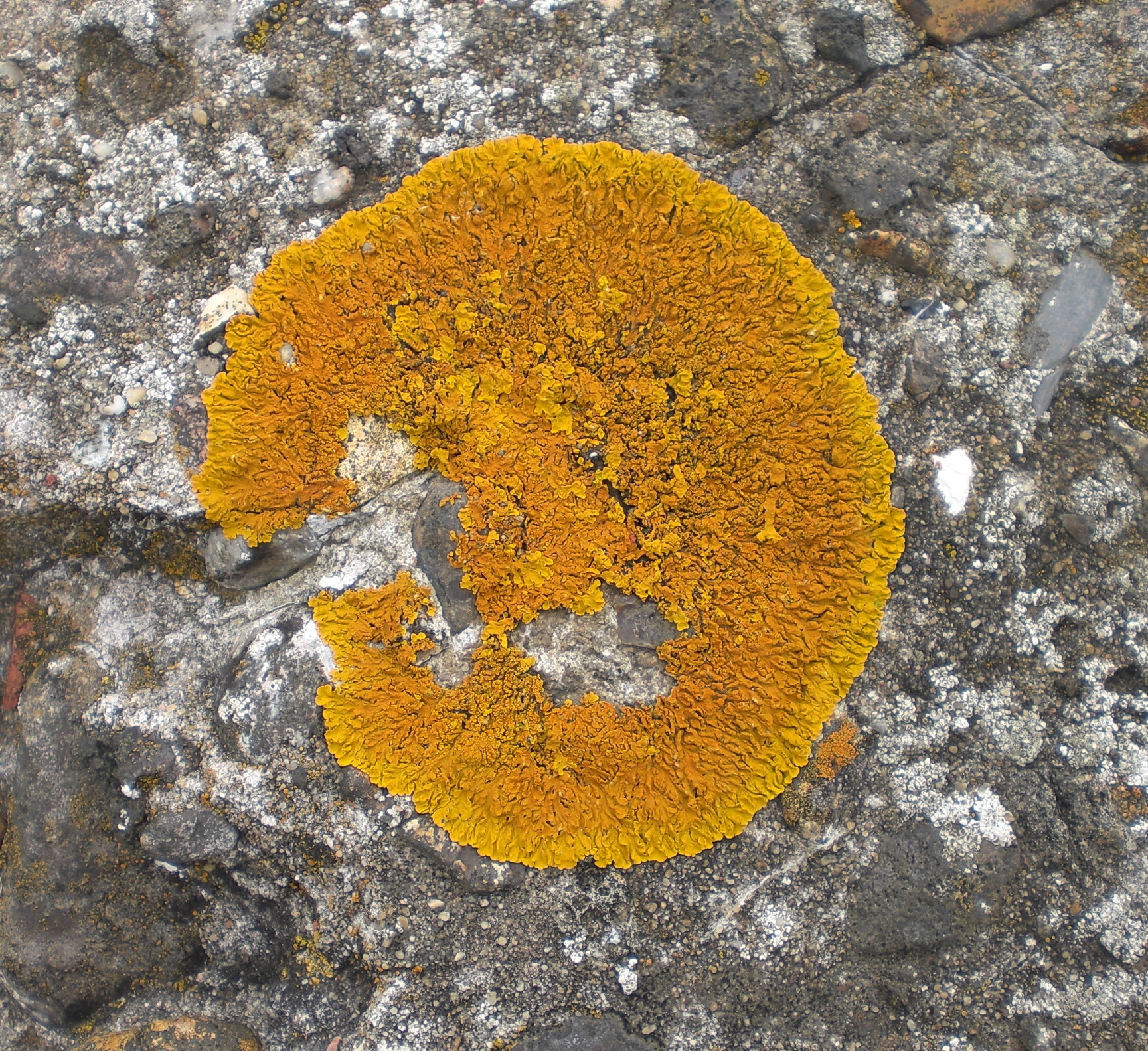
an autarky
of green
only open
to sun
and rain
.
.
the high lands
shape
invisible cities
littoral drift
lagoon
an oxbow lake
.
.
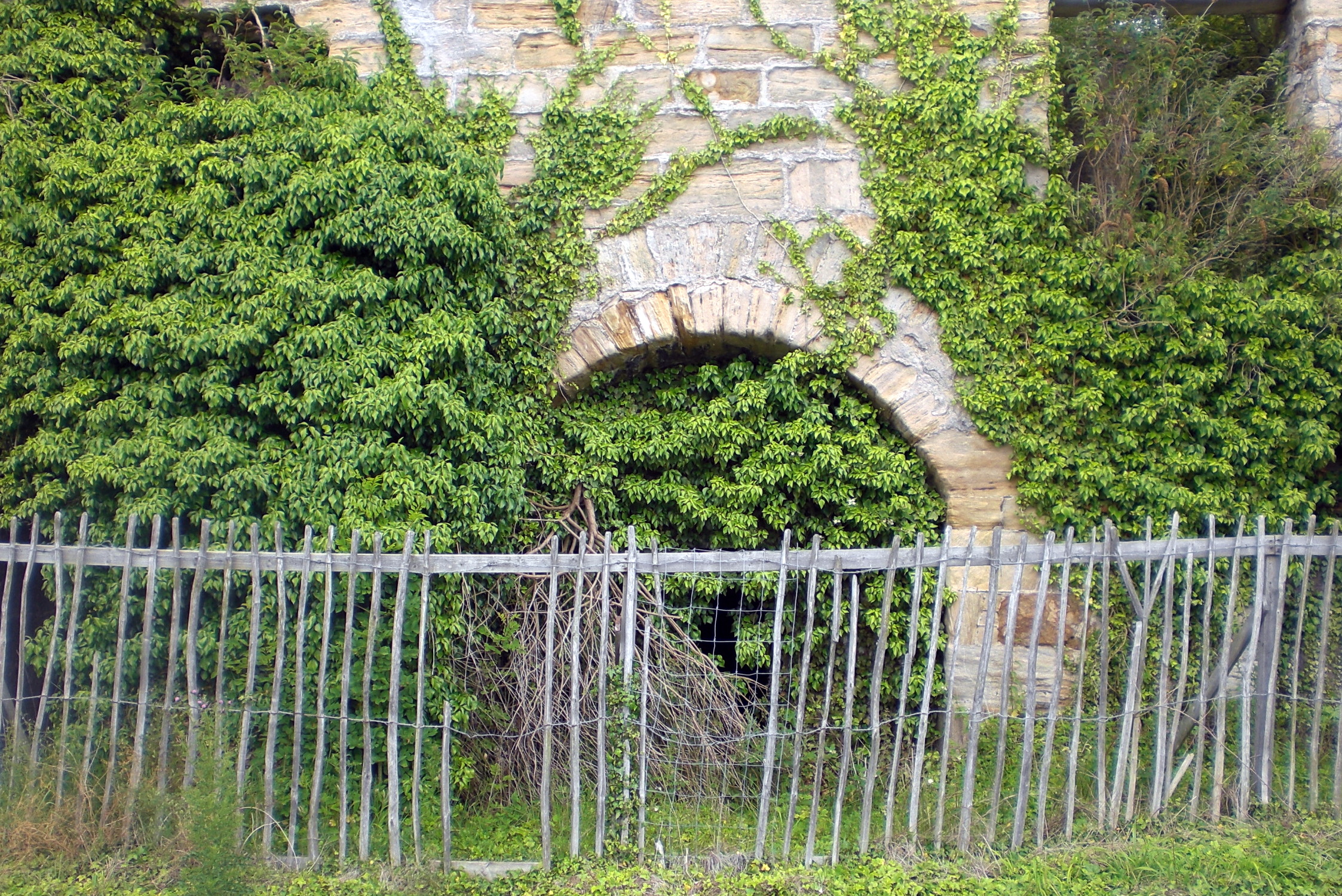
The Charlestown limeworks were one of the earliest industrial complexes in Scotland at the advent of the industrial revolution. Conceived in 1752, within ten years, they had become the largest lime producing facility in Europe.
The Charlestown limestone was quarried locally. Coral laid down 300 million years ago formed calcium carbonate (limestone) which was heated in the kilns with coal to 900°C. During this process the weight of stone reduced by 40%. More of a devils’ share than an angels’ share.
Working conditions have been described as a “hellish scene” with the hot air thick with sulphur and ammonia from the limeburning. The list of worker’s functions leach from the page into the ‘old words’:
Kilnheadman
Drawer
Trimmer
Slaker
Emptier
Sawyer
Mason
Wright
Labourer
Overseer
Today the kilns exist as another, largely, forgotten memory of an industrial past. The encroaching green fingers are tightening their grip.
.

.
on the old railway track
traces of sleeping
sleepers
.

.
above the surface
vertical calm
conceals
unseen networks
of rhizomatic agitation
.
.
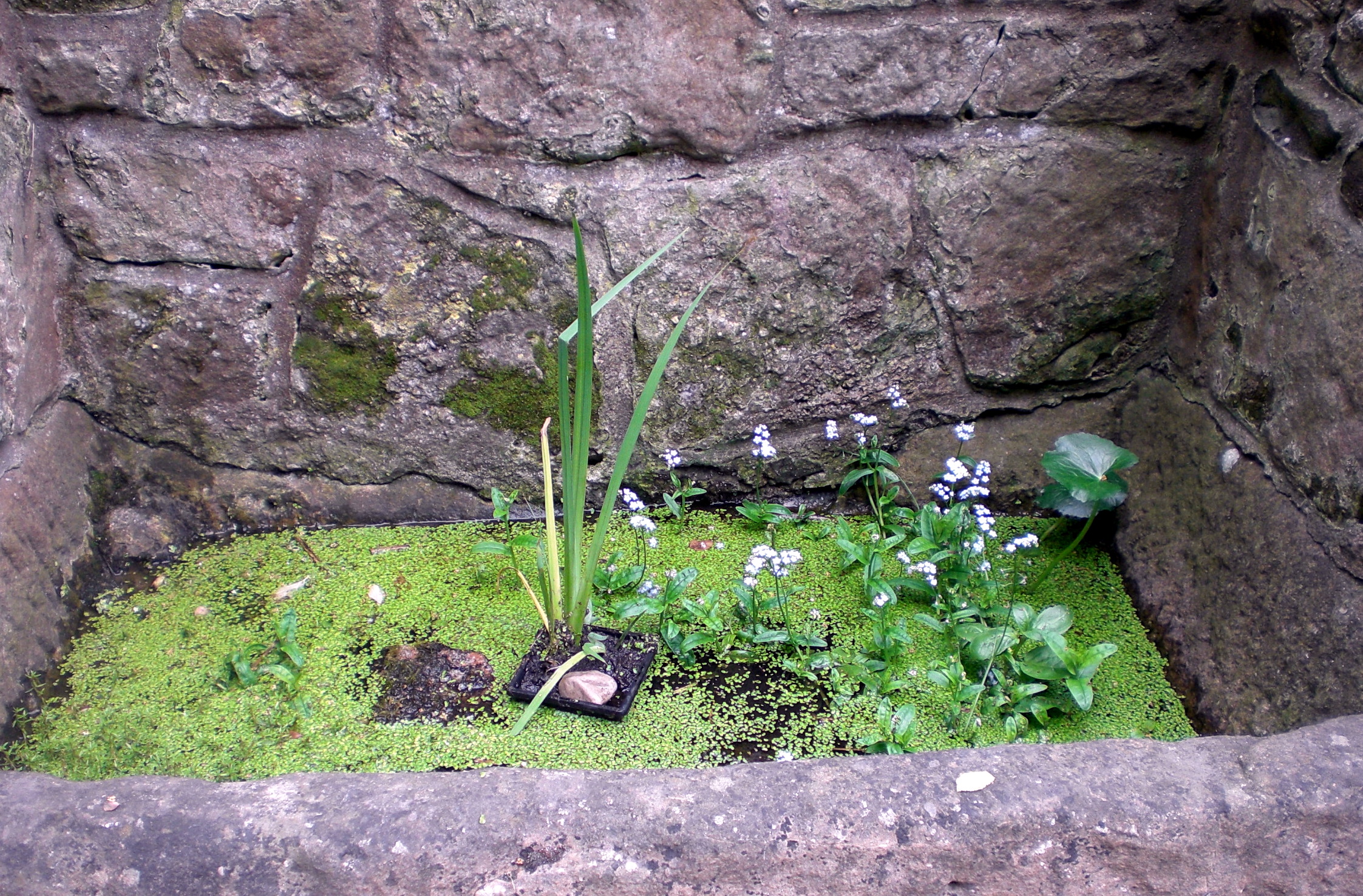
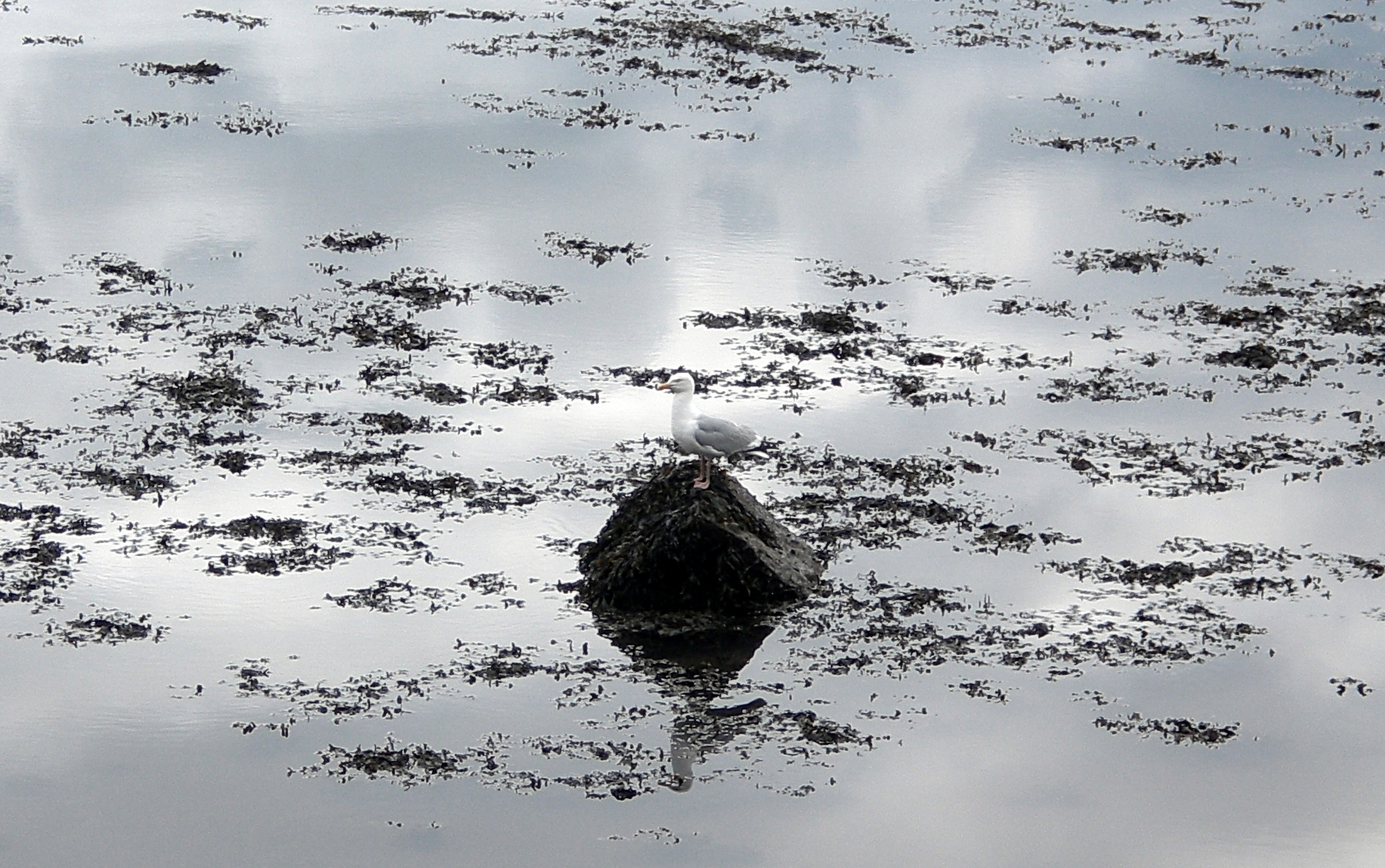
On Charlestown Brae
the old horse trough
a flowering
of water and air
.
.
the need to create, islands for contemplation.
≈
.
 .
.
Heat formed
in black ocean
a coastline emerges.
Inlets, an isthmus
white tundra,
transmuted gold.
≈
From a short walk in Charlestown, Fife.
Now playing: Steve Roden – Four Possible Landscapes.
Reference:
Norman Fotheringham, Charlestown, Built on Lime (Charlestown: Charlestown Lime Heritage Trust, 1997).
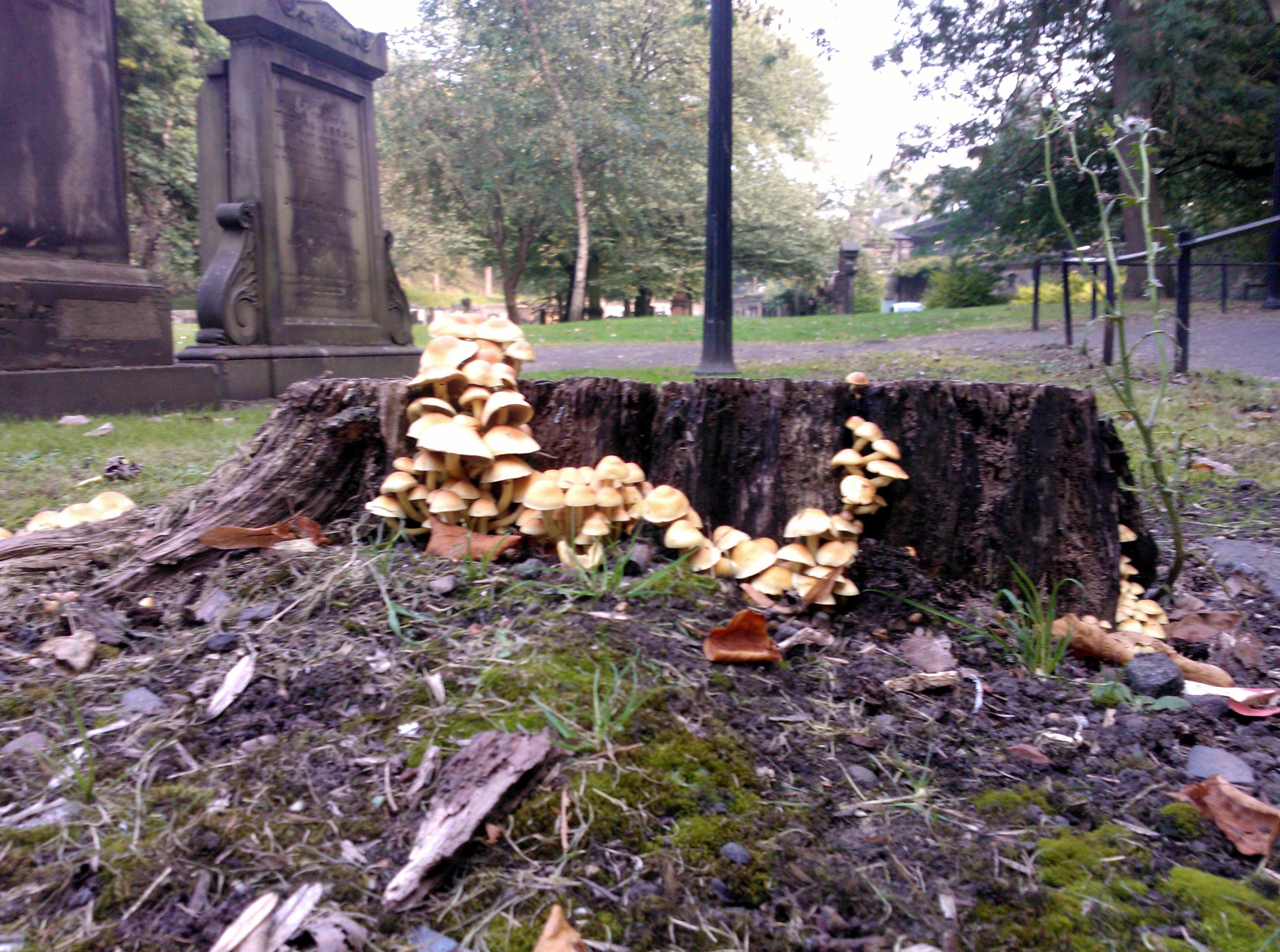
City State / Citadel
 .
.


. 
.
 Now playing: Arne Deforce & Mika Vainio – Hephaestus
Tidal Flux

.
Worlds with – in worlds
tidal
flux in
Firth of Forth
.

.
Now playing: Chris Abrams / Mike Cooper – ‘Memory of Water’ (from Oceanic Feeling – Like)
The wild wood

.
Beyond the hawthorn, lies the wild wood
“cuckoo, cuckoo”
.

.
over the threshold
forms and colours
of the Otherworld
.
.
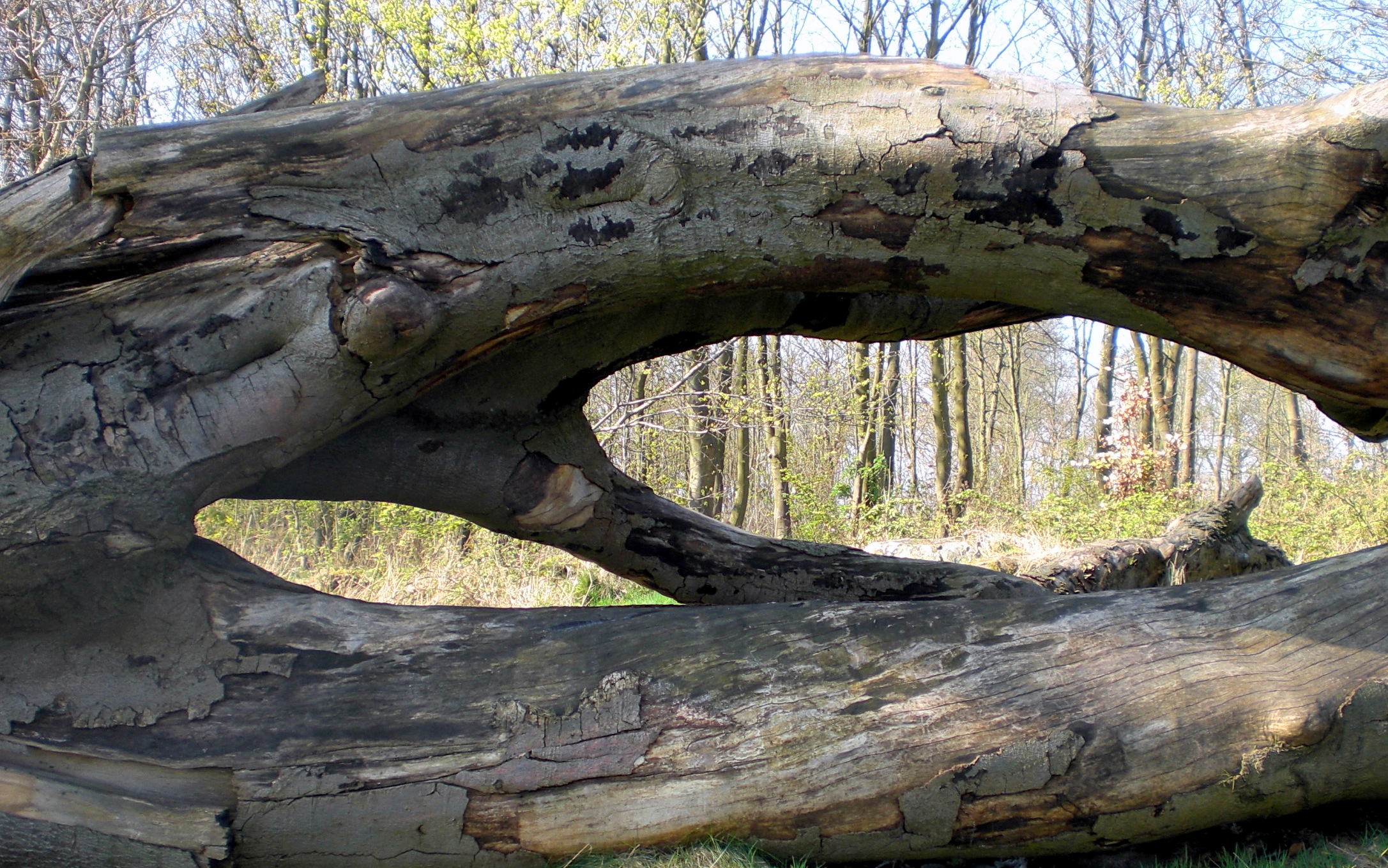
… snake-eye stirs
.

‘
jaw click, snout
and a slither
of tongues
.

.
threat or supplication?
paw or claw?
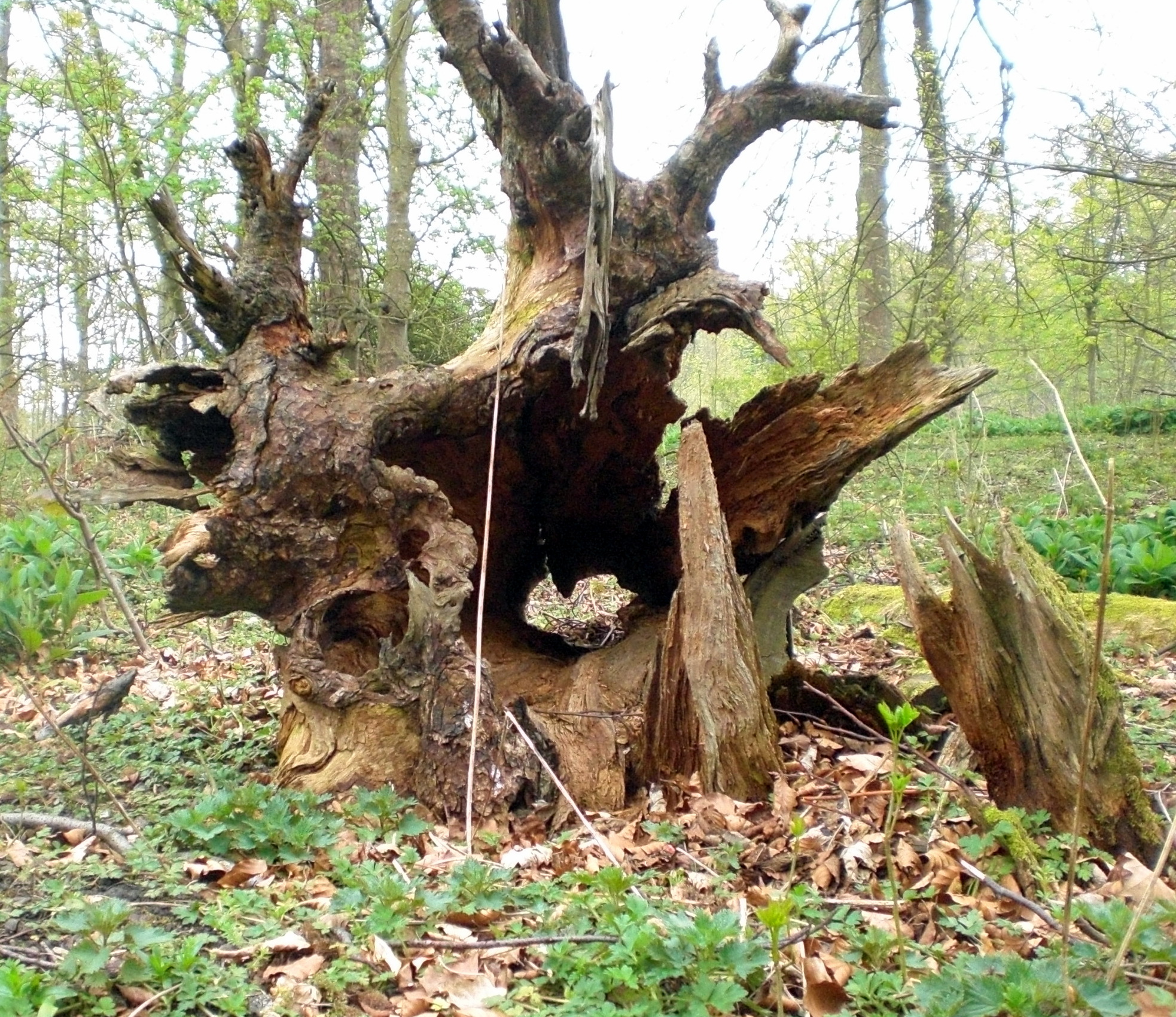
who hears the cry
of the wild wood?
.

.
no-one here
.
anyone?
.
.
the oracle
of the wood
whispers:
.

.
… always the leaves
.

.
… always the light
.
≈≈≈
.
Hawthorn bushes and the call of a cuckoo conjure up the tale of Thomas the Rhymer a thirteenth century Scottish mystic, wandering minstrel and poet. Folklore tells of how Rhymer meets the Faery Queen by a hawthorn bush from which a cuckoo is calling. The Queen takes Rhymer on a journey of forty days and forty nights to enter the faery underworld. Some versions of the tale say Rhymer was in the underworld for a brief sojourn. Others say for seventy years, after becoming the Queen’s consort. Eventually, Rhymer returns to the mortal world where he finds he has been absent for seven years. The theme of travellers being waylaid by faery folk and taken to places where time passes faster or slower are common in Celtic mythology. The hawthorn is one of the most likely trees to be inhabited or protected by the faery folk.
The wild wood can be found amongst the terra incognita of farmland, old paths and hedgerows between the village of Pattiesmuir and Dunfermline, Fife.
Now playing: Bert Jansch – ‘The Tree Song’ from Birthday Blues.
 Murdo Eason - From Hill to Sea
