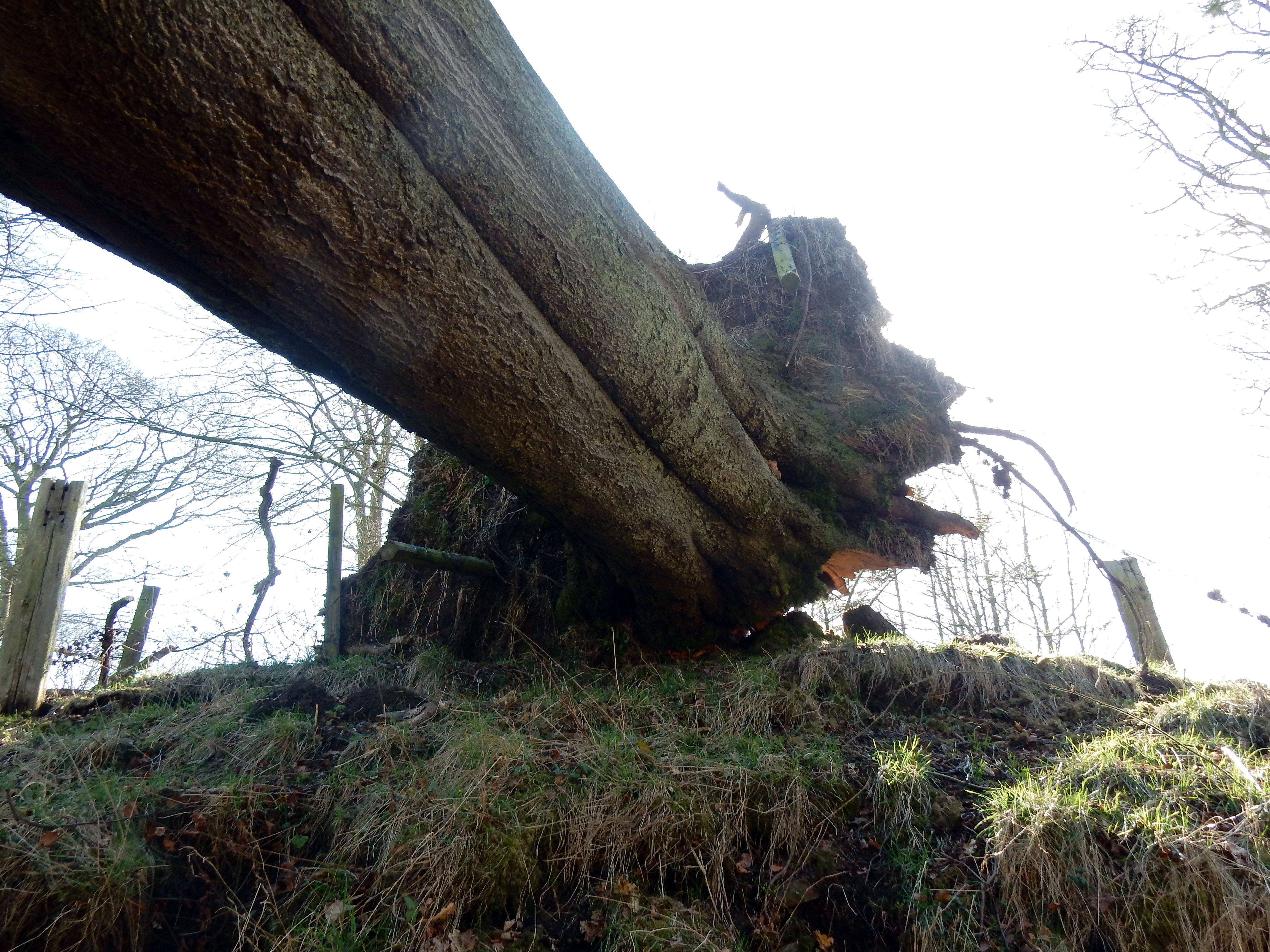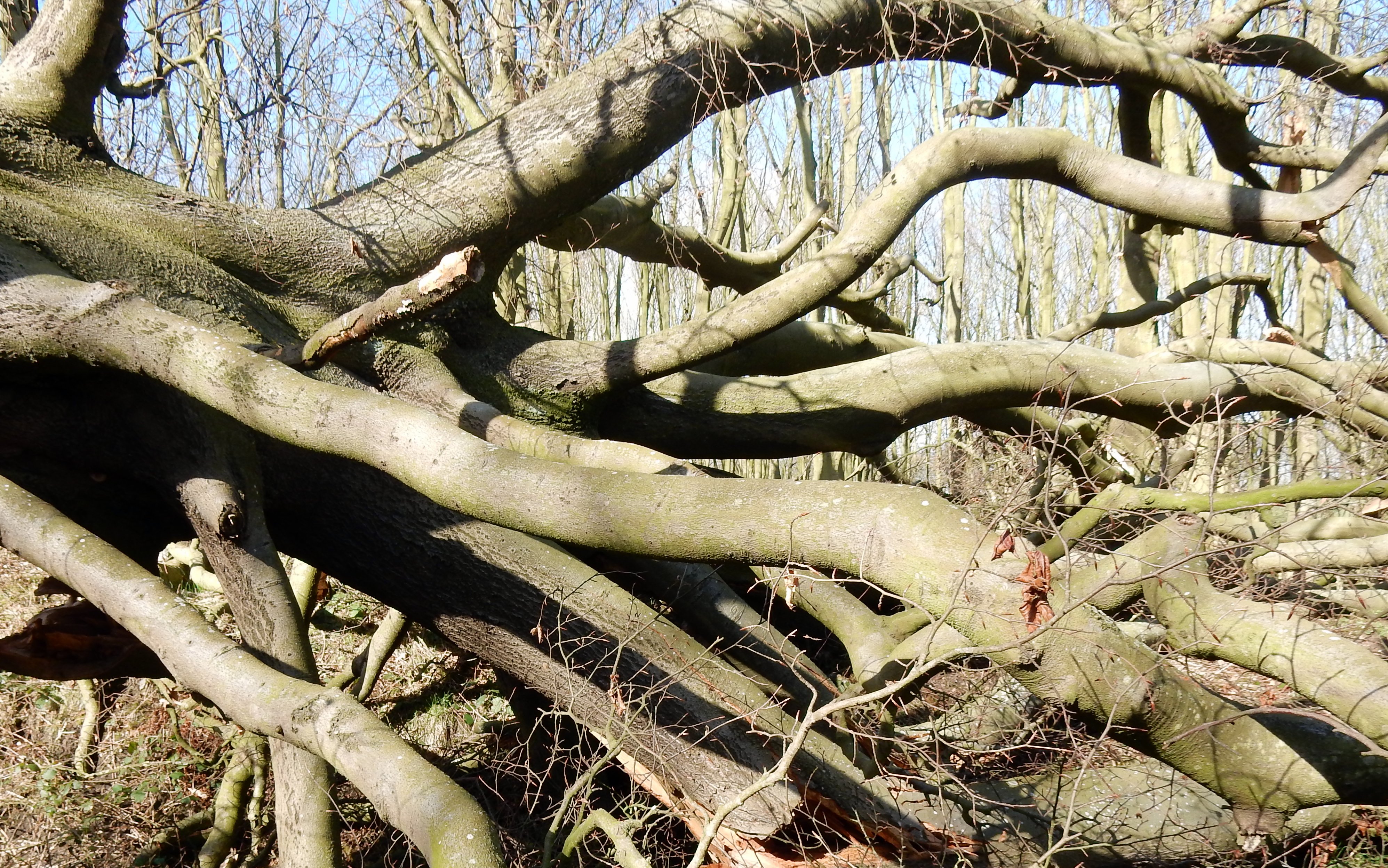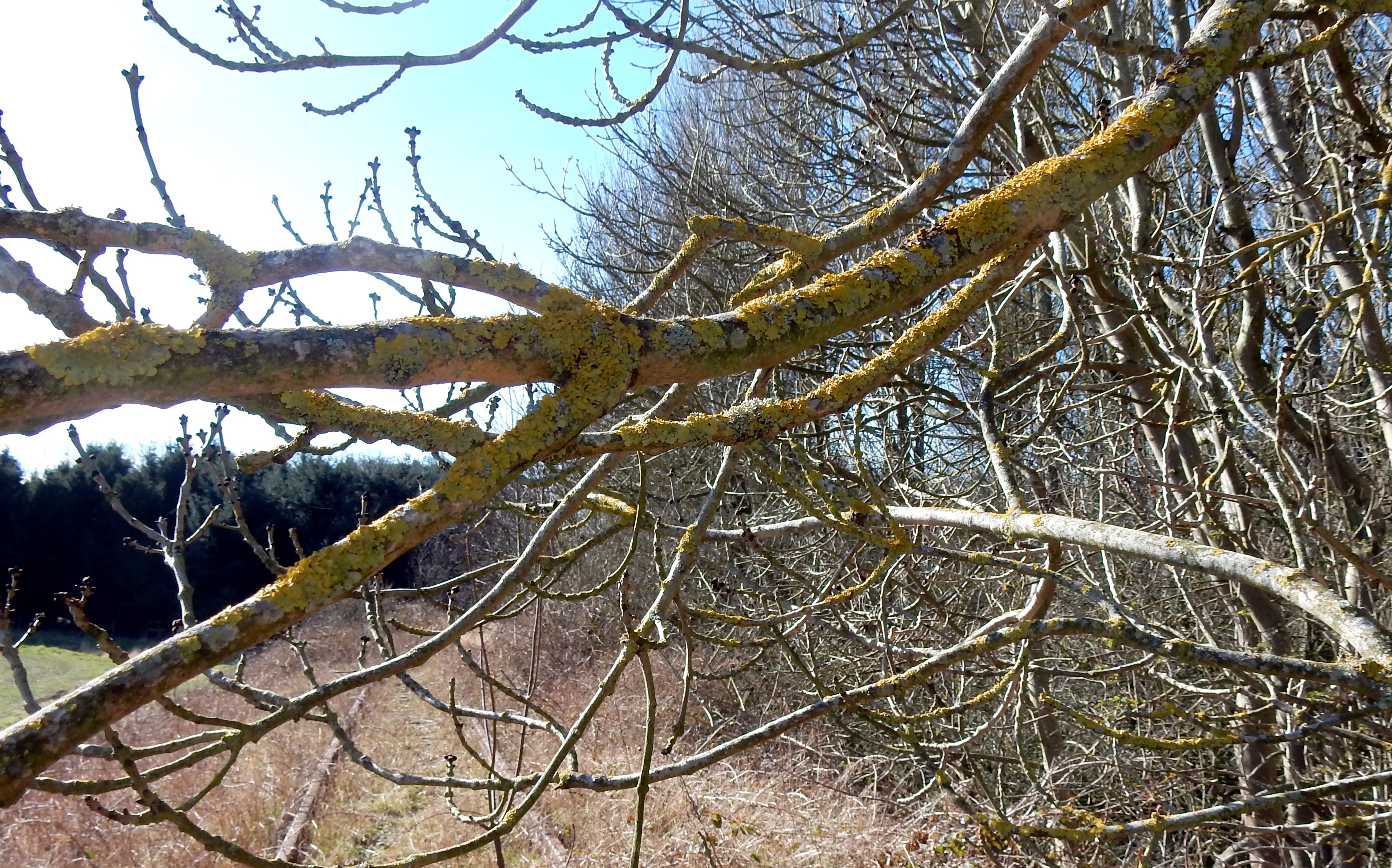
10 x Time Placed Sketches

I

DSCN1010

.

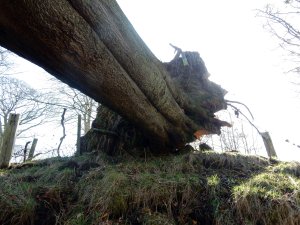
Under a silent sky

the breathing forest.

Walk in

.

Devilla Forest, Fife.

.

II

DSCN1036

.

Another shadow

of time passes.

Seasons come

seasons go.

.

DSCN1038

DSCN1035

.
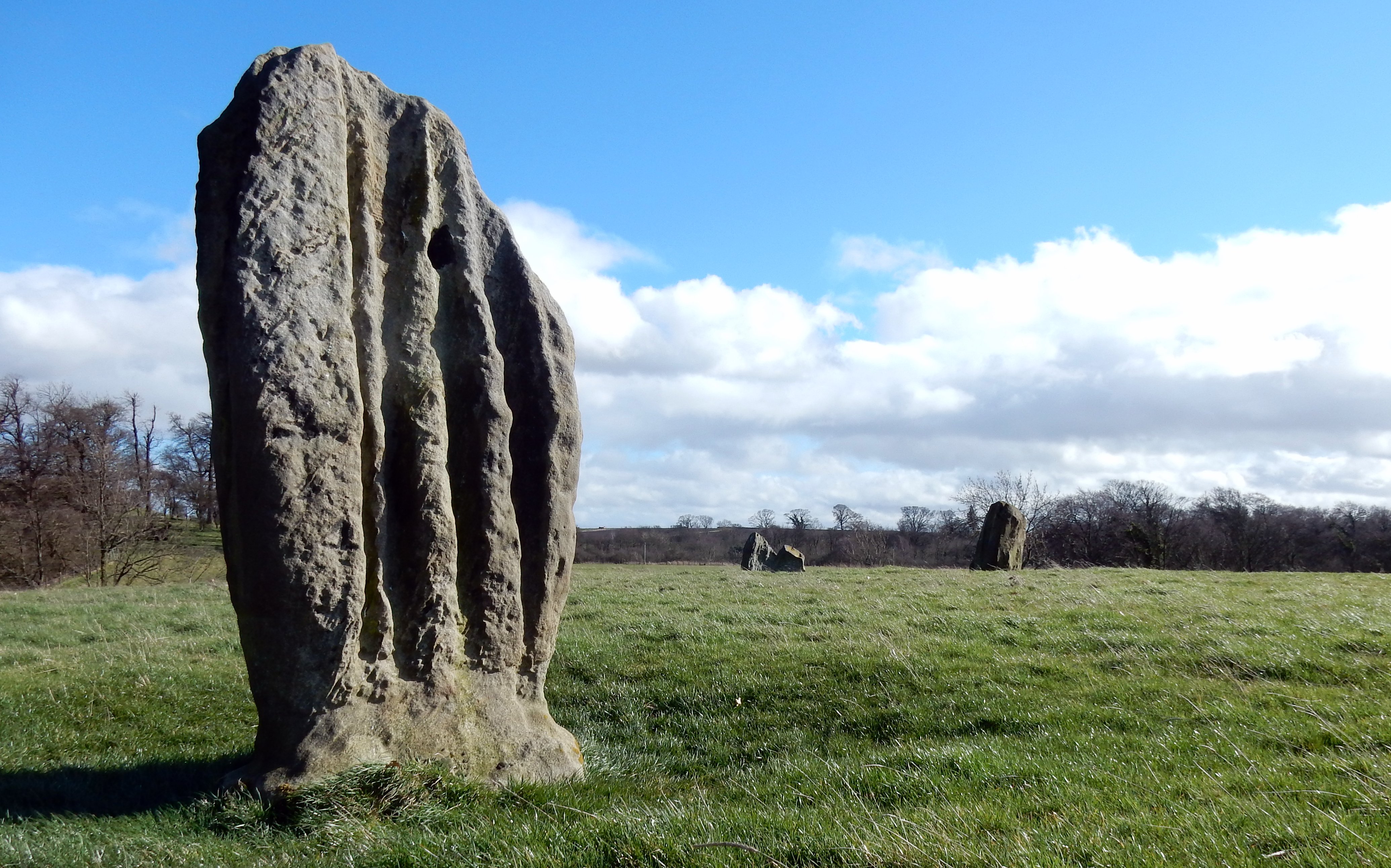
Tuilyies standing stones (Bronze Age). Near Torryburn, Fife.

.

III

DSCN1160

.

Ephemeral time:

a dragon’s breath

blown across

the sky?

.

IV

WP_000885

.

WP_000887

.

“Time Cuts Down all

Both Great and Small”

.

WP_000882

.

Anticipated time

never arrives.

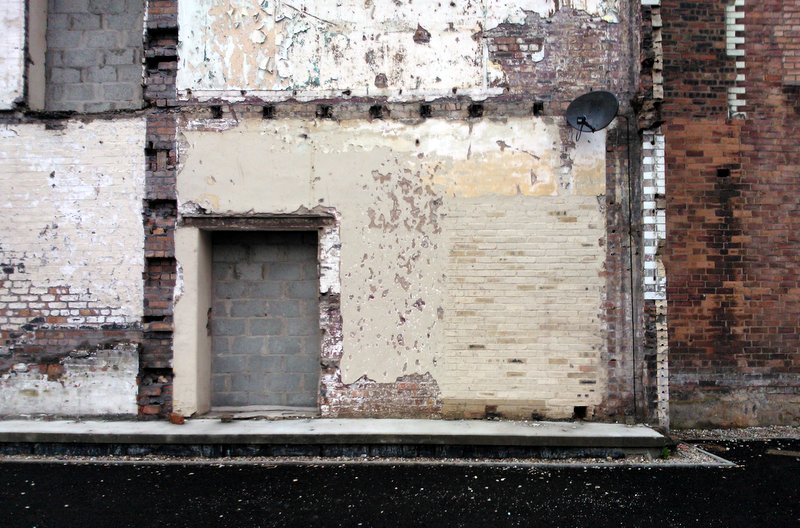
2 ROOMS available

1 taken, 1850.

.

Dunfermline Abbey Churchyard, Dunfermline, Fife.

.

V

WP_000907

.

Only traces of

thresholds passed

time closed

arrested flows

.

Merchant City, Glasgow.

.

VI

DSCN1070

.

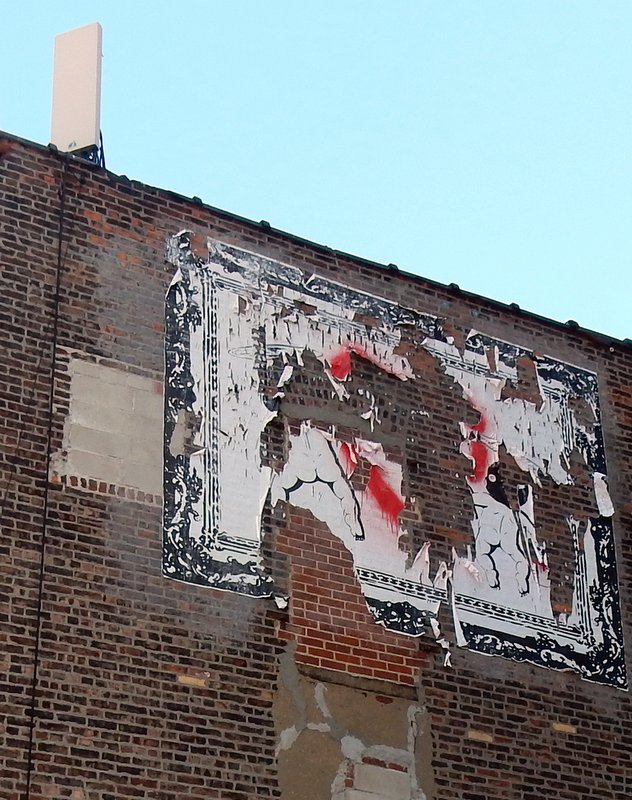
Disruptive time

tears the tongue

of Ouroboros

.

New York City

.

VII

DSCN1145

.

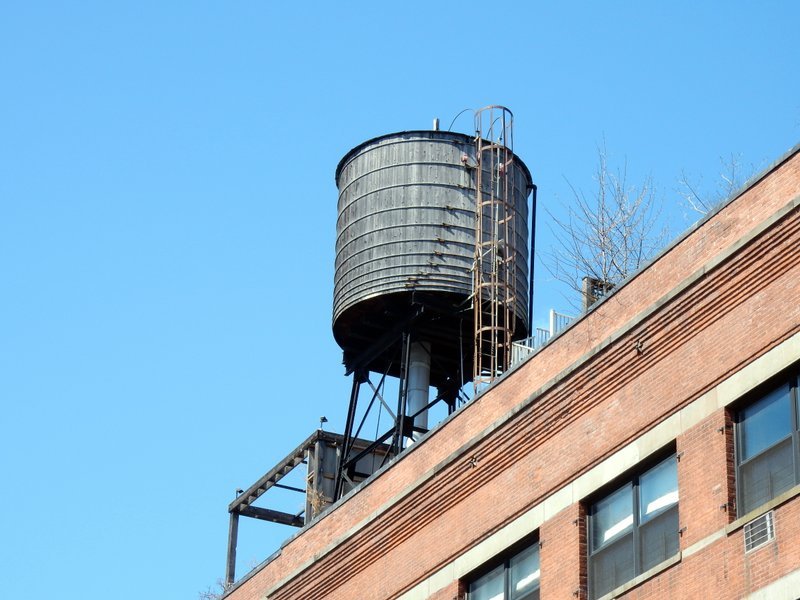
Wood and water

time stored flows

.

DSCN1067

.

Storage vessels

of city dreaming?

.

New York City

.

VIII

DSCN1148

.

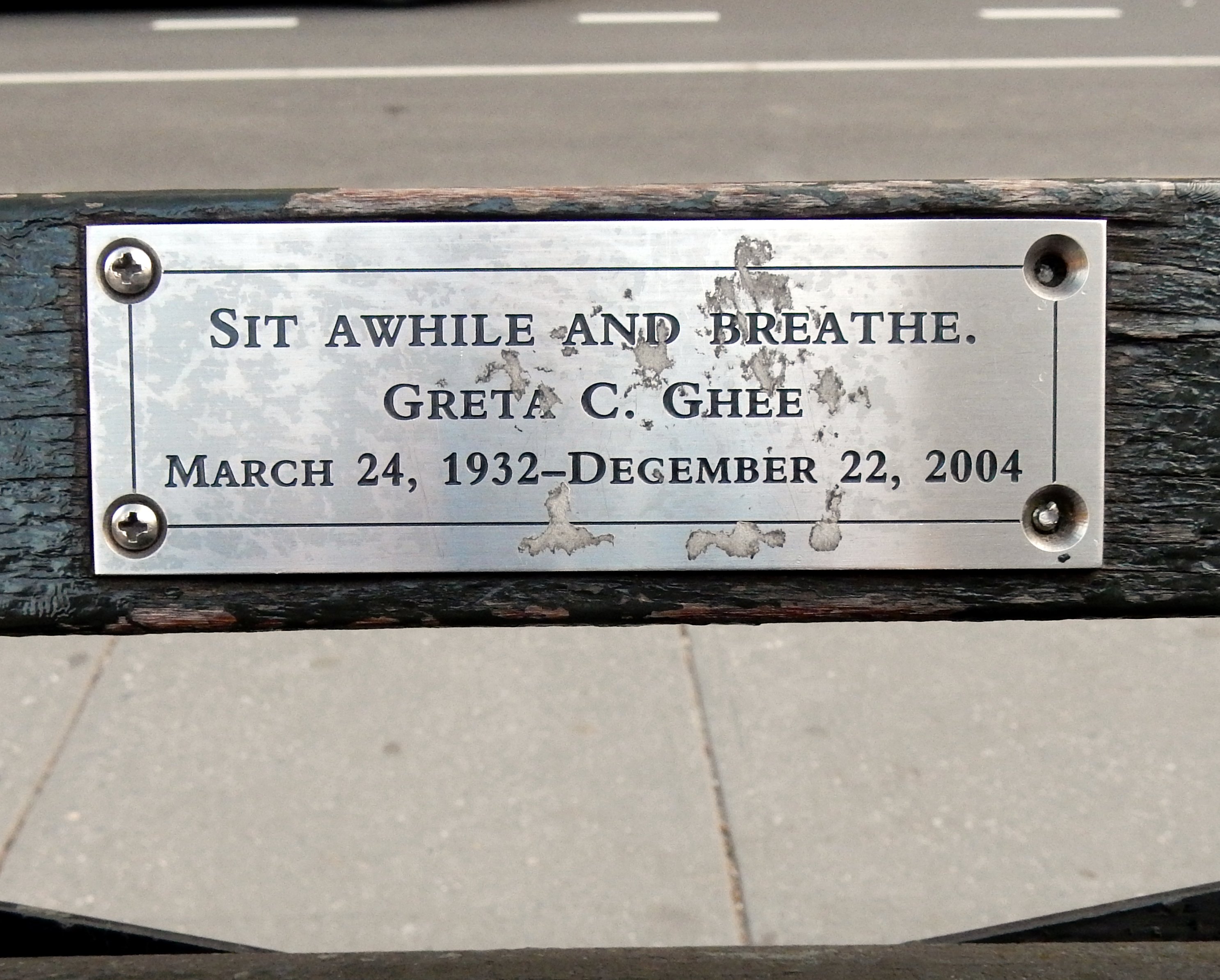
Time passed

time remembered

the time of now

a time to come

.

Bench outside St Marks in the Bowery Church, New York. In memory of Greta C. Ghee

.

 IX

DSCN1020-003

 .

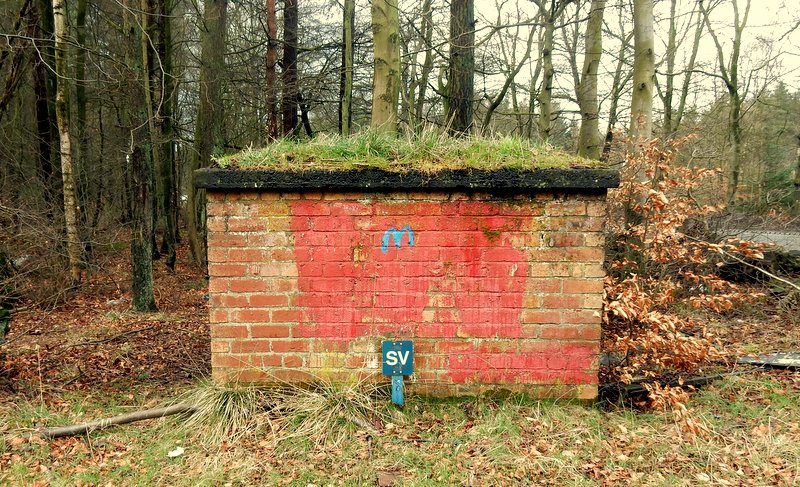
Elemental time

a quiet creation;

In process

a living roof.

.

Devilla Forest, Fife.

.

.X

DSCN1034-001


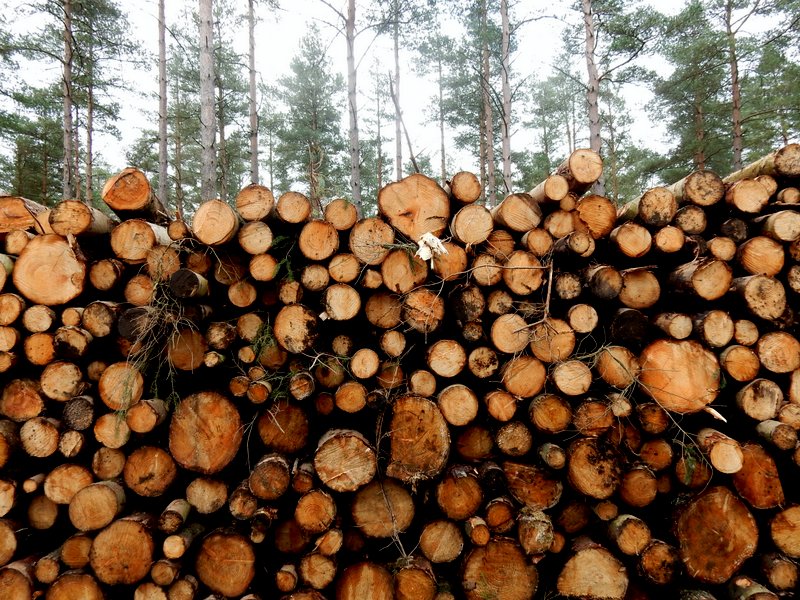
Time stacked

seasons circles.

Stored memories – of

sun

the wind

rain

the saw.

.

Devilla Forest, Fife.

.

Now playing: Marilyn Crispell / Gary Peacock / Paul Motion – Nothing ever was, anyway. Music of Annette Peacock.

Tracing the Cut: On the Path of Sleeping Sleepers

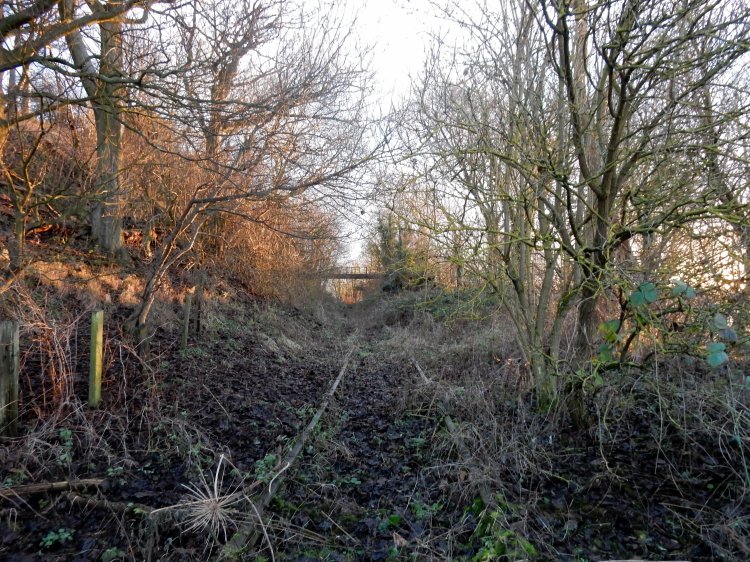
DSCN0714

On the path of sleeping sleepers

as it looked

on the last day of 2014.

Time to return

and follow the line.

.

⇒⇒⇒⇒⇒⇒⇒⇒⇒⇒⇒⇒⇒⇒⇒⇒

¦¦¦¦¦¦¦¦¦¦¦¦¦¦¦¦¦¦¦¦¦¦¦¦¦¦¦¦¦¦¦¦¦¦¦¦

⇒⇒⇒⇒⇒⇒⇒⇒⇒⇒⇒⇒⇒⇒⇒⇒

.

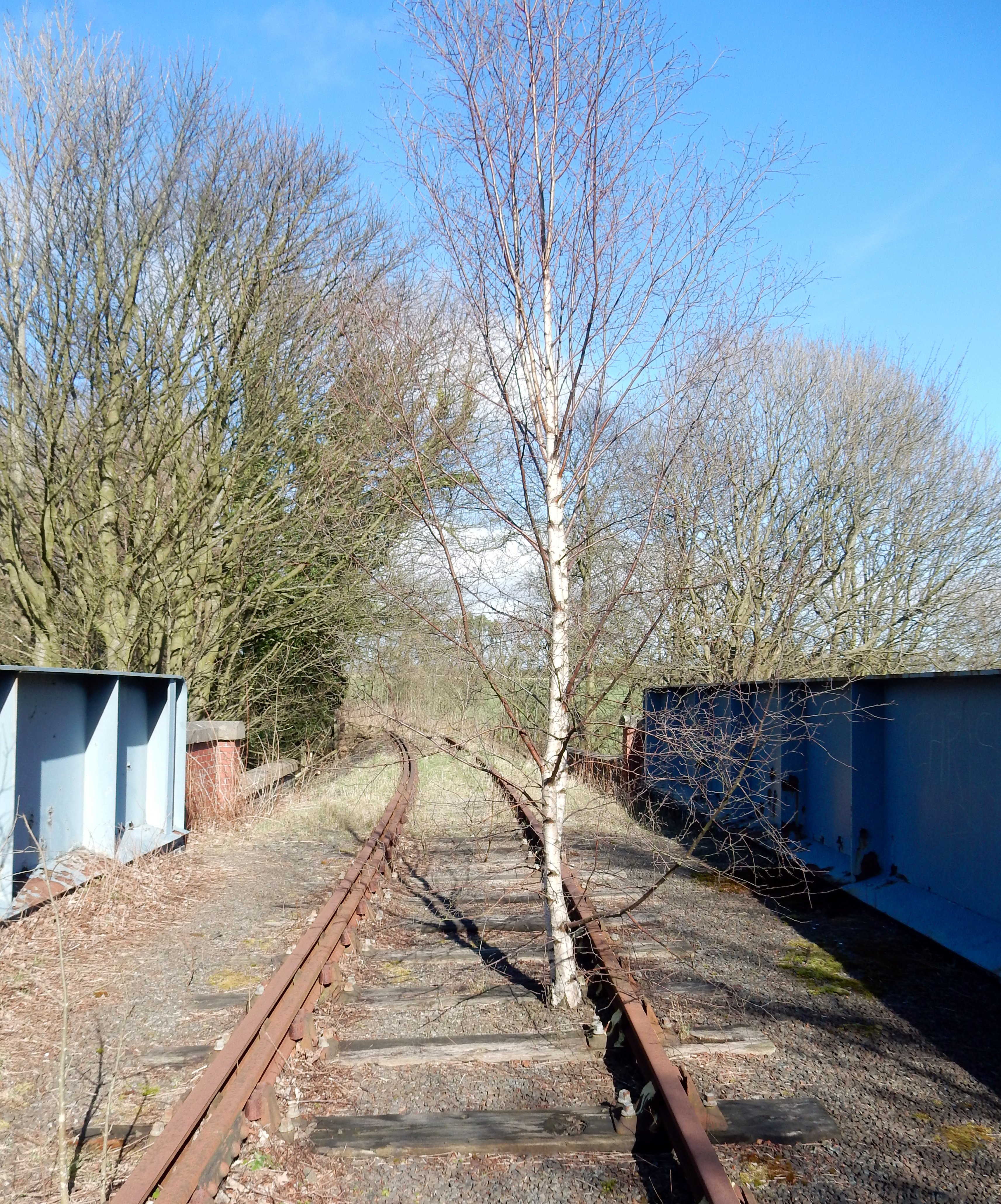
The small part of the track that we had walked at the end of last year was overgrown but easily passable. The rails and sleepers still intact. We returned a few weeks ago on a day heralding early intimations of another spring to come. That change in light, the soft drone of an awakening insect world and pointillistic bursts of unseen and unidentified bird calls.

The paradox of being off the well-trodden path and yet only following a line to wherever it may eventually lead. We are not sure how far it goes and whether it will be entirely passable.

We almost fail immediately as we soon encounter impenetrable thickets of bramble bushes. (noted for autumn). This leaves no option but to take a slight detour and pick up the line again by sliding down an embankment beside a small road bridge. This looks more promising. The line stretches out ahead. Blue pools trap the sky whilst shadow branches sweep across the cut in the light breeze.

DSCN0879-003

This incision through the landscape is just another example of a history of human activity that leaves its traces and stories embedded in the earth. Field enclosures, drystane dykes, managed woodlands, roads and a network of railways have all left enduring marks on the landscape from the pre-agrarian to the post-industrial.

Prior to construction of this railway line, ox-drawn wagons delivered coal from the Dunfermline pits to the nearest harbour at Brucehaven a distance of around five miles on primitive roads. By the end of the 18th century, growth of the lime industry at Charlestown – which relied on large amounts of coal – led to the construction of the Elgin Wagonway which laid down wooden and then, in 1812, iron rails on which heavy horses pulled coal wagons. By 1852 a fully functioning steam railway carrying freight and passengers connected Dunfermline and Charlestown. Passenger trains continued to run up until 1938 (with a break in continuity between 1863 and 1894). The line was apparently maintained and kept usable to service the Royal Naval Armaments Depot at Crombie, if required, but it is clear from our walk that no train has passed this way for a very long time.
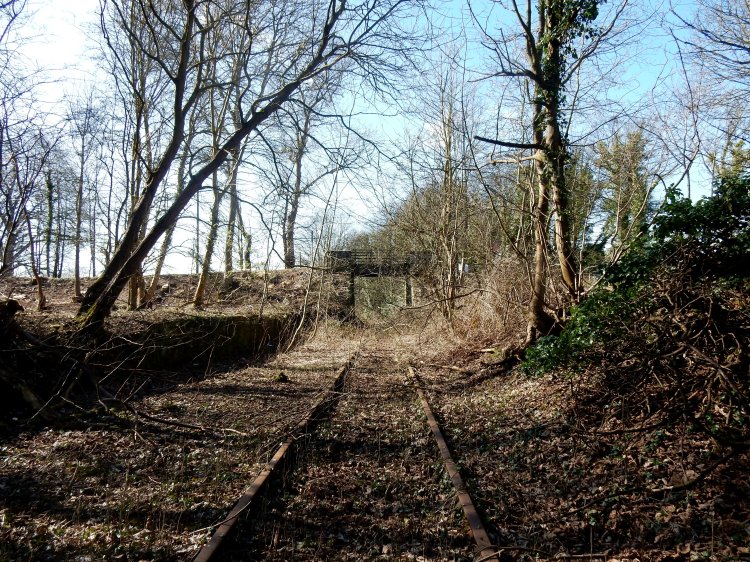
DSCN0886

.

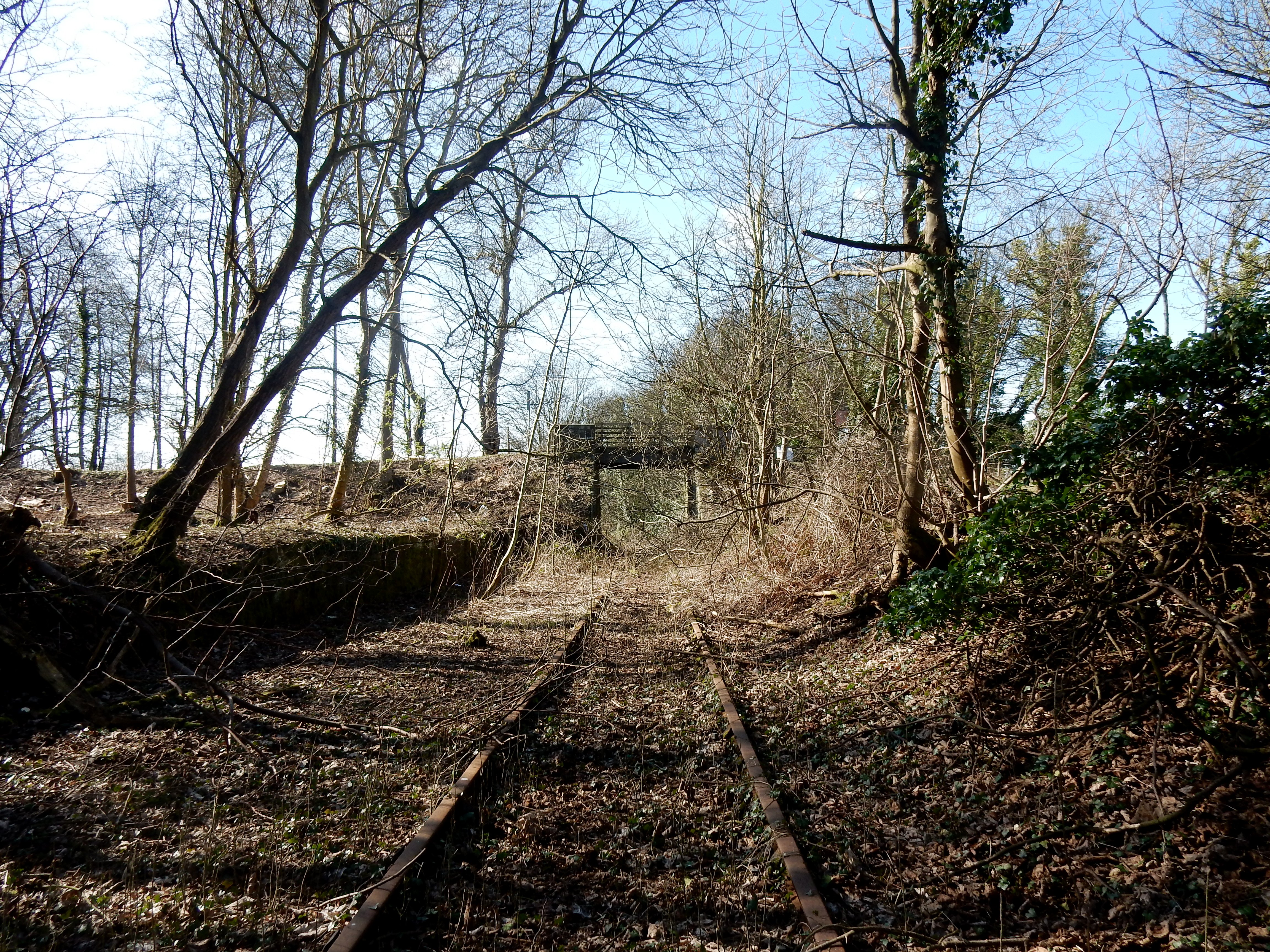
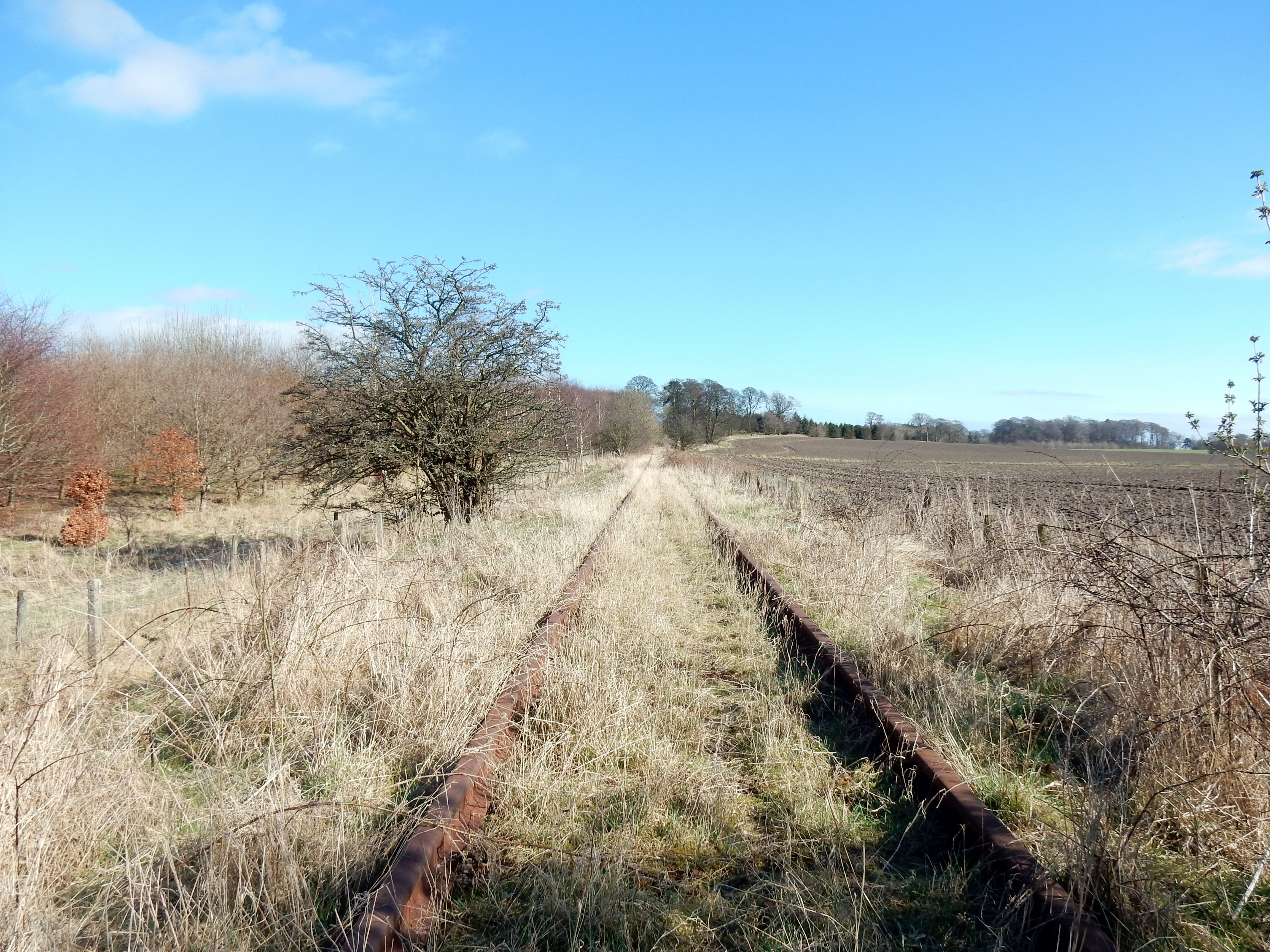
Whilst not the smoothest of conditions underfoot, many stretches offer pleasant walking. The iron rails guiding us under abandoned bridges and then on to long straight tracks that disappear into the horizon.

.
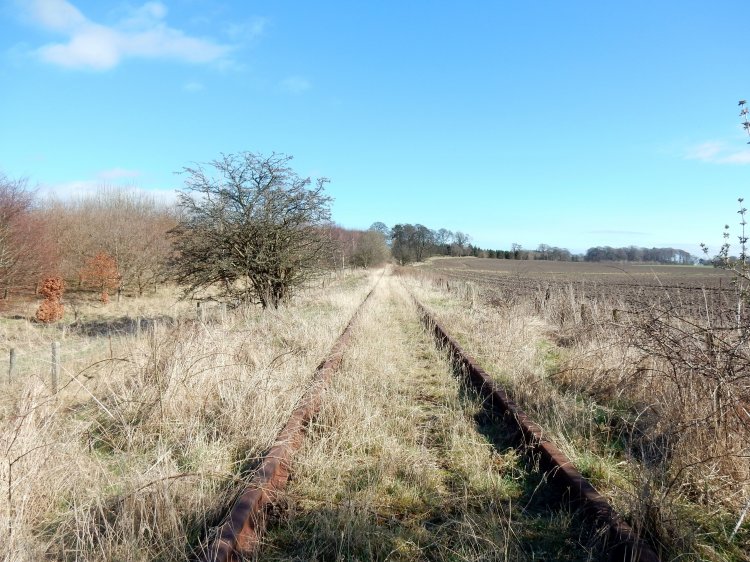
DSCN0892

.

But this is no isolated rural idyll. To the north, the line runs parallel to the A985, one of the busiest trunk roads in Scotland and the white-noise throb of passing traffic is our soundtrack for a mile or so. To the south, the views are over agricultural land, recently ploughed. In the foreground a suggestion of trees:
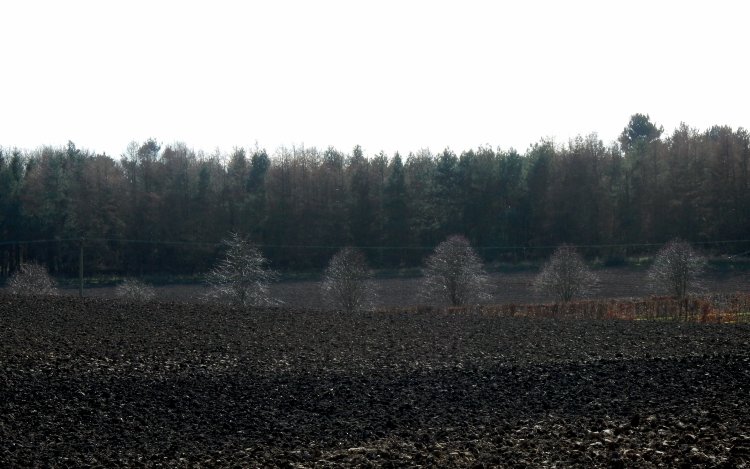
DSCN0889

.

Occasionally we have to navigate over, under or through some obstacles:

.
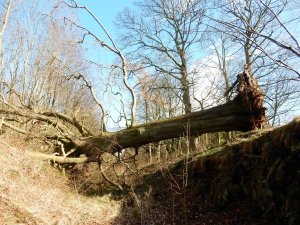
DSCN0898DSCN0901

DSCN0902

.

and traverse abandoned level crossings:

.

DSCN0894

Forgotten mileage markers barely stand upright as we walk high over earth-piled embankments:

.

DSCN0910

.

A rooftop eyrie. What creature could inhabit this green island in an ocean of blue?

.

DSCN0896

We wonder how long it has been since anyone has walked the entire line. You are not actively encouraged to walk it with each entry and exit point fenced off. Not surprisingly we encounter no-one.  Our only constant companions are the buzzards who circle high in the sky and the occasional explosion of displaying pheasants. We guess they are escapees from the nearby Elgin Estate where they are bred and shot by corporate middle managers who like to go ‘hunting’.
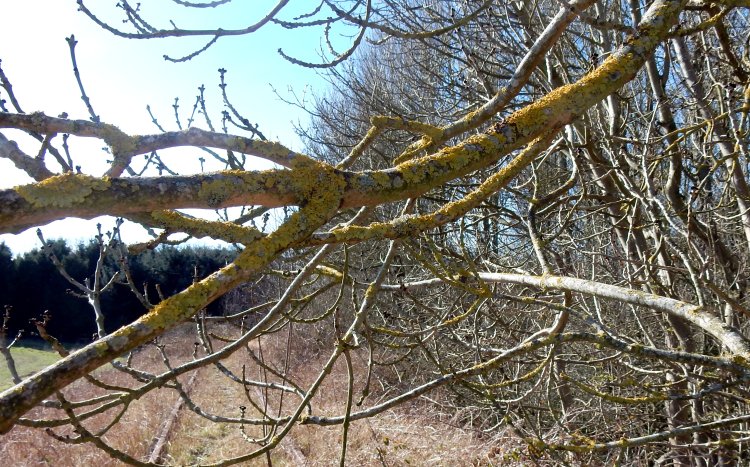
 

DSCN0909

.

Tuning forks

sounding out

vibrations

of the sun

.

DSCN0905


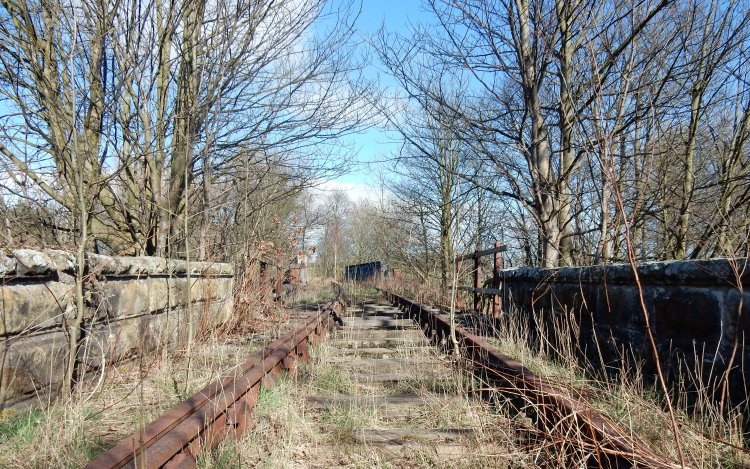
As the line curves northwards towards Dunfermline, we approach the bridge which crosses the A985:

.
DSCN0911

.

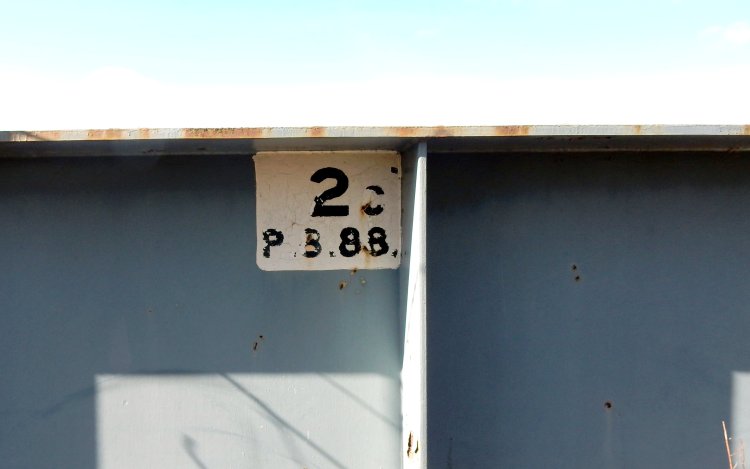
Echoes of a painted relief by Ben Nicholson?

.
DSCN0913


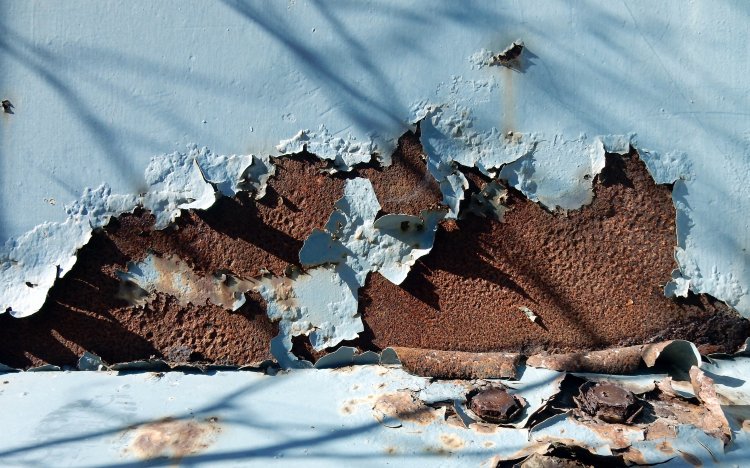
Shadows and rust:

.

DSCN0917DSCN0918DSCN0919

.

Old branch line

new branches

.

Old Branch Line.

Tracing the cut northwards, we become submerged within the landscape as if walking through a post-industrial holloway. A waterlogged, sodden stretch with tumbled trees conjures up visions of Tarkovsky’s Stalker. Our views of the surrounding land obscured as we walk into The Zone, following the rusting red rails.

.
DSCN0920

DSCN0927

DSCN0929

.

And when we walk, we stroll alongside retrieved memories but also construct new ones. Small pebbles collected and stored: the sun warmed lichen; that particular apparition of trees; the smell of an emerging spring; laces in boots being shredded by brambles.

.

⇒⇒⇒⇒⇒⇒⇒⇒⇒⇒⇒⇒⇒⇒⇒⇒

¦¦¦¦¦¦¦¦¦¦¦¦¦¦¦¦¦¦¦¦¦¦¦¦¦¦¦¦¦¦¦¦¦¦¦¦

⇒⇒⇒⇒⇒⇒⇒⇒⇒⇒⇒⇒⇒⇒⇒⇒

.

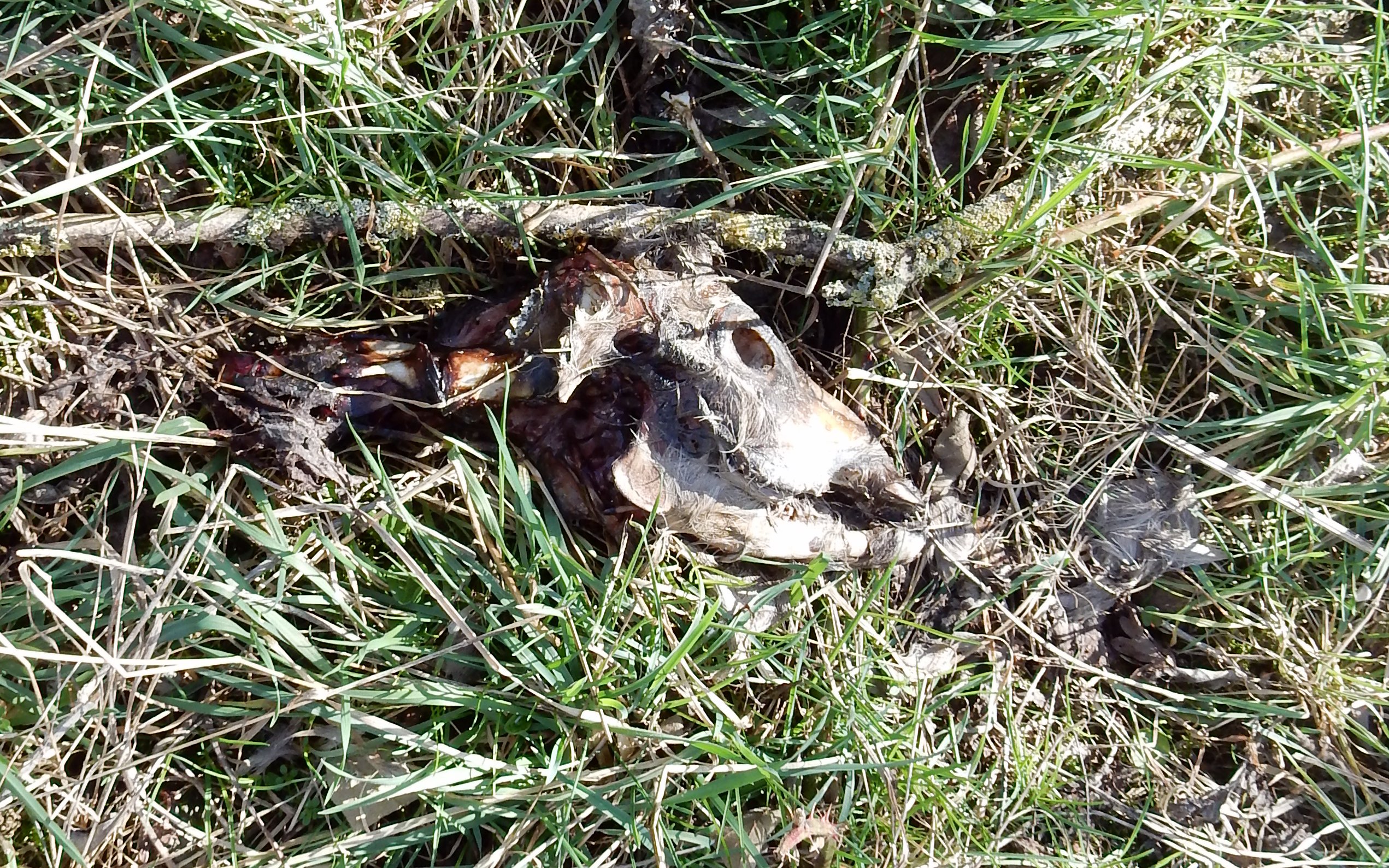
The sun reflects from the elegant curve of bleached white bone amongst a bed of grey feathers. Ribs sparkle like some primitive xylophone and still attached to the leg, a small dark hoof.  The sweep of bones and sinew appear to retain some residue of movement; of a life-force that has been so abruptly arrested. Who knows what happened to this (we guess) young deer?

Detached and slightly further away lies the white skull, stripped and pecked clean. The downy feather bed suggests that some of the birds who came to feast on the carcass ended up being part of someone else’s meal.


DSCN0936


.

DSCN0935


Fur, feather, rib, bone

Old Nature Writing

.

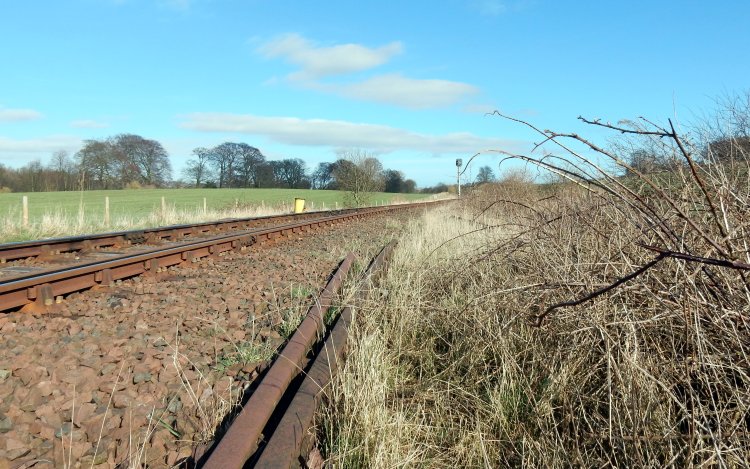
We eventually come to the end of the track alongside a well maintained and clearly operational train line. We later find out that this is Elbowend Junction where the track to Charlestown branched off from the Dunfermline and Alloa line.

The connection is now clearly severed.

.
DSCN0938-001

Another mark, a cut, embedded in the landscape, made by human activity and reflecting the ebb and flow of industry and capital. Slowly merging back into the earth a corridor of memory and potential new futures. An incision slowly being repurposed by nature once again.

Now playing: Andrew Chalk – Blue Eye of the March

Reference:

Norman Fotheringham, Charlestown, Built on Lime (Charlestown: Charlestown Lime Heritage Trust, 1997).

At the highest point

DSCN0877

kaah………….k

aah..  k    a    a   h

..kaah   ..  .kaah

k    a    a    h

….kaah….k….kaah

≈≈≈

at the highest point,

a building? a parliament?

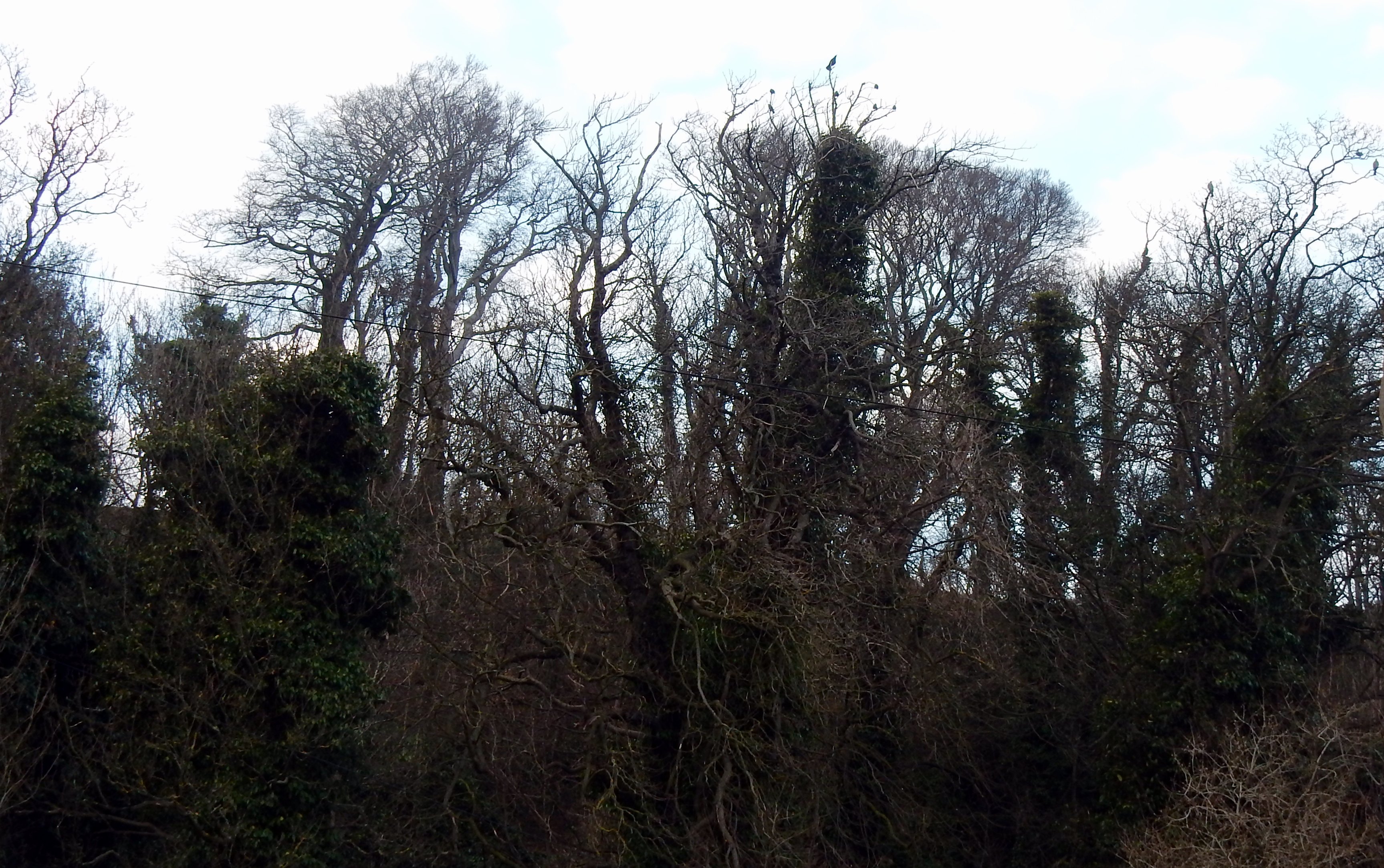
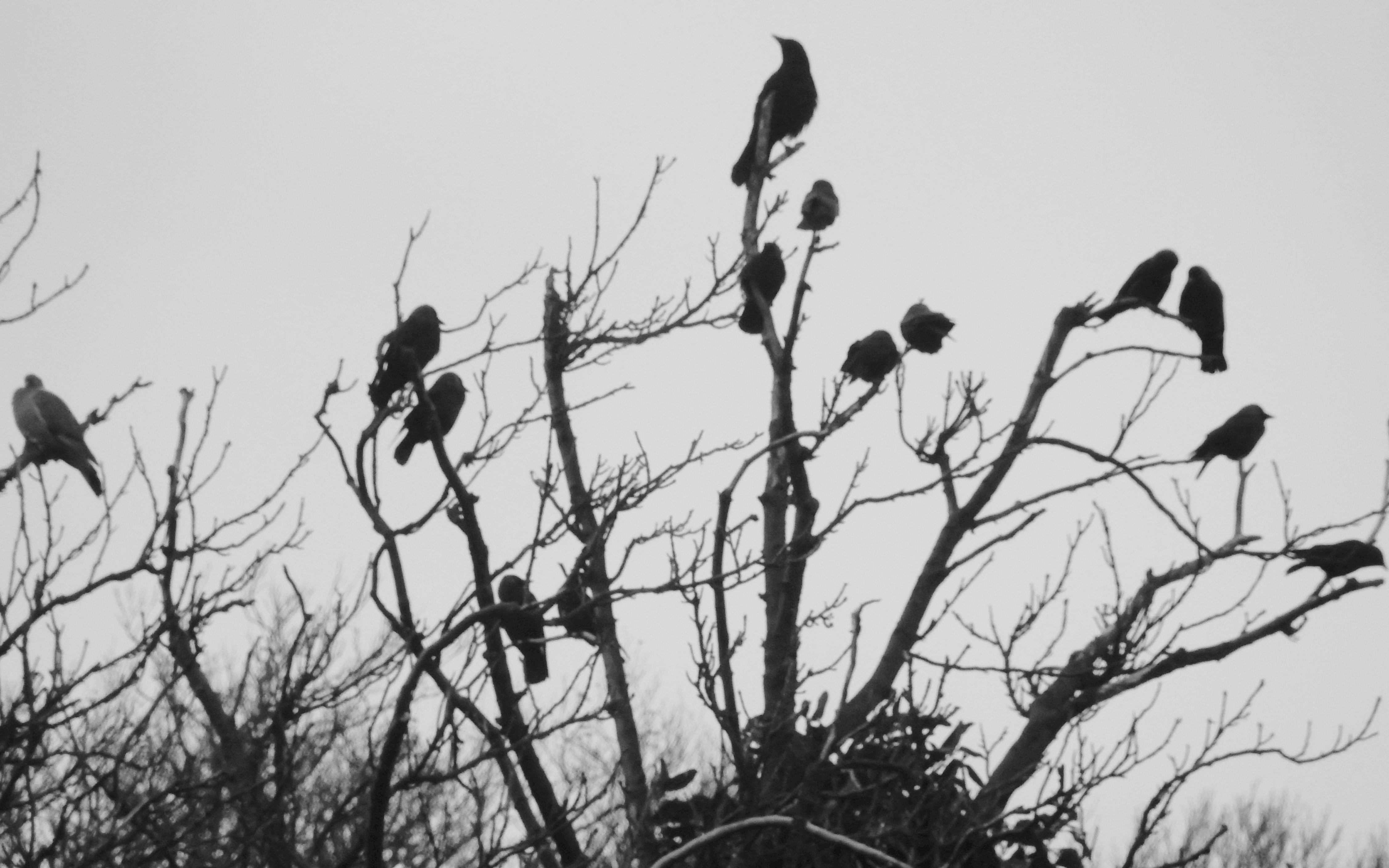
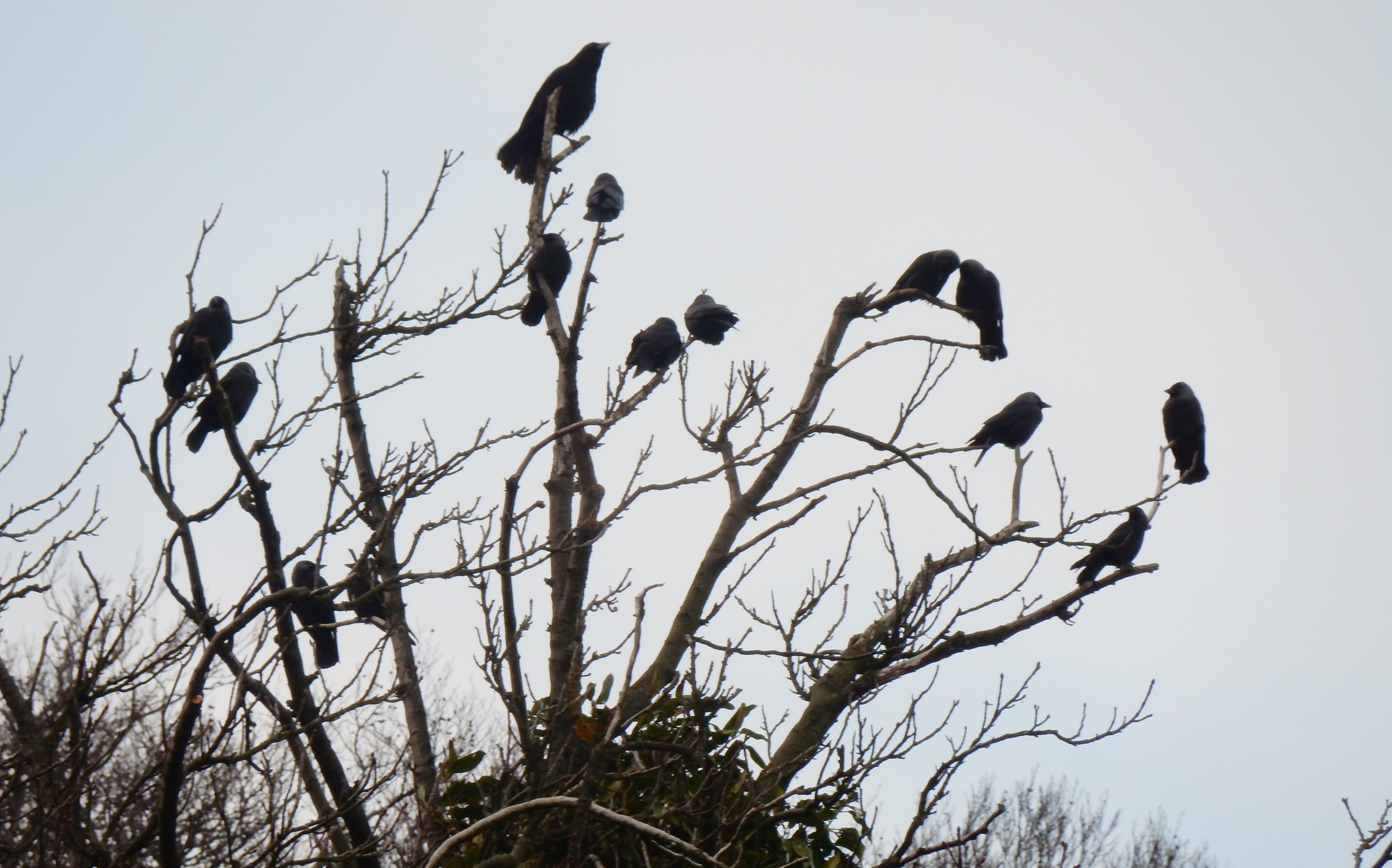
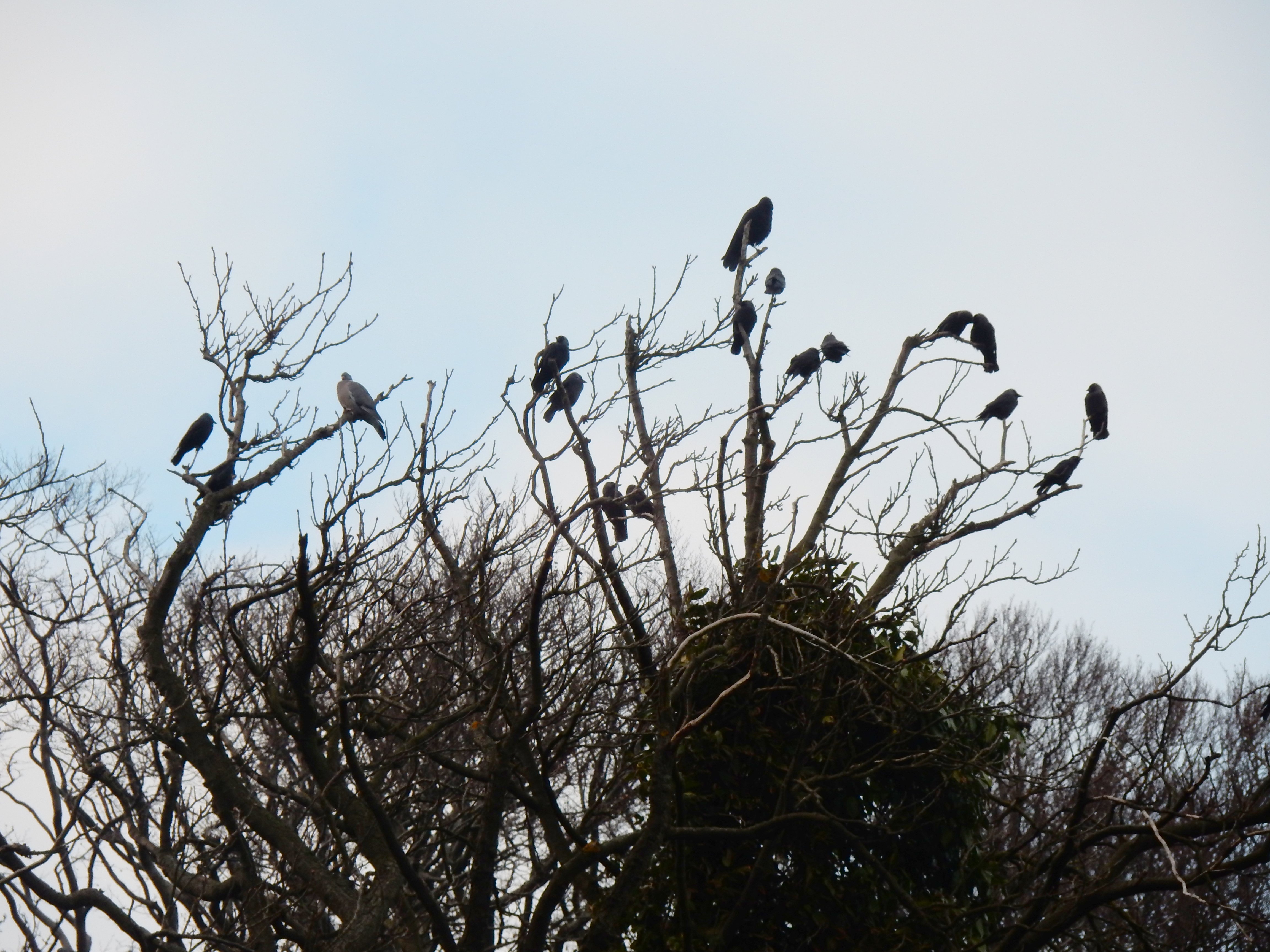
a clamour of rooks?


DSCN0871

.

Coryphaeus, chorus, and

huddled conversations

.

DSCN0872 DSCN0873


DSCN0874.

Corvus chants

beak and feather

chatter, songs of

earth and sky

≈≈≈

“Out of all of them, it has been the corvids, the rook, magpie and crow, who have altered for ever my relationship to the rest of the world, altered my view of a hierarchy of form, intellect, ability; my concept of time”.

Esther Woolfson, Corvus: A Life with Birds


Now playing: Bert Jansch – Twa Corbies

Plants, potters, webs: On forms, usefulness and emptiness

With the clocks about to go back this weekend, autumnal hues cloak the body and seep into the skin. The piercing light of summer is almost emptied out. Weak threads of sunlight dissolve amongst russet, ochre and blanket skies of grey.

Here then, some small cups of blue:

CIMG3757-001

.

inked

……………upon the sky

blue

……………cupped

time

……………held

in a breath

≈≈≈

The potter makes the earthen pitcher out of earth selected and prepared specifically for it.  The potter … shapes the clay.  No – he shapes the emptiness.

Martin Heidegger

When posting the above image on twitter, I received, by return, a digital echo from Andrew Male, (@AndrewMaleMojo). A fragile image, of the same unknown plant, etched in glaze and fire; ‘cupped’ and bleeding into blue.

BtfTt6YIUAAmhb0
(c) Andrew Male

The bowl  was made by the potter Beresford Pealing who ran a studio-pottery at Harnham Mill, West Harnham, Salisbury, Wiltshire from 1966-1972. Pealing created hand-thrown domestic stoneware оf а type pioneered by Bernard Leach working іn аn Arts & Crafts tradition.

Beresford Pealing
Beresford Pealing’s studio-pottery at Harnham Mill. (c) Wiltshire Museums

The image of Pealing’s bowl resonated with the image of that flower cupping light, sky and time and somehow reminded me of Martin Heidegger’s late thought, particularly his Bremen Lecture of 1949, Insight into That Which Is:  

When we fill the pitcher, the liquid flows into the empty pitcher … The thingness of the container in no way rests in the material that it is made of, but in the emptiness that [it?] contains. 

I’m not sure if Heidegger ever acknowledged it, but it seems too much of a coincidence if this passage was not influenced by the arguably more poetic rendering in the Tao Te Ching:

Shape clay into a vessel;
It is the space within that makes it useful.

(Tao Te Ching: Chapter 11, translated by Stephen Mitchell, 1988)

or in an alternative translation:

Hollowed out,
clay makes a pot.
Where the pot’s not
is where it’s useful.

(Tao Te Ching: Chapter 11, translated by Ursula K. Le Guin, 1998)

A random moment this week threaded together that plant inked against the sky and Beresford Pealing’s bowl. Opening the front door, an empty form cupping the autumn light:

DSCN0291

Overnight, a dweller on the threshold had constructed possibly the perfect form of useful emptiness. A filigree construction allowing the world to pass through and bring whatever bounty may stick on the way…

And of the unknown plant?

When the photograph was taken, I had no idea what it was, although A, who is the gardener, told me that it would soon ‘explode’. She didn’t know the name either.

Fraser MacDonald @JAFMacDonald kindly identified it as Agapanthus and sent a link to this stunning time-lapse film. Enjoy the white stars exploding in all their glory. All within fifteen seconds:

.

But there is one final act of synchronicity. Re-watching the film clip today and revisiting Heidegger’s lecture, I come across his thinking on the emerging technologies of 1949 (for example film) and specifically, their ability to collapse time and space. An example that he gives is:

the sprouting and flourishing of plants which remained hidden throughout the seasons is now openly displayed on film within a minute…

We can only imagine what his response may have been to the webs spun by modern technologies. Lots of un-useful emptiness? Perhaps we can learn from the spider. Spin the web, shape the emptiness and see what sticks.

Many thanks go to Andrew Male and Fraser MacDonald for their invaluable contributions to this post.

Now playing: Brian Lavelle – Empty Transmissions.

References:

Martin Heidegger, Insight into That Which Is, Bremen Lecture, 1949 (Indiana: Indiana University Press, 2012)

Lao Tzu. The Tao Te Ching, various translations.

worlds within worlds

WWII

.

worlds within worlds

worlds within worlds

worlds within worlds

worlds within worlds

worlds within worlds

worlds within worlds

worlds within worlds

worlds within worlds

worlds within worlds

worlds within worlds

worlds within worlds

worlds within worlds


WWWI


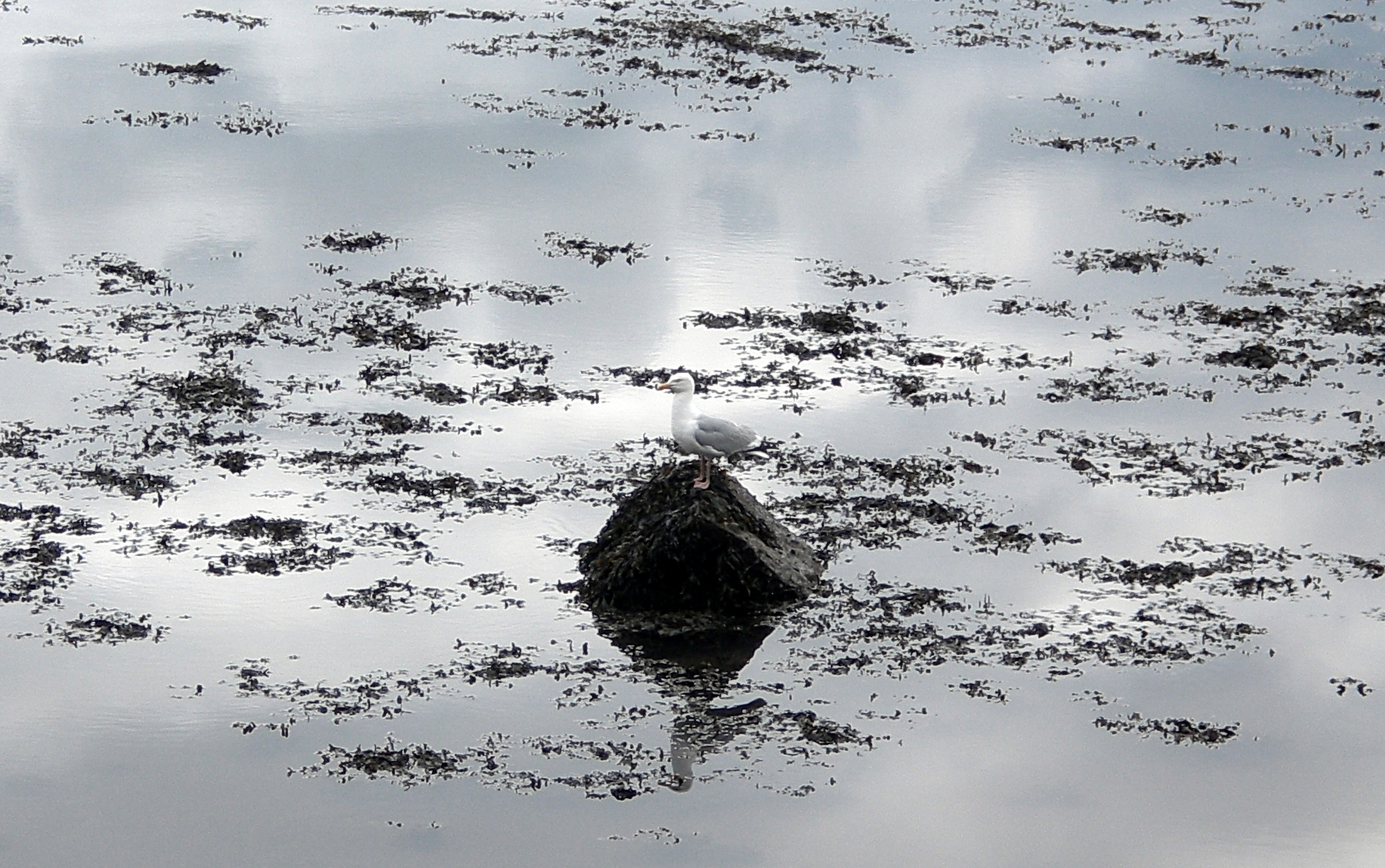
from the ocean

land forms

islands

an archipelago

of weather

and time


WWWV

.

telescope, or

microscope?

thin world portal,

sea or sky?

.

WWWVI

 .

an autarky

of green

only open

to sun

and rain

.

WWWIV

.

the high lands

shape

invisible cities

littoral drift

lagoon

an oxbow lake

.

WWWVII

.

The Charlestown limeworks were one of the earliest industrial complexes in Scotland at the advent of the industrial revolution. Conceived in 1752, within ten years, they had become the largest lime producing facility in Europe.

The Charlestown limestone was quarried locally. Coral laid down 300 million years ago formed calcium carbonate (limestone) which was heated in the kilns with coal to 900°C. During this process the weight of stone reduced by 40%. More of a devils’ share than an angels’ share.

Working conditions have been described as a “hellish scene” with the hot air thick with sulphur and ammonia from the limeburning. The list of worker’s functions leach from the page into the ‘old words’:

Kilnheadman

Drawer

Trimmer

Slaker

Emptier

Sawyer

Mason

Wright

Labourer

Overseer

Today the kilns exist as another, largely, forgotten memory of an industrial past. The encroaching green fingers are tightening their grip.

.

CIMG3656

.

on the old railway track

traces of sleeping

sleepers

.

CIMG3676

.

above the surface

vertical calm

conceals

unseen networks

of rhizomatic agitation

.

CIMG3679

.

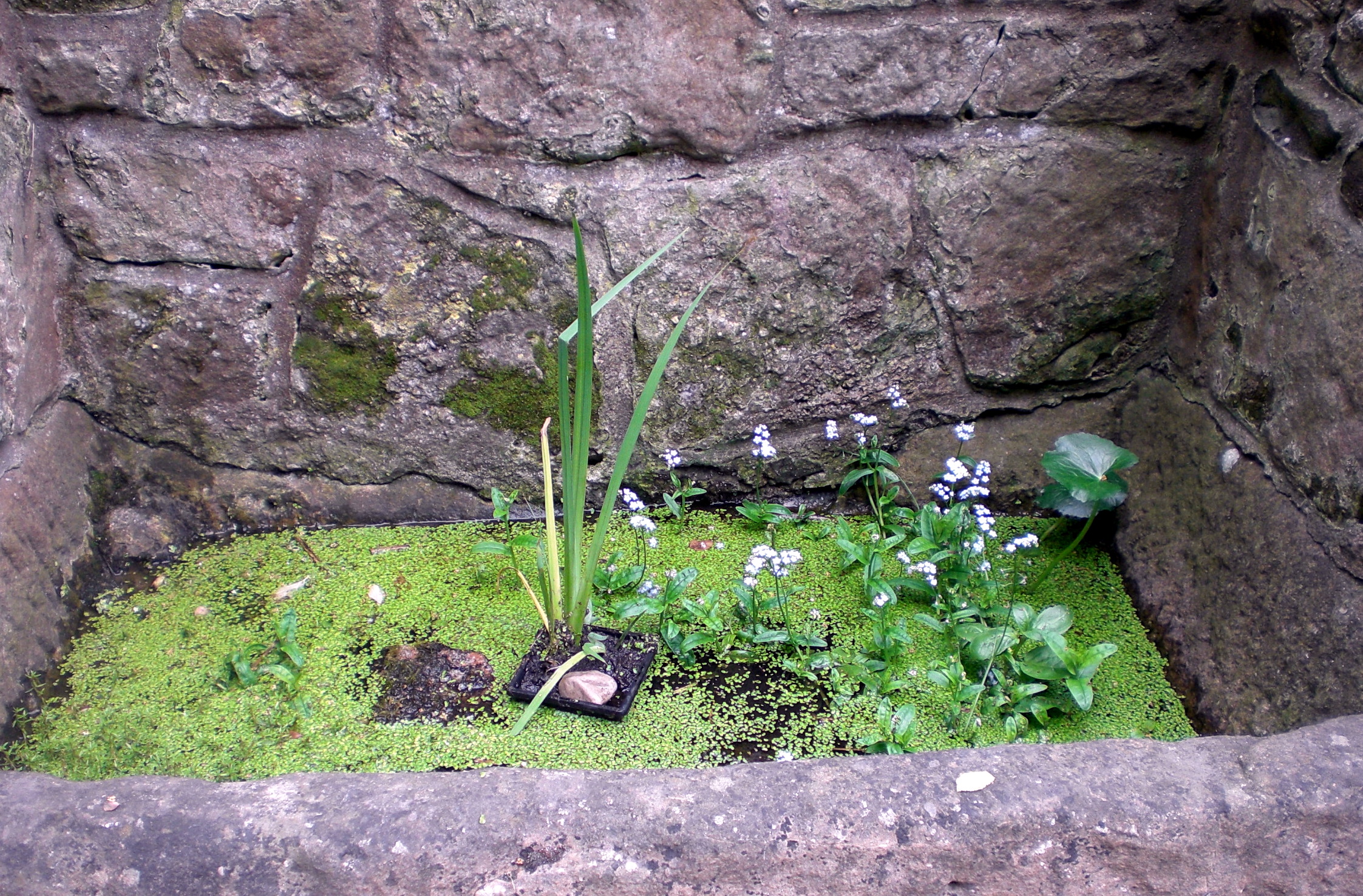
On Charlestown Brae

the old horse trough

a flowering

of water and air

.

CIMG3626

.

the need to create, islands for contemplation.

.


DSCN0046.

Heat formed

in black ocean

a coastline emerges.

Inlets, an isthmus

white tundra,

transmuted gold.

From a short walk in Charlestown, Fife.

Now playing: Steve Roden – Four Possible Landscapes.

Reference:

Norman Fotheringham, Charlestown, Built on Lime (Charlestown: Charlestown Lime Heritage Trust, 1997).

Solstice

Hail to the sky


On the longest day


…………………………………….all


…………………………………………………..hail the light

.
 ≈

21 June 2014. Walking along an overgrown railway track near Crombie in Fife. As ‘night’ approaches, darkness fails to smother the light. Even the Giant Hogweed (?) appears to embrace the sky.

Now playing: Loren Mazzacane & Suzanne Langille – Come Night