We have previously entered the Zone-like territory of The Void which was documented in a previous post here:
.
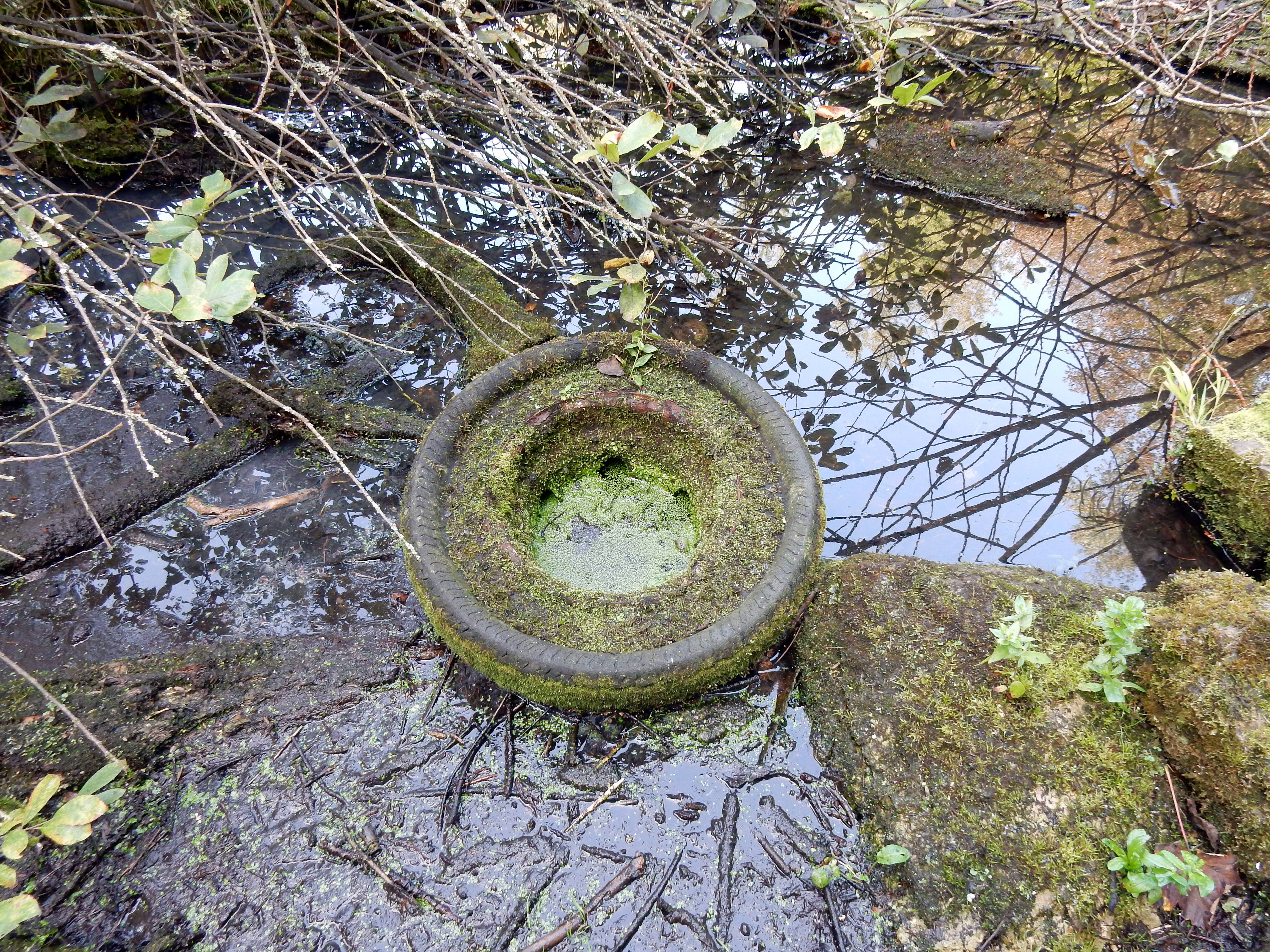
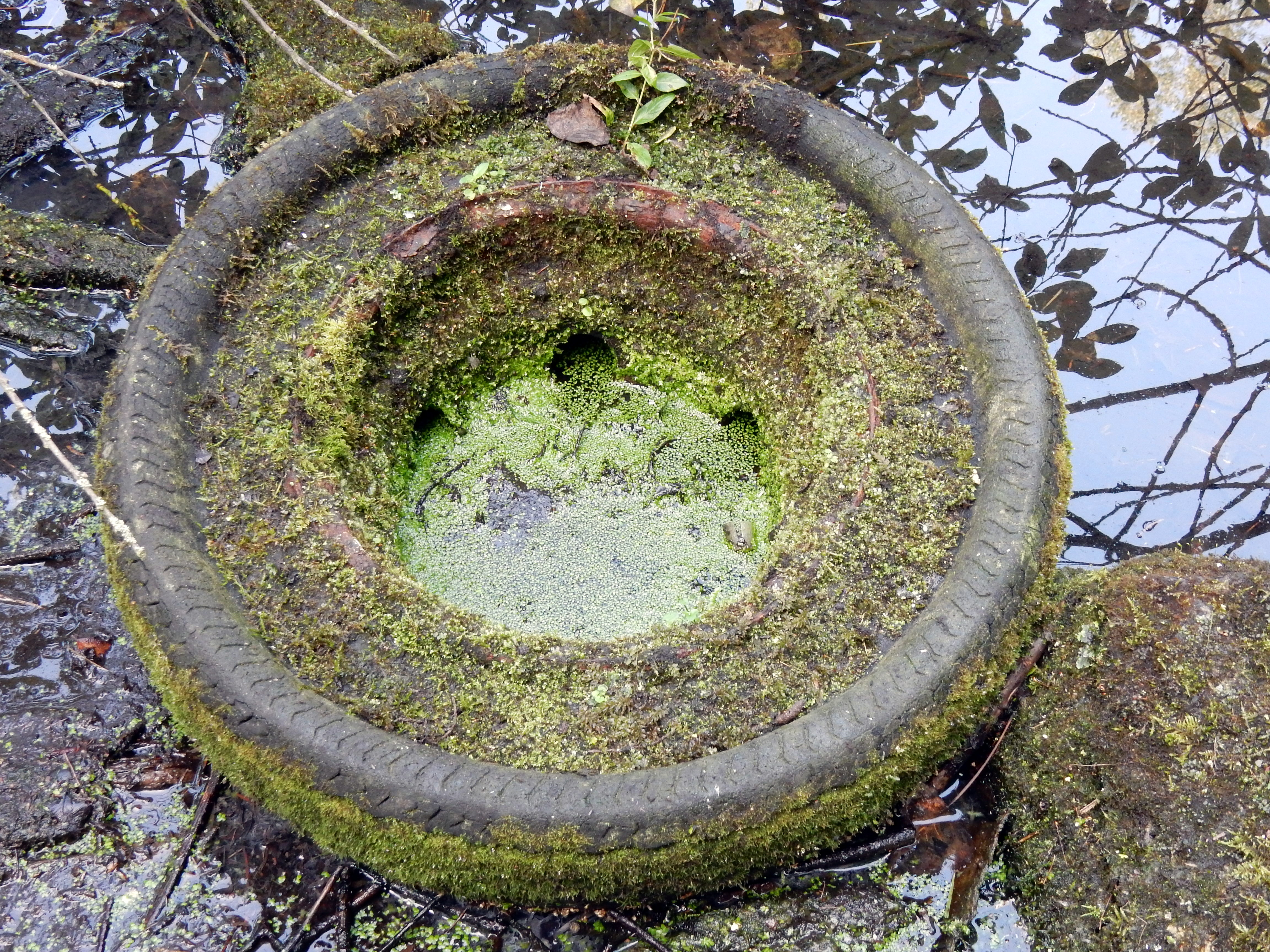
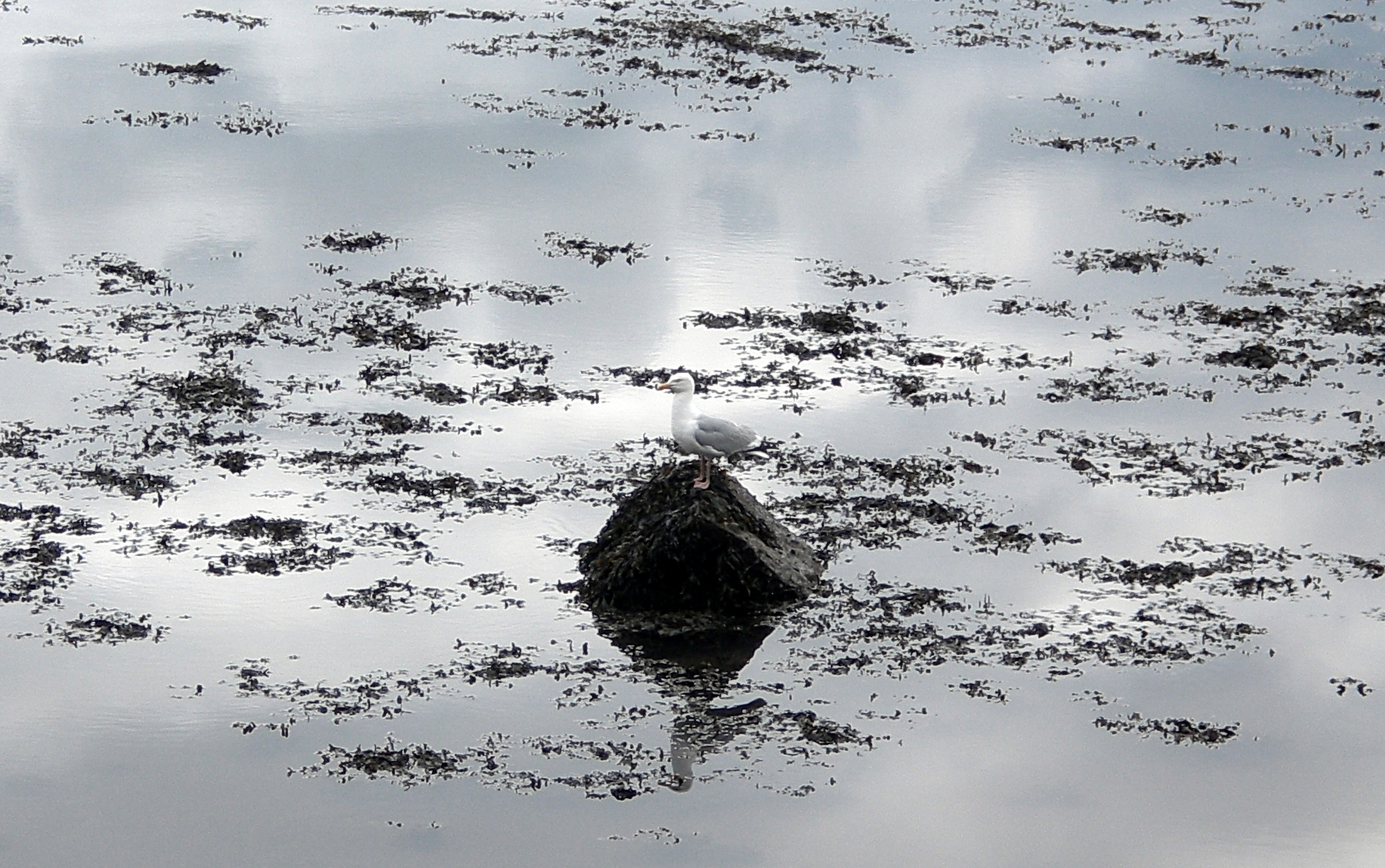
We have just been sent this wonderful photo by Stray Seal which captures the uncanny, submerged world of The Void. It also confirms that the pike rumoured to patrol the waters is clearly swimming in the depths:
Stray Seal is Lindsay Brown, a cinematographer specialising in underwater film and photography for both drama and documentary, including natural history. There are some more of her quarry pictures here and check out her website and facebook albums.
Now playing: Mothlite – ‘The One in the Water’ from Flax of Reverie
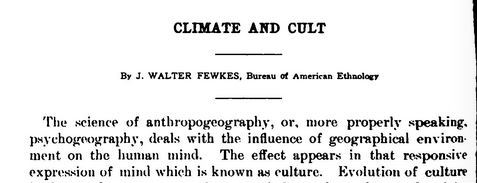
“The science of anthropogeography, or more properly speaking, psychogeography, deals with the influence of geographical environment on the human mind.”
J. Walter Fewkes, Bureau of American Ethnology, (1905)
.
≈≈≈
.
Presented in a paper ‘Climate and Cult’ published in the Report of the Eighth International Geographic Congress. 1904, pp.664-670, (Washington: Washington Government Printing Office, 1905).
.
Jesse Walter Fewkes (1850 – 1930) was born in Newton, Massachusetts and initially pursued a career as a marine zoologist at Harvard. From 1887, he turned his attention to anthropology and ethnological studies, particularly the culture and history of the Pueblo Native Americans. Fewkes made some of the first recordings of their music. In 1895 he embarked on various archaeological explorations of the American Southwest for the Smithsonian’s Bureau of American Ethnology. In 1918 he was appointed chief of the Bureau and retired in 1928, dying two years later.
The paper Fewkes presented to the Congress examines the relationship between climate, food supply and ritual ceremony, (what Fewkes calls ‘cult’). One example given is the rain ceremonies of the Hopi people. Fewkes argues that the Hopi’s strong connection with their arid landscape led them to develop a set of beliefs, practices and rituals to appeal to the sky gods to deliver rain. In these ceremonies, the gods are represented through masks, idols and other symbols and in order to influence the “magic powers of these personages” the worshipper employs signs or gestures, songs, verbal incantations or rituals of imitation. For example, water is poured into a medicine bowl from its four sides to show that water is desired from all world quarters; a cloud of smoke represents a rain cloud. Sacred kivas (rooms used for rituals) are painted with symbols of falling rain and lightning to remind the gods of the Hopi people’s need for water.
As a conference paper, it is very much of its time but interesting in that it specifically mentions ‘psychogeography’ and clearly relates this to a linkage between the effect of the environment on the human mind. We have never seen it referenced before in any of the psychogeographic literature.
References to the origin of the term ‘psychogeography’ often refer to Guy Debord’s Introduction to a Critique of Urban Geography, (1955)and his definition:
Psychogeography sets for itself the study of the precise laws and specific effects of the geographical environment, whether consciously organised or not, on the emotions and behavior of individuals.
Whilst the Letterists and Situationists clearly developed their psychogeographic activities, during the 1950s, in an urban environment, it is interesting to learn that the relationship between the environment and the human mind was being considered as ‘psychogeography’ in a non-urban context at the turn of the century.
The Charlestown limeworks were one of the earliest industrial complexes in Scotland at the advent of the industrial revolution. Conceived in 1752, within ten years, they had become the largest lime producing facility in Europe.
The Charlestown limestone was quarried locally. Coral laid down 300 million years ago formed calcium carbonate (limestone) which was heated in the kilns with coal to 900°C. During this process the weight of stone reduced by 40%. More of a devils’ share than an angels’ share.
Working conditions have been described as a “hellish scene” with the hot air thick with sulphur and ammonia from the limeburning. The list of worker’s functions leach from the page into the ‘old words’:
Kilnheadman
Drawer
Trimmer
Slaker
Emptier
Sawyer
Mason
Wright
Labourer
Overseer
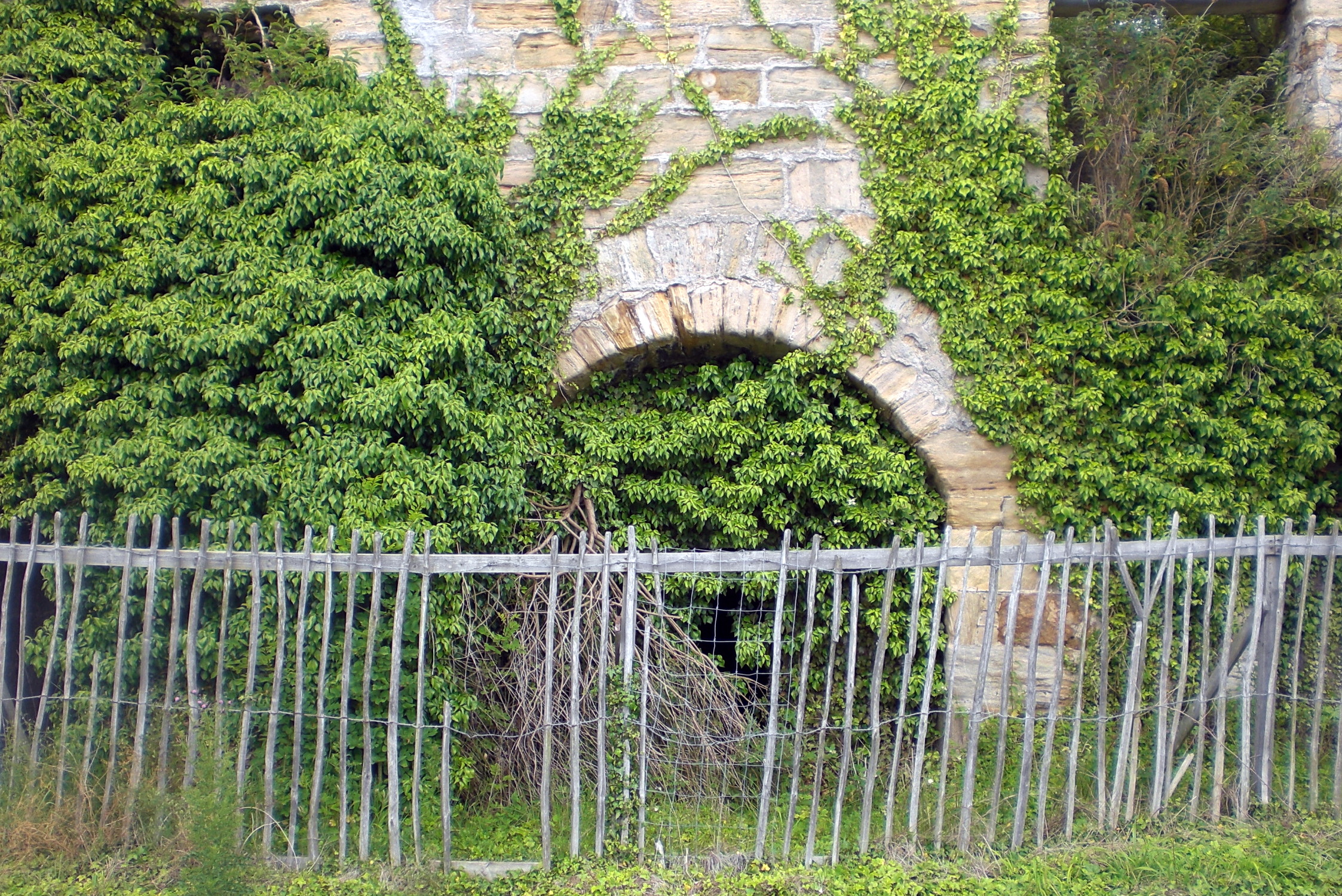
Today the kilns exist as another, largely, forgotten memory of an industrial past. The encroaching green fingers are tightening their grip.
.
.
on the old railway track
traces of sleeping
sleepers
.
.
above the surface
vertical calm
conceals
unseen networks
of rhizomatic agitation
.
.
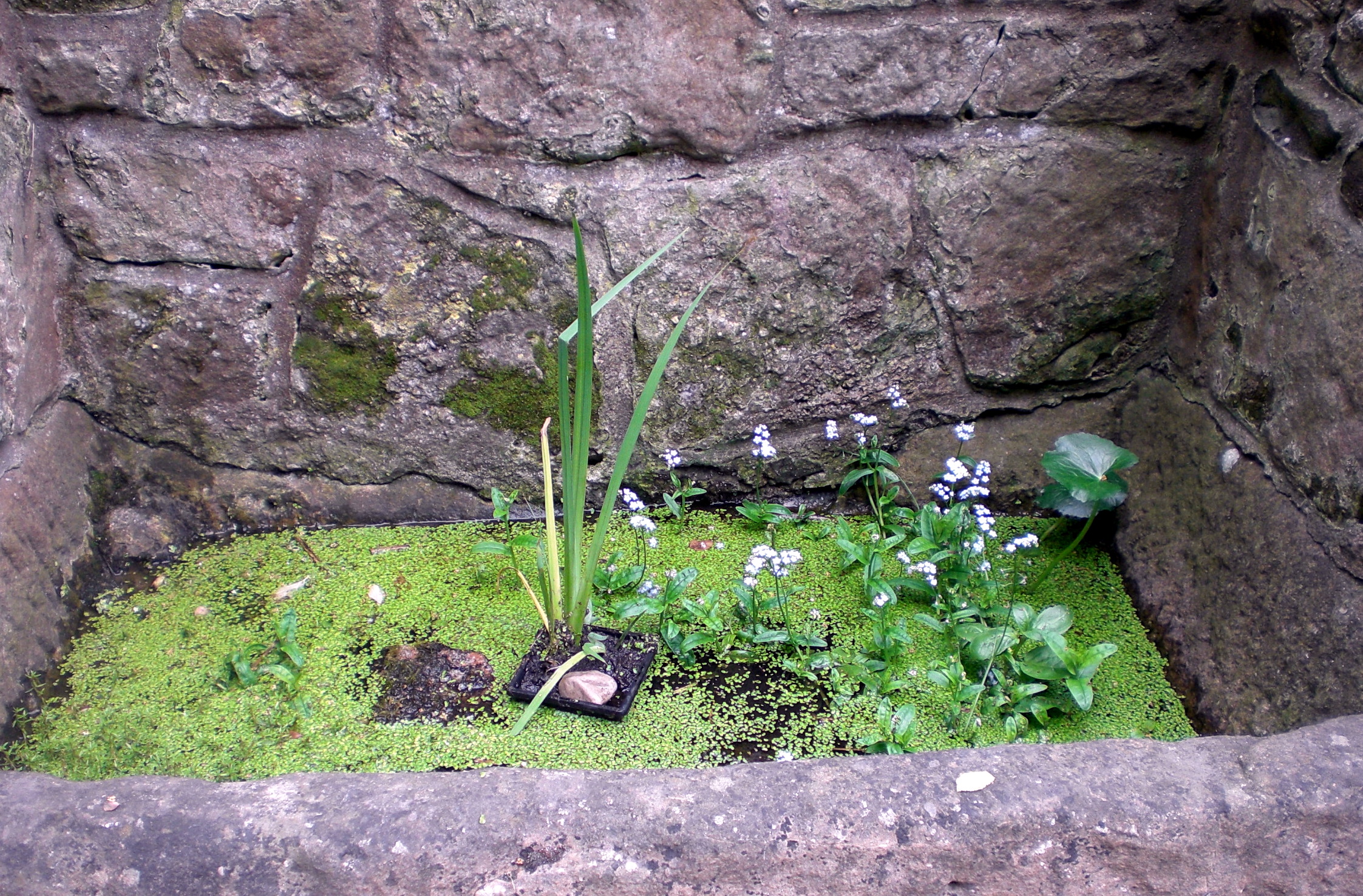
On Charlestown Brae
the old horse trough
a flowering
of water and air
.
.
the need to create, islands for contemplation.
≈
.
.
Heat formed
in black ocean
a coastline emerges.
Inlets, an isthmus
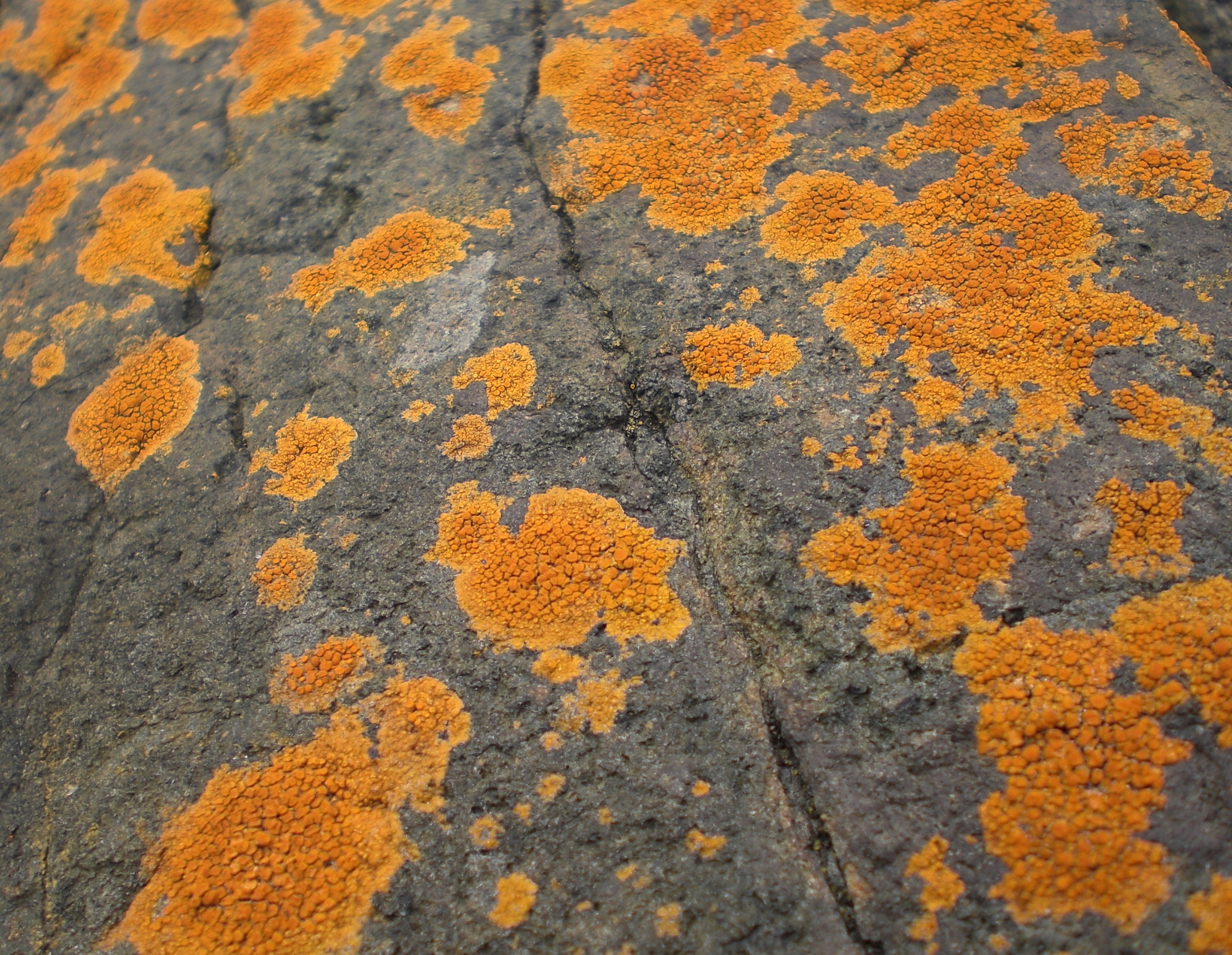
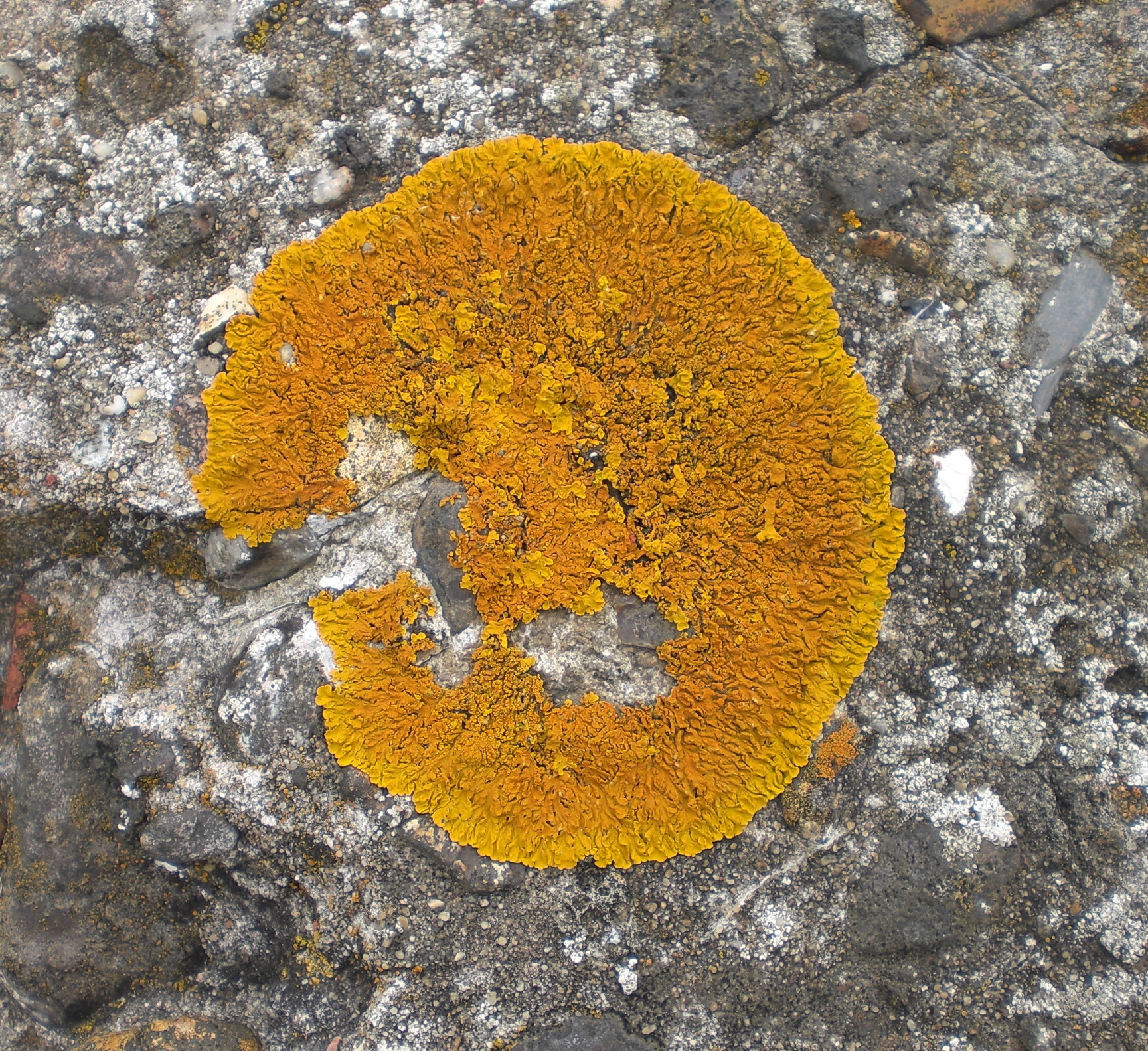
white tundra,
transmuted gold.
≈
From a short walk in Charlestown, Fife.
Now playing: Steve Roden – Four Possible Landscapes.
Reference:
Norman Fotheringham, Charlestown, Built on Lime (Charlestown: Charlestown Lime Heritage Trust, 1997).
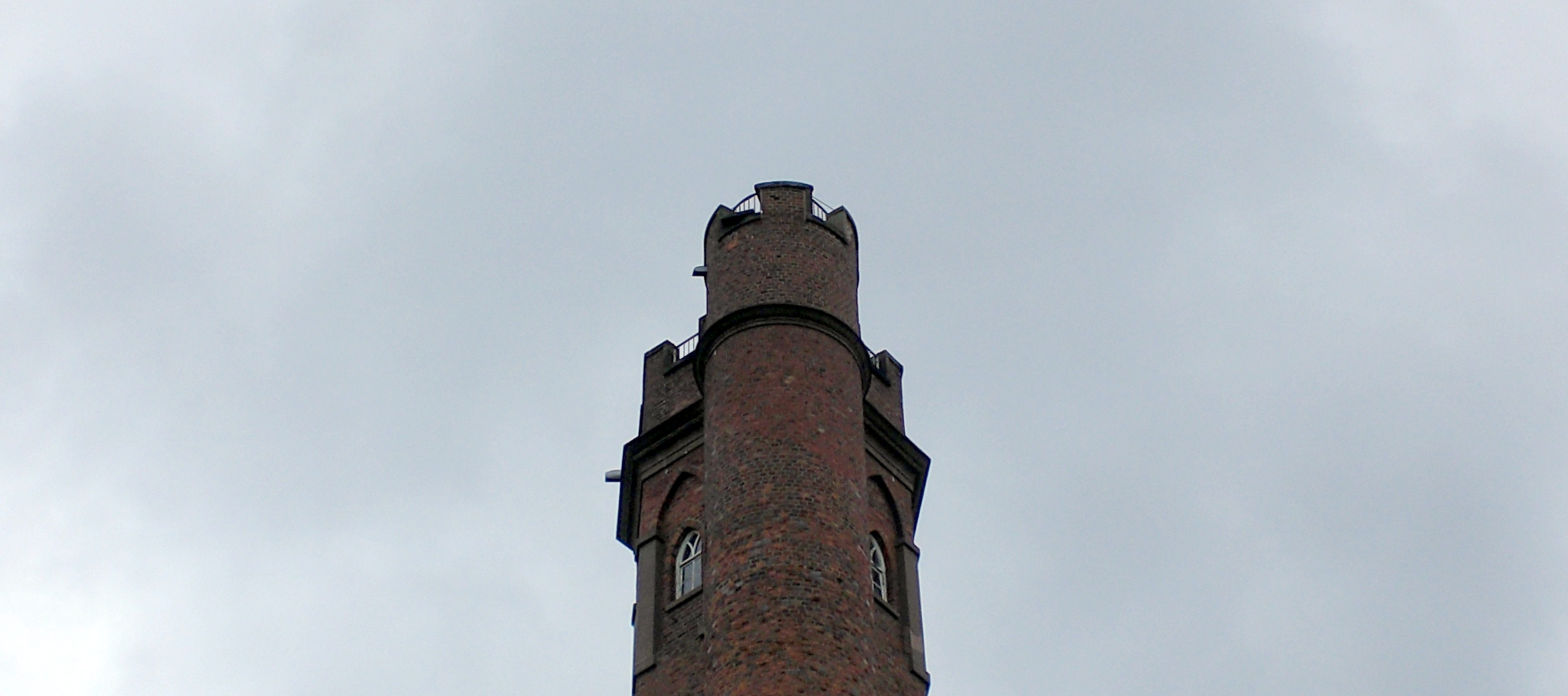
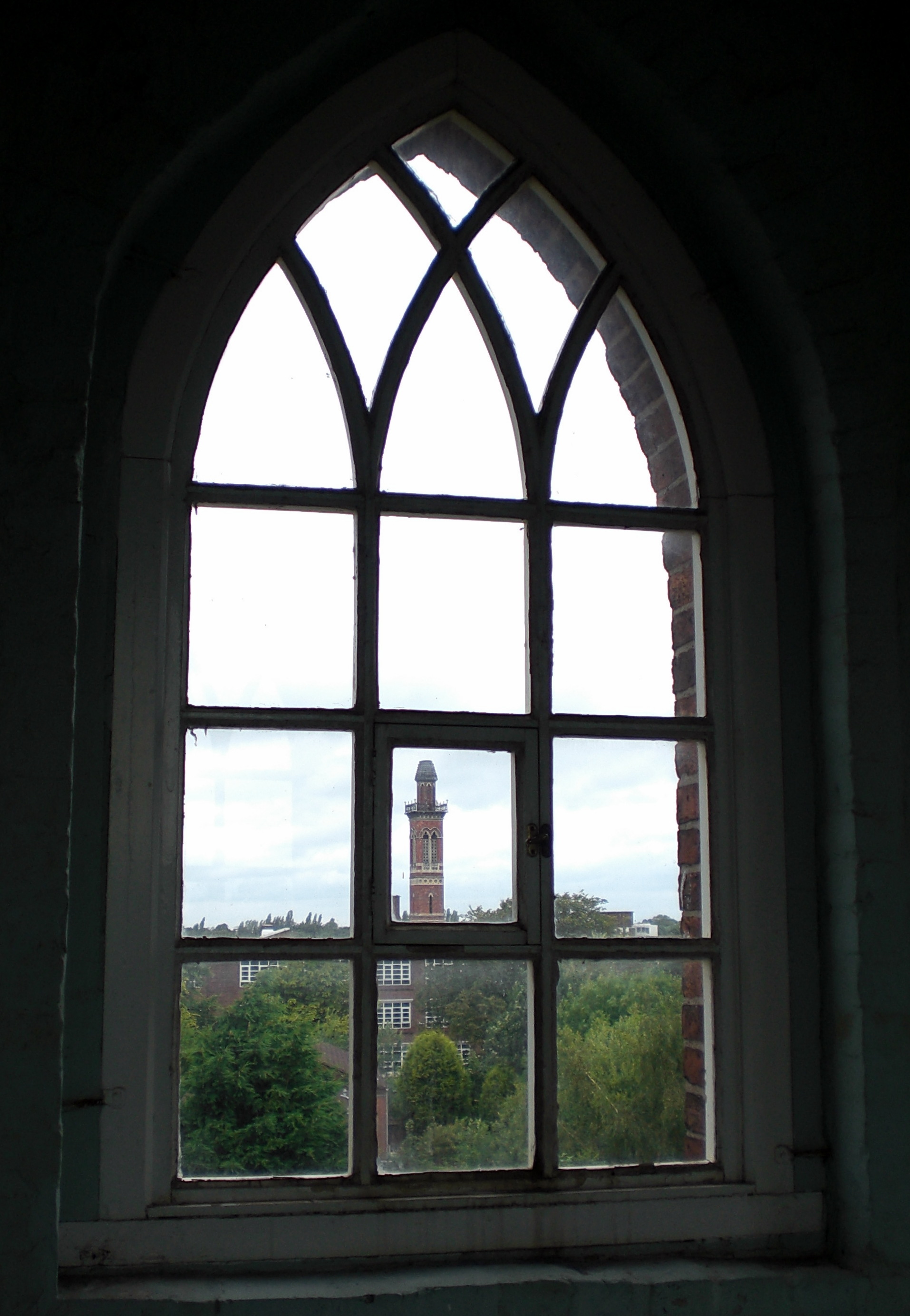
We have contributed a short piece called The Tower to Unofficial Britain which you can find here
Unofficial Britain is a new hub for unusual perspectives on the landscape of the British Isles, exploring the urban, the rural and those spaces in between. It is the creation of Gareth E. Rees, author of the highly recommended Marshland: Dreams & Nightmares on the Edge of London, published by Influx Press. He is also author of The Marshman Chronicles and is now broadcasting weird missives from the coastline of East Sussex.
.
.
Now playing: Githead – ‘Transmission Tower’ from Landing
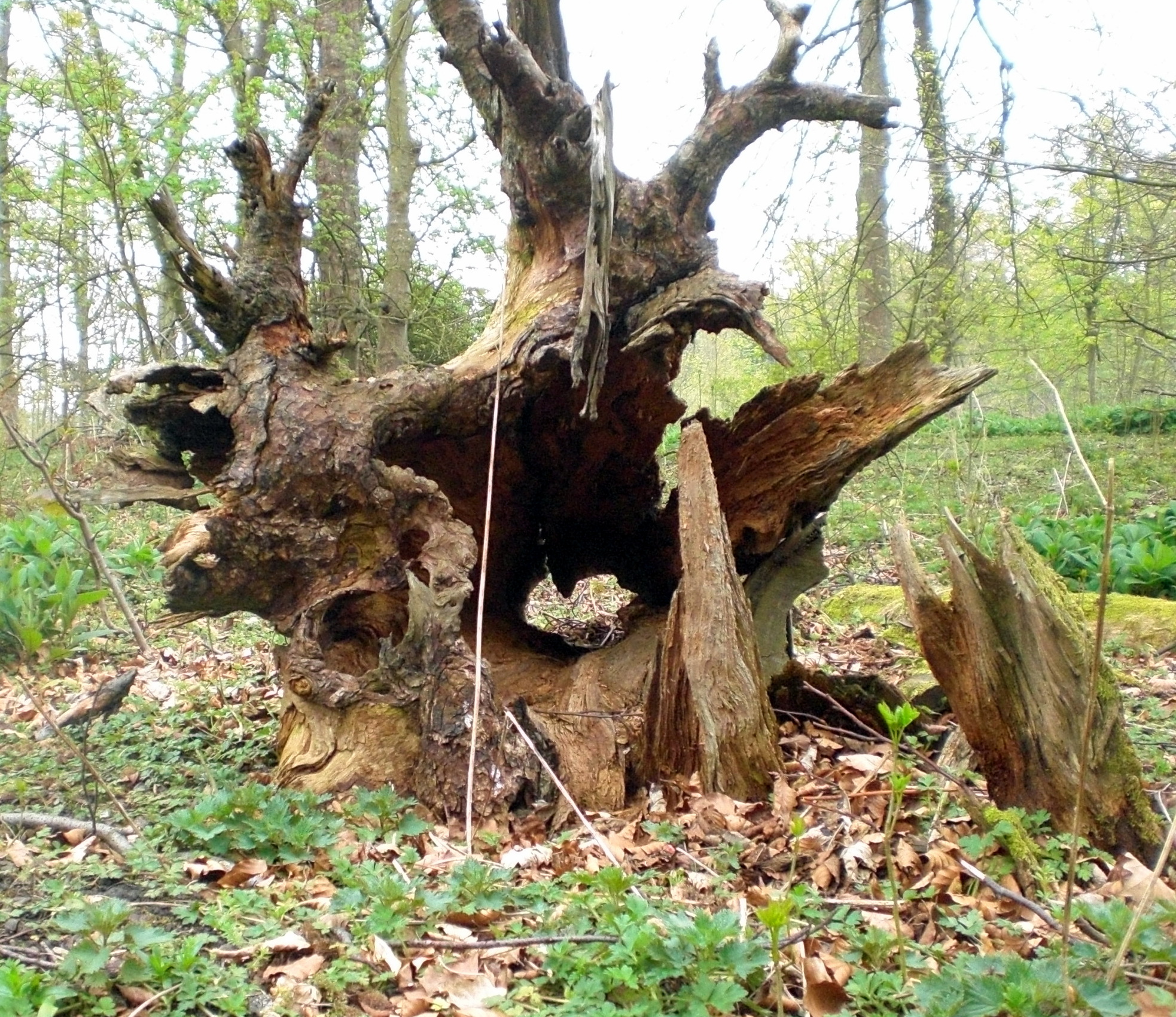
Hawthorn bushes and the call of a cuckoo conjure up the tale of Thomas the Rhymer a thirteenth century Scottish mystic, wandering minstrel and poet. Folklore tells of how Rhymer meets the Faery Queen by a hawthorn bush from which a cuckoo is calling. The Queen takes Rhymer on a journey of forty days and forty nights to enter the faery underworld. Some versions of the tale say Rhymer was in the underworld for a brief sojourn. Others say for seventy years, after becoming the Queen’s consort. Eventually, Rhymer returns to the mortal world where he finds he has been absent for seven years. The theme of travellers being waylaid by faery folk and taken to places where time passes faster or slower are common in Celtic mythology. The hawthorn is one of the most likely trees to be inhabited or protected by the faery folk.
The wild wood can be found amongst the terra incognita of farmland, old paths and hedgerows between the village of Pattiesmuir and Dunfermline, Fife.
Now playing: Bert Jansch – ‘The Tree Song’ from Birthday Blues.
Whilst in Glasgow recently, it was a sad sight to walk along Renfield Street and see the hollowed out shell of The Glasgow School of Art. Even in it’s fire-damaged condition, Charles Rennie Mackintosh’s architectural masterpiece remains identifiable as one of the great buildings of the world.
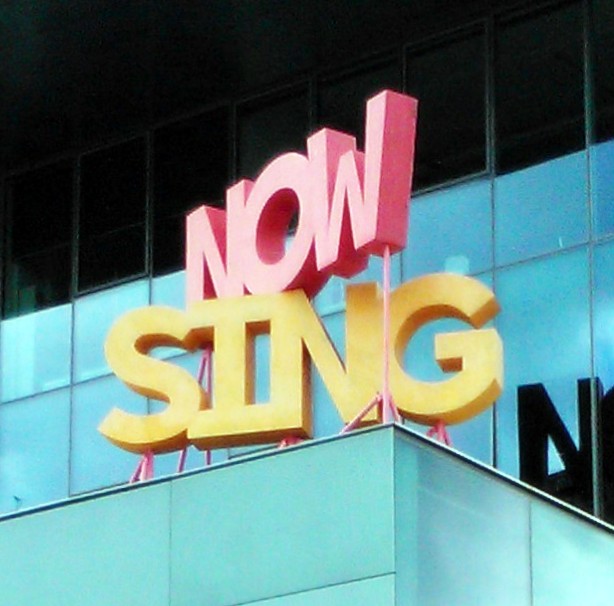
On the other side of the street, a shiny new neighbour, the Reid Building, hunches over its ailing, elderly companion. A reflective sympathy of glass, metal and concrete. On the balcony, Michael Stumpf’s installation, speaking to the moment:
As an invocation, it’s a good one:
NOW SING
.
As twilight descends, and the sounds of Sauchiehall Street murmur below, we can imagine the Reid Building and all people passing, singing soft lullabies. Songs to comfort. Songs to bring back light and air to soot-blackened lungs. Songs to soothe the city fabric.
So no fire damaged pictures of The Mackintosh Building. It’s presence will always be there: to heal, challenge and sustain the human imagination, whatever its material state.
(and soothe the city fabric)
Now playing: Richard Youngs – ‘The Future is So Different Today’ from Summer Through My Mind
21 June 2014. Walking along an overgrown railway track near Crombie in Fife. As ‘night’ approaches, darkness fails to smother the light. Even the Giant Hogweed (?) appears to embrace the sky.
Now playing: Loren Mazzacane & Suzanne Langille – Come Night
In Guy Debord’s autobiography, Panegyric, he describes having spent the greater part of his life in Paris, specifically within the triangle defined by the intersections of rue Saint-Jacques and rue Royer-Collard; rue Saint-Martin and rue Greneta; and rue du Bac and rue de Commailles.
Never or hardly ever, would I have left this area which suited me perfectly.
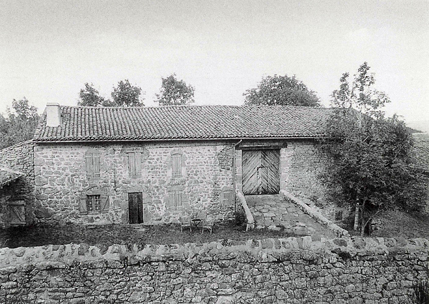
However, for the last 20 years of his life, Debord spent increasing amounts of time in an isolated house at Champot Haut, situated in Bellevue-la-Montagne, a commune (population c. 500) in the Haute-Loire département of theAuvergne. From 1975 onwards, Debord spent most summers and a few winters there with his second wife Alice Becker-Ho.
The idea of Debord as a Landscape writer is not one that would immediately spring to mind, yet over a few pages in Panegyric, Debord paints a lyrical elegy to the natural world and landscape of Champot.
.
Inaccessible • isolated • surrounded by woods
I have even stayed in an inaccessible house surrounded by woods, far from any village, in an extremely barren, exhausted mountainous region, deep in a deserted Auvergne. I spent several winters there.
snow • drifts • logs • fire
Snow would fall for days on end. The wind piled it up in drifts. Barriers kept it off the road. Despite the surrounding walls, snow accumulated in the courtyard. Logs were piled high on the fire.
at night • an opening to the Milky Way • stars so close
The house seemed to open directly onto the Milky Way. At night, the stars, so close, would shine brilliantly one moment, and the next be extinguished by the passing mist…
a land of storms • horizon flashes • under siege
It was a land of storms. They would approach silently at first, announced by the brief passage of a wind that slithered through the grass or by a series of sudden flashes on the horizon; then thunder and lighting would be unleashed, and we would be bombarded for a long while from every direction, as if in a fortress under siege.
a lightning strike • an illuminated landscape • an irrevocable brilliance
Just once, at night, I saw lightning strike near me outside: you could not even see where it had struck; the whole landscape was equally illuminated for one startling instant. Nothing in art has ever given me this impression of an irrevocable brilliance, except for the prose that Lautréamont employed in the programmatic exposition that he called Poésies…
high winds • shaken trees • relentless assault
High winds which at any moment could rise from one of three directions, shook the trees. The more dispersed trees on the heath to the north dipped and shook like ships surprised at anchor in an unprotected harbour. The compactly grouped trees that guarded the hillock in front of the house supported one another in their resistance, the first rank breaking the west wind’s relentless assault…
clouds traverse the sky • winds retreat • relaunch
Masses of clouds traversed the sky at a run. A sudden change of wind could also quickly send them into retreat, with other clouds launched in their pursuit.
all the birds • chill of air • shades of green • tremulous light
On calm mornings, there were all the birds of the dawn and the perfect chill of air, and that dazzling shade of tender green that came over the trees, in the tremulous light of the sun rising before them…
the arrival of autumn • a sweetness in the air • ‘the first breath of spring’
The weeks went by imperceptibly. One day the morning air would announce the arrival of autumn. Another time, a great sweetness in the air, a sweetness you could taste, would declare itself, like a quick promise always kept, ‘the first breath of spring.’
in the square • extraordinary encounters • the owl of Minerva
In the midwinter nights of 1988, in the Square des Missions Étrangères, an owl would obstinately repeat his calls, fooled perhaps by the unseasonal weather. And this extraordinary series of encounters with the bird of Minerva, its atmosphere of surprise and indignation, did not in the least seem to constitute an allusion to the imprudent conduct or the various aberrations of my life. I have ever understood where my life could have been different or how it ought to be justified.
a pleasing and impressive solitude
It was a pleasing and impressive solitude. But to tell the truth, I was not alone: I was with Alice.
The Debord/Becker-Ho postbox at Champot (c) Andy Merrifield
At Champot, on 30th November 1994, Guy Debord shot himself through the heart with a single bullet.
Now playing: Jean-Claude Eloy – Chants pour l’autre moitié du ciel / Songs for the other half of the sky.
References:
Guy Debord, Panegyric Volumes 1 & 2, translated by James Brook and John McHale (London: Verso, 2004).
Andy Merrifield, Guy Debord (London: Reaktion Books, 2005).
















 Murdo Eason - From Hill to Sea