Copies of From Hill to Sea are now available in the DCA bookshop.
The new exhibition at DCA is Grey Gardens. Featuring contemporary and archive photography, scale models and sculptures, Grey Gardens explores how architects and artists have tried to harmonise their use of concrete with natural landscapes from the 1950s to the present day.
The exhibition traces a line from Scottish modernist buildings by Morris and Steedman and Peter Womersley to the work of Italian architect Carlo Scarpa and the fantastical Mexican concrete garden Las Pozas, created by Edward James.
Scottish town art also features, from Brian Miller’s work in Cumbernauld to David Harding’s creations for Glenrothes. These unique environments will be revealed through photography and video from Guido Guidi, Colin McLean, Amanda Holmes and Avery Danziger.
Set alongside these will be works by artists Neville Rae, Smith/Stewart and Martin Boyce, who won the Turner prize in 2011 and whose work DCA curated for the Venice Biennale in 2009.
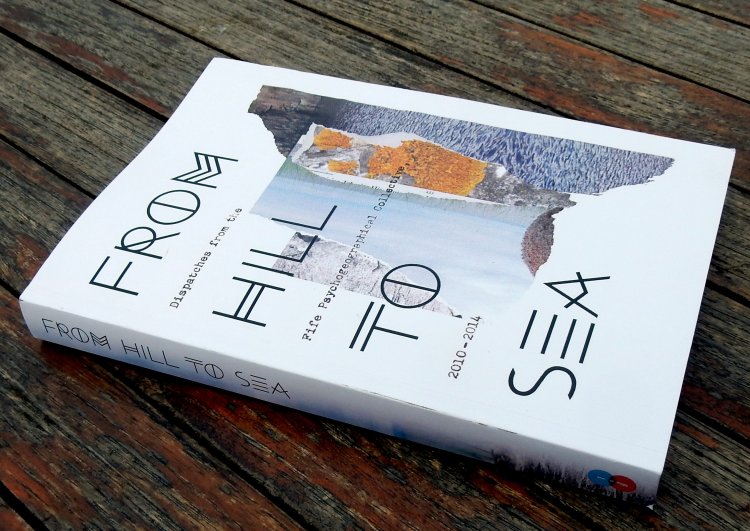
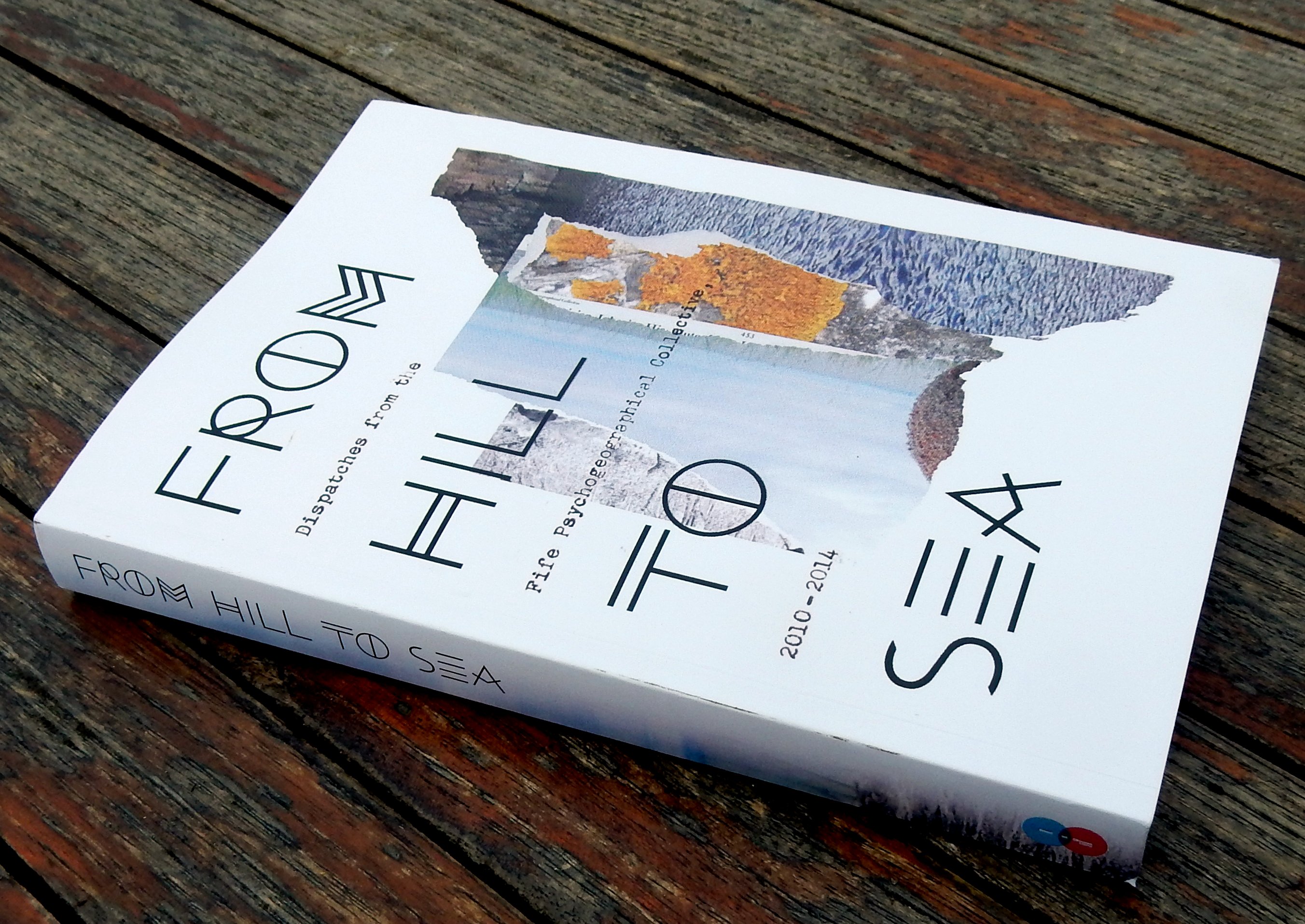
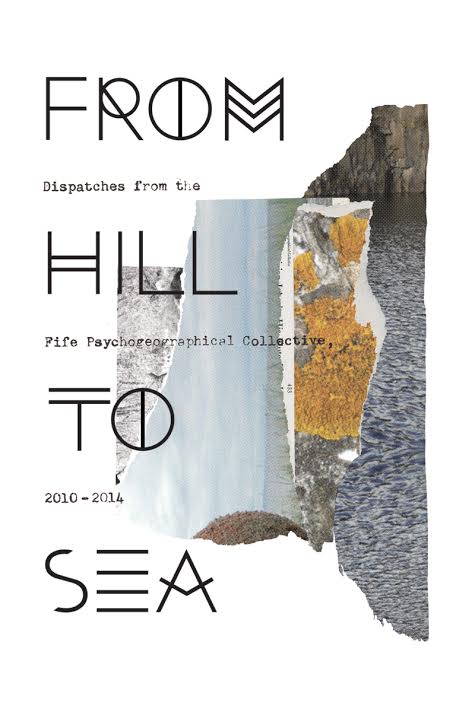
From Hill to Sea: Dispatches from the Fife Psychogeographical Collective, 2010 – 2014 is published by Bread and Circuses Publishing.
After a successful launch at the Edinburgh Independent & Radical Book Fair, copies of the book are now available from Word Power bookshop in Edinburgh and by mail order. See the Publications page here.
We are delighted to be part of this years Edinburgh Independent & Radical Book Fair, organised by the wonderful Word Power Books. The festival runs from Wednesday 28th October through to Sunday 1st November. The full programme is available here. All of the events take place at Out of the Blue Drill Hall, 36 Dalmeny Street, just off Leith Walk.
On Friday 30th October at 5.45pm, Murdo Eason introduces From Hill to Sea: Dispatches from the Fife Psychogeographical Collective 2010-2014.
Also, for the duration of the book festival, there will be an exhibition of images and texts by the Fife Psychogeographical Collective: Walls / Objects / Structures.
If you do attend, and get the chance, please say hello.
We are delighted to announce that our book, From Hill to Sea, will be published in November 2015 by Bread and Circuses Publishing. (Tom Vague, King Mob, Guy Debord etc). Details about the book’s content and a ten minute film can be viewed on the Bread and Circuses website here.
There will be an initial, full colour, limited edition print run and also an eBook. Further information about the book will be posted here and on the Bread and Circuses website when available. If you are interested in reserving a copy of the numbered, limited edition print run, or being kept informed about the book’s publication, please email:
info [at] breadandcircusespublishing.com
What started out as a short trailer for the book, expanded to a ten minute film. Any rational person may have tried to edit this down but we have left it to view in whole or in part. If nothing else, you can enjoy the sounds of Oneohtrix Point Never and The Durutti Column.
Murdo Eason will also be doing some readings from the book at various forthcoming events. We will post details on this blog and on twitter @fifepsy
Thanks to everyone who has been supportive and encouraging of our endeavours to date. It is greatly appreciated.
We were recently asked to select a few tracks and talk about them for Cut Grass, the music show on totallyradio, hosted by Grasscut.
For anyone not familiar, Grasscut are the landscape-focused, musical duo of composer/producer/vocalist/musician Andrew Phillips and manager/musician Marcus O’Dair. As Grasscut, they have released two albums on Ninja Tune, with their third album Everyone Was a Bird – ‘an album born of footfall’ – recently released on Lo Recordings. Sleeve notes are by none other than Robert Macfarlane.
Grasscut have performed across Europe and worked with musicians including Robert Wyatt, John Surman and the Kronos Quartet. Marcus has also written a highly acclaimed, authorised biography of Robert Wyatt, Different Every Time, published in 2014.
The tracks we selected for the show were by: John Cage, Wire, Vashti Bunyan, Black Box Recorder, Barry Guy and Laura Cannell. There is a host of other great music featured and also extracts of readings by the poet Charles Olson.
We also wrote a piece for the Grasscut blog, loosely based around several themes connecting music and landscape:
In a Landscape
Secular Pilgrimage
Specific Places
Sound in Spaces
Arterial Connectivity
Apocalyptic Landscapes
The piece outlines in more detail the reasons for our track selections and pulls in a whole range of other music including: Patti Smith, Sandy Denny, Áine O’Dwyer, Brötzmann & Bennink, La Monte Young and Corrupted. You can read the piece here and/or read a couple of extracts below.
In a Landscape
Silence is not acoustic. It is a change of mind, a turning around.
John Cage
In a Landscape, a composition by John Cage is, arguably, one of the more ‘tuneful’ of his works. Written for solo piano or harp, it throws a nod towards Satie and borders on Impressionism. The title as an existential statement could hardly be bettered. Not walking through a landscape, but the conscious realisation of (being) in a landscape. It is also worth noting that Cage’s (in)famous silent piece 4’33” was first performed in a landscape. The Maverick Concert Hall is an open-air theatre, on the outskirts of Woodstock, New York, which was built in 1916 to present ‘Music in the Woods’. Kyle Gann notes that there about as many seats outside of the hall, as in, and that oak, maple hemlock and shagbark-hickory trees intrude gently upon the listening space. On the evening of Friday, 29th August 1952, the pianist David Tudor opened and closed the piano list as instructed by the score. The merits or otherwise of the ‘silent piece’, 4’33”, have and will continue to be debated, but if nothing else, our view is that it is an invitation to really listen and become aware of your surroundings. Cage himself notes that the sounds he heard during the performance included the wind stirring, raindrops patterning the roof and the noise of people as they walked out …
Kay Larson says: “before anything else, (4’33”) is an experience.” It is a proposition that says, in notational shorthand: stop for a moment and look around you and listen; stop and look; stop and listen. “Something” and “Nothing” can never be divided.
Perhaps a useful thought for any landscape wanderer to ponder …
≈≈≈
Secular Pilgrimage
We have always been attracted to the idea of the motivated journey, or secular pilgrimage such as Werner Herzog’s walk from Munich to Paris recounted in Of Walking in Ice. The other dimension is the juxtaposition of an idea or image of a place, constructed before arriving, and the lived reality of actually experiencing it. In early 1970s New York, a young Patti Smith, obsessed with the poet Arthur Rimbaud, hatched a plan to travel to Harar in Ethiopia to find Rimbaud’s (imagined) lost valise:
I would return with the contents of the mysterious case, preserved in Abyssinian dust, and present it to the world.
Attempts to raise funding for the trip from “publishers, patrons and literary foundations” were met with bemused nods and Smith concluded that “the imagined secret papers of Rimbaud were not a fashionable cause.” However, Smith did manage to scrape up enough funds to head to Charleville in France, the place where the poet was born and buried. Smith recounts her experiences in a short text Charleville:
“I carried my raincoat and ventured into the Charleville night. It was quite dark and I walked the wide and empty quai Rimbaud. I felt a little afraid but then suddenly in the distance I saw a tiny light, a small neon sign — Rimbaud Bar. I stopped and took a breath, unable to believe my good fortune. I advanced slowly afraid it would disappear like a mirage in a desert…”
A bar where she would feed the jukebox with a: “crazy mix of Charles Aznavour, Hank Williams and Cat Stevens”.
This short book is a combination of the idealised image of a place, carried by Smith and the reality of her lived experiences such as finding the Rimbaud museum closed and bringing some blue glass beads from Harar to Rimbaud’s grave. “I felt that, since he was unable to return to Harar, I should bring a bit of Harar to him.”
Of course Smith’s pilgrimage experience seeps into much of her subsequent writing. The power of place imagined, experienced and carried within:
We have contributed a short piece called The Tower to Unofficial Britain which you can find here
Unofficial Britain is a new hub for unusual perspectives on the landscape of the British Isles, exploring the urban, the rural and those spaces in between. It is the creation of Gareth E. Rees, author of the highly recommended Marshland: Dreams & Nightmares on the Edge of London, published by Influx Press. He is also author of The Marshman Chronicles and is now broadcasting weird missives from the coastline of East Sussex.
.
.
Now playing: Githead – ‘Transmission Tower’ from Landing
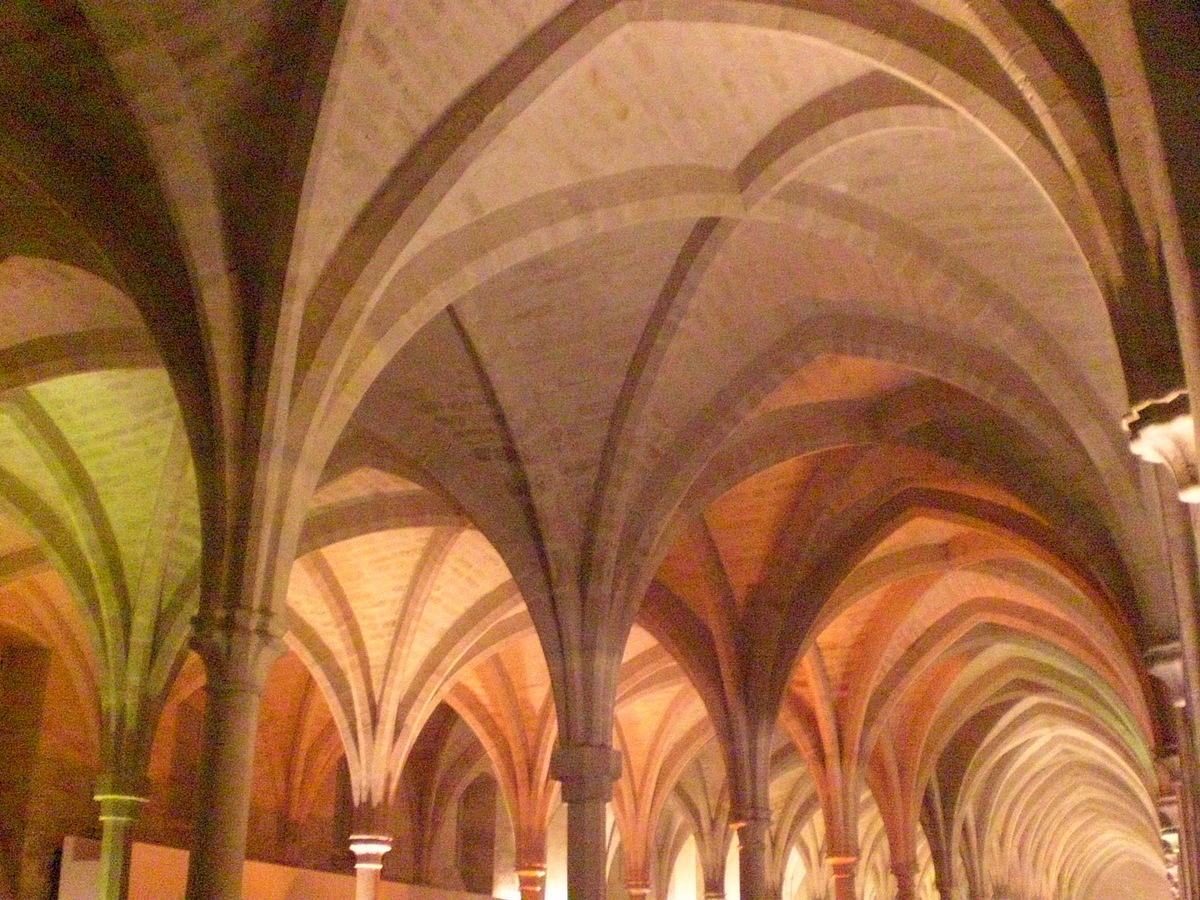
Éliane Radigue, Occam Ocean, at Collège des Bernardins, Paris
Would just like to take the opportunity to wish everyone all the best for 2014. Thank you for your support which has been much appreciated in 2013.
˜
Pause. Breathe. In. Out. Pre-
pare the sounding board you’ll be
for the pell-mell bells.
(Ron Butlin – from Four Haikus for a New Year).
.
Please excuse the following indulgence. Normal service will be resumed shortly!
˜
A Musical Year: Soundtracks of 2013
Heroine of the year: Éliane Radigue.
As Radigue approaches her 82nd birthday, 2013 finally saw a release for Ψ 847, her c. 80 min electronic piece originally conceived in 1973. Important Records also reissued the rare and monumental Adnos I-III and just before the year end Shiiin released the first complete recording of Naldjorlak I II III. All of this recorded documentation was rounded off by being lucky enough to catch a concert in Paris of her ongoing Occam Ocean series of compositions for her trusted acoustic collaborators: Charles Curtis, Carol Robinson, Bruno Martinez, Robin Hayward, Julia Eckhardt, and Rhodri Davies.
Hero of the year: Ilan Volkov.
Curator of the world class Tectonics festival in Glasgow and (Reykjavik) bringing together works by composers such as Alvin Lucier, Morton Feldman, Iancu Dimitrescu, Ava-Maria Avram and Hanna Tuulikki. A highlight was watching Alvin Lucier lift the lid off his sonic teapot. Performers included Oren Ambarchi, Stephen O’Malley, Aidan Moffat, Hildur Guðnadóttir and Volkov himself who took part in a rousing version of Ambarchi’s Knots. In addition, Volkov continues to spearhead ‘new’ orchestral music and has conducted the BBC SSO in many fine performances including works at The Proms by Cage, Feldman, Varèse and Cardew alongside emerging, contemporary composers.
A big shout out also to the Counterflows festival. Another world class event for Glasgow which in 2013 included Loren Connors and Suzanne Langille, Phill Niblock, Jandek, Lina Lapelyte and a blistering closing set from Peter Brötzmann and Paal Nilssen-Love. The line up for 2014 is already looking pretty fabulous.
So in alphabetical order:
The Dead C – Armed Courage (Ba Da Bing)
What they always do, very well.
Kevin Drumm – Tannenbaum (Hospital Productions)
Often reduced to the ‘noise’ tag. Drumm has produced some incredible deep drone music over the past few years. This is a long, unfolding masterpiece. All 2.5 hours of it.
The Fall – Re-Mit and The Remainderer
Because anything by The Fall is worthy of celebration.
Fire! Orchestra – Exit! (Rune Grammofon)
The big band spirit of Sun Ra lives.
Bruce Gilbert & BAW – Diluvial (Touch)
Sounding global warming.
Ramon Humetand The London Sinfonietta – Niwa (Neu)
Zen gardens, haikus in sound.
The Incredible String Band – Live at the Fillmore 1968 (Hux Records)
Long available as a bootleg, but good to have a decent recording which captures the ISB at their creative peak. “They tell me I was there” – Robin Williamson.
Keith Jarrett – No End (ECM)
Bit of a lo-fi curio but a fascinating glimpse into the Jarrett mind (or self indulgent noodling depending on preference). Essentially a home recorded guitar album from 1986, but only recently released. (He also plays bass, drums, tablas, percussion, recorder, and piano).
Dennis Johnson – November (Irritable Hedgehog)
Tremendous piece of archive reconstruction from Kyle Gann and admirably recorded by Andrew Lee. Jeremy Grimshaw’s book on La Monte Young fills in some of the back story on this ‘forgotten’ work and Johnson’s friendship with Young.
Brian Lavelle – My hands are ten knives (Quiet World)
BL has built up a fascinating body of sound work, both solo and in collaboration. Very much enjoyed a more minimal direction in 2013 and could easily have chosen 56 Revealings which was another fine release.
Alan Licht – Four Years Older (Editions Mego)
Blue Humans, Text of Light. Noisy guitar poet
Roscoe Mitchell – Not Yet (mutable music)
Stunning set of concert compositions. Features conductor Petr Kotik who will be familiar to the Cage/Feldman crowd.
Mogwai – Les Revenants
Never caught the TV series but the music stands up very well on its own. A January release for Rave Tapes should get 2014 well underway.
Mohammad – Som Sakrifis (PAN)
Deep, elemental, drone chamber trio.
The Necks and Evan Parker – Late Junction Session, BBC Radio 3
Open is the first Necks album that I found a bit disappointing. In contrast, this session with Evan Parker was a real treat and much more satisfying. A rare collaboration for The Necks.
Phill Niblock – Touch Five
What he always does, very well.
Nohome – Nohome (Trost)(Caspar Brötzmann, Marino Pliakas, and Michael Wertmüller)
Lost track of Brötzmann’s activity in the past few years, but this is phenomenal. Teaming up with sometime rhythm section of Peter B plus FM Einheit. Melting walls, sonic attack.
Jim O’Rourke – Steamroom 1 & 5
These were the only ones we heard of thedigital Steamroom series and are superb. The rest probably are as well.
The Pastels – Slow Summits (Domino)
Welcome album return and the soundtrack to the summer.
Pere Ubu – The Lady From Shanghai (Fire Records)
As original and inventive as ever. A holiday in Berlin coincided with a live show. David Thomas luxuriated in overt cantankerousness and necked a bottle of red wine in short order. Table tennis sounds, Ring my Bell
Michael Pisaro – Tombstones (Human Ear Music)
Almost a Julia Holter album. Technically 2012 but CD out in 2013.
Éliane Radigue– Ψ 847(Oral); Adnos I-III (Important); naldjorlak I II III (Shiiin).
You have to experience Radigue. Words fail. Meditation helps.
Shampoo Boy – Licht (Blackest Ever Black)
Terrible name, but dense, ear pleasing drone from Peter Rehberg & friends.
Splashgirl – Field Day Rituals (Hubro)
An even worse name but combine them Shampoo Boy and you could have a Robert Rodríguez film. A piano trio produced by Randall Dunn with some guest appearances from Eyvind Kang.
Burkhard Stangl – Unfinished. For William Turner, painter (Touch)
Minimal guitar saturated with atmospheres.
Jakob Ullmann – fremde zeit addendum 4 (Edition RZ)
Needs full attention.
Water of Life – s/t
Exquisite, art-science collaboration between Rob St.John and Tommy Perman exploring flows of water through Edinburgh using drawings, photos, writing and sound.
Wire – Change Becomes Us (Pink Flag)
Still waving the Pink Flag.
♦♦♦
Live Highlights:
Acid Mothers Temple – Nice ‘n’ Sleazy, Glasgow
At their genre shredding best in a small basement club.
Dick Gaughan –Carnegie Hall, Dunfermline
A man with a guitar, a sense of history and political commitment. Great raconteur as well.
Dieter Moebius – Live score to Fritz Lang’s Metropolis – The Arches, Glasgow
Part of Sonic Cineplex at The Arches Glasgow.
Meredith Monk – On Behalf of Nature – Lyceum, Edinburgh
Theatre/music piece inspired by Gary Snyder.
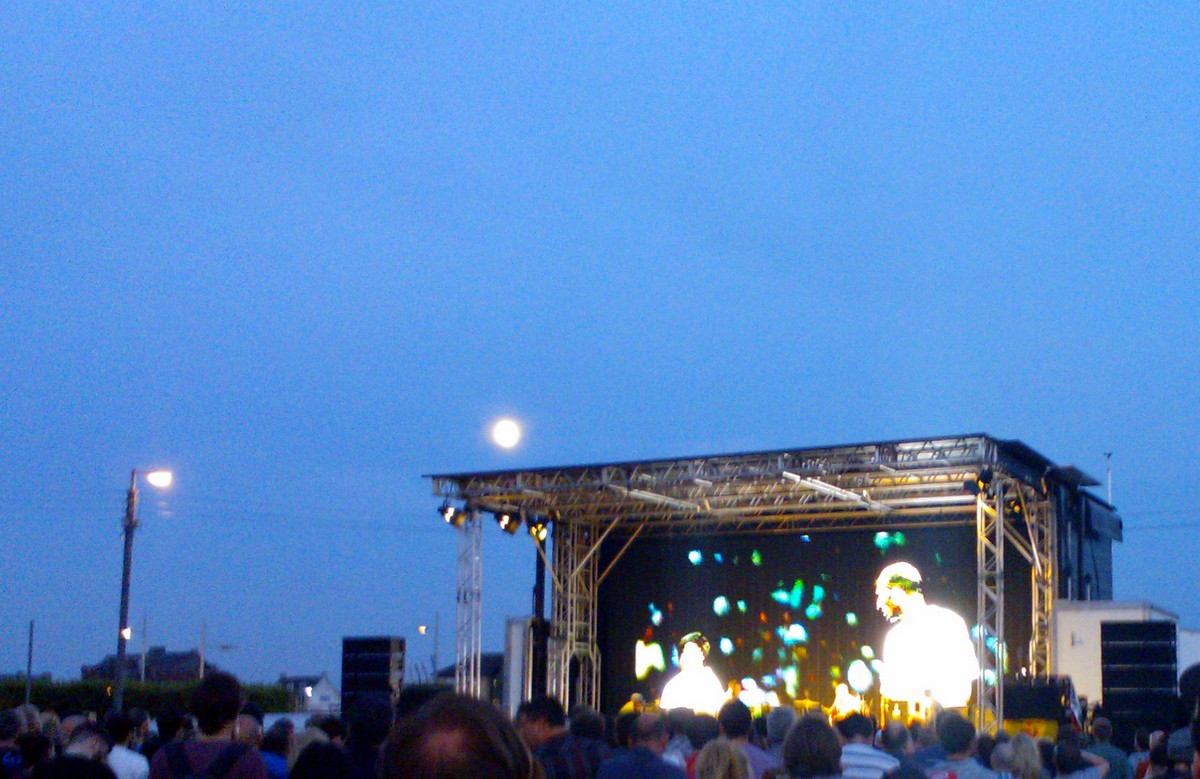
Mogwai, performing live to Zidane, A 21st Century Portrait – Broomielaw, Glasgow.
An outdoor, summer gig in Glasgow. Also intrigued by the moon.
Nazoranai (Keiji Haino, Stephen O’Malley, and Oren Ambarchi) – Stereo Glasgow.
Easily the loudest gig ever witnessed. Earplugs next time but exhilarating
Pere Ubu – Quasimodo, Berlin
See above.
Éliane Radigue,Compositions from Occam Ocean – Collège des Bernardins, Paris
This music/sound rearranges the molecules of the body. A big thanks to A who came along on what was a romantic weekend.
Il Sogno del Marinaio (Mike Watt/Stephan Pilia/Andrea Belfi) – Mono, Glasgow.
Mike Watt is always interesting live and intrigued to see Pilia in this setting having previously loved his Action, Silence Prayers album.
Patti Smith and Philip Glass,The Poet Speaks (A tribute to Allen Ginsberg) – Playhouse, Edinburgh
Was a bit apprehensive about this beforehand, as in may not equal the sum of parts, but what a superb evening. Patti expressed her admiration for Robert Louis Stevenson as well.
Television – The Sage, Gateshead
A rare chance to see a favourite band so well worth a trip to Newcastle and saw Schwitters Merzbarn wall the next day.
Neil Young & Crazy Horse – SECC, Glasgow
Broke my vow to never visit the SECC again and found electric Neil and the Horse in fine form. Out mbv’d mbv.
Recently, we have been visiting the area around the coastal town of Leven. A fairly long piece is slowly coming to fruition. Until then, here is a short post.
≈
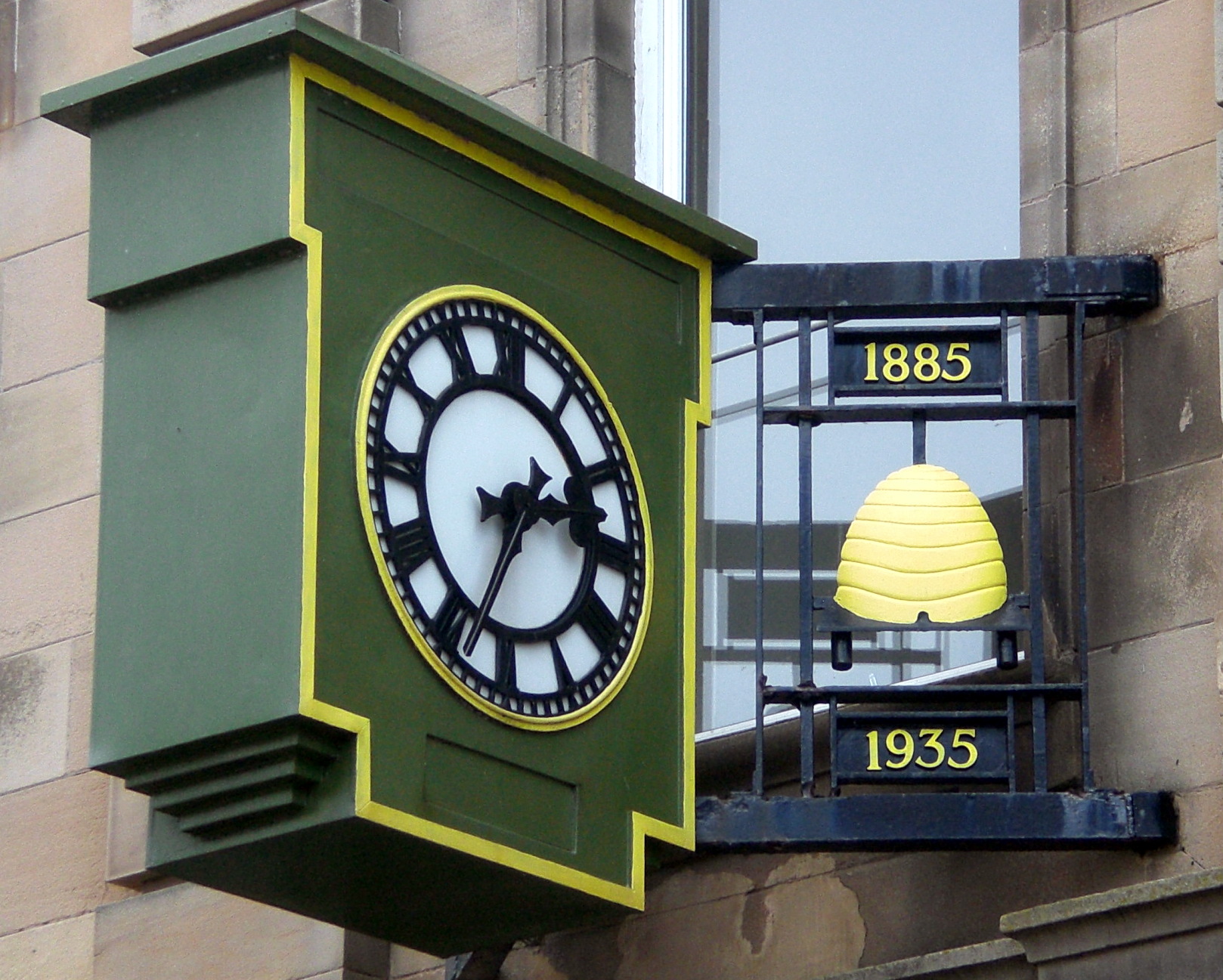
Walk up Durie Street in Leven and listen out for the bees singing. Perhaps, the sound of the skep is more of a muted murmur now, but raise your eyes from street level and you may hear them.
The first hive is above what is now the town library. Our industrious and co-operative little bees swarm around their skep as they have done since 1887.
This symbolic image on a former building of the Leven Reform Co-operative Society reminds us of the Rochdale Pioneers. In 1844, with an economy in decline, wage reductions and strikes, a group of unemployed weavers met at the Socialist Institute to debate the philosophies of Robert Owen and Chartism. Whilst there are many examples of co-operative societies existing before 1844, The Rochdale Pioneers formulated a set of guiding principles, upon which, an expansive version of co-operation was founded. Looking at these principles today, it is notable how well these stand up as a set of co-operative ideals:
1. Democratic control, one member one vote and equality of the sexes.
2. Open membership.
3. A fixed rate of interest payable on investment.
4. Pure, unadulterated goods with full weights and measures given.
5. No credit.
6. Profits to be divided pro-rata on the amount of purchase made (the dividend or divi).
7. A fixed percentage of profits to be devoted to educational purposes.
8. Political and religious neutrality.
The Rochdale Society of Equitable Pioneers raised money from 28 original subscribers to establish a shop at 31 Toad Lane, Rochdale which was equipped and stocked with basic goods and produce. The Pioneers chose the beehive as a symbol of co-operation and unity and the original stone skep stood on top of the, now demolished, central store at 45-51 Toad Lane, Rochdale. The skep now sits preserved and incorporated into the outside wall of the Rochdale Pioneers museum.
(c) The Rochdale Pioneers Museum
Within ten years of the Pioneers founding efforts the co-operative movement in Britain had grown to nearly 1,000 co-operatives with many adopting the symbol of the beehive.
≈
We are back in Leven. Follow the echoes and walk further up Durie Street. On the clock of the former Co-operative department store, a golden skep, clotting the fingers of weak, ebbing sunlight:
Stand. Raise your head and look to the sky. Follow the thread of sibilant hum to the very top of the building. A change of tone – to low dissonant drone. A sign that the bees are, once again, getting ready to swarm:
Underneath the skep
intimations of new life
still sounding – echoes
of the Pioneers.
≈
Now Playing: Earth – The Bees Made Honey In The Lion’s Skull
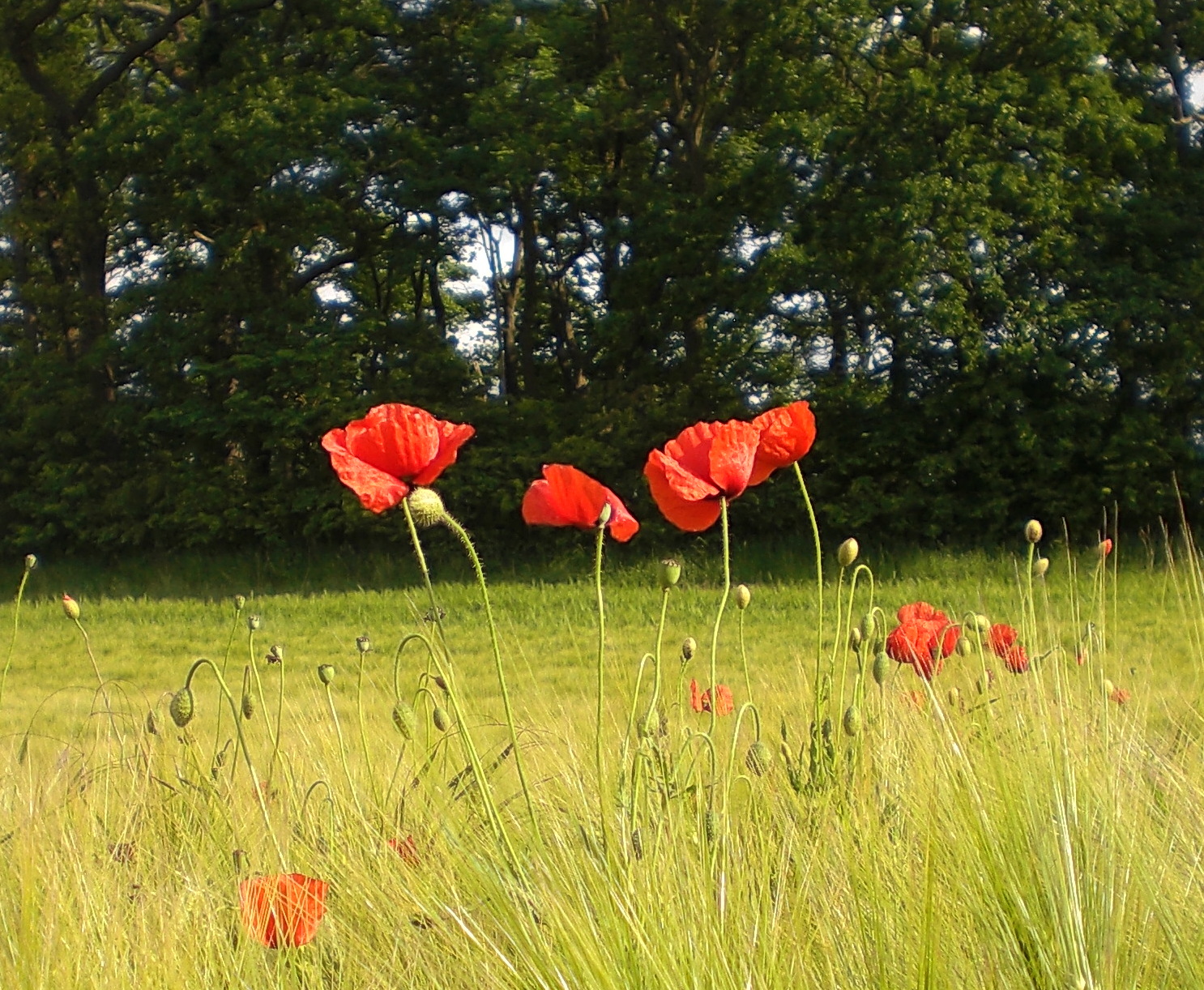
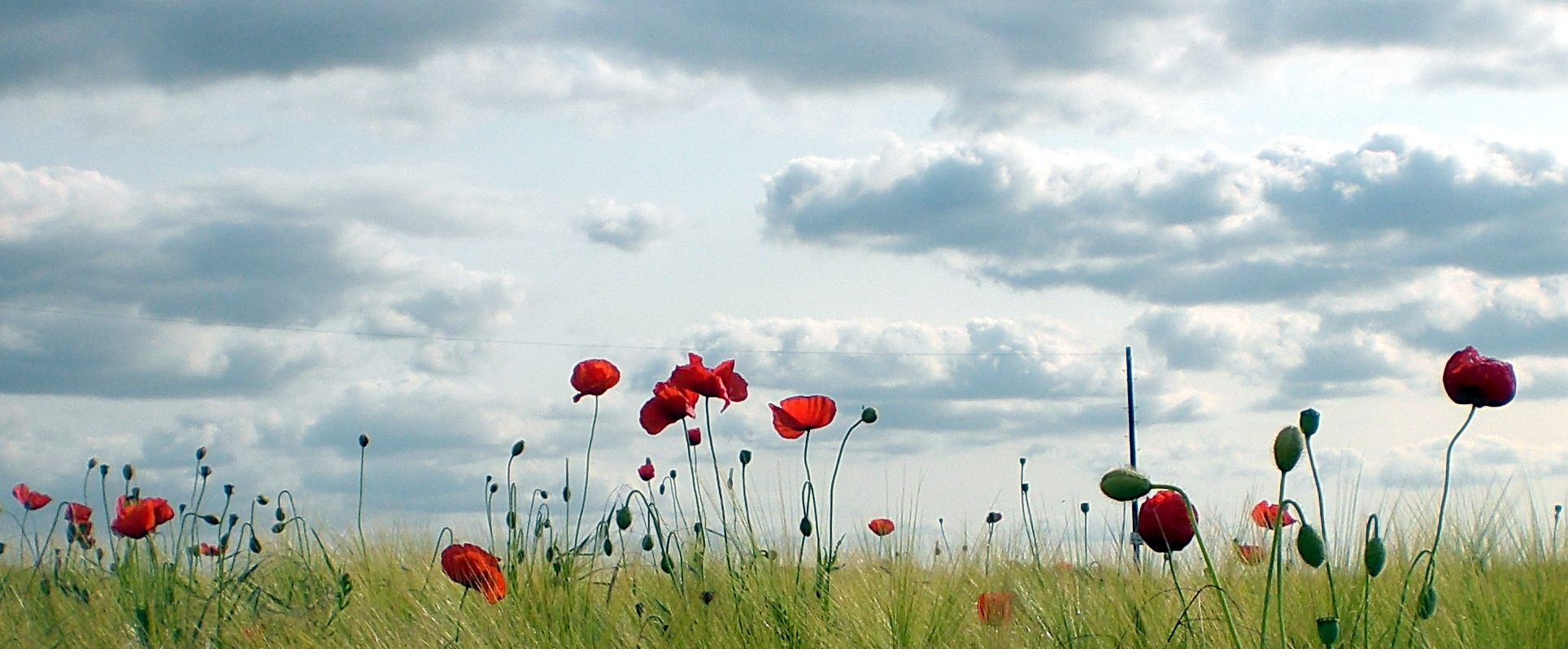
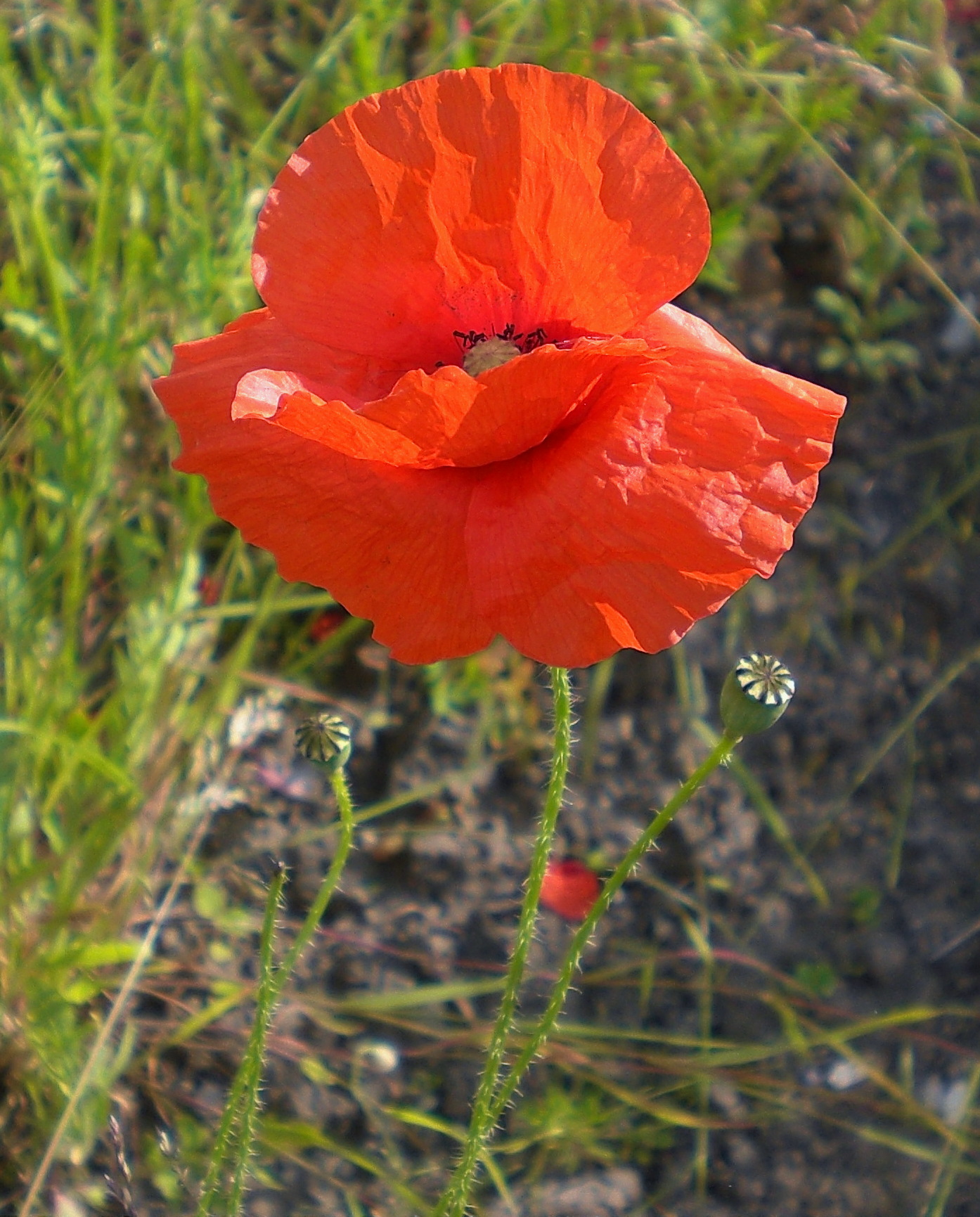
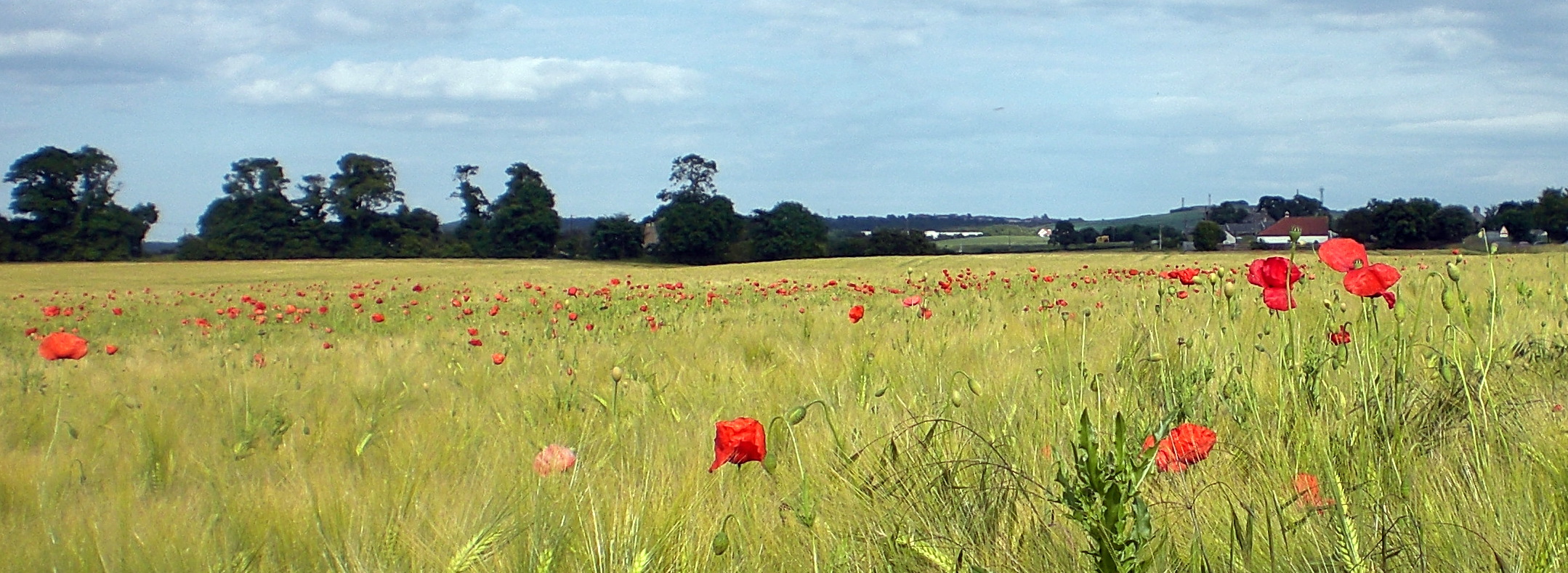
That we find a crystal or a poppy beautiful means that we are less alone, that we are more deeply inserted into existence than the course of a single life would lead us to believe.
John Berger – The White Bird
Homer mentions poppies in the Iliad, comparing the head of a dying warrior to that of a hanging poppy flower.
The god Morpheus made crowns out of the poppy flowers and gave them to those he wanted to put to sleep. Poppy flowers were used to decorate the temple.
The Greeks have a legend that explains how the poppy came to be called the Corn Poppy. The poppy was created by the god of sleep, Somnus. Ceres, the goddess of grain, was having difficulty falling asleep. She was exhausted from searching for her lost daughter; still she couldn’t fall asleep and had no energy to help the corn grow. Somnus cooked up a concoction and got her to take it and soon she was sleeping. Rested and relaxed Ceres could then turn her attention to the corn which began to grow. Ever since that time the people believed that poppies growing around cornfields ensure a bountiful harvest. And so was born the Corn Rose, or as we call it today the Corn Poppy.
Adapted from The Modern Herbal
But the Poppy is painted glass; it never glows so brightly as when the sun shines through it. Wherever it is seen-against the light or with the light – always, it is a flame, and warms the wind like a blown ruby.













 Murdo Eason - From Hill to Sea