Three Colours

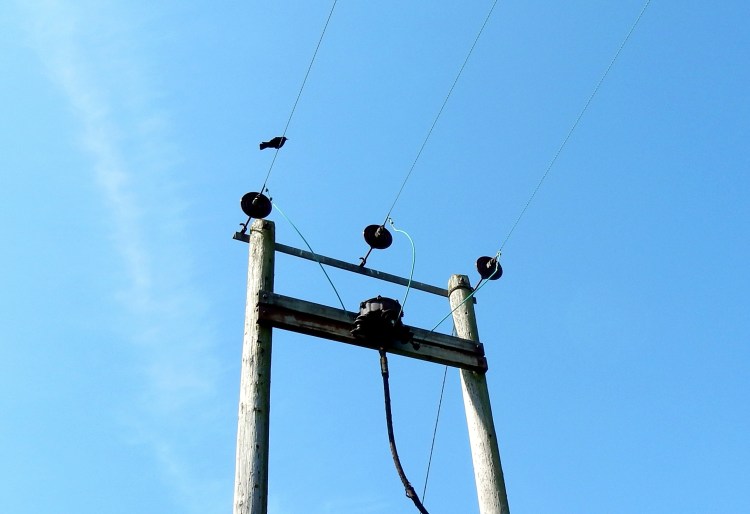
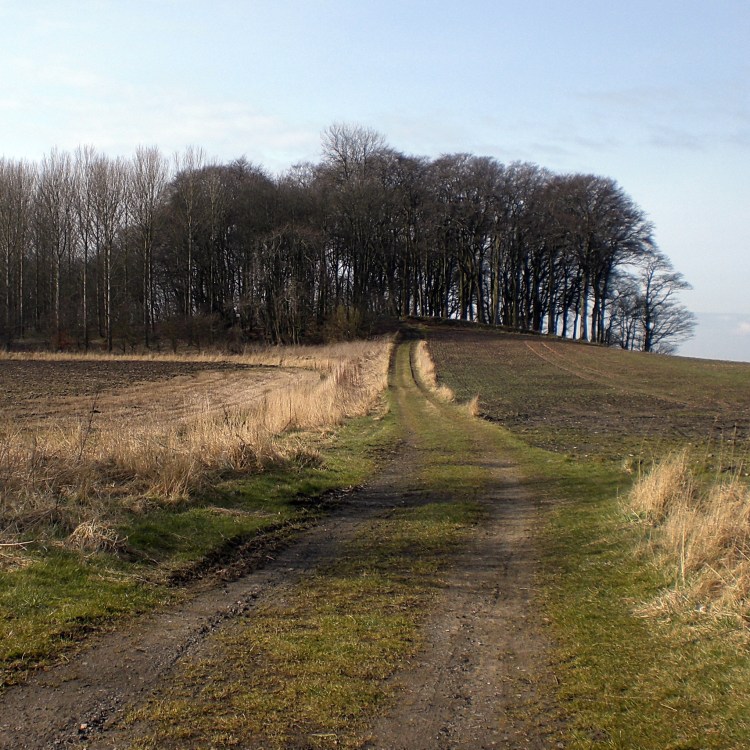
Blue

DSCN3789-001

Blackbird

Raga

Sky

Transmission

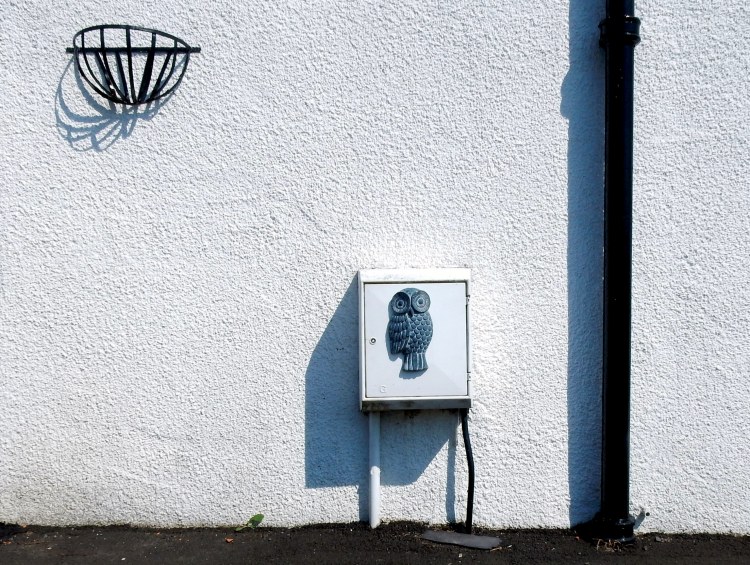
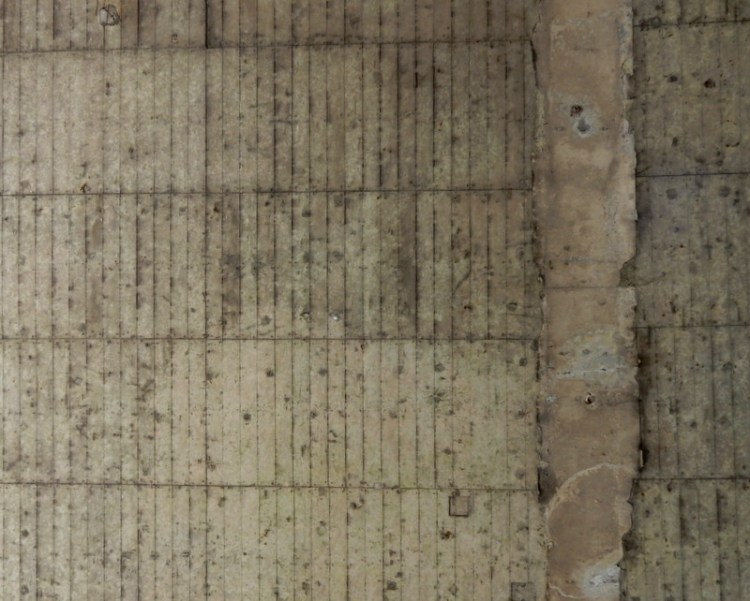
White

DSCN3780-002

The blind owl

sees no shadows

but feels the sun

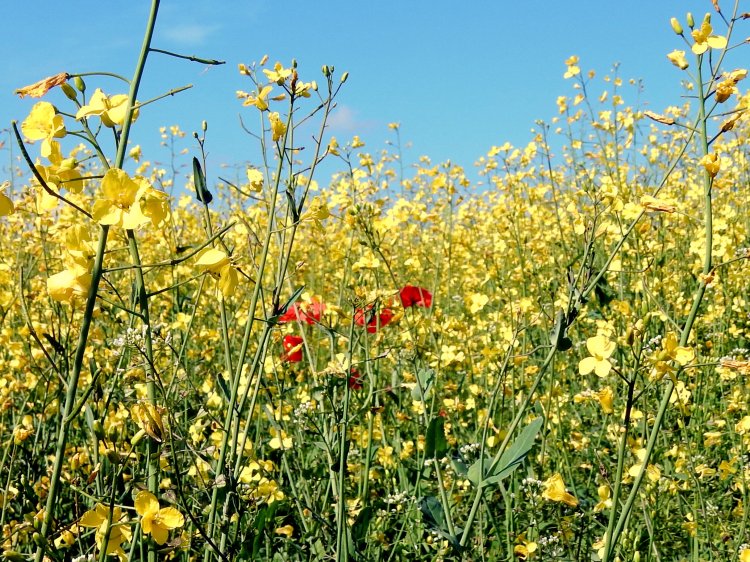
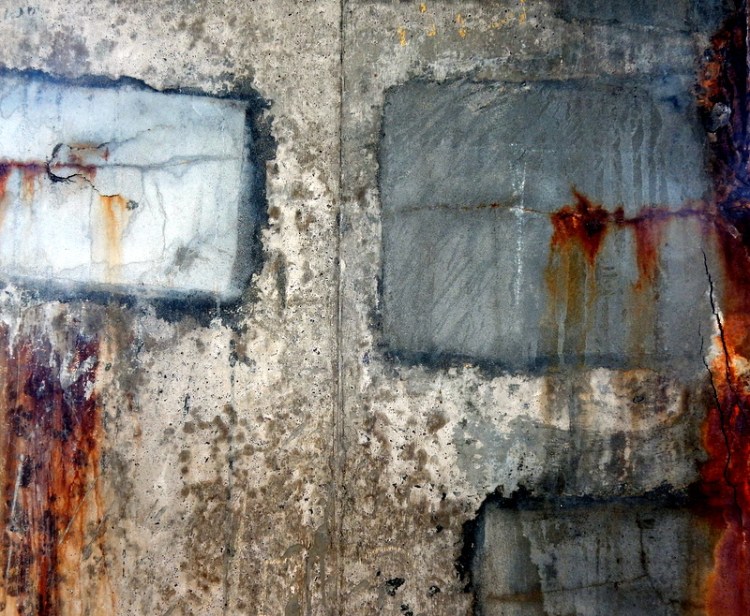
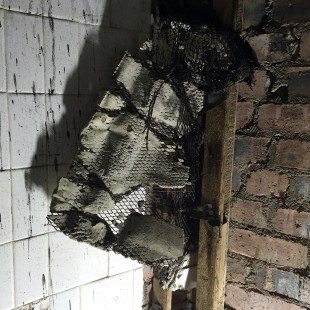
Red

DSCN3807-001

Sounding

the sun-bleached

colour-field.


A chorus

of fire music.

Now playing: Alice Coltrane – Saved from the Fire: The Ashram Tapes of Alice Coltrane, Mix for RBMA Radio by Frosty

From a walk to Dunfermline via Pattiesmuir, under a baking sun, 18th June 2016.

Book Review – Billy Mills on Elliptical Movements

.

Another book review of From Hill to Sea. This time from Billy Mills, poet, editor, and literary journalist at guardian.co.uk. Billy also runs hardPressedPoetry press with fellow poet Catherine Walsh. Billy’s blog Elliptical Movements is a treasure trove of book reviews, poetry and generally interesting writing including an archive of Irish Women Poets. We are delighted that he has reviewed our book which can be read here.

Thanks Billy!

.

Windylaw Path
Windylaw Path

Now playing: Wire – ‘Outdoor Miner’ from Chairs Missing

Cartographies of Chance – Underneath the M90 (II)

DSCN3399
Found Art – I

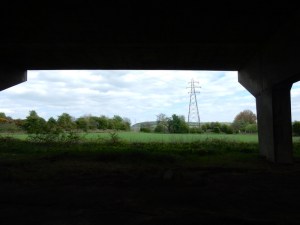
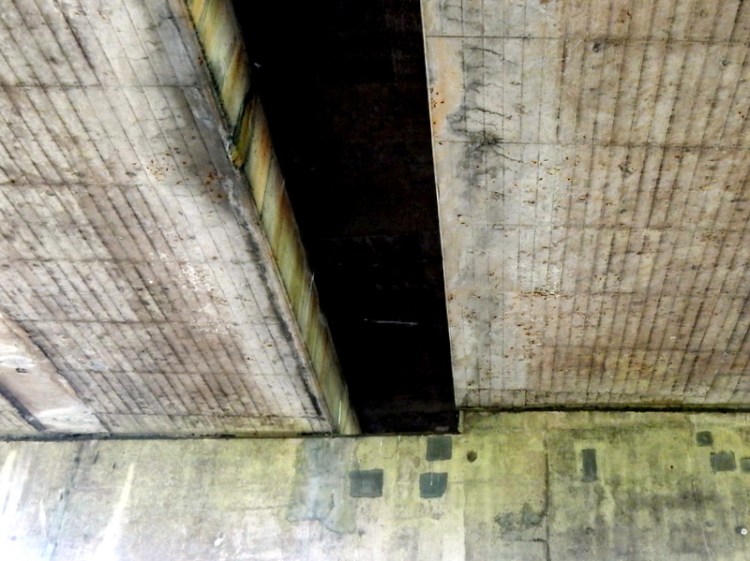
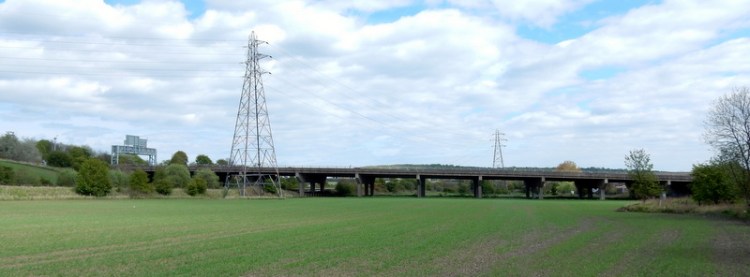
These images were ‘found’ beneath a section of the M90 Motorway; an elevated brutalist behemoth straddling ancient agricultural land, north-east of Rosyth. The sheer mass of concrete overhead creates an almost cave like sensation when standing directly underneath. Folded into artificial darkness, violent white light spills around the concrete edifice, flooding the hinterland of perception. Looking out from the cocoon of the dark belly, steel giants stalk the landscape. Above, the dull thud-thud of unseen vehicles passing.

DSCN3403DSCN3380

Imaginary maps of this hidden microclimate are revealed in the concrete structures and the very land itself.

Compared to the verdant vegetation in the surrounding fields, the dry earth fractures into mesmerising worlds of ambiguous scale.

DSCN3421

Concrete surfaces leach vivid patinas of oxidising colour.

Time, heat, moisture and the elements create an ongoing cartography of chance.

DSCN3422

River deltas, mountain ranges, lagoons, beaches, sandbanks.

Topographies of texture and shade, revealed in light.

DSCN3423

Encounter with the red-billed shaman.

A gull-like creature invites us to contemplate

the white void of falling water.

Head bowed, long neck. Wise knowing eye.

DSCN3390

When looking up, feels like looking down.

For an instant, on the roof, a city underneath the gaze of a drone.

DSCN3411

Aura of the walls.

Frescoes painted by gravity.

The staining sound of concrete stigmata:

drip

drip

drip

DSCN3382
Found Art – II

DSCN3379

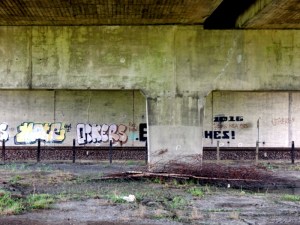
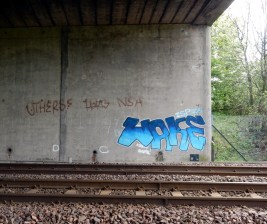
This is not an easy place to access on foot, although it is visible from the trains that pass along the Fife Circle railway line. The concrete supports are usually covered with graffiti but some recent activity has painted over all of this with white geometric shapes. It is unclear whether this is some clean up intervention by the authorities, or a Year Zero initiative from the graffiti community themselves.

DSCN3370DSCN3440

Strangely, from across the tracks, tags still shout out for attention.

DSCN3414DSCN3450


DSCN3393

DSCN3463

Emerging from the darkness, maps and imaginary worlds dissolve in sunlight as we head back west.

Across the fields, the lumbering concrete, traverses north and south.

The giant steel stilt-walkers are heading east.

≈≈≈

The original intention was to incorporate this material into another post that is presently being written on quite a different theme. As this particular encounter was the result of a serendipitous detour we have chosen to post it separately.

An earlier post, underneath a different section of the M90, can be found here.

Now playing: Kayo Dot – Dowsing Anemone with Copper Tongue.

Plastic Baubles

DSCN1746

Ahab’s plastic baubles

scattered in the void

bellies full but starving

no need for The Pequod

≈≈≈

Philip Hoare. “Whales are starving – their stomachs full of our plastic waste” The Guardian, 30th March 2016.

Now playing: John Cage – Litany for the Whale.

Book Review / The Library of Congress

Delighted with this generous and perceptive review of  our book From Hill to Sea which appeared on Avocado Sweet this week.  Avocado Sweet is an eclectic mix of interesting articles on Art & Design, Architecture, Music, Writing & Film and much more. It is well worth signing up for their weekly newsletters.

untitled

≈≈≈

LOC

If on the off-chance you find yourself in Washington DC, you can find a copy of From Hill to Sea in The Library of Congress, the United States of America’s first established cultural institution and the largest library in the world.

We have been delighted with how far the book has travelled to date, with copies dispatched to Japan, Australia, New Zealand, Canada, USA and many countries in Continental Europe. We are very grateful that it now also has a permanent home in The Library of Congress.

LOC2

LOC3

A huge thanks to Phong Tran for facilitating this. If you want to discover all sorts of interesting music from around the globe, and his own mind-expanding musical projects, then follow Phong on twitter – @boxwalla.

Now playing The Shouts From the Sea – S/T.

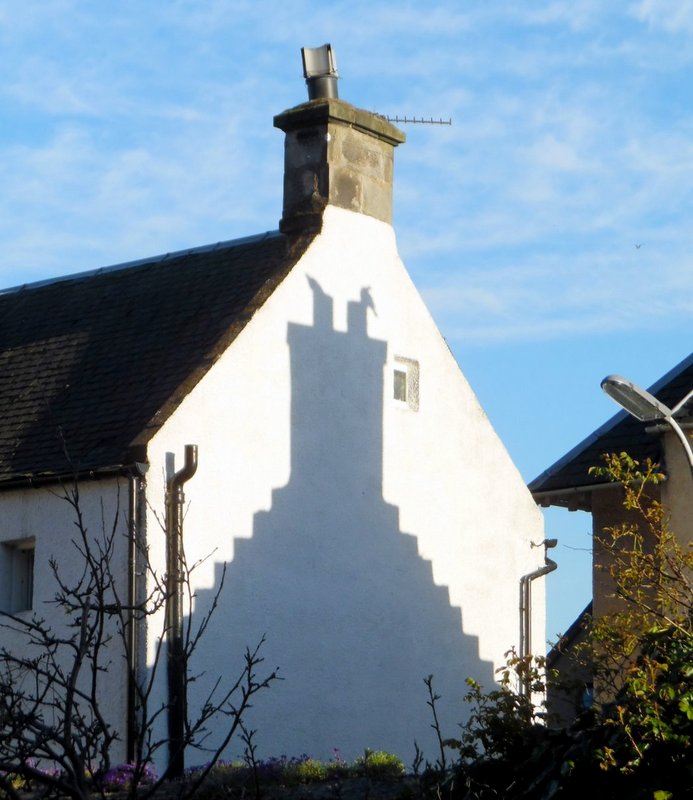
Ascend the Corbie Steps

SAM_2546

On a tilt of light

ascend the corbie steps.


Perch with the birds

of the shadow world.

SAM_2546-003

≈≈≈

A big thanks to Ms AM for the photograph. A serendipitous encounter with light, shadow, birds and time.

Now playing: Seth Cluett – ‘A Radiance Scored With Shadow’ from Objects of Memory.

Reading at DCA Dundee – Tomorrow, Thursday 14th April

A reminder that if you are within striking distance of Dundee tomorrow, (14th April), Murdo Eason of the Fife Psychogeographical Collective will be reading from the recently published From Hill to Sea, Dispatches from the Fife Psychogeographical Collective 2010 – 2014 at Dundee Contemporary Arts, 19.00. The event is free.

Also, pick up a postcard on the night:

preview1 preview2

Hope to see some of you there.

Now playing: Hour House – Chiltern

Ask a Psychogeographer: Interview on Prehistories

ao-llyn-cerrig-bach-fragment

I recently tried to answer a few questions about psychogeography for the wonderful Prehistories website.  Here is an extract:

Ask a… psychogeographer

Interview with Murdo Eason, The Fife Psychogeographical Collective.

For any readers who haven’t encountered psychogeography before, could you give a brief explanation of the term?

The word may be unfamiliar to some people but I would guess that most people will have experienced it. To adapt Joseph Beuys: Everyone is a Psychogeographer.

Psychogeography has become a much used and abused label but a broad definition is the influence of the geographical environment on the human mind. Think back to when you were a child. You had little interest in moving through space in a linear fashion from place A to place B. Time was much more fluid. You would encounter playful distractions in the landscape – a tree to climb, or in my case, a concrete hippo or mushroom in the New Town of Glenrothes. You might find sticks to pick up; objects to poke with a stick. You might sit down to observe a line of ants crawling across the pavement. Following the sound of a distant ice-cream van may lead you through new routes in familiar streets.  You may have pondered questions such as why does that building have such a large fence around it? Why does that sign say ‘Keep Out’?

Keep out

Fast forward to walking through an unfamiliar city without a map. It is likely that you will encounter different zones of feeling as you move through the city. You may end up in an area that for whatever reason makes you feel uncomfortable and you want to walk away quickly. Conversely, the particular ambiance of an area make you feel relaxed or even carnivalesque. At other times a particular city environment may make you feel literally ‘out of place’.

Contemporary psychogeography has many different strands which makes it difficult to pin down precisely, but from the above we can pull out certain common characteristics:

  • It usually requires walking or moving through space;
  • there is some form of subjective engagement with the environment and
  • probably some form of implicit questioning as to why the environment is the way it is.

The follow on question, may be, does the environment have to be like this and how could it be changed (or preserved)?

In the history of ideas, most of the literature about psychogeography refers back to the Letterists and the Situationists who defined and developed their psychogeographic activities, such as the dérive – or drift – in an urban environment during the 1950s. However, we would argue that what is now often termed psychogeography is just a label applied to activities and practices that human beings, across all cultures, have undertaken as soon as they started to walk in the landscape.

Guy Debord’s definition of psychogeography is commonly cited:

Psychogeography sets for itself the study of the precise laws and specific effects of the geographical environment, whether consciously organised or not, on the emotions and behavior of individuals.

Guy Debord, Introduction to a Critique of Urban Geography, (1955)

However, our own research has uncovered that the term was used much earlier by the American anthropologist, J.Walter Fewkes in a non-urban context in the early 1900s:

… psychogeography, deals with the influence of geographical environment on the human mind.

J. Walter Fewkes, Bureau of American Ethnology, (1905)

Fewkes was using the term to examine the Native American Hopi people’s strong connection with their landscape. The arid landscape led them to develop a set of beliefs, practices and rituals, such as the rain dance, to appeal to the sky gods to deliver rain.

We have yet to see any mention of Fewkes in the psychogeographic literature but firmly embrace the idea of an expansive psychogeography: the influence of the geographical environment on the human mind in both urban and non-urban contexts. This also recognizes the presence of the non-human world in our landscapes.

To perhaps bring back all of this to a concrete example, here is a photograph, taken in Dunfermline, of a fairly typical designed environment. There are two laid out, planned footpaths and what would have been a green space with two trees:

.
Street view

It is clear to see that the planned footpaths have been ignored and an alternative ‘desire path’ has formed over the green space between the trees. A good localised example of people, whether consciously or unconsciously, being influenced by the landscape to question and change their local environment through footfall democracy!

The full interview can be read here and highly recommend that you check out the Prehistories website and also @DrHComics on Twitter. Here is an example of  Hannah’s distinctive take on folklore:

chanctonbury-hill-01-coloured

chanctonbury-hill-02-coloured

At the hinterland of Hinterland

IMG_0673-001

.

through the darkness

silent pilgrims

a procession of light

.

at the threshold of sight

water weaves through

forest murmurs

.

IMG_0624

IMG_0628

.

.

material tracings

interior auras

.

IMG_0635

.

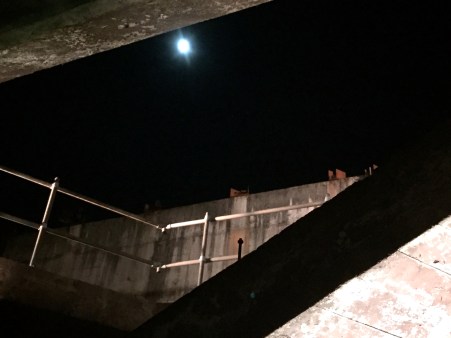
angles open

to the moon

.

IMG_0666

.

stacked sounds

in flickering windows

.

IMG_0662-001

IMG_0637IMG_0671

.

.

.

a chorus in walls

trumpet of light

.

IMG_0643-001

.

in the hidden corner

beyond the shadows

new beginnings

a statement of intent

.

≈≈≈

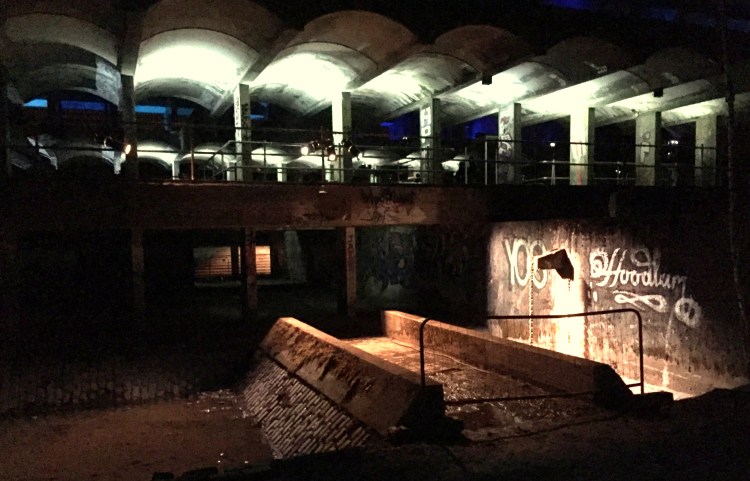
Hinterland, took place over the period 18 – 27 March 2016 at Kilmahew/St Peters, near Cardross.  The pioneering, environmental arts organisation, NVA, conceived a site-specific intervention on the abandoned modernist ruin of St Peter’s Seminary, and surrounding landscape, as part of a long-term project to re-imagine and bring part of the building back into functional use as an arts venue. St Peter’s Seminary was designed by Isi Metzstein and Andy MacMillan of the architectural practice Gillespie, Kidd & Coia. The building opened in 1966 as a training college for Roman Catholic priests, but by the late 1980s, dwindling numbers of priesthood recruits led to the building being abandoned and falling into a ruinous state. Architecturally, the building was heavily influenced by Le Corbusier and it is widely acknowledged as a modernist building of international significance.

Cut Curve Circle

DSCN3031

.

Cut

.

.DSCN2909-001

.

the curve

…..and call of 

……….the coastline

.

DSCN1796-001

.

a cellular circle

……….an expanding

…………………….world

.

Now playing: The Incredible String Band – ‘A Very Cellular Song’ from The Hangman’s Beautiful Daughter.