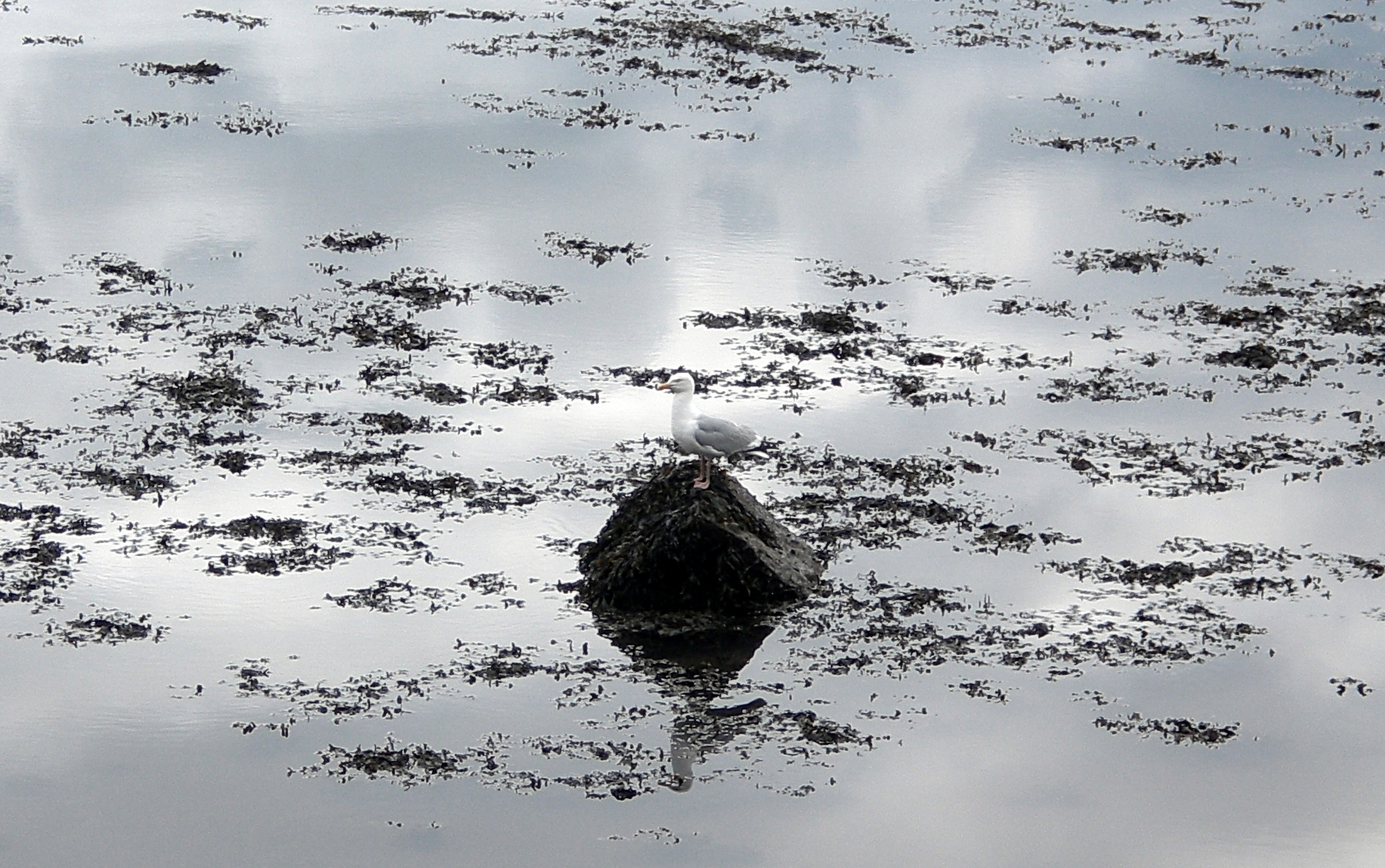
10 x Time Placed Sketches

I

DSCN1010

.

Under a silent sky

the breathing forest.

Walk in

.

Devilla Forest, Fife.

.

II

DSCN1036

.

Another shadow

of time passes.

Seasons come

seasons go.

.

DSCN1038

DSCN1035

.
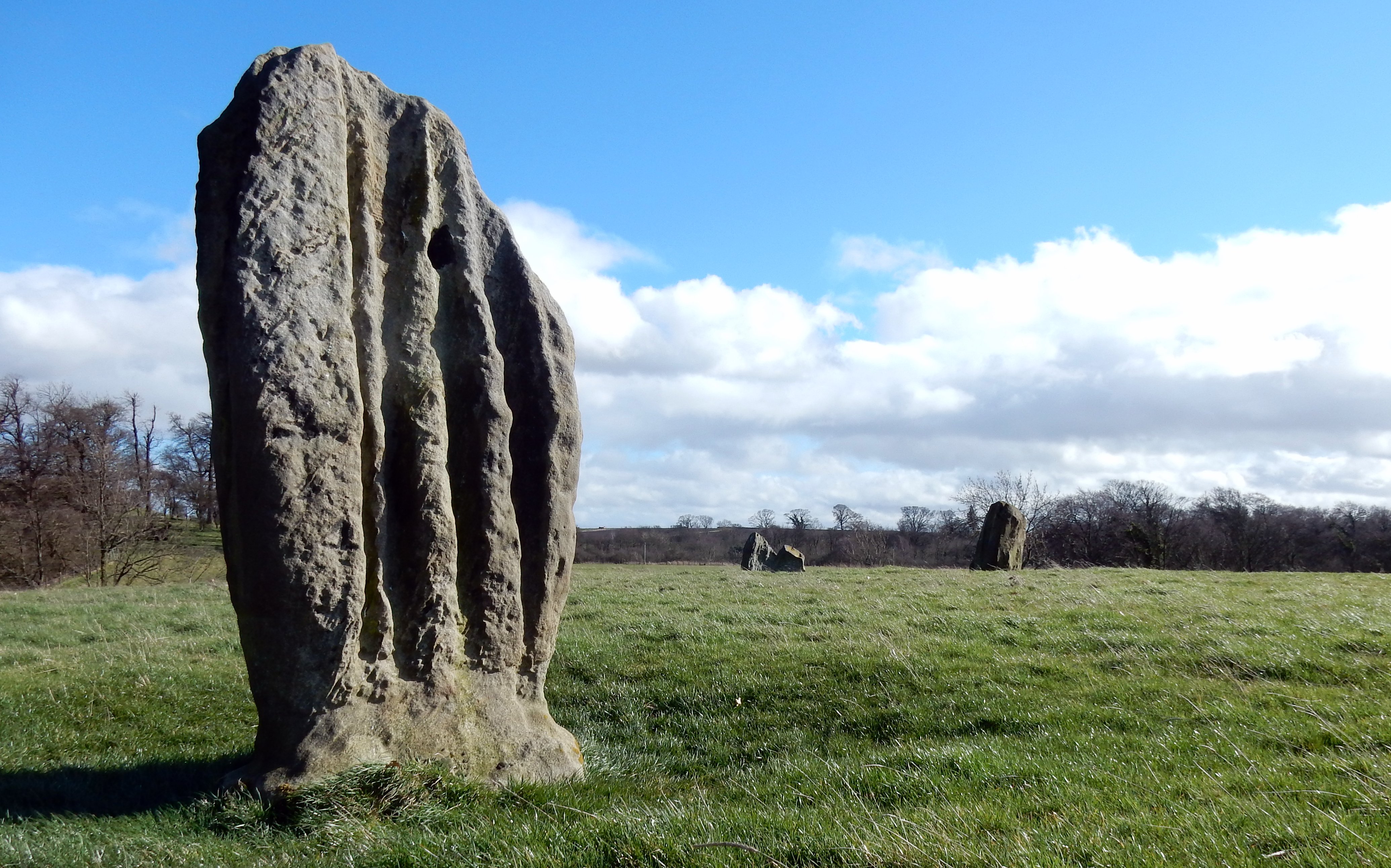
Tuilyies standing stones (Bronze Age). Near Torryburn, Fife.

.

III

DSCN1160

.

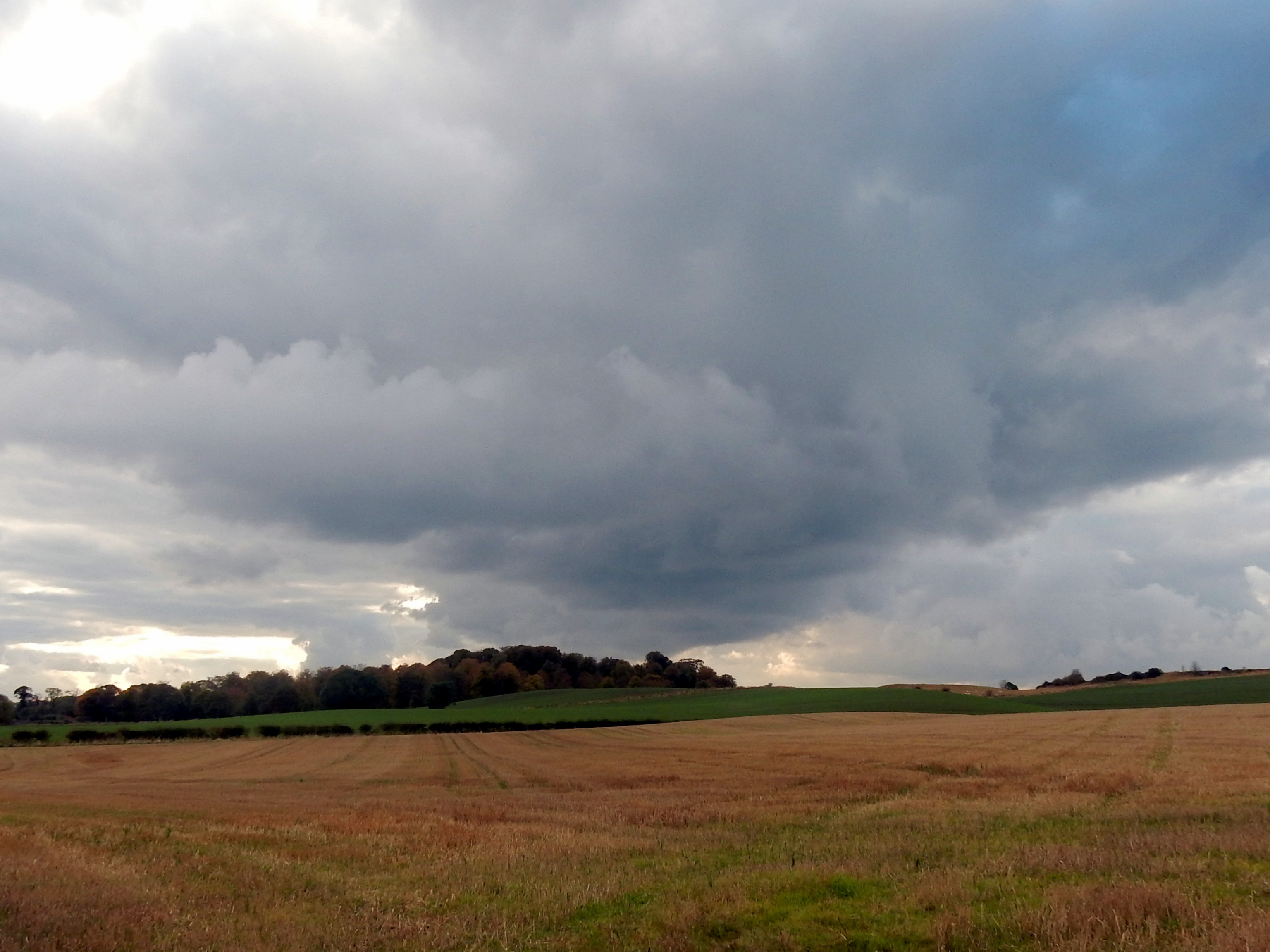
Ephemeral time:

a dragon’s breath

blown across

the sky?

.

IV

WP_000885

.

WP_000887

.

“Time Cuts Down all

Both Great and Small”

.

WP_000882

.

Anticipated time

never arrives.

2 ROOMS available

1 taken, 1850.

.

Dunfermline Abbey Churchyard, Dunfermline, Fife.

.

V

WP_000907

.

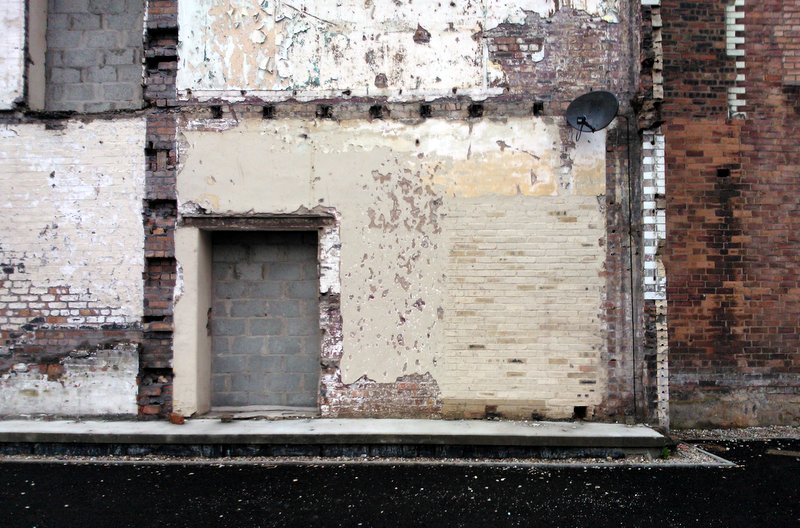
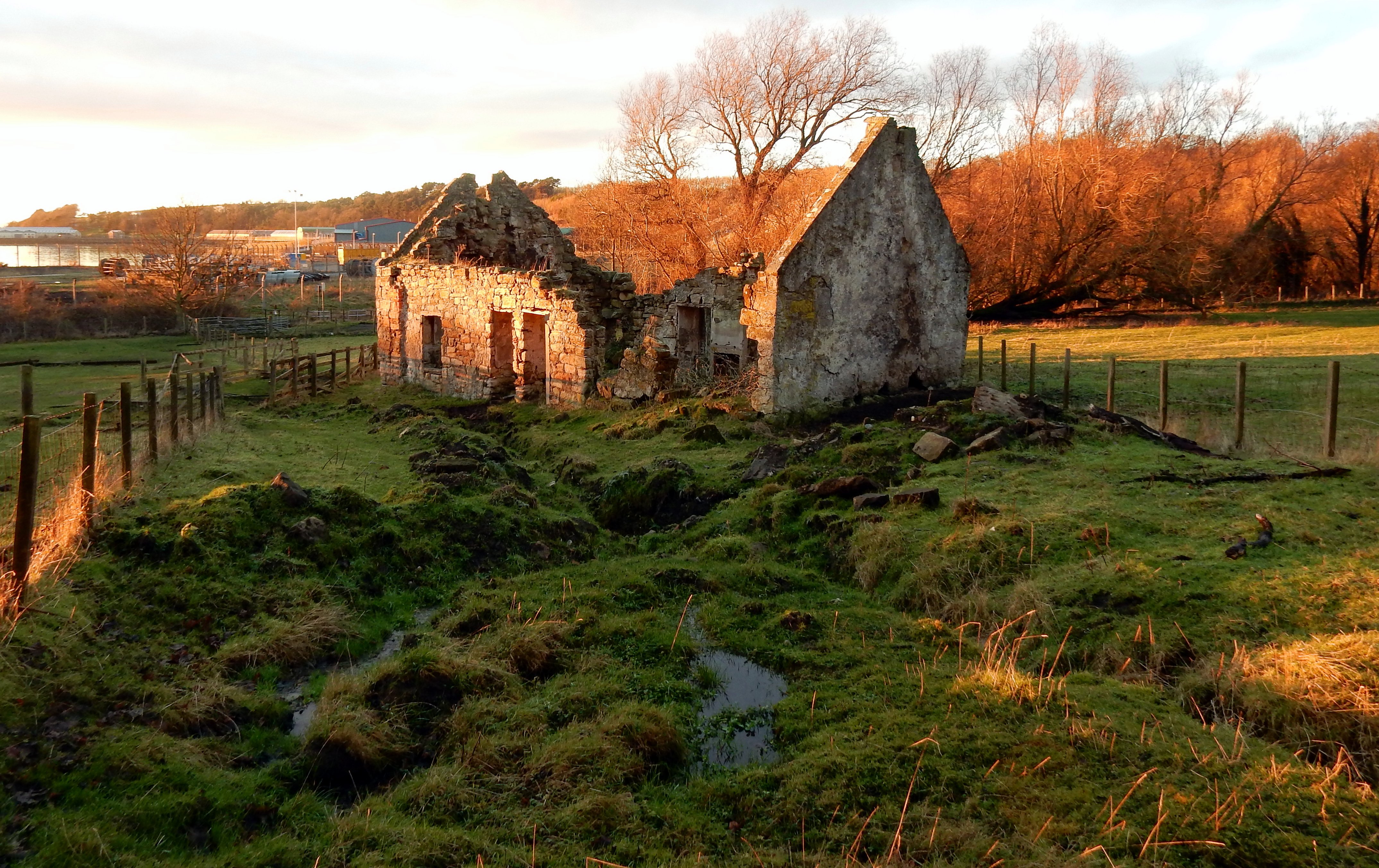
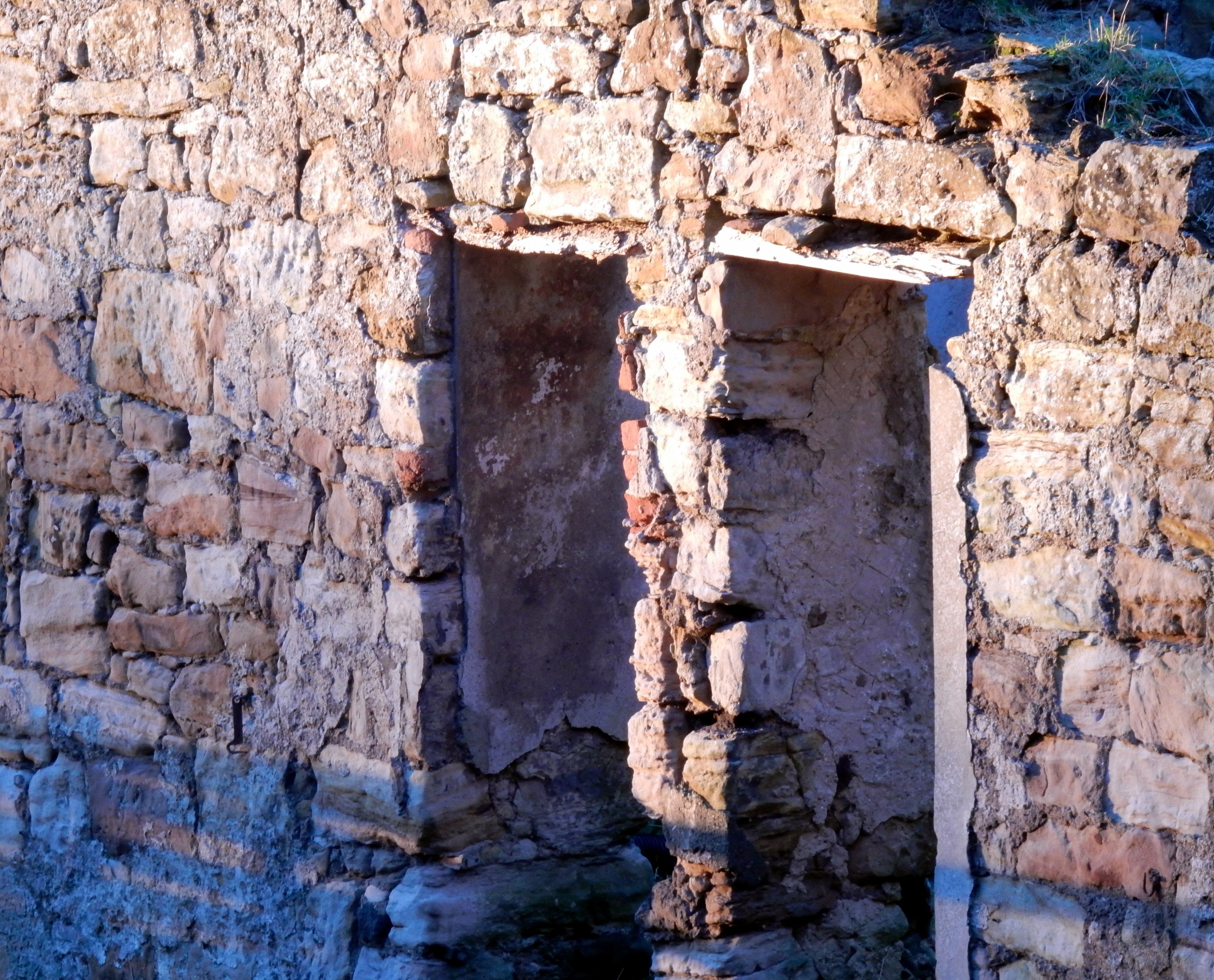
Only traces of

thresholds passed

time closed

arrested flows

.

Merchant City, Glasgow.

.

VI

DSCN1070

.

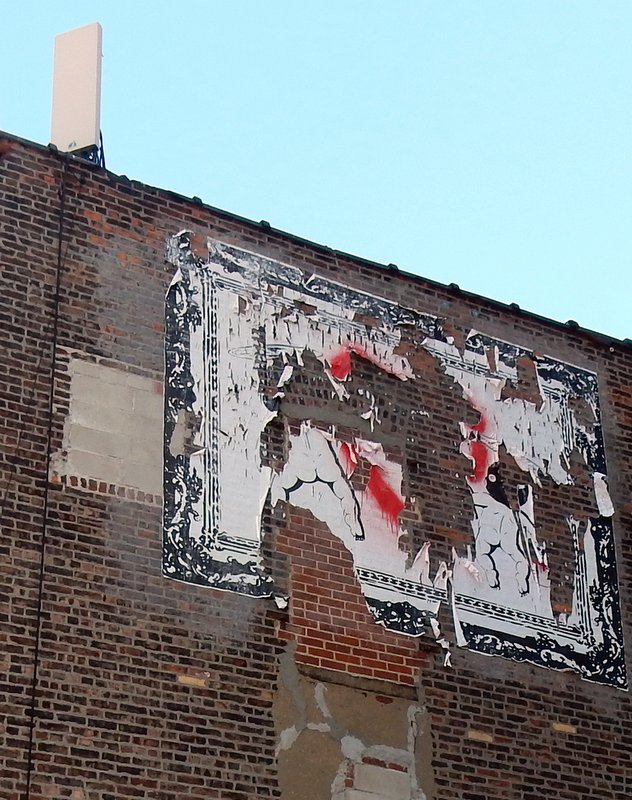
Disruptive time

tears the tongue

of Ouroboros

.

New York City

.

VII

DSCN1145

.

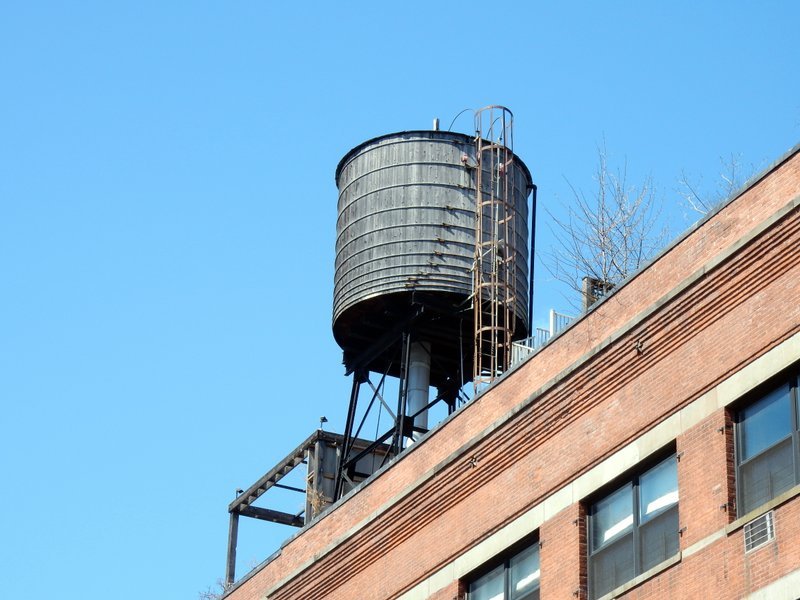
Wood and water

time stored flows

.

DSCN1067

.

Storage vessels

of city dreaming?

.

New York City

.

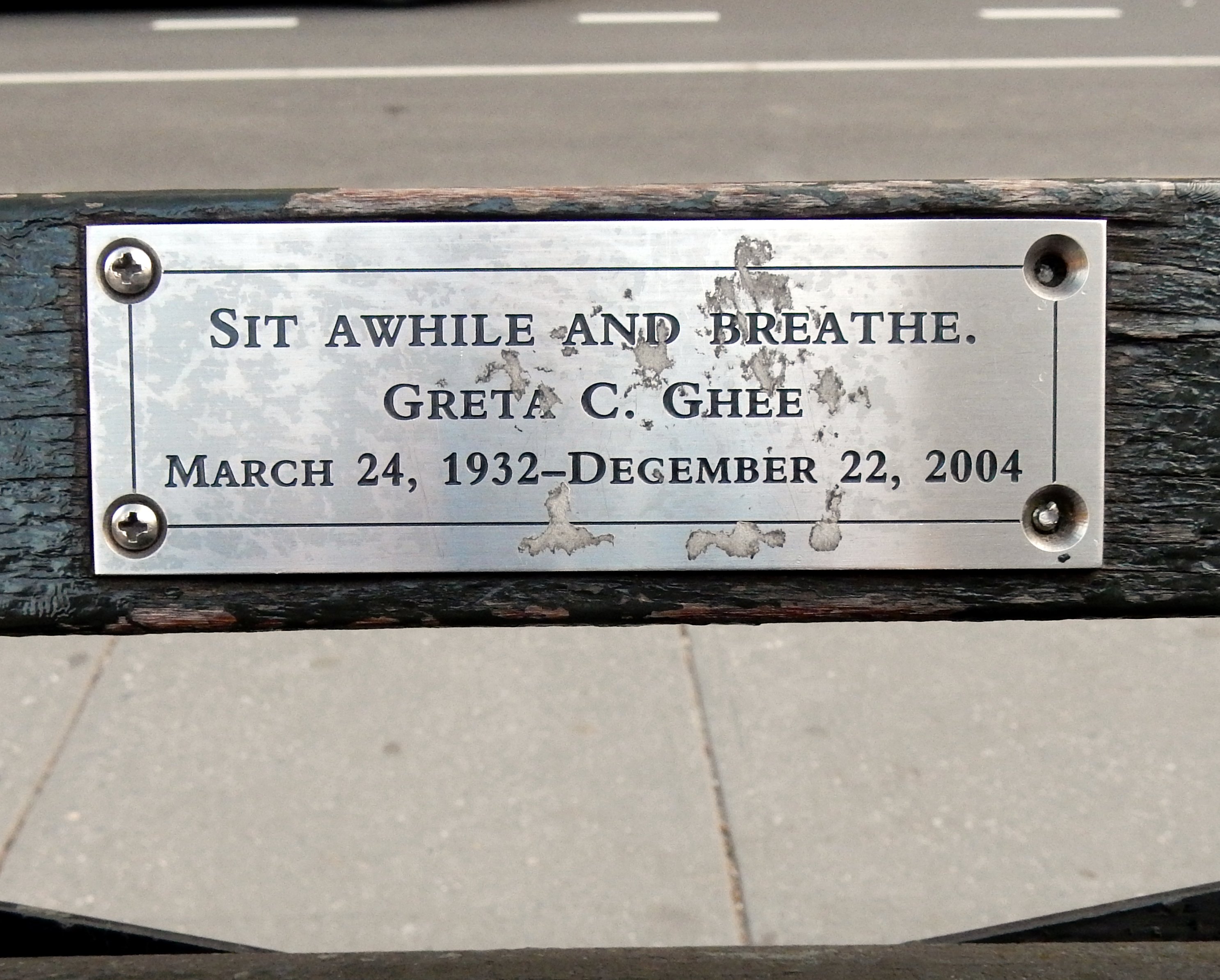
VIII

DSCN1148

.

Time passed

time remembered

the time of now

a time to come

.

Bench outside St Marks in the Bowery Church, New York. In memory of Greta C. Ghee

.

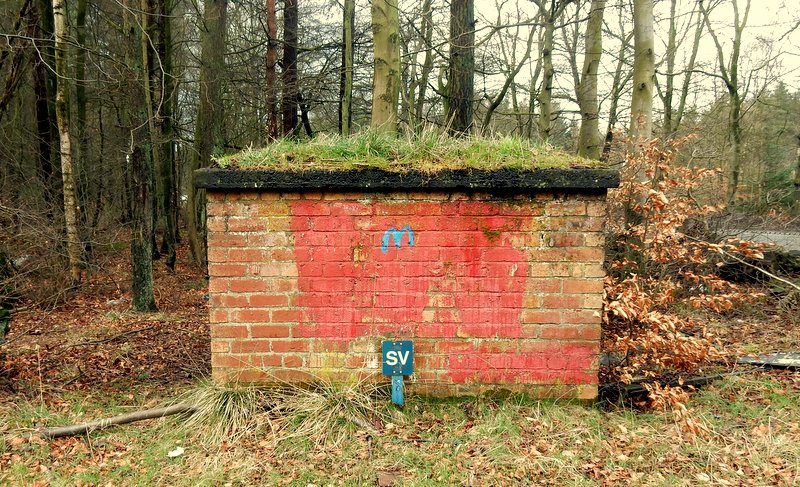
 IX

DSCN1020-003

 .

Elemental time

a quiet creation;

In process

a living roof.

.

Devilla Forest, Fife.

.

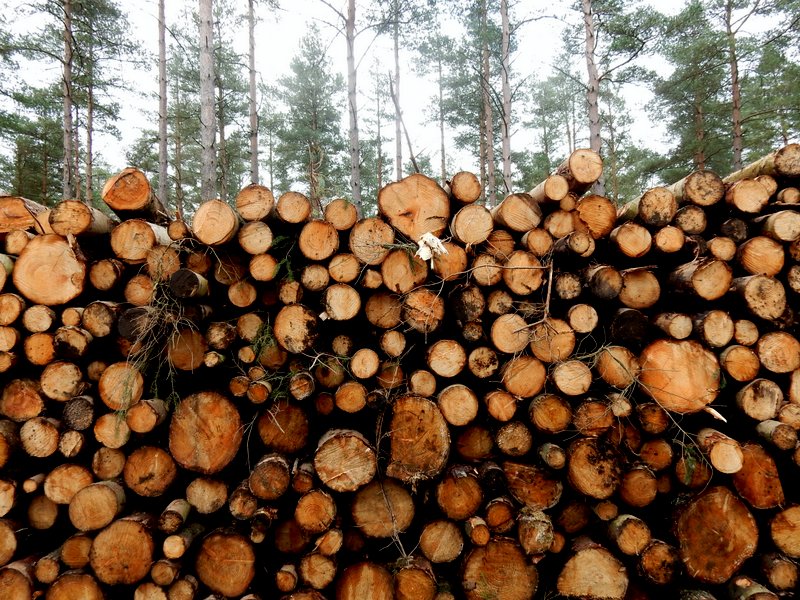
.X

DSCN1034-001


Time stacked

seasons circles.

Stored memories – of

sun

the wind

rain

the saw.

.

Devilla Forest, Fife.

.

Now playing: Marilyn Crispell / Gary Peacock / Paul Motion – Nothing ever was, anyway. Music of Annette Peacock.

Tracing the Cut: On the Path of Sleeping Sleepers

DSCN0714

On the path of sleeping sleepers

as it looked

on the last day of 2014.

Time to return

and follow the line.

.

⇒⇒⇒⇒⇒⇒⇒⇒⇒⇒⇒⇒⇒⇒⇒⇒

¦¦¦¦¦¦¦¦¦¦¦¦¦¦¦¦¦¦¦¦¦¦¦¦¦¦¦¦¦¦¦¦¦¦¦¦

⇒⇒⇒⇒⇒⇒⇒⇒⇒⇒⇒⇒⇒⇒⇒⇒

.

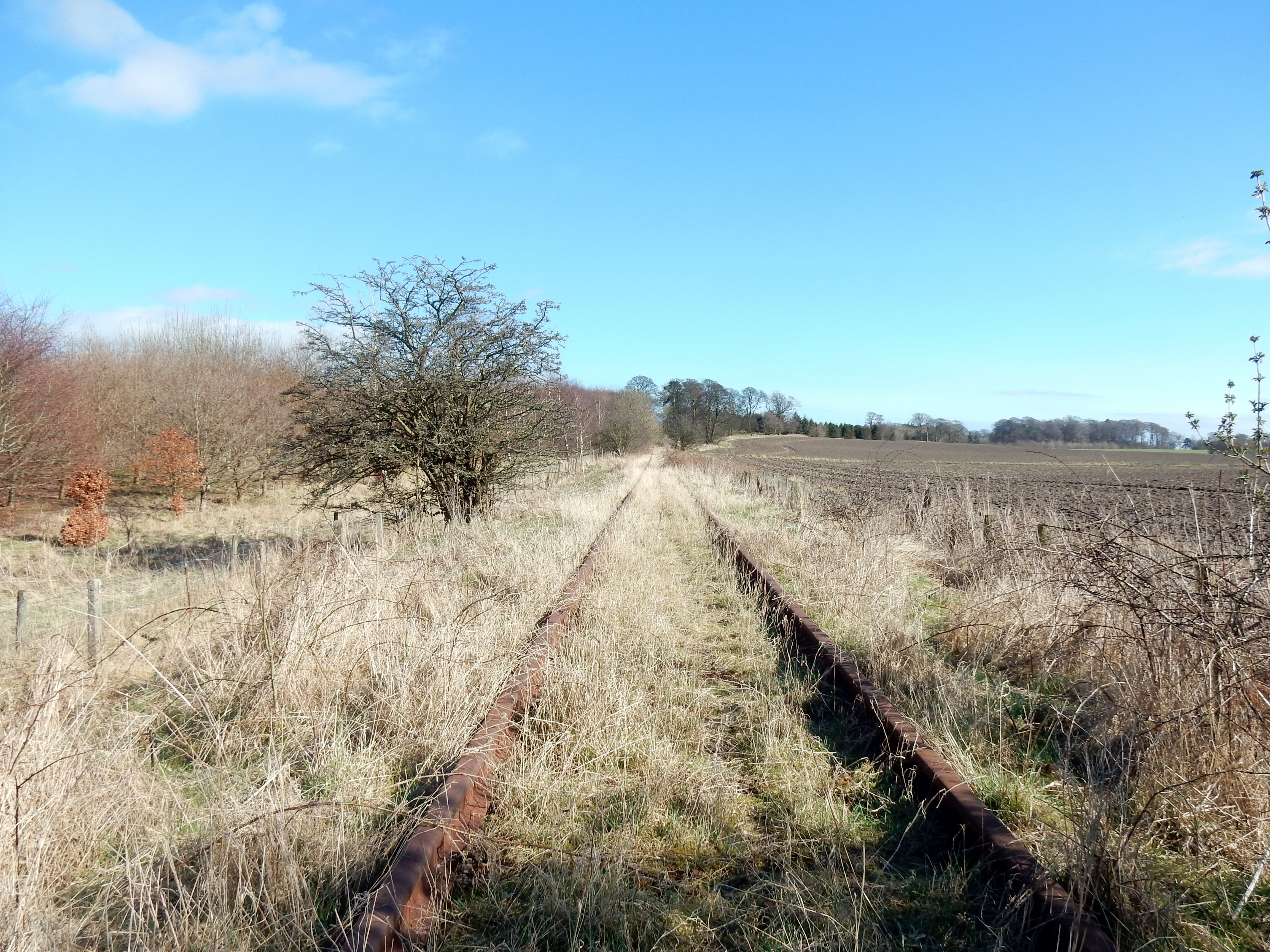
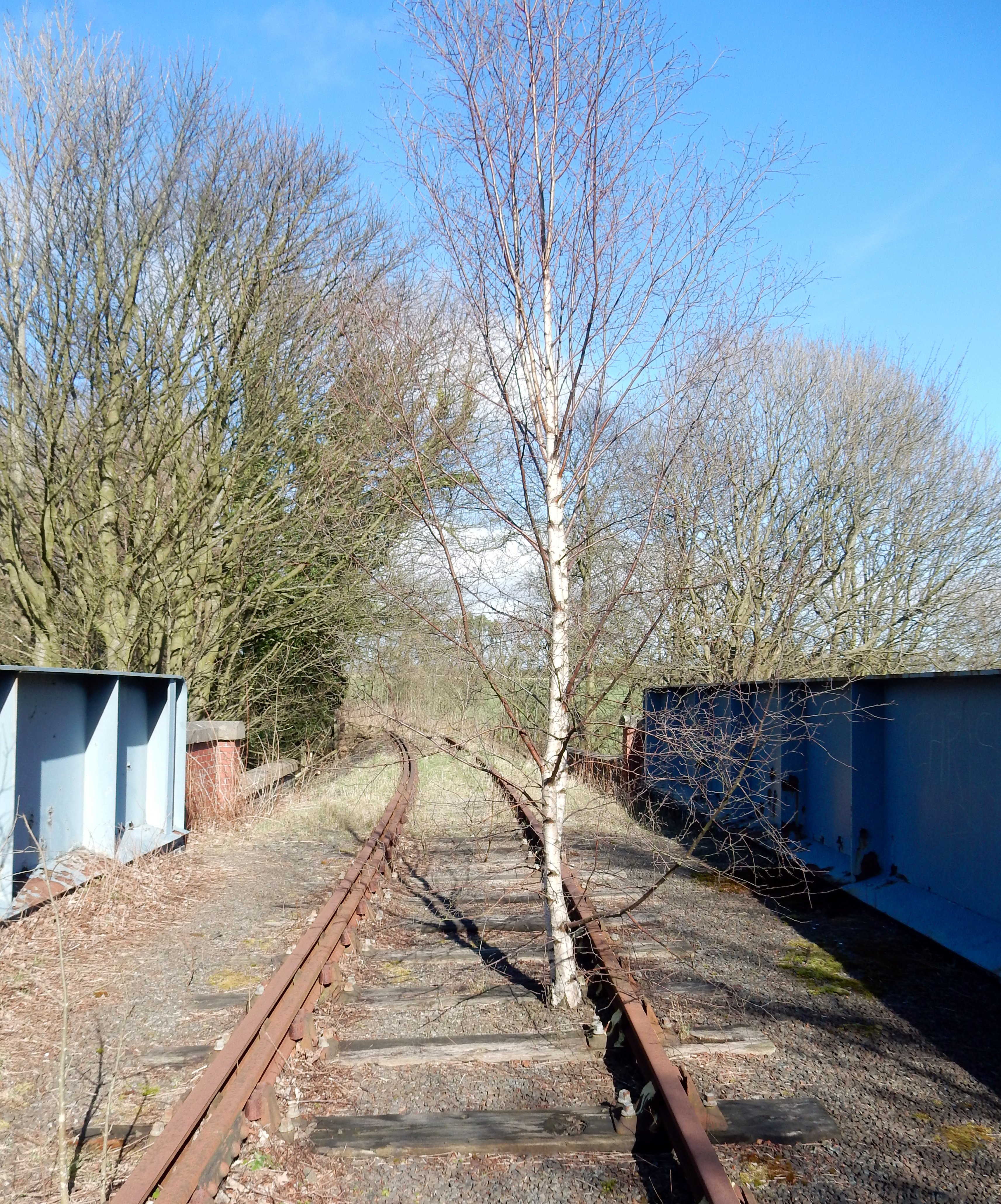
The small part of the track that we had walked at the end of last year was overgrown but easily passable. The rails and sleepers still intact. We returned a few weeks ago on a day heralding early intimations of another spring to come. That change in light, the soft drone of an awakening insect world and pointillistic bursts of unseen and unidentified bird calls.

The paradox of being off the well-trodden path and yet only following a line to wherever it may eventually lead. We are not sure how far it goes and whether it will be entirely passable.

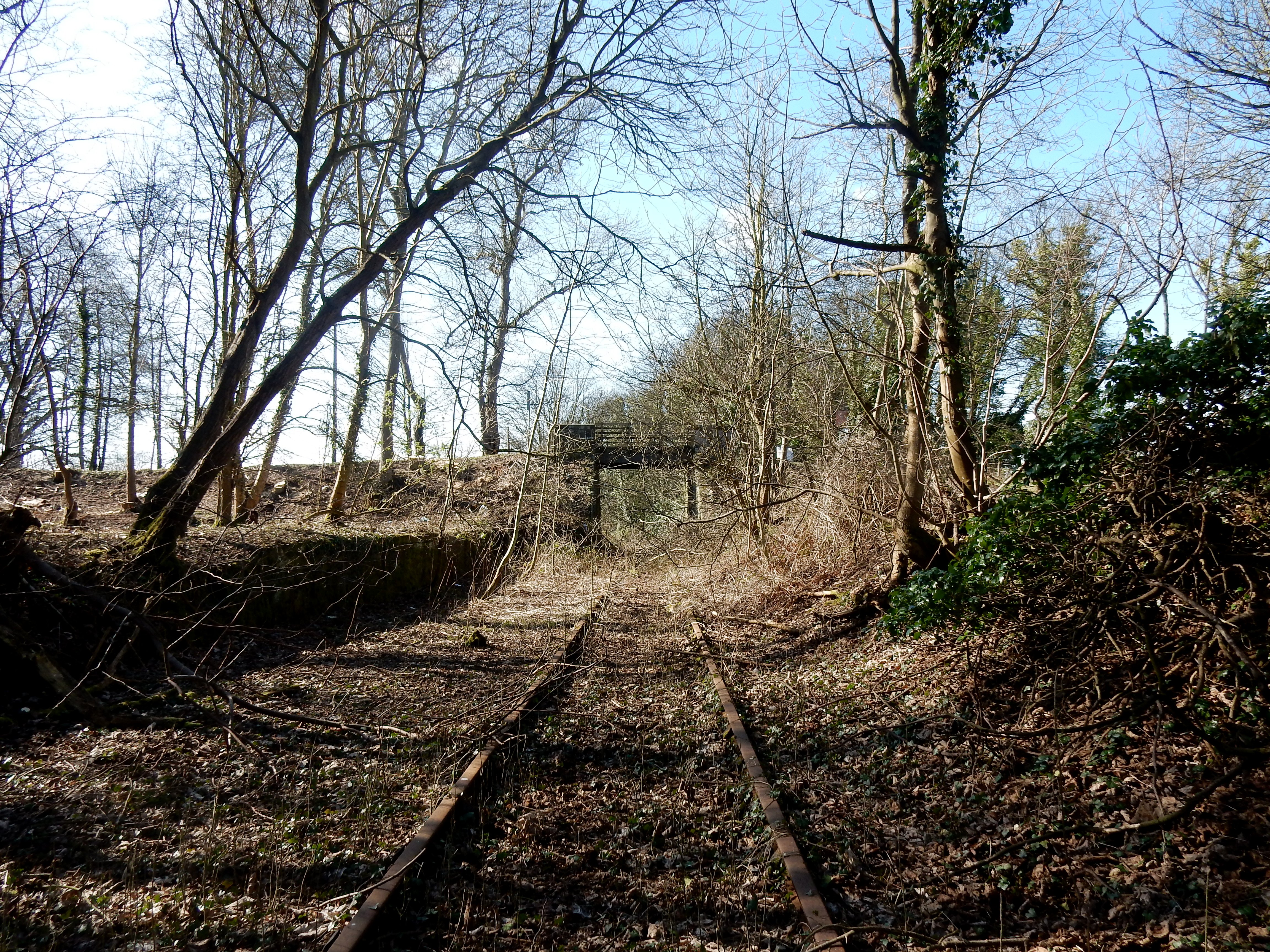
We almost fail immediately as we soon encounter impenetrable thickets of bramble bushes. (noted for autumn). This leaves no option but to take a slight detour and pick up the line again by sliding down an embankment beside a small road bridge. This looks more promising. The line stretches out ahead. Blue pools trap the sky whilst shadow branches sweep across the cut in the light breeze.

DSCN0879-003

This incision through the landscape is just another example of a history of human activity that leaves its traces and stories embedded in the earth. Field enclosures, drystane dykes, managed woodlands, roads and a network of railways have all left enduring marks on the landscape from the pre-agrarian to the post-industrial.

Prior to construction of this railway line, ox-drawn wagons delivered coal from the Dunfermline pits to the nearest harbour at Brucehaven a distance of around five miles on primitive roads. By the end of the 18th century, growth of the lime industry at Charlestown – which relied on large amounts of coal – led to the construction of the Elgin Wagonway which laid down wooden and then, in 1812, iron rails on which heavy horses pulled coal wagons. By 1852 a fully functioning steam railway carrying freight and passengers connected Dunfermline and Charlestown. Passenger trains continued to run up until 1938 (with a break in continuity between 1863 and 1894). The line was apparently maintained and kept usable to service the Royal Naval Armaments Depot at Crombie, if required, but it is clear from our walk that no train has passed this way for a very long time.

DSCN0886

.

Whilst not the smoothest of conditions underfoot, many stretches offer pleasant walking. The iron rails guiding us under abandoned bridges and then on to long straight tracks that disappear into the horizon.

.

DSCN0892

.

But this is no isolated rural idyll. To the north, the line runs parallel to the A985, one of the busiest trunk roads in Scotland and the white-noise throb of passing traffic is our soundtrack for a mile or so. To the south, the views are over agricultural land, recently ploughed. In the foreground a suggestion of trees:

DSCN0889

.

Occasionally we have to navigate over, under or through some obstacles:

.

DSCN0898DSCN0901

DSCN0902

.

and traverse abandoned level crossings:

.

DSCN0894

Forgotten mileage markers barely stand upright as we walk high over earth-piled embankments:

.

DSCN0910

.

A rooftop eyrie. What creature could inhabit this green island in an ocean of blue?

.

DSCN0896

We wonder how long it has been since anyone has walked the entire line. You are not actively encouraged to walk it with each entry and exit point fenced off. Not surprisingly we encounter no-one.  Our only constant companions are the buzzards who circle high in the sky and the occasional explosion of displaying pheasants. We guess they are escapees from the nearby Elgin Estate where they are bred and shot by corporate middle managers who like to go ‘hunting’.


DSCN0909

.

Tuning forks

sounding out

vibrations

of the sun

.

DSCN0905


As the line curves northwards towards Dunfermline, we approach the bridge which crosses the A985:

.

DSCN0911

.

Echoes of a painted relief by Ben Nicholson?

.

DSCN0913


Shadows and rust:

.

DSCN0917DSCN0918DSCN0919

.

Old branch line

new branches

.

Old Branch Line.

Tracing the cut northwards, we become submerged within the landscape as if walking through a post-industrial holloway. A waterlogged, sodden stretch with tumbled trees conjures up visions of Tarkovsky’s Stalker. Our views of the surrounding land obscured as we walk into The Zone, following the rusting red rails.

.
DSCN0920

DSCN0927

DSCN0929

.

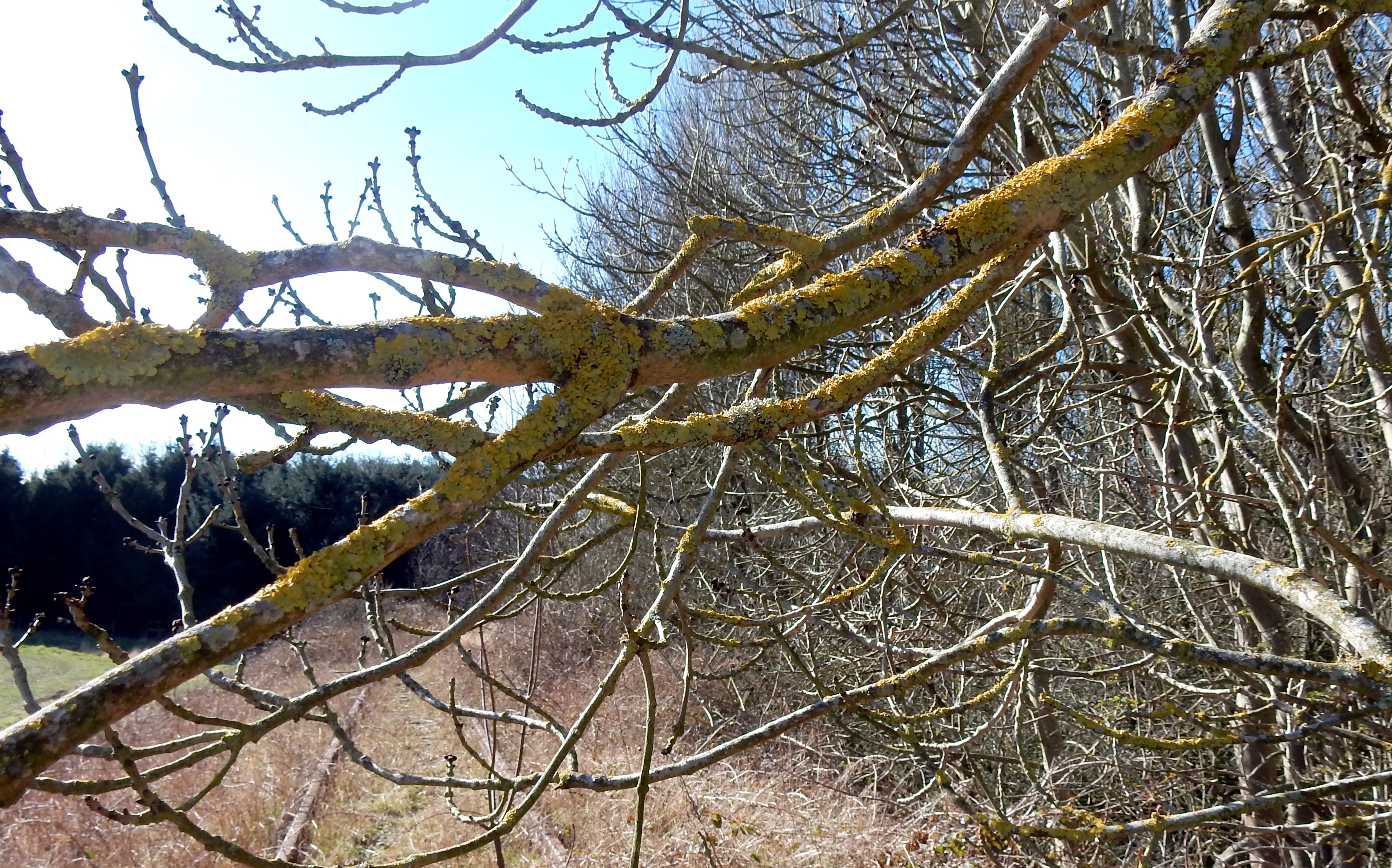
And when we walk, we stroll alongside retrieved memories but also construct new ones. Small pebbles collected and stored: the sun warmed lichen; that particular apparition of trees; the smell of an emerging spring; laces in boots being shredded by brambles.

.

⇒⇒⇒⇒⇒⇒⇒⇒⇒⇒⇒⇒⇒⇒⇒⇒

¦¦¦¦¦¦¦¦¦¦¦¦¦¦¦¦¦¦¦¦¦¦¦¦¦¦¦¦¦¦¦¦¦¦¦¦

⇒⇒⇒⇒⇒⇒⇒⇒⇒⇒⇒⇒⇒⇒⇒⇒

.

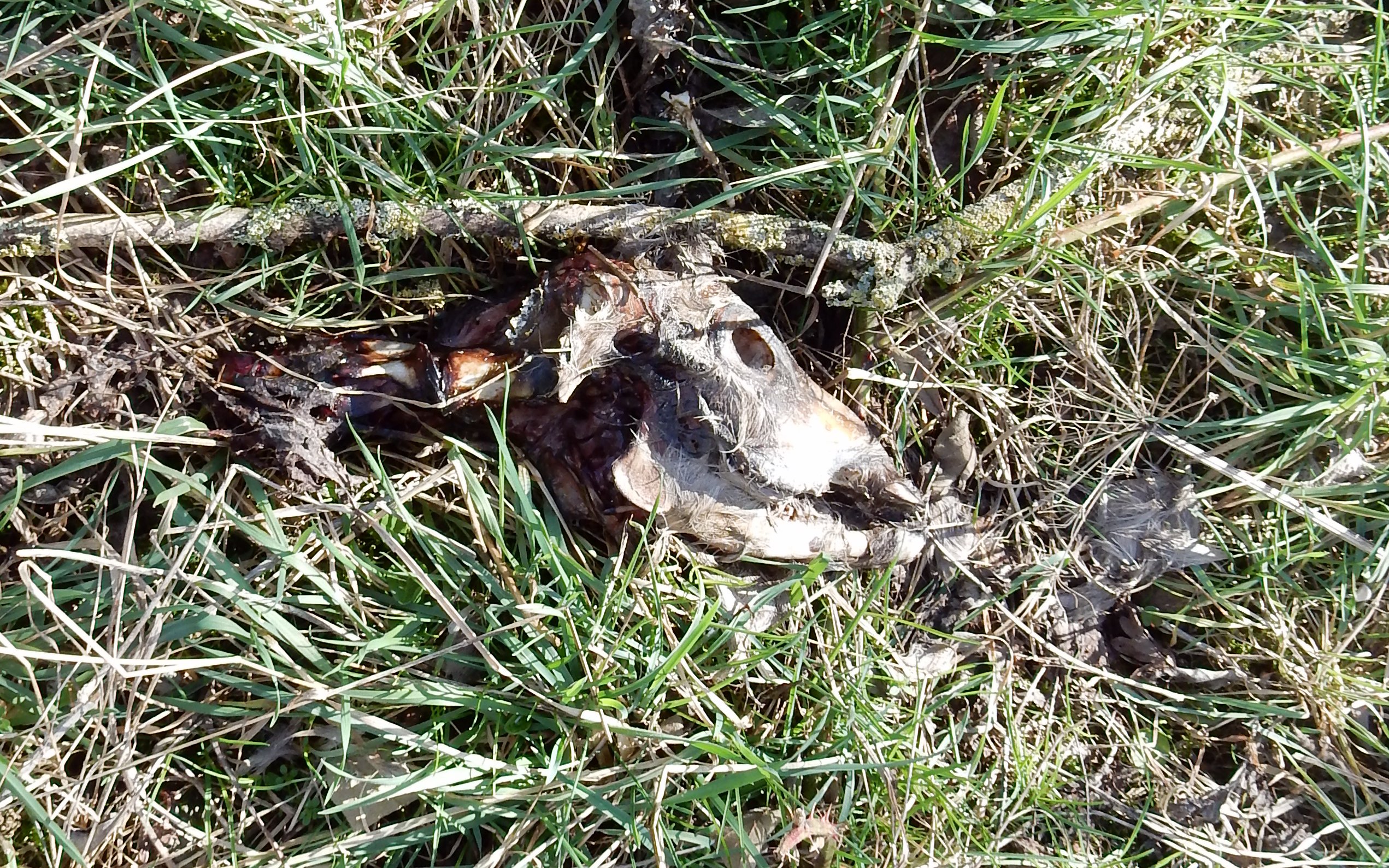
The sun reflects from the elegant curve of bleached white bone amongst a bed of grey feathers. Ribs sparkle like some primitive xylophone and still attached to the leg, a small dark hoof.  The sweep of bones and sinew appear to retain some residue of movement; of a life-force that has been so abruptly arrested. Who knows what happened to this (we guess) young deer?

Detached and slightly further away lies the white skull, stripped and pecked clean. The downy feather bed suggests that some of the birds who came to feast on the carcass ended up being part of someone else’s meal.


DSCN0936


.

DSCN0935


Fur, feather, rib, bone

Old Nature Writing

.

We eventually come to the end of the track alongside a well maintained and clearly operational train line. We later find out that this is Elbowend Junction where the track to Charlestown branched off from the Dunfermline and Alloa line.

The connection is now clearly severed.

.

DSCN0938-001

Another mark, a cut, embedded in the landscape, made by human activity and reflecting the ebb and flow of industry and capital. Slowly merging back into the earth a corridor of memory and potential new futures. An incision slowly being repurposed by nature once again.

Now playing: Andrew Chalk – Blue Eye of the March

Reference:

Norman Fotheringham, Charlestown, Built on Lime (Charlestown: Charlestown Lime Heritage Trust, 1997).

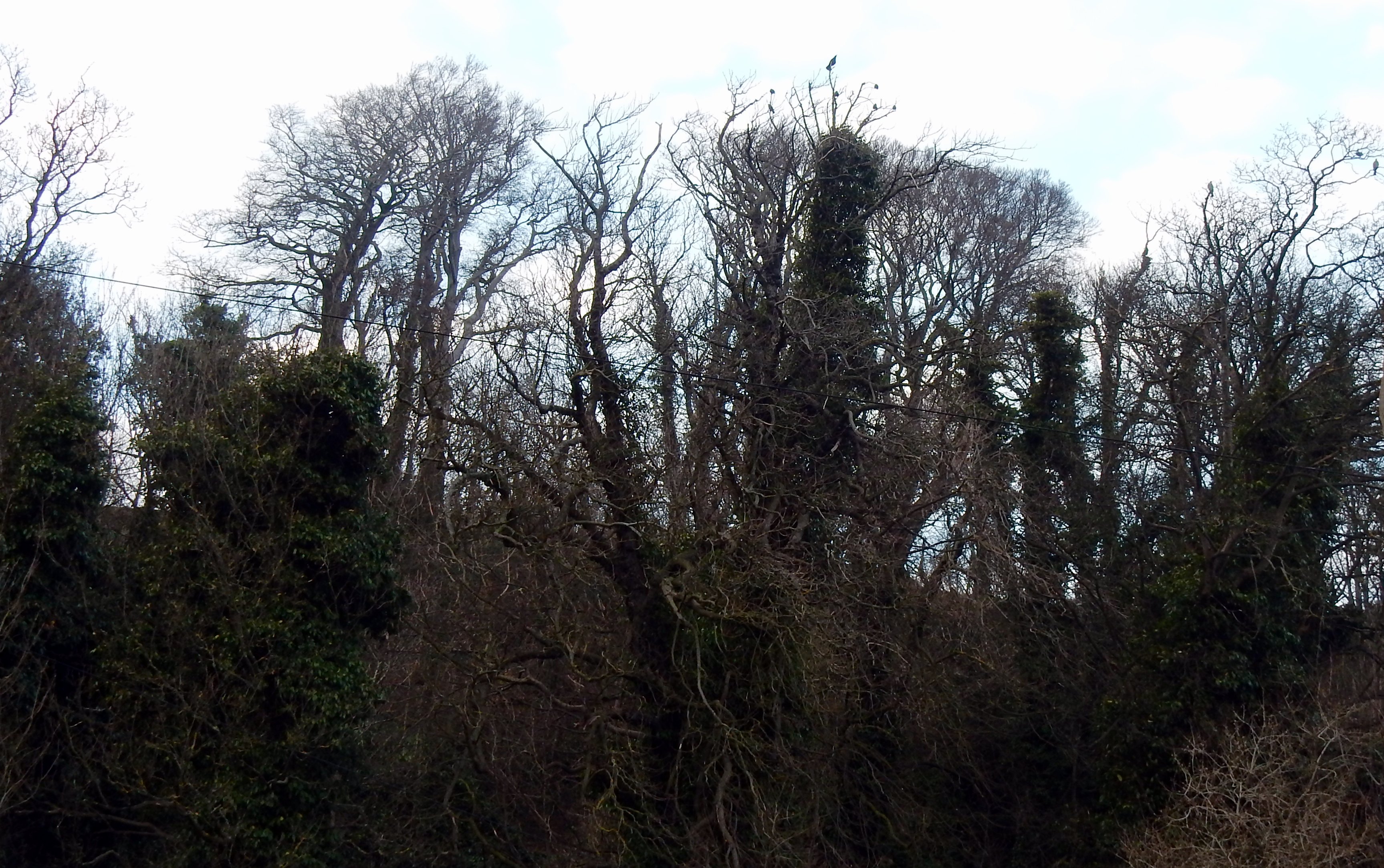
At the highest point

DSCN0877

kaah………….k

aah..  k    a    a   h

..kaah   ..  .kaah

k    a    a    h

….kaah….k….kaah

≈≈≈

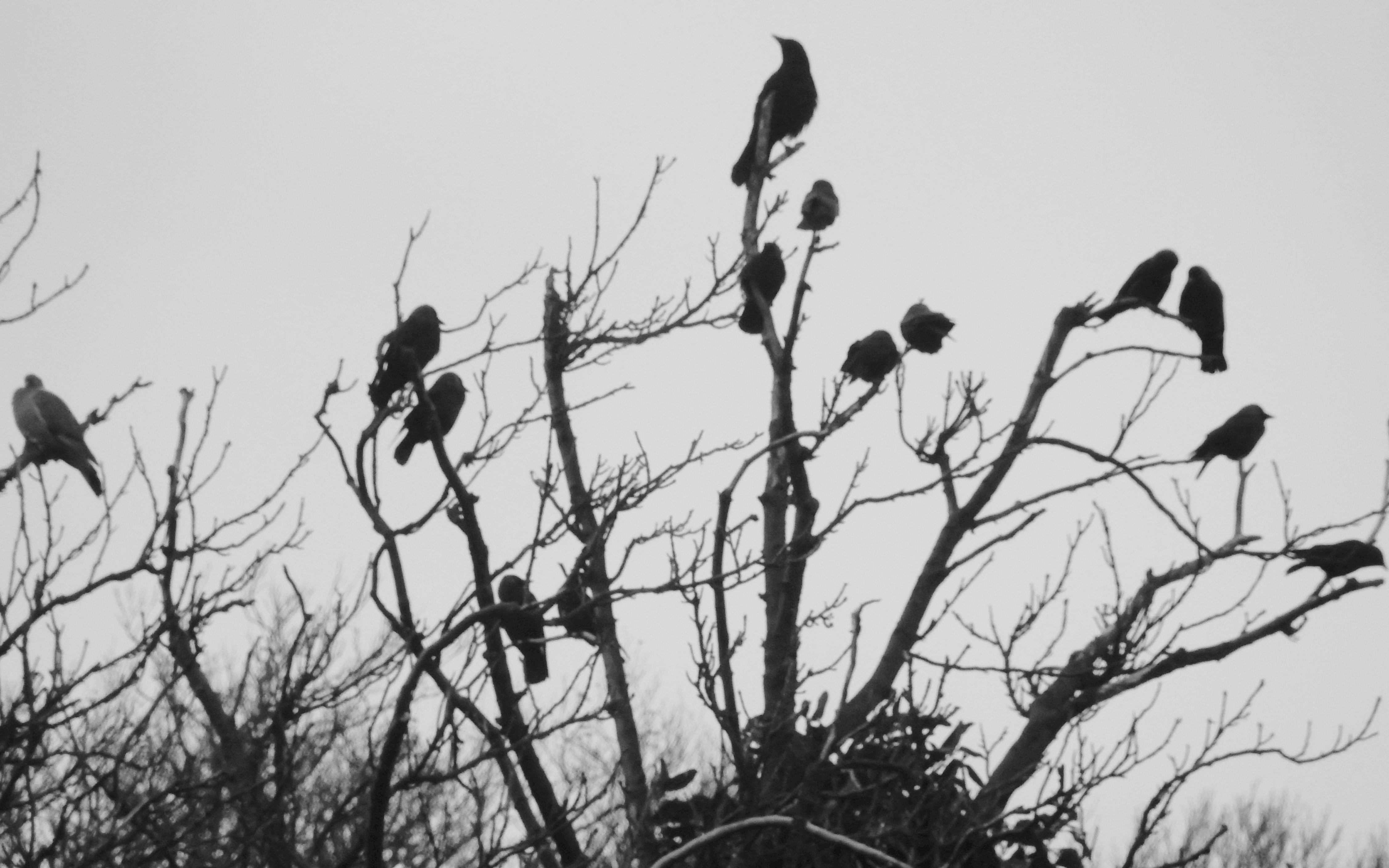
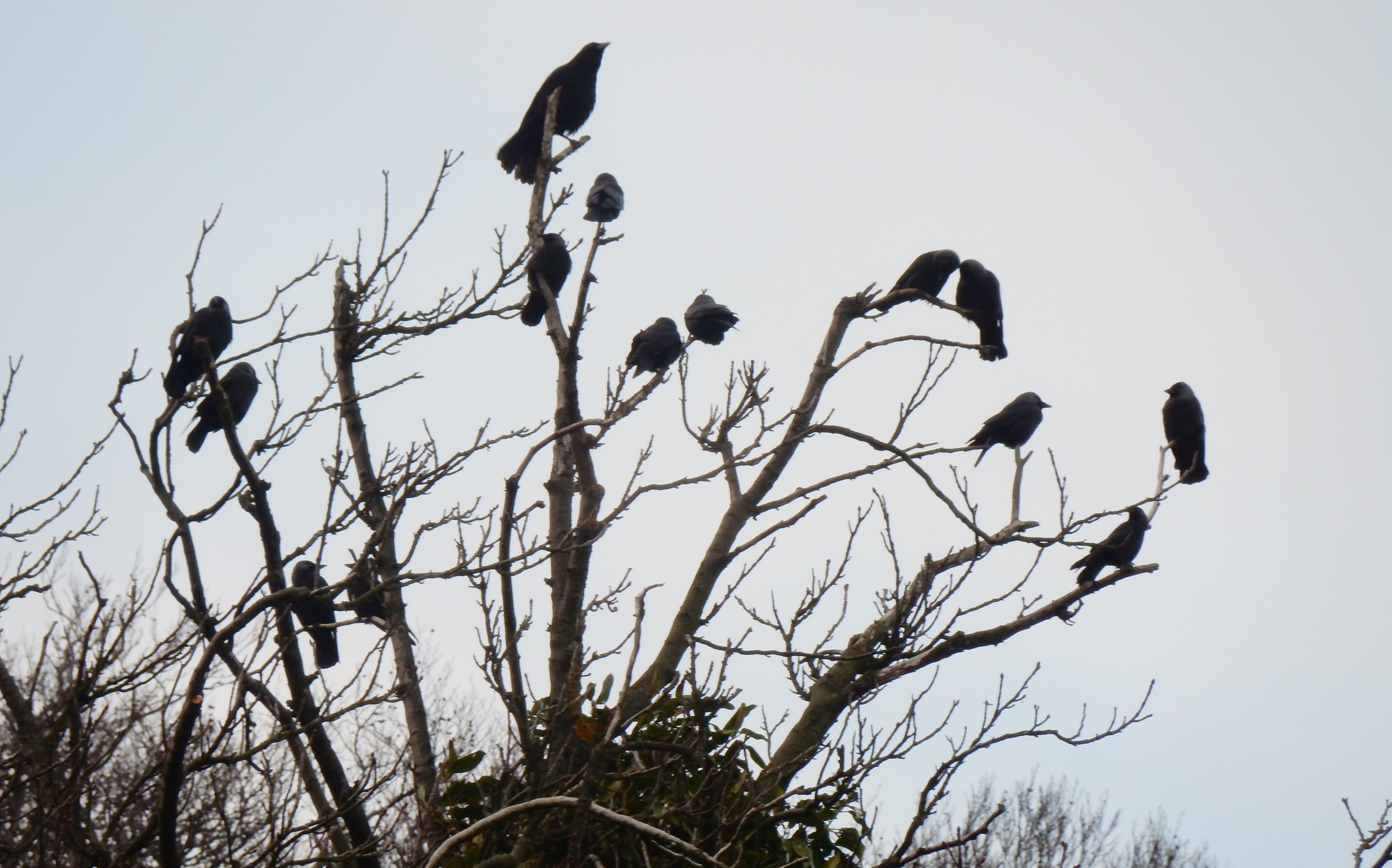
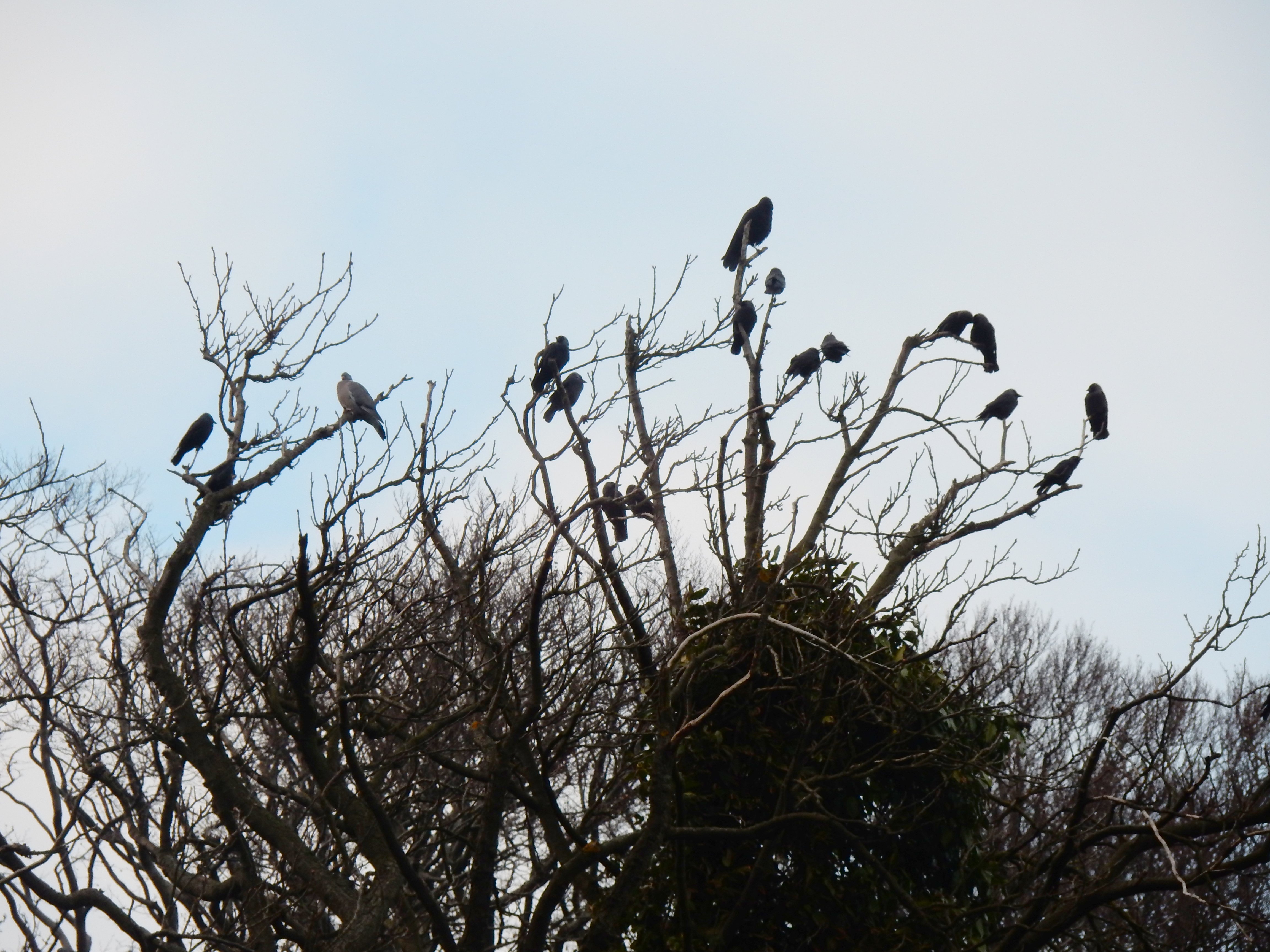
at the highest point,

a building? a parliament?

a clamour of rooks?


DSCN0871

.

Coryphaeus, chorus, and

huddled conversations

.

DSCN0872 DSCN0873


DSCN0874.

Corvus chants

beak and feather

chatter, songs of

earth and sky

≈≈≈

“Out of all of them, it has been the corvids, the rook, magpie and crow, who have altered for ever my relationship to the rest of the world, altered my view of a hierarchy of form, intellect, ability; my concept of time”.

Esther Woolfson, Corvus: A Life with Birds


Now playing: Bert Jansch – Twa Corbies

Crows, Crowns and a Curious Landscape

DSCN0254

Like animated clods of black earth suspended in the branches. A murder of crows.

We can feel their collective beady gaze following us as we walk down the single-track road that leads into the hamlet of Pattiesmuir.  A fluttering of wings and more descend. It is hard not to think of the gathering flocks in Hitchcock’s The Birds. 

For no apparent reason, they suddenly take flight. A spiralling vortex of wing, beak and claw, ascending, then wind-blown towards the white crosses in Douglas Bank Cemetery. Only four return to the upper branches, no longer interested in us. One looks west whilst three gaze towards the east indicating our direction of travel.

Three craws …

The old car at the entrance to Pattiesmuir evokes a sense of time travel asDSCN0256 we walk through an agricultural hamlet whose physical fabric has changed very little over the past 150 years.  A collection of low-level whitewashed cottages line a single street that provides both entrance and exit with no through road.

Pattiesmuir has been recorded on maps as Patiemuir, Peattie Muir, Pettymuir and a number of other variants. An early map from 1654 records it as Pettimuir, although the origin of the name remains obscure.  Local folklore suggests that the area was once a focus of Romany activity and even that The King of the Gypsies once had a ‘palace’ nearby. The 1896 Ordnance Survey map does refer to an area of trees to the west of the settlement as “Egyptian Clump”, and a neighbouring field is also noted as “Egypt Field”.

In the early 18th Century a small community of hand-loom weavers formed in Pattiesmuir to help supply the Dunfermline linen industry.  By 1841,there was a population of 130 which supported a school – attended by 34 pupils – an Inn, a blacksmith and three public wells. By 1857 the population was 190. However, the introduction of the power-loom meant a slow decline in the fortunes of hand-loom weavers and by 1870 almost all weaving activity had ceased.

There are no schools or Inns in Pattiesmuir these days but a building called The College remains. It’s origins lie in a fraternity of radical weavers who set up the ‘college’ so that weavers and agricultural workers could meet for self-improvement classes in politics, philosophy, economics and theology. They subscribed to the Edinburgh Political and Literary Journal and pooled funds to buy the works of Burns and the new Waverley novels of Walter Scott. One notable member and self-proclaimed ‘professor’ of the College was Andrew Carnegie, grandfather to a Dunfermline born grandson of the same name. Young ‘Andra’ would travel to America in 1848 and eventually consolidate the US steel industry to become the ‘richest man in the world’.

You cannot drive through Pattiesmuir, but if you walk you can take a left where the road stops and walk into a curious area of landscape. Neither edgeland nor particularly rural it is bounded by Dunfermline, only a few miles away, to the north and Rosyth to the East. A rarely walked mix of hedgerows, old woodland, farm tracks and tenanted agricultural land. On Google maps it is an area that is deemed ‘featureless’. However, we already know that it hosts a coffin road and the wild wood. Today’s walk will reveal a few more surprises …
DSCN0261

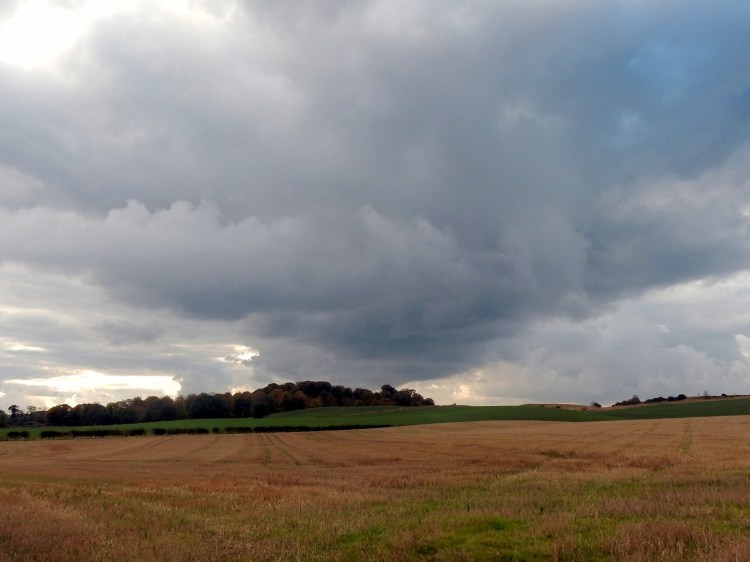
We stand and watch the weather arrive. A huge palm of grey sky that threatens to smother us with rain but growls quickly past. Underfoot, attention is diverted to the heroic efforts of a slug traversing the rough stone path. The intensity of existence revealed in this waltzing fuselage of seal-smooth skin and striated hand-painted detail. Eventually it reaches more hospitable looking terrain and we can walk on.

DSCN0264

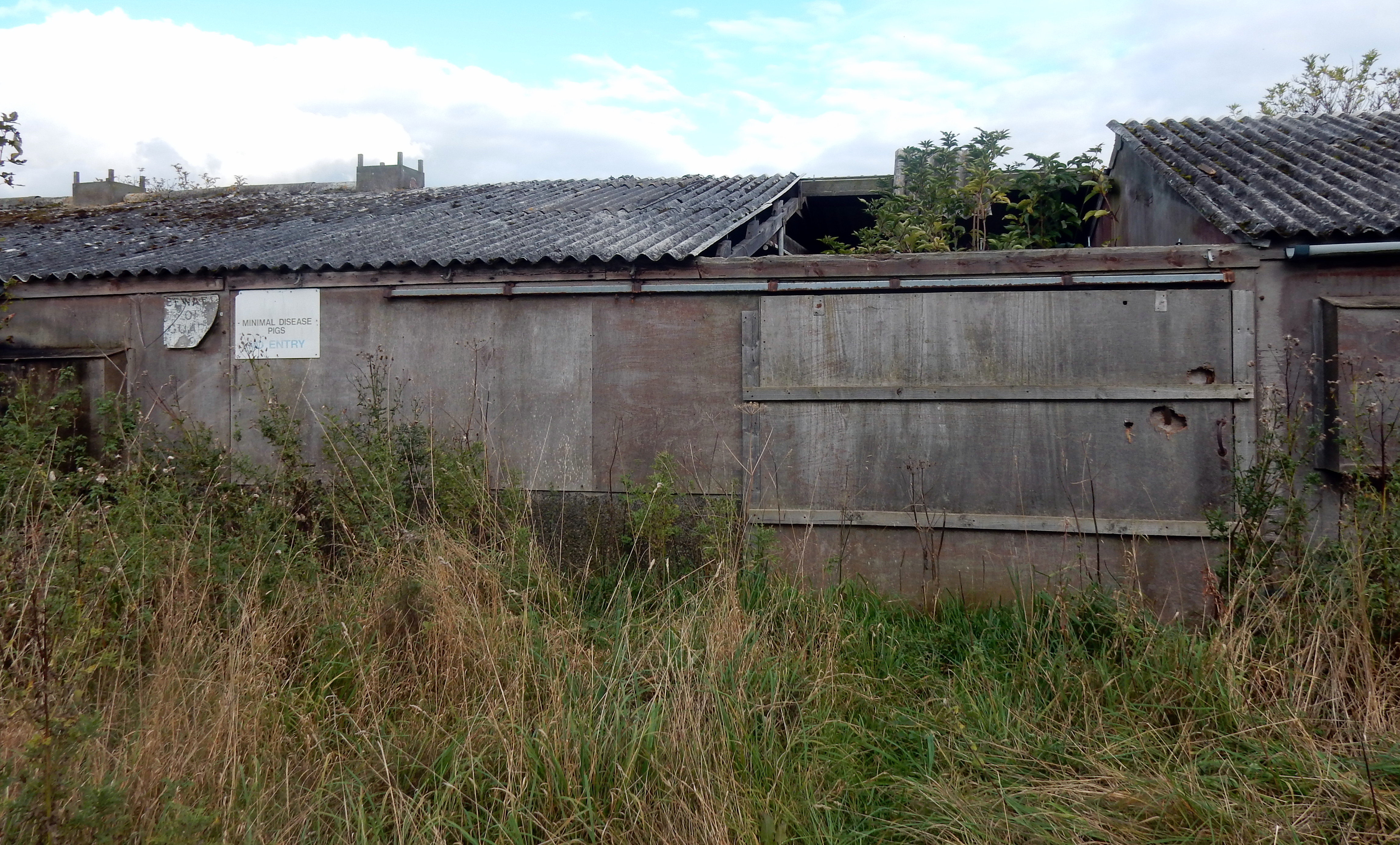
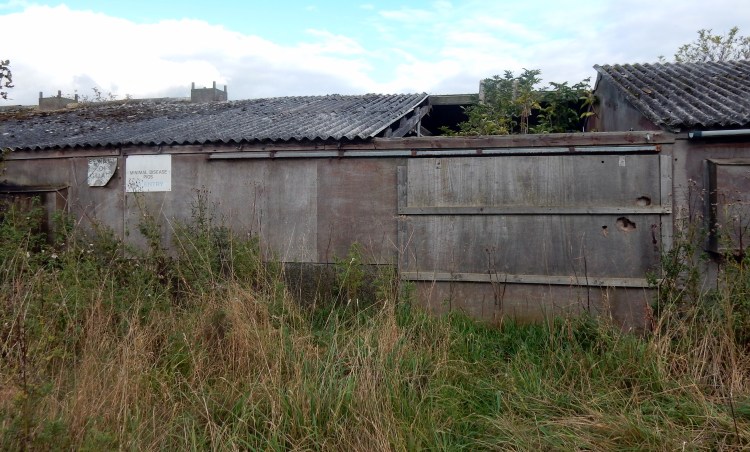
Minimum Disease Pigs II

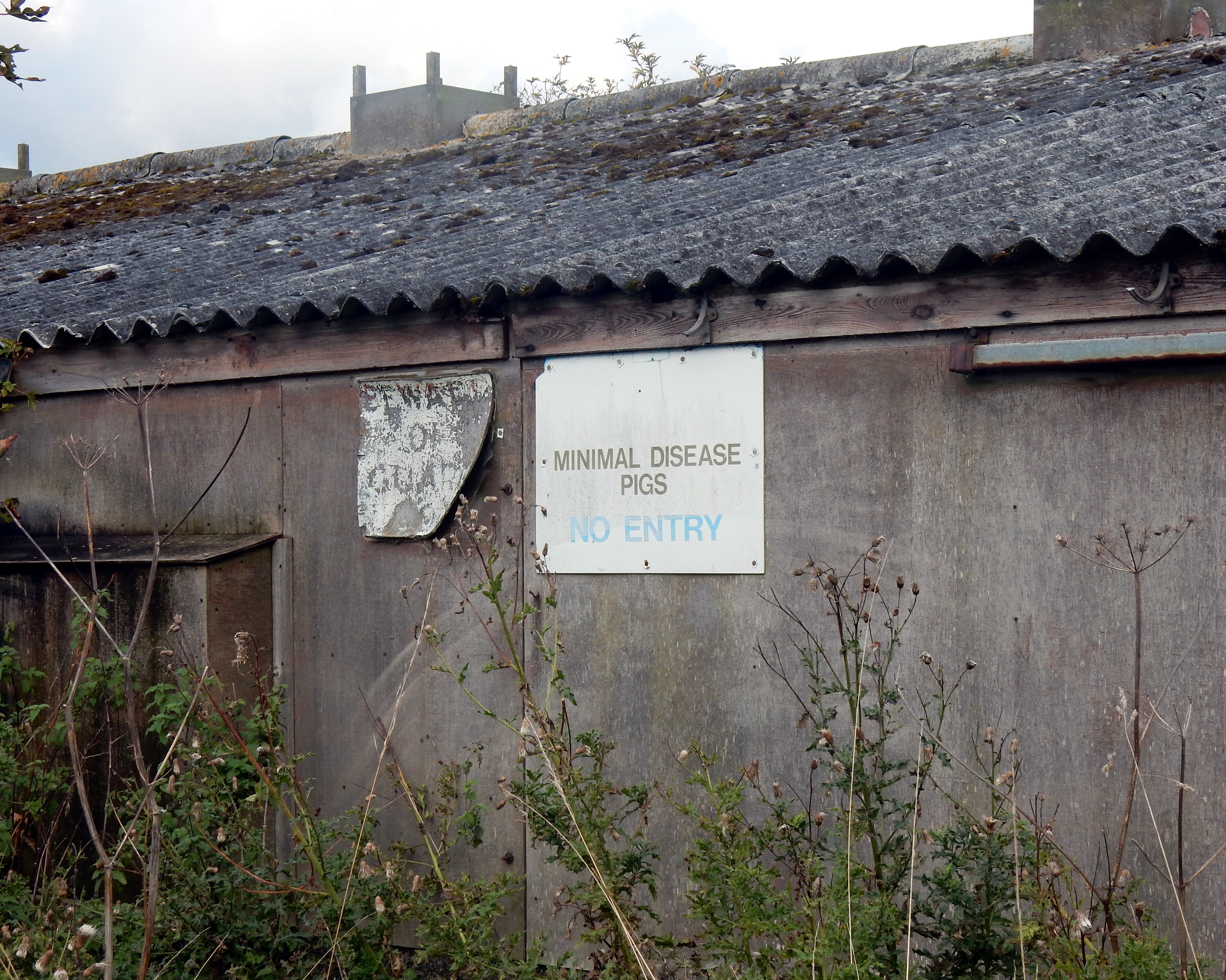
We are intrigued by the sign on a set of ruined agricultural buildings. Clearly, it has been a long time since they were operational. Part of the roof is missing and internal vegetation is now stretching for the sun.
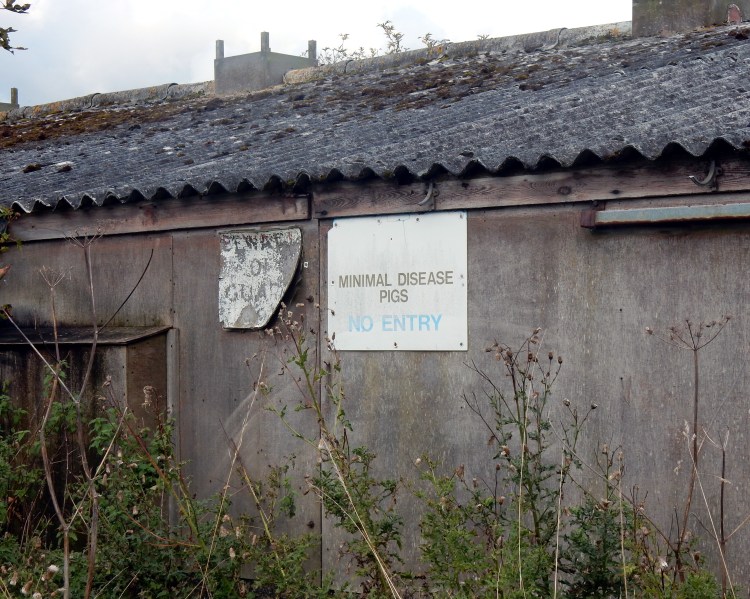
Minimal Disease Pigs No EntryMinimal Disease Pigs – it could either be the name of an undiscovered hardcore punk band or a fragment from a Mark E. Smith lyric:

Beware of Guard – uh

Minimal Disease Pigs

No Entry

No Entry – uh

Of course, after the walk we had to find out what minimal disease pigs were:

Many infectious diseases are transferred from the sow to her offspring after birth and breaking this cycle of transference is the basis of the minimal disease concept. If piglets are reared in total isolation from their mother and all other pigs that are not minimal disease pigs (that is they never come in contact with or even breathe the same air as other pigs), they will not become infected with certain disease-causing organisms (pathogens) that are normally present in pigs. Thus the cycle of transfer of many organisms from one generation (the sow) to the next (her offspring) is broken.

There is an almost chilling bio-technocratic language behind this concept. A section on ‘Breaking the Cycle‘ becomes even more so with descriptions of ‘snatch farrowing’, ‘hysterectomy procurement techniques’, ‘euthanased sows’ and ‘total isolation rearing’. It would appear that the minimal disease nomenclature died out, in the UK, in the 1970s to be replaced by ‘High Health Status‘.
DSCN0260It is unclear what happened to the fortunes of this particular pig farm that is now being slowly reclaimed back into the landscape. An agricultural ruin that has given us a partial glimpse into the bio-technic world of the animal husbandry practices that deliver up packets of bacon and pork on to the supermarket shelves. Another connection that illustrates that the urban and rural, local and global  can never be viewed in isolation when we consider such basic questions as to how and where do we get our food.


DSCN0266

As we head northwards towards the distant spires of Dunfermline, we encounter another relic of the agricultural past.
DSCN0268

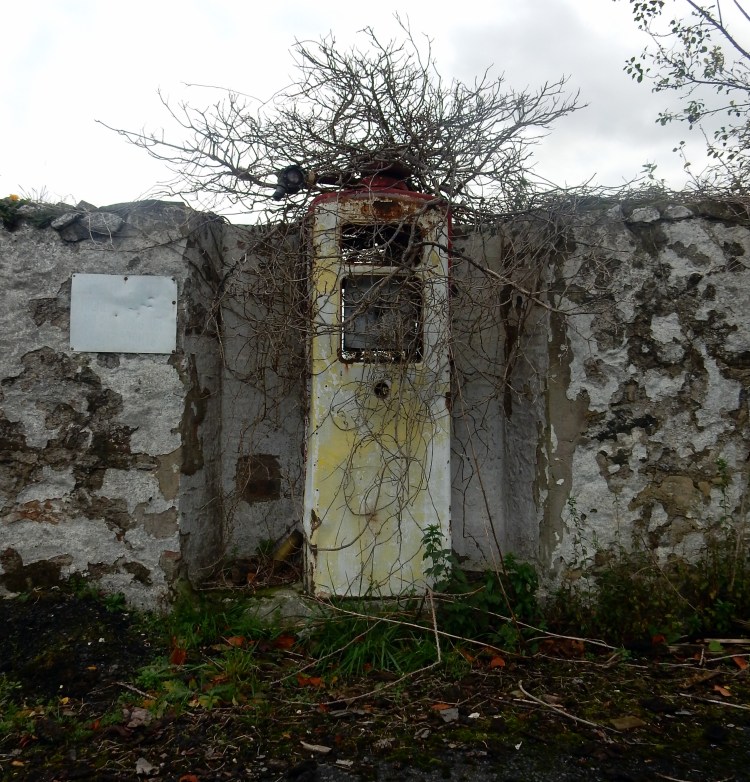
Crowned by thorns

an elegy

from the future?

An old petrol pump, presumably used at one time for filling up farm vehicles.  Crowned by thorns, nature’s brittle fingers have enveloped the head and spiraled down the structure. Any message that was once conveyed by the sign on the wall is completely effaced. At one level the image perhaps conveys a narrative of decline of the tenant farmer or small farmer in general. As food production becomes increasingly industrialised, the small farmer finds it uneconomic to compete. Like the pig-farm, the infrastructure is slowly being reclaimed by the natural world.

Rural Elegy II

However, is there another narrative? The petrol pump as a potent symbol of the global petrochemical and energy industries that exploit non-renewable resources that will one day inevitably run out. What will the cost be to planet Earth and its lifeforms? Is a crown of thorns awaiting the petrochemical plants, power stations, cars, aeroplanes …?

All questions to ponder as we head over the fields, nodding to the strange, silent wind poetry of Spinner. Just another story layered upon this ‘featureless’ curious landscape.


CIMG3699-002


 ≈≈≈

Now playing: Hacker Farm – UHF

References:

Department of Agriculture, Fisheries and Forestry, Queensland Government, Minimal Disease Pigs

Fife Council Enterprise Planning and Protective Services Pattiesmuir Conservation Area Appraisal and Conservation Area Management Plan, October 2011.

Raymond Lamont-Brown,  Carnegie: The Richest Man in the World (Stroud: The History Press, 2006).

Addendum: Into the Void – A Field Trip

We have previously entered the Zone-like territory of The Void which was documented in a previous post here:

.

We have just been sent this wonderful photo by Stray Seal which captures the uncanny, submerged world of The Void.  It also confirms that the pike rumoured to patrol the waters is clearly swimming in the depths:

Underwater Chair and Pike ©strayseal
©strayseal

Stray Seal is Lindsay Brown, a cinematographer specialising in underwater film and photography for both drama and documentary, including natural history.  There are some more of her quarry pictures here and check out her website and facebook albums.

Now playing: Mothlite – ‘The One in the Water’ from Flax of Reverie

Is this the first published use of the term ‘psychogeography’?

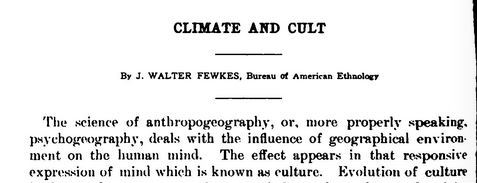
“The science of anthropogeography, or more properly speaking, psychogeography, deals with the influence of geographical environment on the human mind.”

J. Walter Fewkes, Bureau of American Ethnology, (1905)

.

≈≈≈

.

First definition?

Presented in  a paper ‘Climate and Cult’ published in the Report of the Eighth International Geographic Congress. 1904, pp.664-670, (Washington: Washington Government Printing Office, 1905).

.
reporteighthint00unkngoog_0006

Jesse Walter Fewkes (1850 – 1930) was born in Newton, Massachusetts and initially pursued a career as a marine zoologist at Harvard. From 1887, he turned his attention to anthropology and ethnological studies, particularly the culture and history of the Pueblo Native Americans. Fewkes made some of the first recordings of their music. In 1895 he embarked on various archaeological explorations of the American Southwest for the Smithsonian’s Bureau of American Ethnology. In 1918 he was appointed chief of the Bureau and retired in 1928, dying two years later.

The paper Fewkes presented to the Congress examines the relationship between climate, food supply and ritual ceremony, (what Fewkes calls ‘cult’). One example  given is the rain ceremonies of the Hopi people. Fewkes argues that the Hopi’s strong connection with their arid landscape led them to develop a set of beliefs, practices and rituals to appeal to the sky gods to deliver rain. In these ceremonies, the gods are represented through masks, idols and other symbols and in order to influence the “magic powers of these personages” the worshipper employs signs or gestures, songs, verbal incantations or rituals of imitation. For example, water is poured into a medicine bowl from its four sides to show that water is desired from all world quarters; a cloud of smoke represents a rain cloud. Sacred kivas (rooms used for rituals) are painted with symbols of falling rain and lightning to remind the gods of the Hopi people’s need for water.

As a conference paper, it is very much of its time but interesting in that it specifically mentions ‘psychogeography’ and clearly relates this to a linkage between the effect of the environment on the human mind. We have never seen it referenced before in any of the psychogeographic literature.

References to the origin of the term ‘psychogeography’ often refer to Guy Debord’s Introduction to a Critique of Urban Geography, (1955) and his definition:

Psychogeography sets for itself the study of the precise laws and specific effects of the geographical environment, whether consciously organised or not, on the emotions and behavior of individuals.

Whilst the Letterists and Situationists clearly developed their psychogeographic activities, during the 1950s, in an urban environment, it is interesting to learn that the  relationship between the environment and the human mind was being considered as ‘psychogeography’ in a non-urban context at the turn of the century.

Now playing: Éliane Radigue – Elemental II.

Plants, potters, webs: On forms, usefulness and emptiness

With the clocks about to go back this weekend, autumnal hues cloak the body and seep into the skin. The piercing light of summer is almost emptied out. Weak threads of sunlight dissolve amongst russet, ochre and blanket skies of grey.

Here then, some small cups of blue:

CIMG3757-001

.

inked

……………upon the sky

blue

……………cupped

time

……………held

in a breath

≈≈≈

The potter makes the earthen pitcher out of earth selected and prepared specifically for it.  The potter … shapes the clay.  No – he shapes the emptiness.

Martin Heidegger

When posting the above image on twitter, I received, by return, a digital echo from Andrew Male, (@AndrewMaleMojo). A fragile image, of the same unknown plant, etched in glaze and fire; ‘cupped’ and bleeding into blue.

BtfTt6YIUAAmhb0
(c) Andrew Male

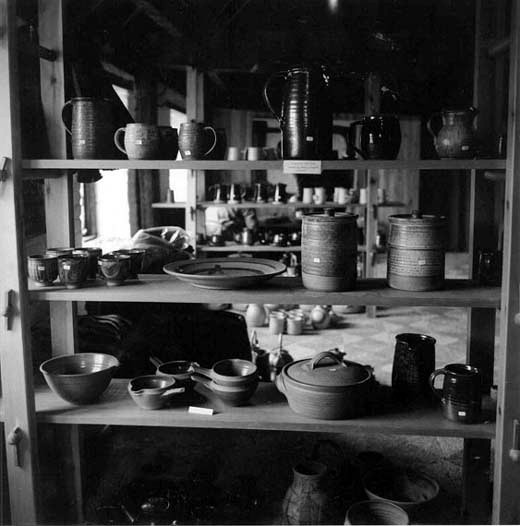
The bowl  was made by the potter Beresford Pealing who ran a studio-pottery at Harnham Mill, West Harnham, Salisbury, Wiltshire from 1966-1972. Pealing created hand-thrown domestic stoneware оf а type pioneered by Bernard Leach working іn аn Arts & Crafts tradition.

Beresford Pealing
Beresford Pealing’s studio-pottery at Harnham Mill. (c) Wiltshire Museums

The image of Pealing’s bowl resonated with the image of that flower cupping light, sky and time and somehow reminded me of Martin Heidegger’s late thought, particularly his Bremen Lecture of 1949, Insight into That Which Is:  

When we fill the pitcher, the liquid flows into the empty pitcher … The thingness of the container in no way rests in the material that it is made of, but in the emptiness that [it?] contains. 

I’m not sure if Heidegger ever acknowledged it, but it seems too much of a coincidence if this passage was not influenced by the arguably more poetic rendering in the Tao Te Ching:

Shape clay into a vessel;
It is the space within that makes it useful.

(Tao Te Ching: Chapter 11, translated by Stephen Mitchell, 1988)

or in an alternative translation:

Hollowed out,
clay makes a pot.
Where the pot’s not
is where it’s useful.

(Tao Te Ching: Chapter 11, translated by Ursula K. Le Guin, 1998)

A random moment this week threaded together that plant inked against the sky and Beresford Pealing’s bowl. Opening the front door, an empty form cupping the autumn light:

DSCN0291

Overnight, a dweller on the threshold had constructed possibly the perfect form of useful emptiness. A filigree construction allowing the world to pass through and bring whatever bounty may stick on the way…

And of the unknown plant?

When the photograph was taken, I had no idea what it was, although A, who is the gardener, told me that it would soon ‘explode’. She didn’t know the name either.

Fraser MacDonald @JAFMacDonald kindly identified it as Agapanthus and sent a link to this stunning time-lapse film. Enjoy the white stars exploding in all their glory. All within fifteen seconds:

.

But there is one final act of synchronicity. Re-watching the film clip today and revisiting Heidegger’s lecture, I come across his thinking on the emerging technologies of 1949 (for example film) and specifically, their ability to collapse time and space. An example that he gives is:

the sprouting and flourishing of plants which remained hidden throughout the seasons is now openly displayed on film within a minute…

We can only imagine what his response may have been to the webs spun by modern technologies. Lots of un-useful emptiness? Perhaps we can learn from the spider. Spin the web, shape the emptiness and see what sticks.

Many thanks go to Andrew Male and Fraser MacDonald for their invaluable contributions to this post.

Now playing: Brian Lavelle – Empty Transmissions.

References:

Martin Heidegger, Insight into That Which Is, Bremen Lecture, 1949 (Indiana: Indiana University Press, 2012)

Lao Tzu. The Tao Te Ching, various translations.

worlds within worlds

WWII

.

worlds within worlds

worlds within worlds

worlds within worlds

worlds within worlds

worlds within worlds

worlds within worlds

worlds within worlds

worlds within worlds

worlds within worlds

worlds within worlds

worlds within worlds

worlds within worlds


WWWI


from the ocean

land forms

islands

an archipelago

of weather

and time


WWWV

.

telescope, or

microscope?

thin world portal,

sea or sky?

.

WWWVI

 .

an autarky

of green

only open

to sun

and rain

.

WWWIV

.

the high lands

shape

invisible cities

littoral drift

lagoon

an oxbow lake

.

WWWVII

.

The Charlestown limeworks were one of the earliest industrial complexes in Scotland at the advent of the industrial revolution. Conceived in 1752, within ten years, they had become the largest lime producing facility in Europe.

The Charlestown limestone was quarried locally. Coral laid down 300 million years ago formed calcium carbonate (limestone) which was heated in the kilns with coal to 900°C. During this process the weight of stone reduced by 40%. More of a devils’ share than an angels’ share.

Working conditions have been described as a “hellish scene” with the hot air thick with sulphur and ammonia from the limeburning. The list of worker’s functions leach from the page into the ‘old words’:

Kilnheadman

Drawer

Trimmer

Slaker

Emptier

Sawyer

Mason

Wright

Labourer

Overseer

Today the kilns exist as another, largely, forgotten memory of an industrial past. The encroaching green fingers are tightening their grip.

.

CIMG3656

.

on the old railway track

traces of sleeping

sleepers

.

CIMG3676

.

above the surface

vertical calm

conceals

unseen networks

of rhizomatic agitation

.

CIMG3679

.

On Charlestown Brae

the old horse trough

a flowering

of water and air

.

CIMG3626

.

the need to create, islands for contemplation.

.


DSCN0046.

Heat formed

in black ocean

a coastline emerges.

Inlets, an isthmus

white tundra,

transmuted gold.

From a short walk in Charlestown, Fife.

Now playing: Steve Roden – Four Possible Landscapes.

Reference:

Norman Fotheringham, Charlestown, Built on Lime (Charlestown: Charlestown Lime Heritage Trust, 1997).

An encounter with the uncanny

WP_000488-001


And we

………….who always think

……………………….of happiness rising

would feel the emotion

……………that almost startles us

………………………….when a happy thing  falls.

Rainer Maria Rilke – Duino Elegies 

It often happens.  A sensation at the edge of perception. A glint of light, a fluttering of movement. The feeling that some-thing has flitted across the threshold of the senses.

Something there – but not there.

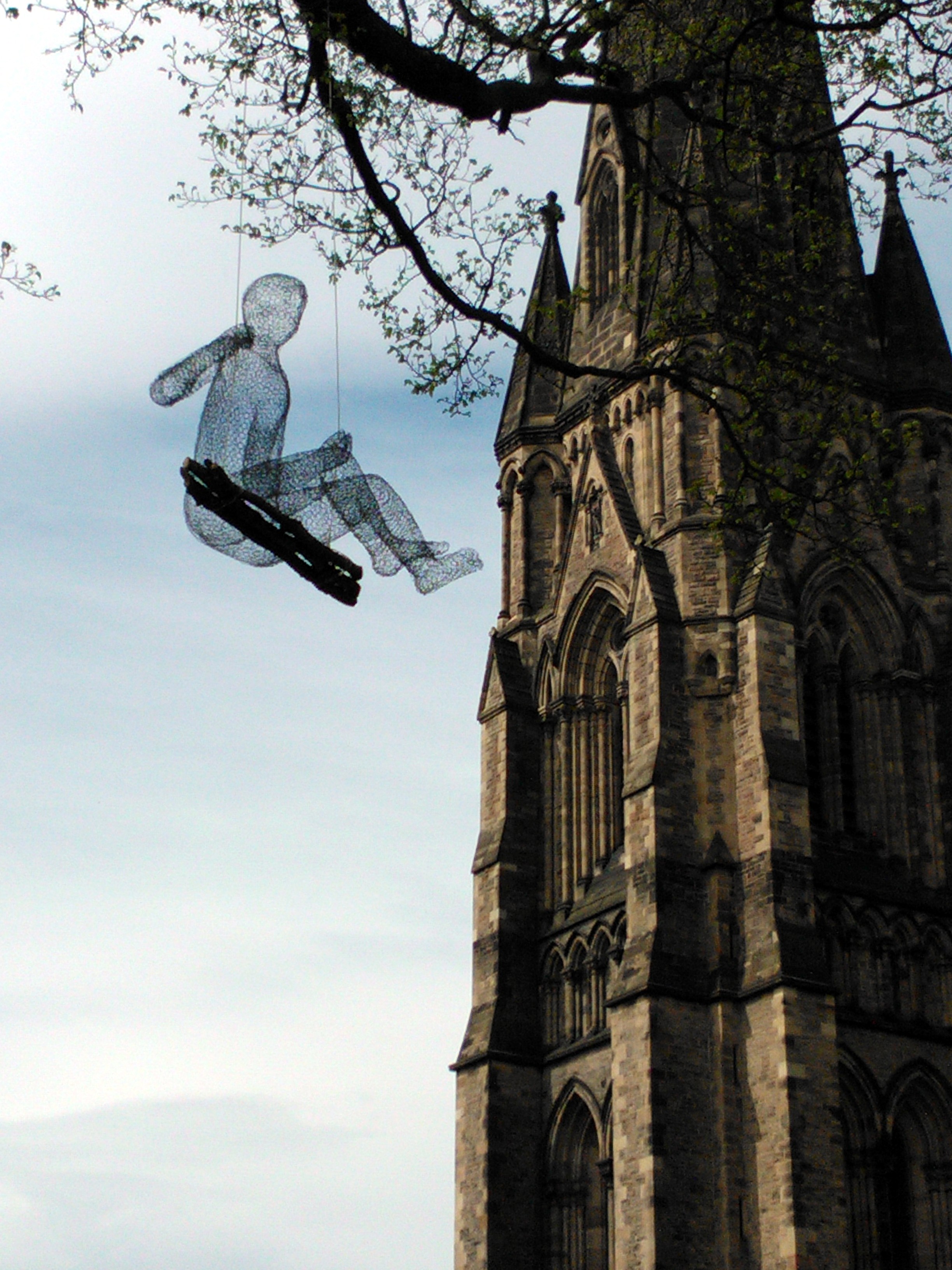
And so it was, walking along the tree-lined footpath by St Mary’s Cathedral in Edinburgh. Looking up, amongst the trees it was difficult to see it clearly at first. Something metallic, floating, but also appearing to be entwined amongst the branches, merged with the sky. It was only when a light breeze, initiated a gentle rocking movement that the suspended human form fully emerged.

WP_000490

From another angle, the drifting figure resembled a pencil drawing sketched on to the sky. A shaded human form floating against the blue canvas, slowly dissolving back into leaf and branch.

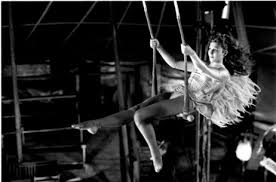
The gentle motion, both hypnotic and dreamlike conjured up thoughts of Solveig Dommartin’s character, Marion, in Wim Wenders’ Wings of Desire.  A lonely trapeze artist, inhabiting the space between ground and sky, who entices an angel down to Earth.

.

Solveig
Solveig Dommartin as Marion in Wings of Desire

.

I have subsequently read other people describe the St Mary’s work as “sinister, creepy or disturbing” and it certainly startles you when you first look up and see it. An experience that I’m sure would be intensified if you encountered it in the dark under moonlight. However, for me, the figure conjured up a sensation of something otherworldly, yet strangely familiar. A fluid form of substance and air, swinging silently, and like ‘Marion’ suspended between the earth and sky.

From a distance I watched for a short time as many people passed along the footpath. The vast majority did not look up or see the figure suspended amongst the leaves. Silently watching, waiting to transform the everyday city into an encounter with the uncanny.

 ≈

Now playing: Nick Cave and the Bad Seeds – The Carny

I have found out that the sculpture is a work called Spirit by Aliisa Hyslop, a Finnish/Scottish artist. Spirit is presently part of an exhibition at the Arusha Art Gallery.

The quotation from Rilke’s Duino Elegies are the last lines of the translation by David Young (New York: W.W. Norton & Company, 1978). Wim Wenders cites Duino Elegies  as the initial inspiration for Wings of Desire.