Three November Skies

DSCN2703-001

.

Two divining rods

dowsing the sky

.

A fragment falling

pooling at my feet

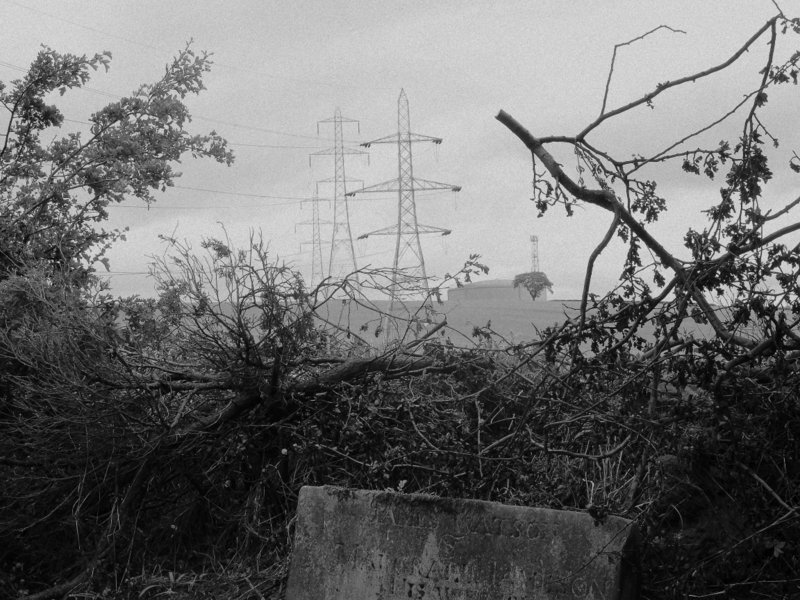
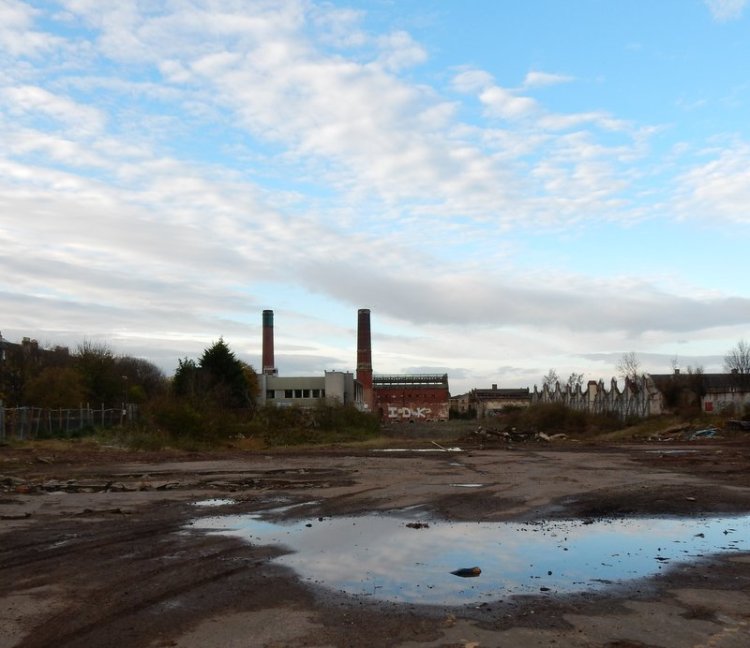
Looking from Leith Walk, Edinburgh, on 25th November towards the vestiges of the Shrubhill tramway workshops and power station. The power station opened in 1898 and housed the haulage engines for cable-tramway operations. By 1922 the power station had closed with the tramway workshops continuing in use until 1956.

The site was also once known as the Gallow Lee where a gibbet stood for public executions. There are numerous accounts of murderers, Covenanters, warlocks and witches being executed and buried on the site between 1570 and 1752. 

.

DSCN2700-005

.

Waves of molten lava

breaking  –  on

the blue shore

An early morning sky over Limekilns, Fife on 25th November 2015. The sky as apocalyptic beach.

.

sky

.

View from the train – take that #BlackFriday

On the East Coast mainline. Taken and posted on Twitter on 27th November 2015.

.

Now playing: David Torn – Only Sky

William Gear (1915 – 1997) – City Art Centre, Edinburgh

Gear Edinburgh

We have already written a fairly long piece on the painter William Gear (1915 – 1997). Gear was one of only two British members of the post-war, European, avant-garde movement CoBrA in the 1940s. He went on to produce some of the most radical and controversial paintings of the 1950s.

In the centenary year of his birth, a major retrospective of his work has recently arrived in Edinburgh. Previously shown at The Towner Art Gallery, Eastbourne, where Gear was curator from 1958-1964, it is a fabulous retrospective show and a privilege to see so many of his works collected together. From early dabblings with Surrealism through to the radical monochrome abstractions of the 1950s and the singing colours and sculptural forms of his mature style from the 1960s to his death in 1997.

The exhibition is showing at City Art Centre until 14th February 2016 and comes highly recommended.  Rather than write a full review, we would only suggest that you consider visiting the exhibition if you can.

Walking around for the first time a few phrases caught the ear and eye:

I was born and brought up on the Fife Coast. Harbours, boats, the sea. It is in the blood.

I was a Parisian now. 

(Gear moved to Paris in the late 1940s where he held his first solo shows and joined CoBrA after meeting Appel, Constant, Corneille and Jorn. Reading this line particularly struck a chord after the brutal terrorist attacks on Paris on Friday 13th 2015. An attack on a city that has always drawn artists to it and excels in celebrating both the highest pleasures and everyday joys of life).

I cannot say in truth that my painting is entirely non-representational, though at no point am I ever obsessed with the rendering of objects in front of me or remembered as such. I continually find that my pictures, when finished, are evocative of something within my visual experience. It may be the corner of my studio, or the view from the window of trees and the Seine and the buildings of the Île de la Cité opposite, or a generalised landscape, interior or assembly of forms.

Trees and boulders take on the menacing form of hidden terror. Imagination plays tricks with the eyes.

In conjunction with a fine exhibition catalogue, a magisterial new book has been written by Andrew Lambirth which is particularly strong on placing Gear within an international context.

DSCN2680

We were also delighted and gobsmacked to stumble across a mention of our essay in the Afterword:

DSCN2692

William Gear (1915 – 1997): The painter that Britain forgot – City Art Centre Edinburgh, until 14th February 2016. (Free).

Now playing: Philip Corner – Satie Slowly.

The Eternal Return of Autumn

.

The eternal return

of the    ephemeral

autumn         ballet

.

DSCN2557

.

At no other time (than autumn) does the earth let itself be inhaled in one smell, the ripe earth; in a smell that is in no way inferior to the smell of the sea, bitter where it borders on taste, and more honeysweet where you feel it touching the first sounds. Containing depth within itself, darkness, something of the grave almost

Rainer Maria Rilke

.

DSCN2539

.

all                  around

a shedding of leaves

my          green cloak

growing        heavier

.

DSCN2494

.

I notice that Autumn is more the season of the soul than of nature

Friedrich Nietzsche

.

.

Even decay is a form of transformation into other living things, part of the great rampage of becoming that is also unbecoming

Rebecca Solnit

.

DSCN2512.

almost                        dark

listen                      –  in(g)

to the huddled whispers

of the forest              flock

.

DSCN2262

.

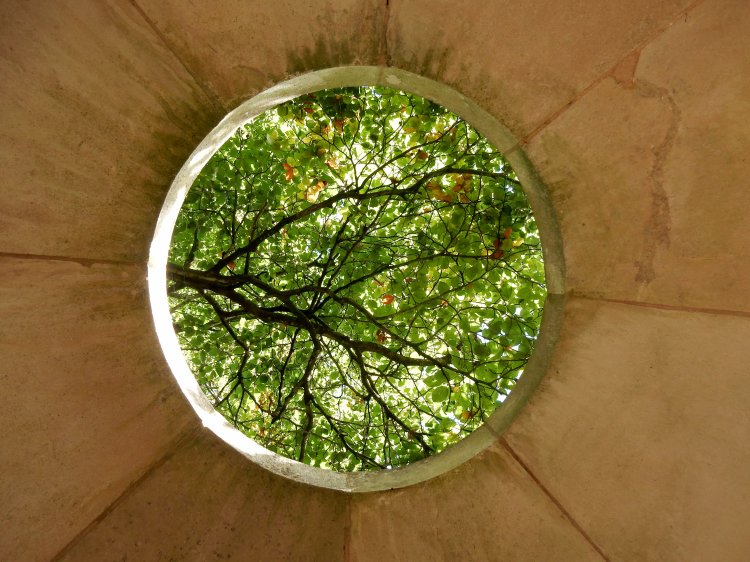
autumnal         portal

a suggestion of russet

.

Above the roof of Ian Hamilton Finlay’s ‘Temple of Apollo’ at Jupiter Artland

.

DSCN2246

.

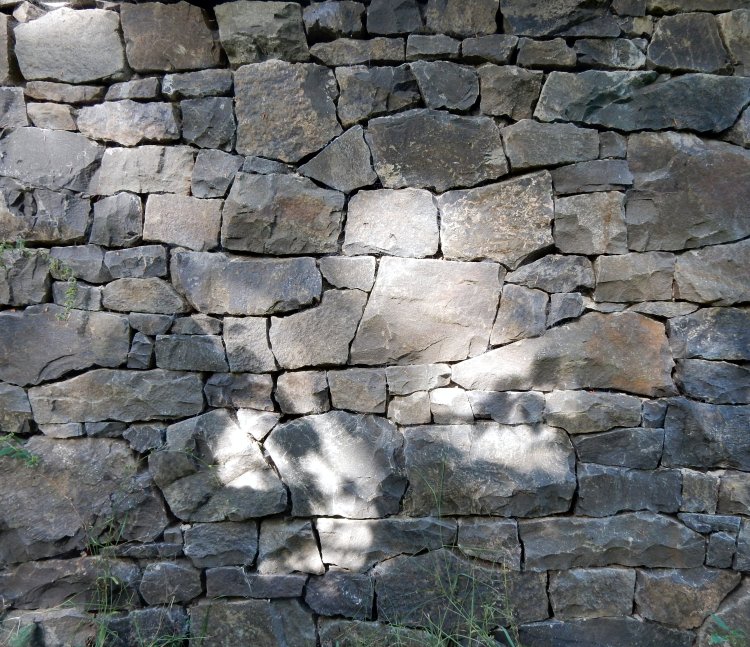
Flooding the fissures

of     the stone house

Liquid                 light

rippling            the air

.

DSCN2468-001

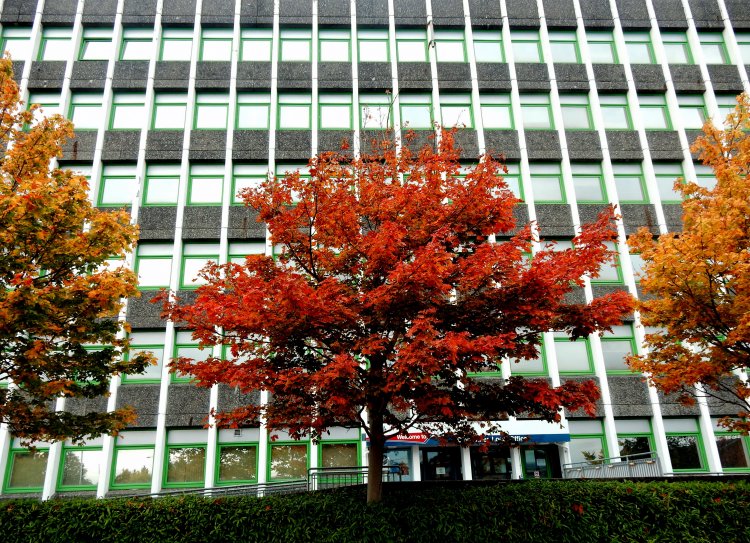
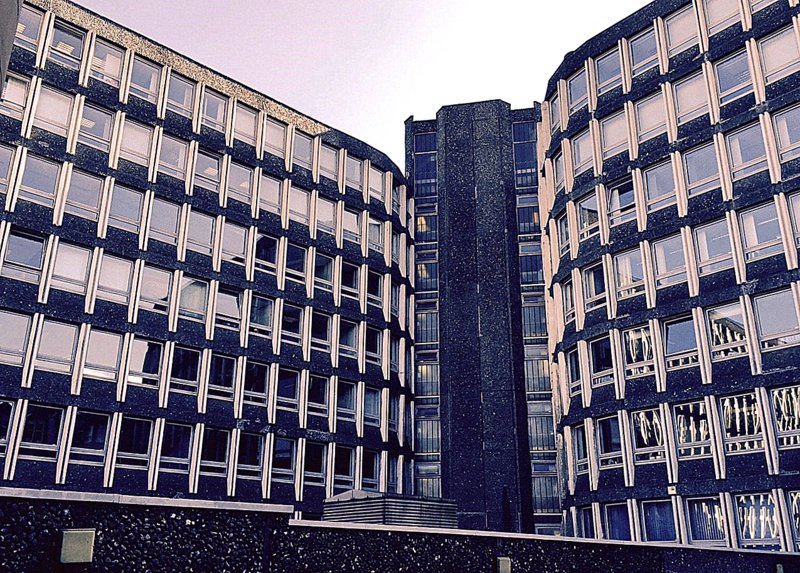
(Redux) When natural cycles turn, brutalist windows can dream of (autumn) trees…

.

Now playing: Laura Cannell – ‘Born from the Soil’ from Beneath Swooping Talons.

The 19th Edinburgh Independent and Radical Book Fair 2015

DSCN2629-001

We are delighted to be part of this years Edinburgh Independent & Radical Book Fair, organised by the wonderful Word Power Books. The festival runs from Wednesday 28th October through to Sunday 1st November. The full programme is available here. All of the events take place at Out of the Blue Drill Hall, 36 Dalmeny Street, just off Leith Walk.

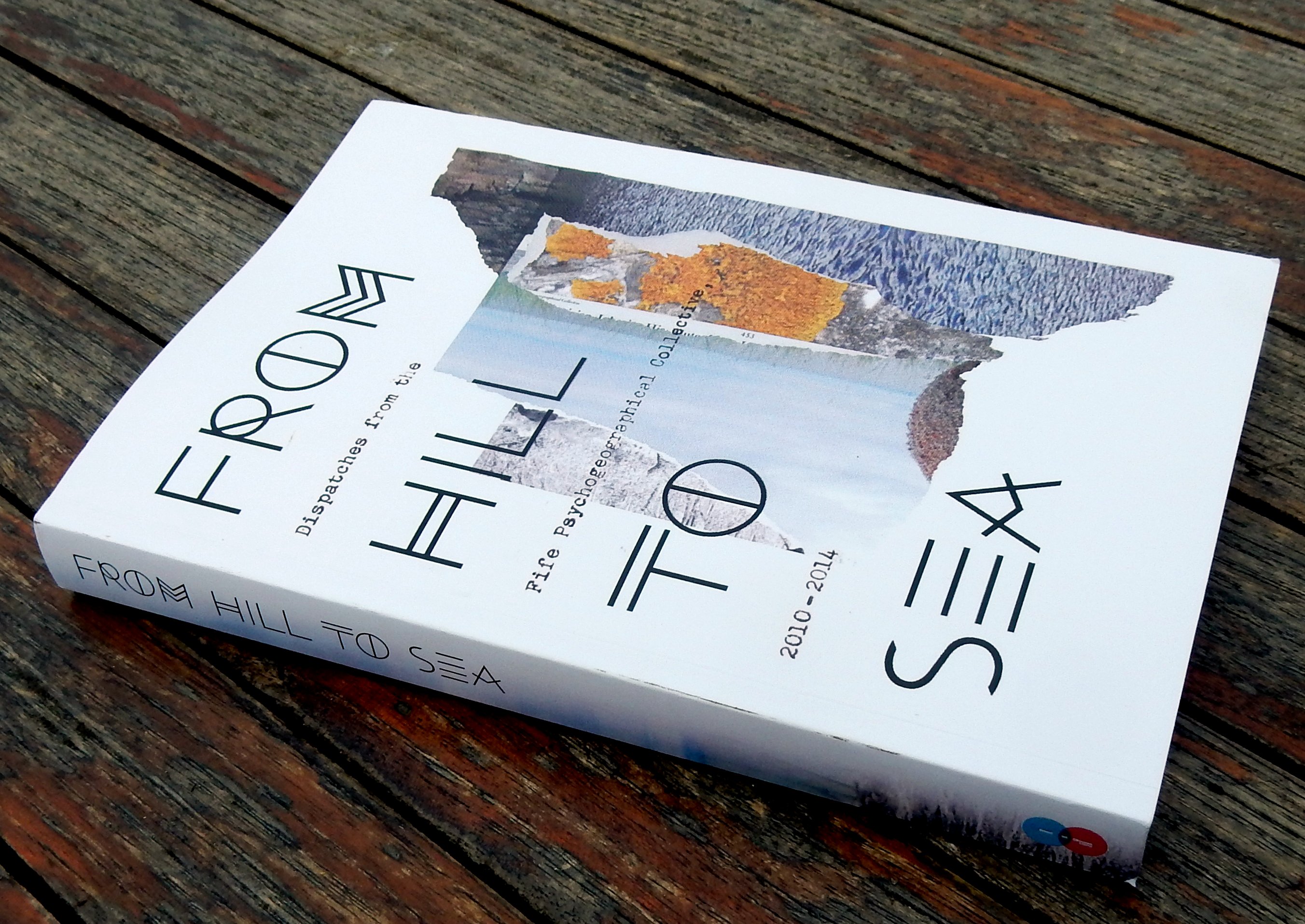
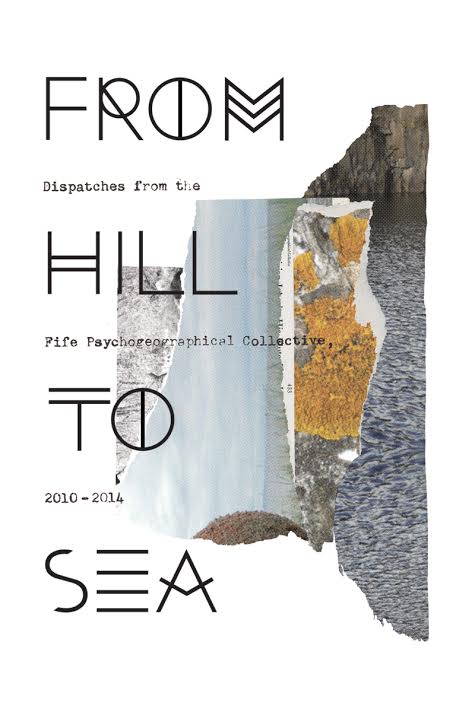
On Friday 30th October at 5.45pm, Murdo Eason introduces From Hill to Sea: Dispatches from the Fife Psychogeographical Collective 2010-2014.

DSCN2589

Also, for the duration of the book festival, there will be an exhibition of images and texts by the Fife Psychogeographical Collective: Walls / Objects / Structures.

If you do attend, and get the chance, please say hello.

DSCN2631


Now playing: Trembling Bells – The Sovereign Self

From Hill to Sea: Book and Film

unnamed

We are delighted to announce that our book, From Hill to Sea, will be published in November 2015 by Bread and Circuses Publishing. (Tom Vague, King Mob, Guy Debord etc). Details about the book’s content and a ten minute film can be viewed on the Bread and Circuses website here.

There will be an initial, full colour, limited edition print run and also an eBook. Further information about the book will be posted here and on the Bread and Circuses website when available. If you are interested in reserving a copy of the numbered, limited edition print run, or being kept informed about the book’s publication, please email:

info [at] breadandcircusespublishing.com

What started out as a short trailer for the book, expanded to a ten minute film. Any rational person may have tried to edit this down but we have left it to view in whole or in part. If nothing else, you can enjoy the sounds of Oneohtrix Point Never and The Durutti Column.

Murdo Eason will also be doing some readings from the book at various forthcoming events. We will post details on this blog and on twitter @fifepsy

Thanks to everyone who has been supportive and encouraging of our endeavours to date. It is greatly appreciated.

Underneath the M90

DSCN2120

Up above, the sound is like a collision of thunder arriving from north and south. Traffic heading to unknown destinations, running up and down the asphalt spine of the M90 motorway. Here, underneath the flyover, the concrete walls have become vast, abstract-expressionist assemblages. Layer upon layer of weather effects, pollution spray, pigment and human mark-making.  It is only the walker who will notice these. Why, would you dwell, to look, if travelling in a car?

Has any disorientated walker followed the arrow east TO DIVIT, or west TO THE RO?

DSCN2122

Unusual names – DIVIT, THE RO.

Consulting any official map will be of little help. There will be no record of these places. Perhaps we are standing on a territorial boundary line. DIVIT being a local name for Inverkeithing to the east. THE RO is Rosyth to the west. That human compulsion to establish borders and territories. Points of entry or exit. Lines pronouncing otherness, even when invisible and local.

Not far away, a universally recognised symbol. How many times has a heart shape been inscribed on a surface across time and space? From Cro-Magnon cave walls, via the ancient Greeks – a symbol of life and morality and possibly an association with Dionysus and love – to the more familiar symbol of romantic love emerging in the 1200s. Anyone using social media will recognise ❤ ❤ <3.

Under this motorway flyover, a black heart in brush stroke, partly over-painted in white. The shape immediately recognisable, a symbol we can all ‘understand’. But does the nuance of its meaning remain with the mark maker? We connect through common language but subtleties of difference always escape, to be either celebrated or repressed.

Is that a human figure we see enclosed within the heart? Possibly kneeling? Who can say?This small detail, on the patina of concrete canvas, remains a daub of mystery. A symbol as elusive and remote from the casual observer as the Pictish symbols, found further up the Fife coast, carved in the Wemyss Caves around 600 – 700 AD.

DSCN2123

The difference between the who and the what at the heart of love, separates the heart. It is often said that love is the movement of the heart. Does my heart move because I love someone who is an absolute singularity, or because I love the way that someone is?

Jacques Derrida

Now playing: Julian Priester Pepo Mtoto – Love, Love

The Brutalist Butterfly

Brutal4-003

Walking up Lady Lawson Street in Edinburgh, I stopped for a closer look at Argyle House, an office block dating from 1968, designed by the architectural practice of Michael Laird & Partners.  The building has many critics and is often described as an ‘eyesore’ and one of Edinburgh’s ‘ugliest buildings’. It appears to exist under a constant threat of erasure from property developers, and the City of Edinburgh Council, proposing new (re)development schemes.

The façade which borders the north side of West Port and the junction of Lady Lawson Street is very much of the brutalist box style. All right angles, rectangular windows and the material heft of concrete and harling.

Today, walking in behind the building, I see it from a different angle. The hidden curves, the windows as light reflecting scales. It takes on the appearance of some brutalist insect, flexing its wings, as if about to fly.

Now playing: Asva – Futurists Against the Ocean.

Cut Grass Radio Show, Music and Landscape

festival_images_85612558728136

We were recently asked to select a few tracks and talk about them for Cut Grass, the music show on totallyradio, hosted by Grasscut.

For anyone not familiar, Grasscut are the landscape-focused, musical duo of composer/producer/vocalist/musician Andrew Phillips and manager/musician Marcus O’Dair. As Grasscut, they have released two albums on Ninja Tune, with their third album Everyone Was a Bird – ‘an album born of footfall’ – recently released on Lo Recordings. Sleeve notes are by none other than Robert Macfarlane.

Grasscut have performed across Europe and worked with musicians including Robert Wyatt, John Surman and the Kronos Quartet. Marcus has also written a highly acclaimed, authorised biography of Robert Wyatt, Different Every Time, published in 2014.

The tracks we selected for the show were by: John Cage, Wire, Vashti Bunyan, Black Box Recorder, Barry Guy and Laura Cannell. There is a host of other great music featured and also extracts of readings by the poet Charles Olson.

You can listen to the radio programme here

≈≈≈

We also wrote a piece for the Grasscut blog, loosely based around several themes connecting music and landscape:

In a Landscape

Secular Pilgrimage

Specific Places

Sound in Spaces

Arterial Connectivity

Apocalyptic Landscapes


The piece outlines in more detail the reasons for our track selections and pulls in a whole range of other music including: Patti Smith, Sandy Denny, Áine O’Dwyer, Brötzmann & Bennink, La Monte Young and Corrupted. You can read the piece here and/or read a couple of extracts below.

DSCN1548


In a Landscape

Silence is not acoustic. It is a change of mind, a turning around.

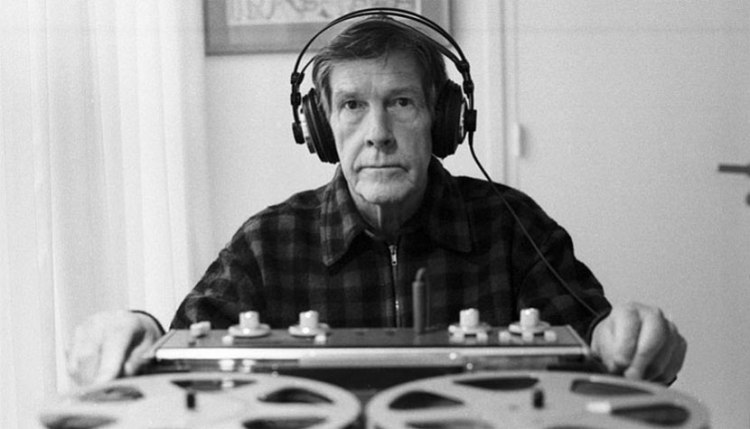
John Cage

In a Landscape, a composition by John Cage is, arguably, one of the more ‘tuneful’ of his works. Written for solo piano or harp, it throws a nod towards Satie and borders on Impressionism. The title as an existential statement could hardly be bettered. Not walking through a landscape, but the conscious realisation of (being) in a landscape. It is also worth noting that Cage’s (in)famous silent piece 4’33” was first performed in a landscape. The Maverick Concert Hall is an open-air theatre, on the outskirts of Woodstock, New York, which was built in 1916 to present ‘Music in the Woods’. Kyle Gann notes that there about as many seats outside of the hall, as in, and that oak, maple hemlock and shagbark-hickory trees intrude gently upon the listening space. On the evening of Friday, 29th August 1952, the pianist David Tudor opened and closed the piano list as instructed by the score. The merits or otherwise of the ‘silent piece’, 4’33”, have and will continue to be debated, but if nothing else, our view is that it is an invitation to really listen and become aware of your surroundings. Cage himself notes that the sounds he heard during the performance included the wind stirring, raindrops patterning the roof and the noise of people as they walked out …

Kay Larson says: “before anything else, (4’33”) is an experience.” It is a proposition that says, in notational shorthand: stop for a moment and look around you and listen; stop and look; stop and listen. “Something” and “Nothing” can never be divided.

Perhaps a useful thought for any landscape wanderer to ponder …

≈≈≈

Secular Pilgrimage
DSCN2016

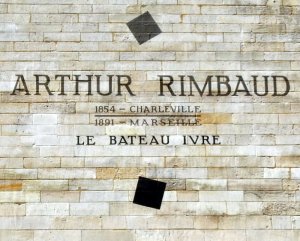
We have always been attracted to the idea of the motivated journey, or secular pilgrimage such as Werner Herzog’s walk from Munich to Paris recounted in Of Walking in Ice. The other dimension is the juxtaposition of an idea or image of a place, constructed before arriving, and the lived reality of actually experiencing it. In early 1970s New York, a young Patti Smith, obsessed with the poet Arthur Rimbaud, hatched a plan to travel to Harar in Ethiopia to find Rimbaud’s (imagined) lost valise:

I would return with the contents of the mysterious case, preserved in Abyssinian dust, and present it to the world.

Attempts to raise funding for the trip from “publishers, patrons and literary foundations” were met with bemused nods and Smith concluded that “the imagined secret papers of Rimbaud were not a fashionable cause.” However, Smith did manage to scrape up enough funds to head to Charleville in France, the place where the poet was born and buried. Smith recounts her experiences in a short text Charleville:

“I carried my raincoat and ventured into the Charleville night. It was quite dark and I walked the wide and empty quai Rimbaud. I felt a little afraid but then suddenly in the distance I saw a tiny light, a small neon sign — Rimbaud Bar. I stopped and took a breath, unable to believe my good fortune. I advanced slowly afraid it would disappear like a mirage in a desert…”

A bar where she would feed the jukebox with a: “crazy mix of Charles Aznavour, Hank Williams and Cat Stevens”.

This short book is a combination of the idealised image of a place, carried by Smith and the reality of her lived experiences such as finding the Rimbaud museum closed and bringing some blue glass beads from Harar to Rimbaud’s grave. “I felt that, since he was unable to return to Harar, I should bring a bit of Harar to him.”

Of course Smith’s pilgrimage experience seeps into much of her subsequent writing. The power of place imagined, experienced and carried within:

I gotta move from my mind to the area

(go Rimbaud go Rimbaud go Rimbaud)

‘Land’ from Horses.

The full blog piece can be read here:

All of the Cut Grass radio shows can be listened to here:

References:

Kyle Gann, No Such Thing as Silence, John Cage’s 4’33” (New Haven and London: Yale University Press, 2010).

Kay Larson, Where the Heart Beats: John Cage, Zen Buddhism and the Inner Life of Artists (New York: The Penguin Press, 2012).

Patti Smith, Charleville (Paris/Arles: FondationCartier pour l’art contemprain/Actes Sud, 2008).
Following the Falling Water

DSCN1610-001


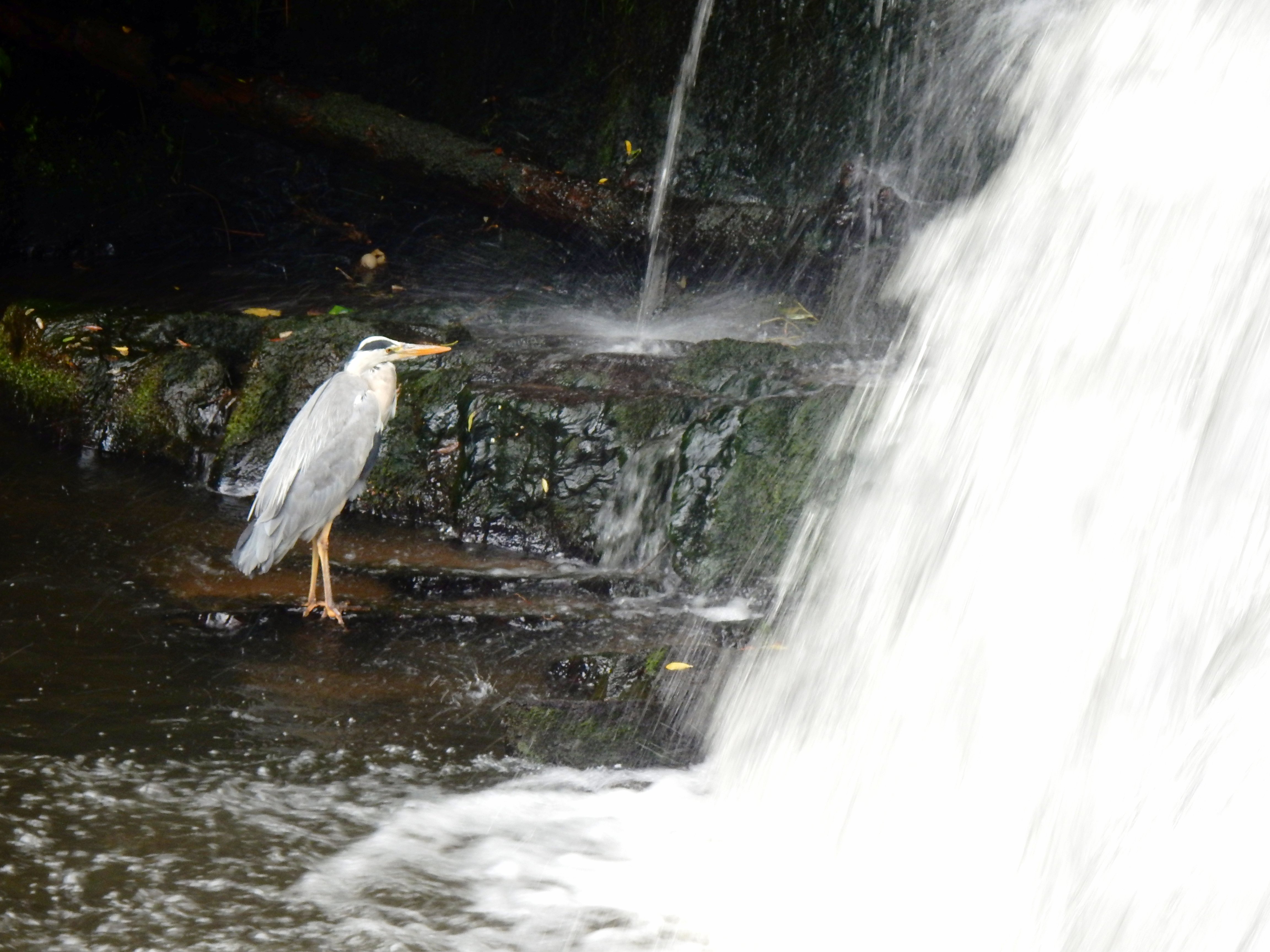
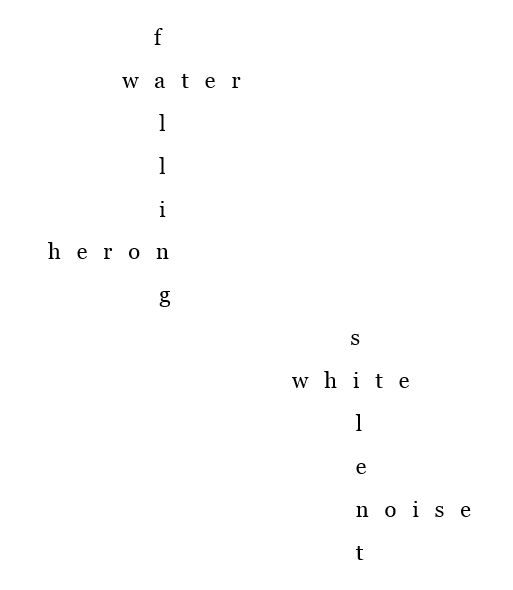
zen heron.
 

.DSCN1605-001


DSCN1603-001


DSCN1611

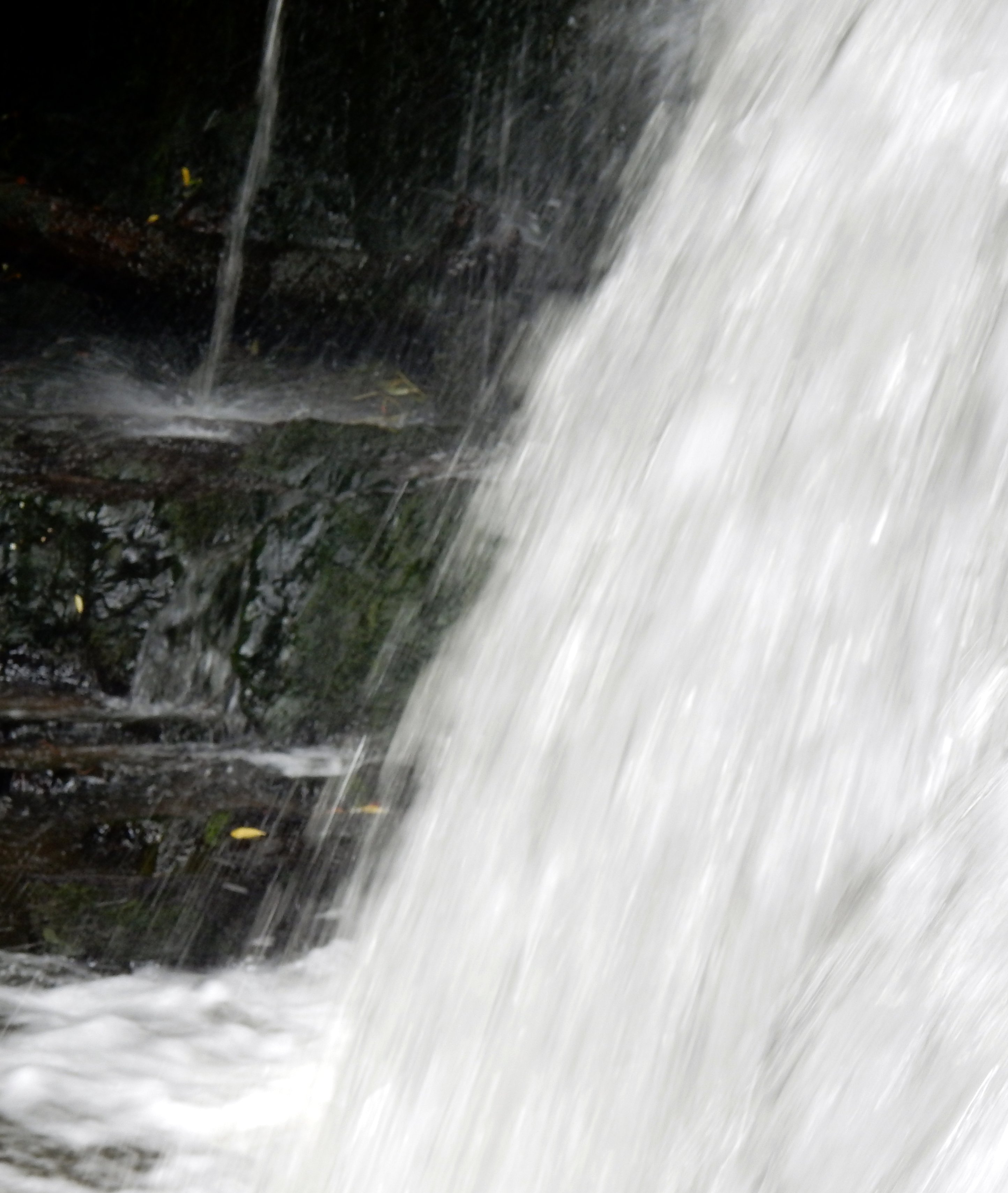
falling

≈≈≈


DSCN1615

.

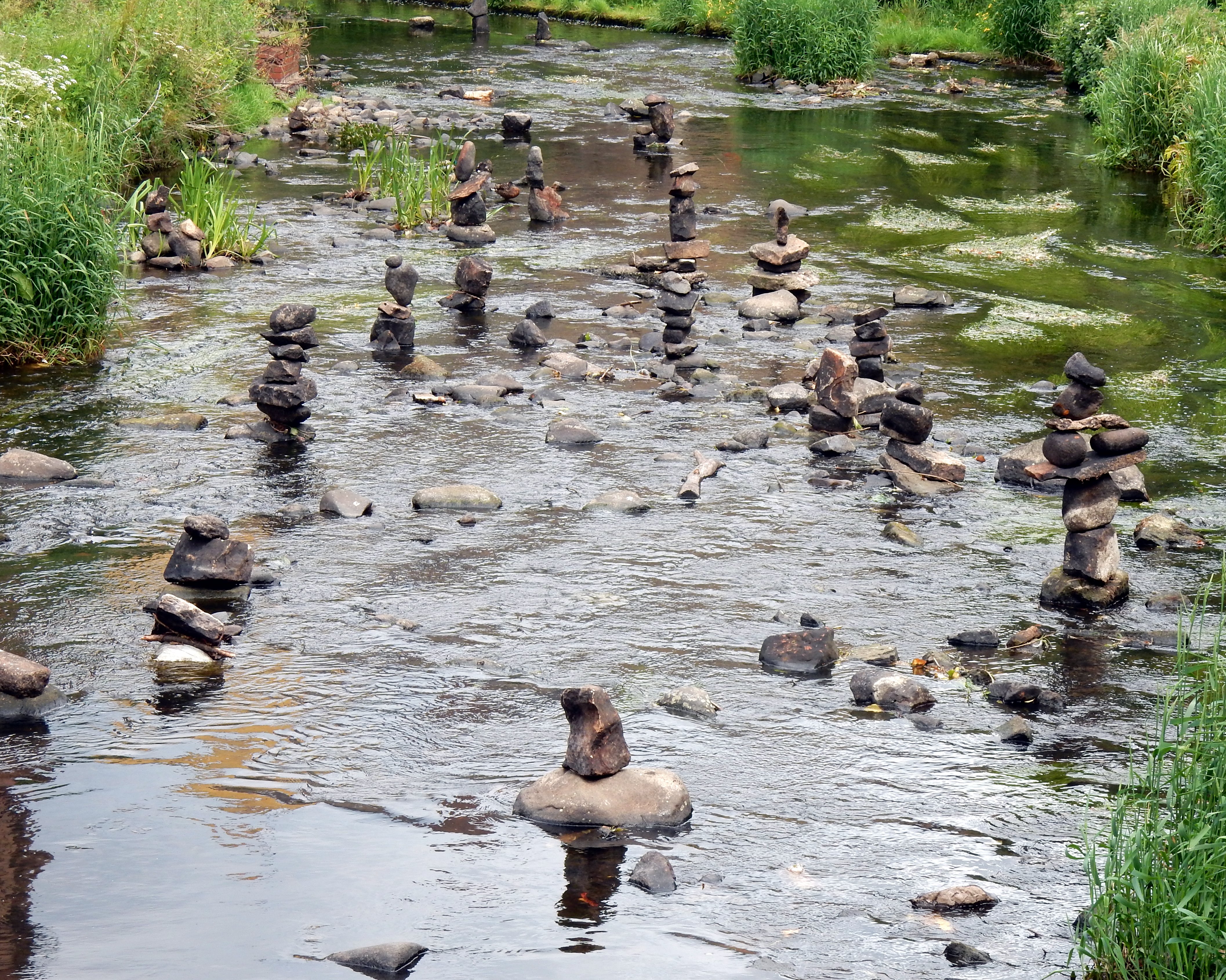
totem

.

DSCN1612

≈≈≈

DSCN1621-001

.

time


≈≈≈


DSCN1626-001


DSCN1625


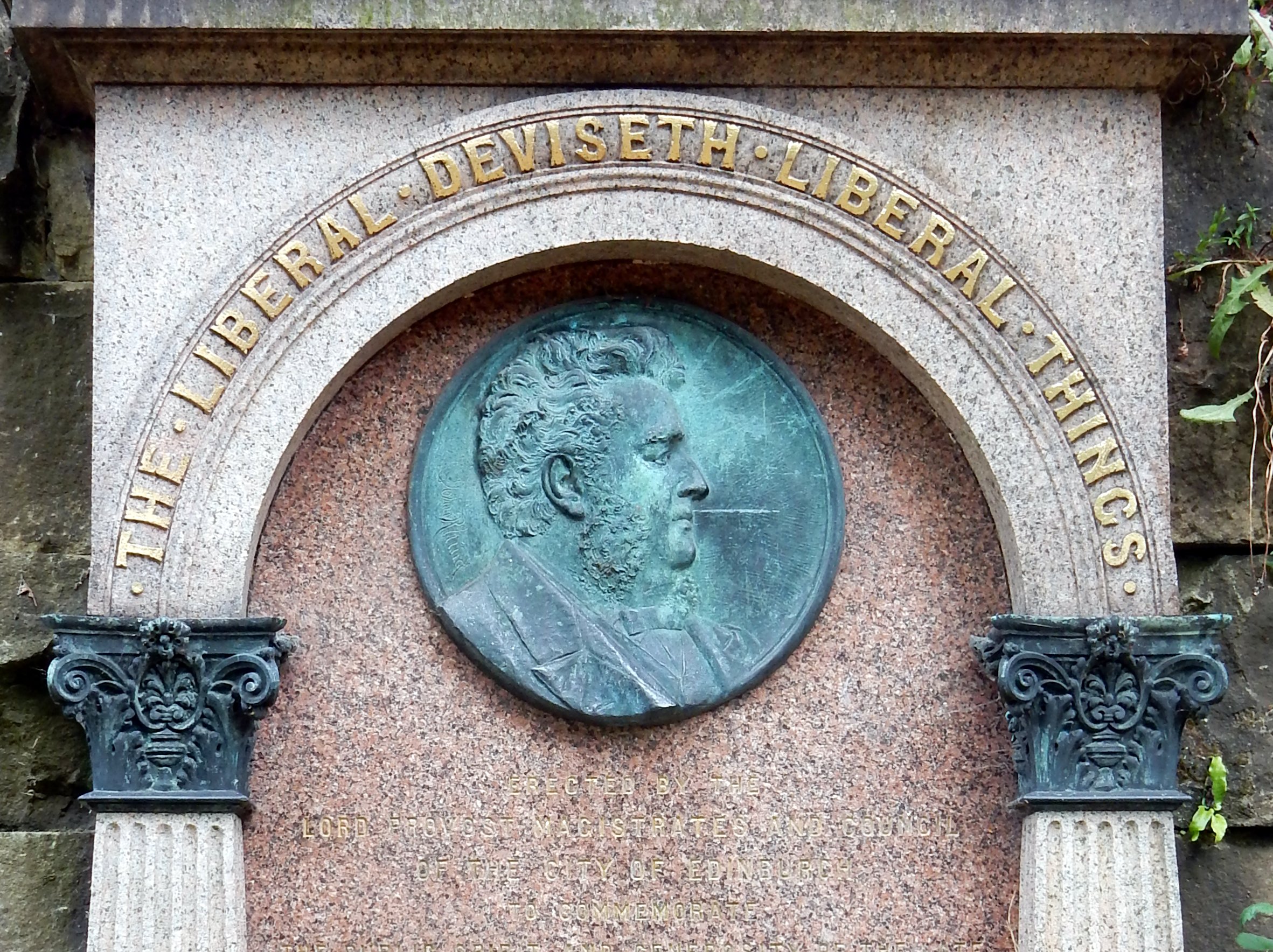
Images taken from a short walk on the Water of Leith, between the Scottish National Gallery of Modern Art and Stockbridge on 27th June 2015.

Now playing: Kevin Drumm – Reverse Osmosis

Found Art: Andre / Mondrian / Scully

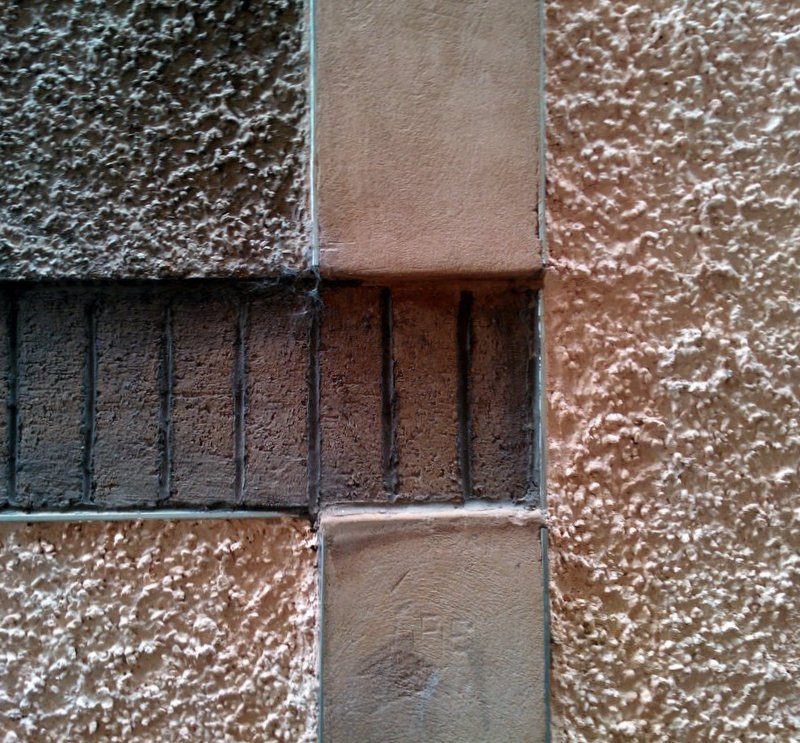
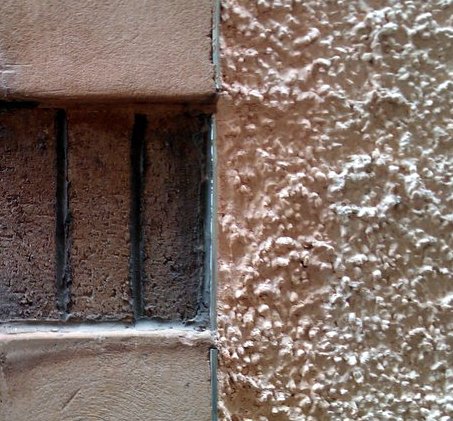
How many times have we walked up Free School Close, a narrow pedestrian thoroughfare that connects Canmore Street to Dunfermline High Street?

Perhaps it was the way the sun reflected off the pinks and greys.

Possibly we were more attuned to notice                                   this

chance framing of brickwork, stone and harling.

Found                               a Tate Modern mash-up:

Carl Andre          Piet Mondrian          Sean Scully …

.


WP_000939-001


Now playing: Louis Andriessen – De Stijl

Thanks to @stphn