.
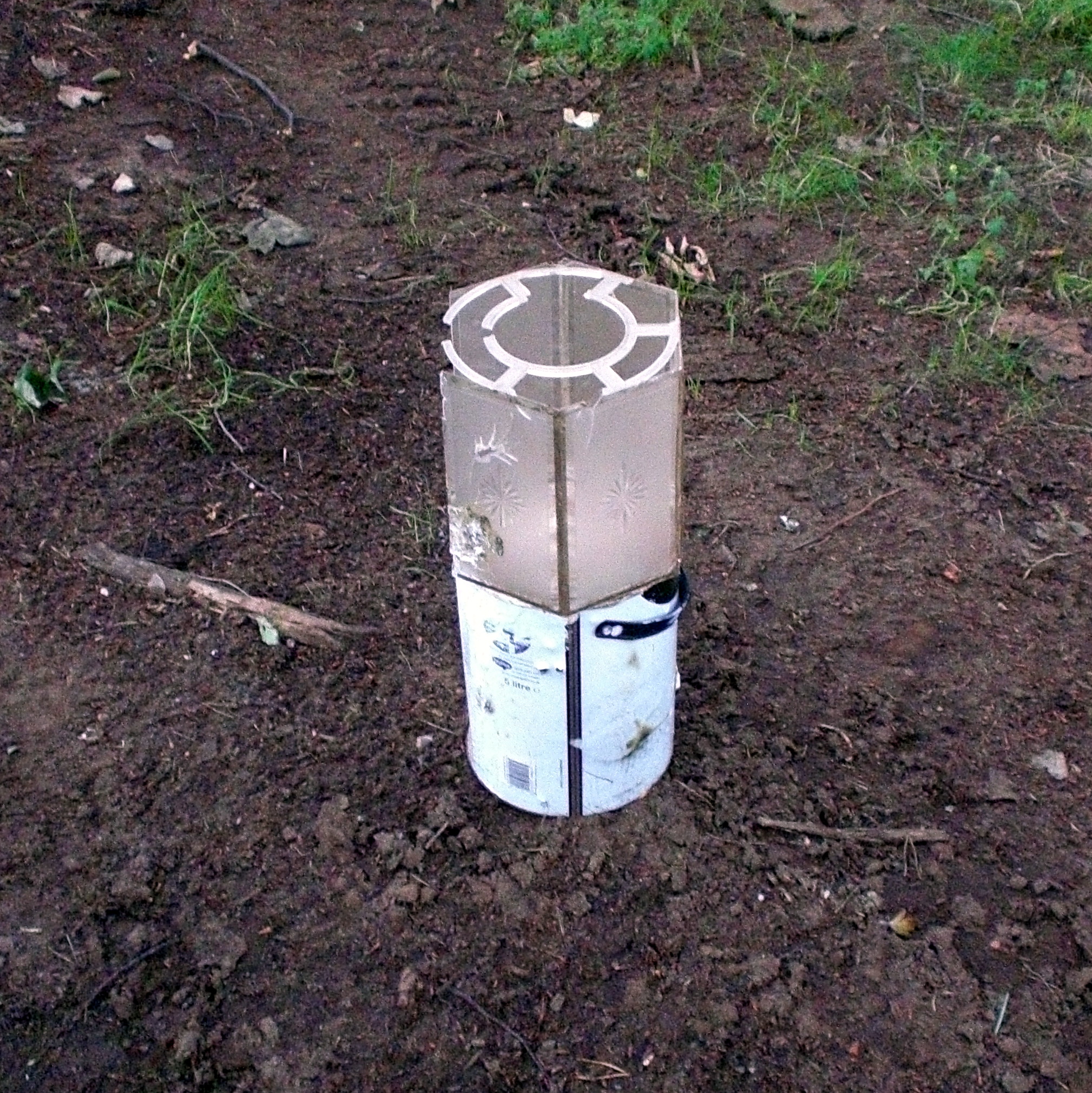
Found totem
Forest clearing
.
Now playing: The Sarsen Circle – The Sarsen Circle (Live)
Murdo Eason - From Hill to Sea
walking / writing / between world and word
.
Found totem
Forest clearing
.
Now playing: The Sarsen Circle – The Sarsen Circle (Live)
.
Once we looked to the horizon.
How can we see now?
≈

.
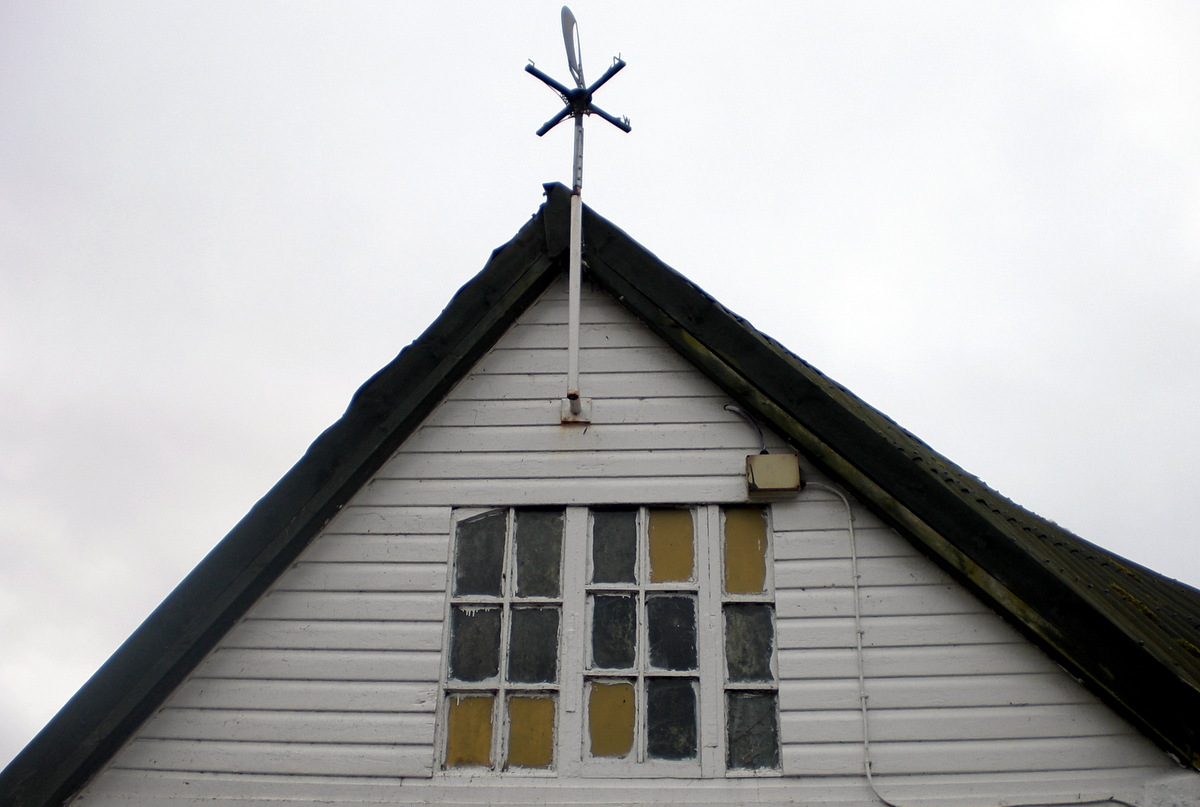
Encased
in the white wall
a pulse, a tracing
an inscription of breath.
≈

.
An acronym, or
a beginning
an interruption, or
an end?
≈
.
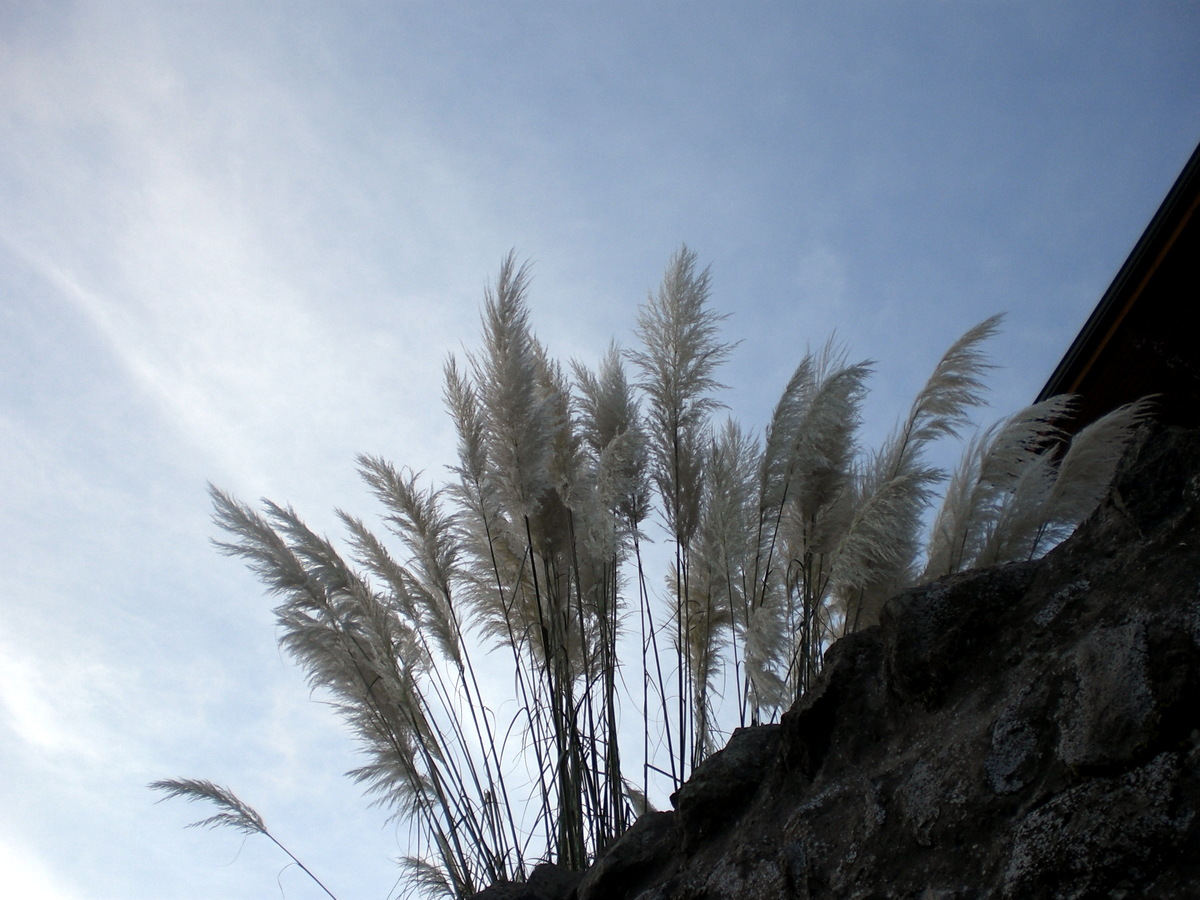
Wind-blown,
brush strokes
impasto smears
…………………………………………….– the sky
a feathered script
of light
≈

.
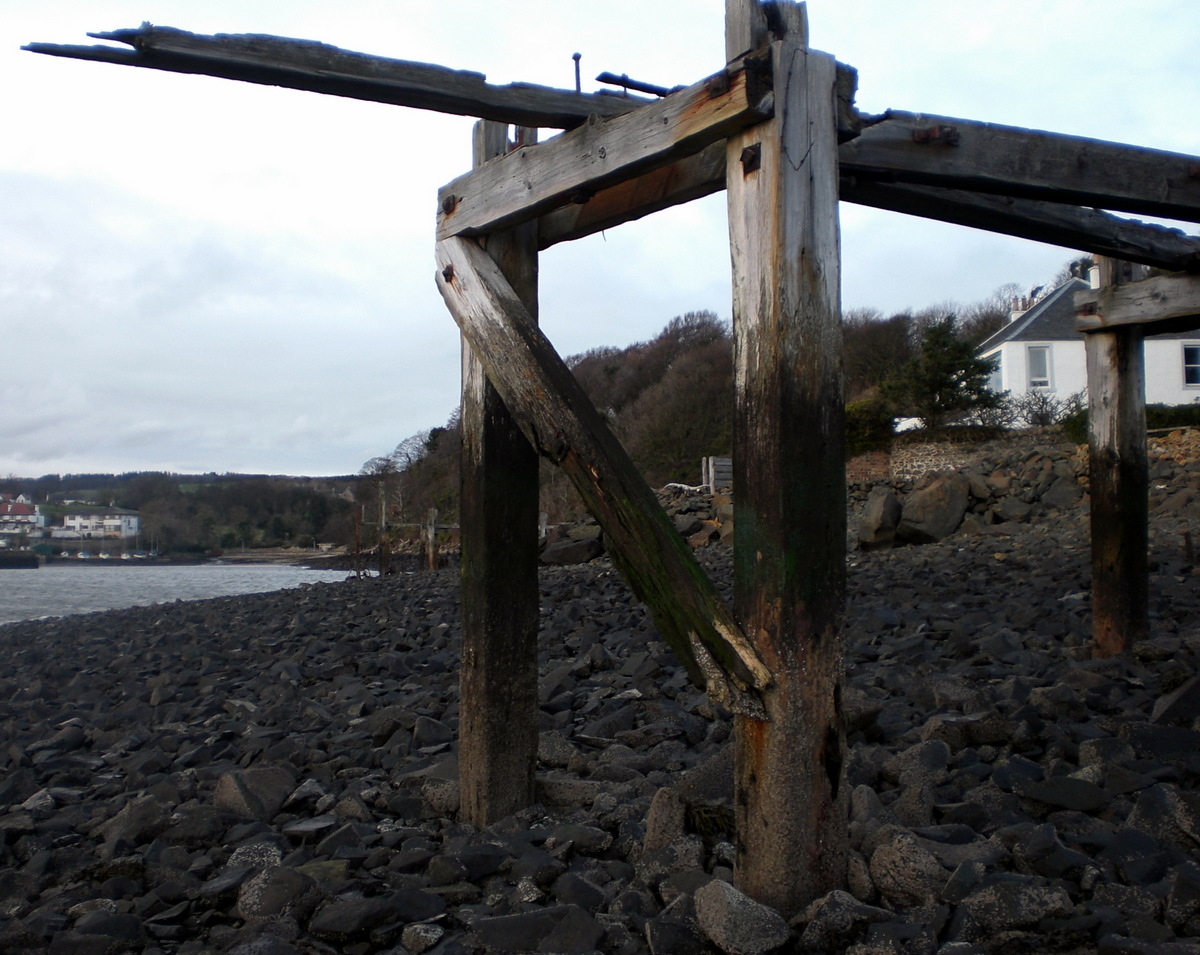
At the ghost pier
the ebb and flow
of memory
and forgetting
≈
.
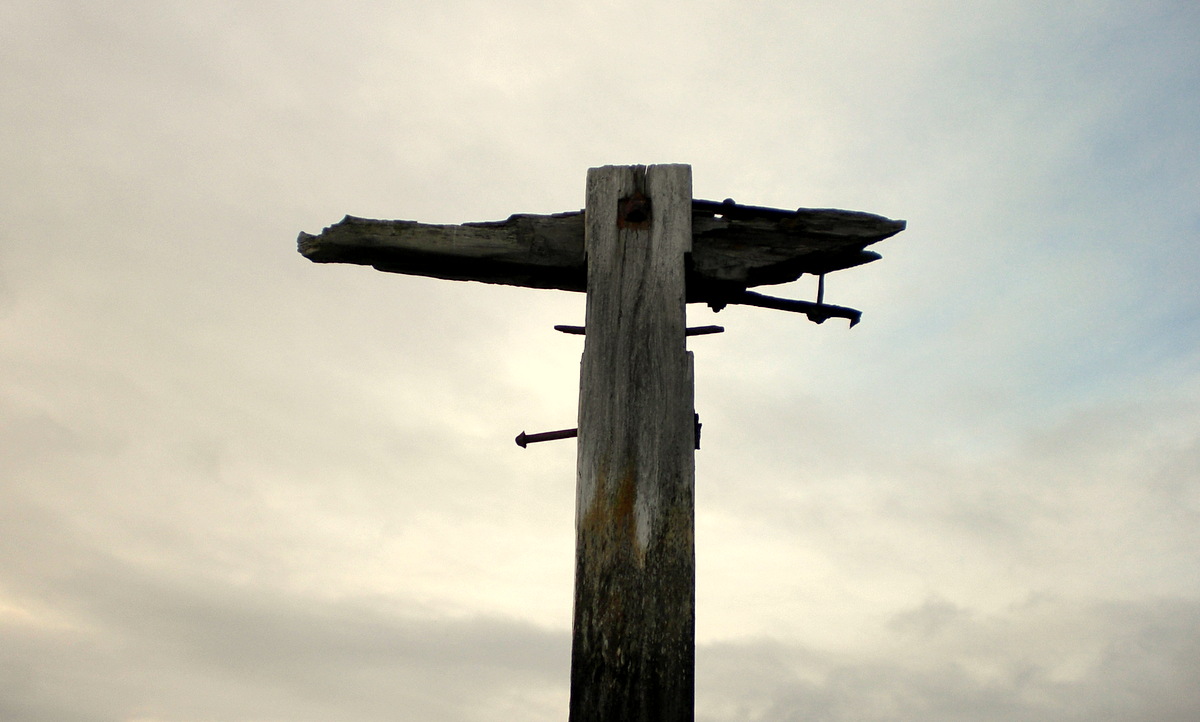
Weather soaked
histories
etched – in wood
a redundancy of nails
.
.
.
≈
.

.
A polished pewter sky
dreams a wash of
copper-burnished kisses
≈
.
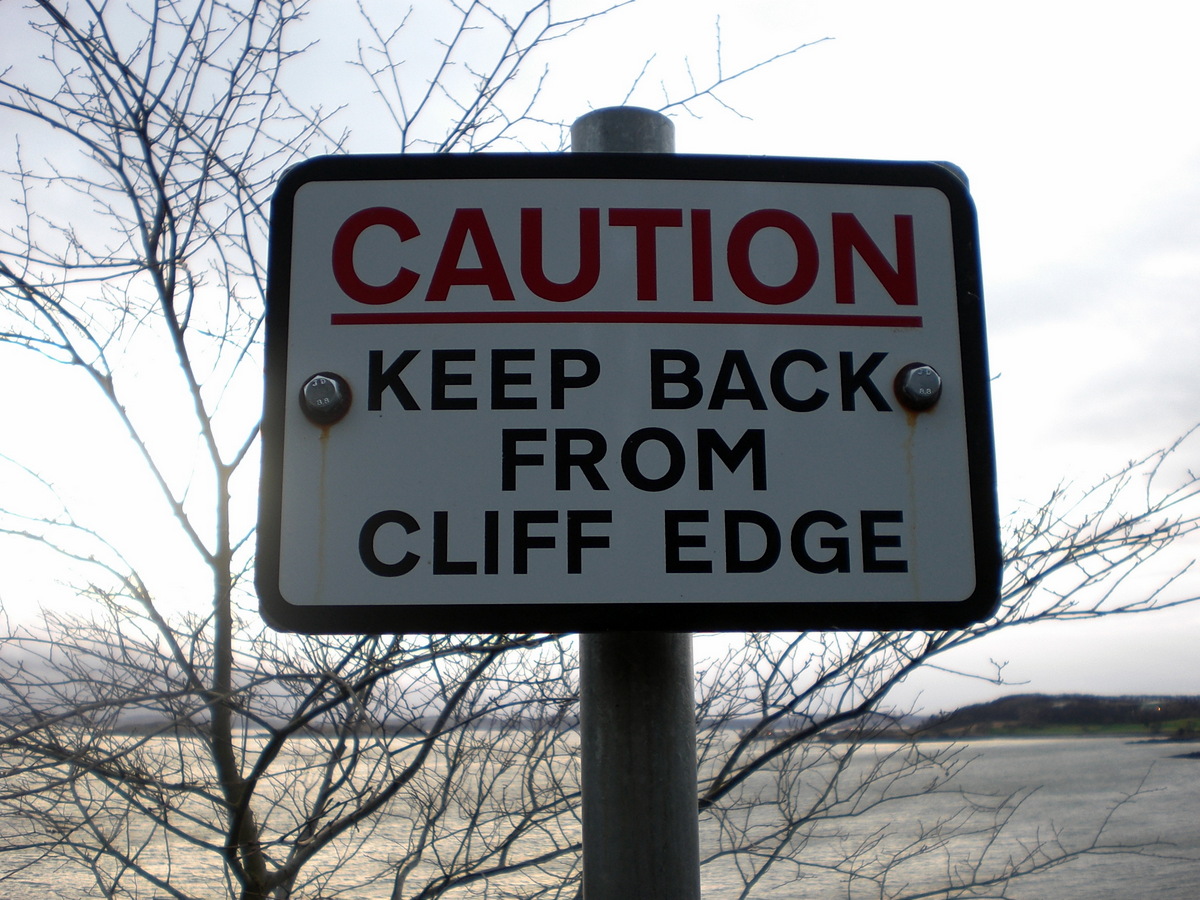
an invitation,
the pull towards
the edge
.

.
to sit and stare.
Listening
to the lichens
singing
≈
.
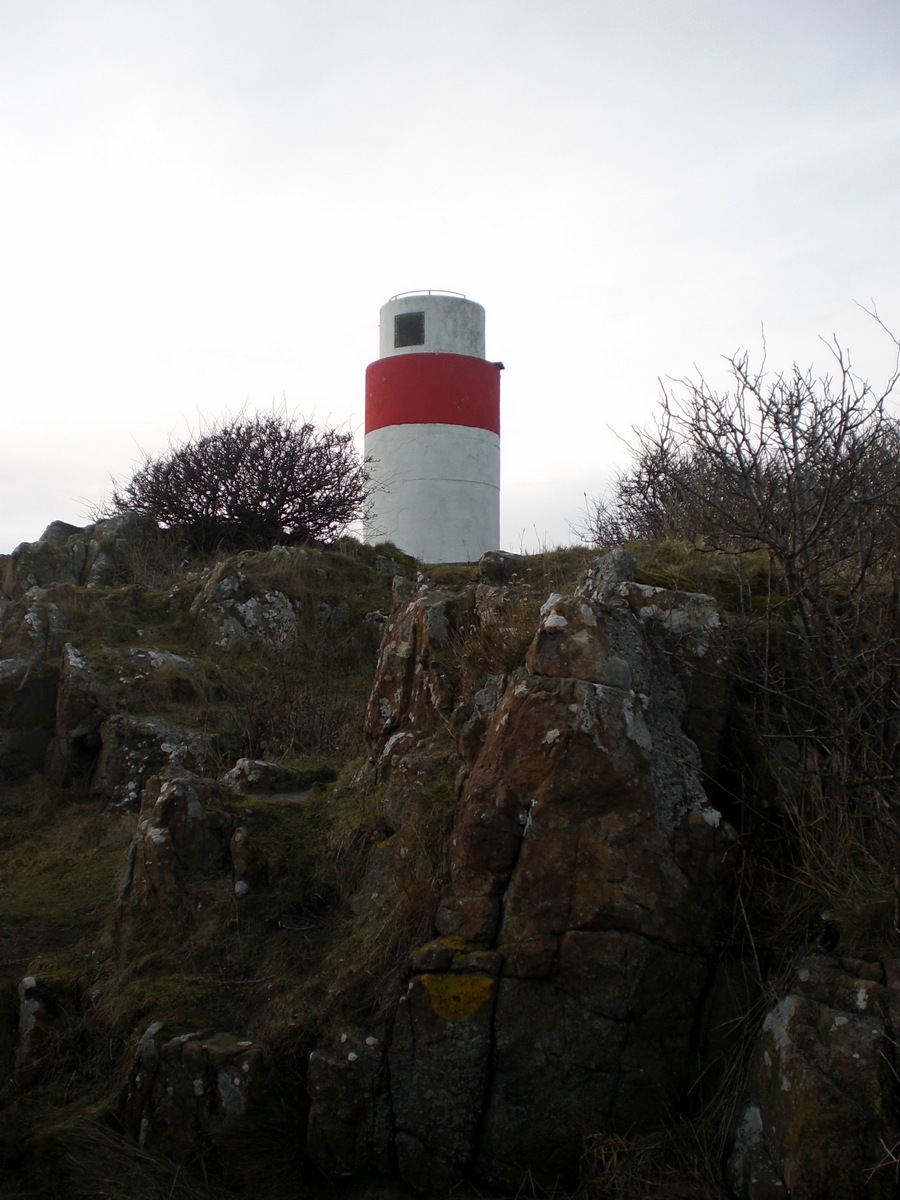
On the cliff top,
who is watching
the solitary watcher
≈

.
and at the bench
an outward gaze
to remember
and once again
look beyond
the edge of the horizon.
≈
Musings from a short walk in the village of Aberdour, Fife, on 28th December 2013.
Thanks to @emmaZbolland for “Pewter light” in response to an earlier tweet of the Ghost Pier.
Now playing: Translucence – John Foxx and Harold Budd.
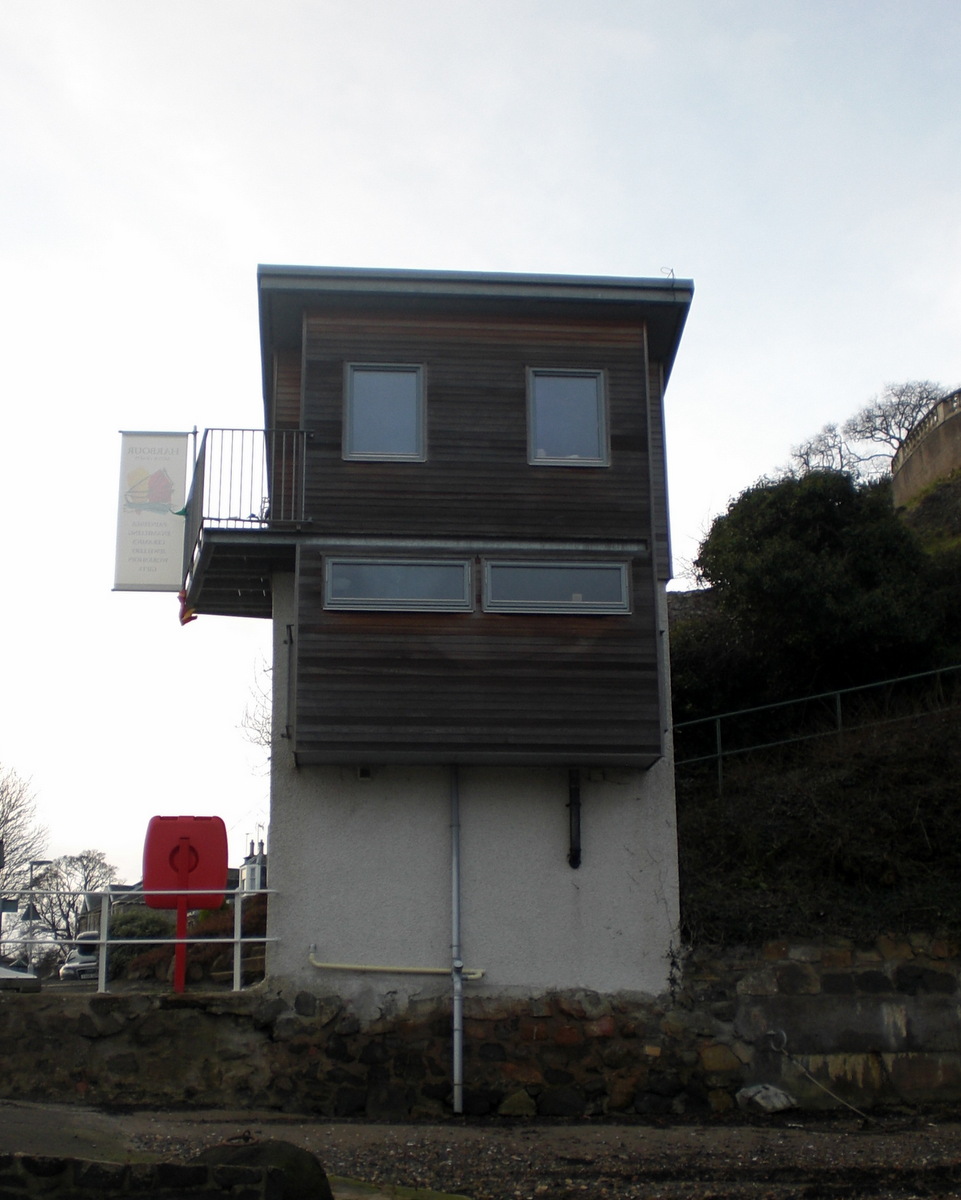
Aberdour, Fife, 28th December 2013.
Now playing: Simply Saucer – Here Come the Cyborgs

“I ask you:
– What is the weight of light?“
– Clarice Lispector
≈ ≈ ≈
.

.
.
– What are the colours of time?
.
.
.
.
.
– What are the sounds of the stones?
.
.
..
.
.
≈
.
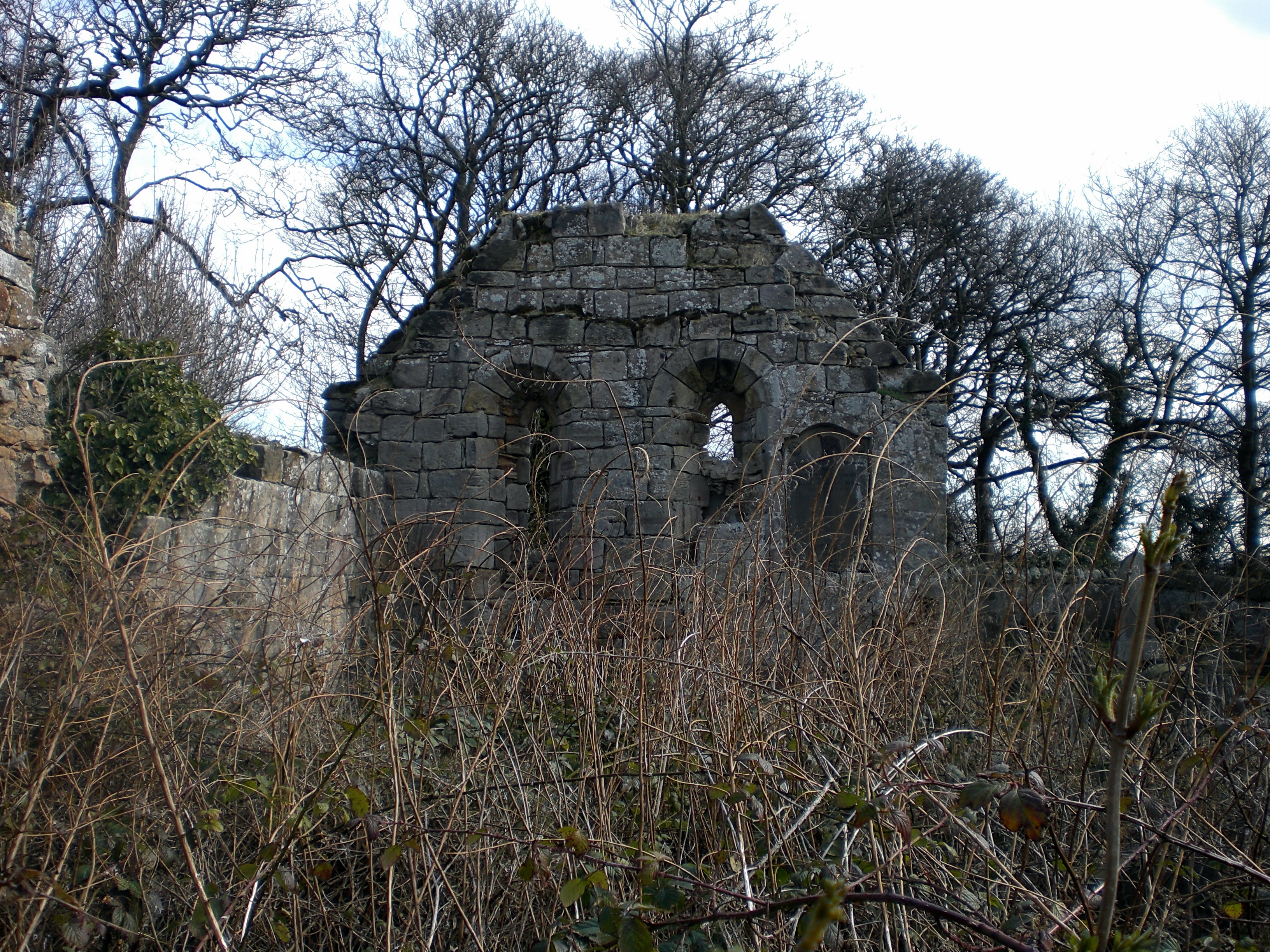
– When does the inside become the outside?
.
≈

.
.
.
– What is the material of memory?
.
.
.
.
.
≈
– What would the trees think?
.

≈
.
.
.
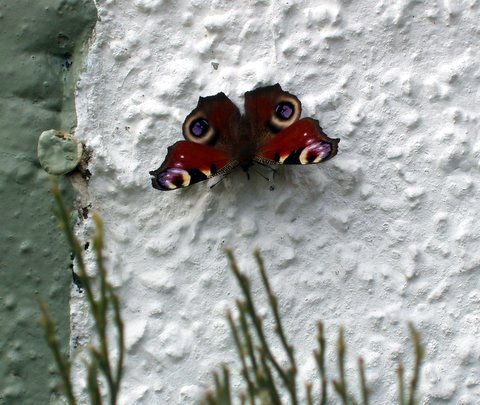
– What is the geography of a butterfly?
.
.
.

.
.
– What is the shape of flight?
.
.
.
.
.
≈
– When does the local become – the universal?
.

.
≈ ≈
– Where does the sky begin?
.

≈
– What is the taste of place?
.

≈

.
.
– Where are the energy flows?
.
.
.

.
.
.
– What is the future of the past?
.
.
.
.
≈ ≈

.
.
.
– Who watches the watcher?
.
.
.
.
.
≈

.
.
.
– Who controls this space?
.
.
.
≈
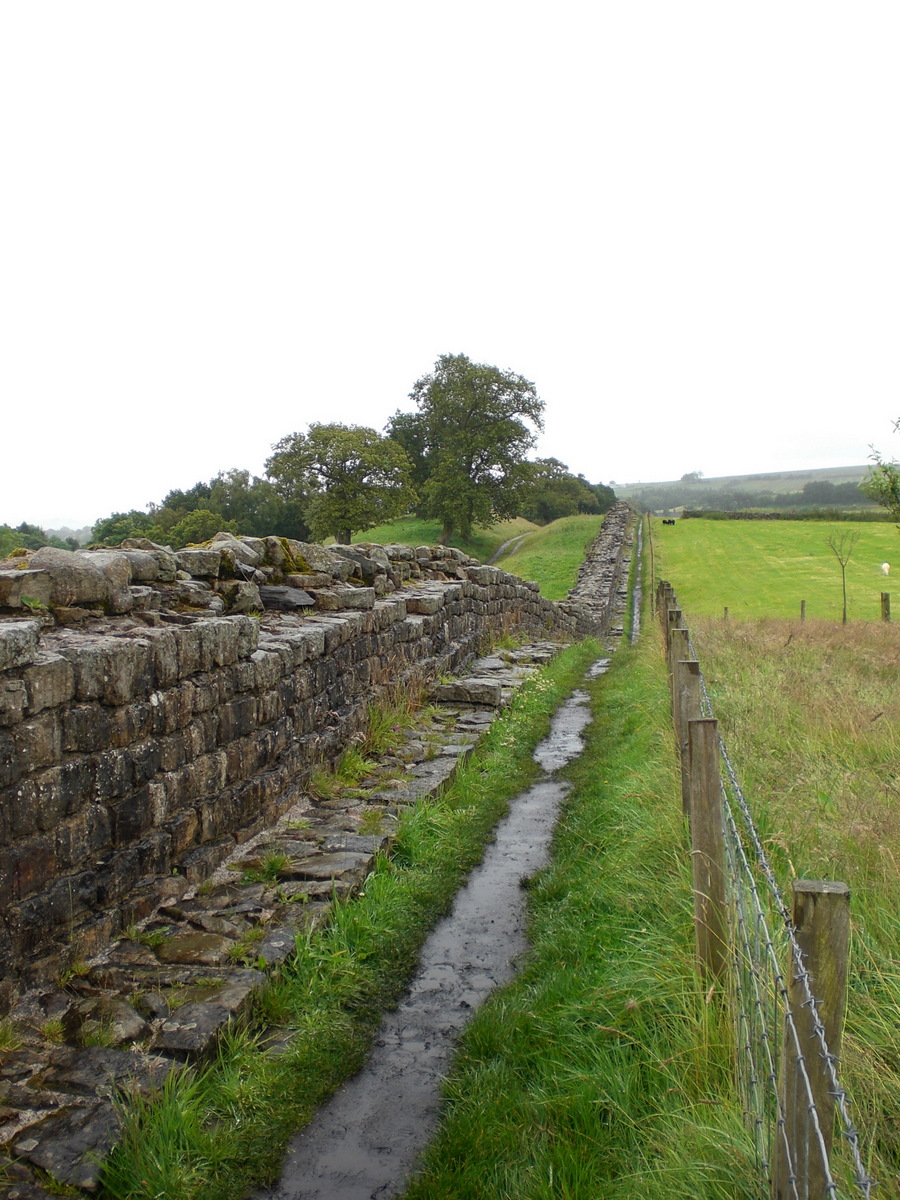
– Who determines the boundary?


≈ ≈
.

.
.
– Where is the coldness of the sun?
.
.
.
.
– What is the gravity of the moon?
.


.
.
.
.
.
.
.
≈
– Where is the boundary of night?
.

≈ ≈
.
.
Where is the future of freedom?
.

≈
– What is the distance of love?
.

.
≈ ≈ ≈
Opening quote from Clarice Lispector’s The Hour of the Star.
The photos of the Berlin Wall are from an inter-railing trip in the late 1980s. It was a coincidence to rediscover them in an old shoebox on the day that it was announced Lou Reed had died. I can still vividly recall a lurid, orange BASF cassette being pressed into my hand in the school playground. “Listen to this!” It was a recording of Rock n Roll Animal. Things changed.
I can still remember a number of the cassettes that travelled in the rucksack on that inter-railing adventure. Berlin was certainly one of them.
Now playing: Lou Reed – Berlin. RIP LR.

≈
We are walking out, along the shoreline, from Leven towards Lundin Links. Coastal energies are in full flow, our field of vision filled with an excess of sand, sea and sky.

In the distance, an intensity of white light appears to drift in the Firth of Forth like a frosted iceberg. The Bass Rock. Invisible threads loop in the conical forms of Berwick Law and the sacred hill of Largo Law. Three nodes of a triangle that collapse North and South; earth and water; land and sky. An energy field that pulls us into an expanded world. Bardic bird yells, brine on the tongue and buffeting sea breezes whip up folding white breakers that fizz over the sand.
≈
We soon encounter the talisman lying in the dunes. It’s protective, synthetic membrane, perished long ago by wind and water. Now crusted with sand and water-logged, it has transmuted into a living entity. Green tendrils sprout from the surface. It appears to be an auspicious omen, a process of alchemy worthy of the legendary Wizard of Balwearie, Michael Scot, (1175 – c.1232), reputed to have form in these parts.
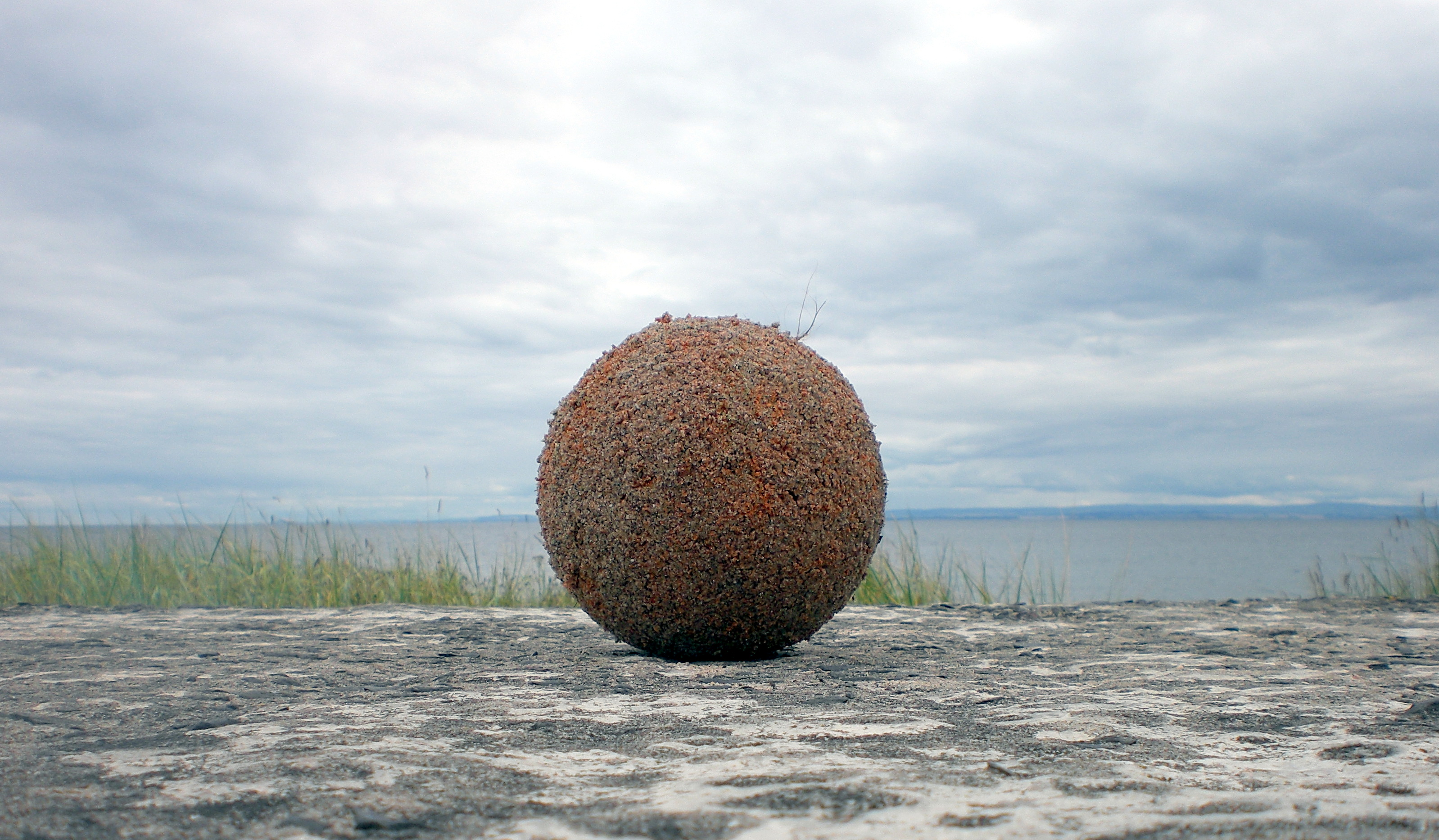
Local legend has it that Scot summoned his three imp familiars, Prig, Prim and Pricker to Largo Law with a view to levelling it. A sort of job creation scheme for hyper-active familiars. As they began to dig, Scot had a change of plan and the imps were hurriedly despatched to Kirkcaldy to make ropes out of sand. This was to assist Scot in his showdown with the devil on Kirkcaldy beach. Scot appears to have triumphed in the encounter as evidenced by a local saying: “The devil’s dead and buried in Kirkcaldy”. As a result of the ‘Kirkcaldy interruption’, only a single shovelful of earth was thrown from Largo Law to create the cairn of Norrie’s Law at the wonderfully named farm of Baldastard. There are also local folk tales about an abundant goldmine that supposedly exists underneath Largo Law and that sheep have returned from grazing on the foothills with golden fleeces.
≈
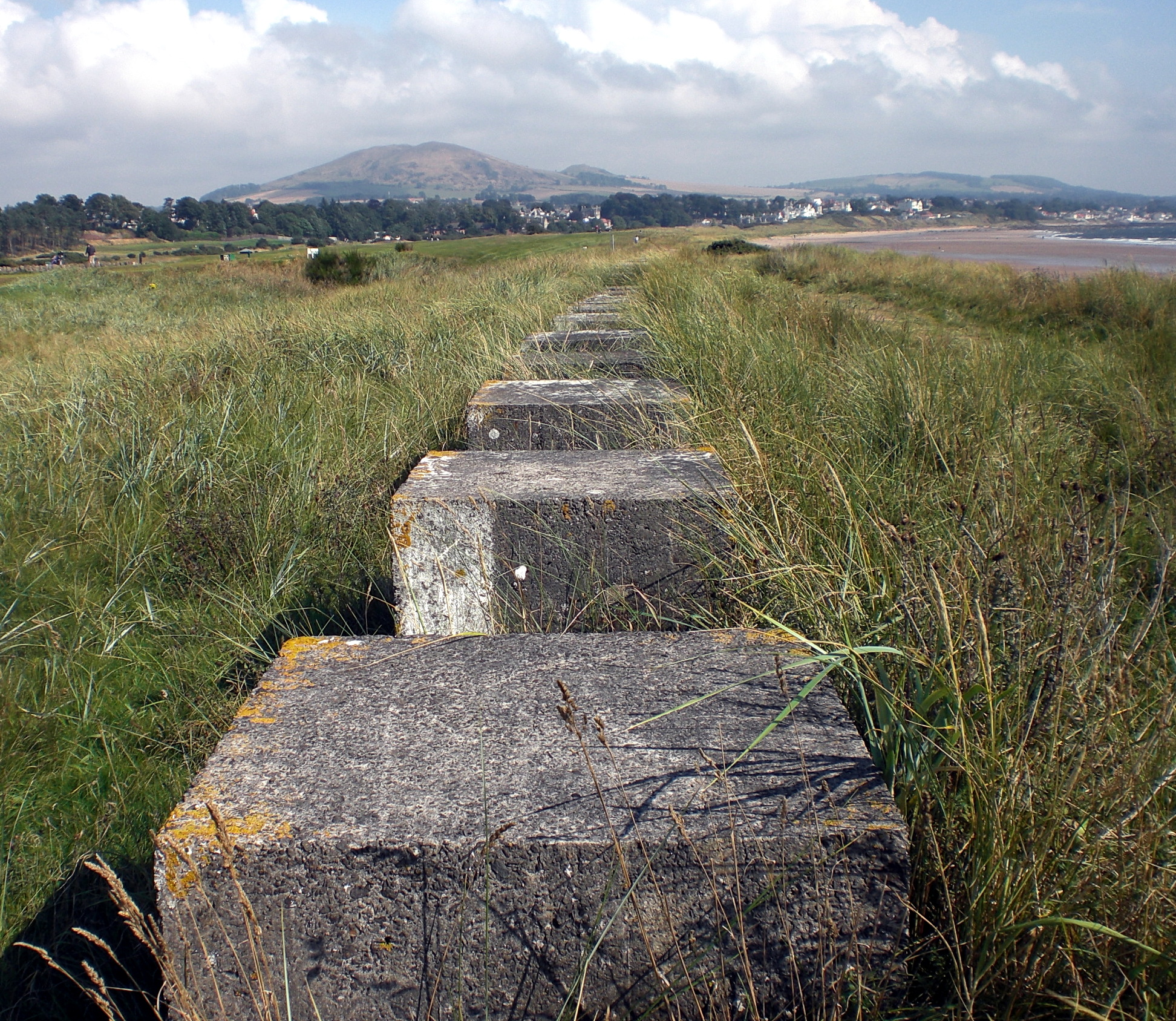
Huge concrete blocks line this part of the coast like giant stepping-stones. Could we step all the way to Largo Law? The blocks were part of the necklace of coastal defences installed during WW2 and were designed to frustrate any German tank invasion from the sea. The blocks were constructed and laid by the Polish army who had several divisions based in Fife during WW2. Today, the original purpose of the blocks may be somewhat forgotten but their solidity and mass provide a pleasing sculptural rhythm to the foreshore.
One of the blocks serves as a makeshift altar to revere the action of the natural world on our talismanic old football. A process of transmutation – of rebirth and growth.
We turn inland from the coast to take the path, called Mile Dyke, that heads between the links golf courses. This will take us to Silverburn and we can now feel its connection to Leven and the coast. S i l v e r – b u r n is a name to roll around the mouth and along with golden fleeces and transmuted footballs we can sense that we are truly in an alchemical landscape.
≈
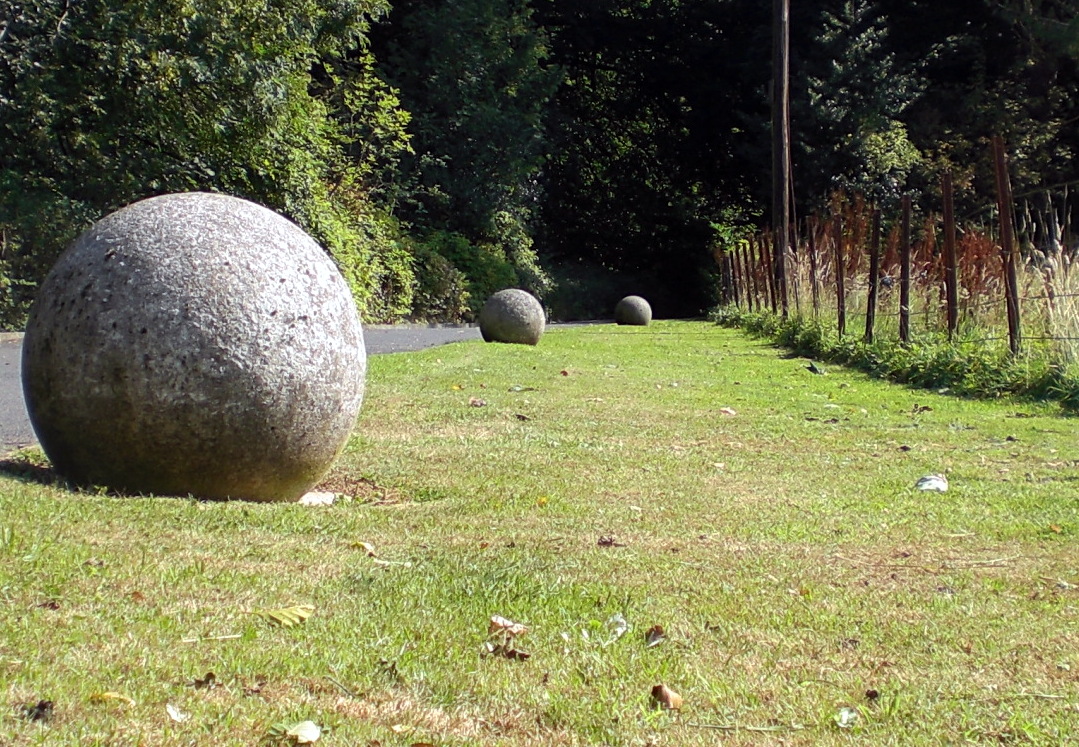
Silverburn – a Brief History
Silverburn is the former estate of The Russell family who were owners of the Tullis Russell paper making business. The land was originally part of the Barony of Durie and was leased to Mr David Russell by Charles Maitland Christie of Durie in 1854. Arthur Russell purchased the land in 1866 and rebuilt Silverburn House. A dower house known as Corriemar was also built and a flax mill was established on the site.
David Russell died in 1906. His son, (also named David) and who later became Sir David Russell was born at Silverburn in 1872 and in 1912 married and went to live in Aithernie House. He returned to Silverburn in 1929. Sir David had a great interest in trees and many were planted including some rare and unusual species which continue to thrive today.
The flax mill closed around 1930.
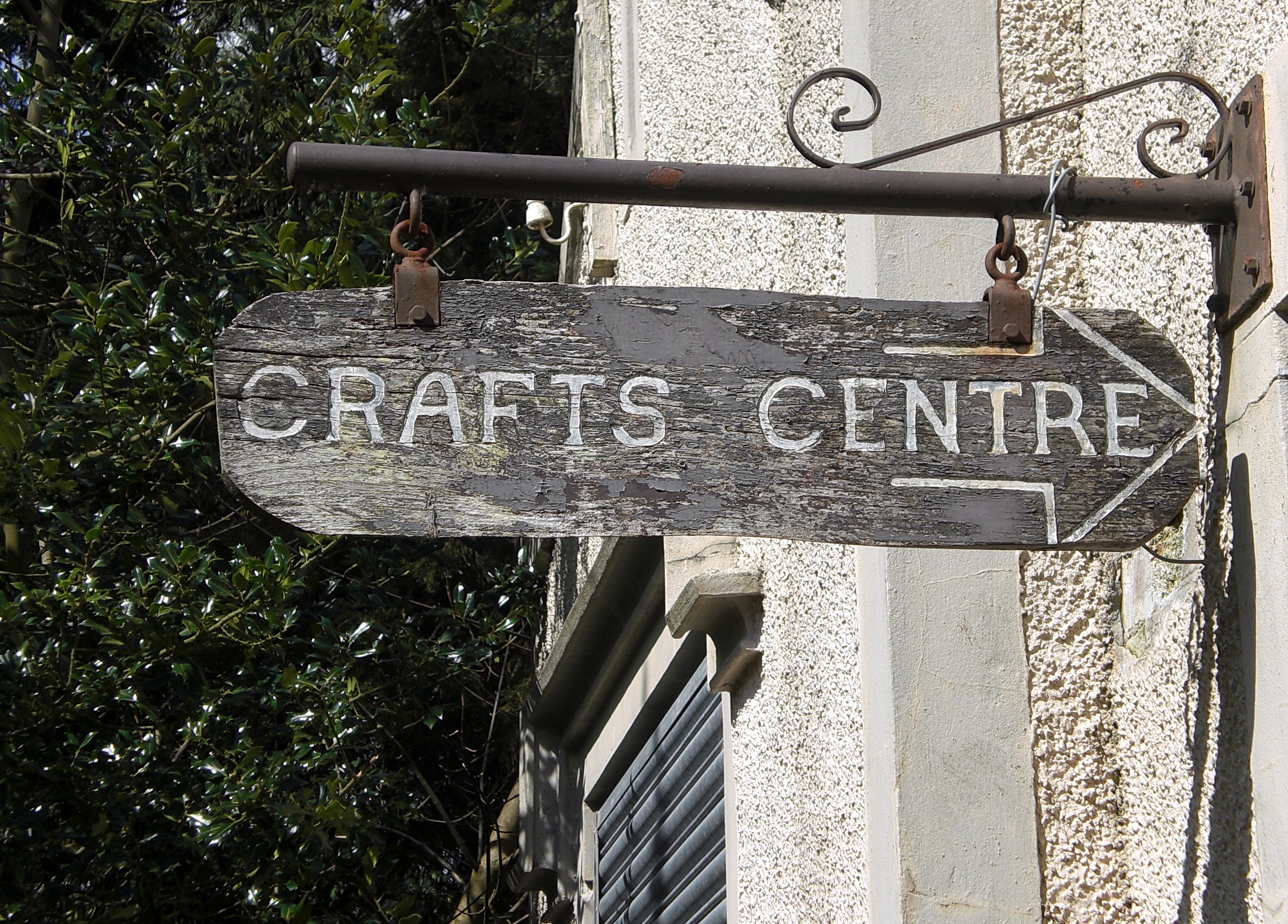
In 1973, Sir David Russell’s grandson, Major Russell (Head of Tullis Russell Paperworks) gifted the houses and grounds to Leven Town Council, but also stipulated through the National Trust for Scotland that the “subjects should remain forever as a quiet area used for the benefit of the public in general and the people of Leven in particular for nature trails, quiet parkland and organised camping”. In the mid to late 1980s, the former Kirkcaldy District Council undertook a Job Creation Programme to reinstate Silverburn House for use as a Residential Centre for groups to use such as scouts and guides; school parties, caravan rallies etc. A stand alone wing to the rear of the House was used by crafters to make and show their wares throughout the Summer and Christmas/New Year periods.
Between 1990 and 1999, an average of 20,000 + people per year visited Silverburn. Its main attraction was the former “Mini-Farm” which had on show a wide range of domestic and exotic animals, birds, reptiles and insects. However, following a Council policy decision in 2002, to cease operating Animal Centres across Fife there have been very few visitors to Silverburn, other than local people. Financial constraints have also led to year-on-year reductions in revenue expenditure with no meaningful capital investment in the Park.
Over the years, various ideas have been proposed for Silverburn including the setting up of a Scottish Music/Arts and Craft Centre and redevelopment as a crematorium. None of these have come to fruition.
However, work is presently underway by Fife Employment Access Trust (“FEAT”) in collaboration with the local community, agencies and local authorities in the Levenmouth area on a project entitled ‘Heart Mind Soul Silverburn’. This aim of this initiative is to secure a long-term future for the park and to promote wellbeing and employment opportunities.
≈
We have visited Silverburn a number of times over the past few months. Drifting around the mixed woodland trails and environs of the estate at different times, on different days and in different weather conditions. Most apparent is observing and feeling the subtle changes of a thriving natural world; an incipient wildness forever encroaching on the deteriorating materiality of the buildings. Silverburn is a place highly conducive to the immersive dérive. A locus of past, present and possible.
≈
The excellent Blacketyside Farm Shop is a wonderful place for sustenance at the start or finish of a Silverburn visit. However, this does means crossing the A915 road which is the main artery into the East Neuk of Fife. The road is a long, straight stretch which can be very busy with vehicles tanking past at high-speed:
wheeeeeeeeeeeeeeeeeeeeeeejjjjjjjjjjjjjjjjjjjggroooooooooooooooooooooooom
mmmmmm oi nnnnnnnnnnnn
nnnnnnnnnnnn oi mmmmmm
mmmmmm oi nnnnnnnnnnnn
wheeeeeeeeeeeeeeeeeeeeeeejjjjjjjjjjjjjjjjjjjggroooooooooooooooooooooooom
≈
Enter Silverburn
Overhead, a charcoal smudged blue, heralds a chorus of rooks riffing off the traffic screech.

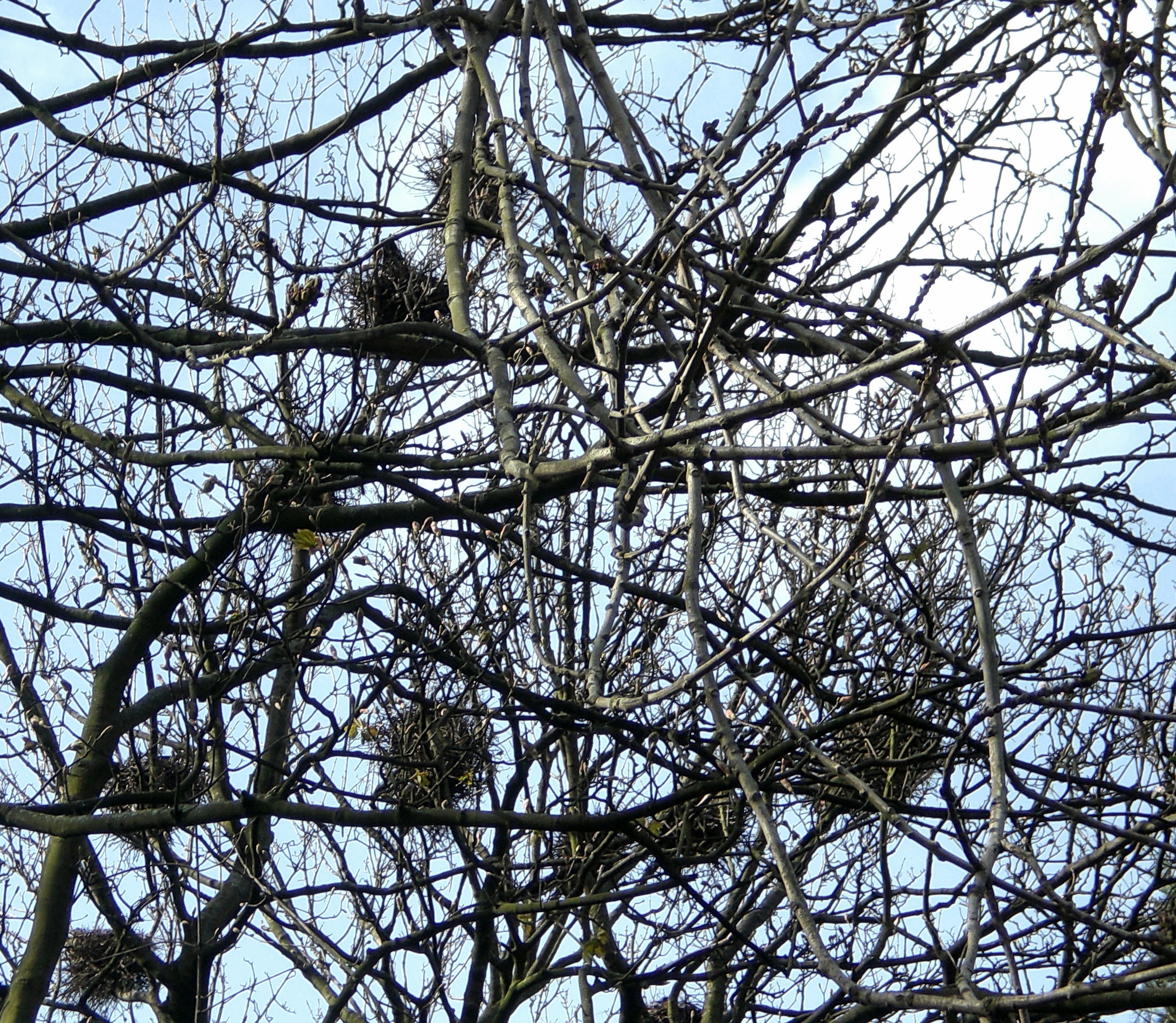
Giant American redwoods stand sentinel, stretching for the sun. “Ambassadors from another time” silently announcing that this may not be your conventional Scottish woodland:
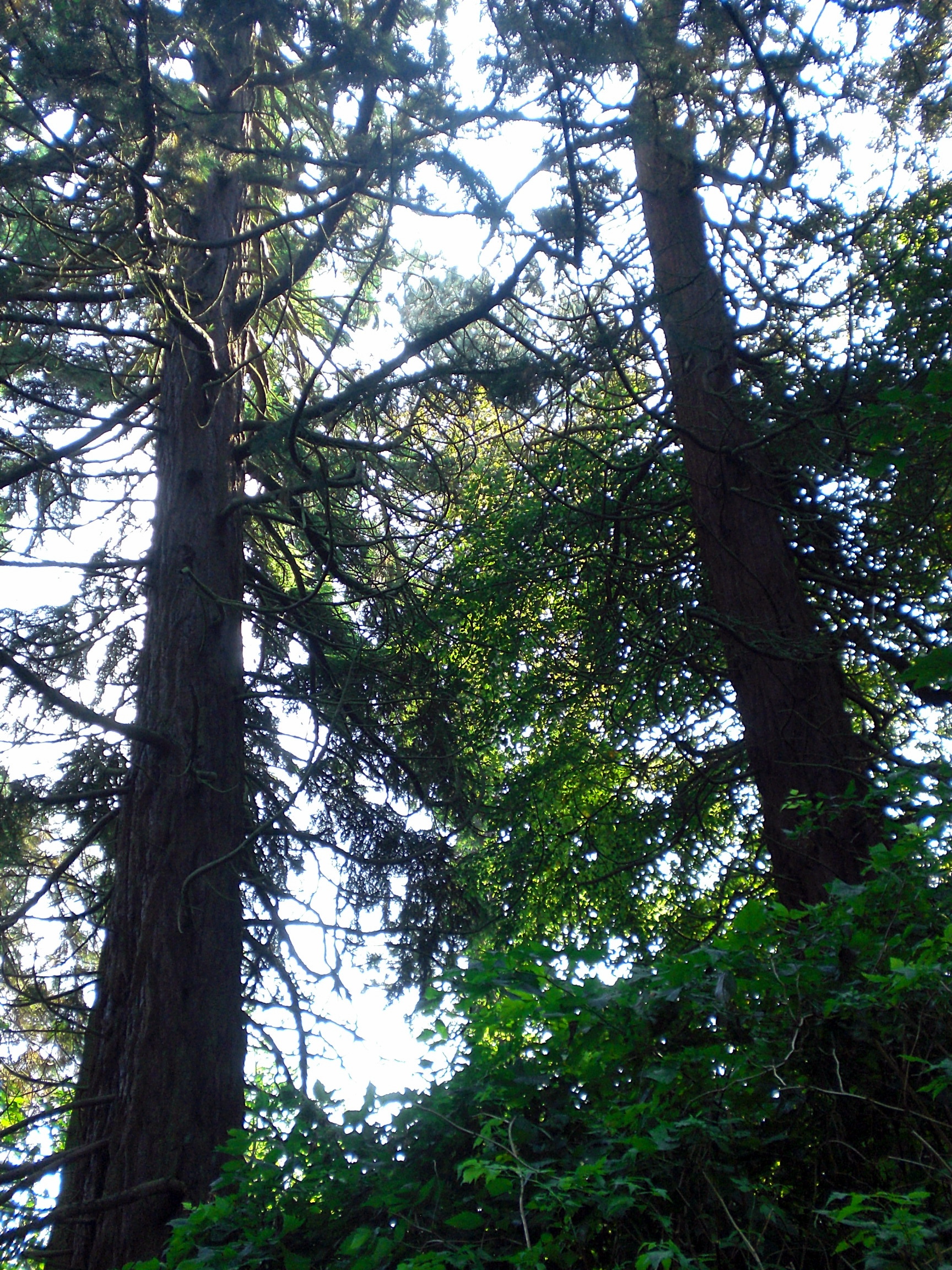
The redwoods, once seen, leave a mark or create a vision that stay with you always. No one has ever successfully painted or photographed a redwood tree. The feeling they produce is not transferable. From them comes silence and awe. It’s not only their unbelievable stature, nor the color which seems to shift and vary under your eyes, no, they are not like any trees we know, they are ambassadors from another time.
John Steinbeck
N: “do you know you can punch a redwood and it doesn’t hurt your hand?”
Blue melts to green as sunlight showers through the tree canopy, dappling the forest floor. Traffic thrum gradually dissolves in the low lipping burr of the flowing burn. A sunken path beckons and so our immersion into Silverburn begins.
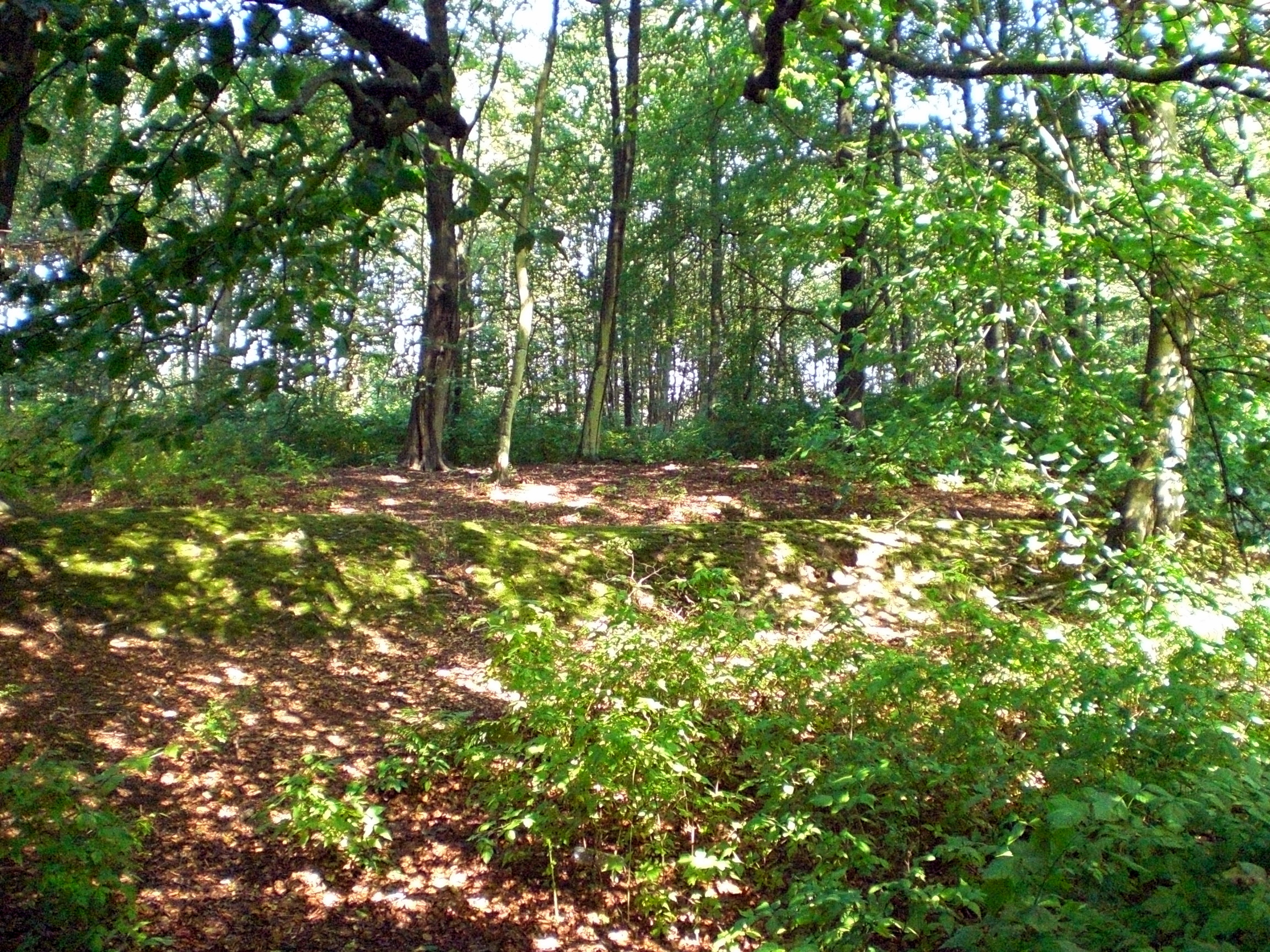

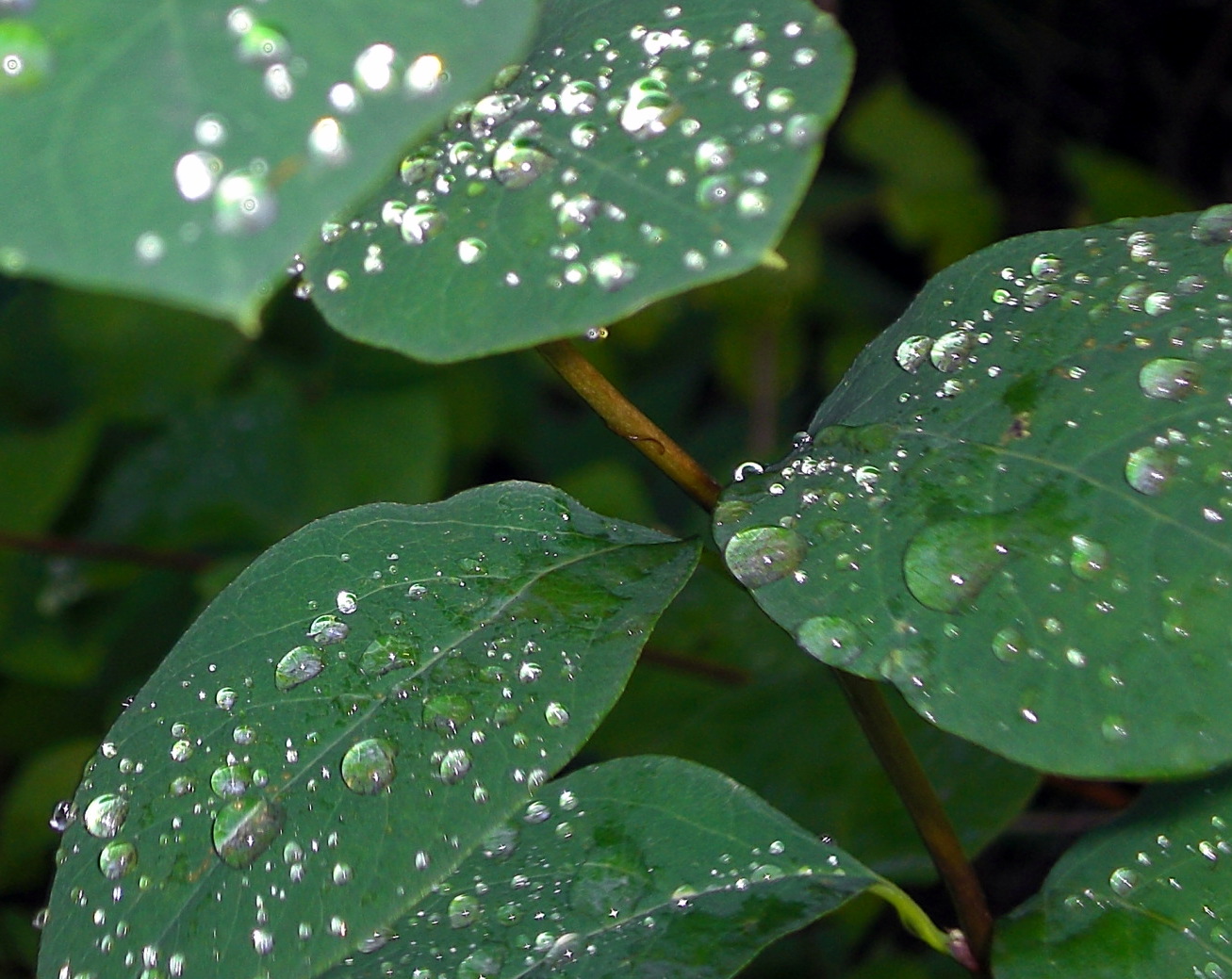
Once in the shade, a sprinkling of light and water; a scattering of silver drops:

A network of wooded paths through and around Silverburn provide ample scope for aimless drifting. The topography is interesting with a long flat elevated plateau where Silverburn House sits which tumbles away quite steeply down to the flax mill with the golf courses and coast beyond.


Depending which path you take you will soon stumble across one of the ghosts…
≈
Corriemar: The Dower House
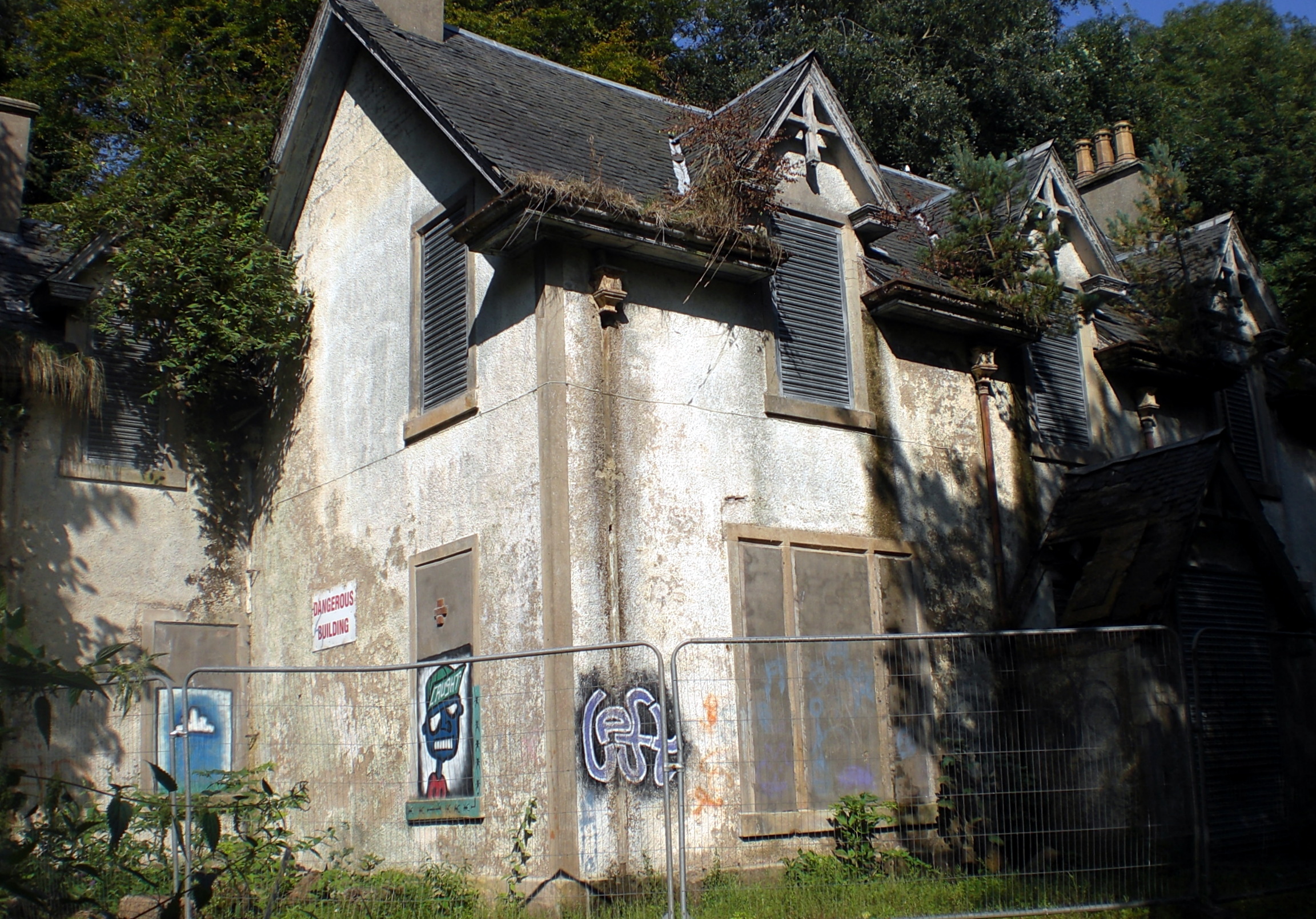
Corriemar is thought to have been the dower house for Silverburn House. A dower house is usually a moderately large house available for use by the widow (dowager) of the estate-owner.
Corriemar has been vacant since 1970, having previously served as day patient accommodation for Stratheden Hospital or the Fife and Kinross District Asylum as it was formerly known. (Stratheden will be a place-name that resides in the (un)consciousness of many Fifers. My mother used to say that the teenage antics of my brother and I would send her there. In hindsight, I hope that she was only joking. RIP Mum).
The house today is a crumbling ghost of a building. Buildings need capital, care and a purpose to thrive and Corriemar has had neither of these since the 1970s. Now officially classified as a dangerous building and on the Buildings at Risk register, nature is slowly restaking her claim.
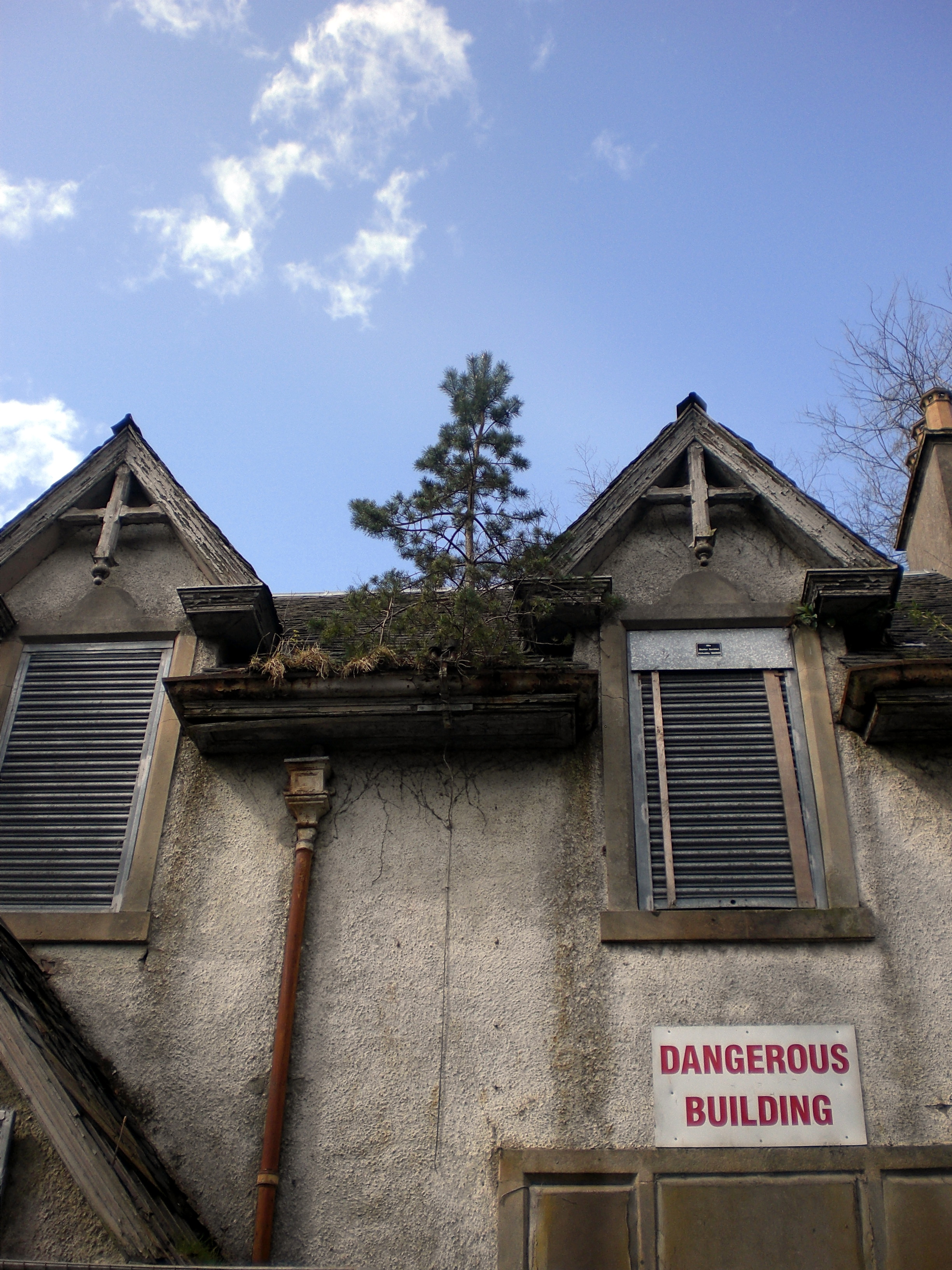
A pine tree grows out of the roof guttering. Many slate tiles have been lost to the elements, leaving the roof like a mouth full of smashed teeth.

The building is not just boarded but sealed.
Mute.
All flow and circulation broken:
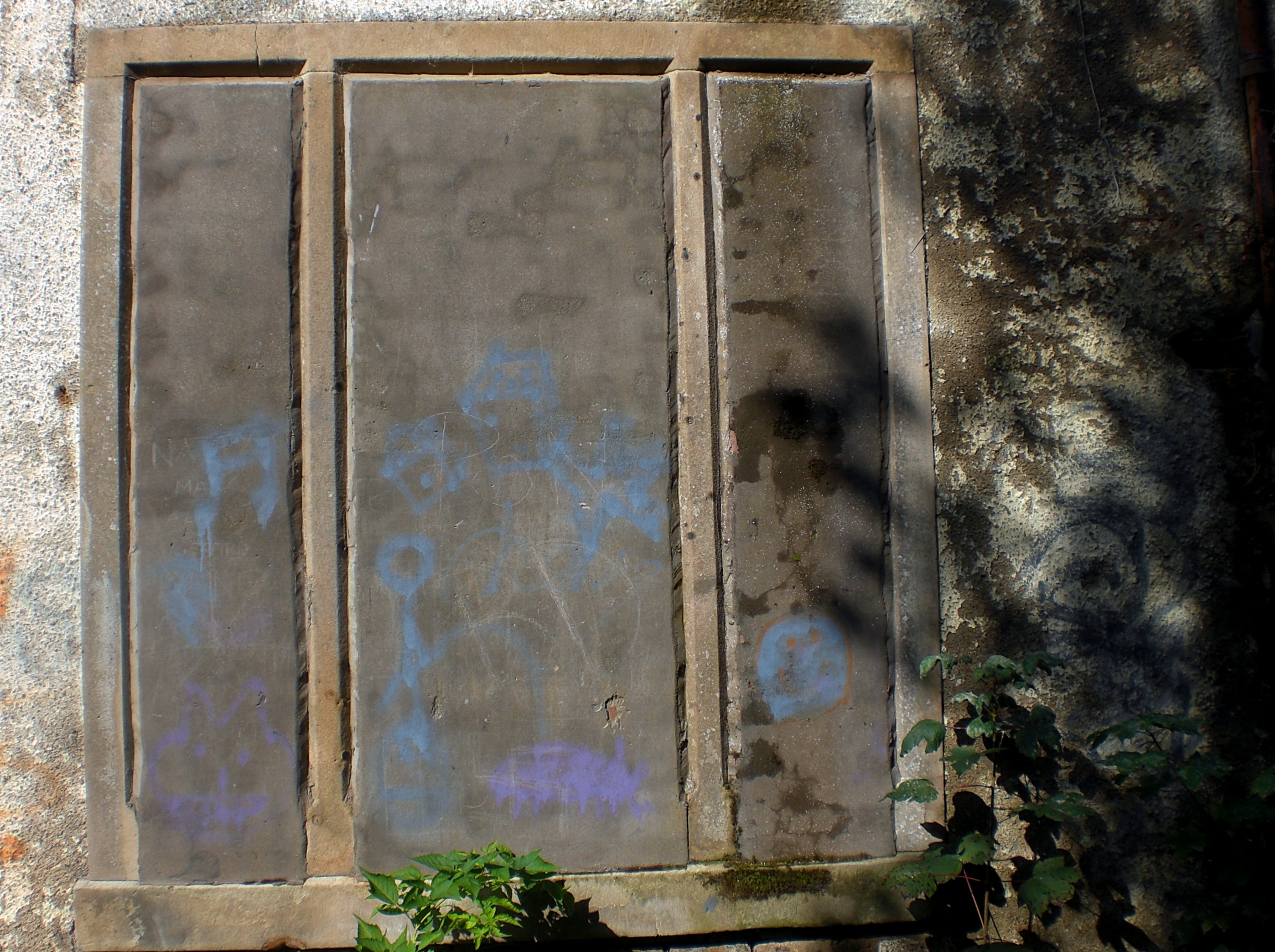
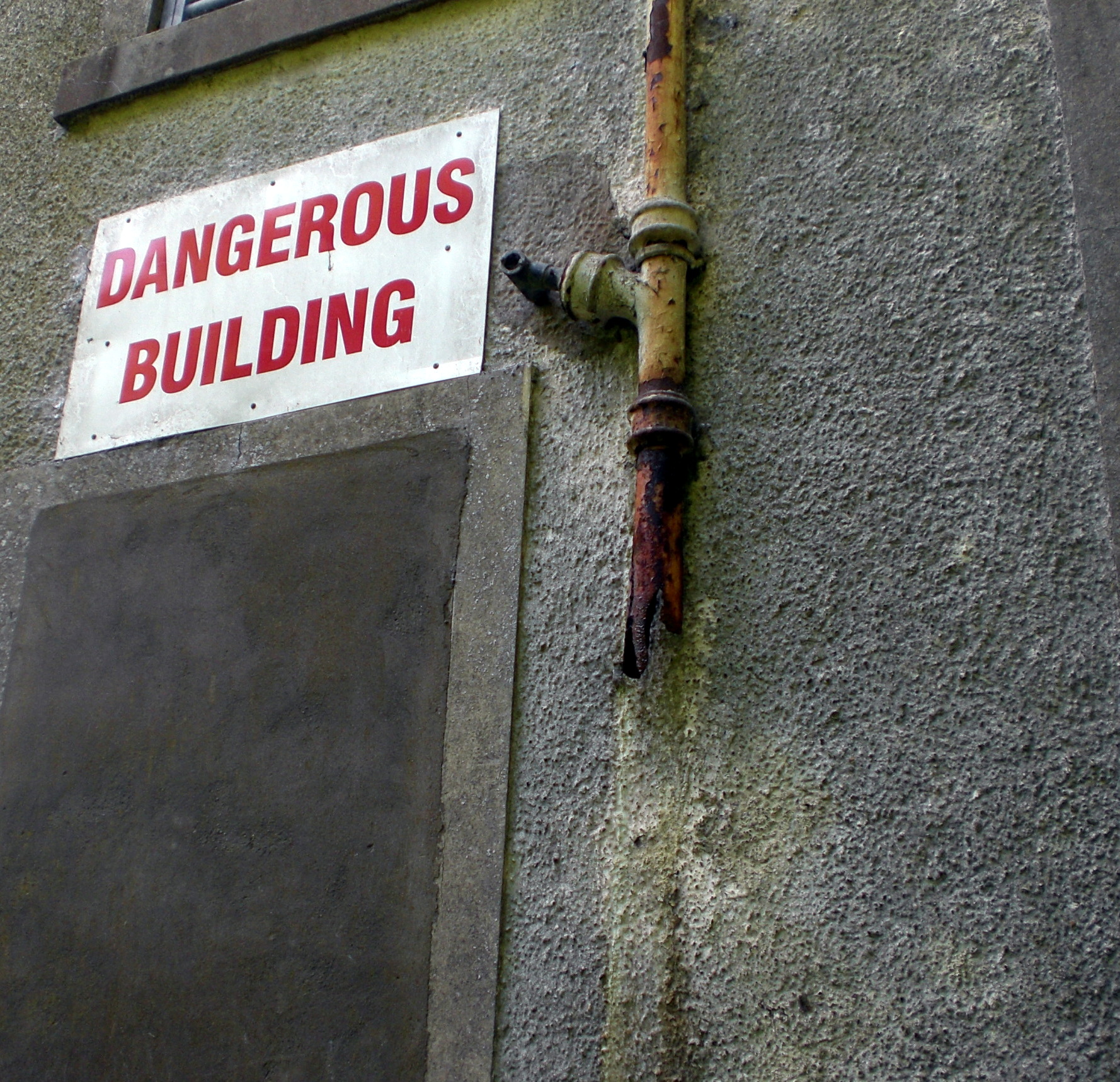
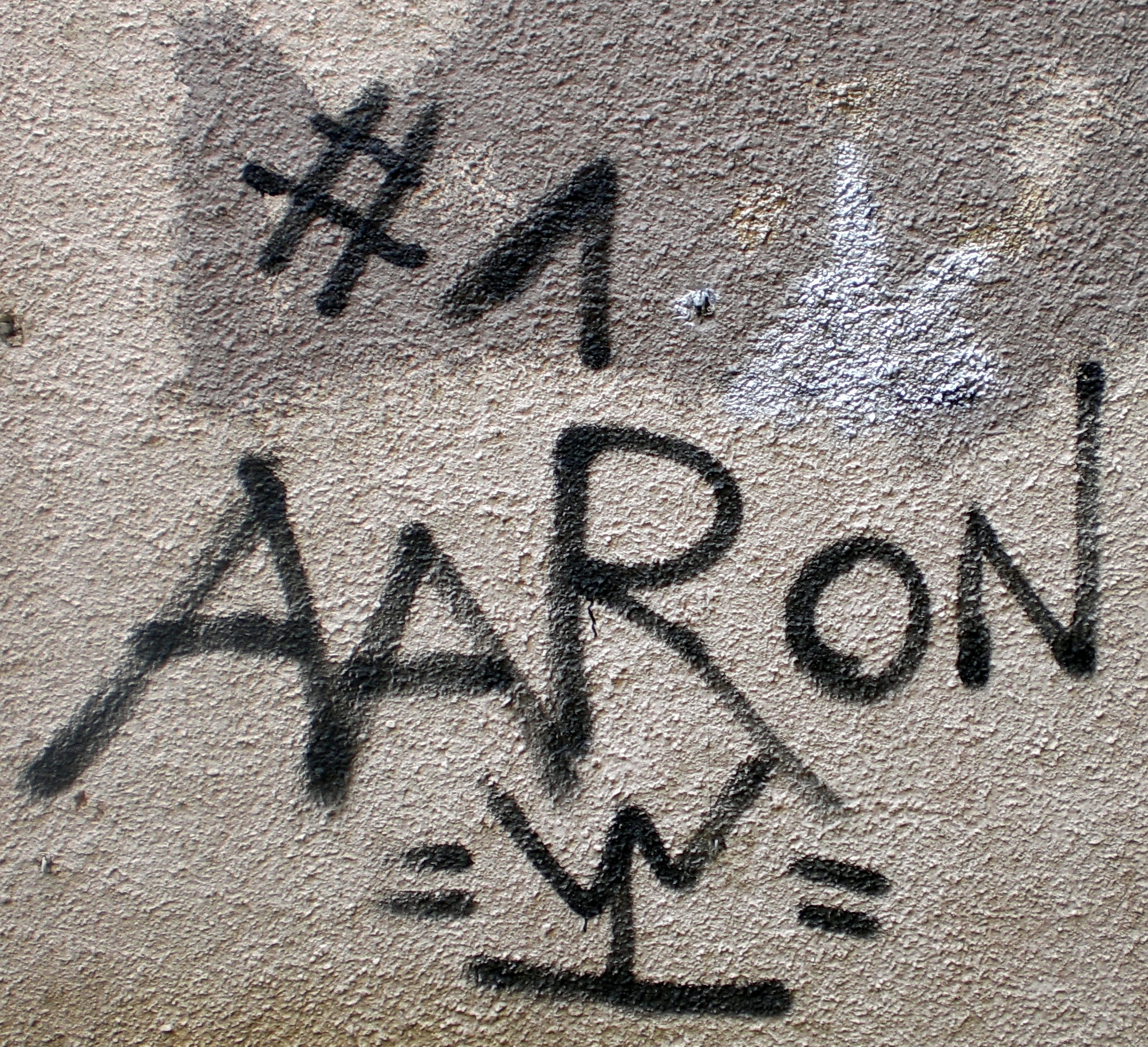
Graffiti abhors a blank surface and Corriemar has become a canvas for a surprisingly diverse display:

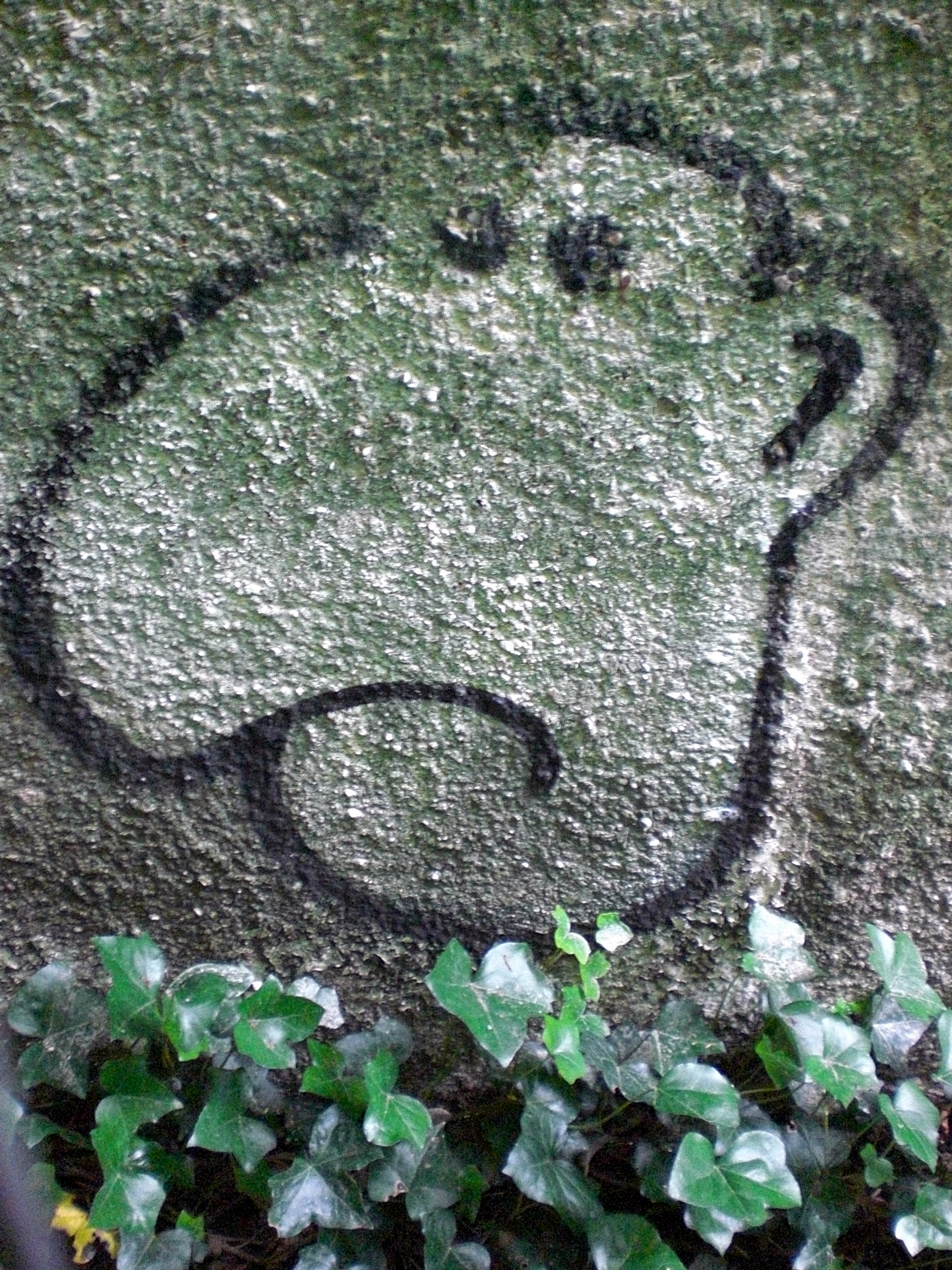

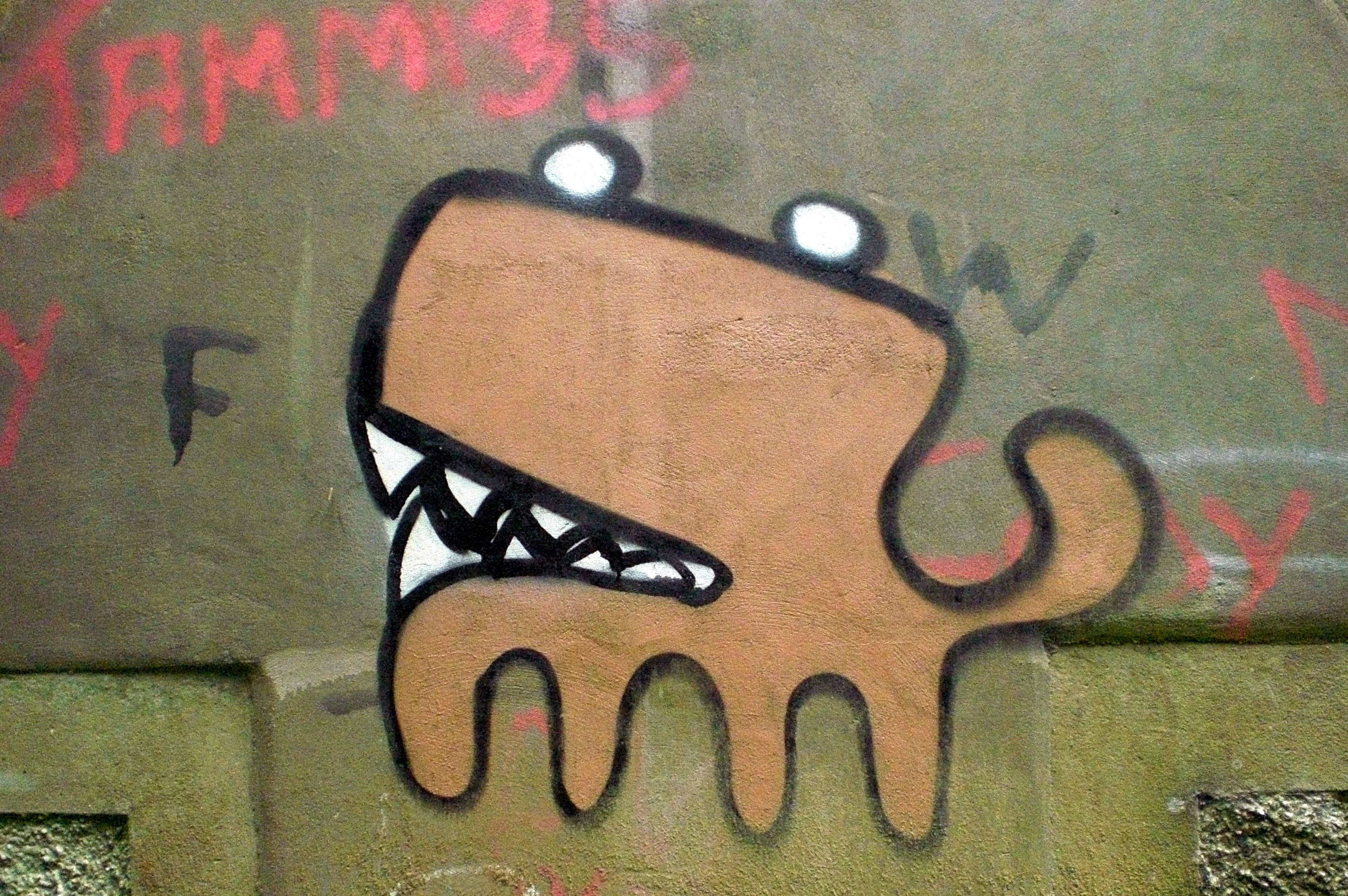


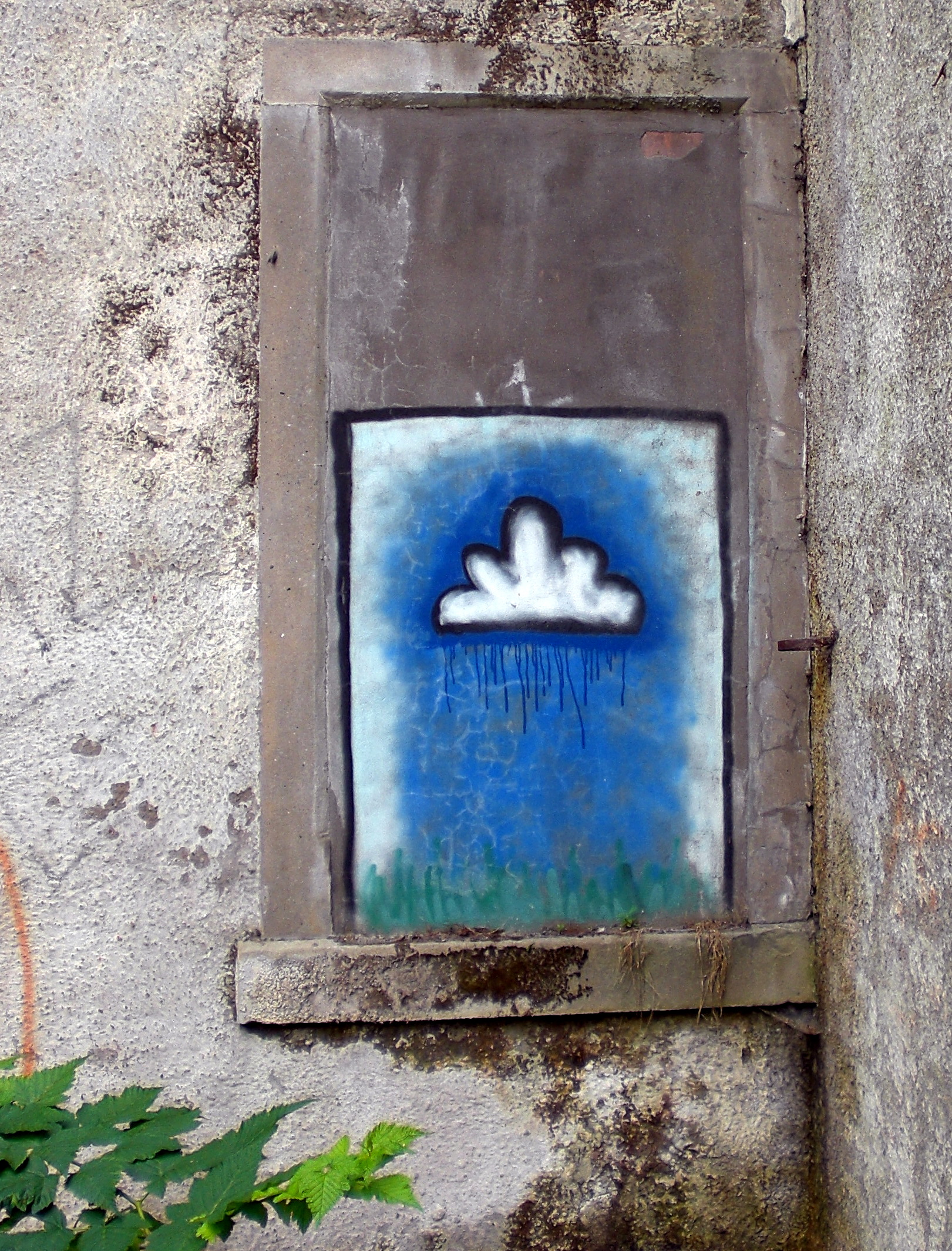
Interesting in that all of these shots, the green leaves of nature always encroach into the frame.
Silverburn House
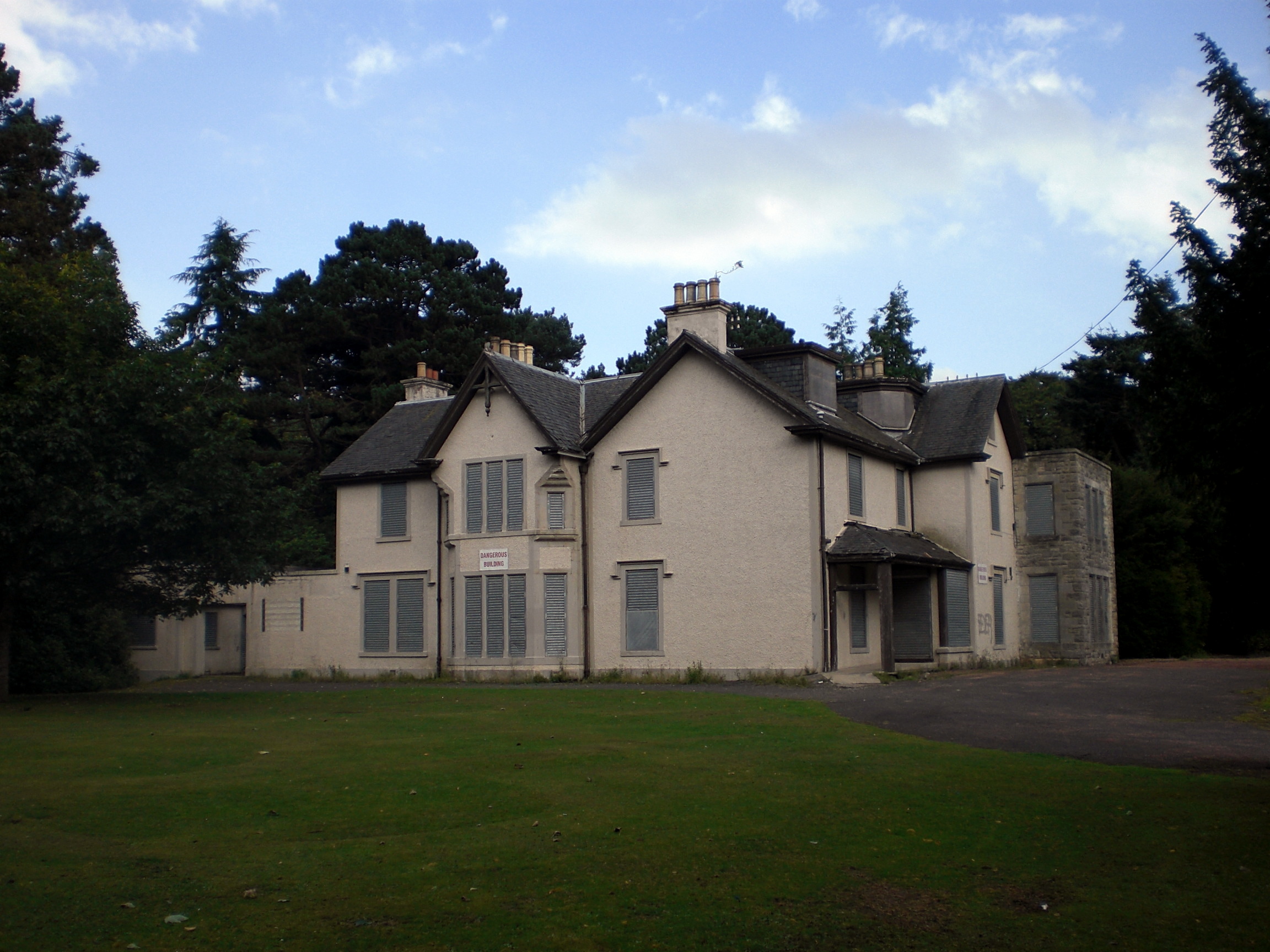
Once a home to the Russell family. Old, super-8 film shows children playing and running around on the lawn in front of the house. Adults relax in deck chairs, smoking and chatting…
Now, like Corriemar, Silverburn House is sealed up and dangerous:
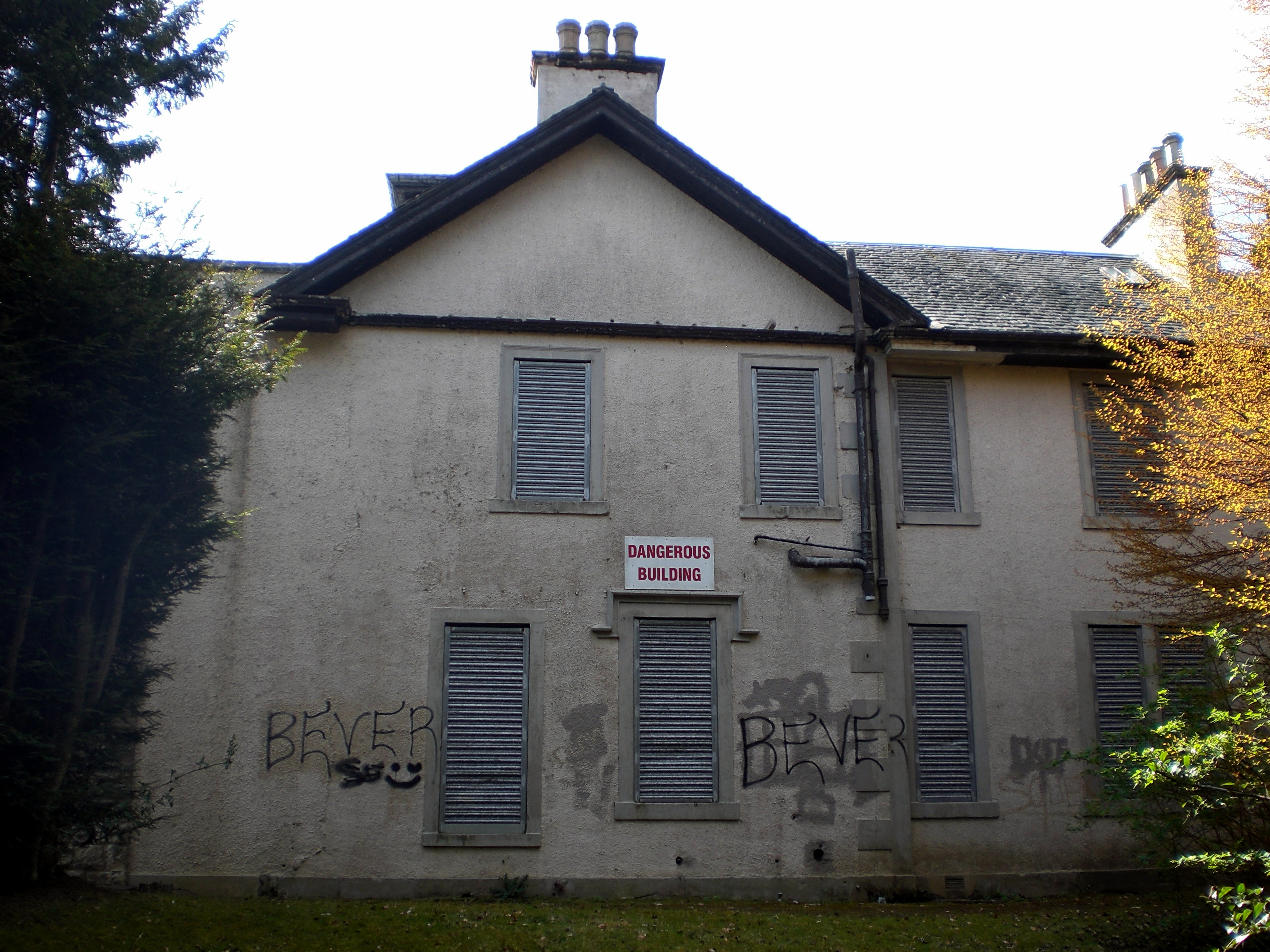
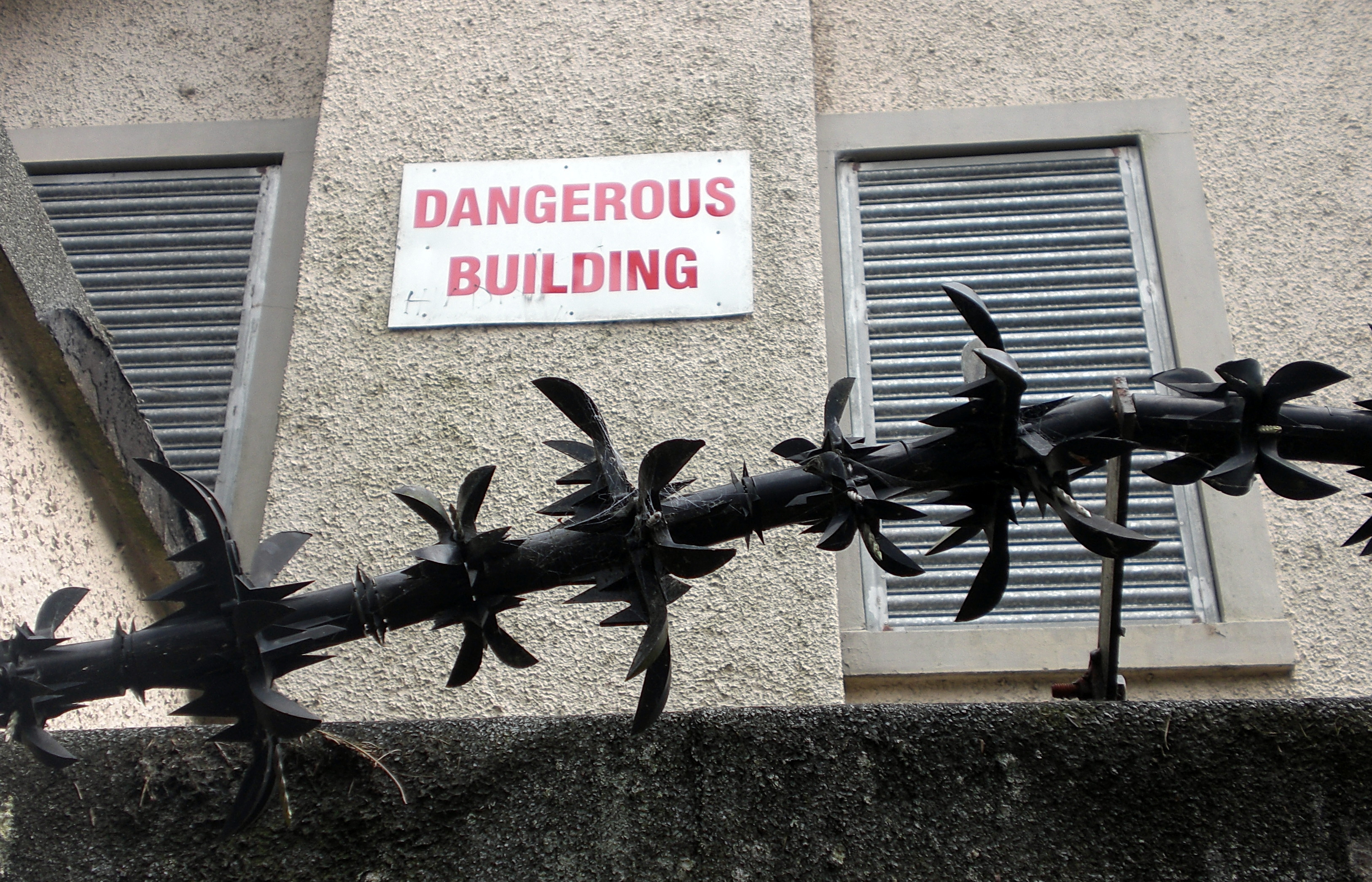
Broken Flows:



The entrance to the old crafts centre:
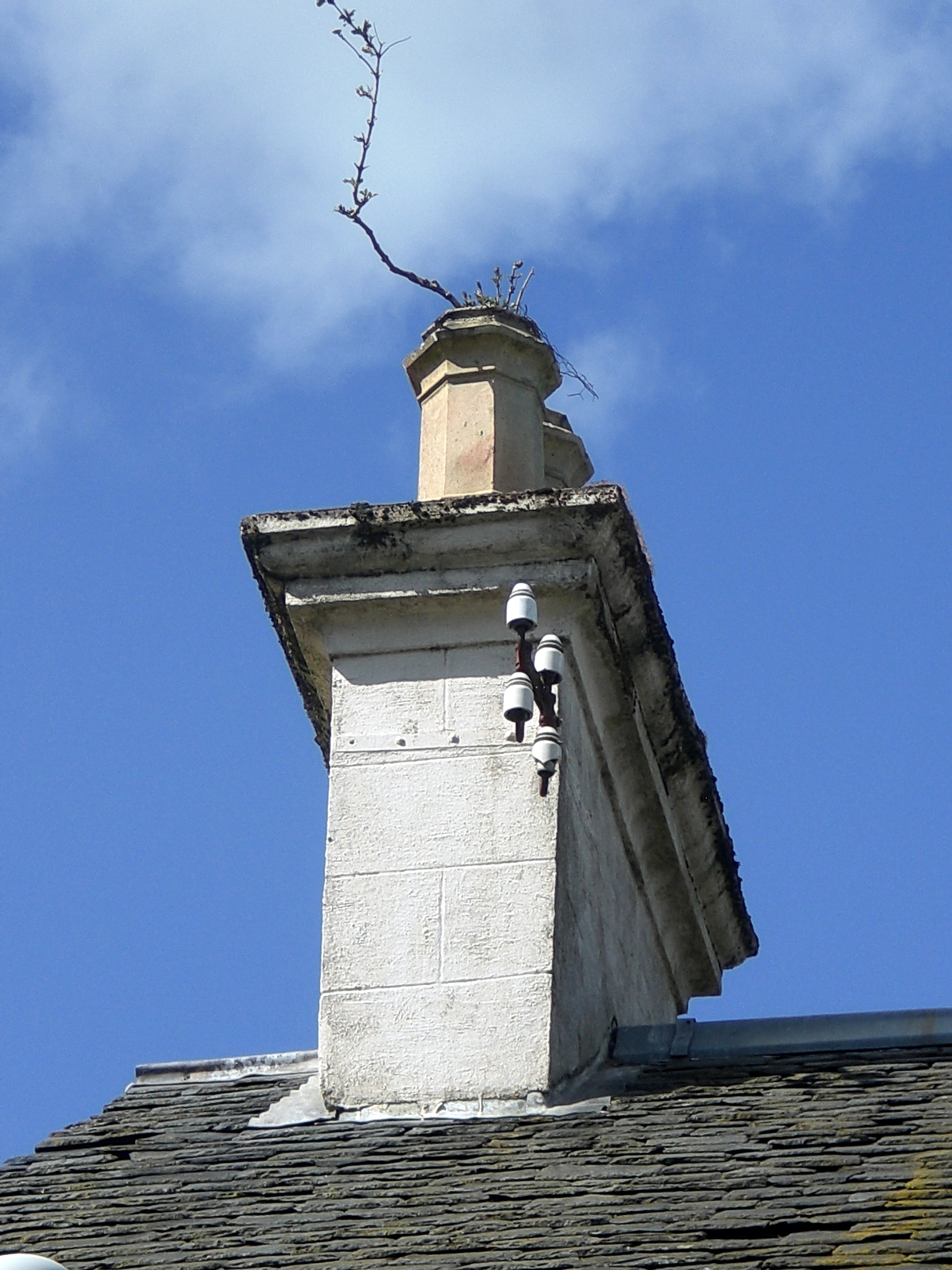
Stretching for the sky:
On our last visit, we noticed a new addition. Some outdoor seating has been added, fashioned out of tree trunks:
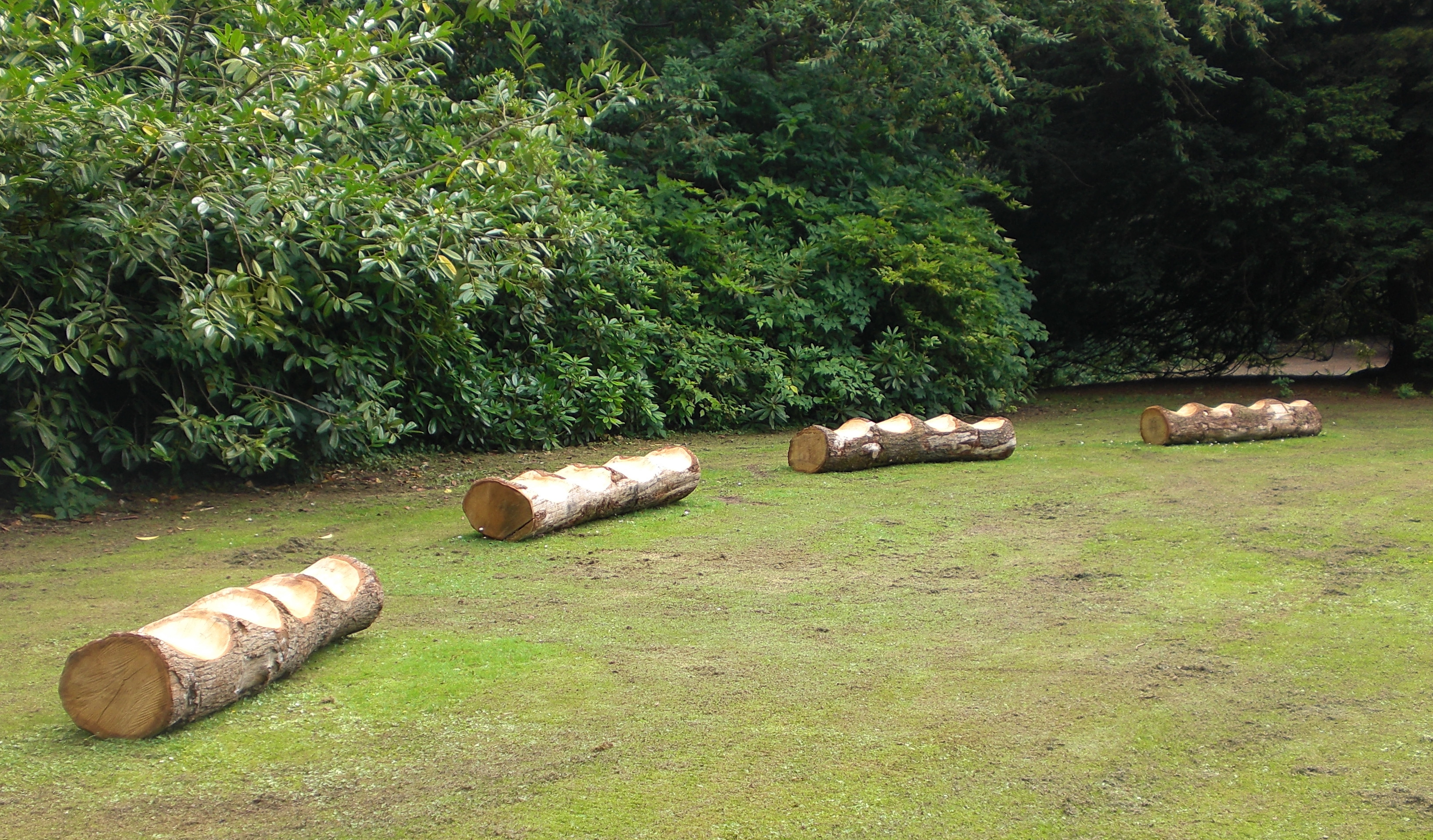

And at the opposite end of the lawn, a collection of shamanistic divining posts in the family sculpture area:


As is common with any drift, with a little attention, a surreal world can reveal itself:
The shoe tree:

The worm mound:

One tries to wriggle free:
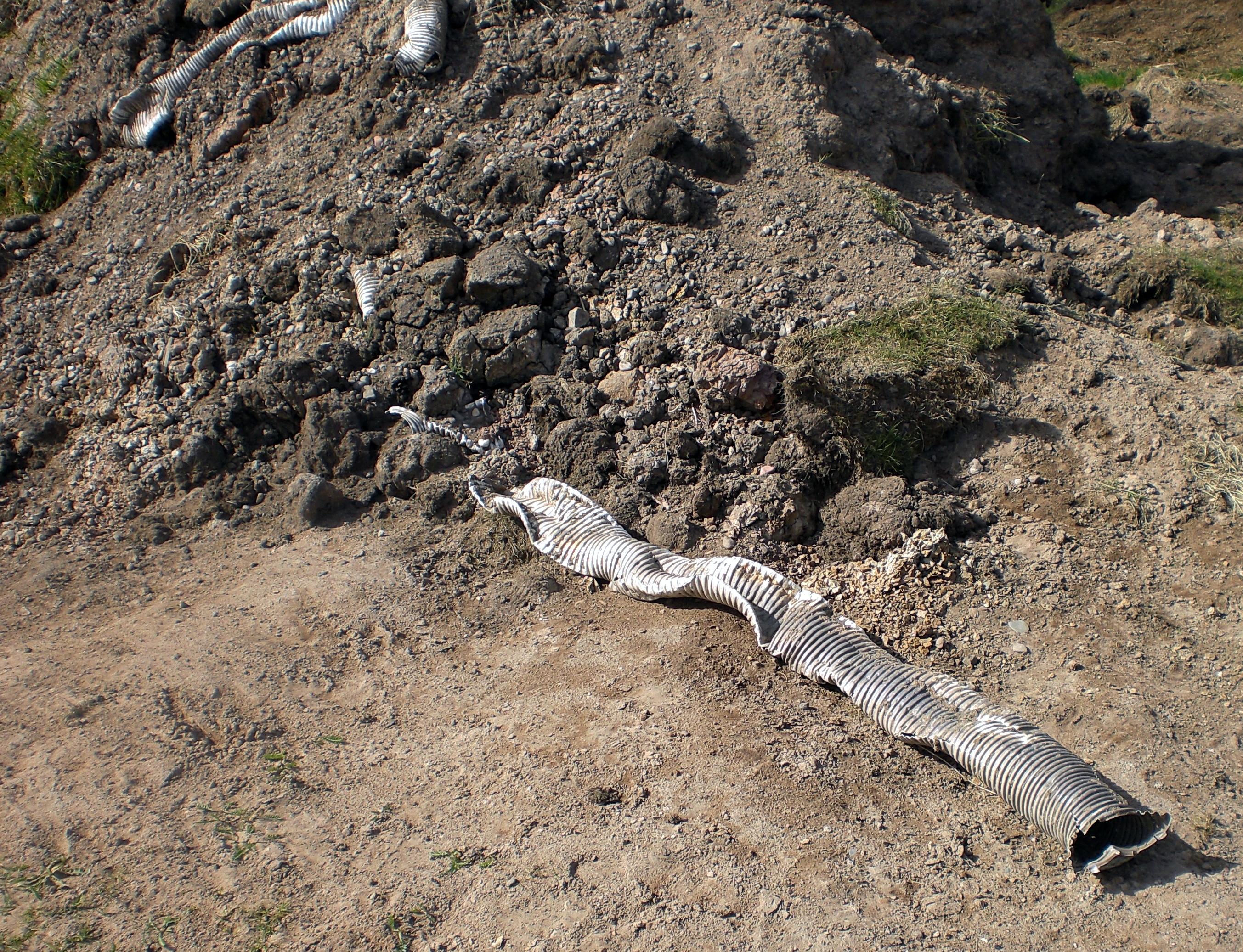
The giant pencil:

The stalled roundabout:

The unknown and undecipherable signs:
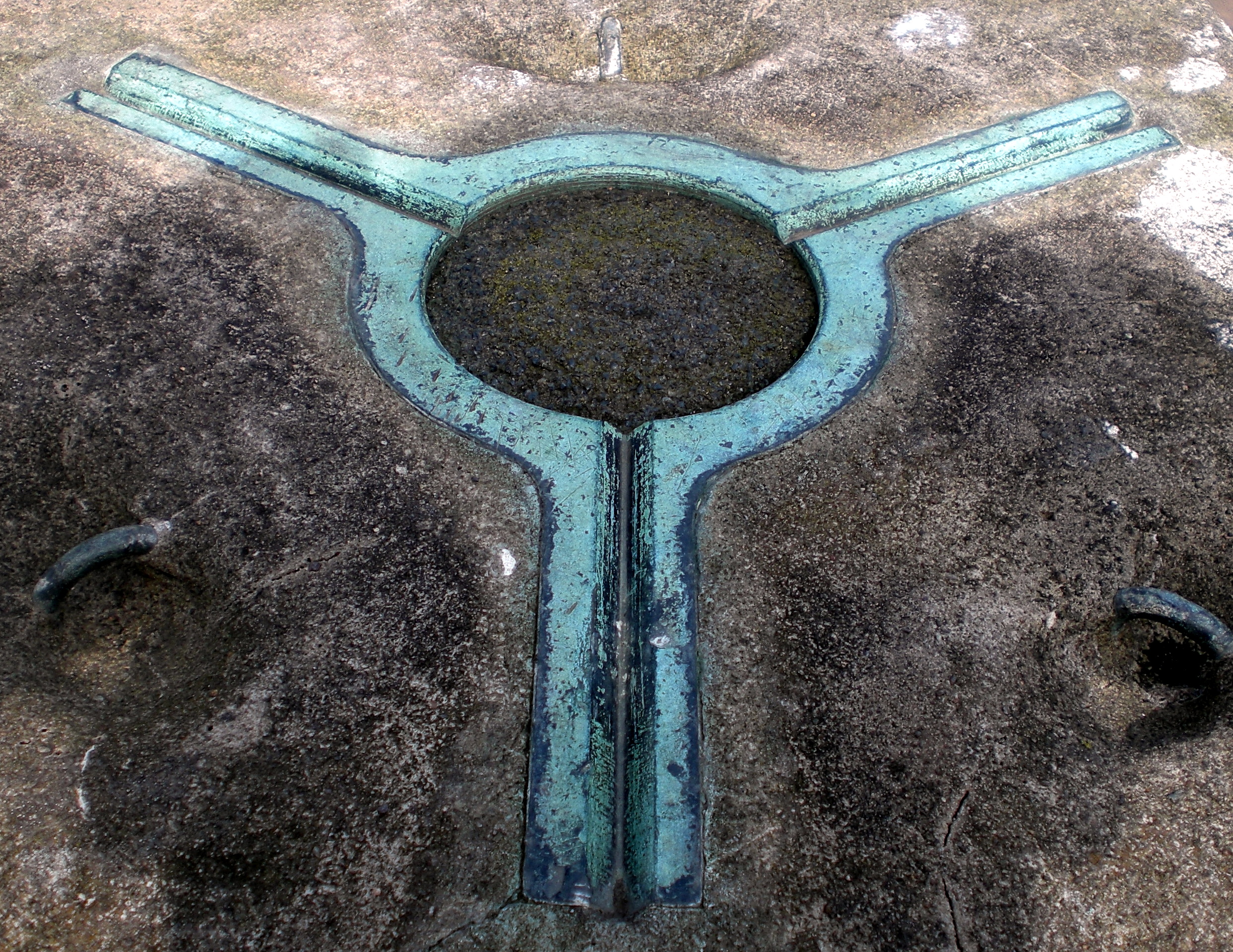

.
.
≈
One visit, late Saturday afternoon, a dull twilight. No other humans around and even the bird song is subdued. Only the rustle of leaves – hopping blackbird and scurrying rabbit. The fungi radiate a pale light:

A message from the trees:
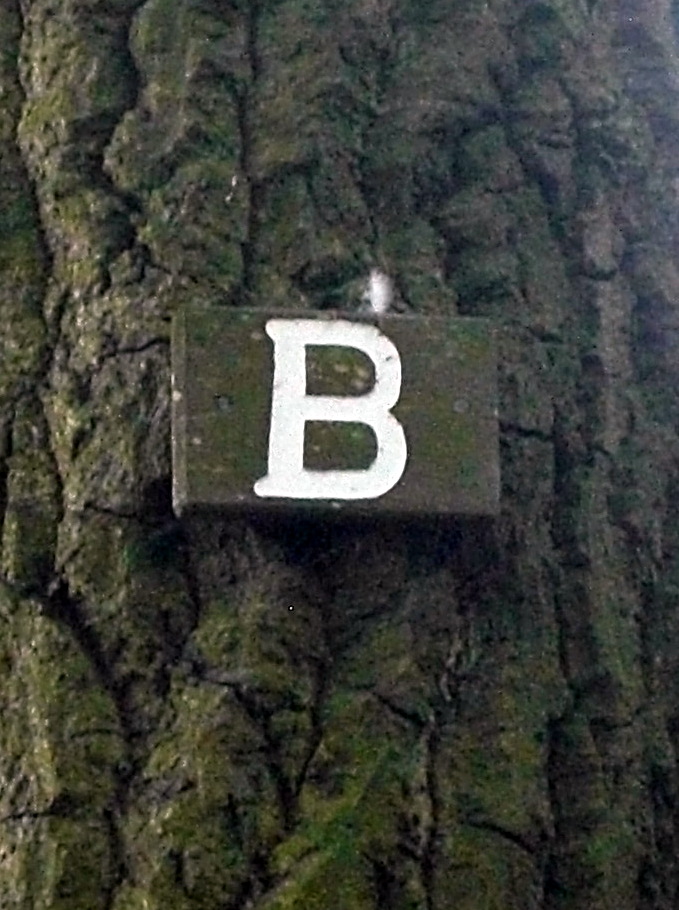

Stare for long enough and the tree spirits begin to reveal themselves:
dog-bear
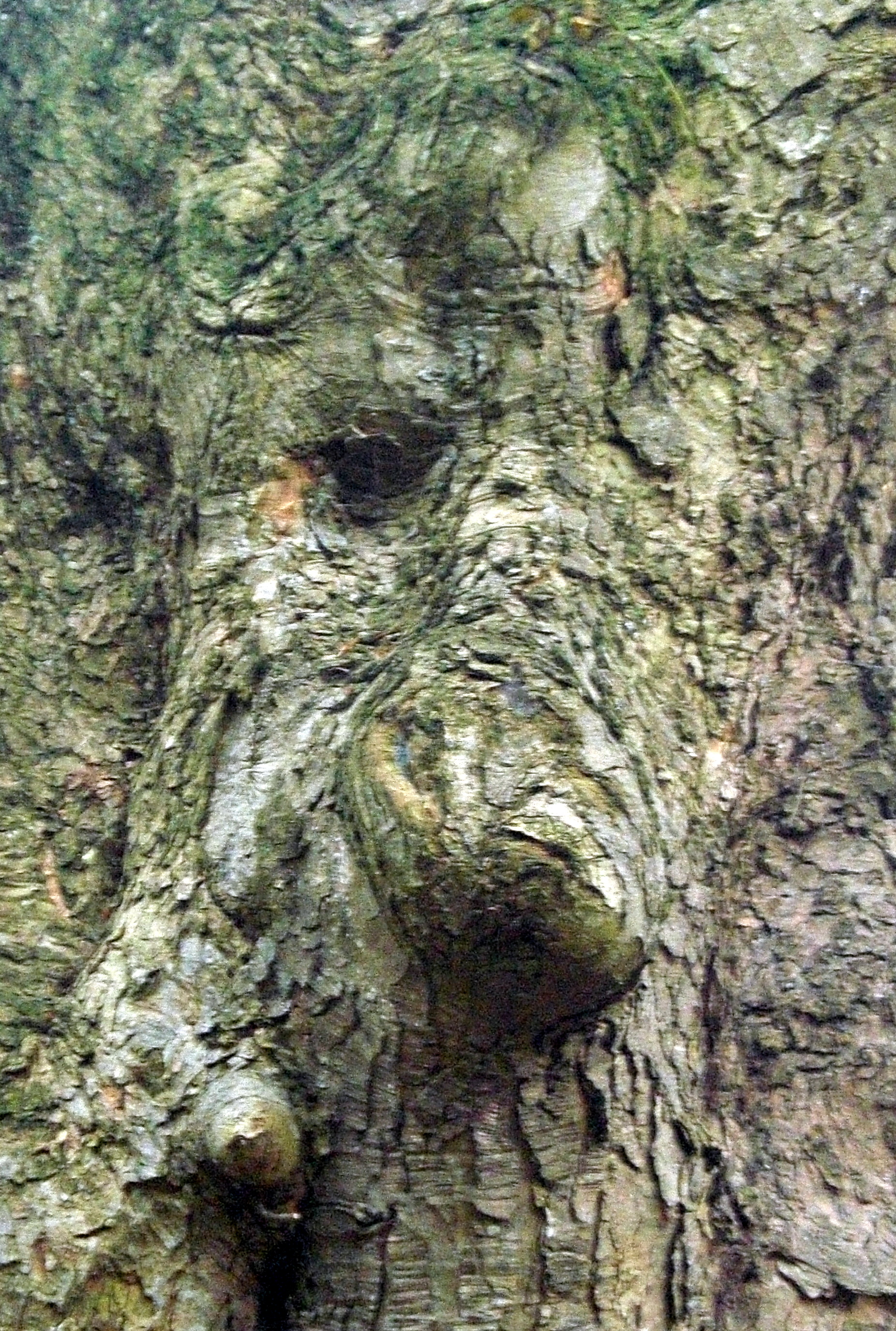
Tusked boar
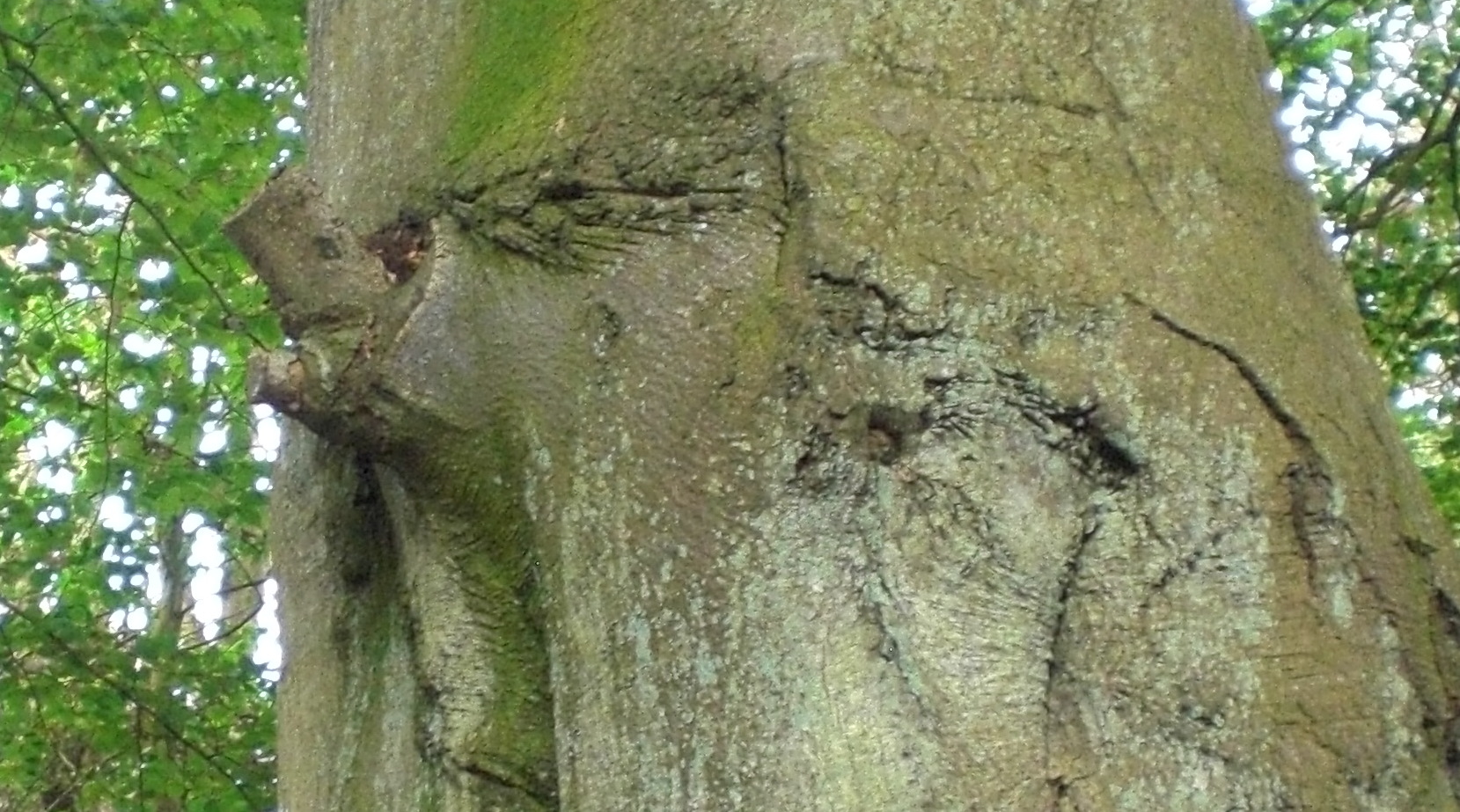
Cyclops
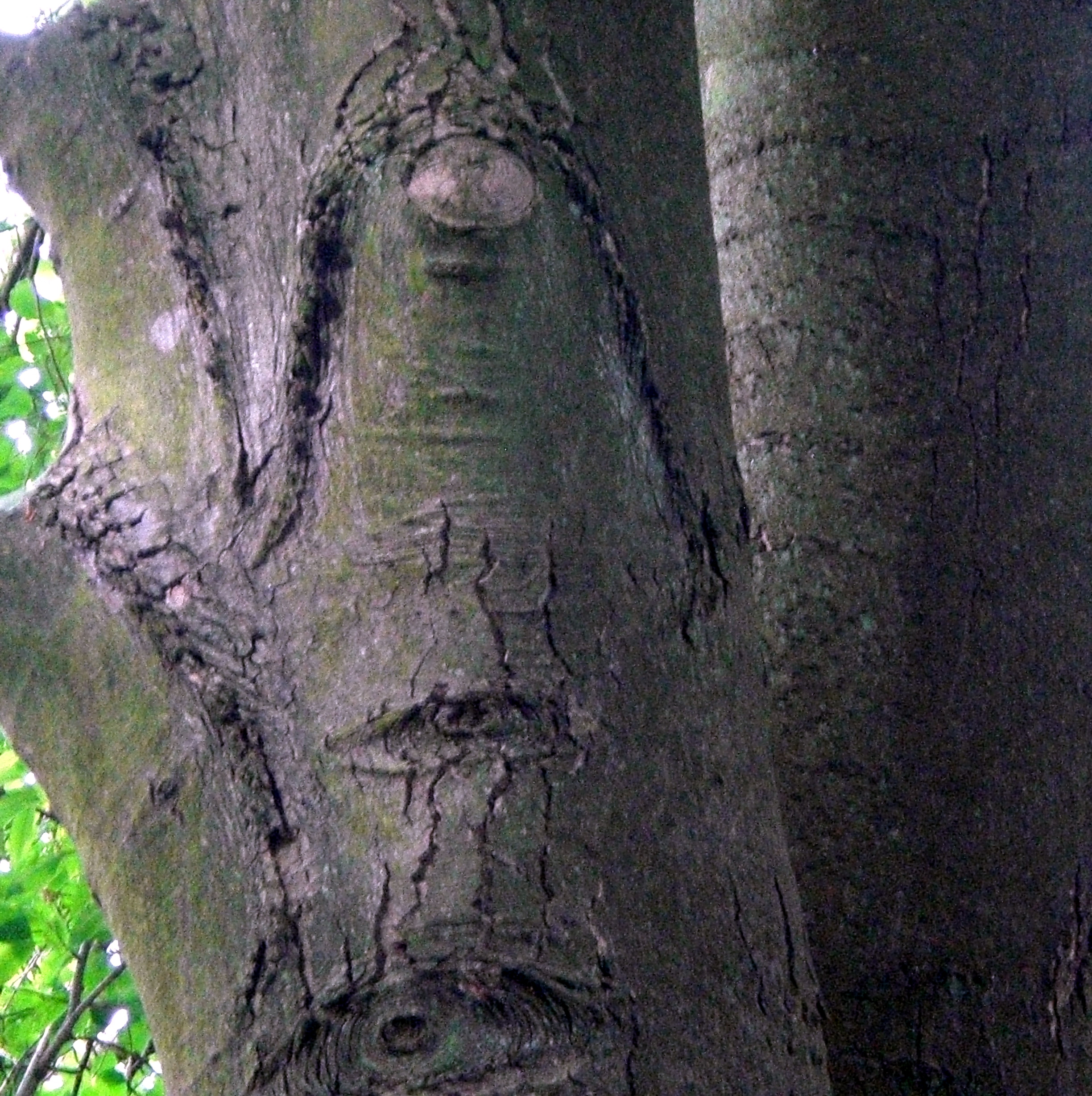
Preying Mantis
 tentacle clawed … ?

≈
The Flax Mill & Retting Pond
On the lower level of Silverburn sits the Flax Mill and its associated retting pond.
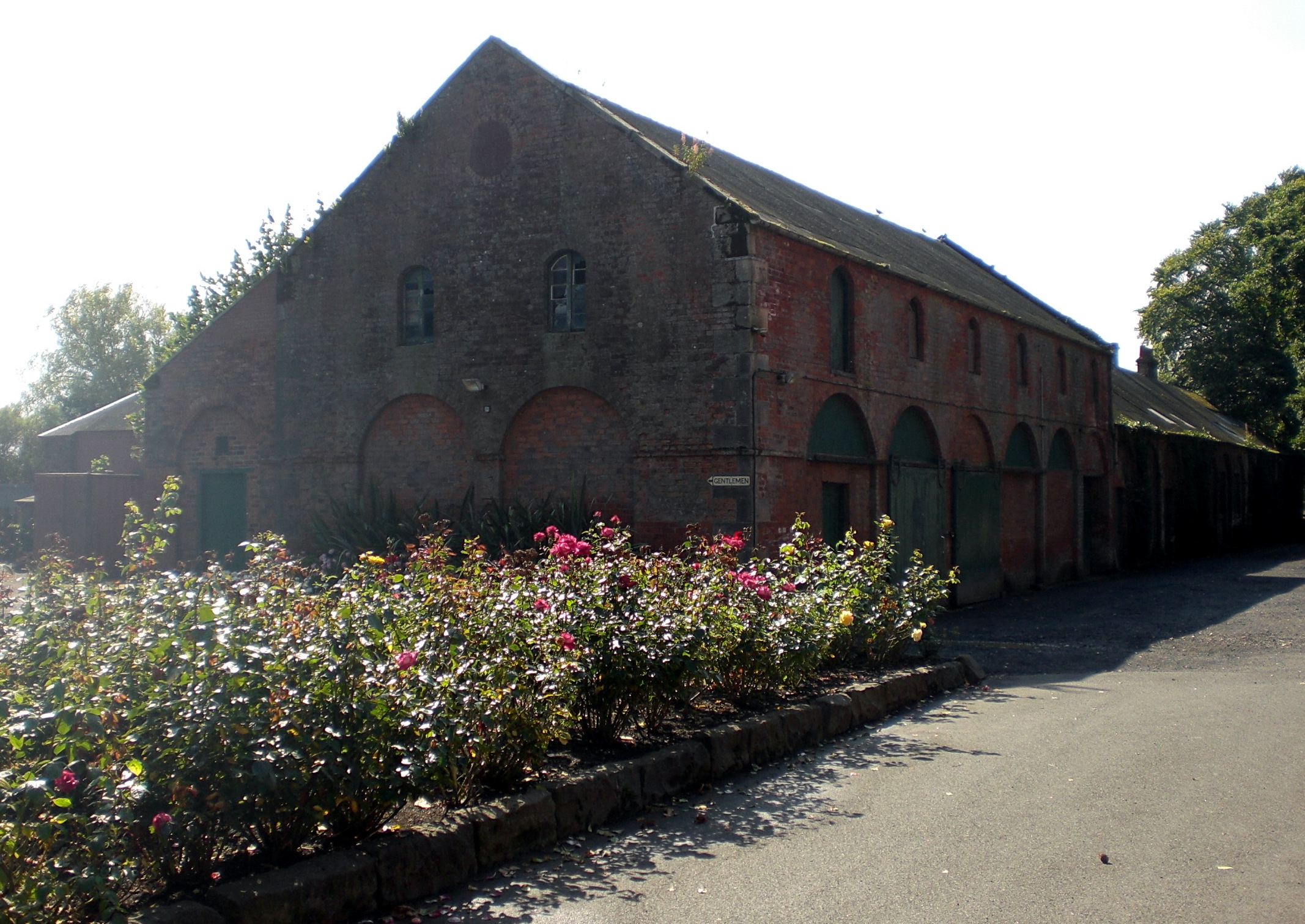
Retting is a process which employs the action of micro-organisms and moisture on plants to dissolve or rot away much of the cellular tissues and pectins surrounding bast-fibre bundles. This process is used in the production of fibre from plant materials such as flax and hemp stalks and coir from coconut husks.
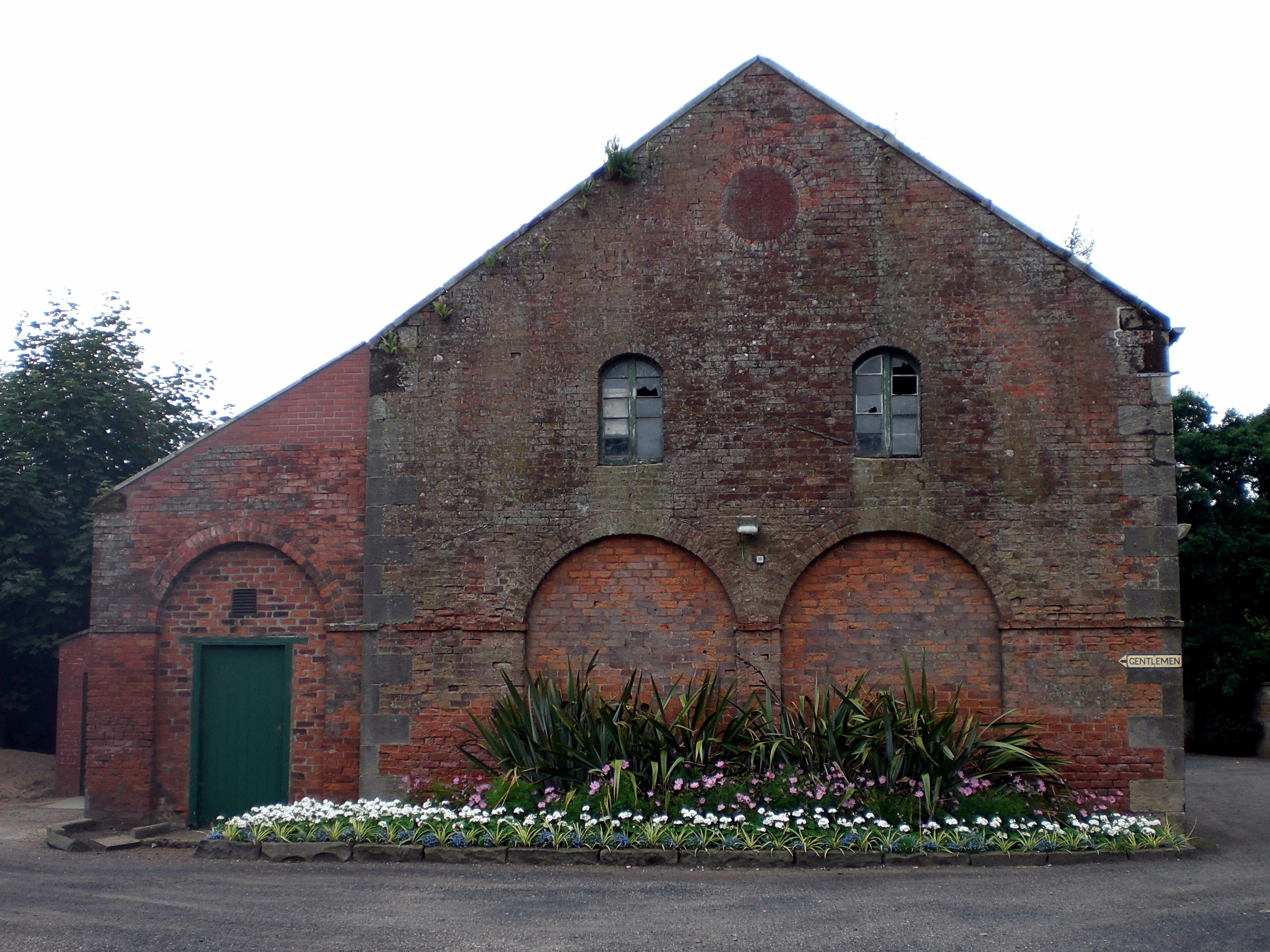
The flax mill was built in the mid 1800s and was one of the first industrial buildings to be roofed with a ‘new material’ called corrugated iron. Flax fibre was prepared for spinning at Silverburn and was soaked in the retting ponds for about 10 days, after which it was thrashed. Retting Ponds were brought into play after an Act in 1806 prohibited the use of local streams due to excessive pollution which occurred from the process. The flax mill itself was run on steam power. The mill closed in 1930, although, as previously mentioned, the outbuildings were used for the mini zoo during the 1990s. Today, the brickwork is failing in some places, with over 50% of the brick turned to dust. An adjacent row of cottages were probably built for the flax mill workers and remain used and in good condition today.

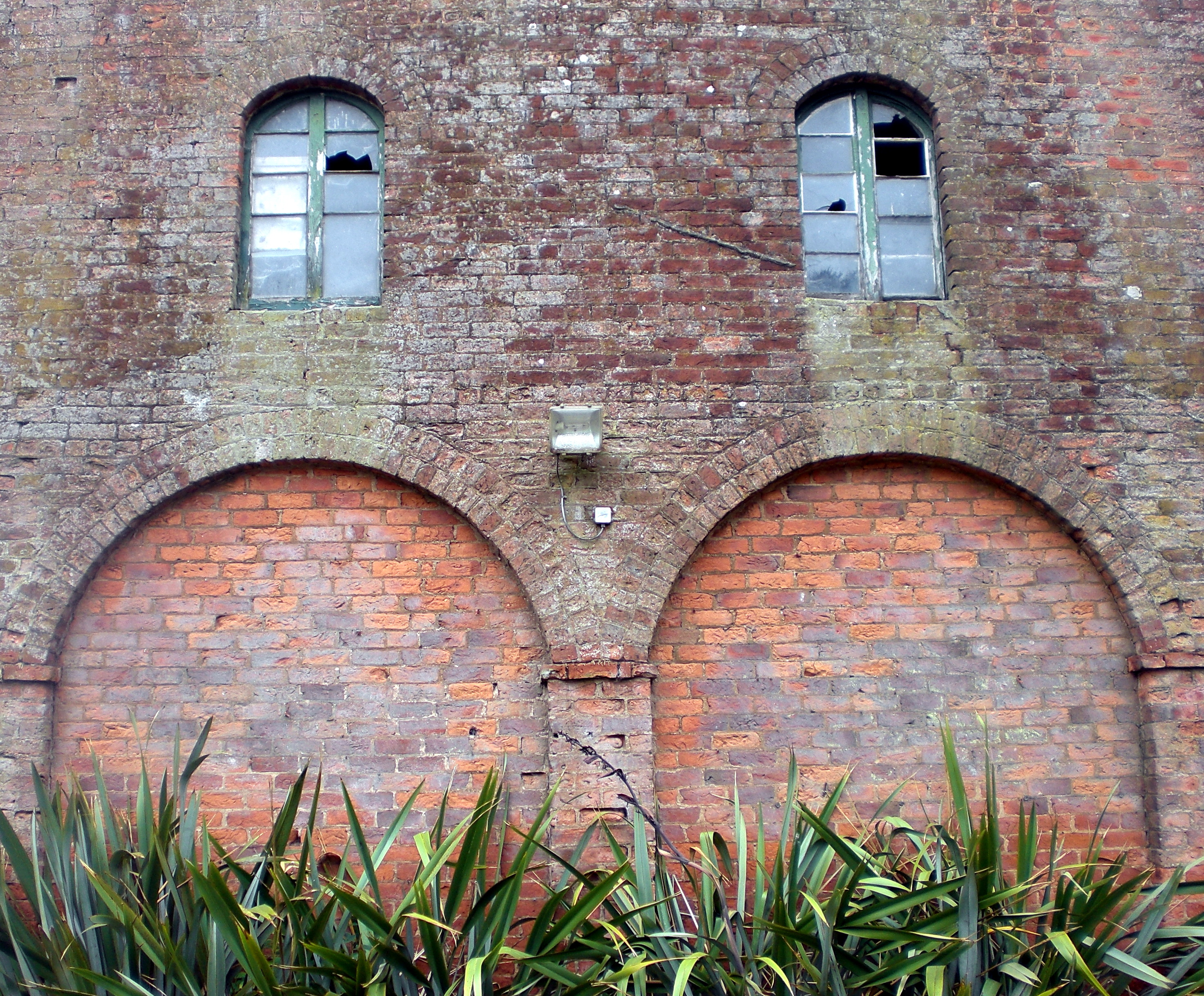
Look out for the face in the factory:
and the quizzical ghost:


.
.
The outbuildings:

The old stables:


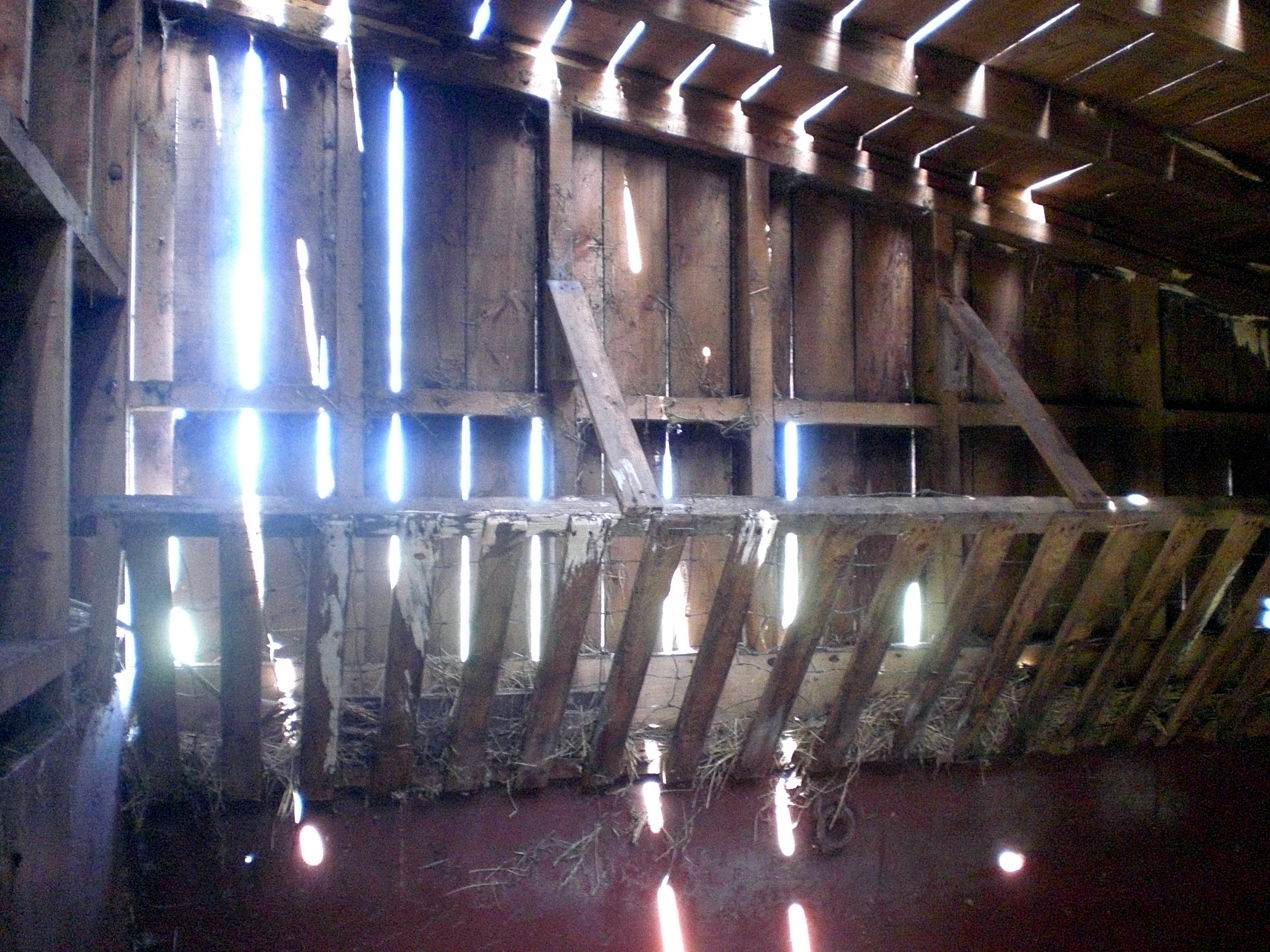
Inside the old stable
the darkest corners – bleed
in slatted sunlight
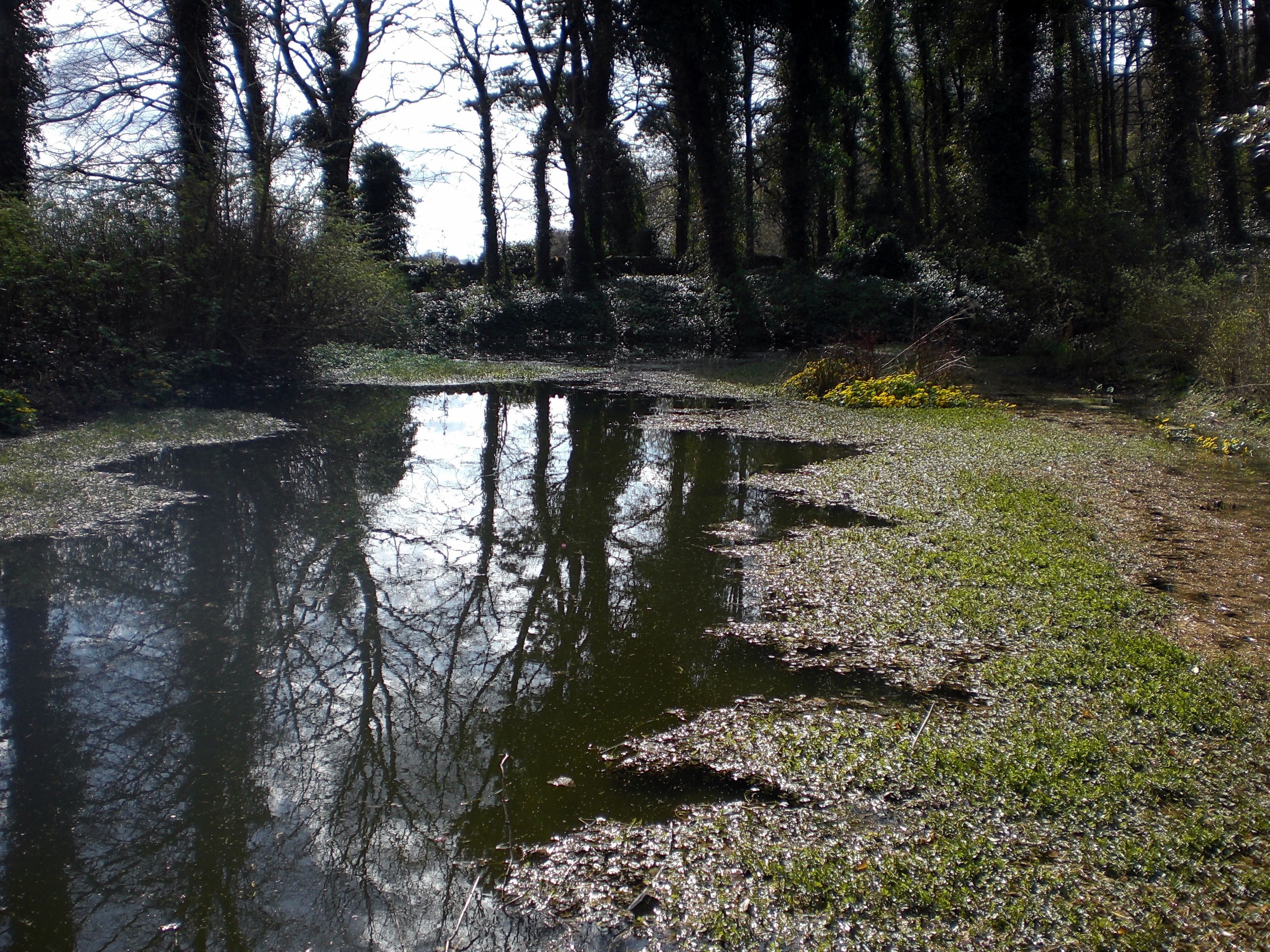
The retting pond where the flax was soaked is close by. Now heavily overgrown with vegetation, it is a meditative spot to watch the reflected trees in the water and the teeming pond life on the surface:

≈
The Tree House and Formal Gardens
How could anyone not be captivated by the tree house? It looks as if it could walk away at any moment on its stilted legs:

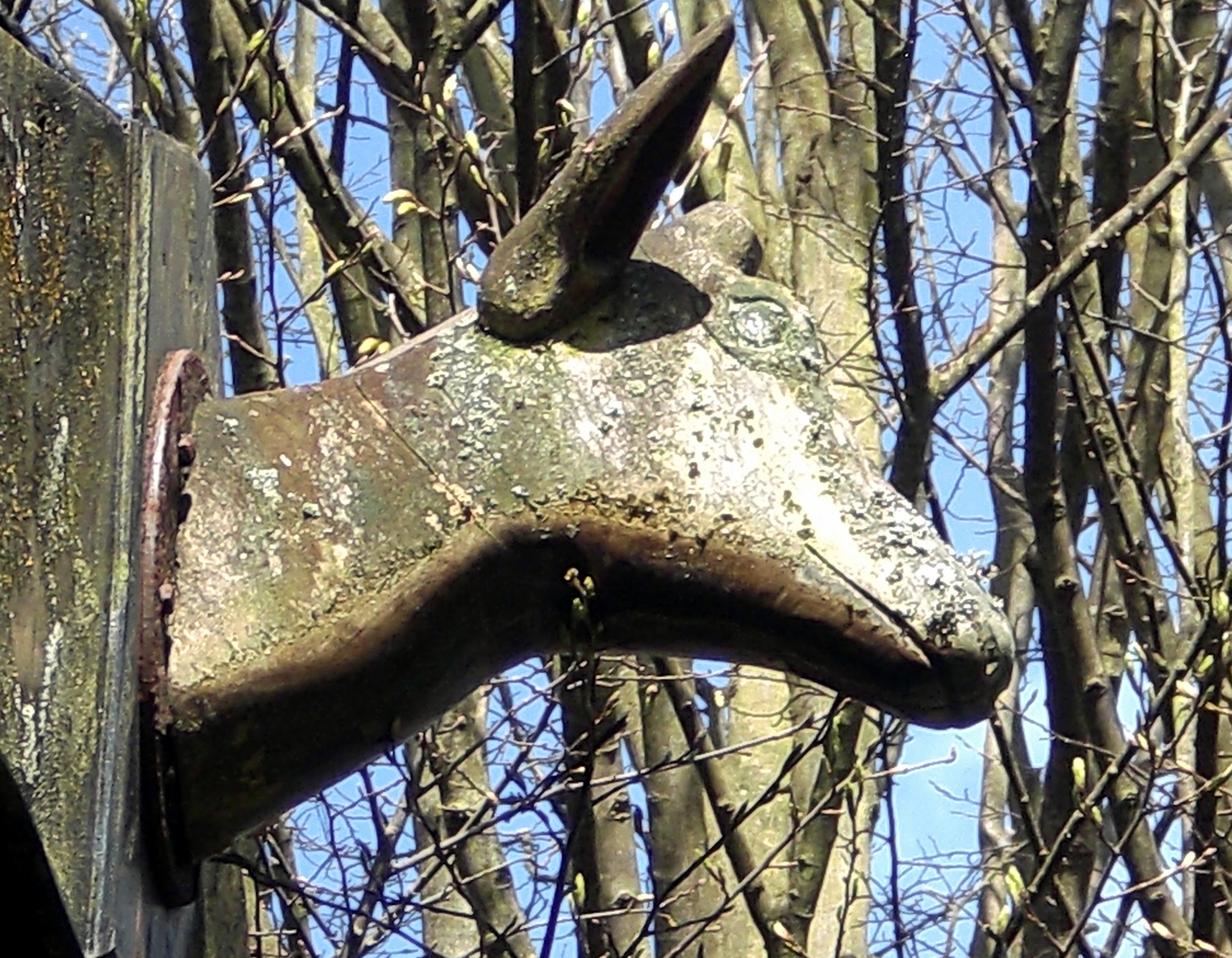
The sense of being watched by the animal heads on either side add a touch of the uncanny:

.
.
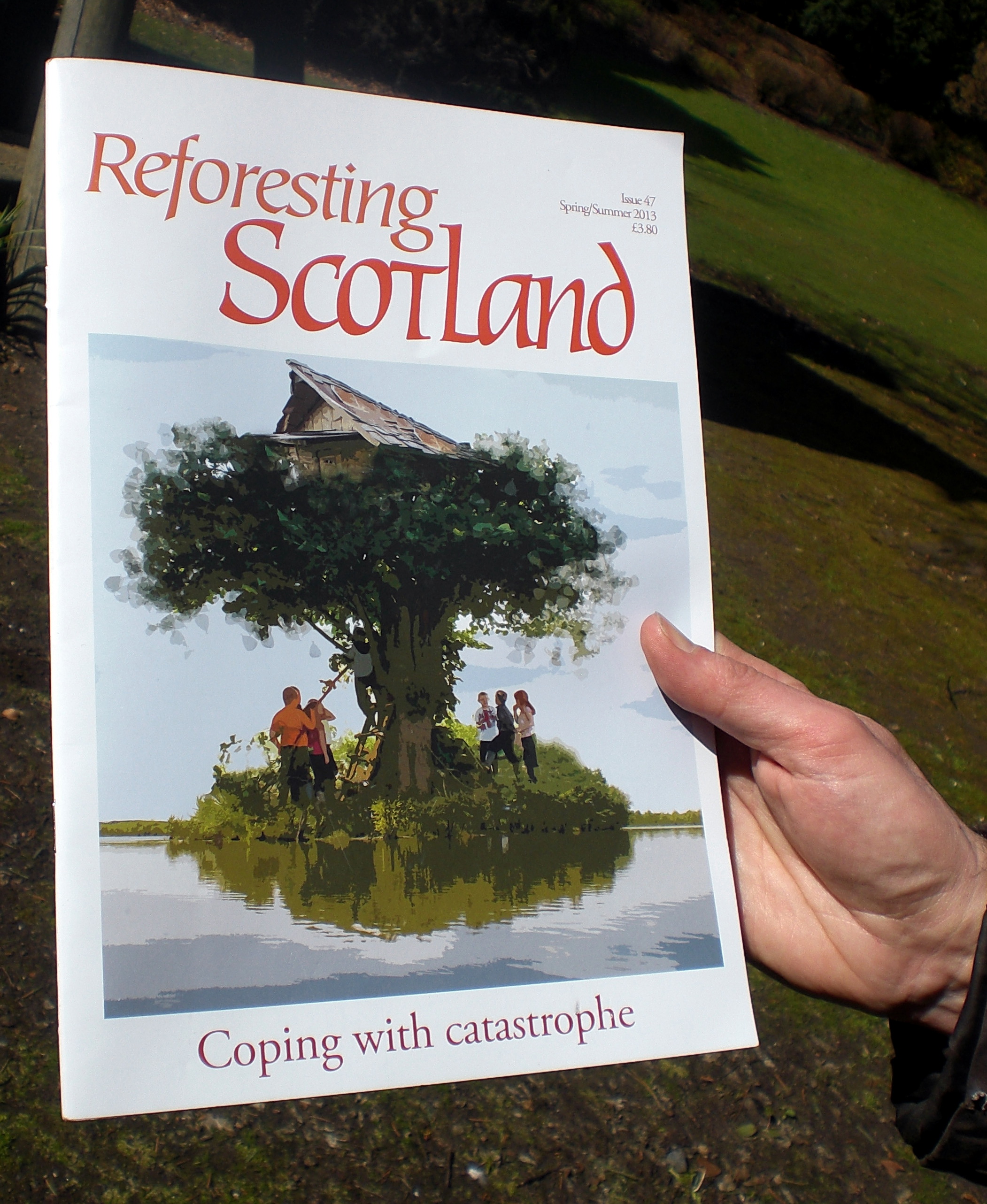
By complete coincidence, N has a copy of Reforesting Scotland in his bag. The cover illustration an echo of what we are standing underneath:
The formal gardens, also comprise a sensory and walled garden. They are clearly places of meaning and memory. On our first visit, we find a wreath of knitted flowers:


By the time of our second visit they have gone. There are also the lives commemorated and remembered. Emotional linkages between people and place.

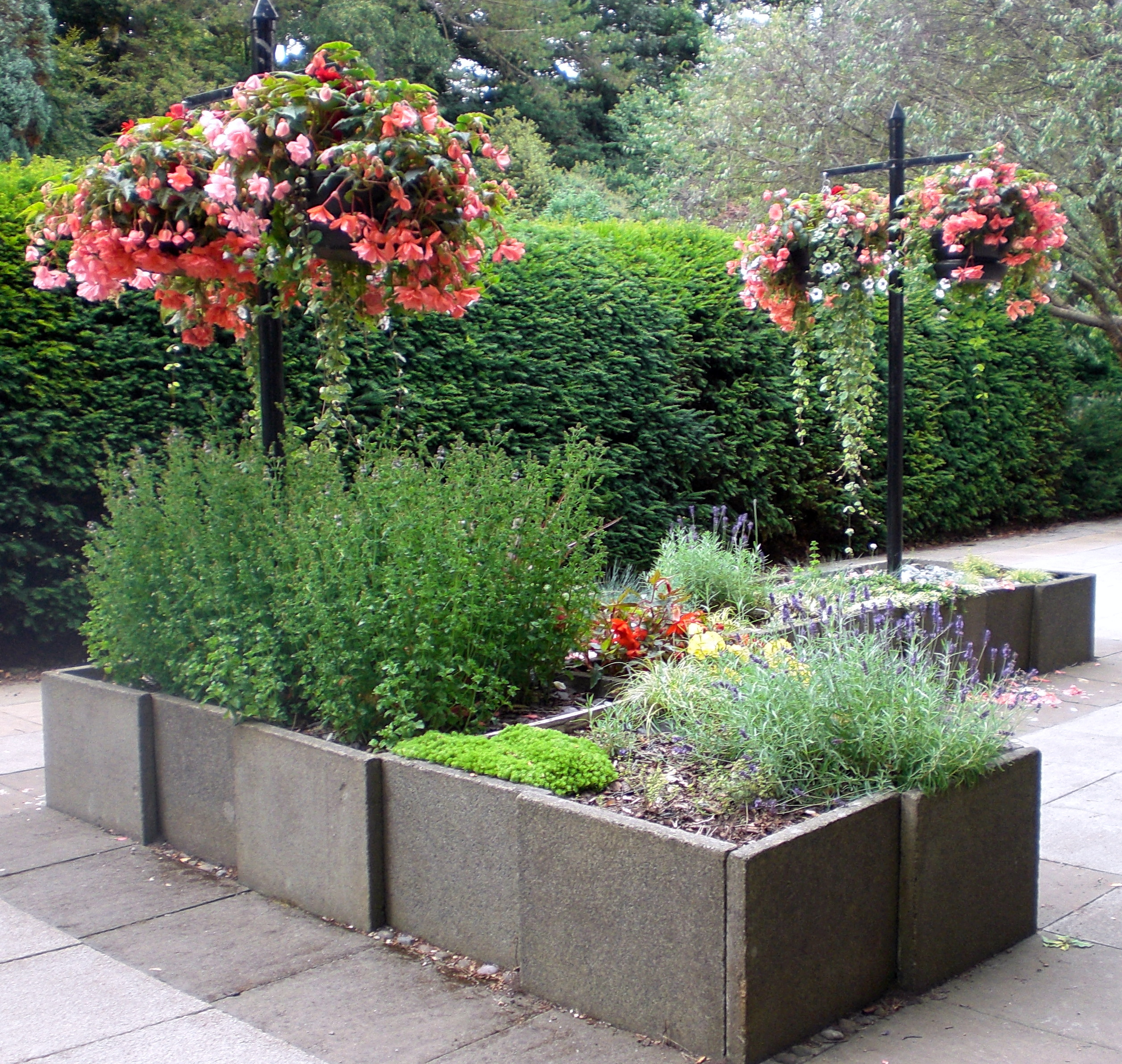
From the sensory garden, the gentle trickle of running water projects around the natural amphitheatre. Bees congregate upon yellow and pink petals shower down on grey.


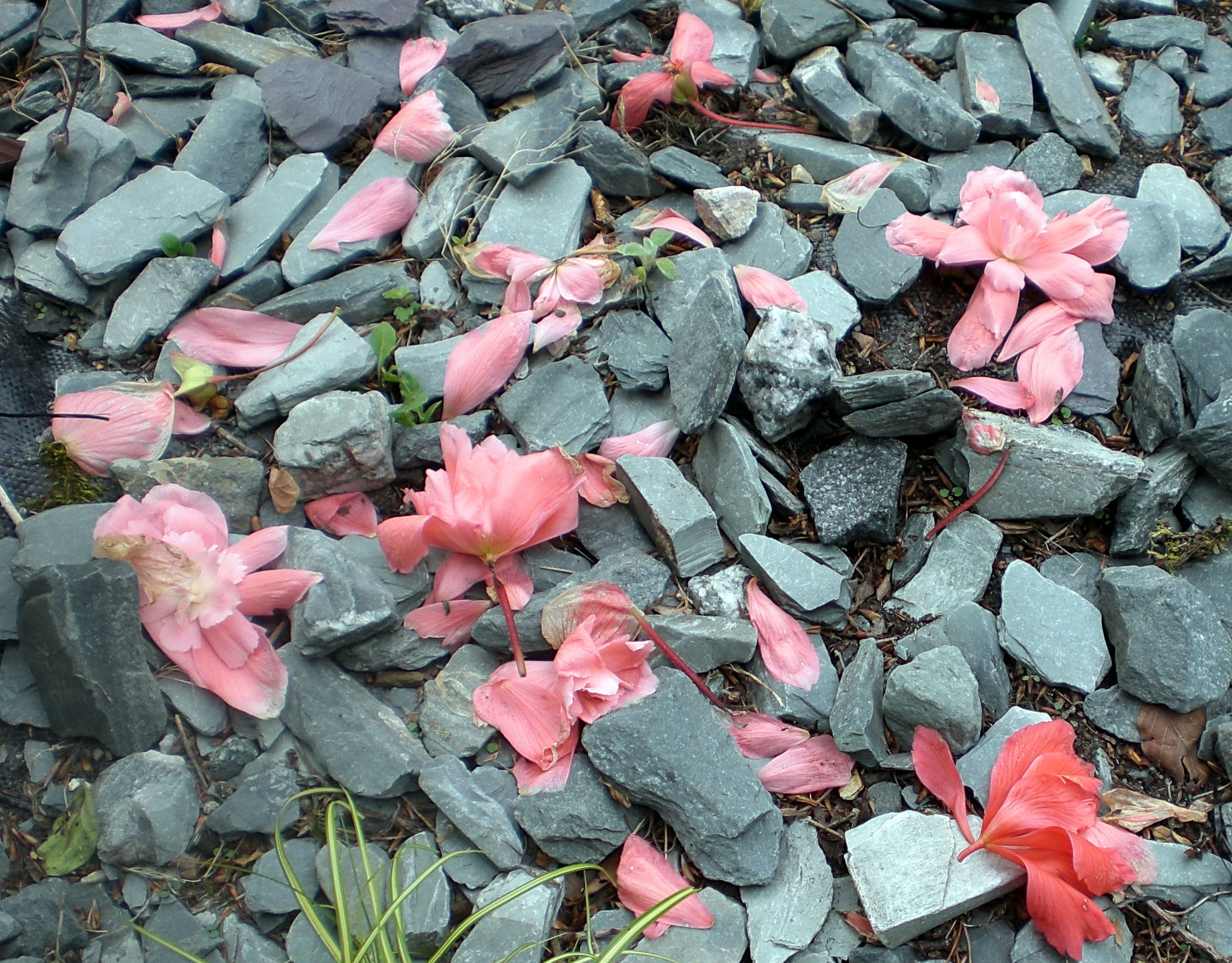
Perhaps there is also evidence of the cunning folk at play. A small entrance through a hedge; a portal to another world?

≈

What is in a Name?
We leave Silverburn to head for the coast once again. Following the flow of the burn back down Mile Dyke to where the silver stream meets the sea.

We reflect on the name:
Silver – precious, with, the highest conductivity of any metal, allowing energy to flow.
Burn – always in flux/flow. As Heraclitus said, you never step in the same river twice and we know we will never visit the same Silverburn twice. There is also the idea of how prescribed burning of vegetation can recycle nutrients tied up in old plant growth to invigorate new growth. With the current FEAT and community initiative ‘Heart Mind Soul Silverburn’ perhaps new possibilities for Silverburn are emerging.
And to end. A whispered message from a beach encounter:

≈
To end with a name and only the name. To end with only the letters of the name:
.
Silver sun sliver –
burrs liven us.
.
River veils runes
in blue siren lures.
.
Briers line ruins,
burn rises in
river lens.
.
Vein in burn
silver in vein
burn silver
S i l v e r b u r n.

Now playing: The Necks – Silverwater
References:
Buildings at Risk Register for Scotland
County Folk-Lore Vol VII. Examples of Printed Folk-Lore concerning Fife with some notes on Clackmannan and Kinross-Shires collected by John Ewart Simpkins (London: Sidgwick & Jackson for the Folk-Lore Society, 1914).
John Steinbeck, Travels with Charley: In Search of America. (New York: Viking, 1962).
Marysia Lachowicz, Polish Army in Fife. (Work in Progress).
With very special thanks to Margaret and Aiveen for the invitation to “come and see what we make of it” and also Aiveen, Margaret, Graham and Ninian for inspiration and sharing that first visit.
Recently, we have been visiting the area around the coastal town of Leven. A fairly long piece is slowly coming to fruition. Until then, here is a short post.
≈
Walk up Durie Street in Leven and listen out for the bees singing. Perhaps, the sound of the skep is more of a muted murmur now, but raise your eyes from street level and you may hear them.
The first hive is above what is now the town library. Our industrious and co-operative little bees swarm around their skep as they have done since 1887.

This symbolic image on a former building of the Leven Reform Co-operative Society reminds us of the Rochdale Pioneers. In 1844, with an economy in decline, wage reductions and strikes, a group of unemployed weavers met at the Socialist Institute to debate the philosophies of Robert Owen and Chartism. Whilst there are many examples of co-operative societies existing before 1844, The Rochdale Pioneers formulated a set of guiding principles, upon which, an expansive version of co-operation was founded. Looking at these principles today, it is notable how well these stand up as a set of co-operative ideals:
1. Democratic control, one member one vote and equality of the sexes.
2. Open membership.
3. A fixed rate of interest payable on investment.
4. Pure, unadulterated goods with full weights and measures given.
5. No credit.
6. Profits to be divided pro-rata on the amount of purchase made (the dividend or divi).
7. A fixed percentage of profits to be devoted to educational purposes.
8. Political and religious neutrality.

Within ten years of the Pioneers founding efforts the co-operative movement in Britain had grown to nearly 1,000 co-operatives with many adopting the symbol of the beehive.
≈
We are back in Leven. Follow the echoes and walk further up Durie Street. On the clock of the former Co-operative department store, a golden skep, clotting the fingers of weak, ebbing sunlight:
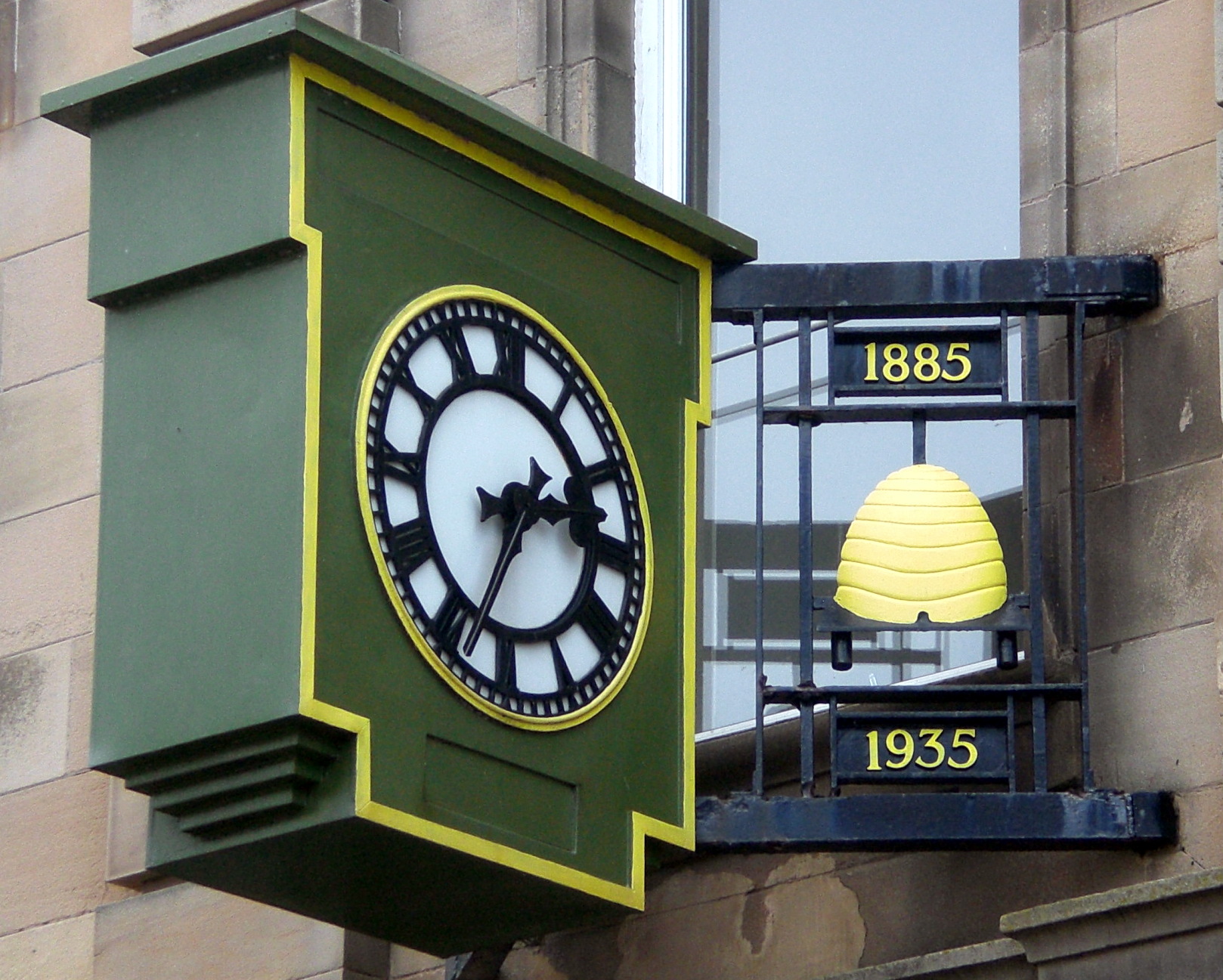
Stand. Raise your head and look to the sky. Follow the thread of sibilant hum to the very top of the building. A change of tone – to low dissonant drone. A sign that the bees are, once again, getting ready to swarm:

Underneath the skep
intimations of new life
still sounding – echoes
of the Pioneers.
≈
Now Playing: Earth – The Bees Made Honey In The Lion’s Skull
References:
≈
Three steps may be all it takes to alter our perception of place
≈

A fairly idyllic view taken last weekend from the Fife Coastal Path at Dalgety Bay. An expansive sky animated by great dollops of scudding cloud, mirrored in the calm, glassy sea. Inchcolm Island lies straight ahead and over to the right, the contours of Edinburgh and Arthur’s Seat ink the horizon.
Waders and gulls amble and preen on the bay foreshore with divers, ducks and the occasional seal bobbing in the deeper water.
≈
take three steps back
o
n
e
≈
t
w
o
≈
t
h
r
e
e
≈

…
You find out that you are actually standing on radioactive contaminated land.
The contamination is believed to originate from the residue of radium coated instrument panels that were used in military aircraft. Between 1946 and 1959, over 800 planes were incinerated and the ash was land-filled in the area.
Radioactive material was first detected on a part of the foreshore in 1990 and, since then, more than 1000 radioactive items have been removed.
It has taken twenty-three years for the MoD to be ‘officially’ named as polluter of the site by the Scottish Environment Protection Agency (SEPA). However, the MoD continue to prevaricate in actually admitting responsibility and most importantly undertaking remediation options. This week, the can has been kicked forward, once again, until September when another ‘discussion’ between SEPA and the MoD will take place.
There is a possibility that SEPA will be required to formally designate the beach at Dalgety Bay as a radiation-contaminated area. If this happens, it will be the first such designated site in the UK.
“It would be extraordinary that in a Britain that has nuclear storage sites, nuclear processing sites, nuclear weapons and nuclear waste, the beautiful beach at Dalgety Bay would stand out as the first and only radiation-contaminated site in the country.”
(Gordon Brown, MP, Hansard, 9th July 2013)
The layered traces of human activity embedded in the land takes on another dimension when the presence of absence can be measured in half-lives.
Now playing: Sun Ra – Nuclear War.
.
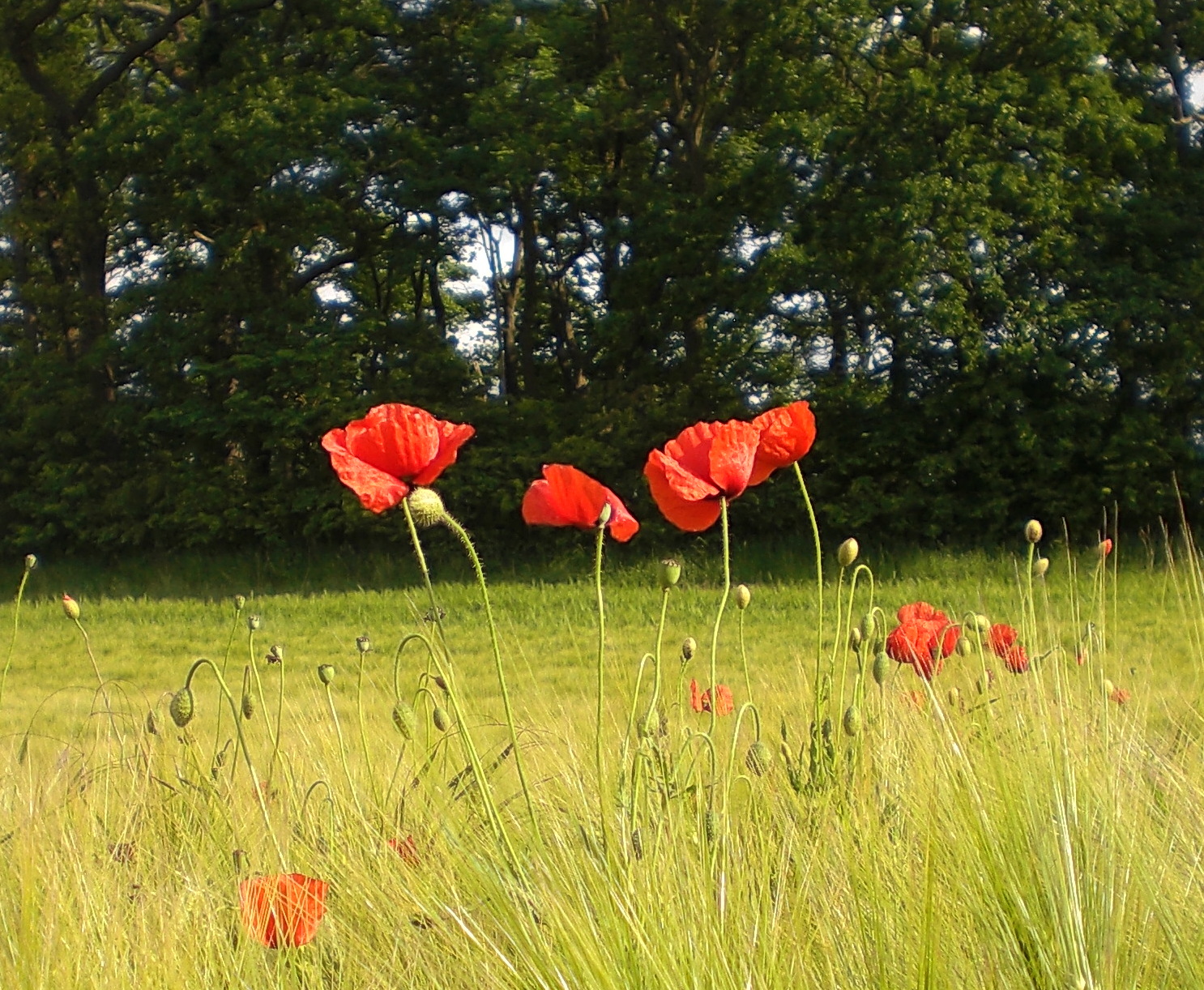
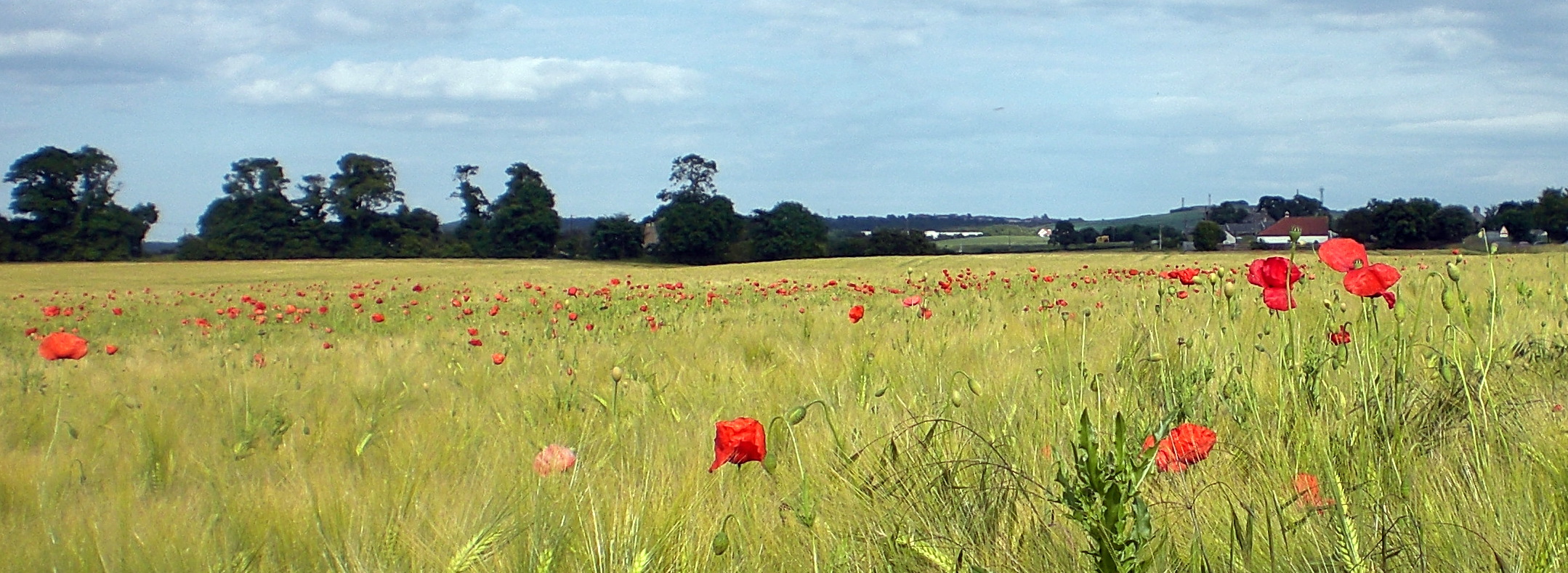
The poppies are in the field
But don’t ask me what that means
– Julian Cope

There is no
long march of progress
in this field.
No future
enlightenment
to strive for.
Only
this eternal play
of returning.
A cycle of flowering flame
smouldering
to ash
in the rooted earth
underneath my feet.
That we find a crystal or a poppy beautiful means that we are less alone, that we are more deeply inserted into existence than the course of a single life would lead us to believe.
John Berger – The White Bird

Homer mentions poppies in the Iliad, comparing the head of a dying warrior to that of a hanging poppy flower.
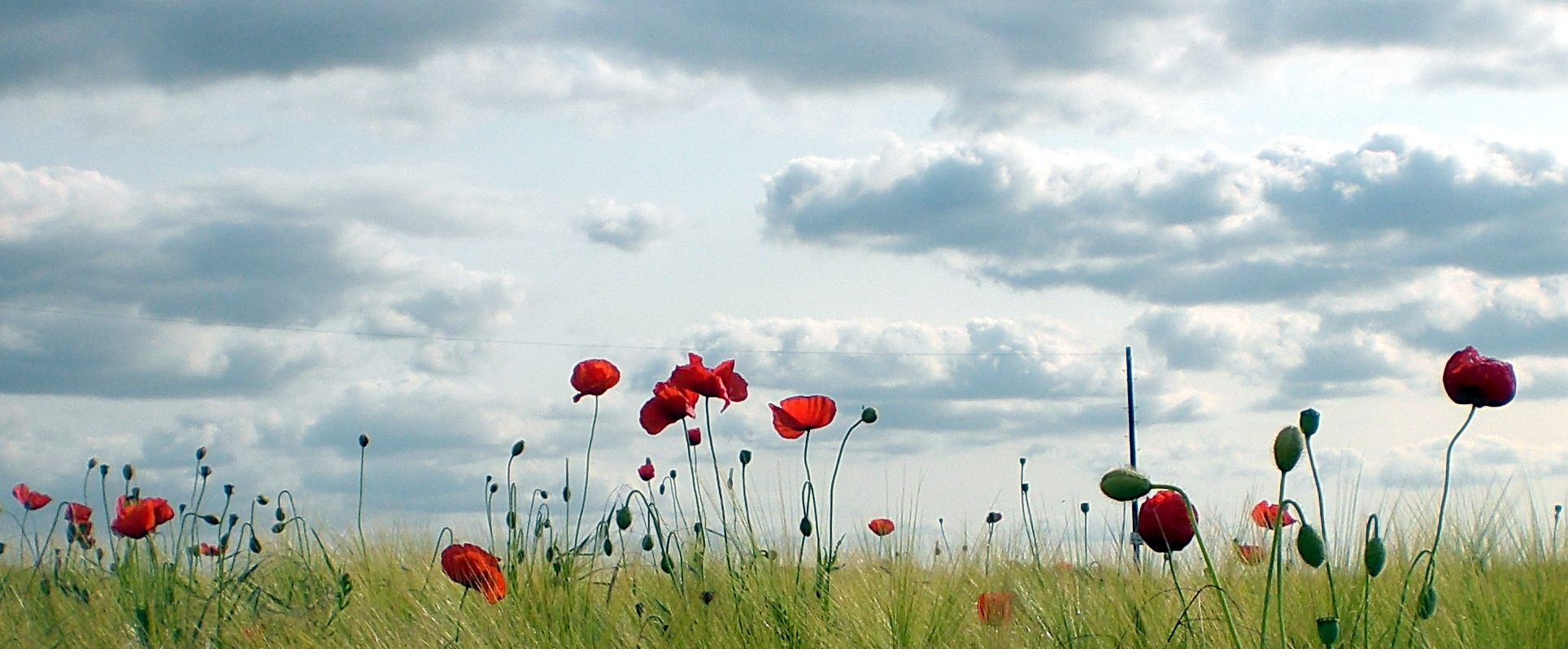
The god Morpheus made crowns out of the poppy flowers and gave them to those he wanted to put to sleep. Poppy flowers were used to decorate the temple.

The Greeks have a legend that explains how the poppy came to be called the Corn Poppy. The poppy was created by the god of sleep, Somnus. Ceres, the goddess of grain, was having difficulty falling asleep. She was exhausted from searching for her lost daughter; still she couldn’t fall asleep and had no energy to help the corn grow. Somnus cooked up a concoction and got her to take it and soon she was sleeping. Rested and relaxed Ceres could then turn her attention to the corn which began to grow. Ever since that time the people believed that poppies growing around cornfields ensure a bountiful harvest. And so was born the Corn Rose, or as we call it today the Corn Poppy.
Adapted from The Modern Herbal
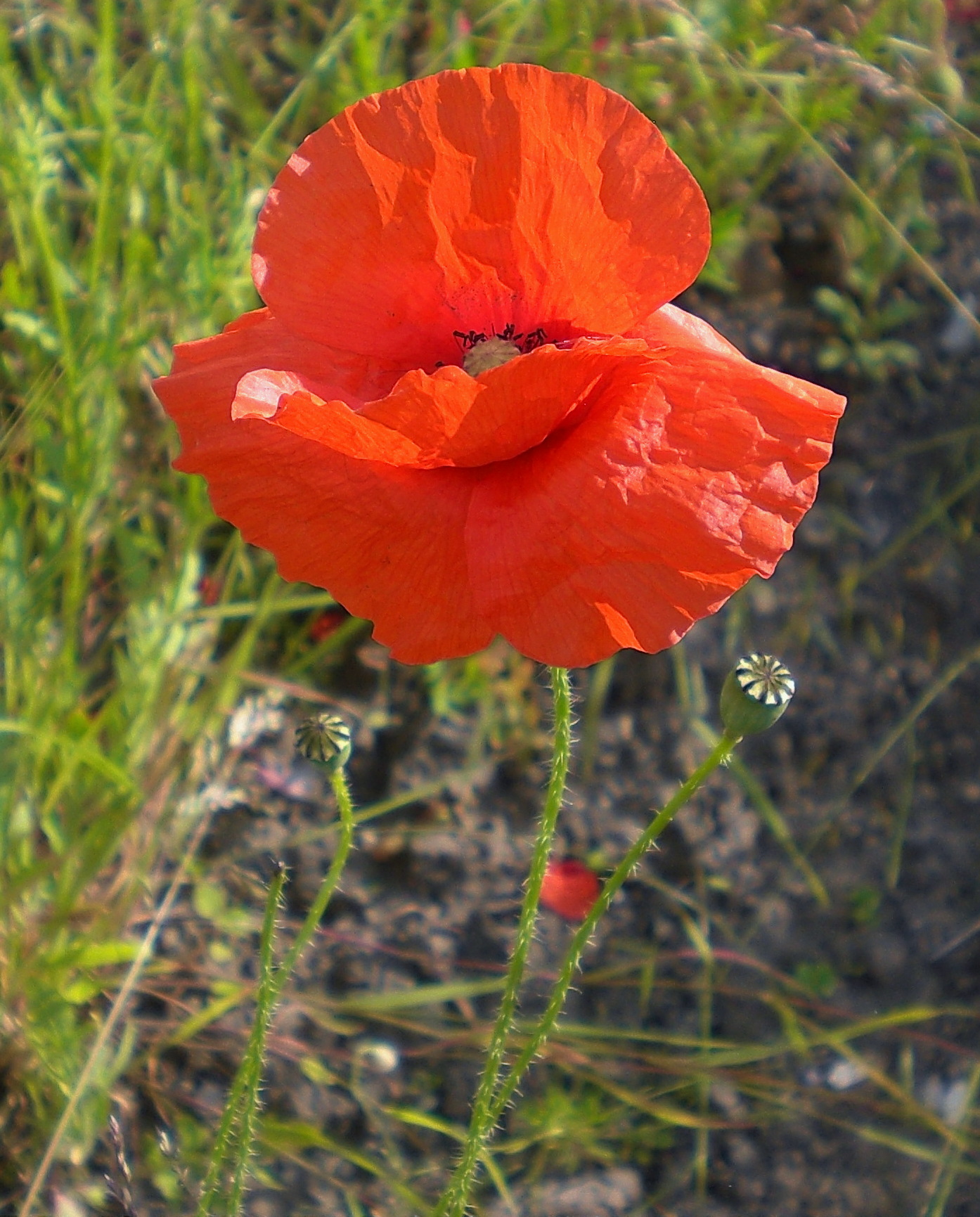
But the Poppy is painted glass; it never glows so brightly as when the sun shines through it. Wherever it is seen-against the light or with the light – always, it is a flame, and warms the wind like a blown ruby.
John Ruskin – Proserpina

Angel of History: Poppy and Memory by Anselm Kiefer.
A warplane fabricated of lead
wings laden with books of beaten lead sheets
stuffed with dried poppies.
Now Playing: Siouxsie and the Banshees – Poppy Day & The Teardrop Explodes – Poppies in the Field.
The book is so modern, it’s insane. Melville uses all these voices — historian, naturalist, botanist, lawyer, dreamer, obsessive librarian. His jump-cut style is truly contemporary.
Laurie Anderson on Moby Dick
November 1999
The métro pulls in to Bobigny Pablo-Picasso in the North Eastern suburbs of Paris. Walking out on to Boulevard Maurice Thorez and up Boulevard Lénine, it is apparent that this is a world apart from the Haussmanised elegance left behind around forty minutes ago. Breaking free of the tourist flocks on the Champs-Élysées, I had descended into the subterranean belly of Charles de Gaulle Etoile to meet the familiar smell of the chthonic underworld and the squeals, clangs and clatters of the metallic worms burrowing through the entrails of the city. Doors explode open at each métro stop to displace and gorge on the huddles and tentacles of drifting humans in transit.
i t
n i
t s
r n
a a
n r
s t
i n
t i
Up and down, to and from, the everyday life possibilities occurring directly overhead: Ternes > Courcelles > Monceau > Villiers > Rome > Place de Clichy > Blanche > Pigalle > Anvers > Barbès–Rochechouart > La Chapelle > Stalingrad >…
A change at Jaurès to pick up line 5 and soon it’s an ascent, emerging blinking into bright daylight and this different world. Here, the streets are named after artists and communist revolutionaries and the buildings remind me of the Scottish New Towns: stark, brutalist and functional. Consulting my notebook from the time I can see a handwritten scrawl:
Glenrothes!
The town where I grew up appears to have relocated to the Paris suburbs.


I was in Bobigny for the Festival d’Automne and heading to the MC93 Cultural Centre to see Laurie Anderson performing her ‘multi-media’ theatrical work Songs and Stories From Moby-Dick. Not a wholly accurate title as the piece is more of a meditation on Melville and what that book means to her. It was a fabulous experience to witness. The familiar Anderson performance tropes of expansive and existential themes, constructed instruments, minimal gestures and laconic storytelling were all brought to the fore. It certainly convinced me that there was more to this book than Ahab and his crew chasing a big fish. (ok mammal).

Then I read [Moby Dick] again. And it was a complete revelation. Encyclopedic in scope, the book moved through ideas about history, philosophy, science, religion, and the natural world towards Melville’s complex and dark conclusions about the meaning of life, fear, and obsession. Being a somewhat dark person myself, I fell in love with the idea that the mysterious thing you look for your whole life will eventually eat you alive… [1]
For Anderson, Americans of her century and Melville’s share certain unmistakable similarities: they are obsessive, technological, voluble and in search of the transcendental,” she writes in the show’s notes. It is this latter aspect — the meaning of life — which is the focus of “Songs and Stories,” as Anderson asks Americans today, as Melville did in his lifetime: “What do you do when you no longer believe in the things that have driven you? How do you go on?” [2]
Up until that day I had managed to avoid reading Moby Dick. Walking back to the metro, I decided to rectify that and subsequently did. A copy now resides in the ‘hallowed’ section of the FPC library and is never too far from reach. There was also the strange delight of discovering some references to Fife in the book and a recent encounter with a building in the West Fife village of Limekilns caused me to search these out once again.
≈≈≈≈≈≈≈≈
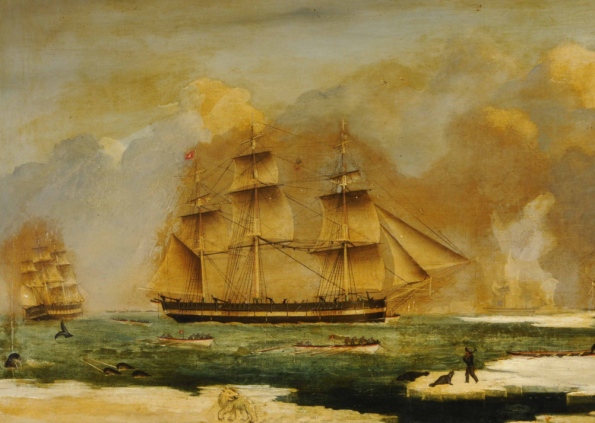
Unlike a merchant vessel going from
point A > > > > > > > > > > > > > > > > > > > > > > > > > > > to point B,
a whaling ship is prowling,
z i g z
a
g
g
i
n
g
looking for prey.
≈≈≈≈≈≈≈≈
May 2013
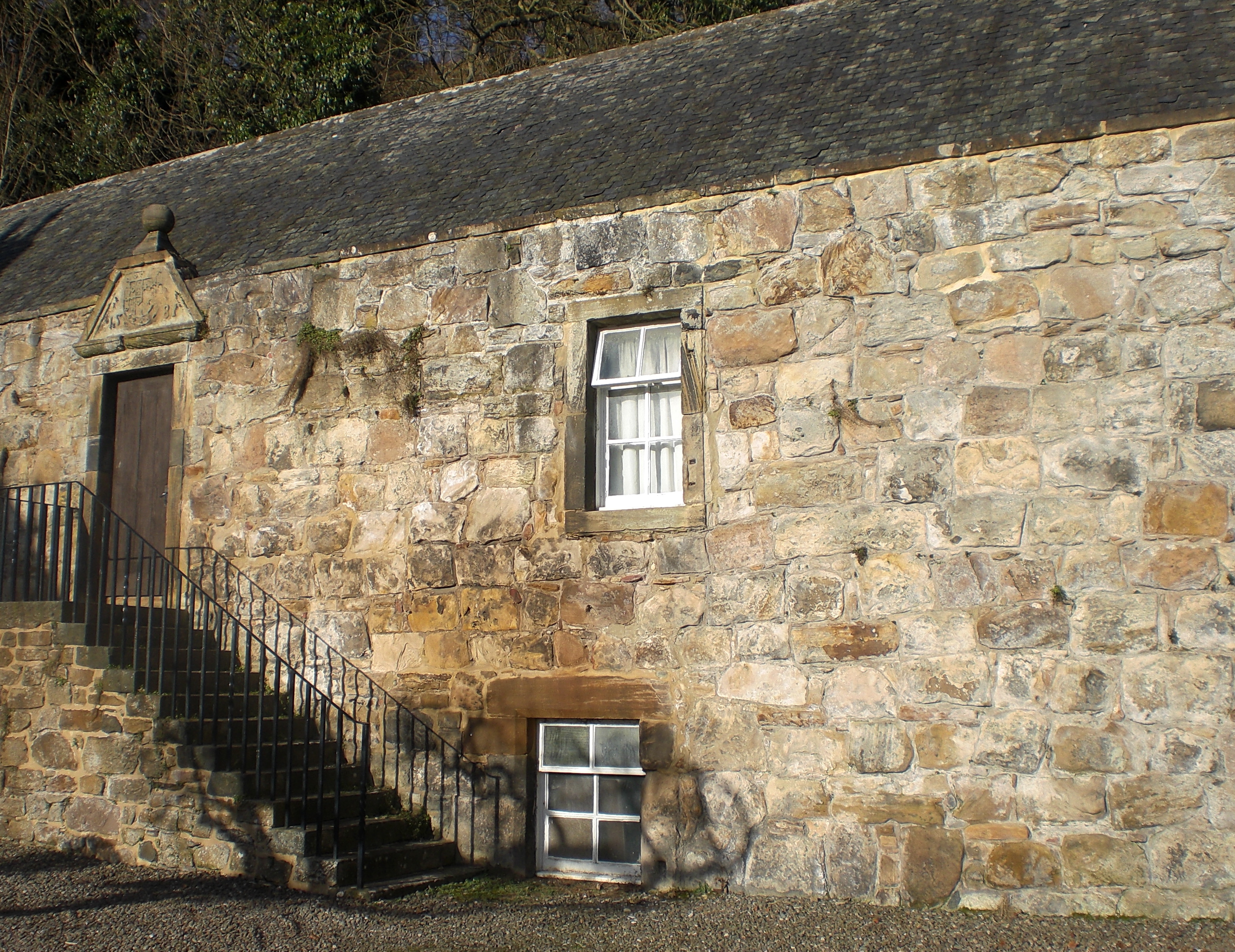
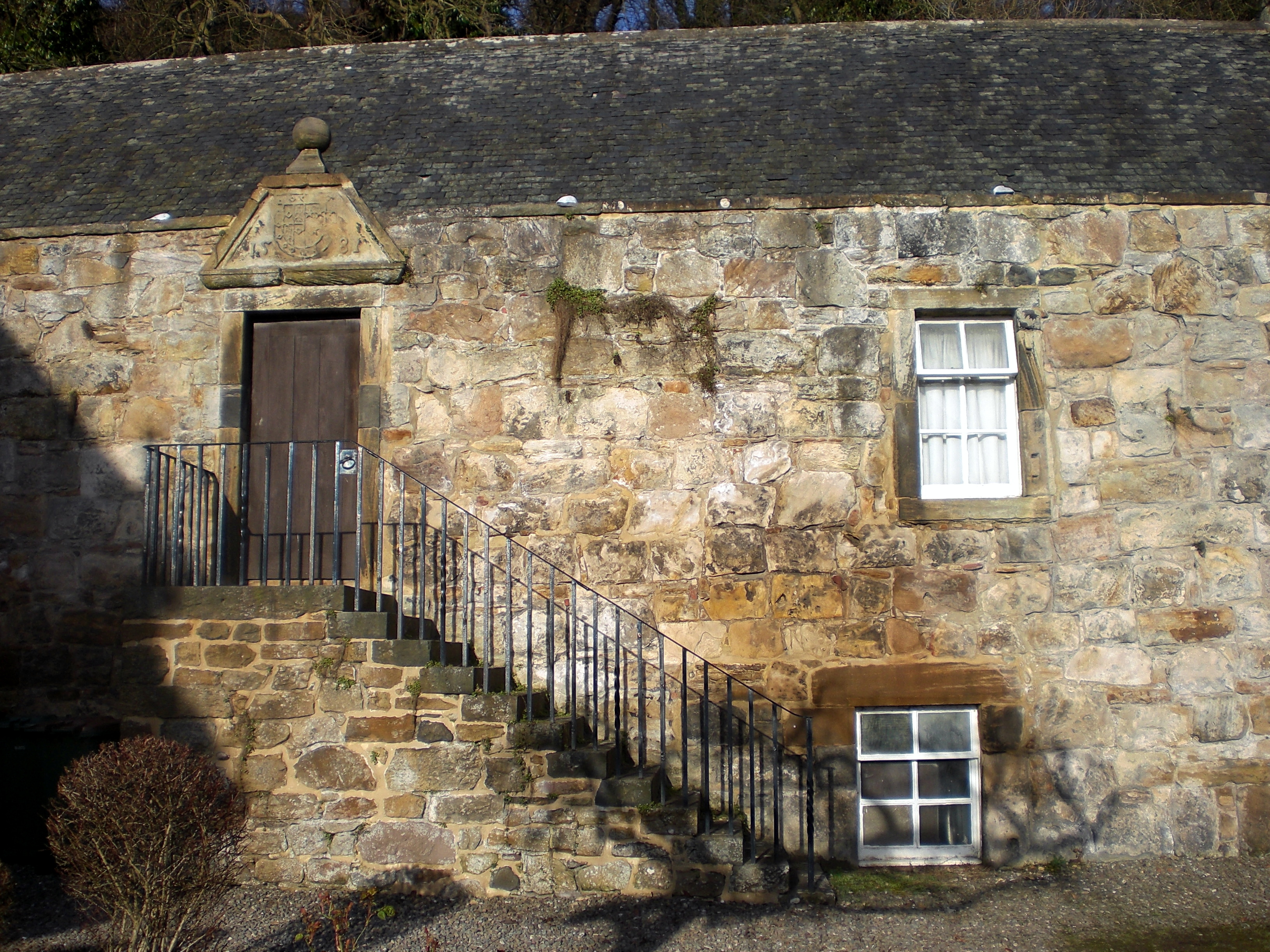
The King’s Cellar, as it is known today sits in the village of Limekilns just west of Rosyth. A more appropriate name would be “The Monk’s Cellar” as the original building is believed to have been built by and for the monks of Dunfermline Abbey. The earliest official record of the building dates back to 1362, although the monks owned the surrounding Gellet lands as early as 1089 and it is believed that they used the “Vout” or “Vault” for storing wine and as a clearing house for monastic supplies brought in by sea. It is not clear when the building became known as the King’s Cellar but is likely to be following the dissolution of the monasteries when it was no doubt appropriated by the Crown.
Today it almost appears as if the building is being sucked into the ground with the bottom windows almost at ground level.
High up in the trees
to the rear of the cellar
a buzzard (?)
silent sentinel
bearing witness
observing our every move
as has always been done

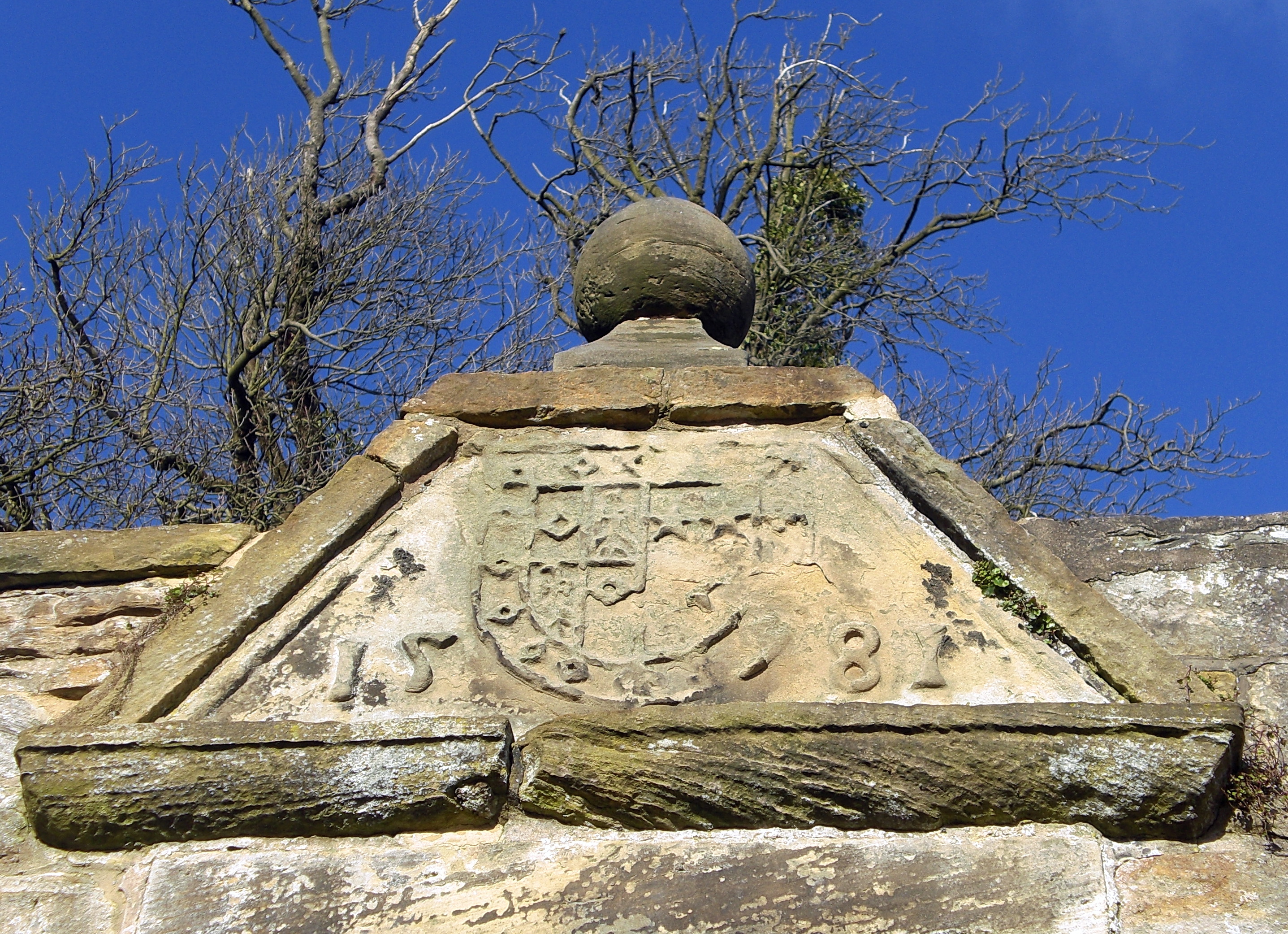
The stone above the door is misleading as it bears the arms of the Pitcairn family and the date, 1581. Pitcairn owned part of Limekilns and was the King’s private secretary and Commendator of Dunfermline. He lived in Limekilns and died in 1584, being buried in Dunfermline Abbey. The stone was transferred from his house.
Over the past 500 years the building has had parts of it rebuilt and adapted including the roof which was originally thatched. The building has been used as a wine cellar, storehouse, school, library, Episcopal Church in World War I, an air raid shelter in World War II. It is now used as a masonic lodge linked to the Bruce family of Robert the Bruce and the Elgin Marbles. A local belief exists that a secret underground tunnel connects the Cellar and the Palace at Dunfermline 4 miles away.
So what could be the connection of this building with Moby Dick?
Porpoises, indeed, are to this day considered fine eating. The meat is made into balls about the size of billiard balls, and being well seasoned and spiced might be taken for turtle-balls or veal balls. The old monks of Dunfermline were very fond of them. They had a great porpoise grant from the crown.
From Chapter 65 of Moby Dick – The Whale as a Dish.
Is it too fanciful to imagine that this is the building where the porpoises would be landed for the old monks of Dunfermline?
Melville also quotes from Sibbald’s Fife and Kinross in the first few pages of Moby Dick:
“Several whales have come in upon this coast (Fife). Anno 1652, one eighty feet in length of the whale-bone kind came in, which (as I was informed), besides a vast quantity of oil, did afford 500 weight of baleen. The jaws of it stand for a gate in the garden of Pitfirren.”
From Moby Dick EXTRACTS (Supplied by a Sub-Sub-Librarian)
The reference to Pitfirren certainly refers to this locality and is now known as Pitfirrane, located just North West of Limekilns. I decided to have a look at Sibbald’s original text which Melville used and discovered that the immediately preceding passage reads:
“There is a vast fond of small coal in the lands, which is carried to the port of Lyme Kills, belonging to Pitfirren […] it is well provided with coal-yards and cellars. Several whales have come in upon this coast…”
Had Melville used the longer quote from Sibbald, Limekilns (as spelt today) would be mentioned in the book with a reference to cellars, albeit not the King’s Cellar specifically.
There are a couple of other whaling references in Sibbald:
“The monks of Dunfermline had a grant from Malcolm IV of all the heads of a species of whale that should be caught in the Firth of Forth, (Scottwattre) but his Majesty reserved the most dainty bit to himself, viz. the tongue. It is curious to remark the revolutions of fashion in the article of eatables.”
(Sibbald p. 116)
“There are several whales which haunt the Firth of Forth, which have fins or horny plates in the upper jaw, and most of them have spouts in their head; some of these are above seventy foot long, and some less: one of these with horny plates was stranded near to Bruntisland, (sic) which had no spout, but two nostrils like these of a horse. These whales with horny plates differ in the form of their snout, and in the number and form of their fins”.
(Sibbald p. 117)
Two small paragraphs that offer a glimpse of a time passed, or has it? The privileges of royalty and the landed gentry arguably continue largely unabated and the non human species of the globe decline to the point of extinction at the hands of the human actor.
There are many voices of Melville present in Moby Dick but one of them is clearly alerting humankind to pay attention and consider the consequences of potential ecological catastrophes arising from the lavish plunder of the natural world.
June 2013
Whilst out research is not conclusive by any means, we place a small photograph of Melville under the stones in front of the King’s Cellar to secure the linkage in our own mind. When we pass this building in future, if nothing else, we will be reminded of Melville, Moby Dick and the King with a taste for cetacean tongues. And each time we see a copy of that encyclopedic text – Moby Dick – we will think of this small building in a West Fife village and of course Laurie Anderson who cast the line in our direction.
Now Playing: Laurie Anderson – Life on a String
[1] Horsley
[2] Grogan
References:
Norman Fotheringham, The Story of Limekilns (Charlestown: Charlestown Lime Heritage Trust, 1997).
Molly Grogan, ‘Laurie Anderson’s Songs and Stories’, Paris Voice, November 1999.
Carter B. Horsley, ‘Songs and Stories from Moby Dick’, The City Review, 5th October 1999.
Herman Melville, Moby Dick or The Whale (New York: Penguin Classics Edition, 1992).
Sir Robert Sibbald M. D., The History Ancient and Modern of the Sherrifdoms of Fife and Kinross (Cupar, Fife: R. Tullis, 1803).
Mike Zwerin, ‘Laurie Anderson Grapples with Melville’s Ghost’ The New York Times 2nd December 1999.

Cures for Whooping Cough:
(1) Passing the child under the belly of a donkey;
(2) Carrying the child until you meet a rider on a white (or a piebald) horse, and asking his advice: what he advises has to be done;
(3) Taking the child to a lime-kiln;
(4) Taking the child to a gas-works. During an outbreak of whooping-cough in 1891, the children of the man in charge of, and living at, a gas works did not take the complaint. As a matter of fact, the air in and near a gas-works contains pyridin, which acts as an antiseptic and a germicide;
(5) Treating the child with roasted mouse-dust;
(6) Getting bread and milk from a woman whose married surname was the same as her maiden one;
(7) Giving the patient a sudden start.
Breathing the smell of freshly dug earth was held to be good for whooping-cough, and also for those who had been poisoned with bad air. A hole was dug in the ground and the patient “breathed the air off it.” A “divot” of turf was sometimes, in the old days, cut and placed on the pillow.
How to get rid of Warts:
(1) Rubbing with a slug and impaling the slug on a thorn. As the slug decays the warts go;
(2) Rubbing with a piece of stolen meat, as the meat decays the warts go;
(3) Tying as many knots on a piece of string as there are warts, and burying the string. As the string decays the warts go;
(4) Take a piece of straw and cut it into as many pieces as there are warts, either bury them or strew them to the winds;
(5) Dip the warts into the water-tub where the smith cools the red-hot horse-shoes in the smithy;
(6) Dip the warts in pig’s blood when the pig is killed.
Piles are treated by:
(i) sitting over a pail containing smouldering burnt leather;
(2) the application of used axle-grease.
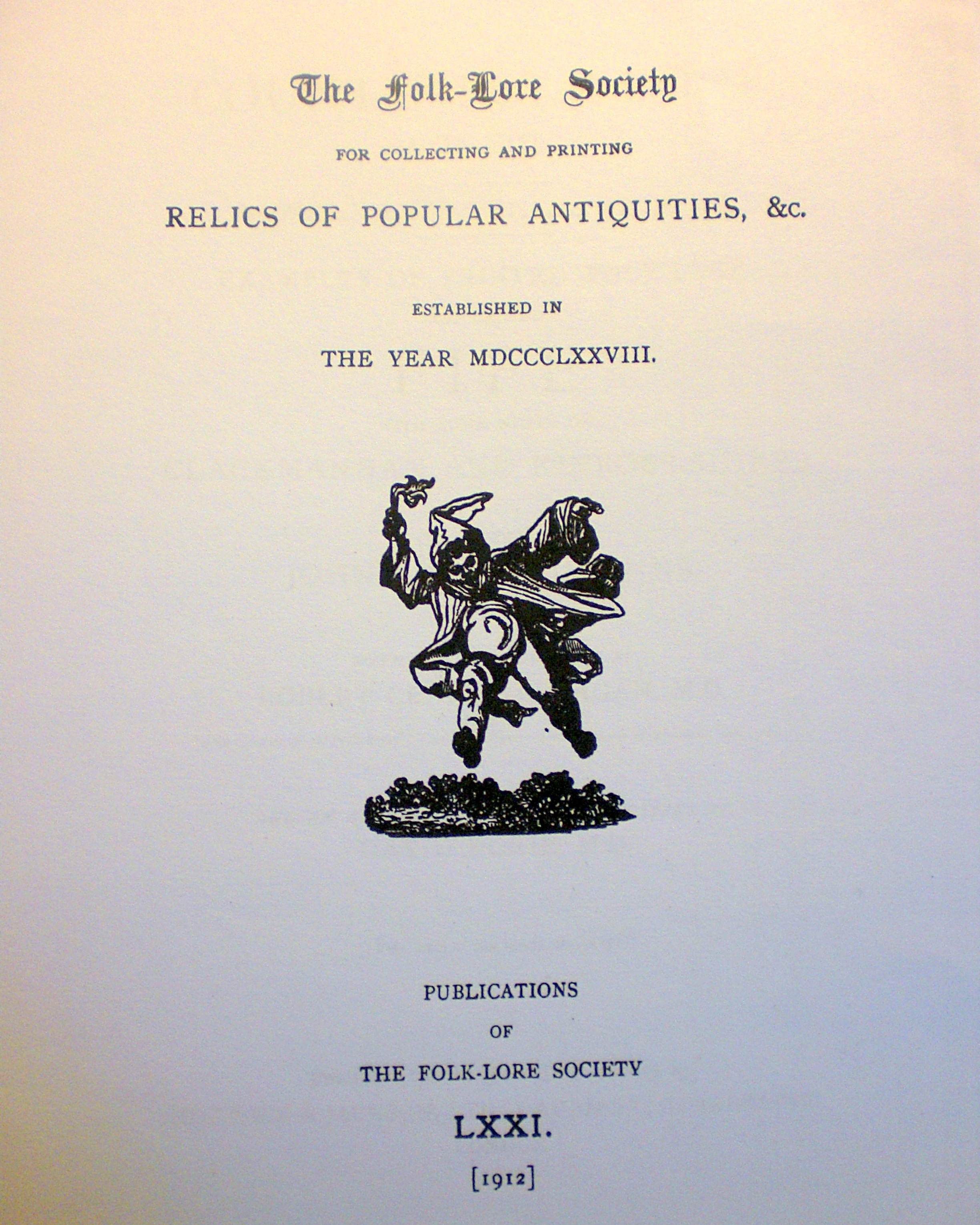
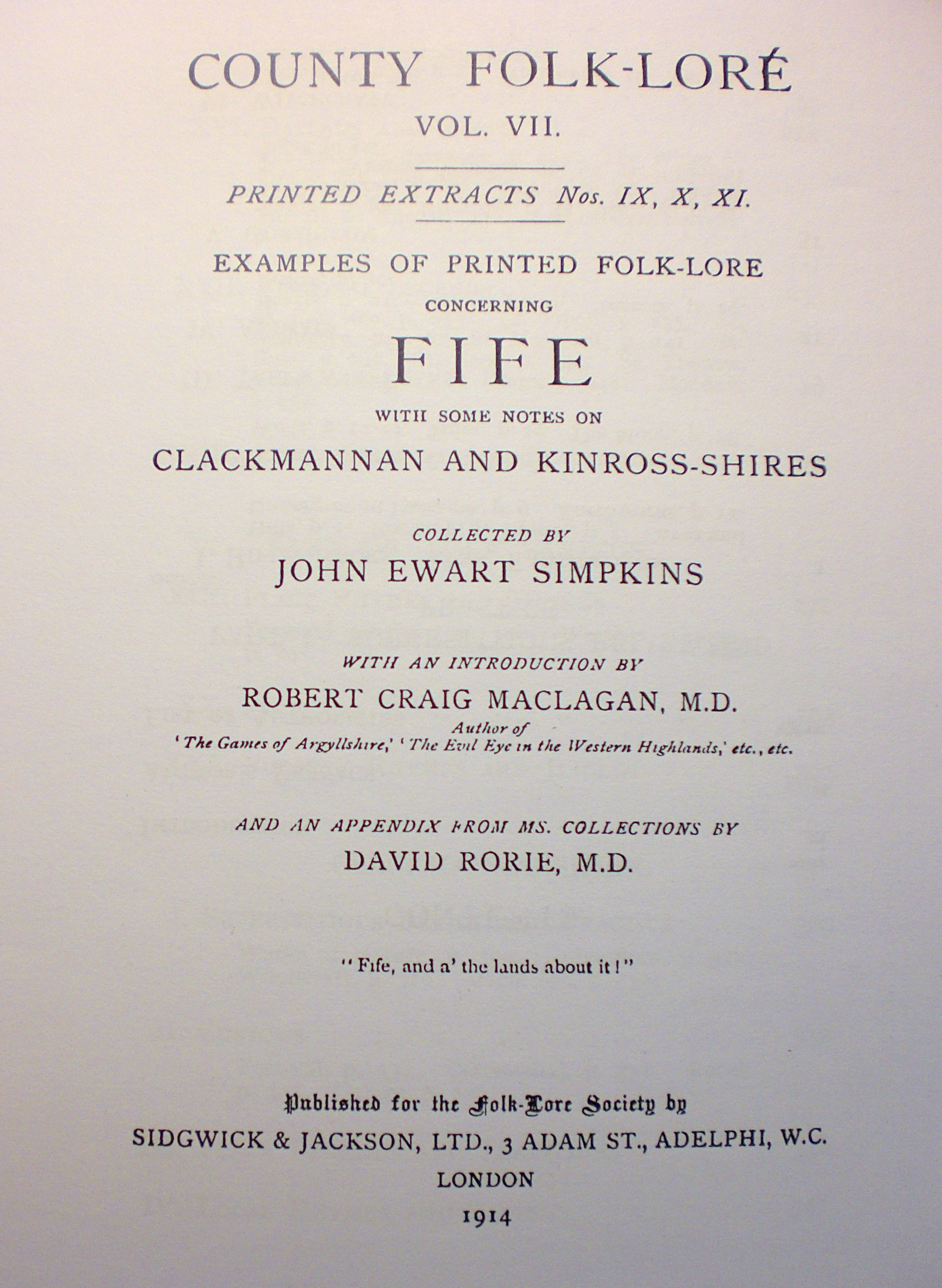
All of the above from County Folk-Lore Vol VII. Examples of Printed Folk-Lore concerning Fife with some notes on Clackmannan and Kinross-Shires collected by John Ewart Simpkins (London: Sidgwick & Jackson for the Folk-Lore Society, 1914).
Now Playing: The Owl Service and Alison O’Donnell – The Fabric of Folk
 Murdo Eason - From Hill to Sea