It often happens. A sensation at the edge of perception. A glint of light, a fluttering of movement. The feeling that some-thing has flitted across the threshold of the senses.
Something there – but not there.
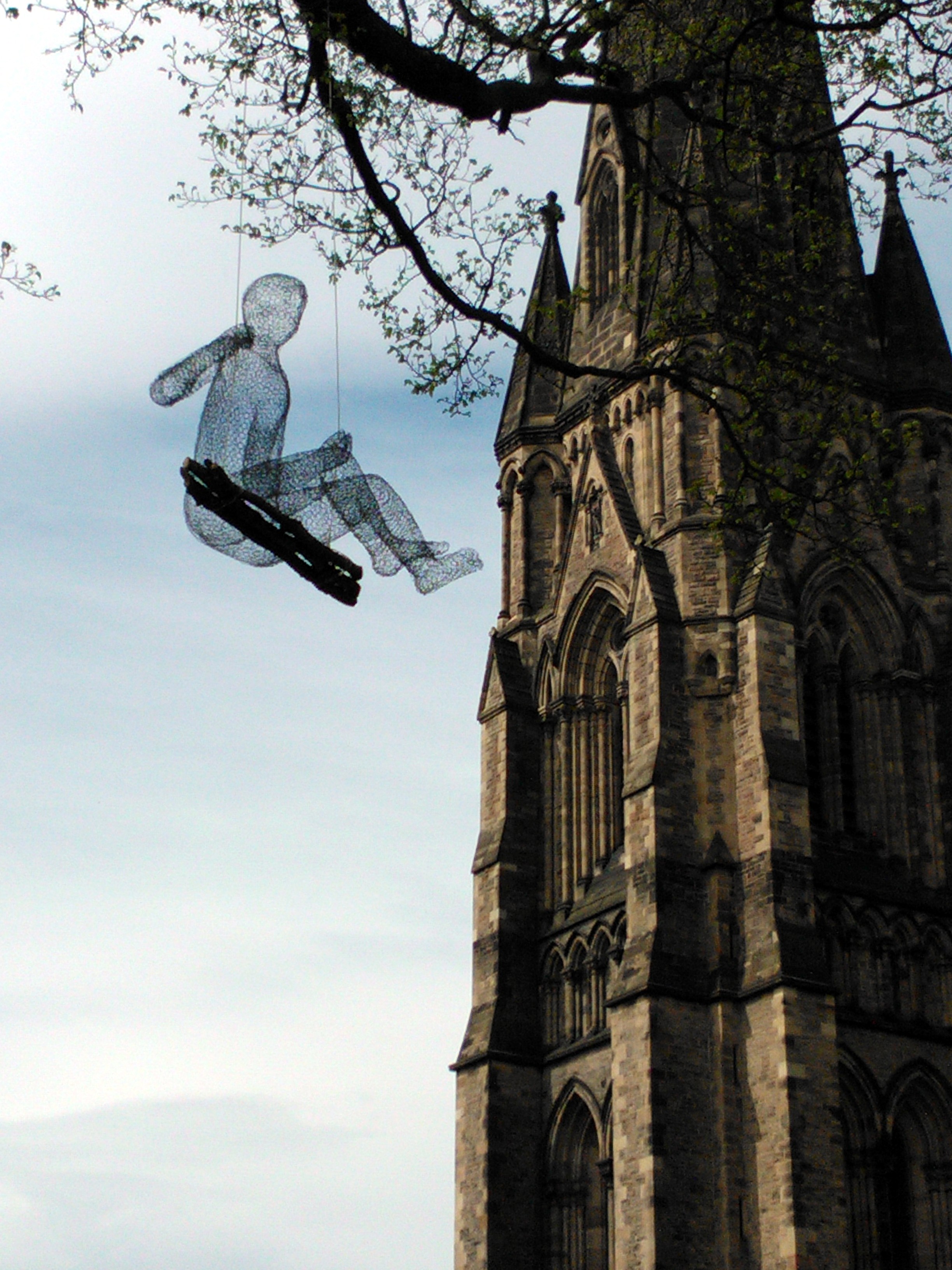
And so it was, walking along the tree-lined footpath by St Mary’s Cathedral in Edinburgh. Looking up, amongst the trees it was difficult to see it clearly at first. Something metallic, floating, but also appearing to be entwined amongst the branches, merged with the sky. It was only when a light breeze, initiated a gentle rocking movement that the suspended human form fully emerged.
From another angle, the drifting figure resembled a pencil drawing sketched on to the sky. A shaded human form floating against the blue canvas, slowly dissolving back into leaf and branch.
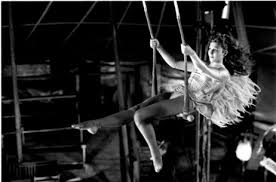
The gentle motion, both hypnotic and dreamlike conjured up thoughts of Solveig Dommartin’s character, Marion, in Wim Wenders’ Wings of Desire. A lonely trapeze artist, inhabiting the space between ground and sky, who entices an angel down to Earth.
.
Solveig Dommartin as Marion in Wings of Desire
.
I have subsequently read other people describe the St Mary’s work as “sinister, creepy or disturbing” and it certainly startles you when you first look up and see it. An experience that I’m sure would be intensified if you encountered it in the dark under moonlight. However, for me, the figure conjured up a sensation of something otherworldly, yet strangely familiar. A fluid form of substance and air, swinging silently, and like ‘Marion’ suspended between the earth and sky.
From a distance I watched for a short time as many people passed along the footpath. The vast majority did not look up or see the figure suspended amongst the leaves. Silently watching, waiting to transform the everyday city into an encounter with the uncanny.
≈
Now playing: Nick Cave and the Bad Seeds – The Carny
I have found out that the sculpture is a work called Spirit by Aliisa Hyslop, a Finnish/Scottish artist. Spirit is presently part of an exhibition at the Arusha Art Gallery.
The quotation from Rilke’s Duino Elegies are the last lines of the translation by David Young (New York: W.W. Norton & Company, 1978). Wim Wenders cites Duino Elegies as the initial inspiration for Wings of Desire.
a flower expresses itself by flowering, not by being labelled
Patrick Geddes
That blue
There – beyond the iris heads.
As if a grey tarpaulin
has been peeled back
across the eyeball of the sky.
.
Spring light, a different light.
.
Colours made strange,
as smears of white heat
dab at fold-gathered shadows.
.
The spooling thread of a blackbird’s raga, weaves through a chitter-chatter tapestry of blue tit and sparrow song as we lie under the flowers, observing a line of marching ants. A posse of advance troops, jolted into collective industry after winter’s hibernation. Out, once again, to prospect and survey the land.
Here. Now. All of us. Feeling the natural cycles turn.
Looking up to the sky from underneath the flowers.
An ant’s world view invoking vague memories of Land of the Giants, and of this place before the flowers arrived.
Across the road, jump the fence and head towards what turns out to be a picture frame.
Walking into the frame and down an avenue of young trees, we are lured by the vanishing point of reflecting silver.
.
Flocks of daffodils gather around the rotunda, a yellow flecked congregation. Heads nodding, as if worshipping the filigree forms of a newly descended alien god. Bringer of light and heat.
A turn into mature woodland and a network of tracks and paths. A sense of water running close-by but which we cannot see – yet. Tree animism.
.
You will have to move closer,
to hear,
the guttural whispers
of the tree maw
.
.
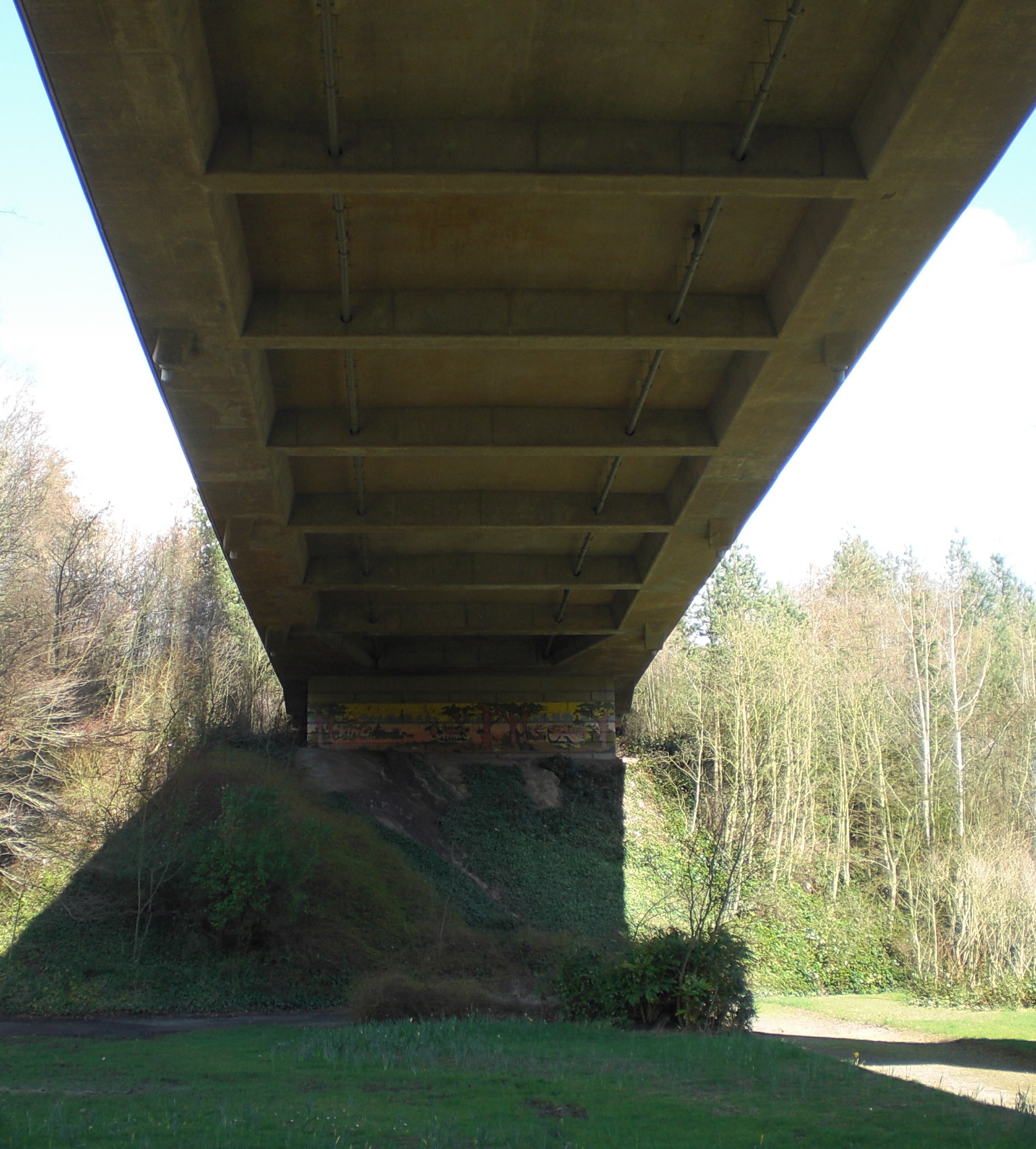
With spring sunshine, woodland, birdsong and the sense of water, this feels like ‘the countryside’ but it doesn’t take long to be reminded how close we are to the centre of this New Town. We look up at the polished concrete belly of transport entrails as the low thrum of traffic passes overhead.
In the last photograph, on the left hand side, you can see what turns out to be a rather incongruous plinth nestling under the concrete flyover. We discover that it is displaying a 16th century stone-carved coat of arms, of the Leslie family. The stone originally came from an old building in the nearby policies (grounds) of Leslie House, the ancestral home of the Earls of Rothes. It bears the griffins and motto of the Leslie family: Grip Fast
From Kinross, I came to Lessley, where I had a full view of the palace of Rothess, both inside and outside … The house is the glory of the place and indeed of the whole province of Fife.
Daniel Defoe, 1724
Sir Norman Leslie acquired Fythkil, the original name of this parish, around 1282 and renamed it after the Rothes family lands in Aberdeenshire. The Leslies became the Earls of Rothes in 1457. The earliest evidence of a house on this site is 1667 which was destroyed by fire in December 1763. A much smaller house was subsequently built, supposedly restoring the least damaged Western side.
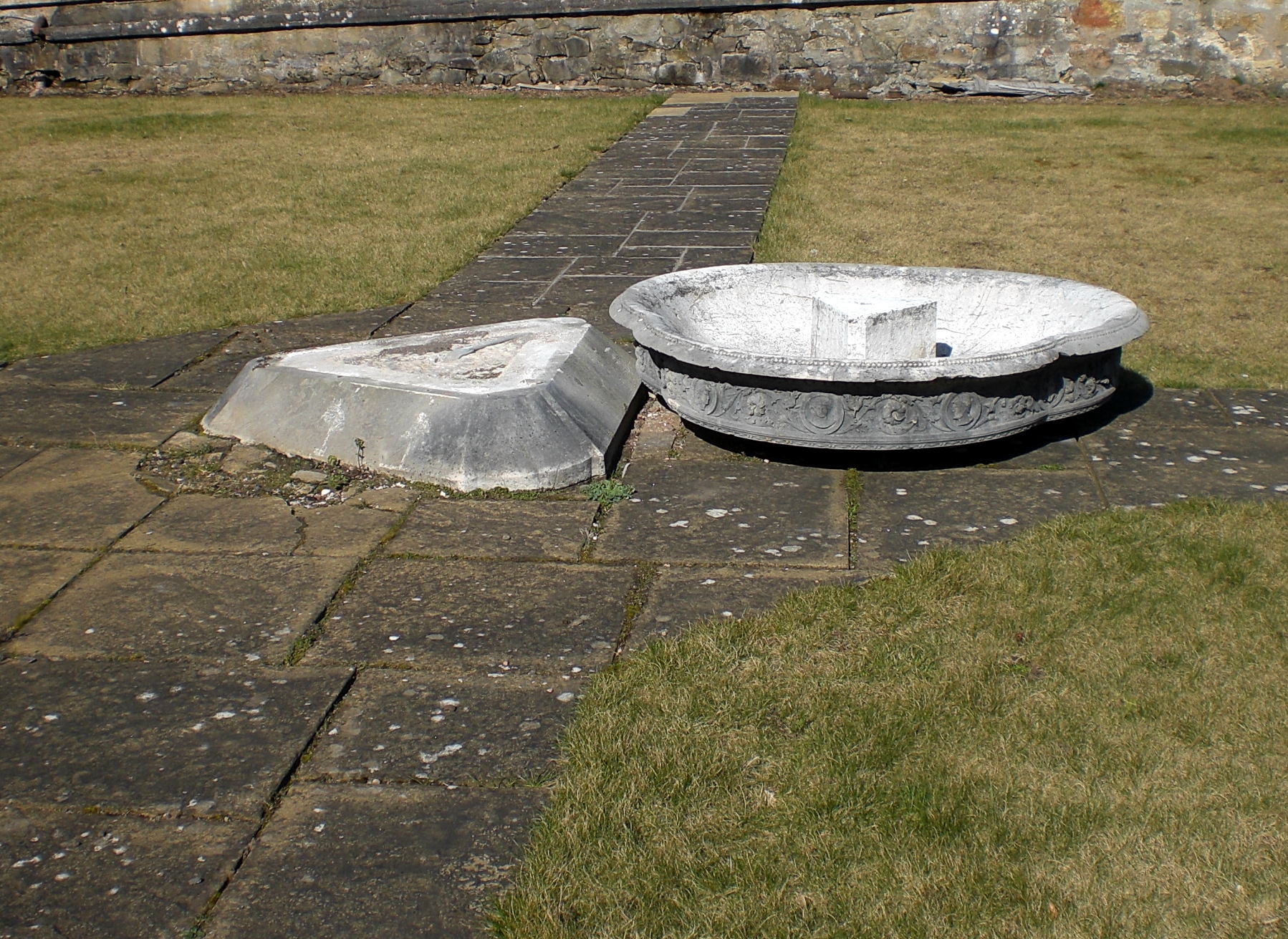
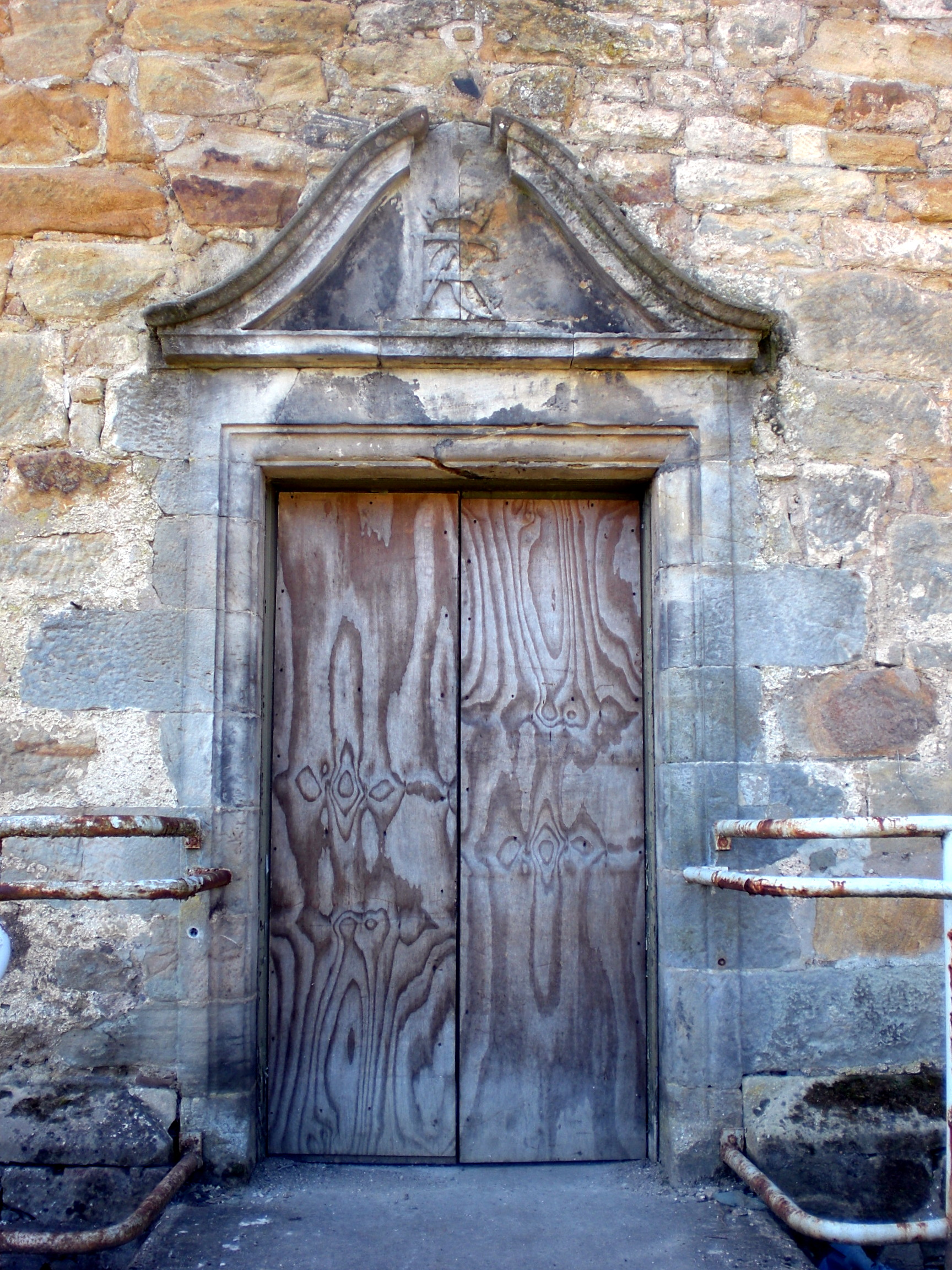
The Earls of Rothes, obviously didn’t Grip Fast enough as we soon alight on the ancestral home, now sealed off with iron spiked fencing. It’s not too difficult to find a way in to have a quick look. The building looks fairly structurally sound but is minus a roof and much of the interior, creating the effect of being able to see right through the facade to the other side.
One part of the fabric that has clearly survived intact is the flagpole which we can see through various windows:
.
In.
Spring light
No flags fly
≈
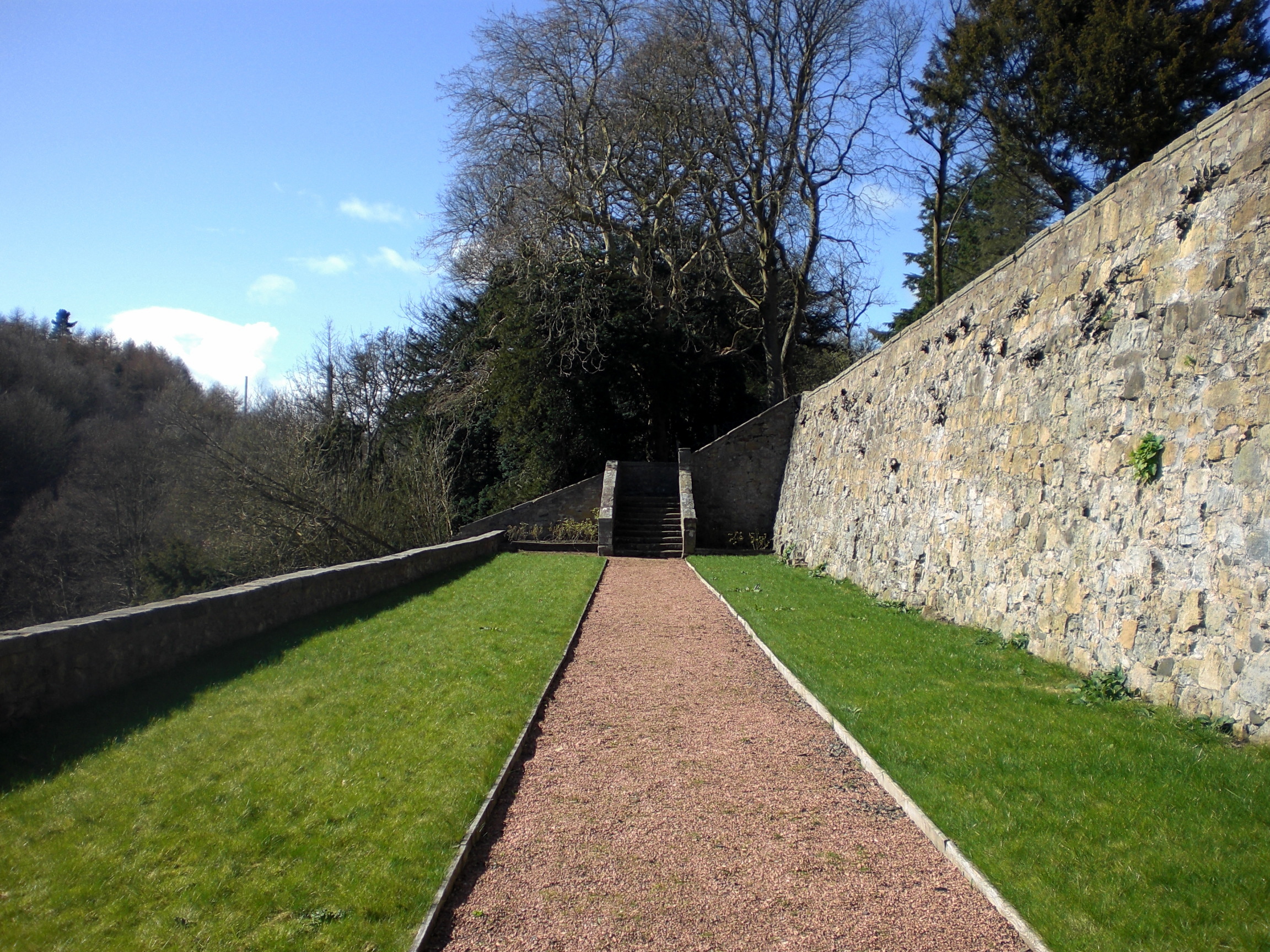
To the left of the house are a tiered set of south-facing terraces, although now denuded of any plant life other than the carefully manicured grass. Like the grounds in front of the house it shows that some care and maintenance is obviously still taking place …
.
Whilst, in the conservatory, the buddleia appears to be thriving:
.
We are just about to scale the wall that will take us to the front of the house when we hear voices on the other side and decide to exit the grounds quietly by the way we came in.
We subsequently learn that the house had been acquired by Sir Robert Spencer Nairn in 1919 who, supposedly, as he saw the advancing development of the New Town, gifted it to the Church of Scotland in 1952 for use as an Eventide Home. After falling into disuse, the house was sold for property development in 2005. Little appears to have happened until December 2009 when an unexplained ‘raging inferno’ reduced the property to its present state.
(c) Mike Brailsford
≈
We head down towards the River Leven, thinking of its flowing waters coursing through the Fife landscape from Loch Leven near Kinross all the way to joining the Firth of Forth at Leven. What memory does this water hold? Of powering linen mills and the local paper mills of Tullis Russell and Smith Anderson. Of sustaining the tadpoles and sticklebacks in the pond where we used to peer into the depths searching for those tiny flickering tails. The webbed feet of the white swans gliding through the water today.
Before heading down to the riverside, we stop to listen to the bridge. The wind plucked treble of the harp like strings:
.
… and the deep base drones of the underside sound box. We expect the huge columnar legs to start lumbering forward at any time:
.
.
As always, the eaves of the bridge have been tagged.
Power and capital, enabled The Leslie family to appropriate, name and tag these lands. Our graffiti artist(s) tag is of a more existentialist nature. “I am here, in this place”.
.
.
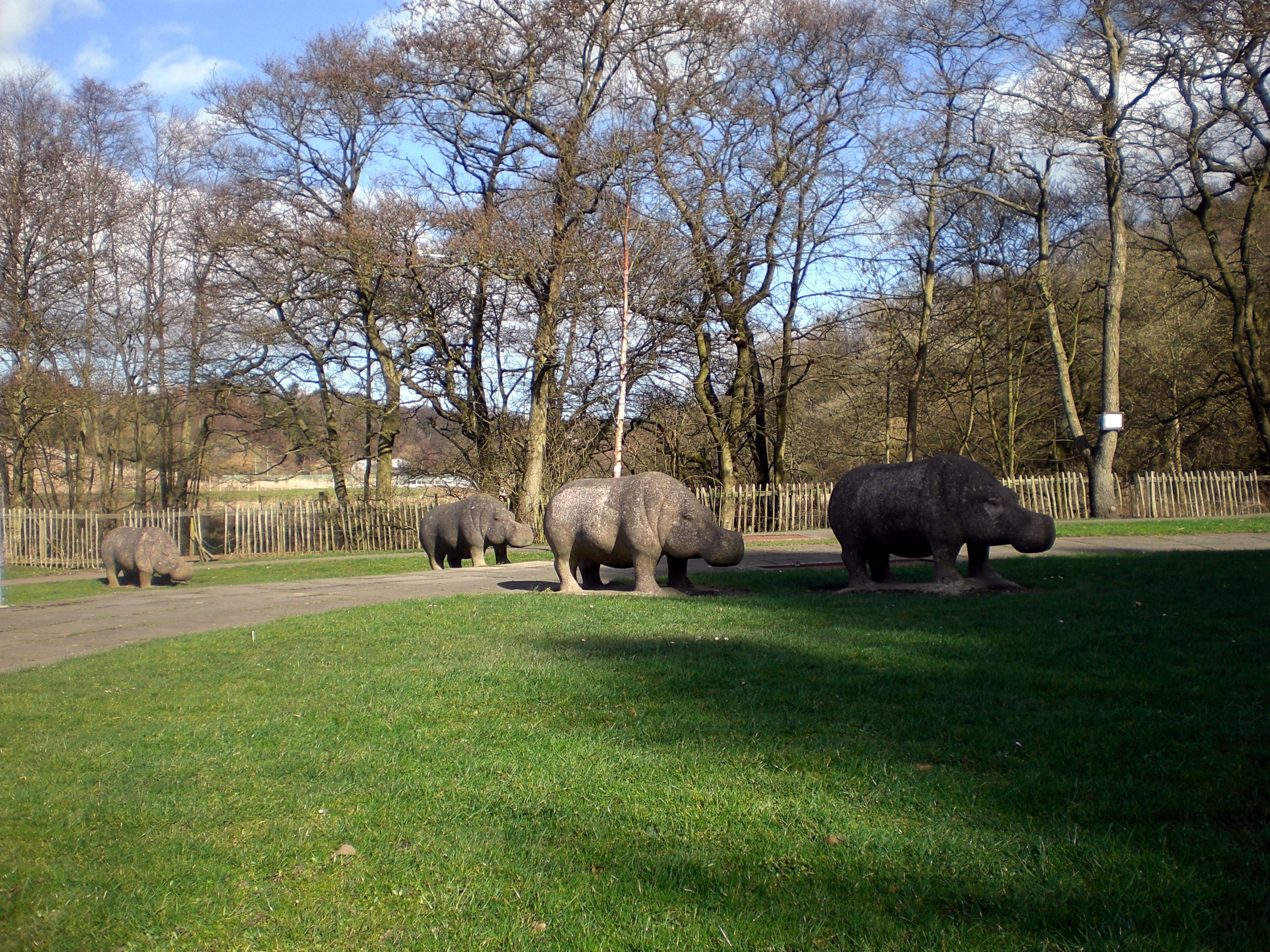
Following the course of the river, this world becomes a little stranger when we encounter the hippos traversing their water hole:
.
.
A familiar encounter in this town. If Proust had his madeleine to kick him into paroxysms of involuntary memory, then the image of a hippo should do the trick for anyone who grew up in this town.
.
(c) Douglas A McIntosh
It’s not just the hippos. It’s also the dinosaurs, henges, flying saucers, pipe tunnels, giant hands, the toadstools and other curios which all ‘do something’ to social space for those who stumble across them.
Two bin bags murmur in agreement as they huddle in the shade, underneath the clatter of skateboards, waiting for the sun to come around.
.
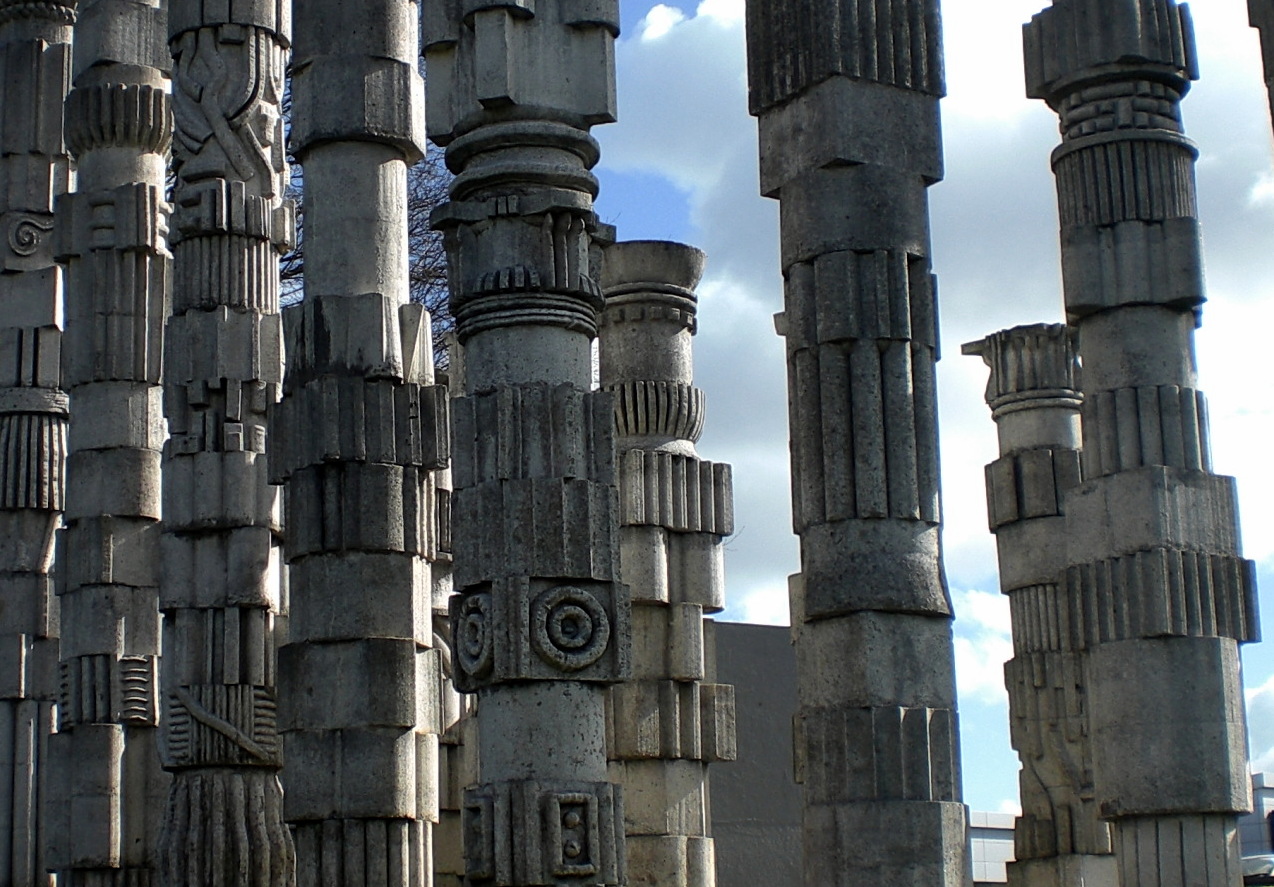
Ascending the hill to the town centre, we are reminded that every place needs its temples
.
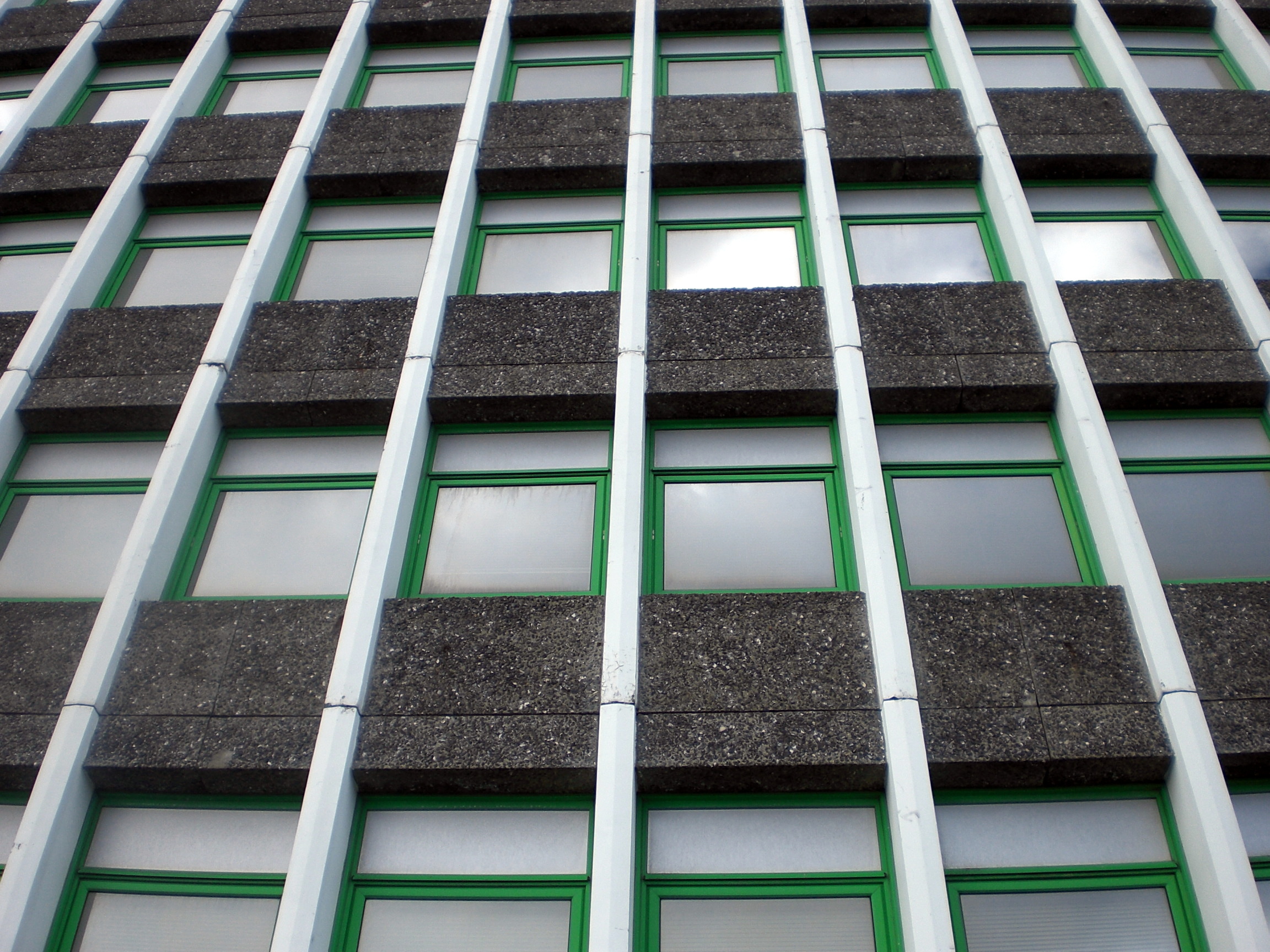
And what would any New Town be without its Brutalist municipal buildings? Guaranteed to be derided as ‘plooks’, ‘carbuncles’ and in this case, contributing to its award as ‘the most dismal town in Britain 2009’.
Well, perhaps it’s all a matter of perspective and the warm fingers of spring weather but the buildings are looking far from dismal today.
Tactile, concrete carpets, frame frozen flight and light.
.
Frozen flight – open sky
The original Brutalist grey cube of Fife House with its newer postmodern counterpart. It has to be a grandfather clock?
Green detailing can soften even the most austere facade:
.
Whilst brutalist windows, can dream of trees and sky
.
.T
Nearby, North facing Rothesay house hasn’t weathered quite as well.
.
After a walk back down to the public park, with vistas to the Paps of Fife we almost return to our starting point. Layers of place intersecting with past present and future in the returning bright light of Spring.
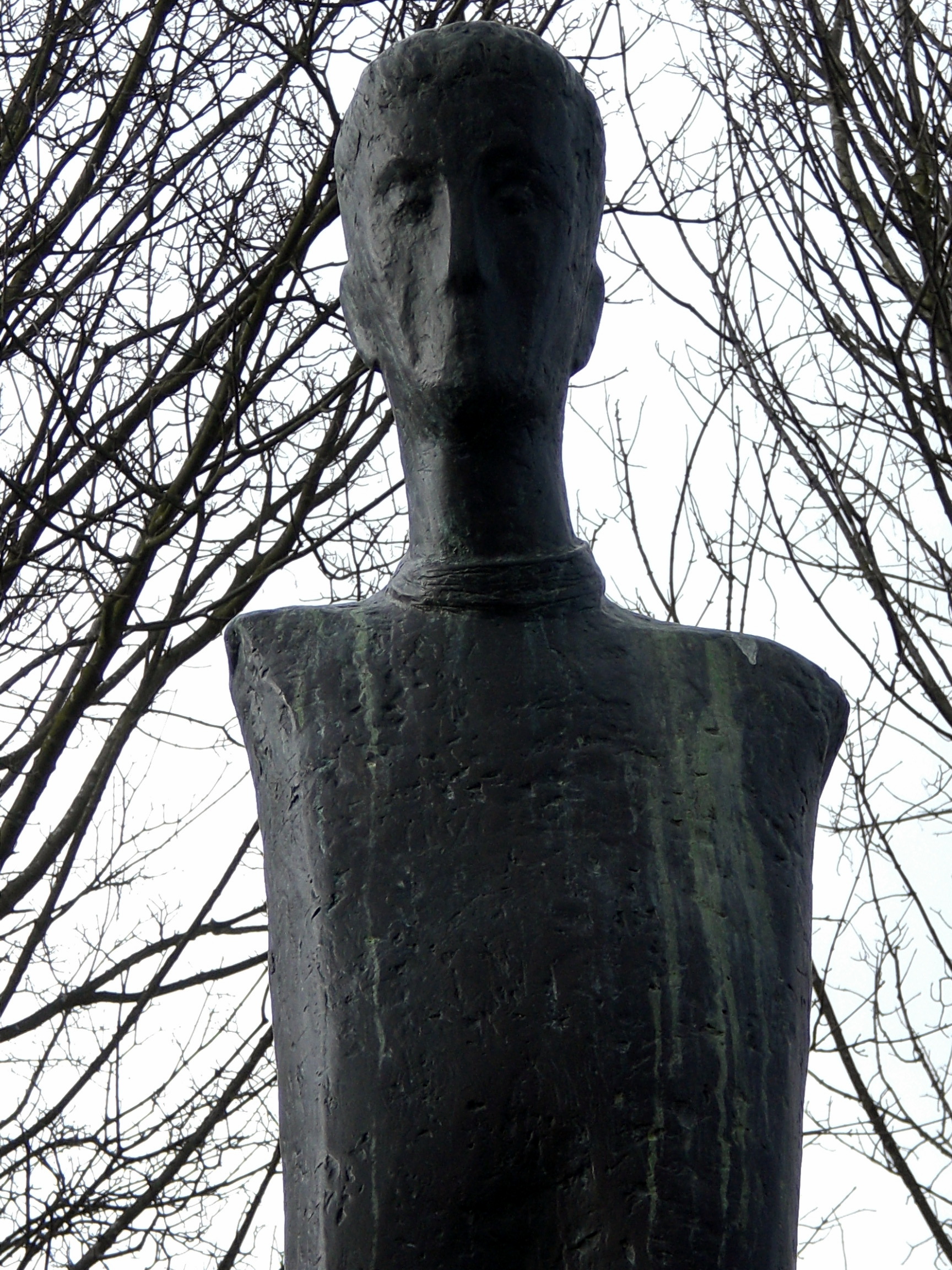
We nod to the defenceless one as we pass.
.
..
Comforted that the Good Samaritan is looking on from not too far away
.
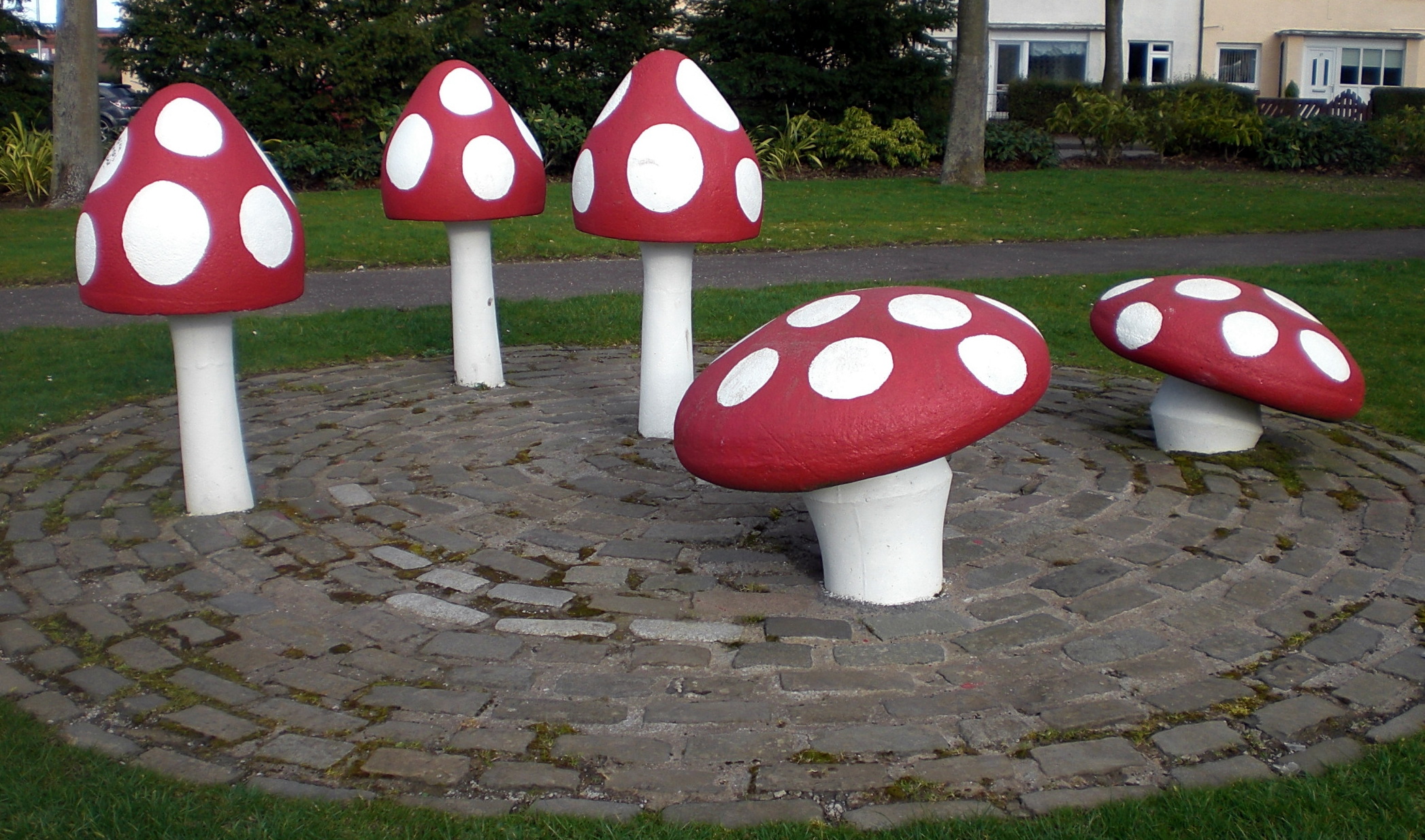
And, as we leave town, how can we not stop to take delight in the toadstools. Vibrant and colourful, they look as if they have just (re)emerged, stretching into the returning Spring light.
Their months quietly growing in winter darkness appear to have passed.
≈
Now Playing: Motorpsycho – Behind the Sun.
Note:
The New Town is Glenrothes in Fife. Planned in the late 1940s as one of Scotland’s first post-second world war new towns, its original purpose was to house miners who were to work at a newly established state-of the-art coal mine, the Rothes Colliery. The mine never opened commercially and the town subsequently became an important part of Scotland’s emerging electronics industry ‘Silicon Glen’. It is now the administrative capital of Fife.
Glenrothes was the first town in the UK to appoint a town artist in 1968. This is now recognised as playing a significant role, both in a Scottish and in an international context, in helping to create the idea of art being a key factor in creating a sense of place. Two town artists, David Harding (1968–78) and Malcolm Roberston (1978–91), were employed supported by a number of assistants, including Stan Bonnar who created the hippos. A large variety of artworks and sculptures were created and are scattered throughout the town, some of which are shown above. David Harding went on to found the Department of Environmental Art at the Glasgow School of Art whose alumni include: Douglas Gordon, David Shrigley, Nathan Coley, Christine Borland and Martin Boyce.
References:
Daniel Defoe, (1724), A Tour Through the Whole Islands of Great Britain, (New Haven, Yale University Press, 1991 edition), (p.346).
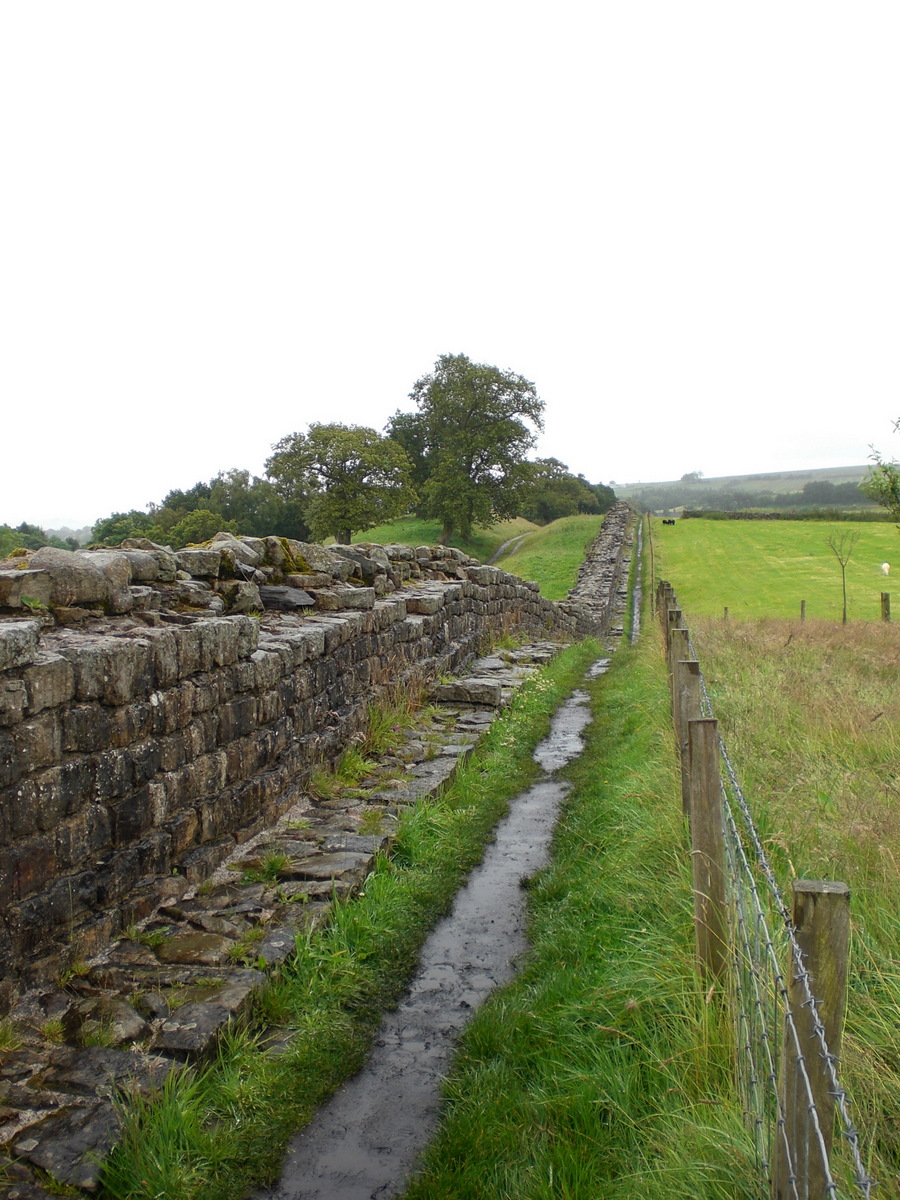
Hadrian’s WallThe Berlin WallLimekilns, Danger, Keep Out
≈ ≈
.
Sauchiehall Street Glasgow
.
.
– Where is the coldness of the sun?
.
.
.
.
– What is the gravity of the moon?
.
at Mogwai play Zidane, Broomielaw, GlasgowRosyth Station, Car Park
.
.
.
.
.
.
.
≈
– Where is the boundary of night?
.
Under Regent Bridge, Calton Road, Edinburgh (Callum Innes installation).
≈ ≈
.
.
Where is the future of freedom?
.
Stirling Jail car park mural. Detail from Freedom Versions v.1
≈
– What is the distance of love?
.
Berlin Wall, late 1980s. Looking towards the East
.
≈ ≈ ≈
Opening quote from Clarice Lispector’s The Hour of the Star.
The photos of the Berlin Wall are from an inter-railing trip in the late 1980s. It was a coincidence to rediscover them in an old shoebox on the day that it was announced Lou Reed had died. I can still vividly recall a lurid, orange BASF cassette being pressed into my hand in the school playground. “Listen to this!” It was a recording of Rock n Roll Animal. Things changed.
I can still remember a number of the cassettes that travelled in the rucksack on that inter-railing adventure. Berlin was certainly one of them.
Recently, we have been visiting the area around the coastal town of Leven. A fairly long piece is slowly coming to fruition. Until then, here is a short post.
≈
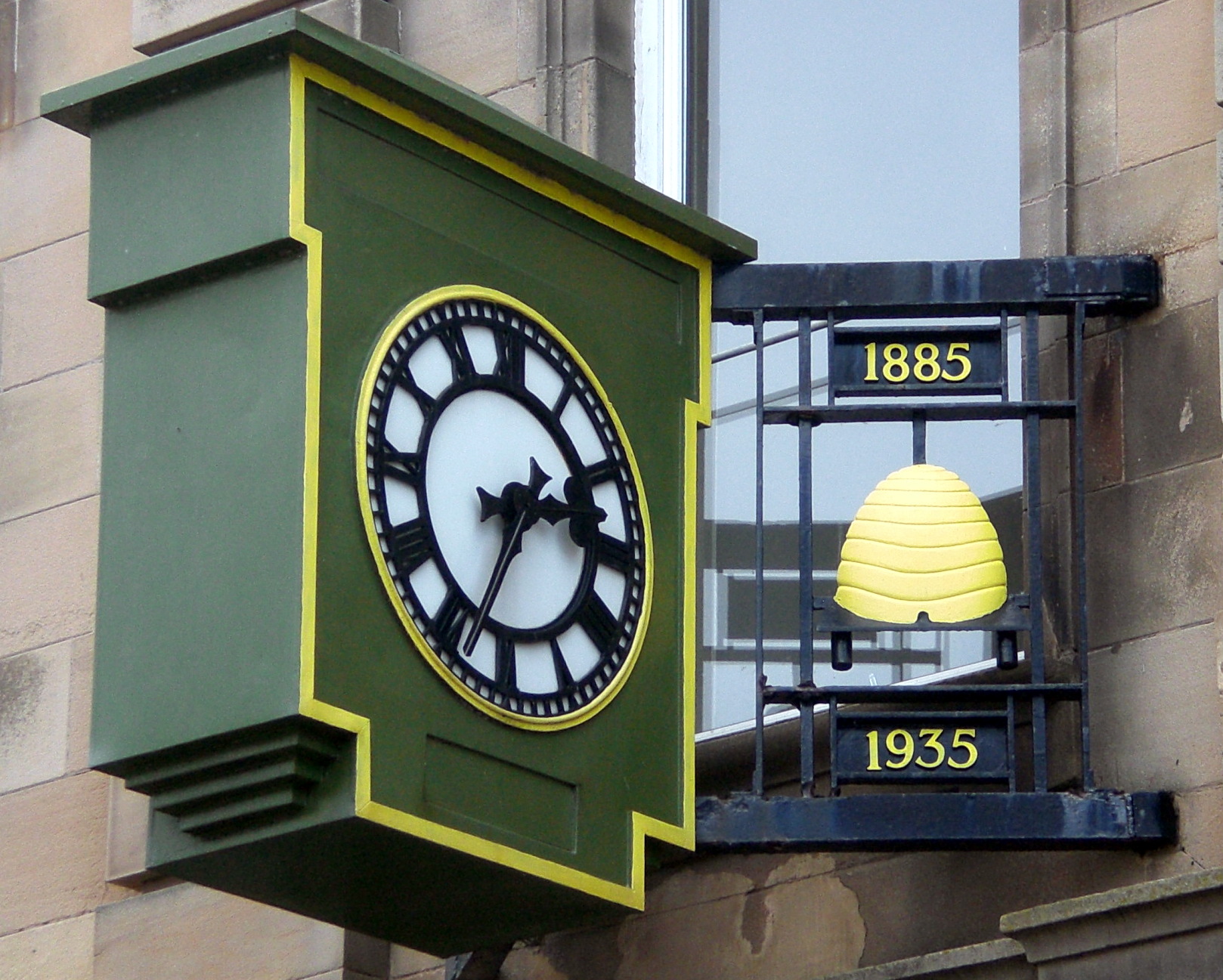
Walk up Durie Street in Leven and listen out for the bees singing. Perhaps, the sound of the skep is more of a muted murmur now, but raise your eyes from street level and you may hear them.
The first hive is above what is now the town library. Our industrious and co-operative little bees swarm around their skep as they have done since 1887.
This symbolic image on a former building of the Leven Reform Co-operative Society reminds us of the Rochdale Pioneers. In 1844, with an economy in decline, wage reductions and strikes, a group of unemployed weavers met at the Socialist Institute to debate the philosophies of Robert Owen and Chartism. Whilst there are many examples of co-operative societies existing before 1844, The Rochdale Pioneers formulated a set of guiding principles, upon which, an expansive version of co-operation was founded. Looking at these principles today, it is notable how well these stand up as a set of co-operative ideals:
1. Democratic control, one member one vote and equality of the sexes.
2. Open membership.
3. A fixed rate of interest payable on investment.
4. Pure, unadulterated goods with full weights and measures given.
5. No credit.
6. Profits to be divided pro-rata on the amount of purchase made (the dividend or divi).
7. A fixed percentage of profits to be devoted to educational purposes.
8. Political and religious neutrality.
The Rochdale Society of Equitable Pioneers raised money from 28 original subscribers to establish a shop at 31 Toad Lane, Rochdale which was equipped and stocked with basic goods and produce. The Pioneers chose the beehive as a symbol of co-operation and unity and the original stone skep stood on top of the, now demolished, central store at 45-51 Toad Lane, Rochdale. The skep now sits preserved and incorporated into the outside wall of the Rochdale Pioneers museum.
(c) The Rochdale Pioneers Museum
Within ten years of the Pioneers founding efforts the co-operative movement in Britain had grown to nearly 1,000 co-operatives with many adopting the symbol of the beehive.
≈
We are back in Leven. Follow the echoes and walk further up Durie Street. On the clock of the former Co-operative department store, a golden skep, clotting the fingers of weak, ebbing sunlight:
Stand. Raise your head and look to the sky. Follow the thread of sibilant hum to the very top of the building. A change of tone – to low dissonant drone. A sign that the bees are, once again, getting ready to swarm:
Underneath the skep
intimations of new life
still sounding – echoes
of the Pioneers.
≈
Now Playing: Earth – The Bees Made Honey In The Lion’s Skull
Watch a street and you become it. You construct, if so inclined, a narrative: but you are also part of the witnessed event. You shape what you see.
Iain Sinclair, Edge of the Orison
In Glasgow. Uncharacteristic, sweltering heat and a half hour to spare before the gig. Just enough time for a quick wander, to stretch the legs without expectation. A phone camera will have to suffice if anything should reveal itself.
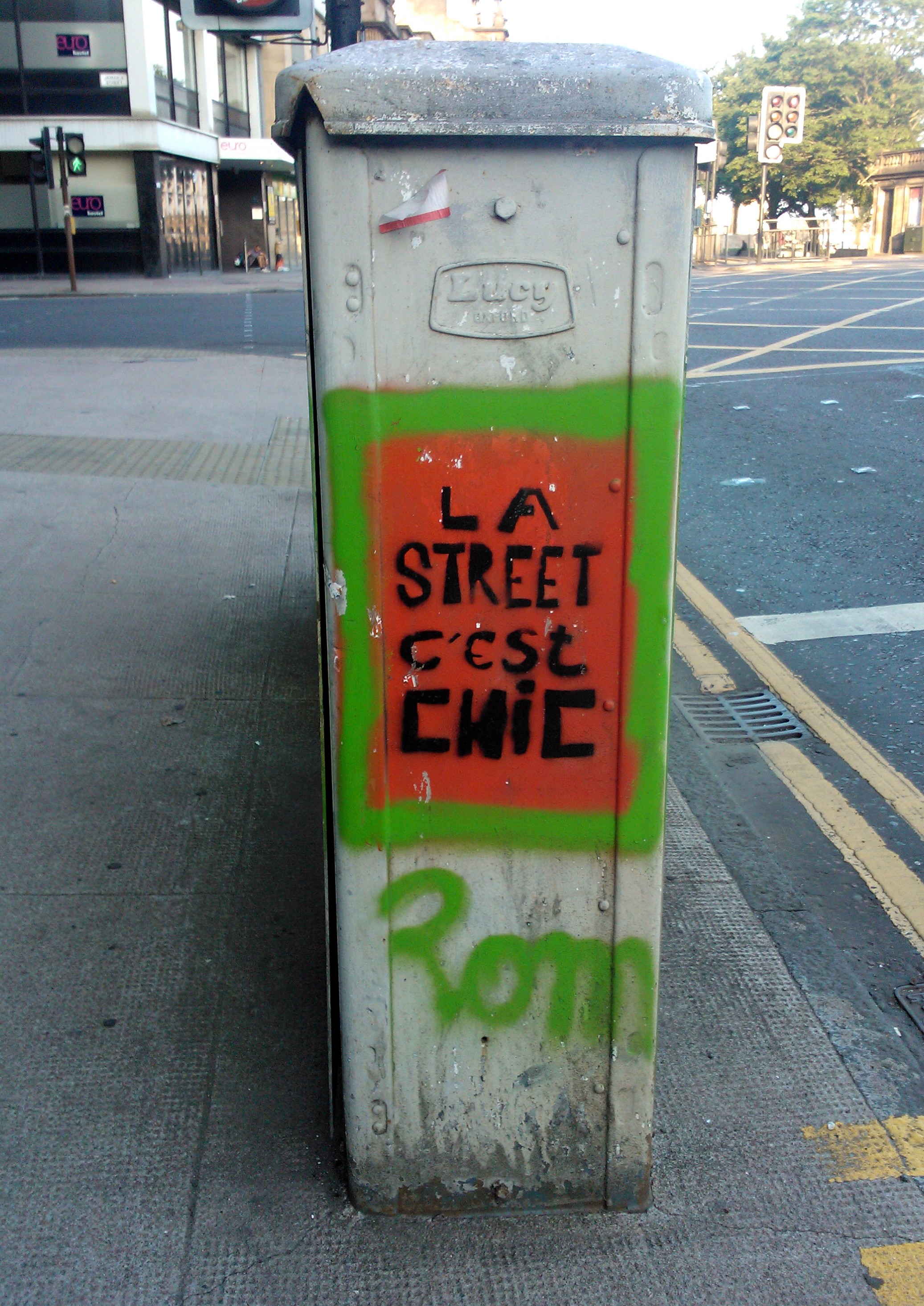
Out of the Arches, underneath Central Station, and into air larded with deep-fried food aromas and traffic fumes. I’m scanning for a sign to get started. Pastel shades shout out for attention and it seems that even the graffiti is responding to the sunshine:
Can’t help noticing the little green archipelago thriving around the base. The resilience of nature to establish existence, in the most barren of conditions, at a busy city centre intersection.
Head down towards the river and pick up the trail:
More dancing colour to puncture the grey. A Bernard Edwards bass line bounces around in the head.
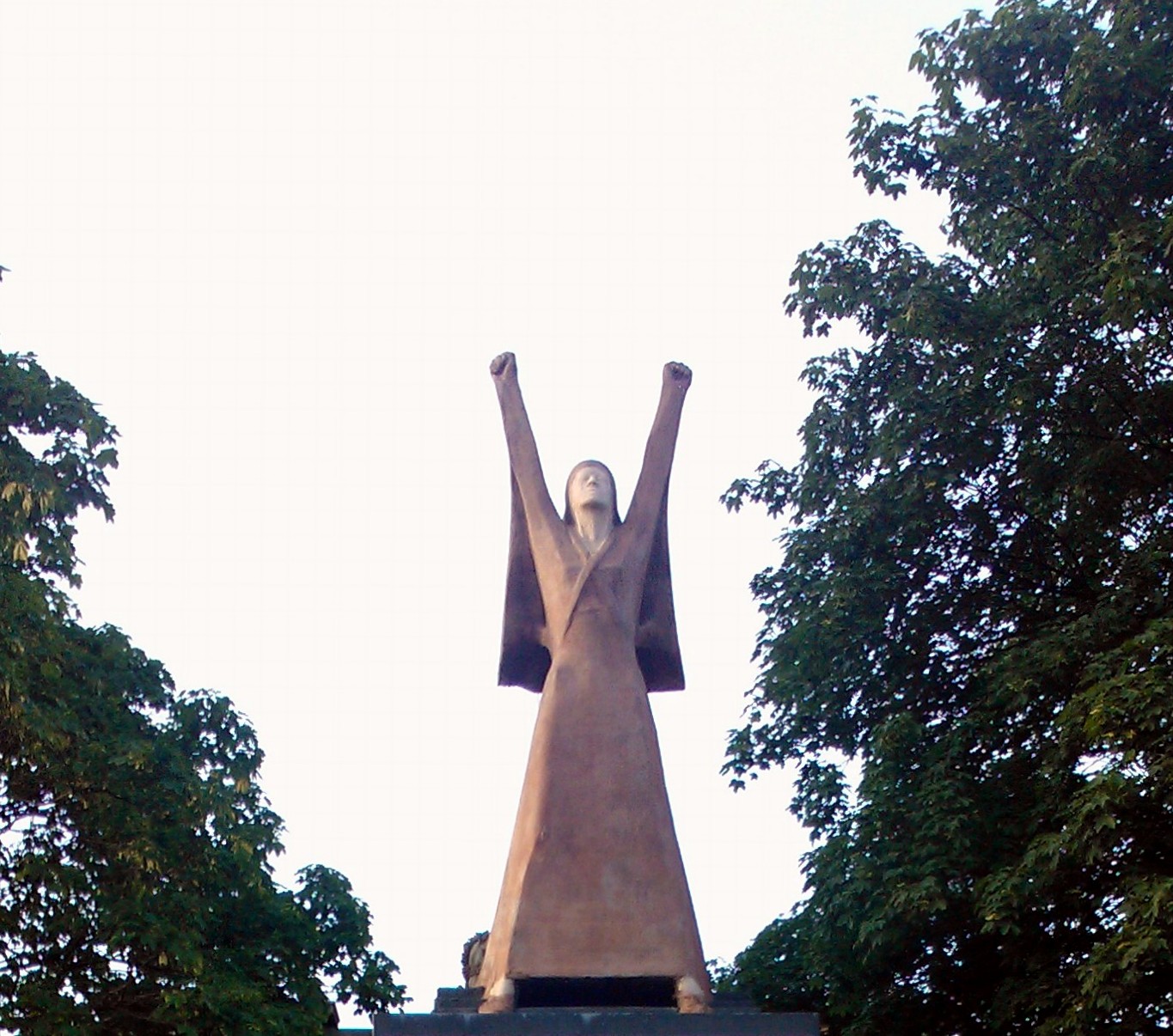
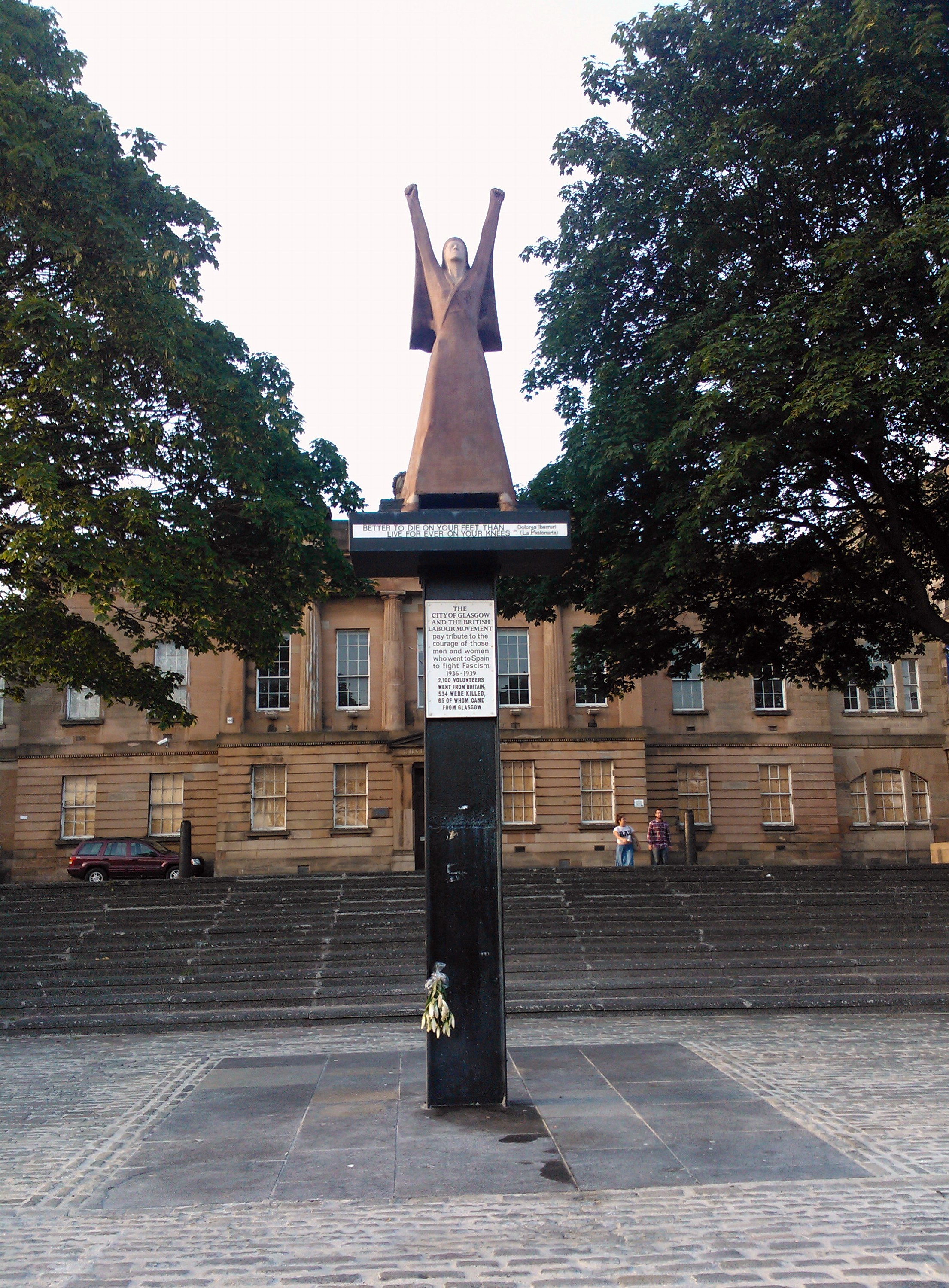
Walk straight on for a bit and over to the right there is a figure, facing towards the river, which looks interesting. From the rear I’m assuming it’s some form of religious icon, arms stretched out to heaven? St Mungo perhaps? Cross the road and down a shallow incline of steps to view the figure face on.
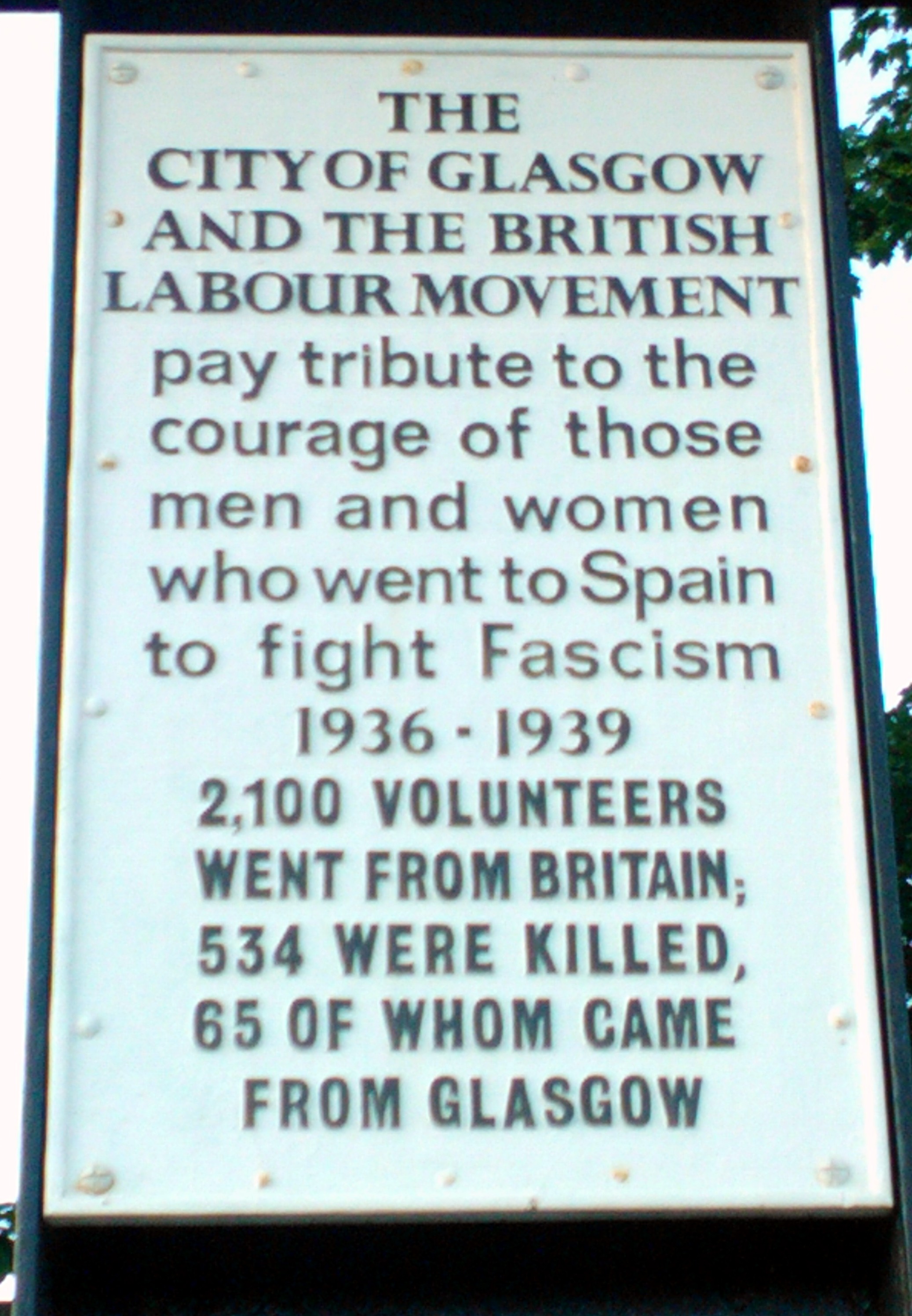
A bunch of flowers. wilting in the heat is tucked into the base of the statue. Obviously, still an active site of memory and remembrance. The plaque directly underneath the figure reads:
The statue is of Dolores Ibárruri (1895-1989), “La Pasionaria” (“The Passion Flower”), a heroine and leader in the Spanish Republican and Communist movements. An inspiration to the volunteers of the International Brigade who fought in the Spanish Civil War of 1936-1939.
I subsequently find out the sculpture is by Liverpool artist Arthur Dooley, who created the famous Beatles statue,Four Lads Who Shook the World. I was even more shocked to learn that Dooley never saw La Pasionaria installed, unable to afford the bus fare to come to Glasgow.
Continuing along the riverside walkway, a few people are taking full advantage of the heat wave. “Taps aff”. Sitting, lying down, starfished, enjoying being out-of-doors, heads raised, eyes closed, embracing the setting sun. A sense of the more usual activities of the area are perhaps revealed as a young man is pulled up by two patrolling police officers and asked to empty his pockets.
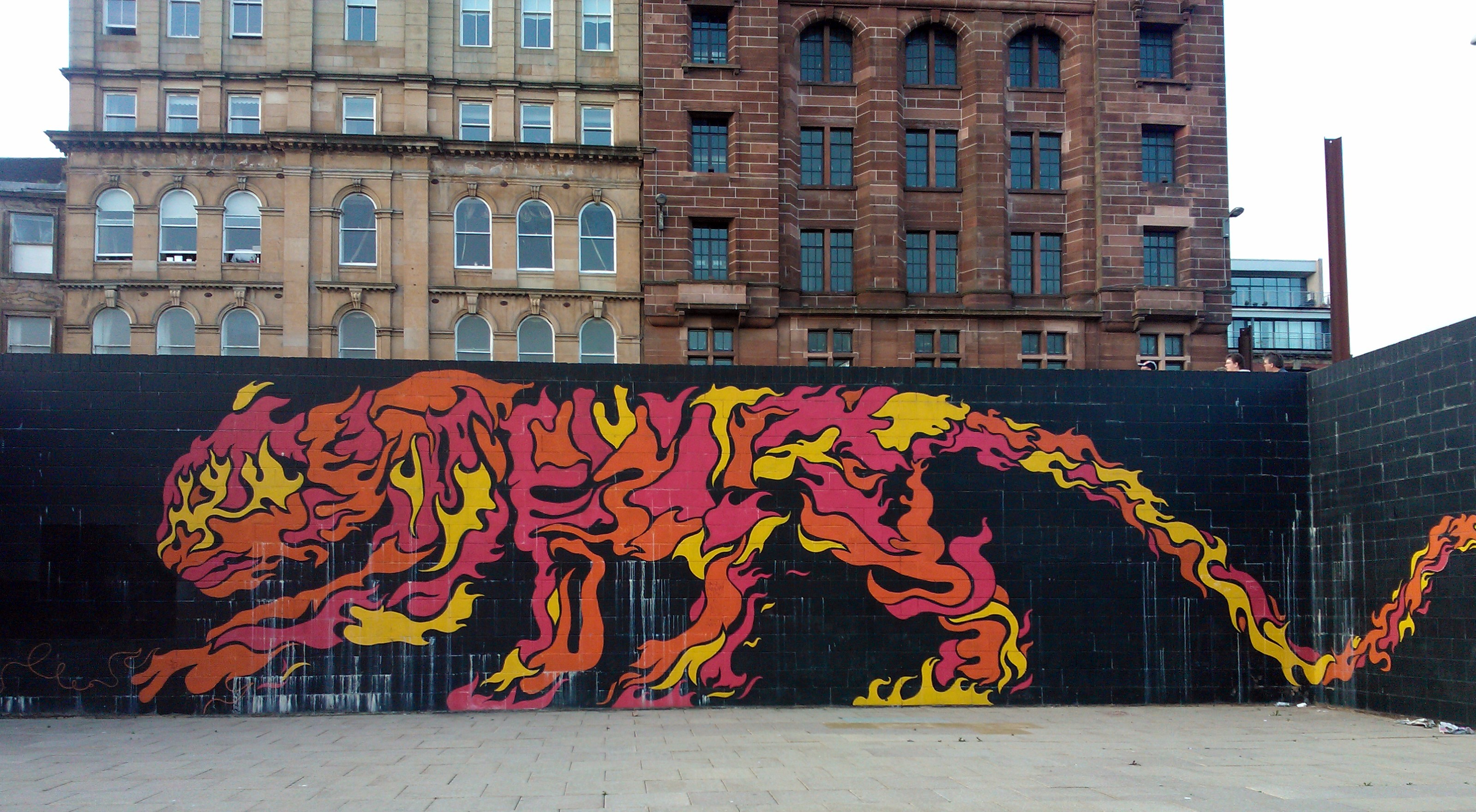
Underneath another bridge to come face-to-face with a psychedelic tiger. A fiery flux of shifting colours, crouched and ready to pounce on the indolent walker:
Ascending from the river up a miniature Odessa Steps, I half expect a pram to come toppling over the top.
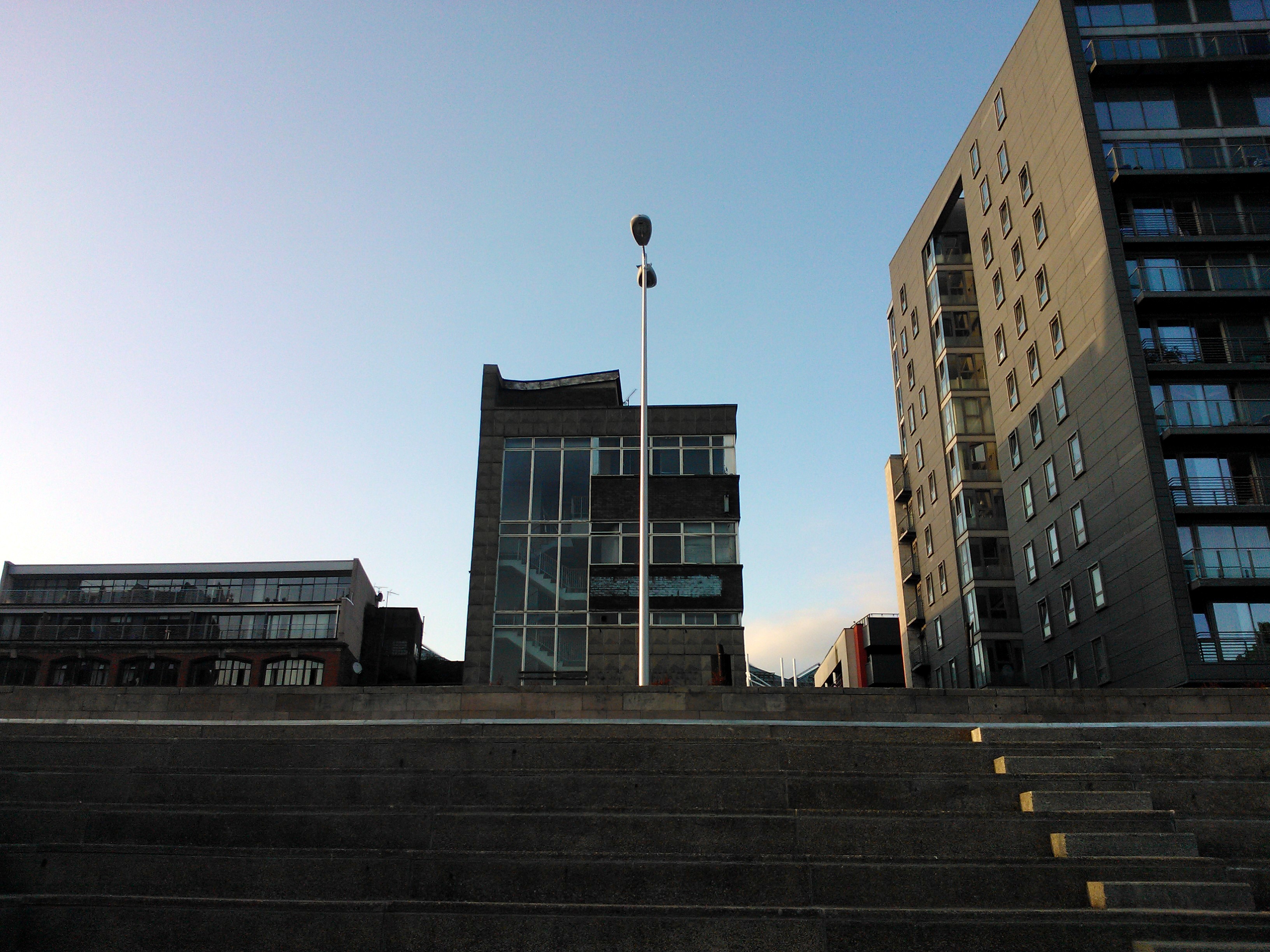
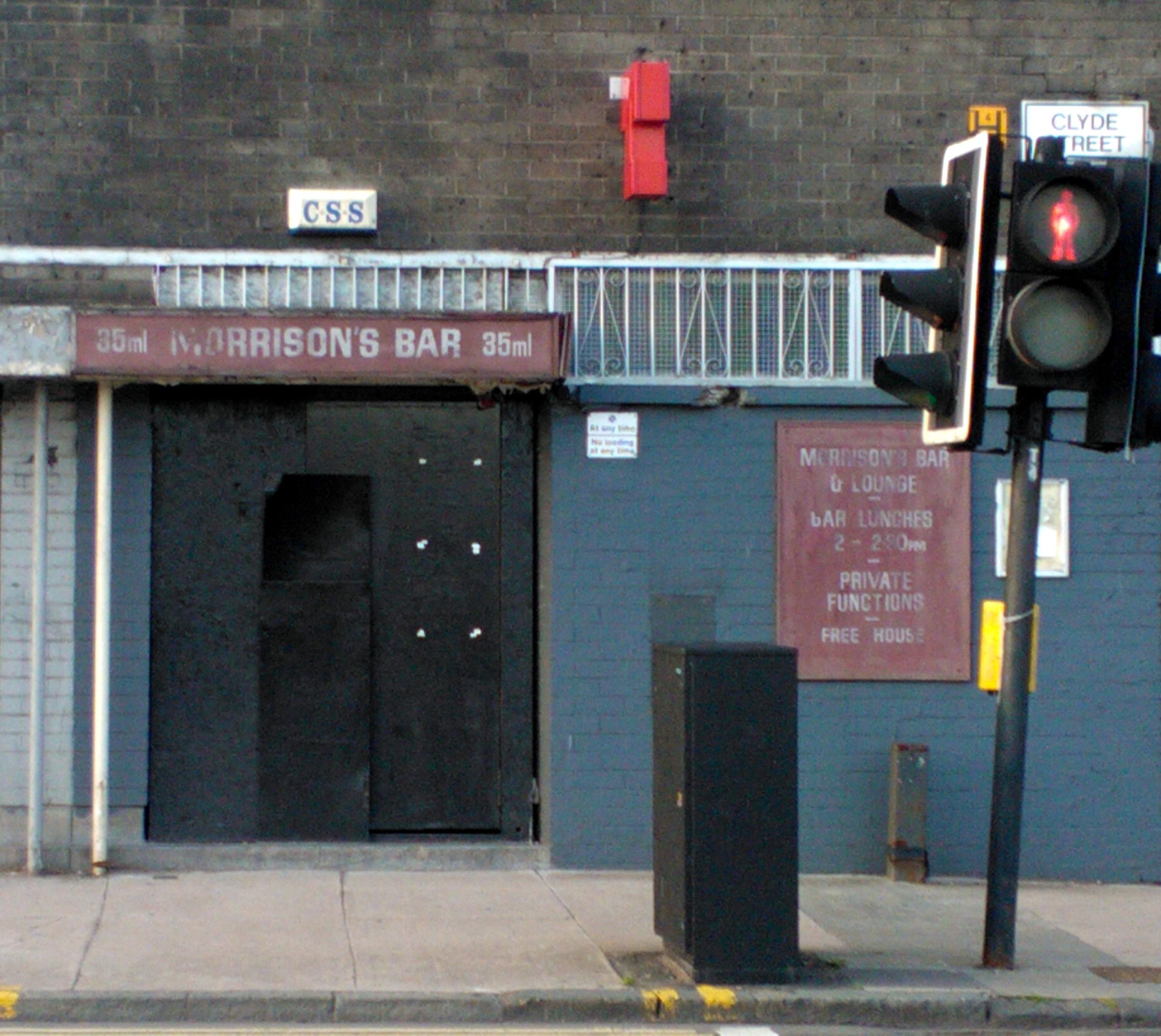
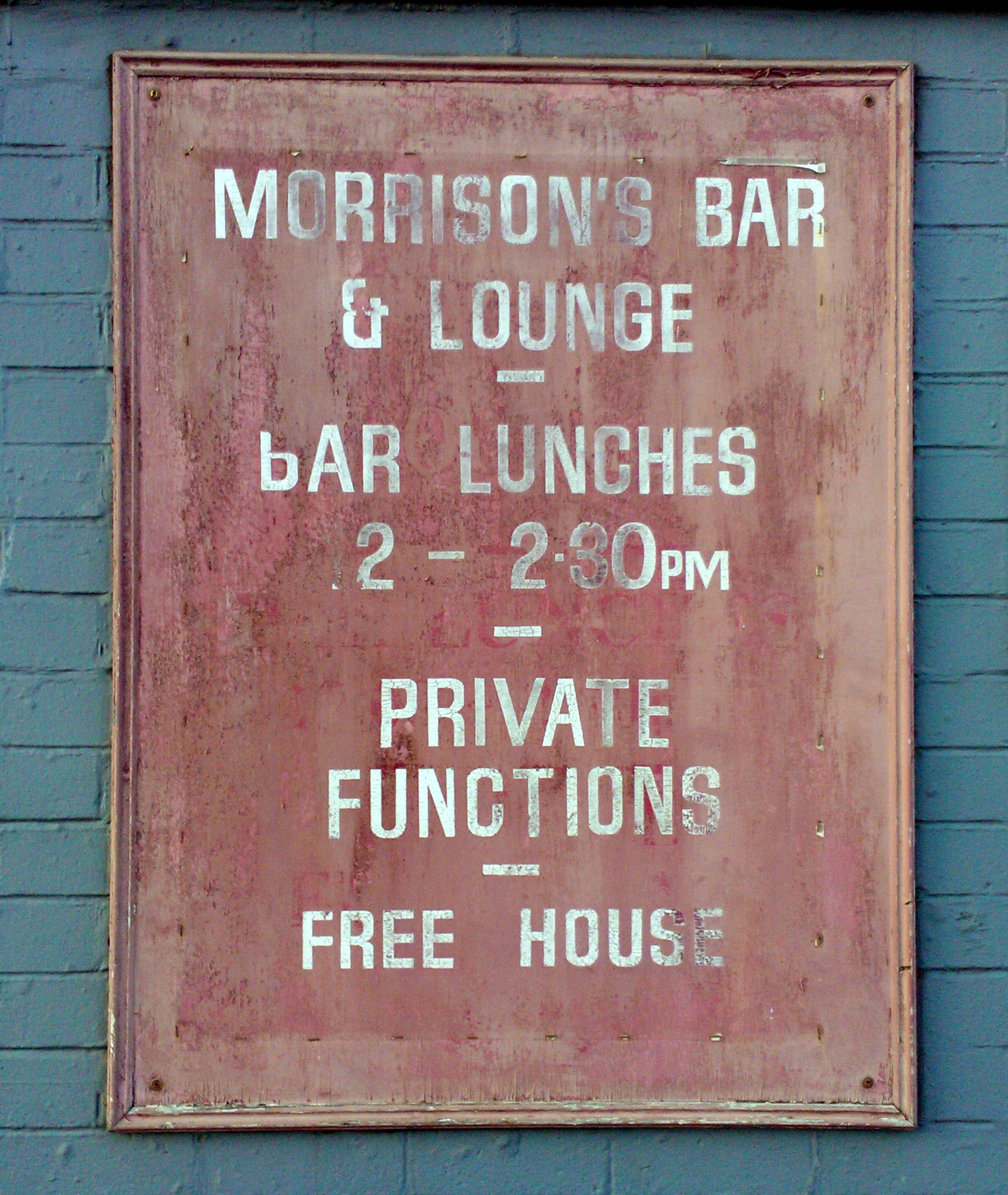
…and I’m facing Morrison’s Bar which looks like it may never have opened since Jim checked out:
….
…. Around the corner, The Riverside Club doesn’t look to be doing much business either. Perhaps these are ‘badger’ venues – they only come out in the dark?
I head into what I find is Fox Street. Looking back towards the east, the setting sun fracturing into shards hitting the ecclesiastical windows of a distant church:
Continuing west will take me back towards the City Centre:
Along with the heat and the sunshine, two cheerful lovehearts brighten up the street:
And a message a few feet away. No addressee. No object of affection. No initials. Just a statement addressed to whom?
I walk up towards Renfield Lane, thinking about how even the shortest of walks through a city can surprise, enchant and provoke reflection. I’m thinking about La Pasionaria, The International Brigades and psychedelic tigers as I descend into the Stygian depths of Stereo. Moving between worlds. From light into darkness and a prelude to shortly having all body molecules rearranged by the shamanic noise rituals of Nazoranai: Keiji Haino, Stephen O’Malley and Oren Ambarchi. Sound as alchemy, carried within, back through the city, as, after the show, I head for the train in the warm, dark night.
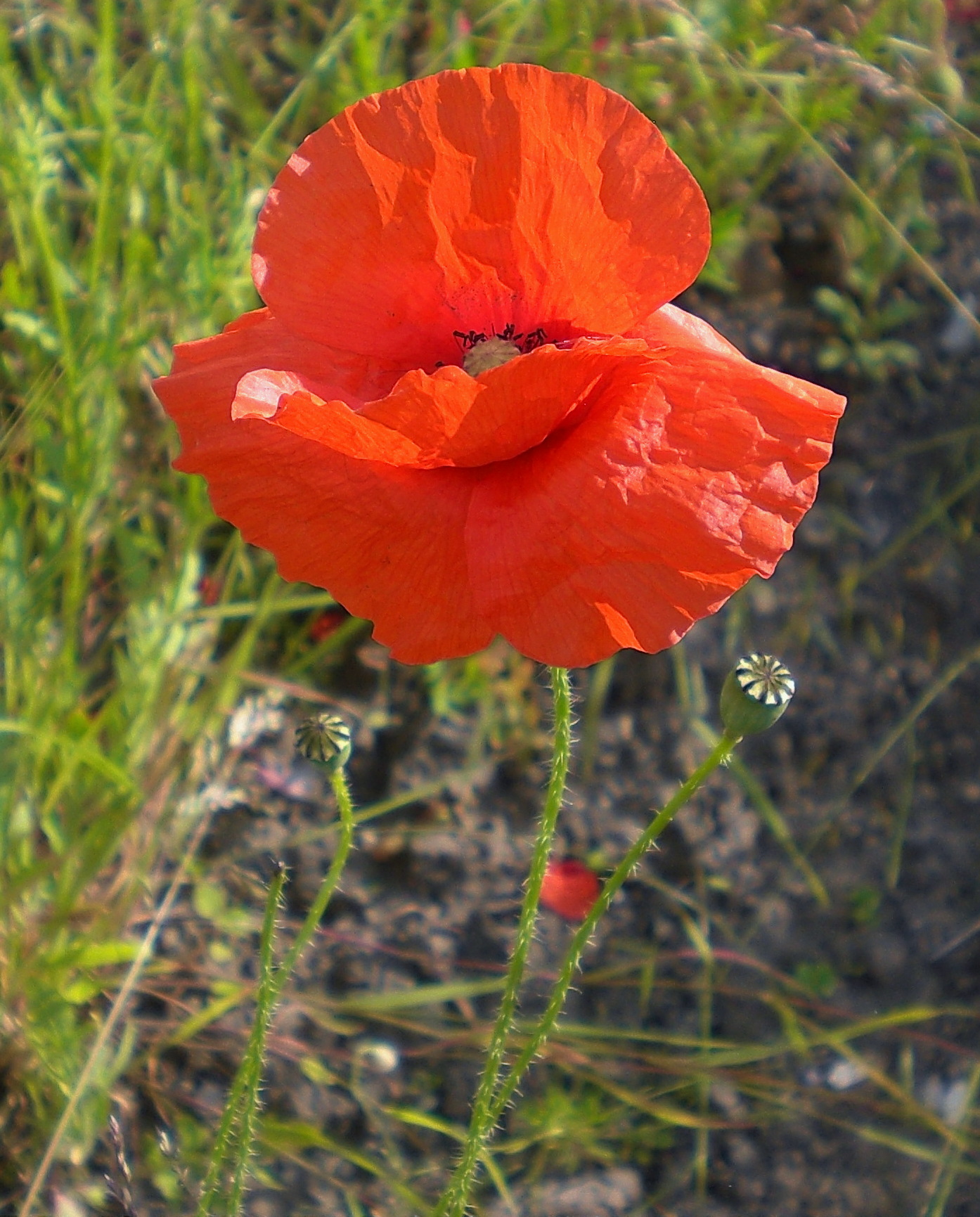
That we find a crystal or a poppy beautiful means that we are less alone, that we are more deeply inserted into existence than the course of a single life would lead us to believe.
John Berger – The White Bird
Homer mentions poppies in the Iliad, comparing the head of a dying warrior to that of a hanging poppy flower.
The god Morpheus made crowns out of the poppy flowers and gave them to those he wanted to put to sleep. Poppy flowers were used to decorate the temple.
The Greeks have a legend that explains how the poppy came to be called the Corn Poppy. The poppy was created by the god of sleep, Somnus. Ceres, the goddess of grain, was having difficulty falling asleep. She was exhausted from searching for her lost daughter; still she couldn’t fall asleep and had no energy to help the corn grow. Somnus cooked up a concoction and got her to take it and soon she was sleeping. Rested and relaxed Ceres could then turn her attention to the corn which began to grow. Ever since that time the people believed that poppies growing around cornfields ensure a bountiful harvest. And so was born the Corn Rose, or as we call it today the Corn Poppy.
Adapted from The Modern Herbal
But the Poppy is painted glass; it never glows so brightly as when the sun shines through it. Wherever it is seen-against the light or with the light – always, it is a flame, and warms the wind like a blown ruby.
The book is so modern, it’s insane. Melville uses all these voices — historian, naturalist, botanist, lawyer, dreamer, obsessive librarian. His jump-cut style is truly contemporary.
Laurie Anderson on Moby Dick
November 1999
The métro pulls in to Bobigny Pablo-Picasso in the North Eastern suburbs of Paris. Walking out on to Boulevard Maurice Thorez and up Boulevard Lénine, it is apparent that this is a world apart from the Haussmanised elegance left behind around forty minutes ago. Breaking free of the tourist flocks on the Champs-Élysées, I had descended into the subterranean belly of Charles de Gaulle Etoile to meet the familiar smell of the chthonic underworld and the squeals, clangs and clatters of the metallic worms burrowing through the entrails of the city. Doors explode open at each métro stop to displace and gorge on the huddles and tentacles of drifting humans in transit.
i t
n i
t s
r n
a a
n r
s t
i n
t i
Up and down, to and from, the everyday life possibilities occurring directly overhead: Ternes > Courcelles > Monceau > Villiers > Rome > Place de Clichy > Blanche > Pigalle > Anvers > Barbès–Rochechouart > La Chapelle > Stalingrad >…
A change at Jaurès to pick up line 5 and soon it’s an ascent, emerging blinking into bright daylight and this different world. Here, the streets are named after artists and communist revolutionaries and the buildings remind me of the Scottish New Towns: stark, brutalist and functional. Consulting my notebook from the time I can see a handwritten scrawl:
Glenrothes!
The town where I grew up appears to have relocated to the Paris suburbs.
Bobigny – Prefecture BuildingFife Council Headquarters – Glenrothes
I was in Bobigny for the Festival d’Automne and heading to the MC93 Cultural Centre to see Laurie Anderson performing her ‘multi-media’ theatrical work Songs and Stories From Moby-Dick. Not a wholly accurate title as the piece is more of a meditation on Melville and what that book means to her. It was a fabulous experience to witness. The familiar Anderson performance tropes of expansive and existential themes, constructed instruments, minimal gestures and laconic storytelling were all brought to the fore. It certainly convinced me that there was more to this book than Ahab and his crew chasing a big fish. (ok mammal).
Then I read [Moby Dick] again. And it was a complete revelation. Encyclopedic in scope, the book moved through ideas about history, philosophy, science, religion, and the natural world towards Melville’s complex and dark conclusions about the meaning of life, fear, and obsession. Being a somewhat dark person myself, I fell in love with the idea that the mysterious thing you look for your whole life will eventually eat you alive… [1]
For Anderson, Americans of her century and Melville’s share certain unmistakable similarities: they are obsessive, technological, voluble and in search of the transcendental,” she writes in the show’s notes. It is this latter aspect — the meaning of life — which is the focus of “Songs and Stories,” as Anderson asks Americans today, as Melville did in his lifetime: “What do you do when you no longer believe in the things that have driven you? How do you go on?” [2]
Up until that day I had managed to avoid reading Moby Dick. Walking back to the metro, I decided to rectify that and subsequently did. A copy now resides in the ‘hallowed’ section of the FPC library and is never too far from reach. There was also the strange delight of discovering some references to Fife in the book and a recent encounter with a building in the West Fife village of Limekilns caused me to search these out once again.
≈≈≈≈≈≈≈≈
Unlike a merchant vessel going from
point A > > > > > > > > > > > > > > > > > > > > > > > > > > > to point B,
a whaling ship is prowling,
z i g z
a
g
g
i
n
g
looking for prey.
≈≈≈≈≈≈≈≈
May 2013
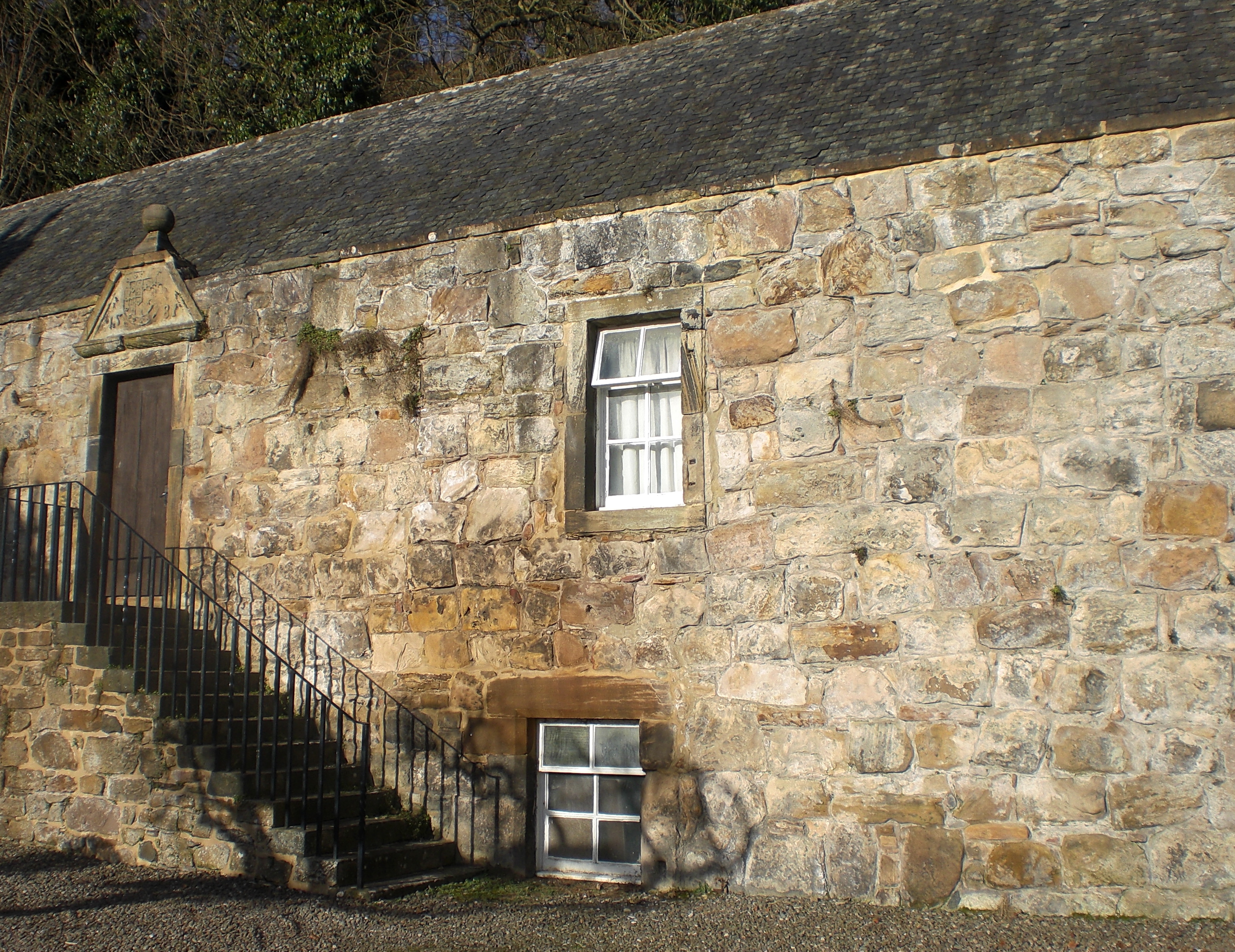
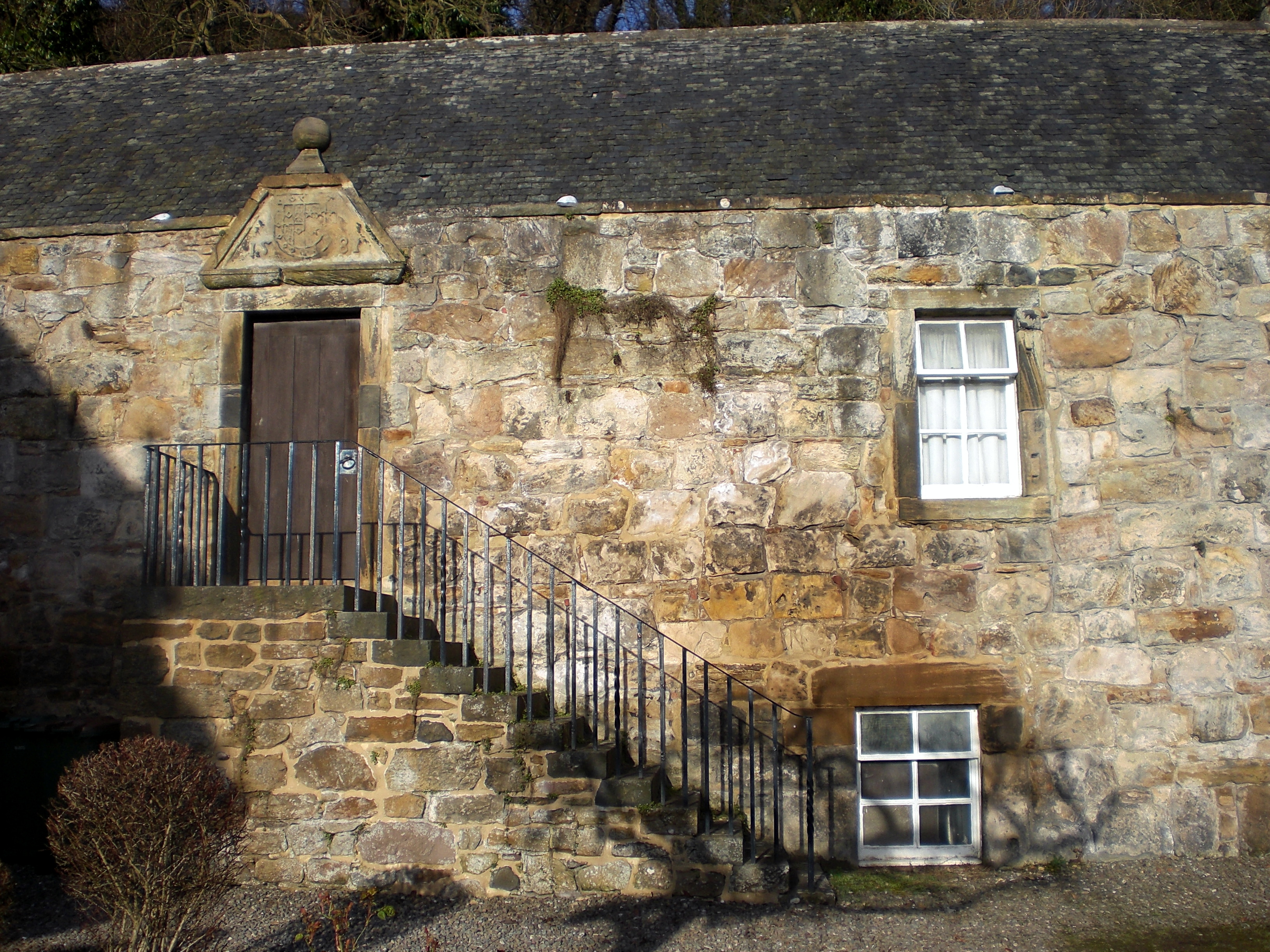
The King’s Cellar, as it is known today sits in the village of Limekilns just west of Rosyth. A more appropriate name would be “The Monk’s Cellar” as the original building is believed to have been built by and for the monks of Dunfermline Abbey. The earliest official record of the building dates back to 1362, although the monks owned the surrounding Gellet lands as early as 1089 and it is believed that they used the “Vout” or “Vault” for storing wine and as a clearing house for monastic supplies brought in by sea. It is not clear when the building became known as the King’s Cellar but is likely to be following the dissolution of the monasteries when it was no doubt appropriated by the Crown.
Today it almost appears as if the building is being sucked into the ground with the bottom windows almost at ground level.
High up in the trees
to the rear of the cellar
a buzzard (?)
silent sentinel
bearing witness
observing our every move
as has always been done
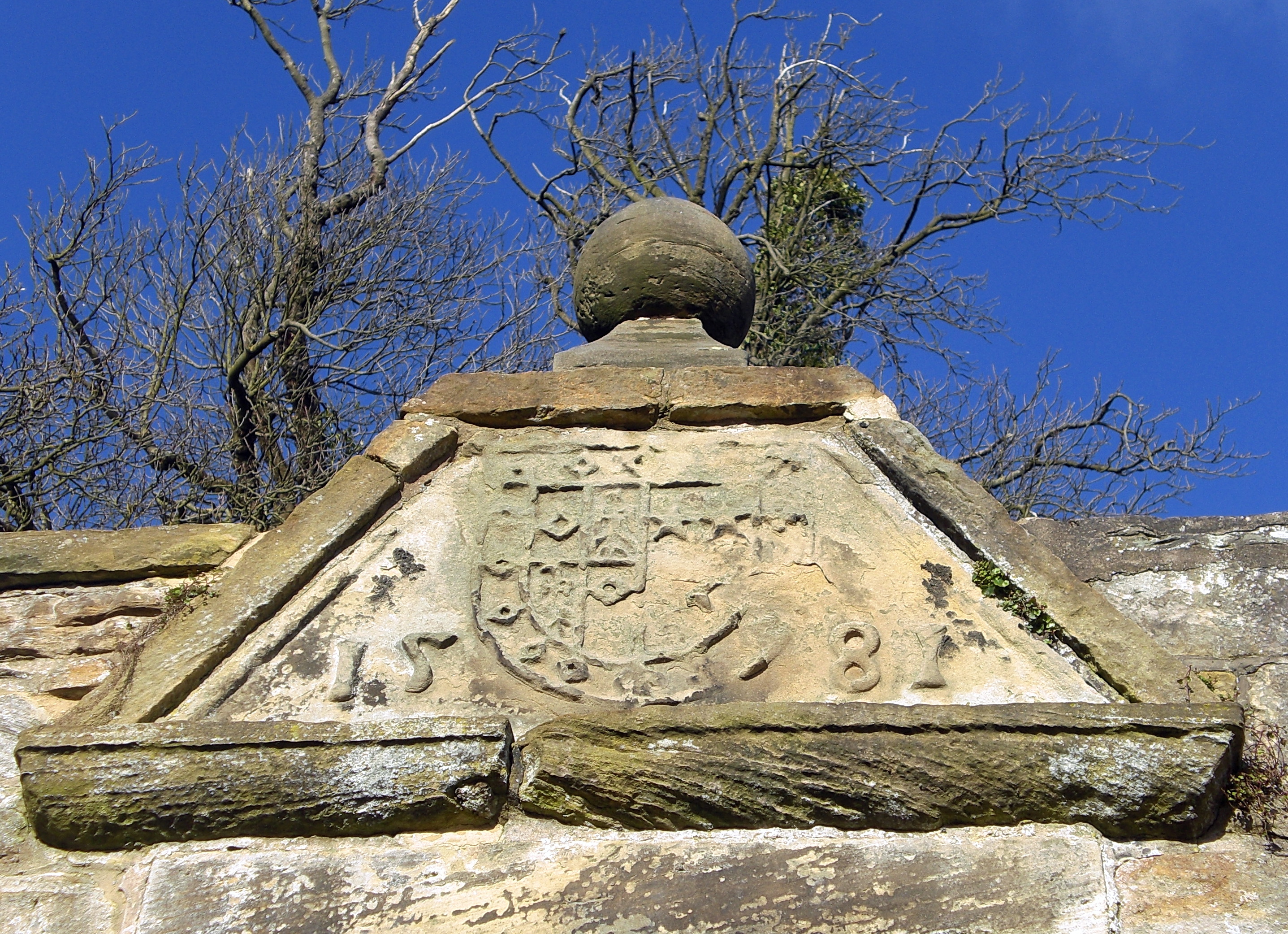
The stone above the door is misleading as it bears the arms of the Pitcairn family and the date, 1581. Pitcairn owned part of Limekilns and was the King’s private secretary and Commendator of Dunfermline. He lived in Limekilns and died in 1584, being buried in Dunfermline Abbey. The stone was transferred from his house.
Over the past 500 years the building has had parts of it rebuilt and adapted including the roof which was originally thatched. The building has been used as a wine cellar, storehouse, school, library, Episcopal Church in World War I, an air raid shelter in World War II. It is now used as a masonic lodge linked to the Bruce family of Robert the Bruce and the Elgin Marbles. A local belief exists that a secret underground tunnel connects the Cellar and the Palace at Dunfermline 4 miles away.
So what could be the connection of this building with Moby Dick?
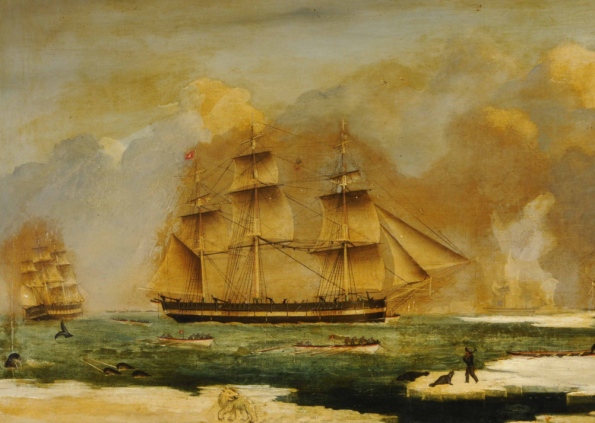
Porpoises, indeed, are to this day considered fine eating. The meat is made into balls about the size of billiard balls, and being well seasoned and spiced might be taken for turtle-balls or veal balls. The old monks of Dunfermline were very fond of them. They had a great porpoise grant from the crown.
From Chapter 65 of Moby Dick – The Whale as a Dish.
Is it too fanciful to imagine that this is the building where the porpoises would be landed for the old monks of Dunfermline?
Melville also quotes from Sibbald’s Fife and Kinross in the first few pages of Moby Dick:
“Several whales have come in upon this coast (Fife). Anno 1652, one eighty feet in length of the whale-bone kind came in, which (as I was informed), besides a vast quantity of oil, did afford 500 weight of baleen. The jaws of it stand for a gate in the garden of Pitfirren.”
From Moby Dick EXTRACTS (Supplied by a Sub-Sub-Librarian)
The reference to Pitfirren certainly refers to this locality and is now known as Pitfirrane, located just North West of Limekilns. I decided to have a look at Sibbald’s original text which Melville used and discovered that the immediately preceding passage reads:
“There is a vast fond of small coal in the lands, which is carried to the port of Lyme Kills, belonging to Pitfirren […] it is well provided with coal-yards and cellars. Several whales have come in upon this coast…”
Had Melville used the longer quote from Sibbald, Limekilns (as spelt today) would be mentioned in the book with a reference to cellars, albeit not the King’s Cellar specifically.
There are a couple of other whaling references in Sibbald:
“The monks of Dunfermline had a grant from Malcolm IV of all the heads of a species of whale that should be caught in the Firth of Forth, (Scottwattre) but his Majesty reserved the most dainty bit to himself, viz. the tongue. It is curious to remark the revolutions of fashion in the article of eatables.”
(Sibbald p. 116)
“There are several whales which haunt the Firth of Forth, which have fins or horny plates in the upper jaw, and most of them have spouts in their head; some of these are above seventy foot long, and some less: one of these with horny plates was stranded near to Bruntisland, (sic) which had no spout, but two nostrils like these of a horse. These whales with horny plates differ in the form of their snout, and in the number and form of their fins”.
(Sibbald p. 117)
Two small paragraphs that offer a glimpse of a time passed, or has it? The privileges of royalty and the landed gentry arguably continue largely unabated and the non human species of the globe decline to the point of extinction at the hands of the human actor.
There are many voices of Melville present in Moby Dick but one of them is clearly alerting humankind to pay attention and consider the consequences of potential ecological catastrophes arising from the lavish plunder of the natural world.
June 2013
Whilst out research is not conclusive by any means, we place a small photograph of Melville under the stones in front of the King’s Cellar to secure the linkage in our own mind. When we pass this building in future, if nothing else, we will be reminded of Melville, Moby Dick and the King with a taste for cetacean tongues. And each time we see a copy of that encyclopedic text – Moby Dick – we will think of this small building in a West Fife village and of course Laurie Anderson who cast the line in our direction.
Now Playing: Laurie Anderson – Life on a String
[1] Horsley
[2] Grogan
References:
Norman Fotheringham, The Story of Limekilns (Charlestown: Charlestown Lime Heritage Trust, 1997).
Molly Grogan, ‘Laurie Anderson’s Songs and Stories’, Paris Voice, November 1999.
Carter B. Horsley, ‘Songs and Stories from Moby Dick’, The City Review, 5th October 1999.
Herman Melville, Moby Dick or The Whale (New York: Penguin Classics Edition, 1992).
Sir Robert Sibbald M. D., The History Ancient and Modern of the Sherrifdoms of Fife and Kinross (Cupar, Fife: R. Tullis, 1803).
Mike Zwerin, ‘Laurie Anderson Grapples with Melville’s Ghost’ The New York Times 2nd December 1999.
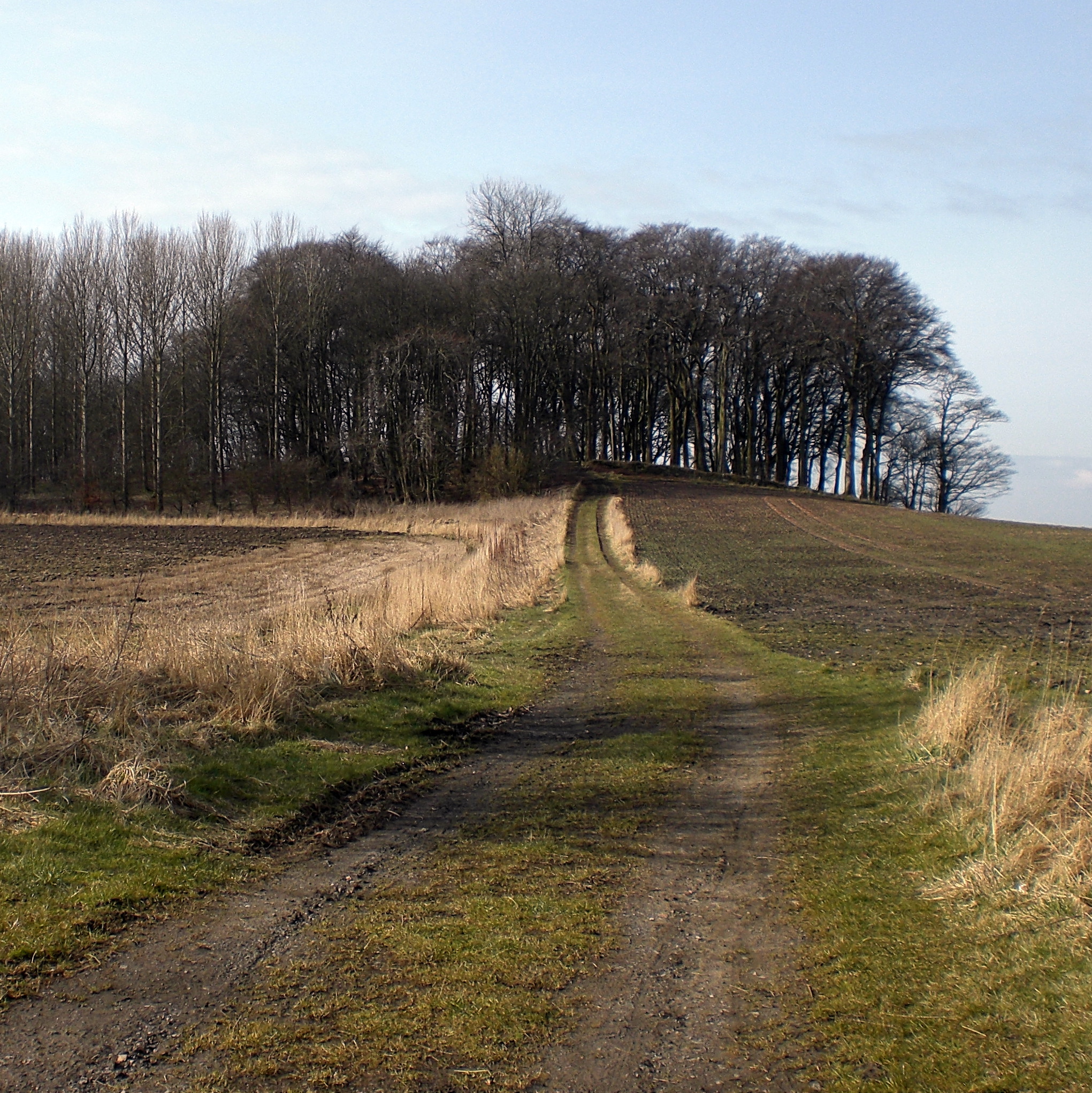
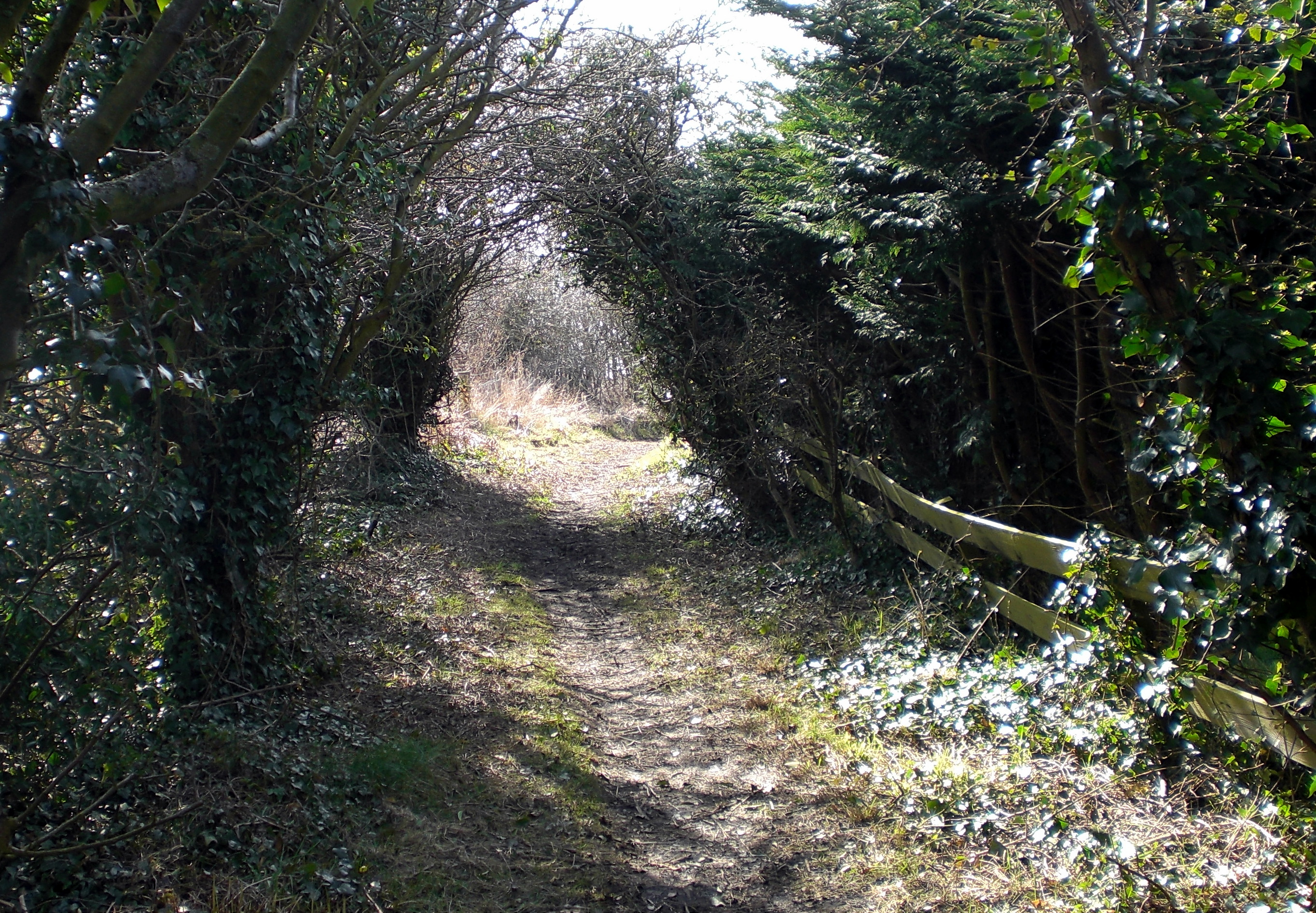
We approach the village from the North by the coffin road known as Windylaw. A sign indicates that this path was used for many centuries by people to carry their dead to Rosyth Church. Sometimes they would come from as far away as Dunfermline.
…
The ground is sodden underfoot and standing still you can feel the ticklish trickle of rivulets, running around your boots off the slight incline. This is the first day of reasonable weather for weeks and it feels good to stand under the mottled blue canopy and listen to the murmur of the flowing field.
L
i
s
t
e
n
Windylaw meanders up towards a small copse of trees. We are greeted by the guardian of the forest, a snuffling, wood-hedgehog type apparition which looks like it could have come straight out of Pogles Wood.
A woodpecker industriously loops its rrrrrat-a-tat-tat rhythm but remains unseen. We stand still and stare but there is no dart of kinetic red against gray bark. Instead, one particular tree conjures up a Medusa like quality. The branches appear to move, twisting and writhing like a cauldron of snakes.
Windylaw meanders through the trees and we walk alongside all of the ghosts who have tramped this path over centuries.
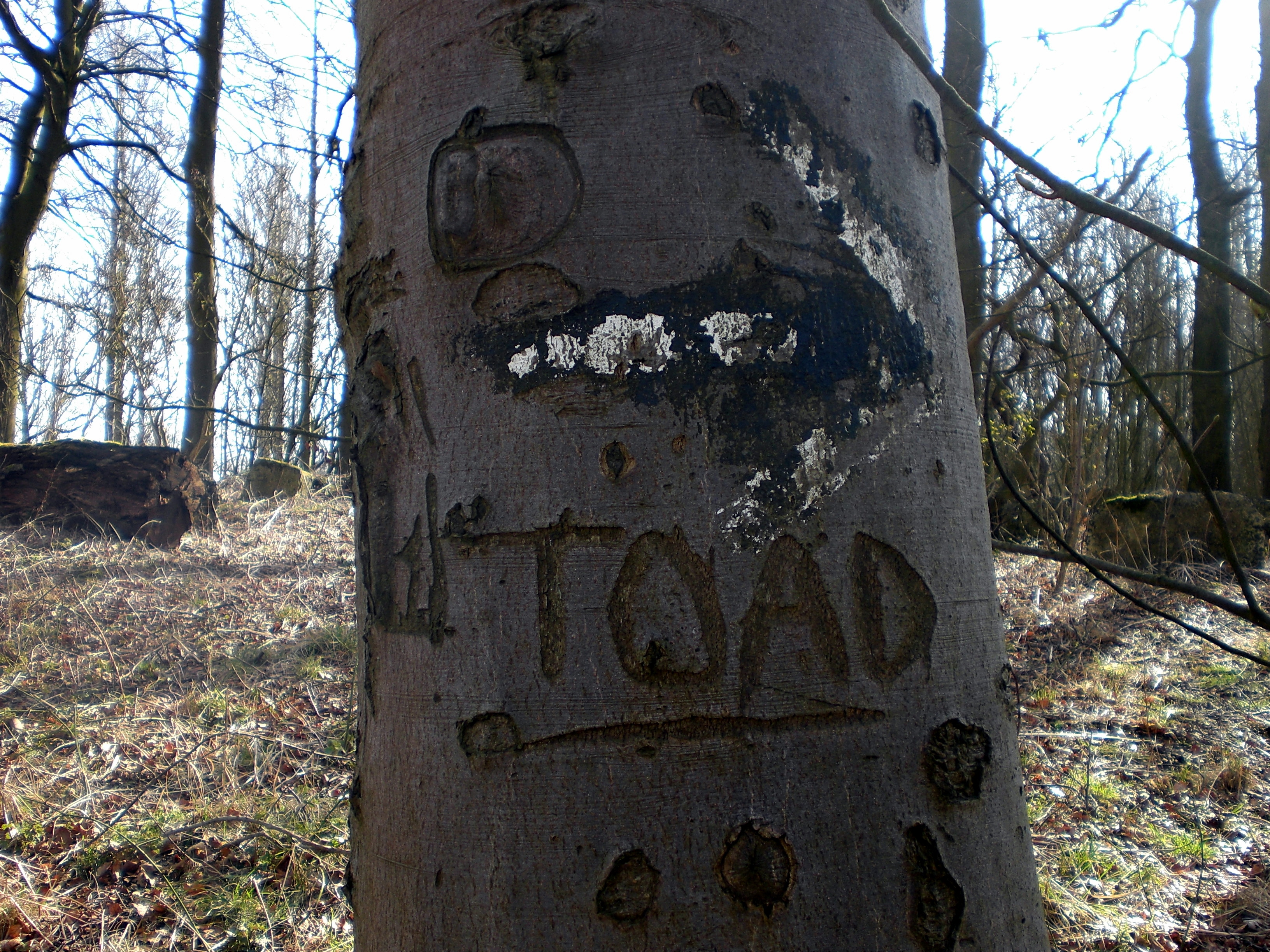
How many stopped to make their mark such as Toad has done here?
Once over the ridge of hill, we start to descend towards the shoreline and the village of Limekilns which we can see off to the right. We leave the path briefly to take in the vista over the Forth Estuary.
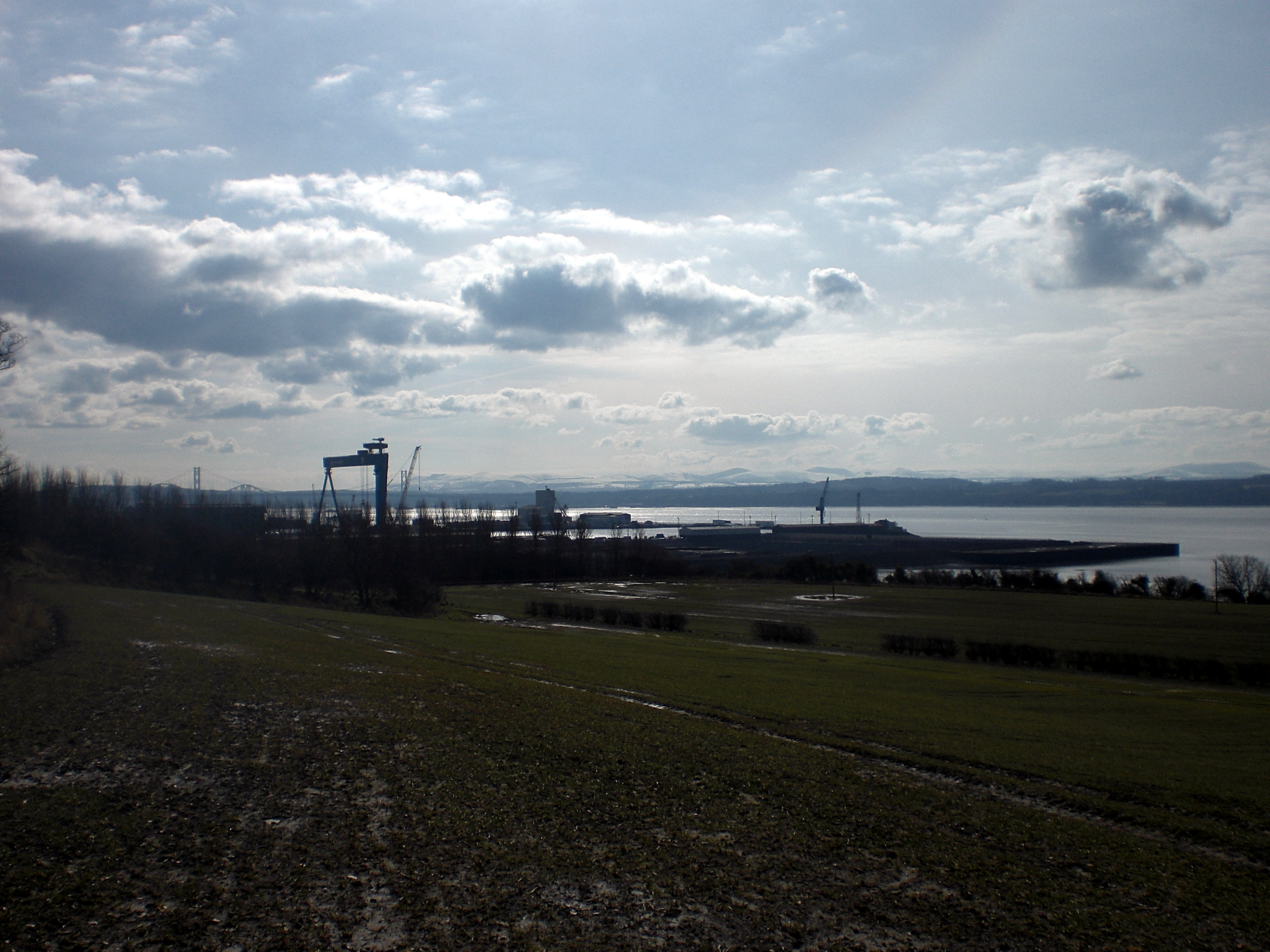
In many ways a picturesque enough view. Over the farmers fields to the river Forth and beyond to West Lothian. However, no view is ever as ‘innocent’ as it seems so let us tilt our heads a little bit further to the left and to the right. Let us ponder on what we can see…
…
Firstly off to the left, lies Rosyth Dockyard:
The picture is not great but you can clearly see Goliath’s looming presence of whom we have written before:
“Goliath is the largest crane installed in the UK and part of the most expensive project in British naval history with two aircraft carriers presently being constructed at £3 billion a pop. We have already been told that once constructed, one will be mothballed immediately and the other will have no planes to fly from it. Try explaining this logic to a five year old. The carriers are to be named HMS Queen Elizabeth and HMS Prince of Wales. The sheer folly, financial carnage and symbolism of this whole escapade is such that it almost fries our collective brain into meltdown. However, very soon we are all whistling and singing Elvis Costello’s Shipbuilding – the Robert Wyatt version naturally – so we can hum the piano solo with our kazoos. This has the desired effect, tames the beast and calm descends. As we walk further along the road, we can gain a better vantage point to look down over the dockyard and see the true scale of Goliath. Our fear turns to pity as we realise that all we are looking at is simply a dumb, beast of burden, a heavy lifter, on which has been foisted the indignity of jingoistic colours, the White Ensign flag and the reek of failed empire. Also lurking down there, somewhere in the bowels are seven decommissioned nuclear submarines, still radioactive and we are reminded of some possibly apocryphal tales of technicians metal-capped boots glowing green in the dark. Isn’t it amazing what can be buried in the edgelands.”
On the same day as our walk (31st March 2013), a number of articles appear in the press to indicate that Rosyth Dockyard has been chosen for a pilot project to break up some of the nuclear submarines, prompting fears it could become a dumping ground for radioactive waste. (Ignoring the somewhat obvious fact that it already is). The one fairly fundamental snag in this proposal is that no site or facility has yet been identified to store radioactive material safely. (It is going to be there for a long, long time). I suspect that our inventory of Empire and hubristic bravado – HMS Dreadnought, HMS Churchill, HMS Resolution, HMS Repulse, HMS Renown, HMS Revenge and HMS Swiftsure may continue to sit and rust for many years to come, hopefully with the nuclear reactors remaining intact.
You can also just make out the Forth Bridges, beyond the dockyard, in the above photographs. The iconic red diamonds of the Victorian rail bridge and the twin suspension towers of the not inelegant road bridge. Construction work is now well underway for a third bridge to join them. It would appear that the existing road bridge has literally become a piece of auto-destructive art. Road vehicle usage, far in excess of what was originally envisaged has reduced the life of the suspension cables and consequently the bridge. (although there is some debate about this). The result will be a new road bridge with an increased capacity to continue to satiate our desire for car travel. Build it and it and it will be filled is the usual outcome of transport policy so perhaps we stand as witnesses to the birth of yet another piece of auto destructive art.
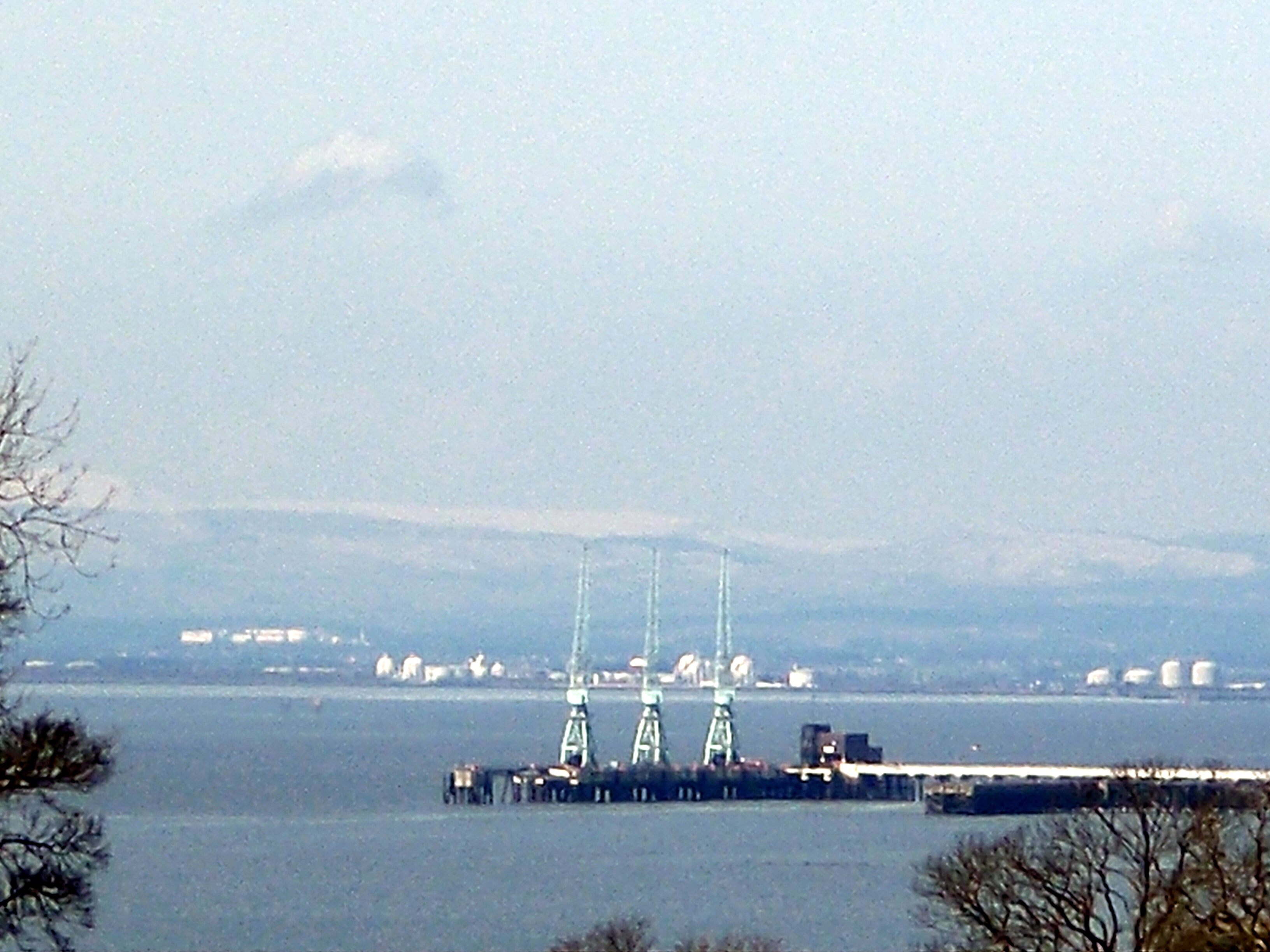
As is becoming evident, the Forth is still very much a working river and from our viewpoint it would not be unusual to see a container ship – the new packhorse of global capitalism – chugging up the central channel to Grangemouth container port to drop off its wares. Alternatively, it could be a British warship off for some ‘munitions and maintenance support’ at Crombie Pier which is part of the sealed off Crombie Munitions Depot.
.
This is very close to Crombie Point where Jules Verne and Aristide Hignard disembarked from an Edinburgh steamer in 1859 to continue their travels through Fife and Scotland. This journey inspired Verne’s novel The Green Ray.
‘Le Rayon Vert’
And beyond Crombie Pier lies the Grangemouth petrochemical plant, Scotland’s only oil refinery. An industrial city of chimneys and cooling towers, belching steam, and when darkness falls, shooting dramatic flares into the sky against a wash of sodium hue.
Chances are that all the cars sitting nose to tail on the Forth Bridges will ultimately get their petrol from here. Just another nodal point in the network of global petrochem dollars.
OK surely that’s it. But no. Strain your eyes to the far right and another iconic sight can be zoomed into view. The chimney of the coal powered Longannet Power Station. I’m sure it keeps our lights on but is regularly towards the top of the charts in any survey of ‘most polluting power stations’ in the UK and Europe.
Longannet Power Station – Zoom
Anyway this digression is just an illustration of how a landscape view is never neutral. On one level, yes this is a beautiful landscape. However, this is also a landscape inextricably linked into the ebb and flow of the global capitalist economy or on a more pessimistic note is there any more perfect spot to catalogue and observe the agents and consequences of what George Monbiot calls the Age of Entropy. (Thanks to Liminal City for alerting us to this). At the very least, the psychogeographer can reverse the panoptical gaze of the modern political machine. Standing here we can use landscape as a mirror to reflect back. We can see the war machines, the entropic processors of fossil fuels, how the local is connected to the global. On this spot we can be the watchers. We can see what you are up to and imagine and enact alternative possibilities. (Such as going for a walk!).
…
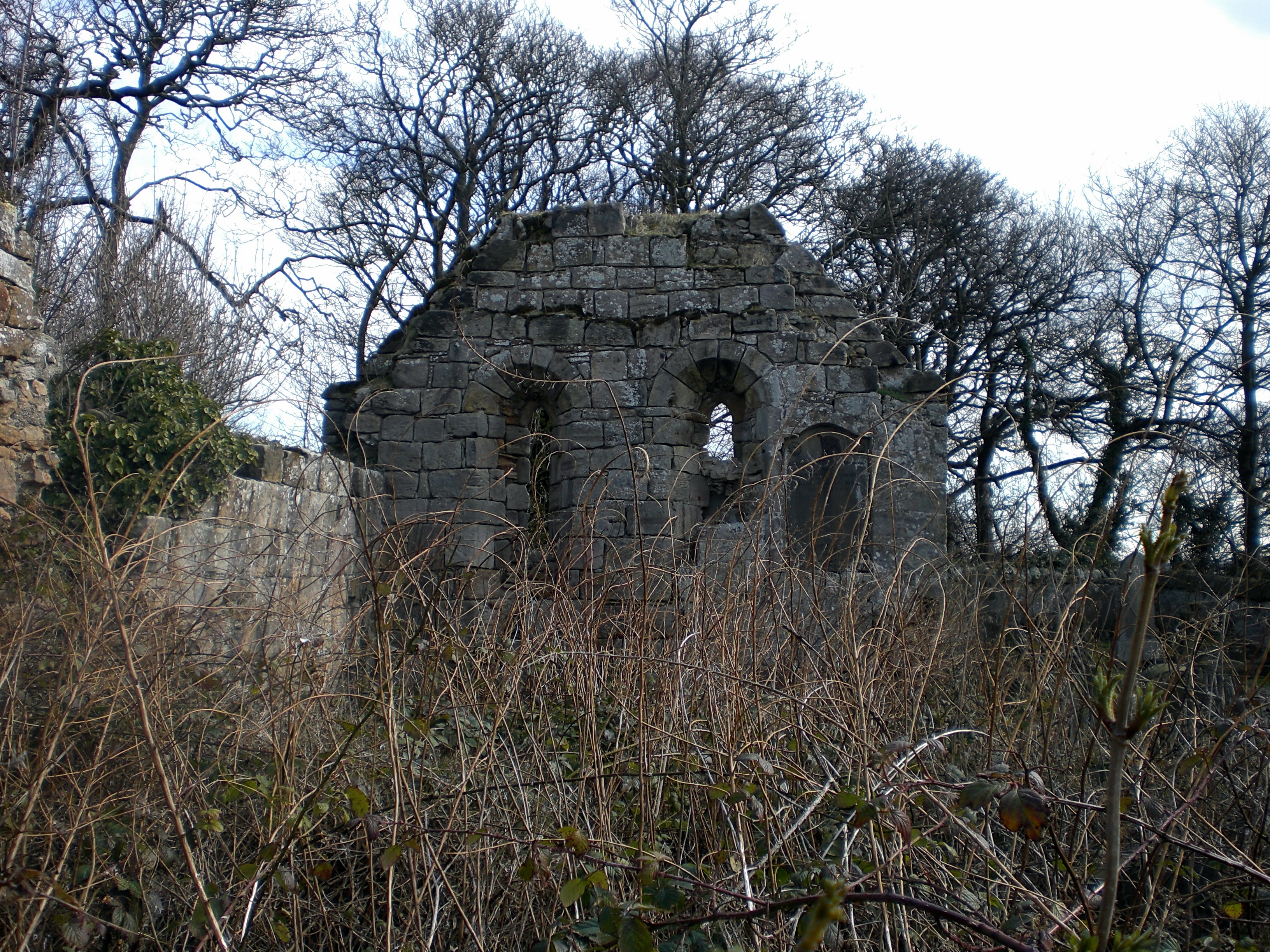
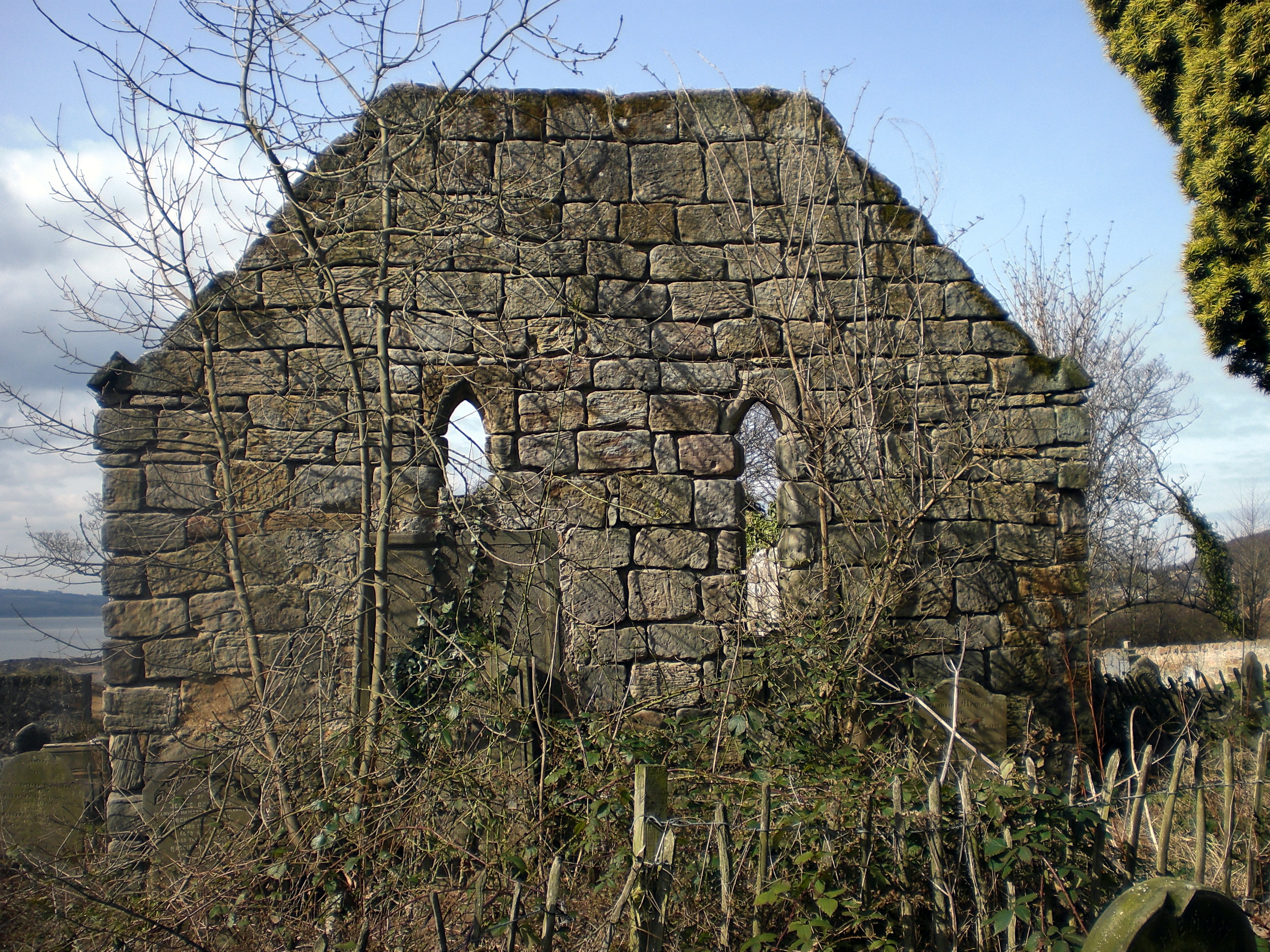
We continue our descent down Windylaw which edges the perimeter of the newer built part of Limekilns. A desire path breaks off to the left and we soon find ourselves at the rear of the old ruined Rosyth Church. Records indicate that the church dates back to the 12th century when it is mentioned in the charter sent to the monks of Inchcolm Abbey in 1123. The church ceased to be used as a place of worship sometime between 1630 and 1648. You can clearly appreciate why the coffin road evolved. Even today, the only access to this spot is by walking or possibly by boat. Whilst doing a bit of research, a curious entry in the RCHMS archive records catches the eye. In 1998 a “stray human mandible was found on a grassy area just south of Rosyth Old Kirk burial ground by Mr Walmsley of Inverkeithing. The very weathered and friable bone belonged to a child aged 6-9 years.”
there is none more lonely and eerie than Rosyth, at anyrate at the close of a winter day, when a rising wind is soughing through the bare branches, and the sea is beginning to moan and tramp to and fro over rock and shingle.
John Geddie, The Fringes of Fife, (1894)
Unlike Geddie, we find the church reflecting sunlight on a bright, still morning with just the slightest intimation of Spring in the air. Little of the original structure remains. Only the East gable and part of the North wall. A mort house still stands, built at a later date, to no-doubt frustrate the profitable enterprise of the resurrectionists (body snatchers) who are known to have prowled the coastal graveyards, often arriving by boat.
East Gable -OuterEast Gable Inner – from West
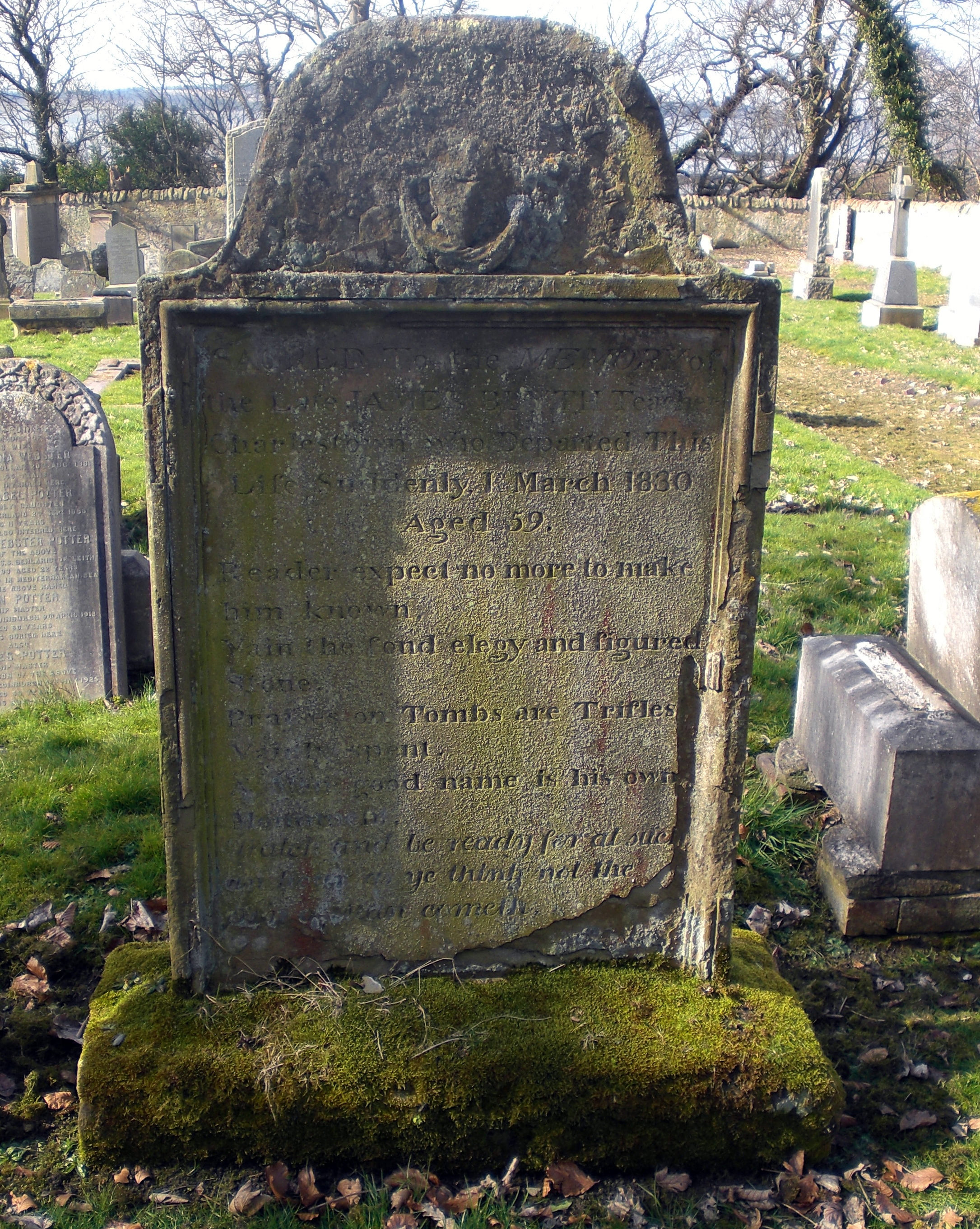
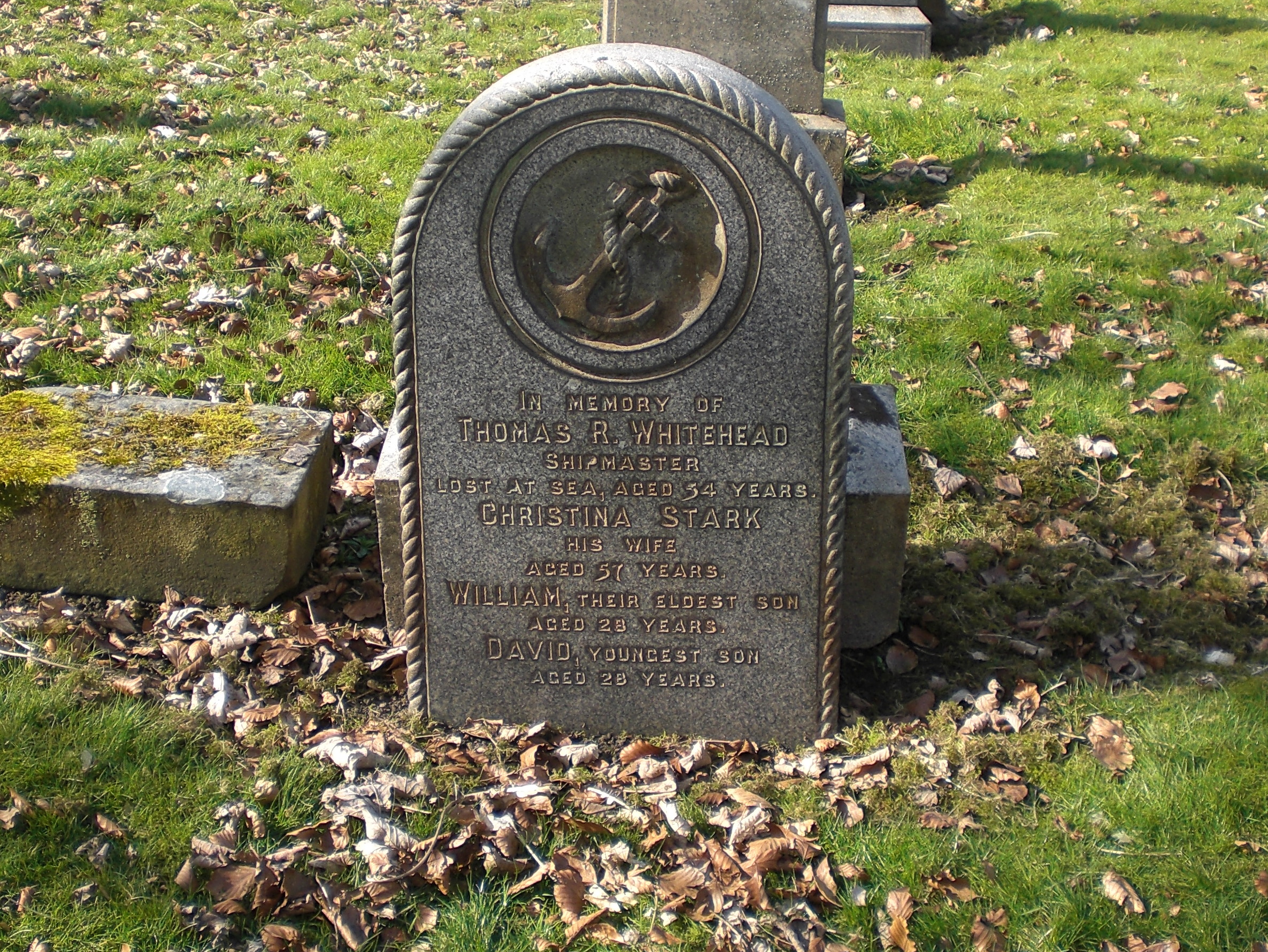
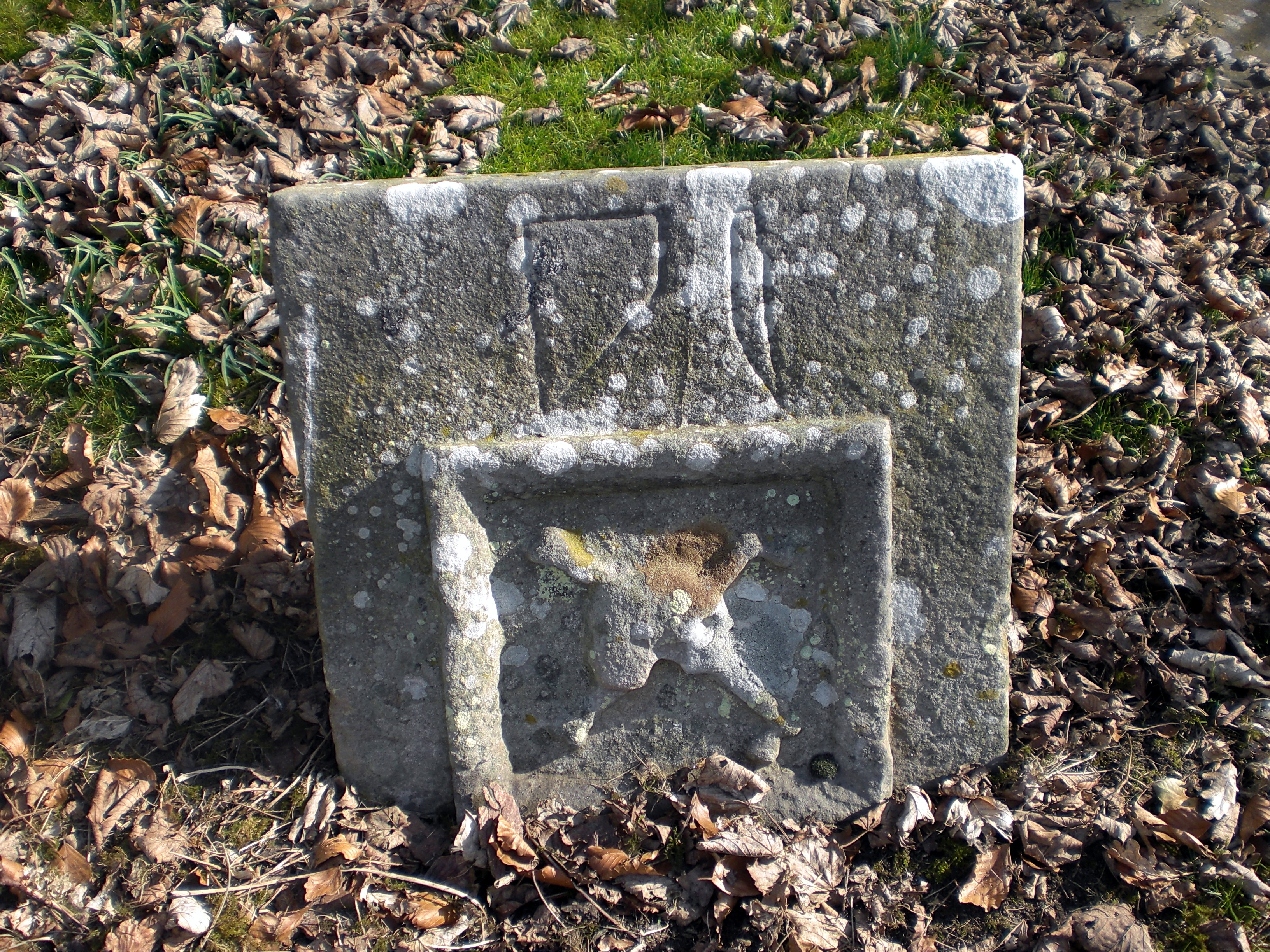
The churchyard, as in all churchyards, is full of stories. Manicured fragments of past lives lived. How much of a person can be captured when reduced to a few lines of inscription on a gravestone? In many cases, the weather and the passage of time work to gradually efface even this small act of material remembrance. Chiseled stone is returned to smoothness as the distant past becomes literally more difficult to read yielding up only broken fragments and guesses.
FracturedFragments & GuessesRobert Wood and Mary HarrisonTombs are TriflesLost at Sea
This gravestone below is particularly rich in symbolism: the trumpet blowing Angel of the Resurrection; the memento mori skull as a representation of death and the hourglass denoting the passing of time.
Angel of Resurrection, skull & hourglass
This stone was erected in the year of the French Revolution:
1789
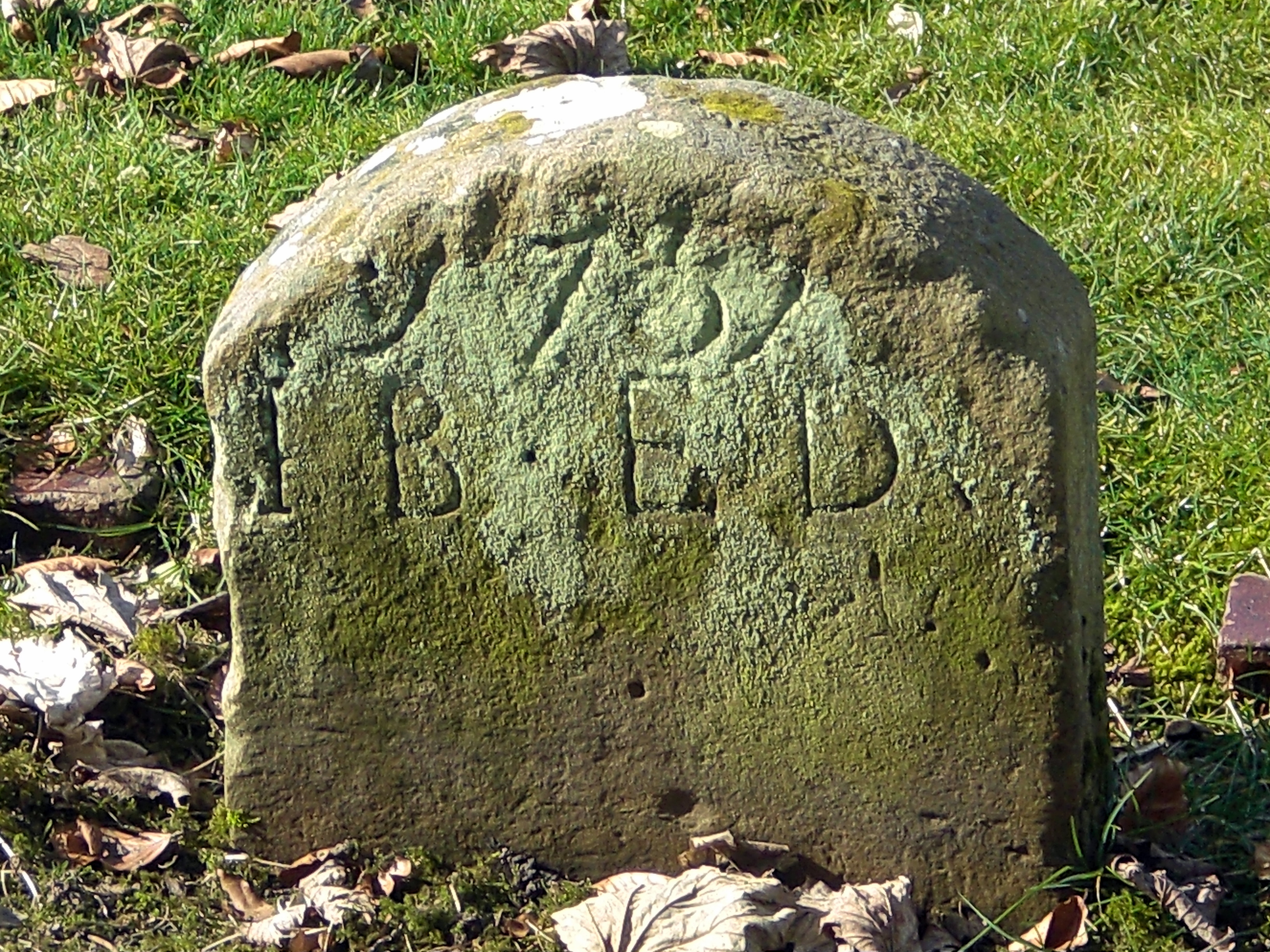
We were really intrigued with this one. The reversed numeral “7” in particular. Also the fact that four sets of initials are on the gravestone?
Nowadays, the quiet graveyard appears to be a haven for bird life. During our visit, blackbirds scurried amongst the leaves whilst a robin dotted around the gravestones following us.
One last photo before we leave and its only later that we notice the ghostly halo around the door frame. Saturated light I’m sure but who knows?
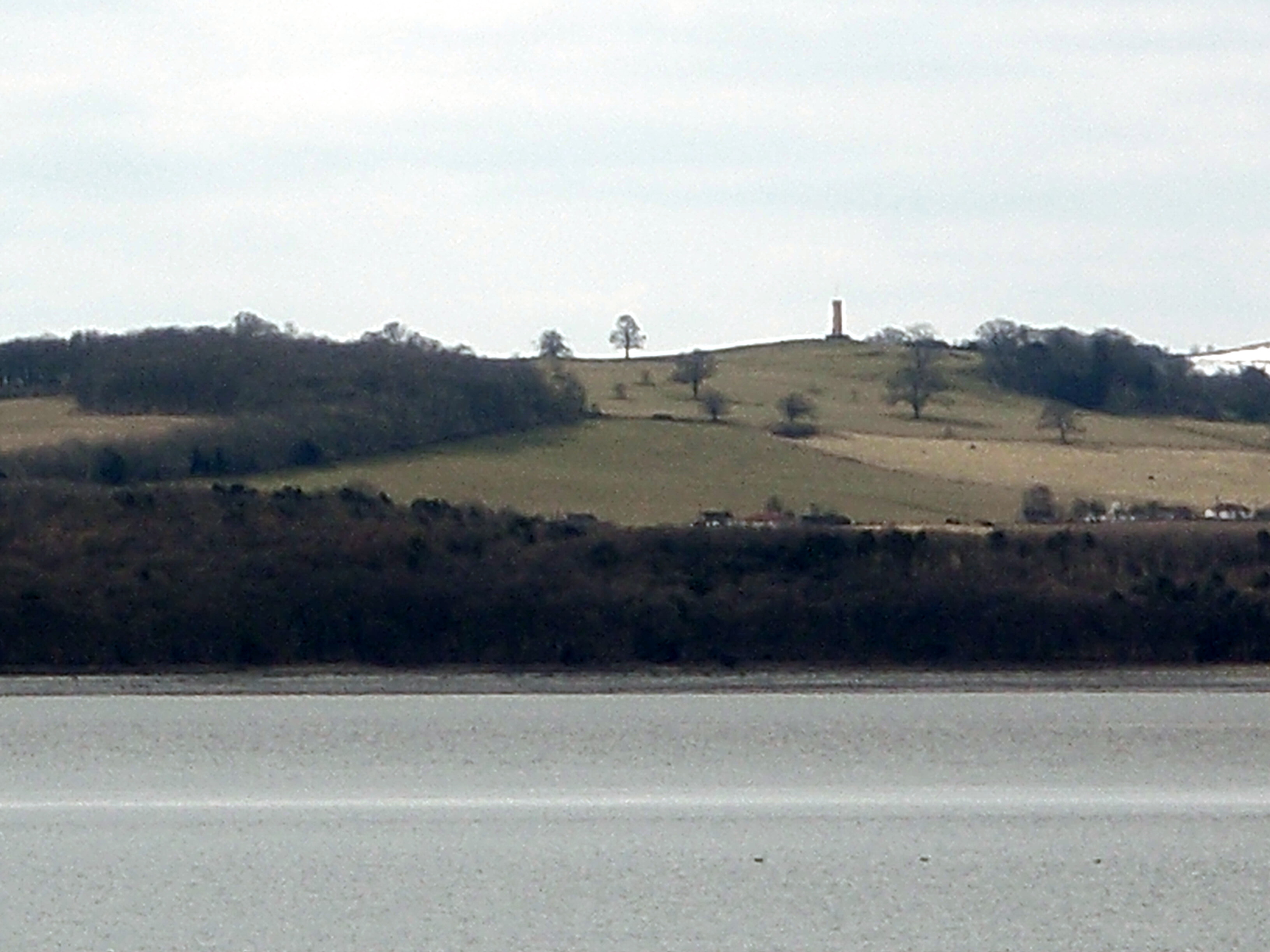
On leaving the the graveyard, we head right which leads to a pleasant shoreline walk along to Limekilns. Looking over the water there is even a hint of Glastonbury Tor over in West Lothian. It’s the tower folly of The House of the Binns, Tam Dalyell’s family home. It’s a short walk to Limekilns and as we approach we are reminded of David Balfour and Alan Breck who visit the village in Robert Louis Stevenson’s Kidnapped:
“about ten in the morning, mighty hungry and tired, came to the little clachan of Limekilns. This is a place that sits near in by the water-side, and looks across the Hope to the town of the Queensferry.”
(Kidnapped, Chapter XXVI, End of the Flight: We Pass the Forth).
We will write-up what we found in Limekilns and Charlestown another day.
Now Playing: Current 93 – Baalstorm, Sing Omega
References:
Alan Reid, Limekilns and Charlestown: A Historical Sketch and Descriptive Sketch of a Notable Fifeshire Neuk, (Dunfermline: A. Romanes, 1903).























































 Murdo Eason - From Hill to Sea