
≈
three gateways
a flow of
spring light
warming stone
~
Hunter Square Edinburgh 15.02.14
Murdo Eason - From Hill to Sea
walking / writing / between world and word
≈
three gateways
a flow of
spring light
warming stone
~
Hunter Square Edinburgh 15.02.14
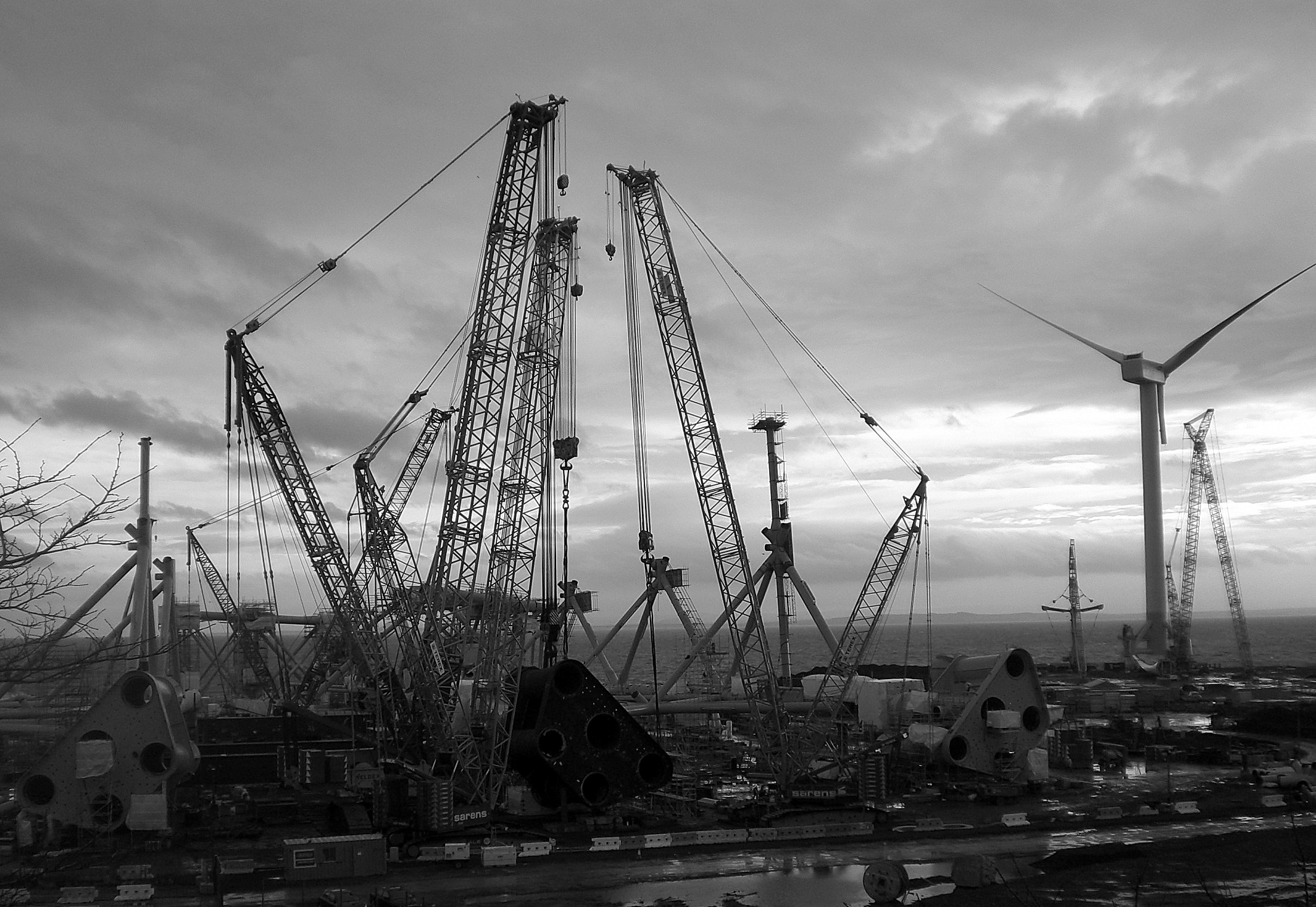
Methil 08.02.14.
Now Playing: Mogwai – The Hawk is Howling.
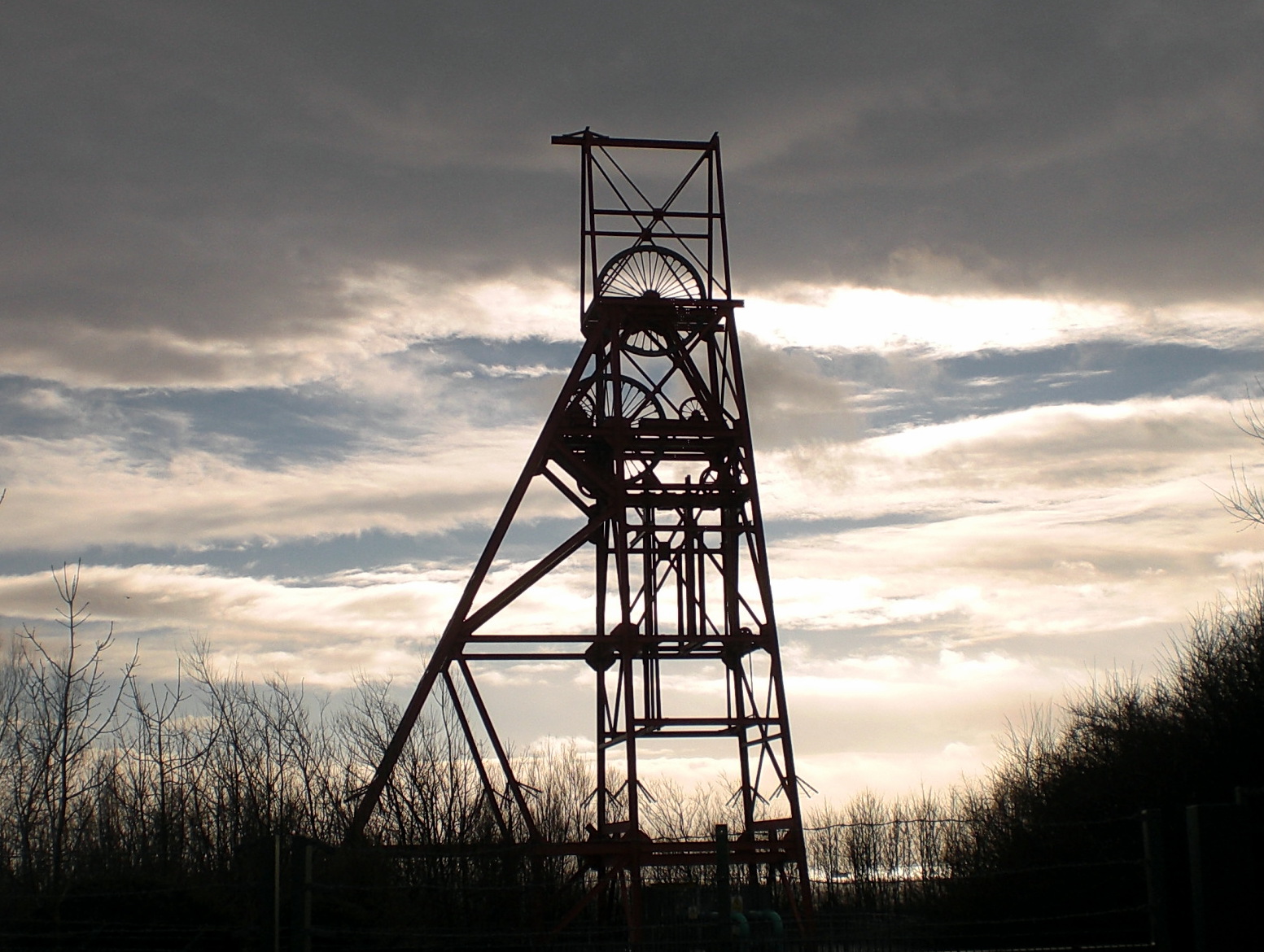
Industrial ghost – winding gear of the Frances Pit Dysart, 08.02.14
Now playing: Matt Berry – Kill the Wolf
.
deep time
encoded
black
diamonds
murmur
fire music.
energies
of wind
and wood
weave
lambent tongues
of ancient
elemental
alchemy
.
.
Once we looked to the horizon.
How can we see now?
≈

.
Encased
in the white wall
a pulse, a tracing
an inscription of breath.
≈

.
An acronym, or
a beginning
an interruption, or
an end?
≈
.
Wind-blown,
brush strokes
impasto smears
…………………………………………….– the sky
a feathered script
of light
≈

.
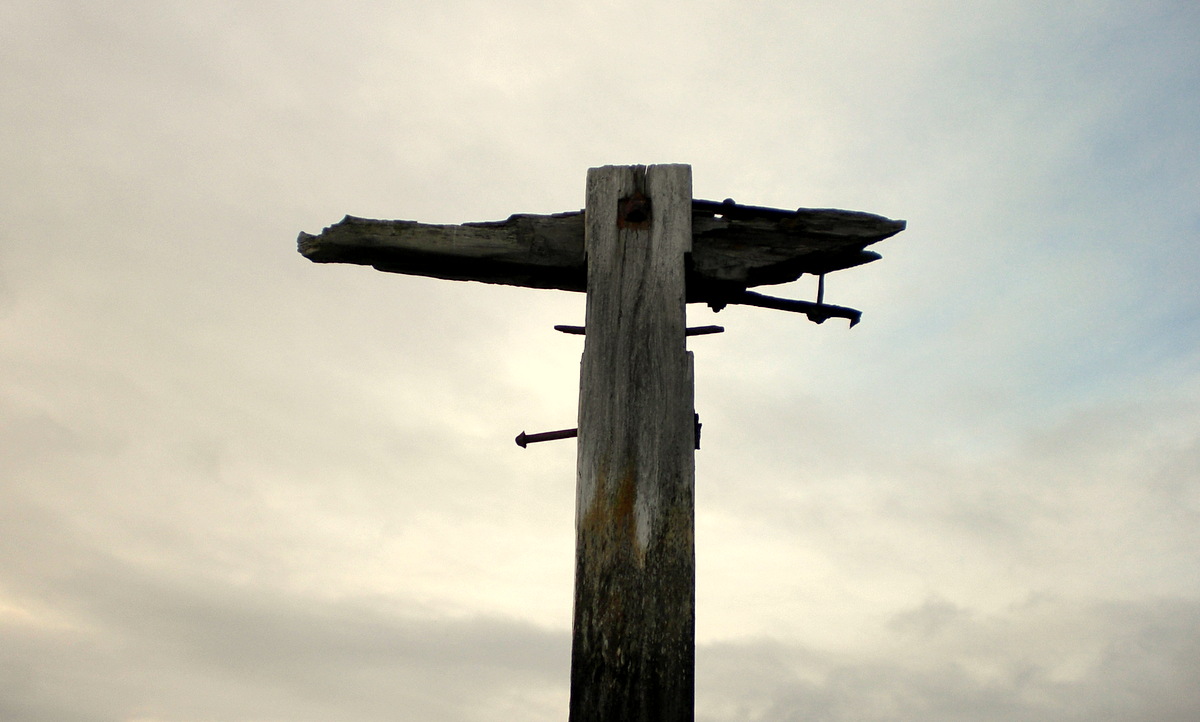
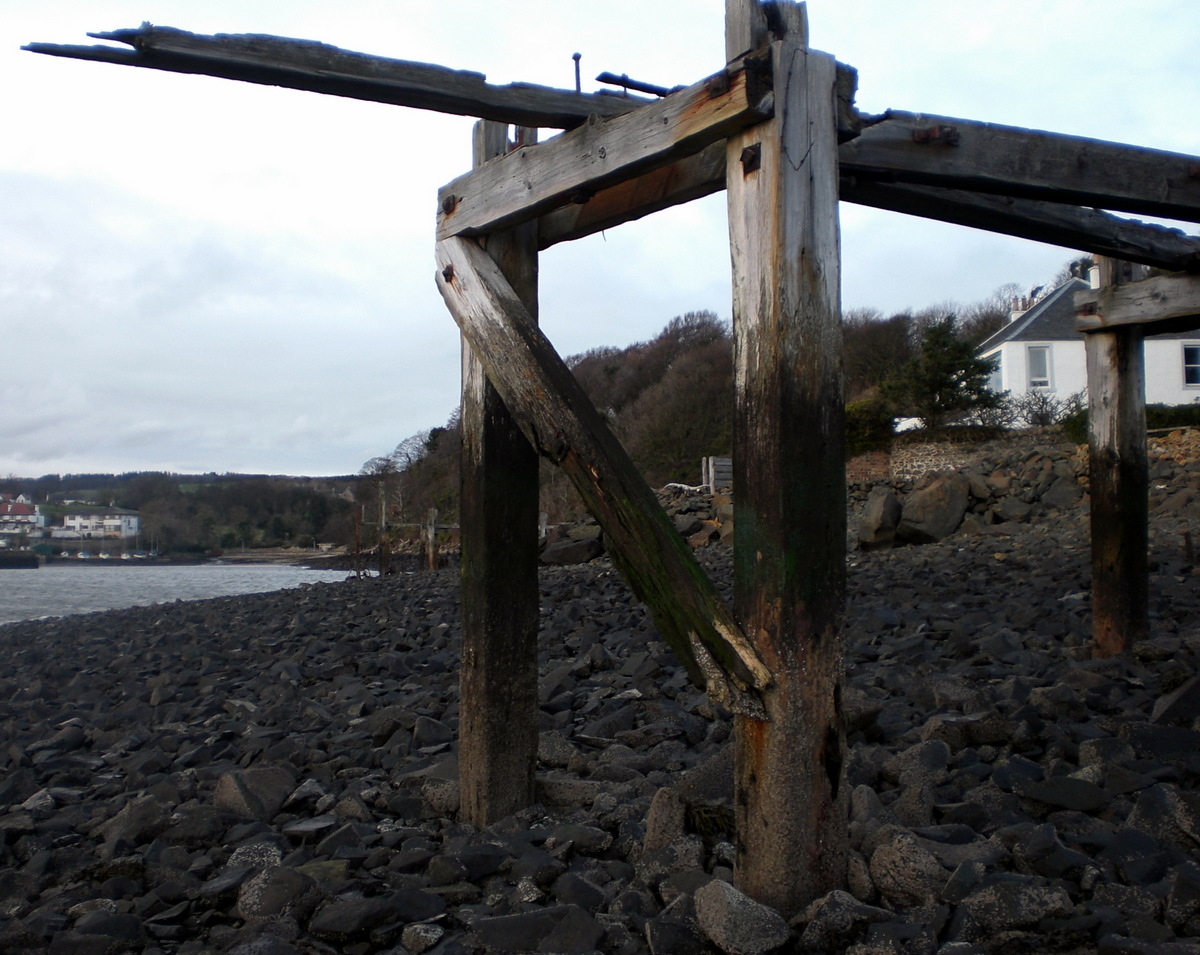
At the ghost pier
the ebb and flow
of memory
and forgetting
≈
.
Weather soaked
histories
etched – in wood
a redundancy of nails
.
.
.
≈
.

.
A polished pewter sky
dreams a wash of
copper-burnished kisses
≈
.
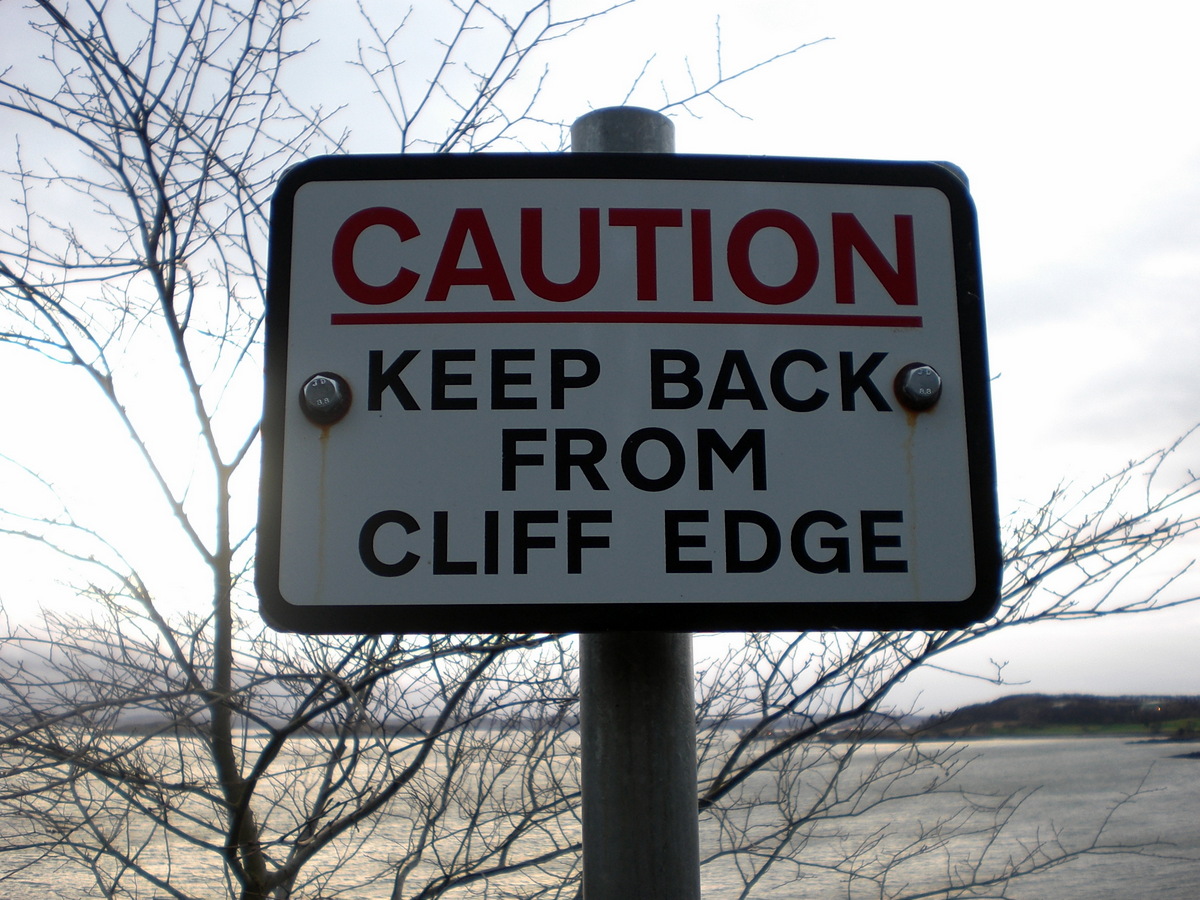
an invitation,
the pull towards
the edge
.

.
to sit and stare.
Listening
to the lichens
singing
≈
.
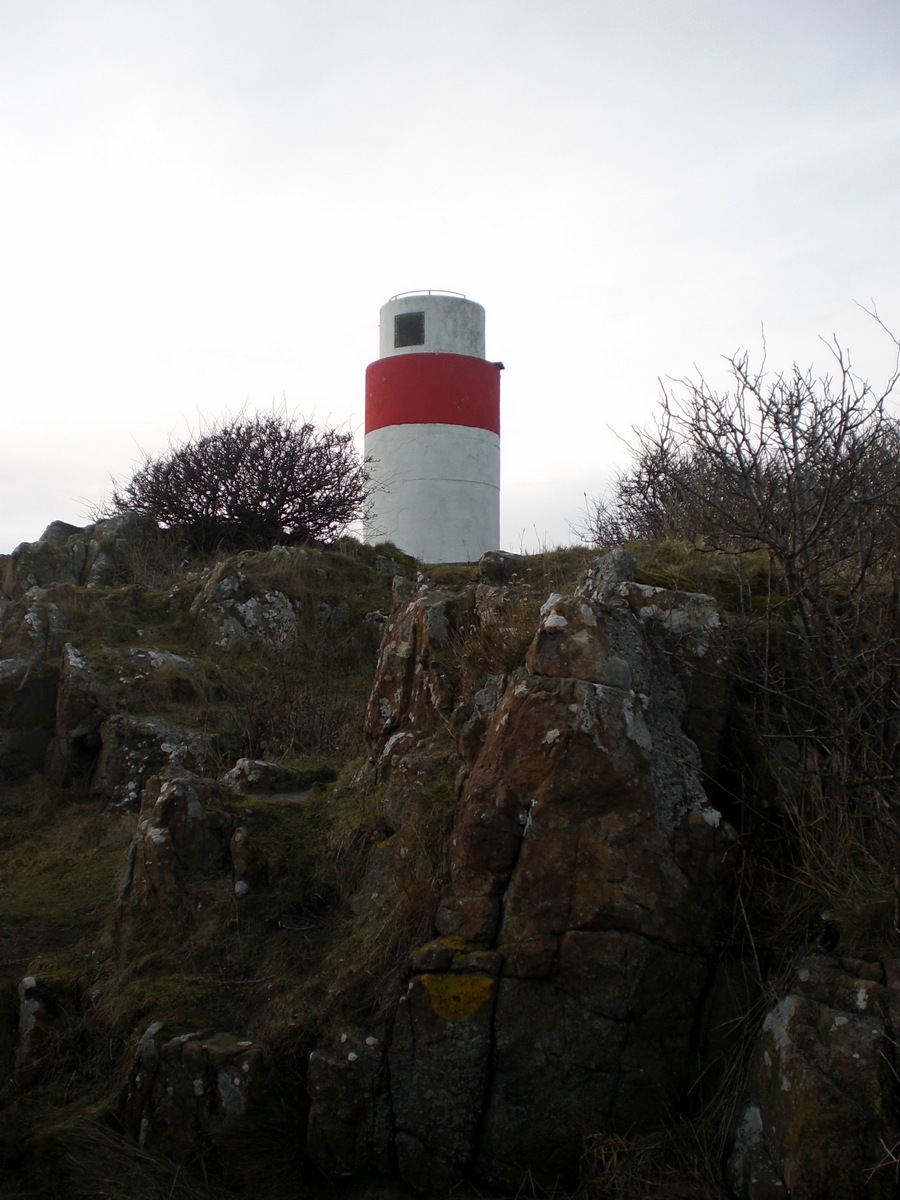
On the cliff top,
who is watching
the solitary watcher
≈

.
and at the bench
an outward gaze
to remember
and once again
look beyond
the edge of the horizon.
≈
Musings from a short walk in the village of Aberdour, Fife, on 28th December 2013.
Thanks to @emmaZbolland for “Pewter light” in response to an earlier tweet of the Ghost Pier.
Now playing: Translucence – John Foxx and Harold Budd.
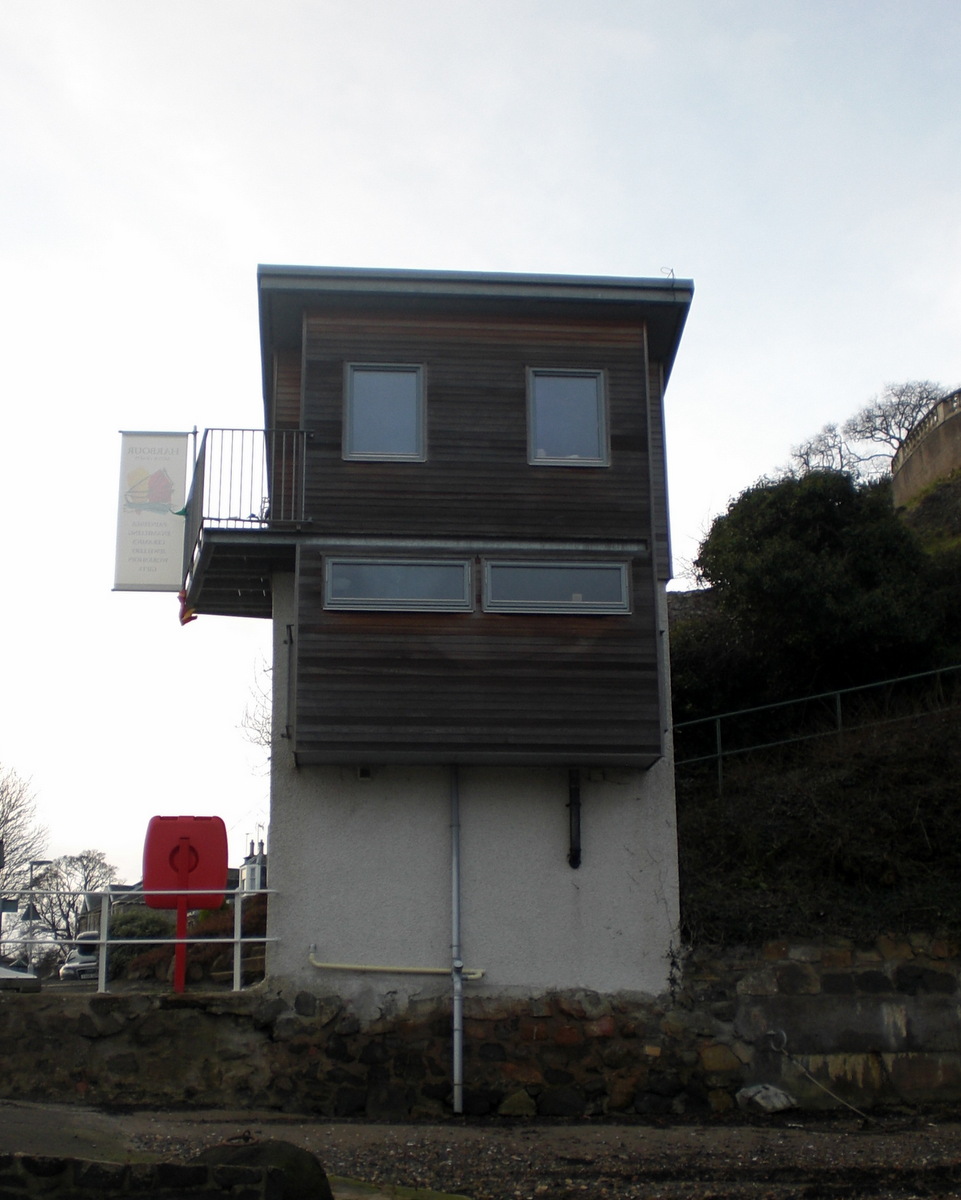
Aberdour, Fife, 28th December 2013.
Now playing: Simply Saucer – Here Come the Cyborgs
Would just like to take the opportunity to wish everyone all the best for 2014. Thank you for your support which has been much appreciated in 2013.
˜
Pause. Breathe. In. Out. Pre-
pare the sounding board you’ll be
for the pell-mell bells.
(Ron Butlin – from Four Haikus for a New Year).
.
Please excuse the following indulgence. Normal service will be resumed shortly!
˜
A Musical Year: Soundtracks of 2013
Heroine of the year: Éliane Radigue.
As Radigue approaches her 82nd birthday, 2013 finally saw a release for Ψ 847, her c. 80 min electronic piece originally conceived in 1973. Important Records also reissued the rare and monumental Adnos I-III and just before the year end Shiiin released the first complete recording of Naldjorlak I II III. All of this recorded documentation was rounded off by being lucky enough to catch a concert in Paris of her ongoing Occam Ocean series of compositions for her trusted acoustic collaborators: Charles Curtis, Carol Robinson, Bruno Martinez, Robin Hayward, Julia Eckhardt, and Rhodri Davies.
Hero of the year: Ilan Volkov.
Curator of the world class Tectonics festival in Glasgow and (Reykjavik) bringing together works by composers such as Alvin Lucier, Morton Feldman, Iancu Dimitrescu, Ava-Maria Avram and Hanna Tuulikki. A highlight was watching Alvin Lucier lift the lid off his sonic teapot. Performers included Oren Ambarchi, Stephen O’Malley, Aidan Moffat, Hildur Guðnadóttir and Volkov himself who took part in a rousing version of Ambarchi’s Knots. In addition, Volkov continues to spearhead ‘new’ orchestral music and has conducted the BBC SSO in many fine performances including works at The Proms by Cage, Feldman, Varèse and Cardew alongside emerging, contemporary composers.
A big shout out also to the Counterflows festival. Another world class event for Glasgow which in 2013 included Loren Connors and Suzanne Langille, Phill Niblock, Jandek, Lina Lapelyte and a blistering closing set from Peter Brötzmann and Paal Nilssen-Love. The line up for 2014 is already looking pretty fabulous.
So in alphabetical order:
The Dead C – Armed Courage (Ba Da Bing)
What they always do, very well.
Kevin Drumm – Tannenbaum (Hospital Productions)
Often reduced to the ‘noise’ tag. Drumm has produced some incredible deep drone music over the past few years. This is a long, unfolding masterpiece. All 2.5 hours of it.
The Fall – Re-Mit and The Remainderer
Because anything by The Fall is worthy of celebration.
Fire! Orchestra – Exit! (Rune Grammofon)
The big band spirit of Sun Ra lives.
Bruce Gilbert & BAW – Diluvial (Touch)
Sounding global warming.
Ramon Humet and The London Sinfonietta – Niwa (Neu)
Zen gardens, haikus in sound.
The Incredible String Band – Live at the Fillmore 1968 (Hux Records)
Long available as a bootleg, but good to have a decent recording which captures the ISB at their creative peak. “They tell me I was there” – Robin Williamson.
Keith Jarrett – No End (ECM)
Bit of a lo-fi curio but a fascinating glimpse into the Jarrett mind (or self indulgent noodling depending on preference). Essentially a home recorded guitar album from 1986, but only recently released. (He also plays bass, drums, tablas, percussion, recorder, and piano).
Dennis Johnson – November (Irritable Hedgehog)
Tremendous piece of archive reconstruction from Kyle Gann and admirably recorded by Andrew Lee. Jeremy Grimshaw’s book on La Monte Young fills in some of the back story on this ‘forgotten’ work and Johnson’s friendship with Young.
Brian Lavelle – My hands are ten knives (Quiet World)
BL has built up a fascinating body of sound work, both solo and in collaboration. Very much enjoyed a more minimal direction in 2013 and could easily have chosen 56 Revealings which was another fine release.
Alan Licht – Four Years Older (Editions Mego)
Blue Humans, Text of Light. Noisy guitar poet
Roscoe Mitchell – Not Yet (mutable music)
Stunning set of concert compositions. Features conductor Petr Kotik who will be familiar to the Cage/Feldman crowd.
Mogwai – Les Revenants
Never caught the TV series but the music stands up very well on its own. A January release for Rave Tapes should get 2014 well underway.
Mohammad – Som Sakrifis (PAN)
Deep, elemental, drone chamber trio.
The Necks and Evan Parker – Late Junction Session, BBC Radio 3
Open is the first Necks album that I found a bit disappointing. In contrast, this session with Evan Parker was a real treat and much more satisfying. A rare collaboration for The Necks.
Phill Niblock – Touch Five
What he always does, very well.
Nohome – Nohome (Trost) (Caspar Brötzmann, Marino Pliakas, and Michael Wertmüller)
Lost track of Brötzmann’s activity in the past few years, but this is phenomenal. Teaming up with sometime rhythm section of Peter B plus FM Einheit. Melting walls, sonic attack.
Jim O’Rourke – Steamroom 1 & 5
These were the only ones we heard of the digital Steamroom series and are superb. The rest probably are as well.
The Pastels – Slow Summits (Domino)
Welcome album return and the soundtrack to the summer.
Pere Ubu – The Lady From Shanghai (Fire Records)
As original and inventive as ever. A holiday in Berlin coincided with a live show. David Thomas luxuriated in overt cantankerousness and necked a bottle of red wine in short order. Table tennis sounds, Ring my Bell
Michael Pisaro – Tombstones (Human Ear Music)
Almost a Julia Holter album. Technically 2012 but CD out in 2013.
Éliane Radigue – Ψ 847 (Oral); Adnos I-III (Important); naldjorlak I II III (Shiiin).
You have to experience Radigue. Words fail. Meditation helps.
Shampoo Boy – Licht (Blackest Ever Black)
Terrible name, but dense, ear pleasing drone from Peter Rehberg & friends.
Splashgirl – Field Day Rituals (Hubro)
An even worse name but combine them Shampoo Boy and you could have a Robert Rodríguez film. A piano trio produced by Randall Dunn with some guest appearances from Eyvind Kang.
Burkhard Stangl – Unfinished. For William Turner, painter (Touch)
Minimal guitar saturated with atmospheres.
Jakob Ullmann – fremde zeit addendum 4 (Edition RZ)
Needs full attention.
Water of Life – s/t
Exquisite, art-science collaboration between Rob St.John and Tommy Perman exploring flows of water through Edinburgh using drawings, photos, writing and sound.
Wire – Change Becomes Us (Pink Flag)
Still waving the Pink Flag.
♦♦♦
Live Highlights:
Acid Mothers Temple – Nice ‘n’ Sleazy, Glasgow
At their genre shredding best in a small basement club.
Dick Gaughan – Carnegie Hall, Dunfermline
A man with a guitar, a sense of history and political commitment. Great raconteur as well.
Dieter Moebius – Live score to Fritz Lang’s Metropolis – The Arches, Glasgow
Part of Sonic Cineplex at The Arches Glasgow.
Meredith Monk – On Behalf of Nature – Lyceum, Edinburgh
Theatre/music piece inspired by Gary Snyder.
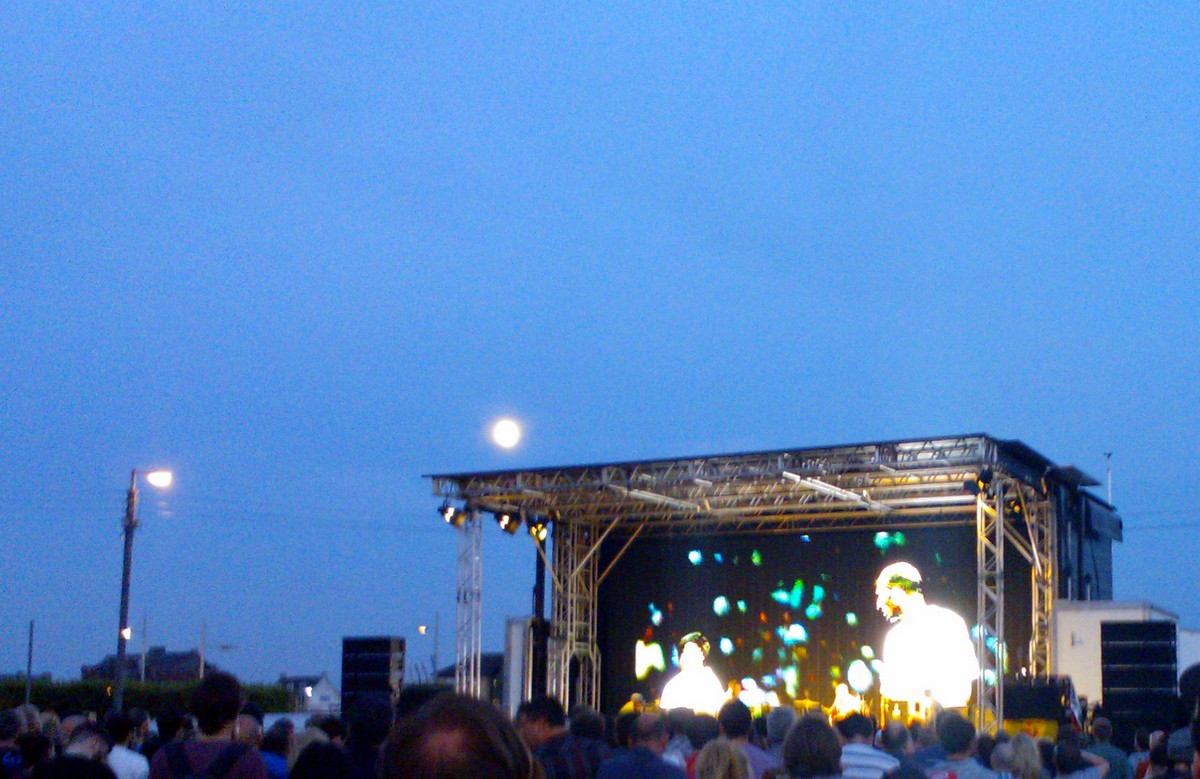
Mogwai, performing live to Zidane, A 21st Century Portrait – Broomielaw, Glasgow.
An outdoor, summer gig in Glasgow. Also intrigued by the moon.

Nazoranai (Keiji Haino, Stephen O’Malley, and Oren Ambarchi) – Stereo Glasgow.

Easily the loudest gig ever witnessed. Earplugs next time but exhilarating
Pere Ubu – Quasimodo, Berlin
See above.
Éliane Radigue, Compositions from Occam Ocean – Collège des Bernardins, Paris
This music/sound rearranges the molecules of the body. A big thanks to A who came along on what was a romantic weekend.
Il Sogno del Marinaio (Mike Watt/Stephan Pilia/Andrea Belfi) – Mono, Glasgow.
Mike Watt is always interesting live and intrigued to see Pilia in this setting having previously loved his Action, Silence Prayers album.
Patti Smith and Philip Glass, The Poet Speaks (A tribute to Allen Ginsberg) – Playhouse, Edinburgh
Was a bit apprehensive about this beforehand, as in may not equal the sum of parts, but what a superb evening. Patti expressed her admiration for Robert Louis Stevenson as well.
Television – The Sage, Gateshead
A rare chance to see a favourite band so well worth a trip to Newcastle and saw Schwitters Merzbarn wall the next day.
Neil Young & Crazy Horse – SECC, Glasgow
Broke my vow to never visit the SECC again and found electric Neil and the Horse in fine form. Out mbv’d mbv.
I
.
.
.
I remember
How the darkness doubled
.
.
.
.
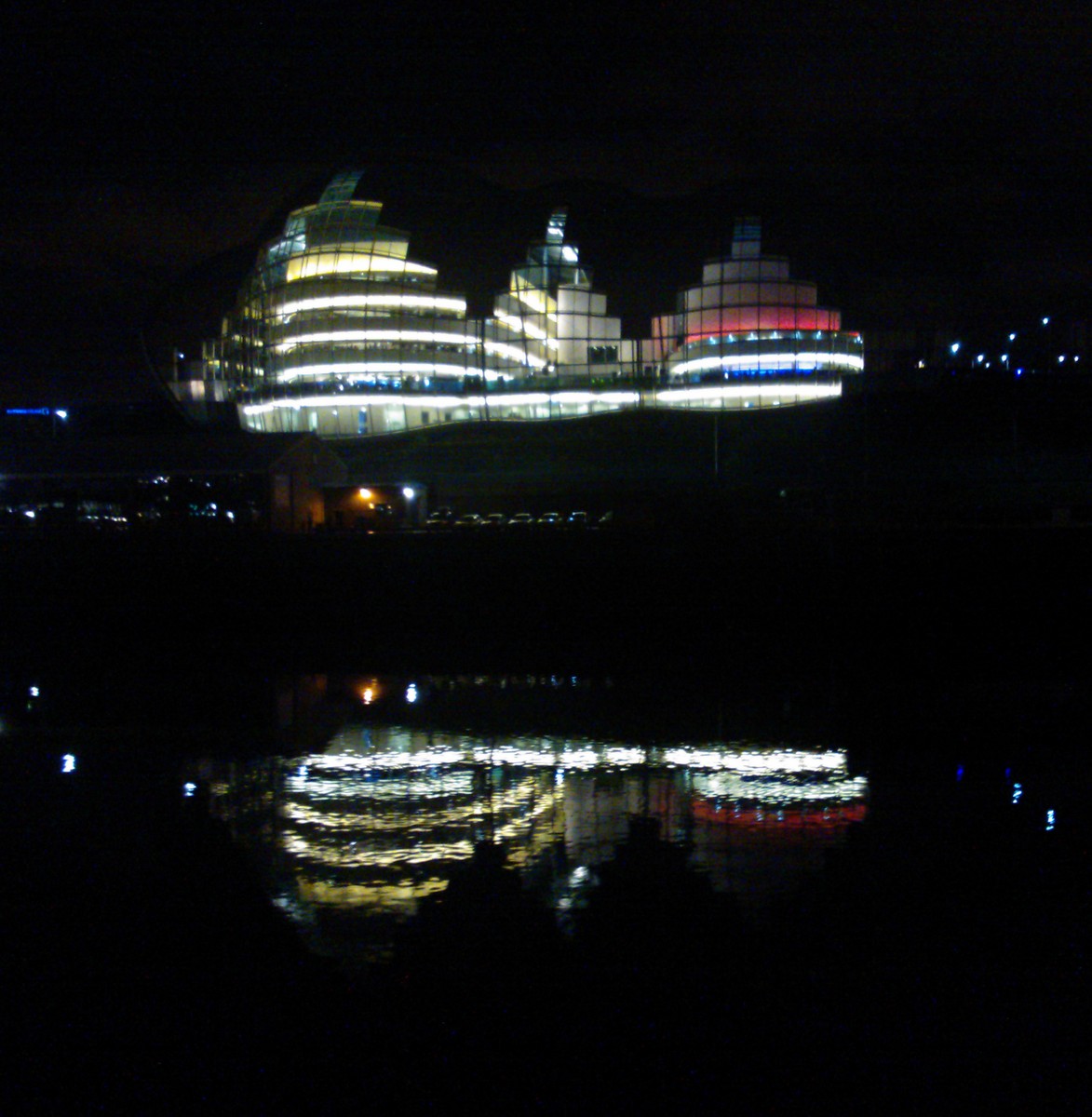
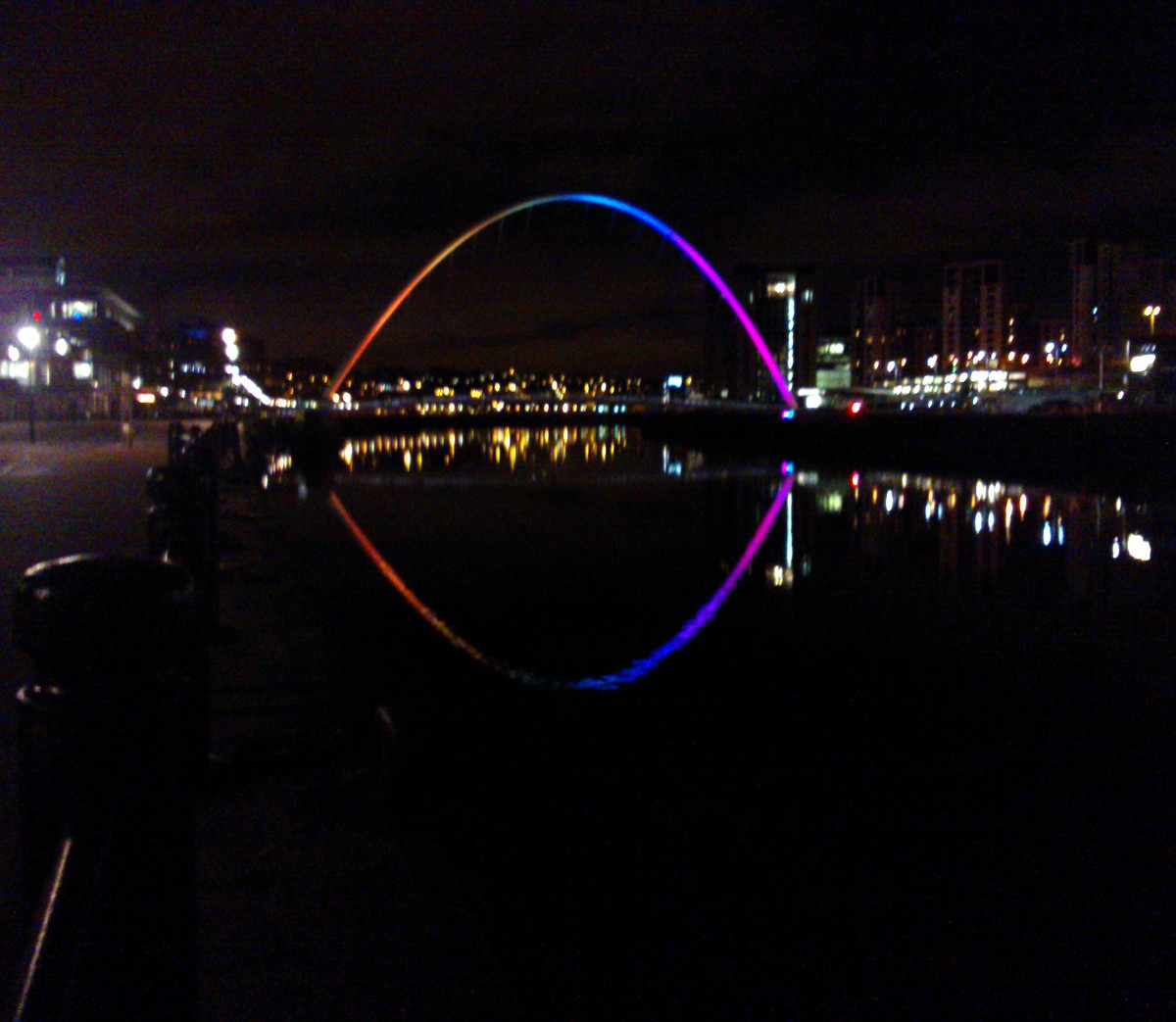
Standing. In the dark, enveloped by a light rain on the quayside of the River Tyne. The opening lines of Television’s Marquee Moon are snaking through my head. It feels as if the song is seeping out into the city’s arteries. An energy circulating through the cobbled streets, overhead bridges and the reflecting river. Marquee Moon is an album that has always seemed to stand outside of time and yet evokes a strong sense of place. An almost cubist portrait of New York. Tonight it’s Newcastle that is being pulled into the gravity of the song.
The treacly purr of the Tyne does indeed double the darkness upon which two cathedrals of light are painted. The Sage Gateshead, a silver slug of undulating movement in daylight, shape-shifts into a trio of glass pyramids. Bricks of light etched upon the darkness. Its reflective doppelgänger is traced in the depths of the lipping water. All edges smoothed into Guggenheim-esque spirals of shimmering curves.
.
.
I recall
lightning struck itself
.
.
Further up the quayside, the Millenium Bridge indicates the route of travel over the river to where Tom Verlaine & Co will shortly take the stage for a very rare UK appearance. Once again the city appears to absorb and reflect back the enigmatic lyric. Lightning/lighting appearing to strike itself. An arc of rainbow colours – the illusion of movement a solid sphere – a Marquee Moon?
.
II
At the Hatton Gallery, Newcastle University:

Pasmore’s description of the Apollo Pavillion as “an architecture and sculpture of purely abstract form through which to walk”.
.
III
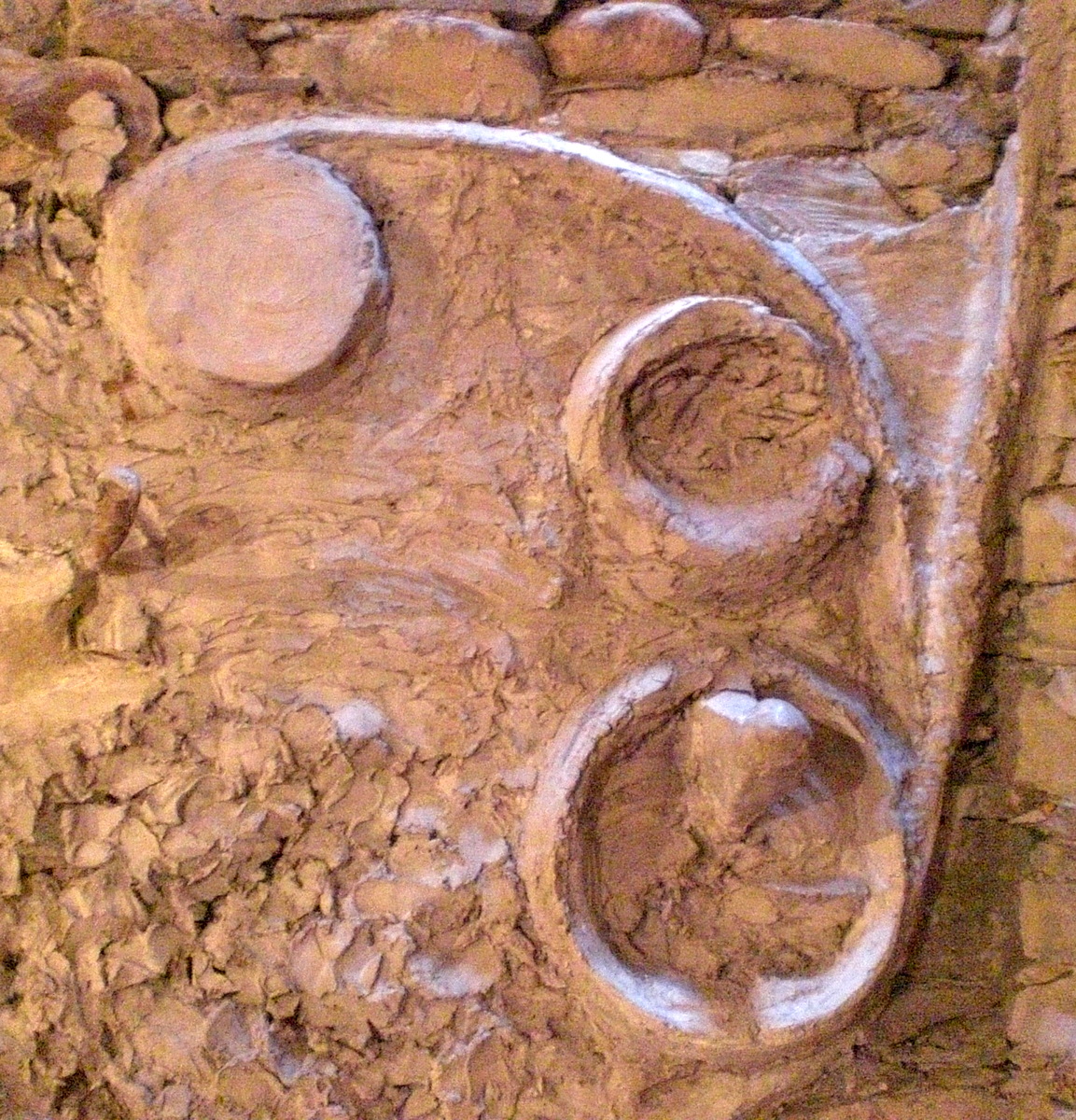
The Merzbarn Wall
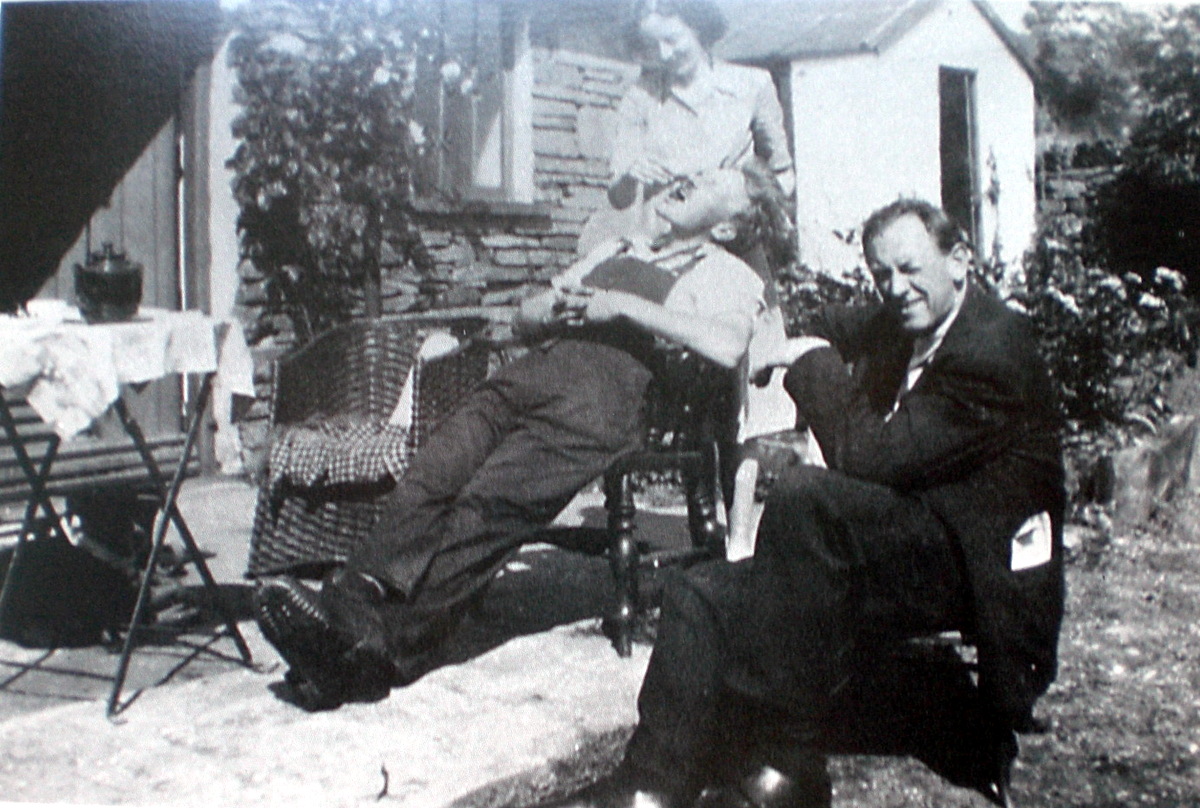
I recall being alerted by Diana J. Hale to Kurt Schwitter’s Merzbarn near Elterwater in the Lake District. Created in 1947 – 48 the Merzbarn was Kurt Schwitters’ final, and in his own estimation, ‘greatest’, piece of work.
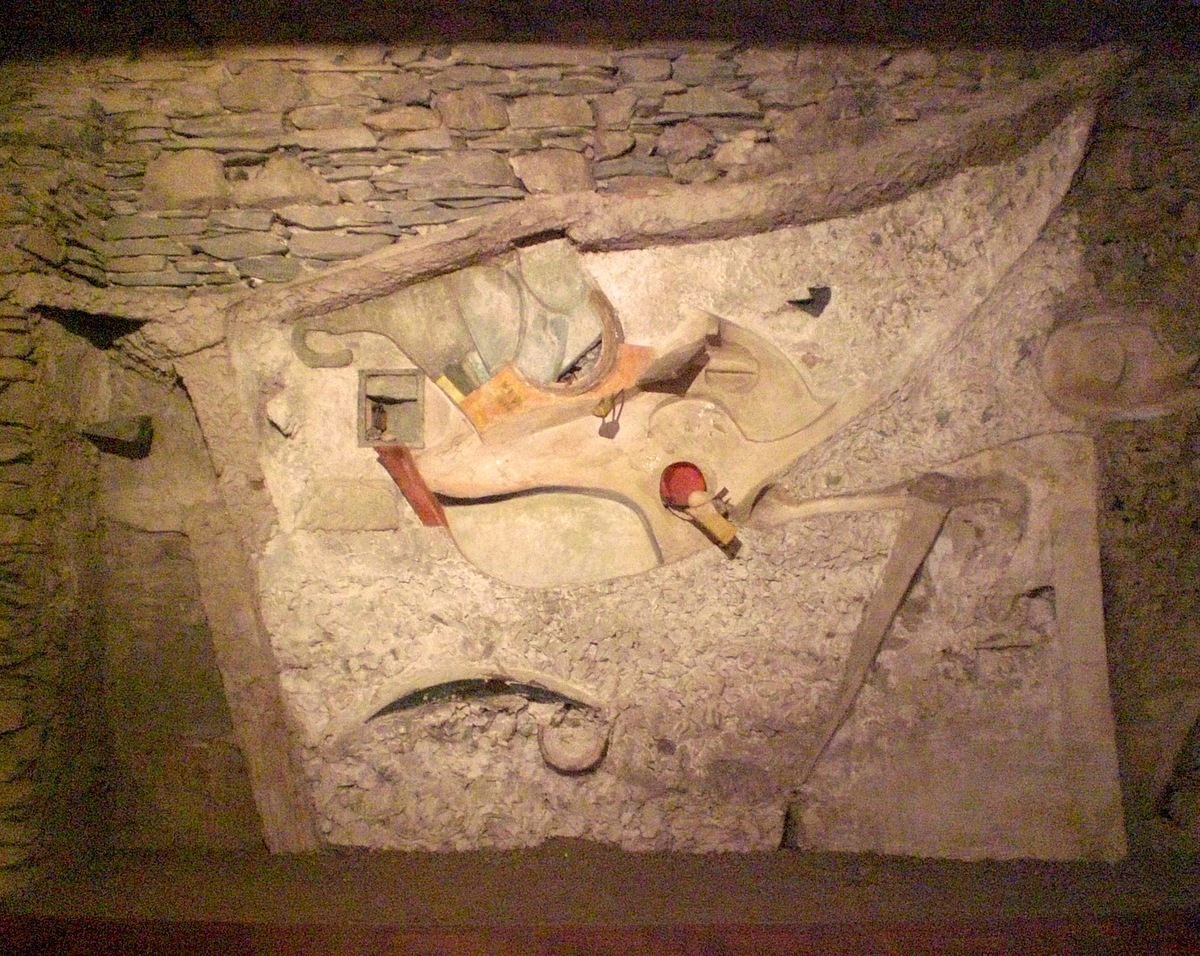
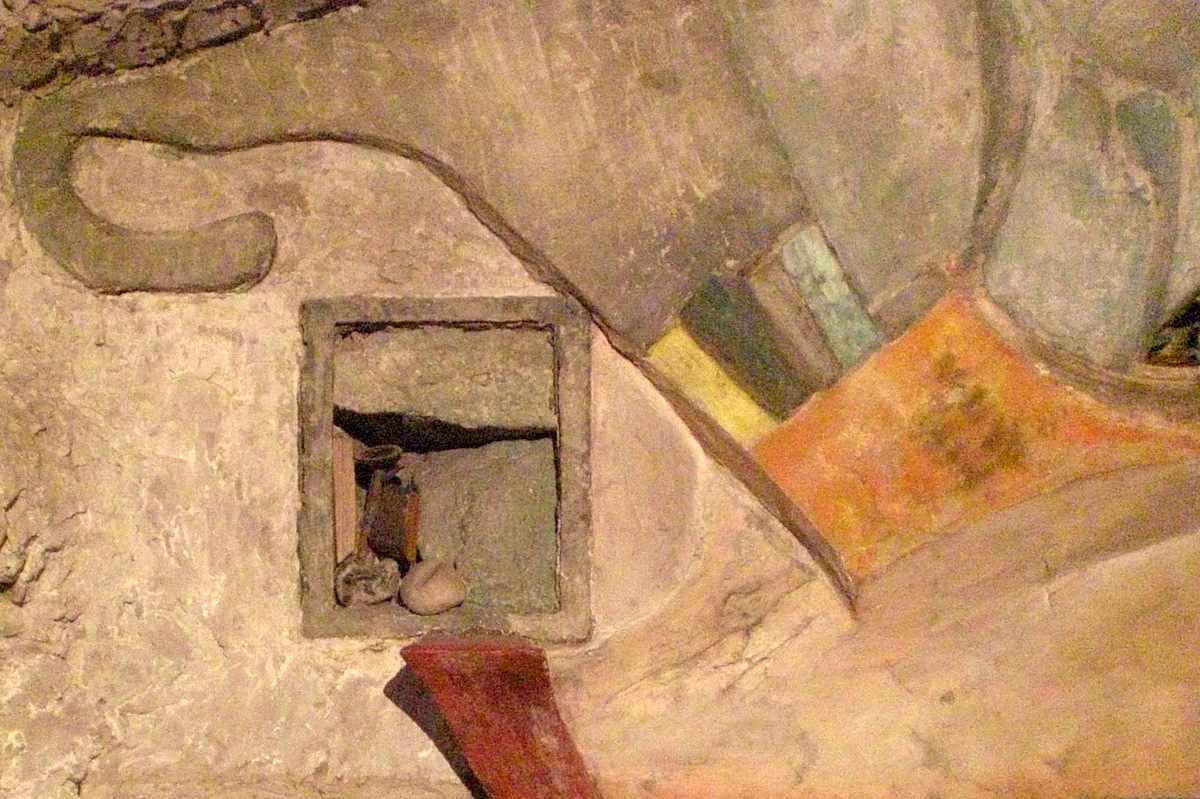
The Hatton Gallery has on display, as a permanent installation, the Merzbarn Wall which was part of the original barn construction at Elterwater. The Wall was unfinished when Schwitters died in 1948 and in 1965, after lengthy discussions about the barn’s future, the Wall was given to Newcastle University who undertook its removal, restoration and preservation. The Merzbarn was based on Schwitter’s idea of collage, in which found items are incorporated into an art work. Schwitters applied a rough layer of decorator’s plaster and painted over various found objects, giving the three-dimensional collage an abstract quality. The items incorporated into the wall include:
A slate log splitter
A small metal window frame
The rose of a child’s watering can
Twigs
Part of the rim of a cartwheel
A china egg
A section of guttering
Part of an oval gold mirror frame
A metal grid
A rubber ball
Stones from Langdale Beck
Some Gentians – which have now disappeared
Asked what the Merzbarn Wall meant, Schwitters replied: “all it is, is form and colour, just form and colour”.

.
Merzbau – the creation of environments which use the forms and even debris from local places to create a new environment. Initially in the form of assemblages, Schwitters developed the human scale environments which he called Merzbau.
.
.
.
.
.
.
.

.
IV
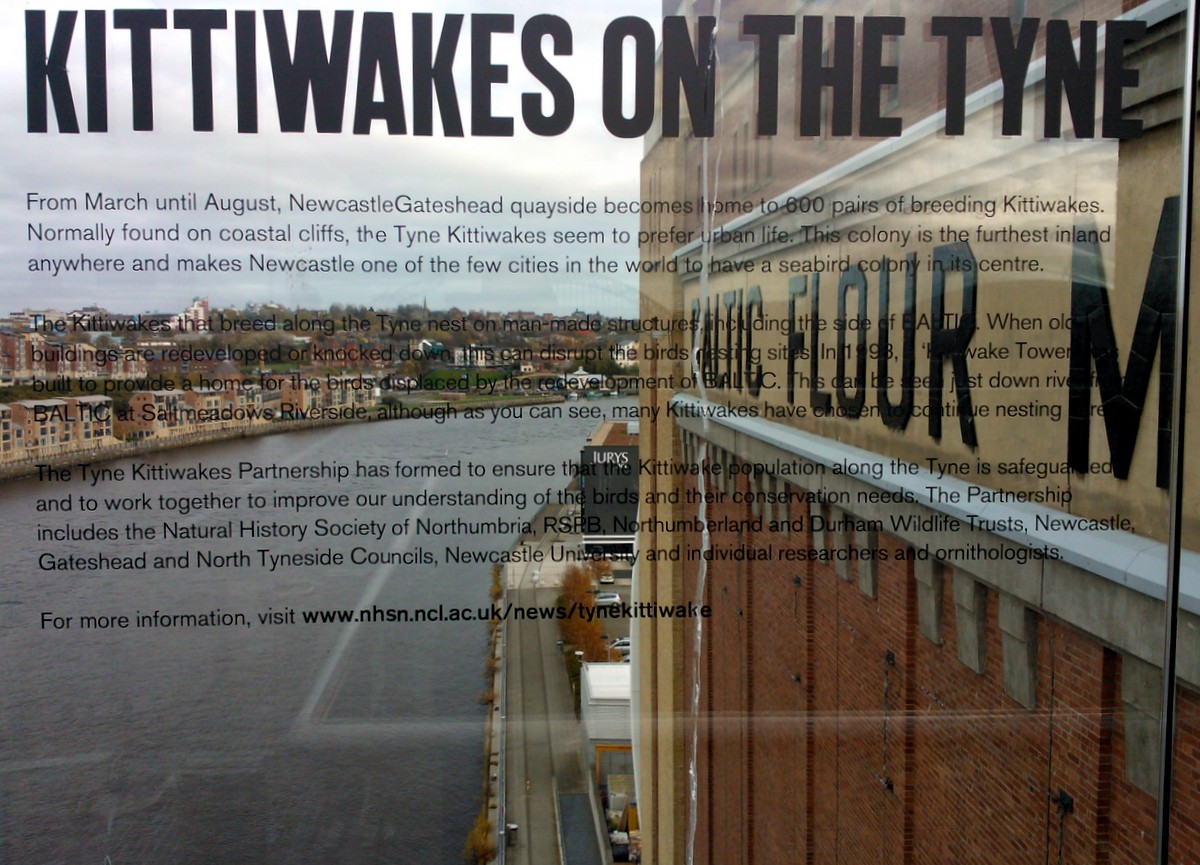
Kittiwakes on the Tyne
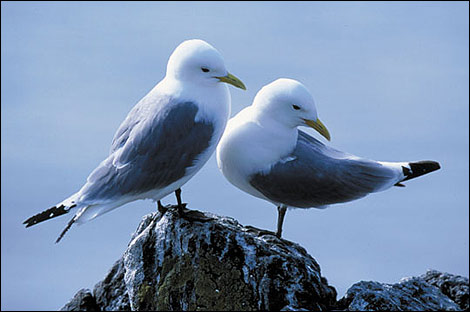
From March until August, Newcastle/Gateshead quayside becomes home to around 600 pairs of breeding Kittiwakes. Normally found on coastal cliffs, the Tyne Kittiwakes clearly prefer the narrow ledges of the Tyne bridges. The Kittiwake colony is the furthest inland anywhere in the world and makes Newcastle one of the few cities to have a seabird colony in its centre.
There are no Kittiwakes to be observed on this visit as they will be out soaring on Atlantic winds over the winter. Some will travel as far as Canada and Greenland. However, it is comforting to know that come Spring, they will once again hear the unheard pulse of the city guiding them back to their breeding grounds on the bridges of the Tyne.
.
V
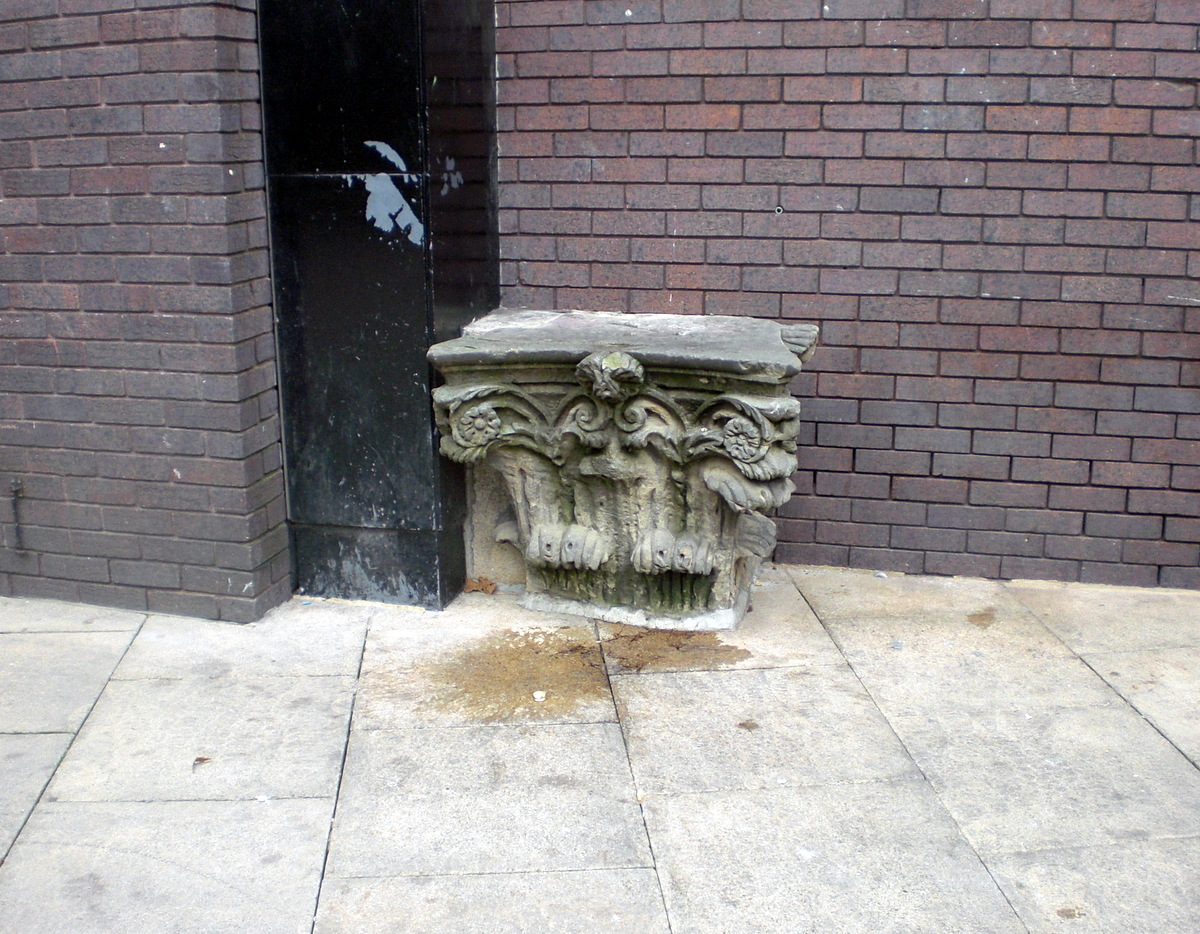
The Bigg Market
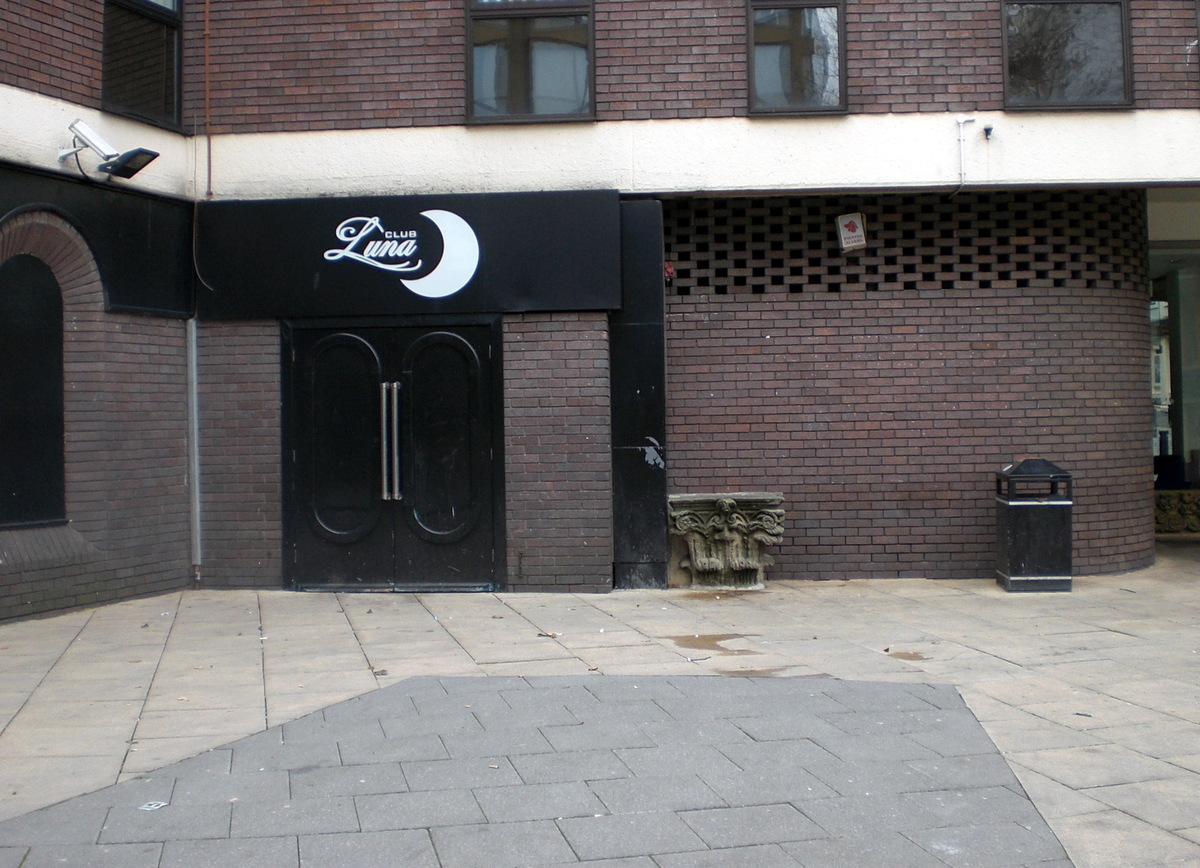
A lonely carved stone huddles unceremoniously in the Bigg market. The elegance and grace of the craftsmanship still evident and contrasted against the utilitarian tardis of the neighbouring, municipal rubbish bin. The stone, in its displaced environment, is now likely to be a seated sanctuary for the nocturnal fag smokers taking a breather from Club Luna next door. A silent witness to the human stains from last nights excess dried hard against the pavement.
.
.
.
VI
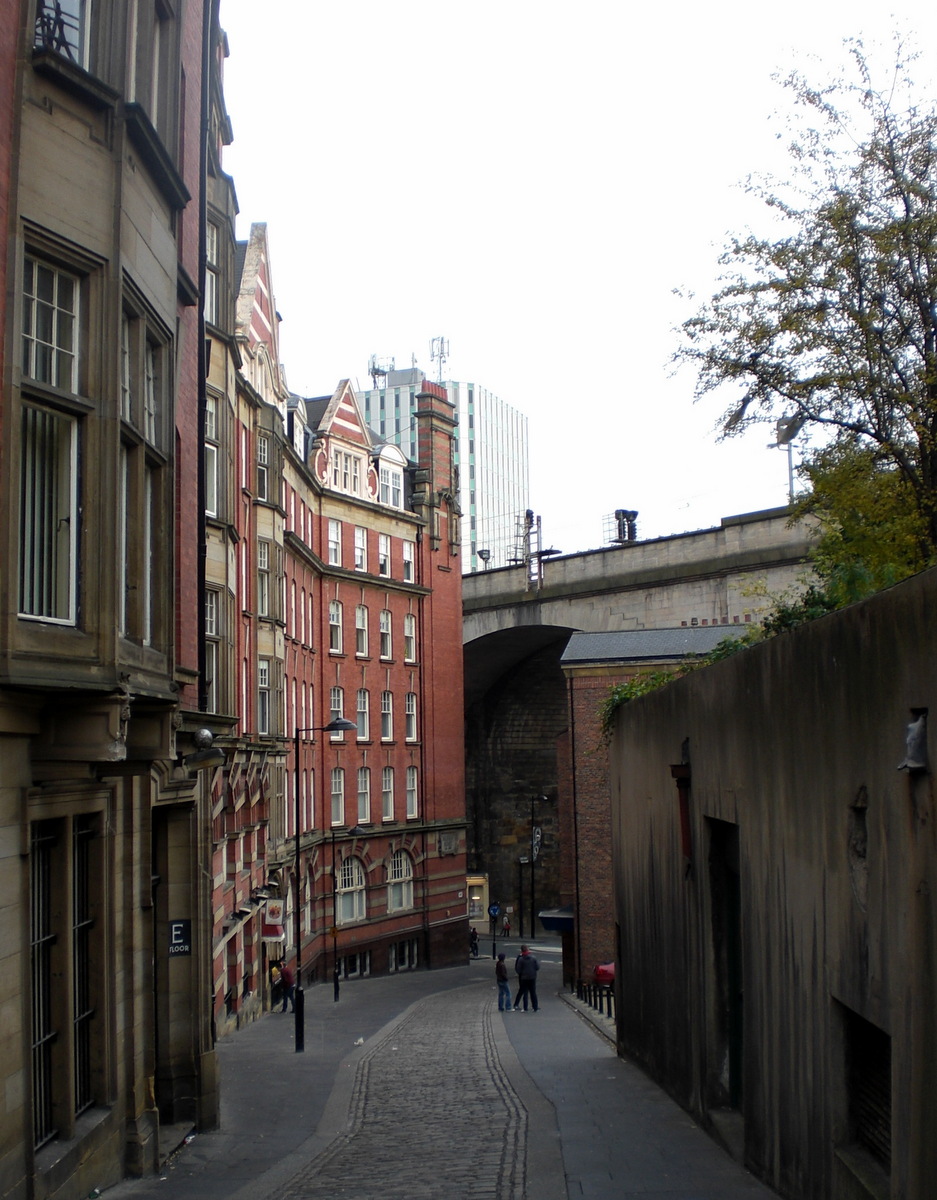
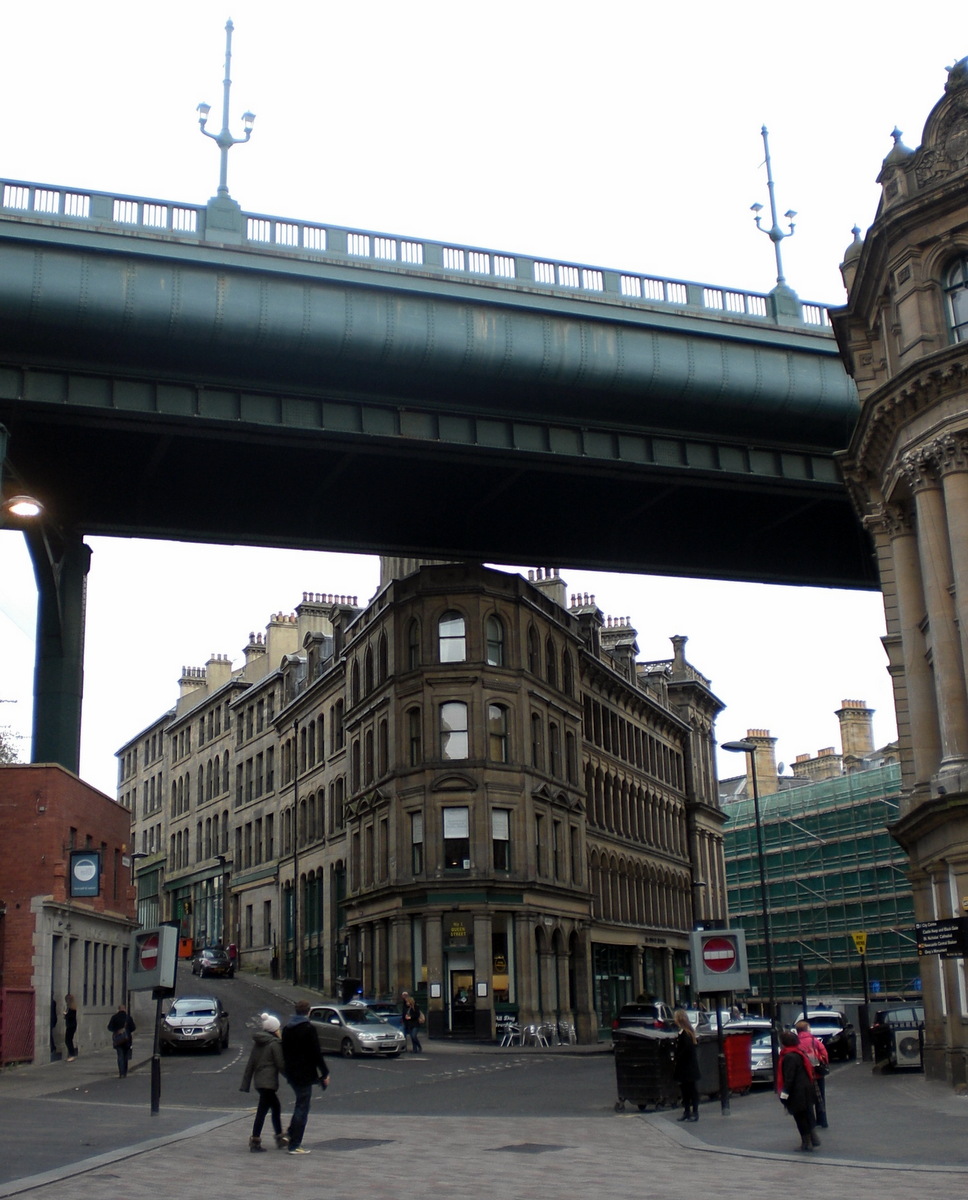
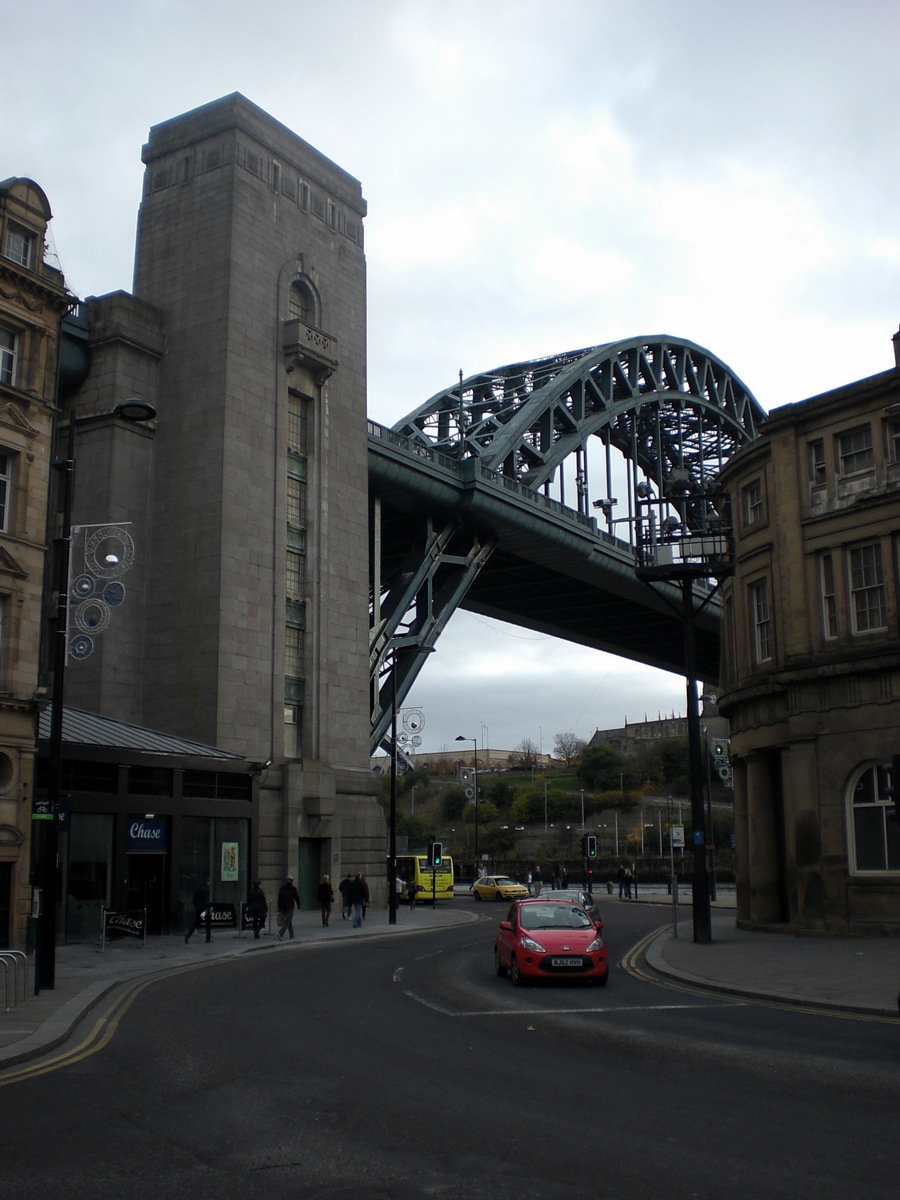
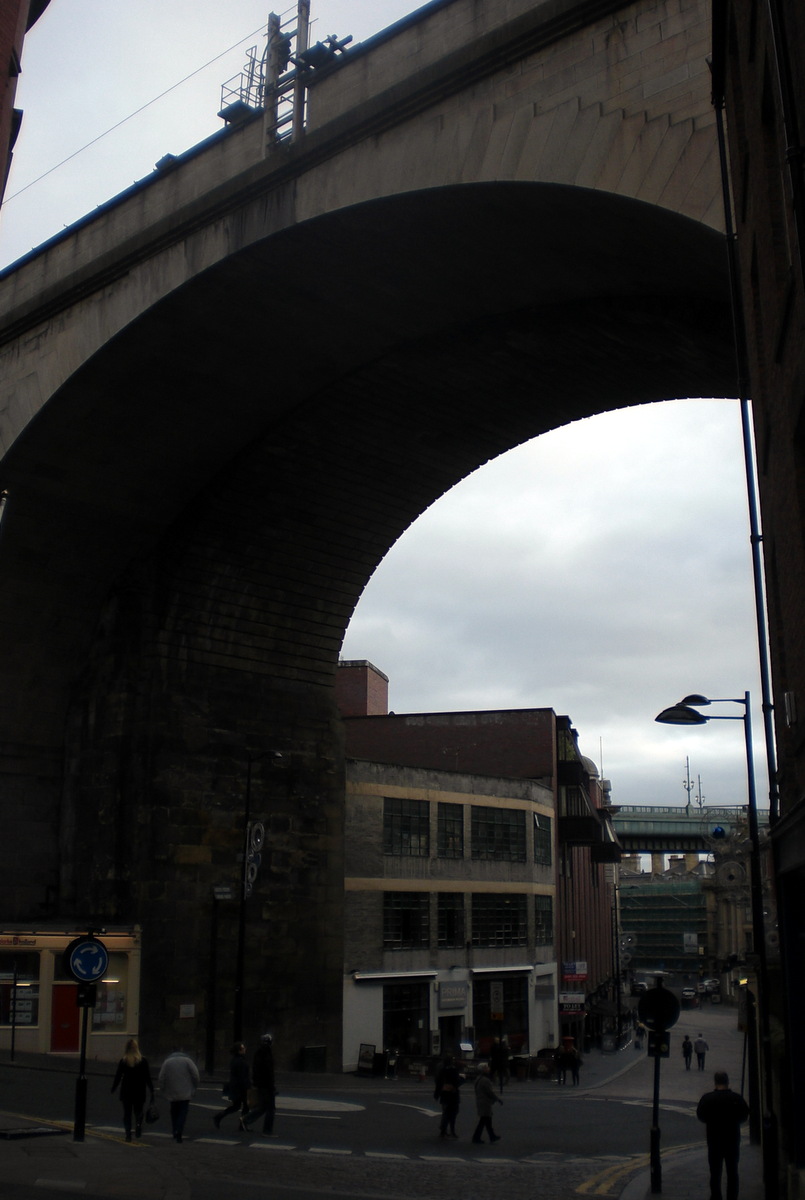
A steampunk kind of city. A collision of multi-level curves and cobbles as retro-futuristic bridges cut across the sky.
.
.
.
.
VII
Saturday at 12.15pm
Under a shifting sky
a chorus of angels
. . . . . . . . . . . . . . . . – of the North
sing to the wind.
.
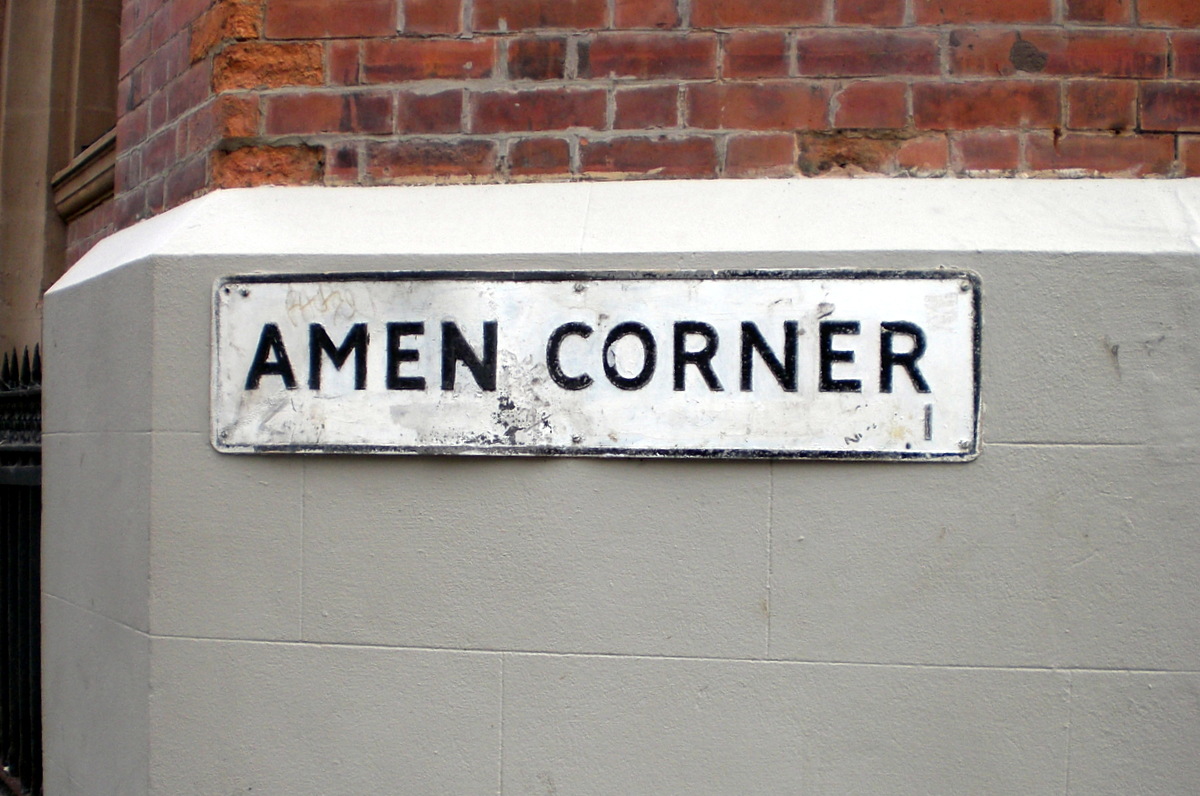
Cathedral bells
flood the city
sound spilling
around
Amen Corner.
.
.
VIII
.
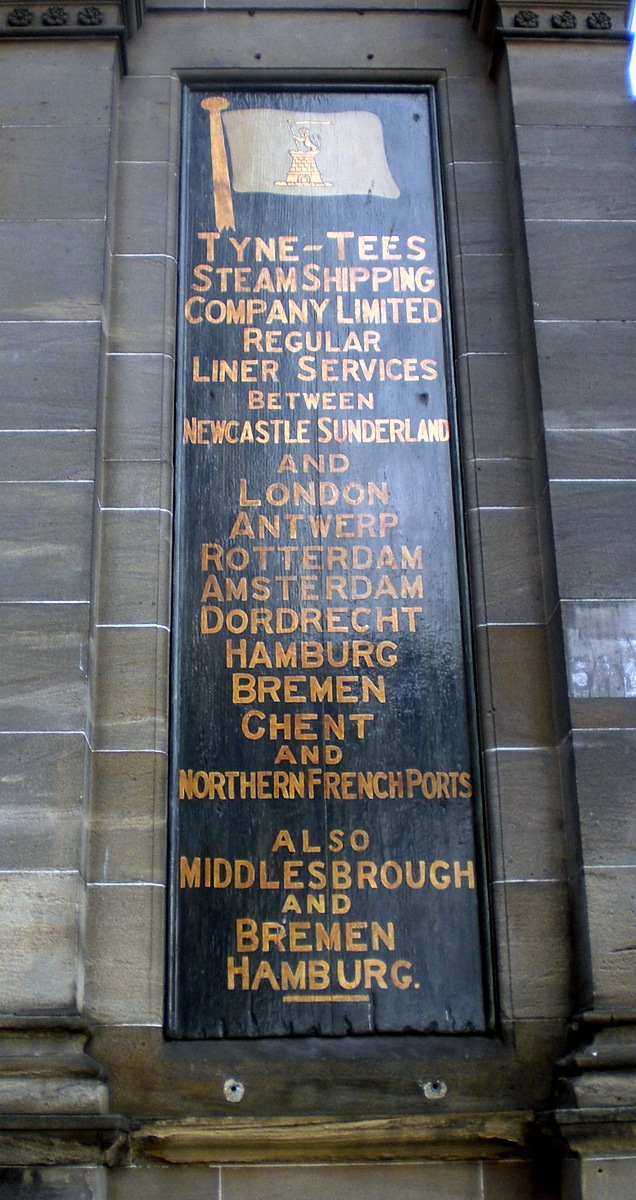
Powered by steam: the tendrils that connect the local into webs of possibilities and extended horizons. Encounters with the other. Creating an expansive map.
.
.
IX
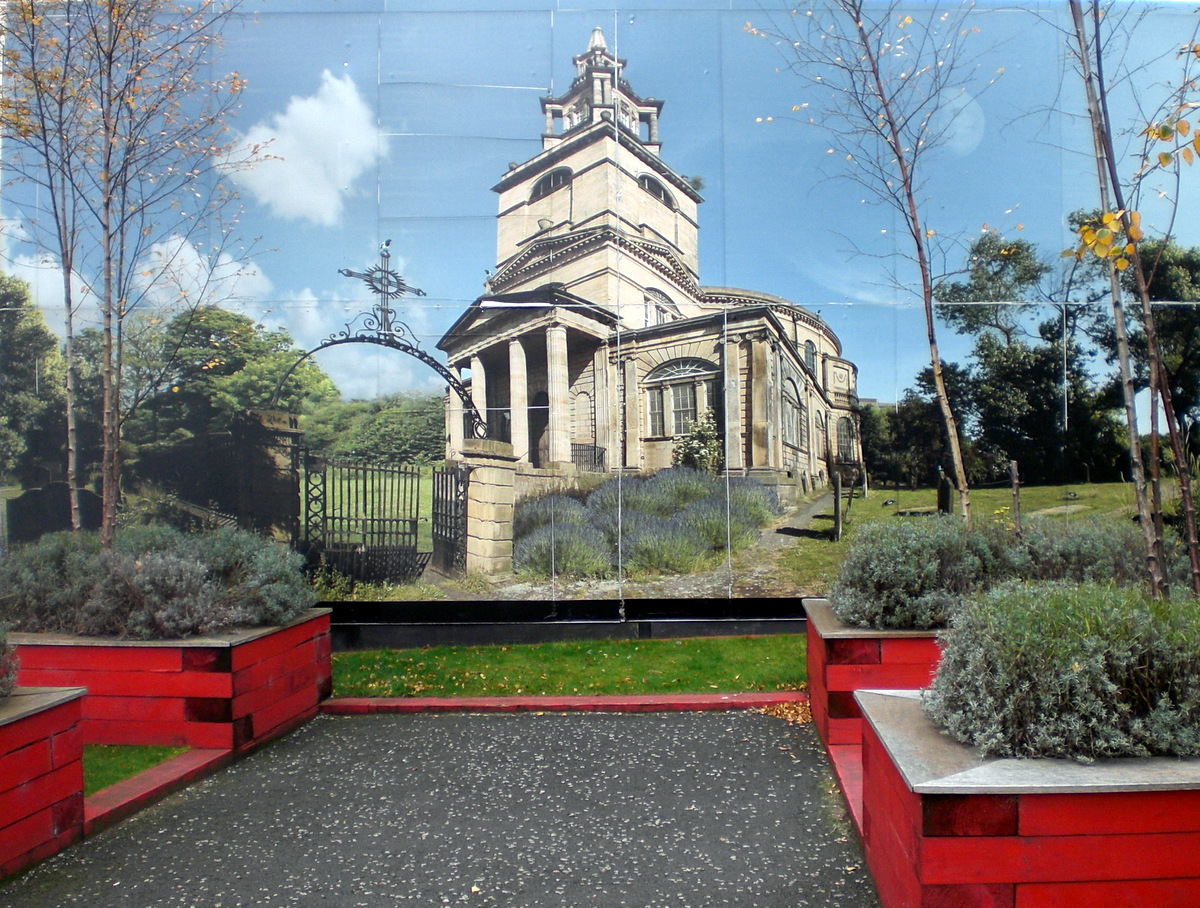
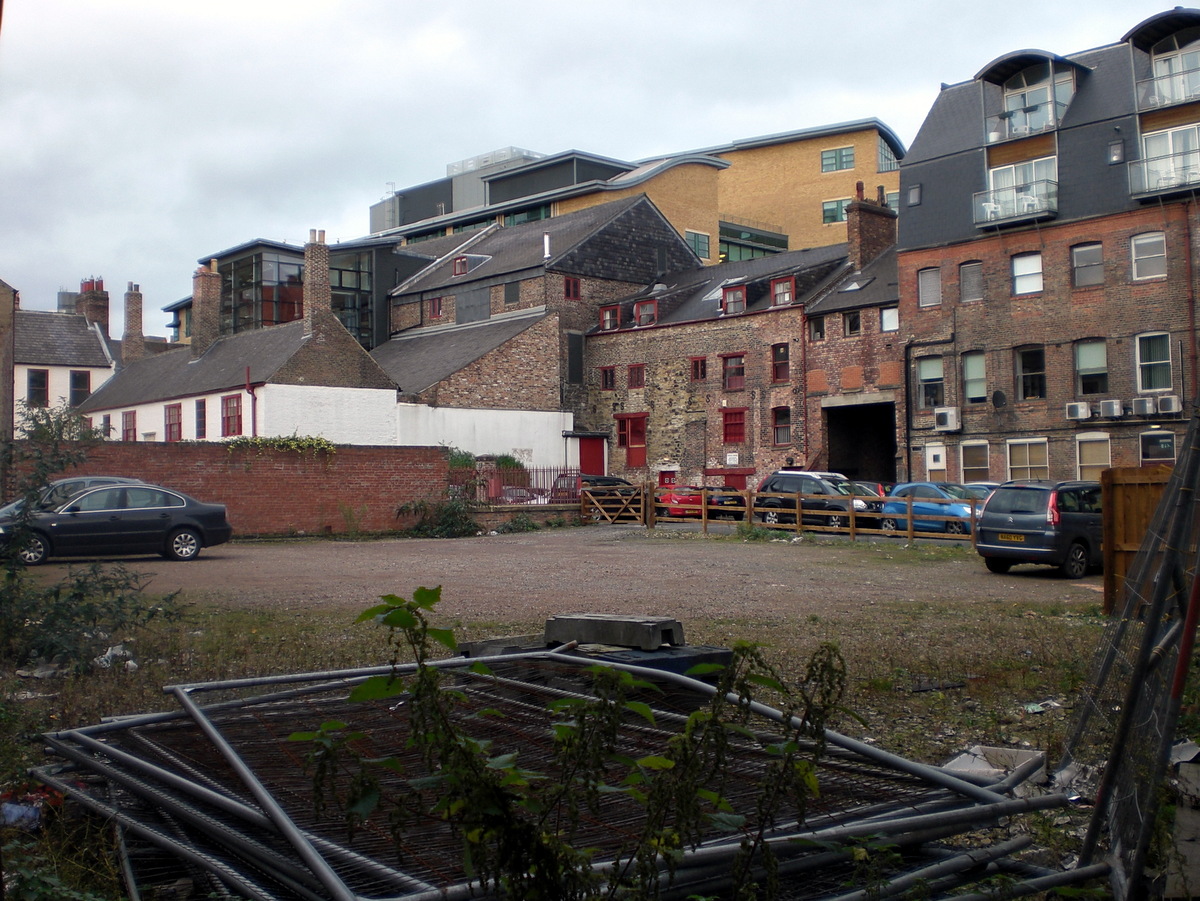
The curious case of the virtual building at Trinity Chare on 57 Quayside. Did this building once exist here? It would appear improbable.
.
.
Explore behind the facade of the spectacle:
.
.
.
X
Herbs in the City

Botany scrutinised at the bottom of walls
asphalt’s rust
imaginable palpation raises them to the dignity of
plants
emanated from the earth
to the condition of contention
– Raymond Queneau – from Hitting the Streets
.
XI
.
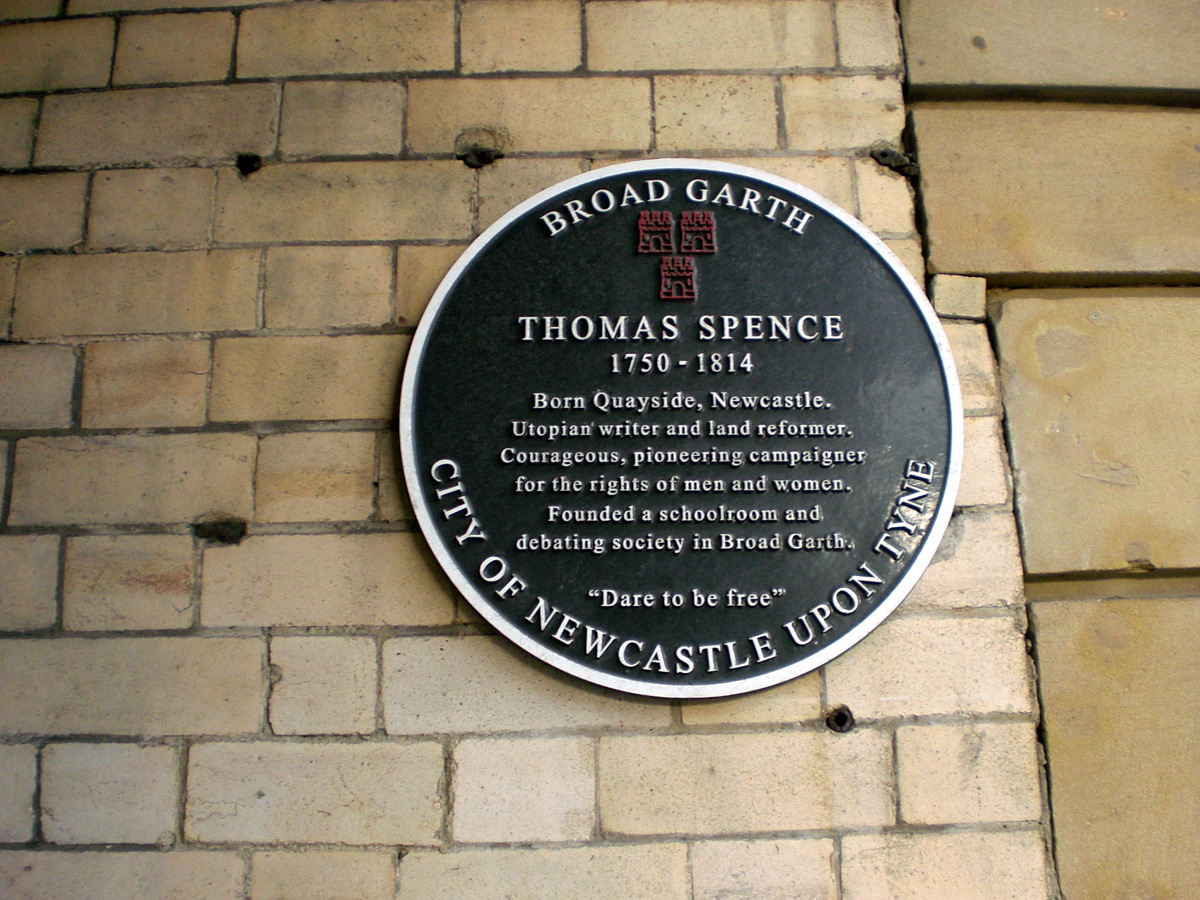
“Dare to be Free”
.
.
XII
Turning from the river, the narrow vennel (chare?) of Watergate frames Bessie Surtees House. All wobbly frames of black and white like a hand drawn illustration This was the scene on 18th December 1772 when a young, 17-year-old Bessie, daughter of a rich banker, climbed out of a window to elope with her lover to Scotland. It was considered such a major scandal at the time that people would come to stand and stare at the house.
I stand and stare at the house before learning of this story.

.
XIII
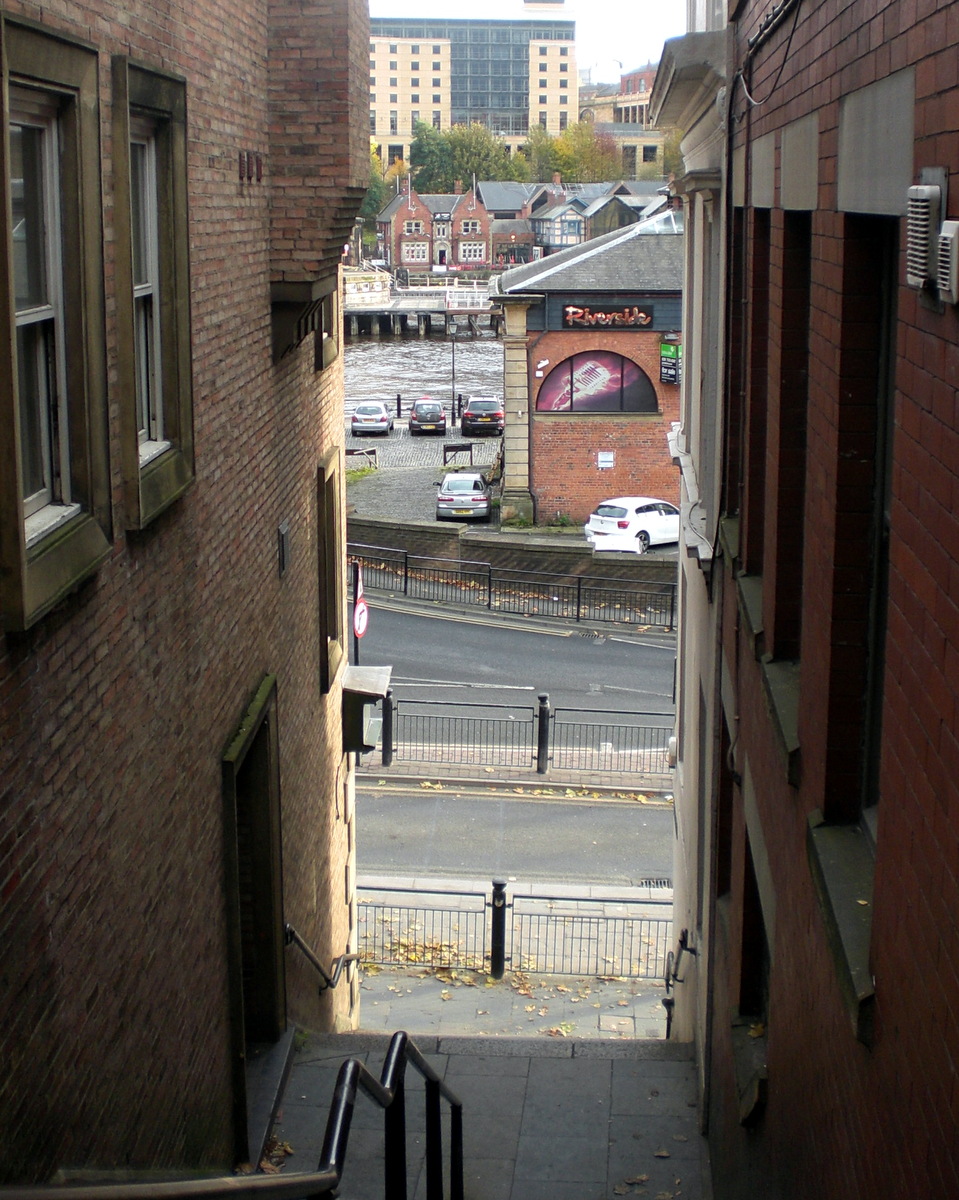
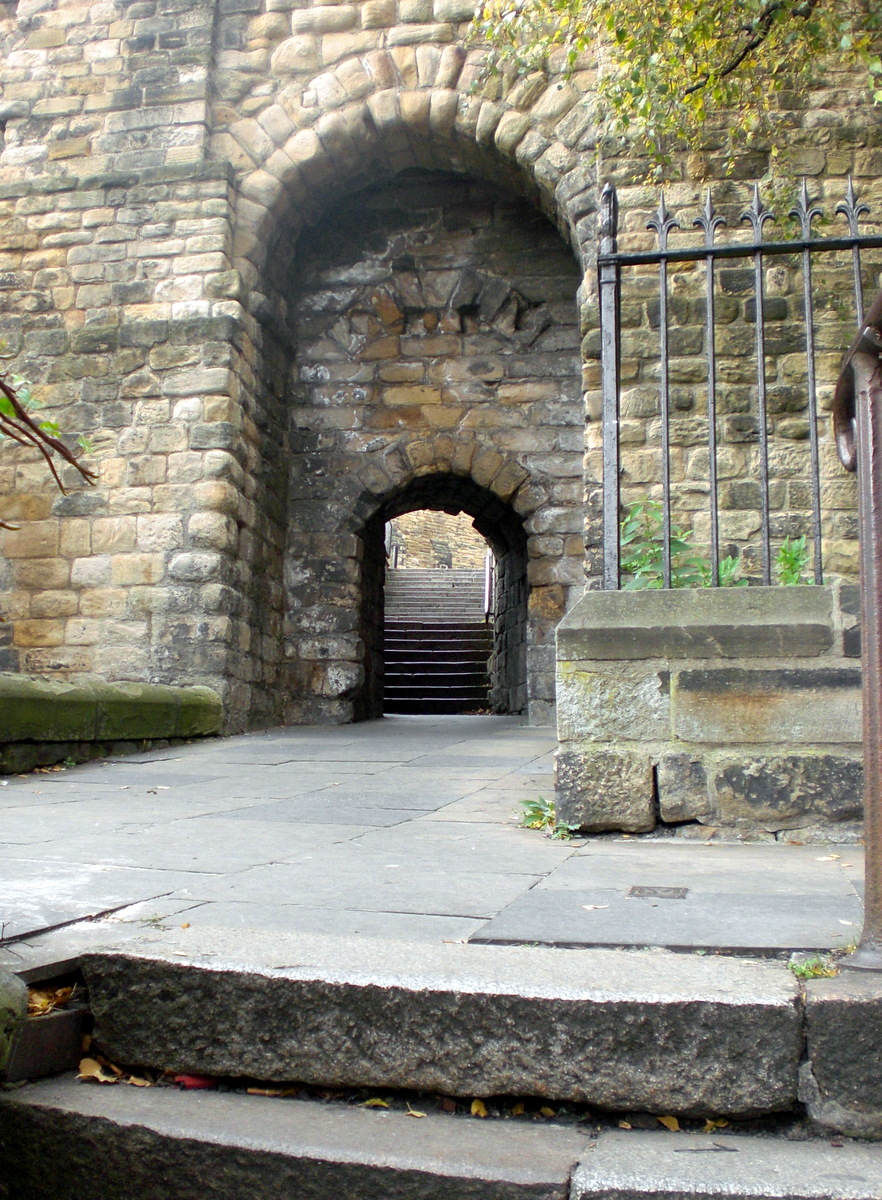
A shift of level. With a final look back to the river, a chinese box of stairwells unfold to lead up towards the (New) Castle Keep and the Black Gate.
.
So he resumed his walk, but the way proved long. For the street he was in … did not lead up to the Castle hill, it only made towards it and then, as if deliberately, turned aside, and though it did not lead away from the Castle it got no nearer to it either.
Franz Kafka The Castle
.
XIV
.
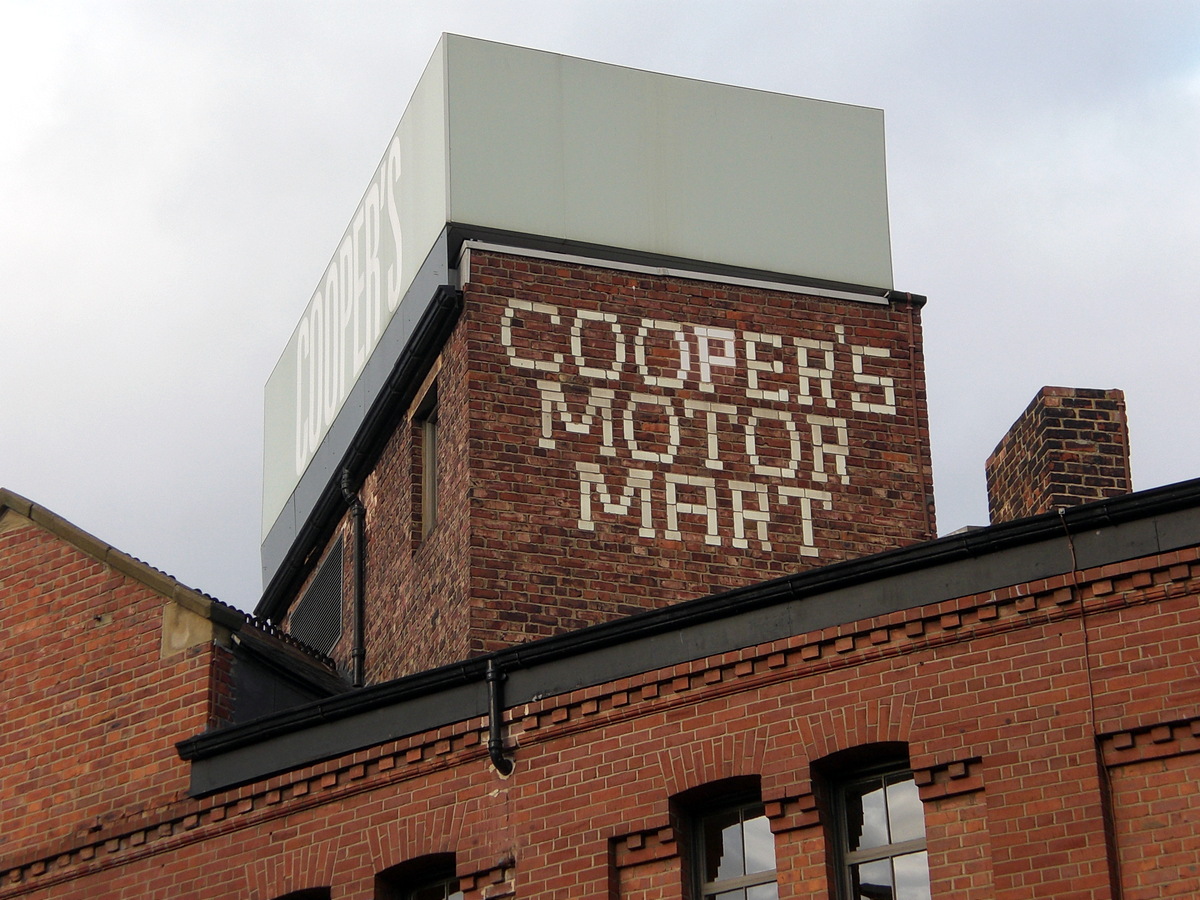
A very well-preserved ghost sign built into the brickwork. It can always seen on any train journey that passes through Newcastle.
The building is a is a rare surviving witness to the replacement of the horse by the motor car. Originally built in 1897 as a horse, carriage and cycle auction room it was essentially a showroom for horse-drawn carriages. By the 1920s the future prospects of horse-drawn transport were pretty bleak so the building was adapted to serve as one of the first motor car garages and dealerships. I subsequently find out that the building stands on top of, part of the buried remains, of Hadrian’s Wall.
Layered histories converse in the topography of place.
.
XV
A fixed departure train ticket means that time is running short so no time to look for a building that I have heard so much about: The Literary and Philosophical Society of Newcastle Upon Tyne or The Lit & Phil as it appears to be known locally. Serendipity intervenes and I stumble across the building very close to the station only to discover a one day book sale in progress. Twenty minutes to browse before the train leaves. I trust the space and know that the books will call out. They do. It all works and it’s a short walk to the station to catch the train.

.

.
XVI
As the train heads northwards, I nod to Coopers Motor Mart. No longer simply a sign from a train window but time stacked in layers as a material place which the act of walking has ‘made real’.
A trace of footsteps are left behind. One more scratch upon the city streets and a drift through one version of Newcastle is assembled in memory. A small fragment of fragments. The city, carried within.
≈
Merzbau – the creation of environments which use the forms and even debris from local places to create a new environment.
≈
Now Playing: Tom Verlaine – Warm and Cool
References
The Hatton Gallery, University of Newcastle.
Kurt Schwitters and the Merzbarn Wall
The Wall, the harsh building of the Merzbarn

“I ask you:
– What is the weight of light?“
– Clarice Lispector
≈ ≈ ≈
.

.
.
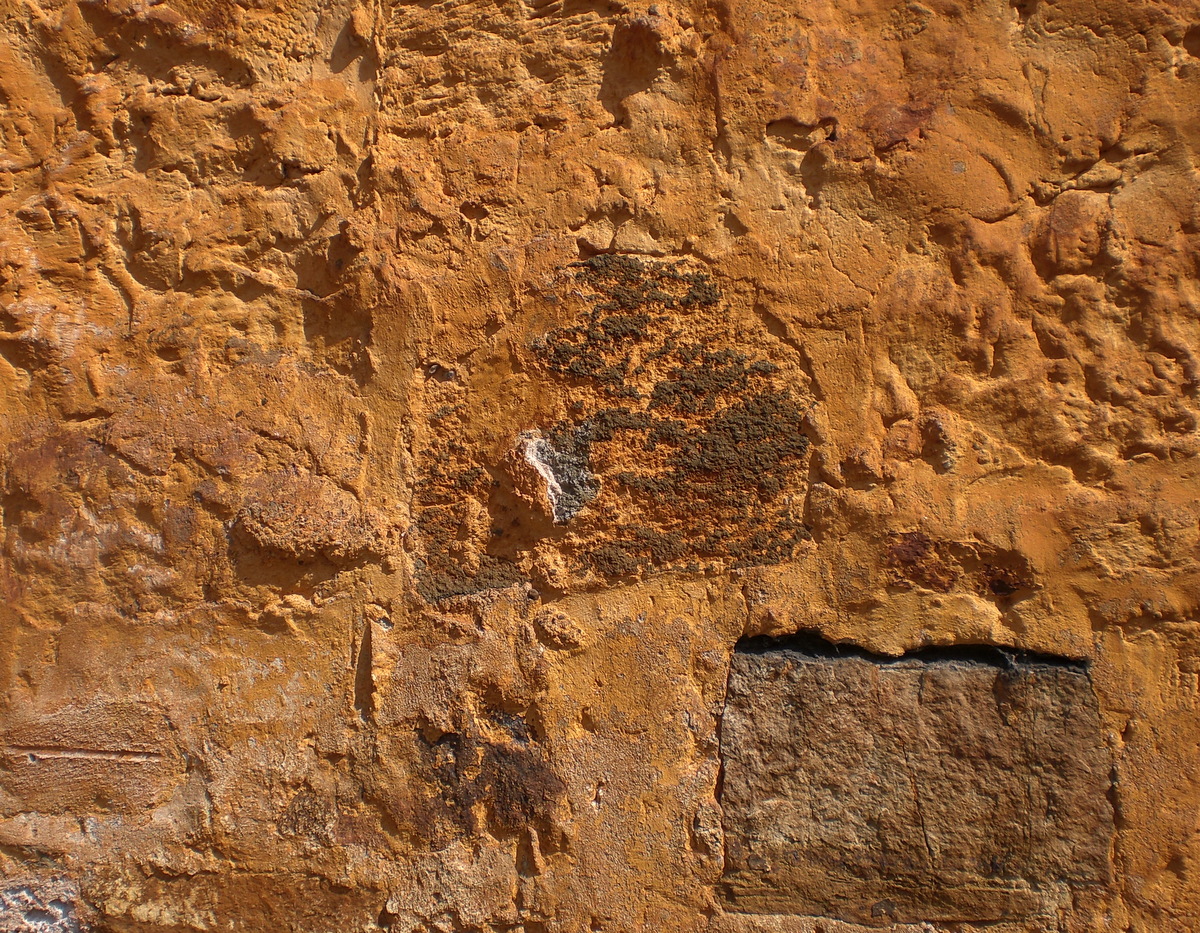
– What are the colours of time?
.
.
.
.
.
– What are the sounds of the stones?
.
.
..
.
.
≈
.
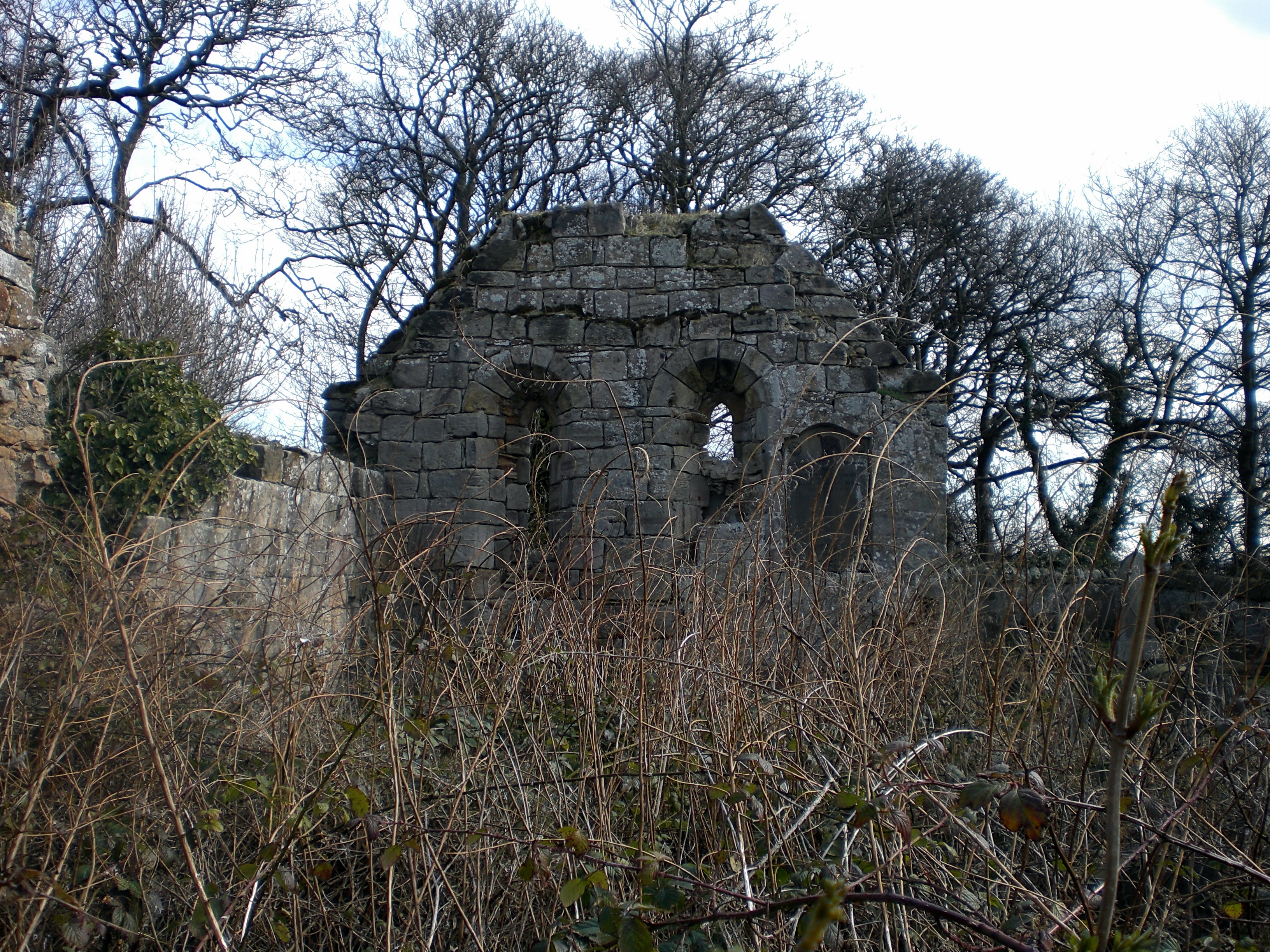
– When does the inside become the outside?
.
≈

.
.
.
– What is the material of memory?
.
.
.
.
.
≈
– What would the trees think?
.

≈
.
.
.
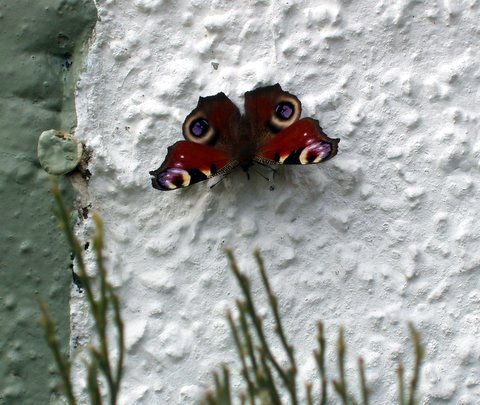
– What is the geography of a butterfly?
.
.
.

.
.
– What is the shape of flight?
.
.
.
.
.
≈
– When does the local become – the universal?
.

.
≈ ≈
– Where does the sky begin?
.

≈
– What is the taste of place?
.

≈

.
.
– Where are the energy flows?
.
.
.

.
.
.
– What is the future of the past?
.
.
.
.
≈ ≈

.
.
.
– Who watches the watcher?
.
.
.
.
.
≈

.
.
.
– Who controls this space?
.
.
.
≈
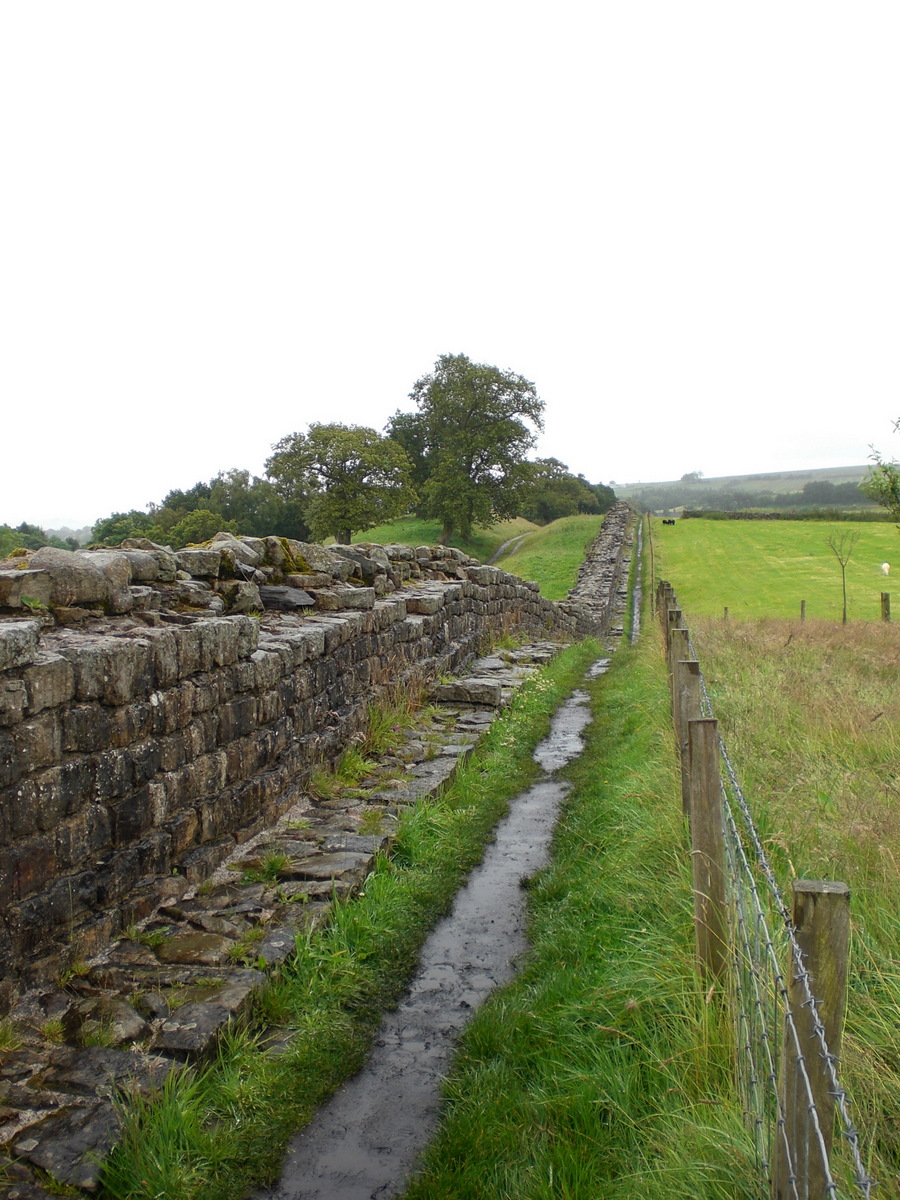
– Who determines the boundary?


≈ ≈
.

.
.
– Where is the coldness of the sun?
.
.
.
.
– What is the gravity of the moon?
.


.
.
.
.
.
.
.
≈
– Where is the boundary of night?
.

≈ ≈
.
.
Where is the future of freedom?
.

≈
– What is the distance of love?
.

.
≈ ≈ ≈
Opening quote from Clarice Lispector’s The Hour of the Star.
The photos of the Berlin Wall are from an inter-railing trip in the late 1980s. It was a coincidence to rediscover them in an old shoebox on the day that it was announced Lou Reed had died. I can still vividly recall a lurid, orange BASF cassette being pressed into my hand in the school playground. “Listen to this!” It was a recording of Rock n Roll Animal. Things changed.
I can still remember a number of the cassettes that travelled in the rucksack on that inter-railing adventure. Berlin was certainly one of them.
Now playing: Lou Reed – Berlin. RIP LR.

≈
We are walking out, along the shoreline, from Leven towards Lundin Links. Coastal energies are in full flow, our field of vision filled with an excess of sand, sea and sky.

In the distance, an intensity of white light appears to drift in the Firth of Forth like a frosted iceberg. The Bass Rock. Invisible threads loop in the conical forms of Berwick Law and the sacred hill of Largo Law. Three nodes of a triangle that collapse North and South; earth and water; land and sky. An energy field that pulls us into an expanded world. Bardic bird yells, brine on the tongue and buffeting sea breezes whip up folding white breakers that fizz over the sand.
≈
We soon encounter the talisman lying in the dunes. It’s protective, synthetic membrane, perished long ago by wind and water. Now crusted with sand and water-logged, it has transmuted into a living entity. Green tendrils sprout from the surface. It appears to be an auspicious omen, a process of alchemy worthy of the legendary Wizard of Balwearie, Michael Scot, (1175 – c.1232), reputed to have form in these parts.
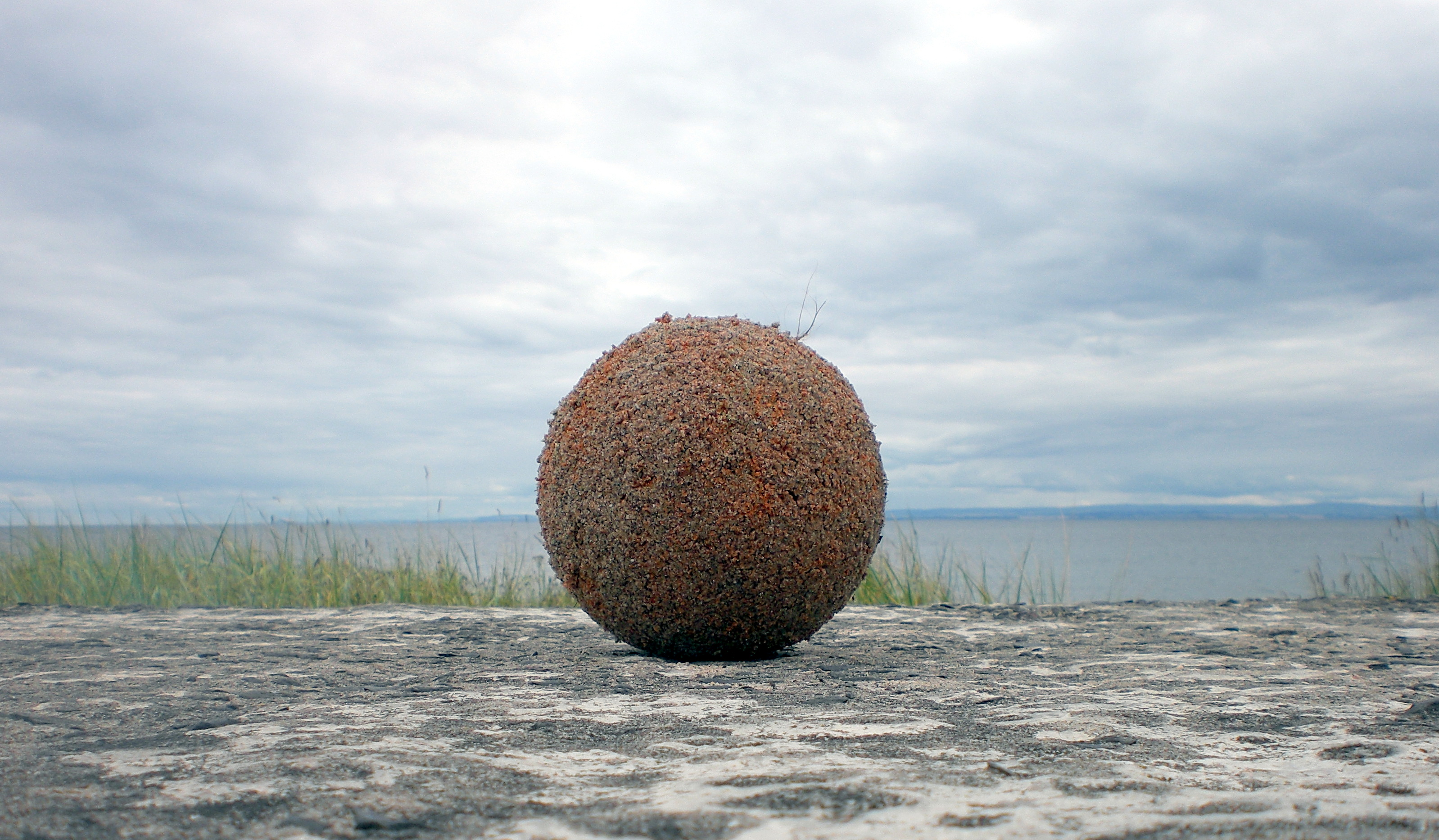
Local legend has it that Scot summoned his three imp familiars, Prig, Prim and Pricker to Largo Law with a view to levelling it. A sort of job creation scheme for hyper-active familiars. As they began to dig, Scot had a change of plan and the imps were hurriedly despatched to Kirkcaldy to make ropes out of sand. This was to assist Scot in his showdown with the devil on Kirkcaldy beach. Scot appears to have triumphed in the encounter as evidenced by a local saying: “The devil’s dead and buried in Kirkcaldy”. As a result of the ‘Kirkcaldy interruption’, only a single shovelful of earth was thrown from Largo Law to create the cairn of Norrie’s Law at the wonderfully named farm of Baldastard. There are also local folk tales about an abundant goldmine that supposedly exists underneath Largo Law and that sheep have returned from grazing on the foothills with golden fleeces.
≈
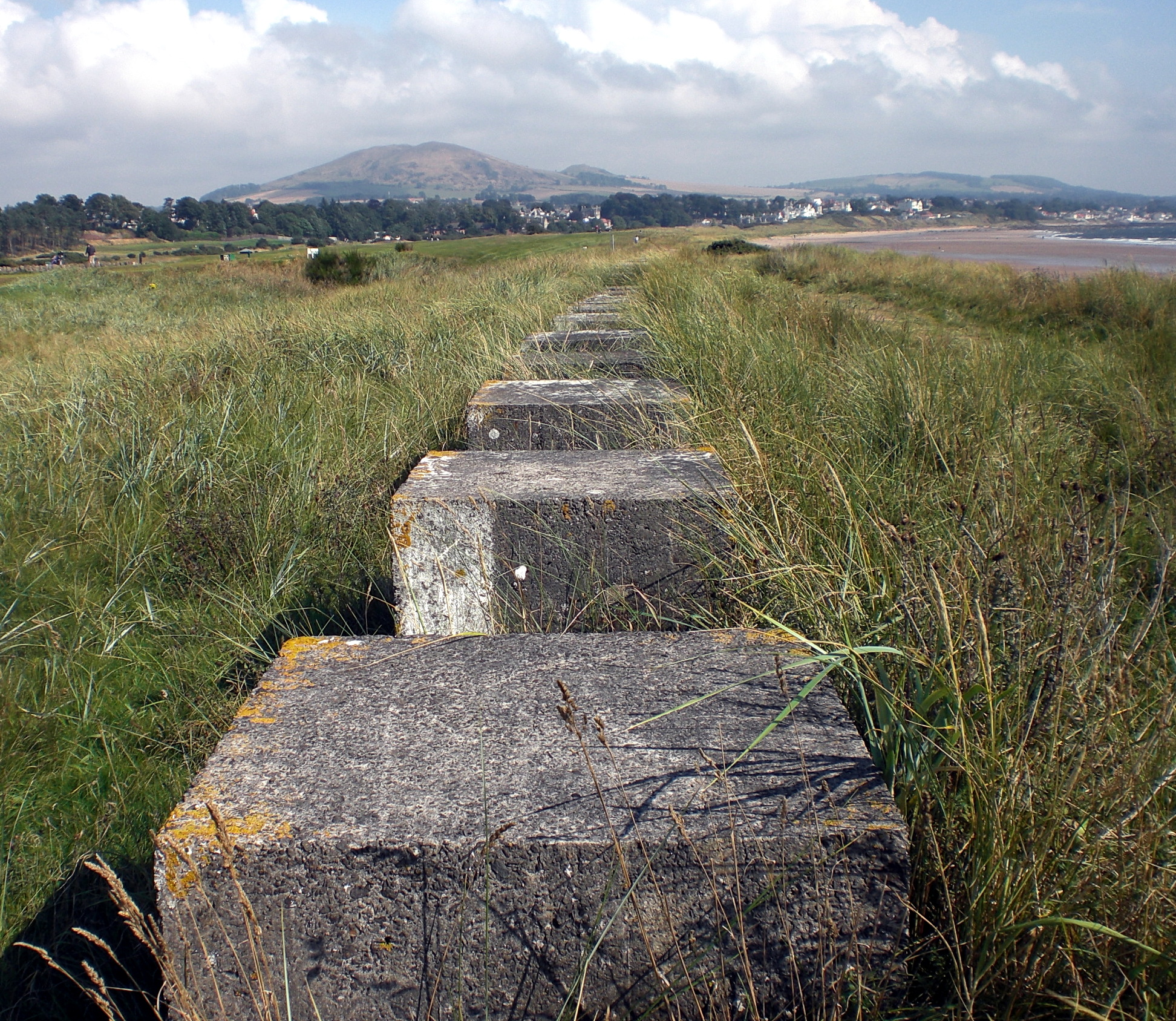
Huge concrete blocks line this part of the coast like giant stepping-stones. Could we step all the way to Largo Law? The blocks were part of the necklace of coastal defences installed during WW2 and were designed to frustrate any German tank invasion from the sea. The blocks were constructed and laid by the Polish army who had several divisions based in Fife during WW2. Today, the original purpose of the blocks may be somewhat forgotten but their solidity and mass provide a pleasing sculptural rhythm to the foreshore.
One of the blocks serves as a makeshift altar to revere the action of the natural world on our talismanic old football. A process of transmutation – of rebirth and growth.
We turn inland from the coast to take the path, called Mile Dyke, that heads between the links golf courses. This will take us to Silverburn and we can now feel its connection to Leven and the coast. S i l v e r – b u r n is a name to roll around the mouth and along with golden fleeces and transmuted footballs we can sense that we are truly in an alchemical landscape.
≈
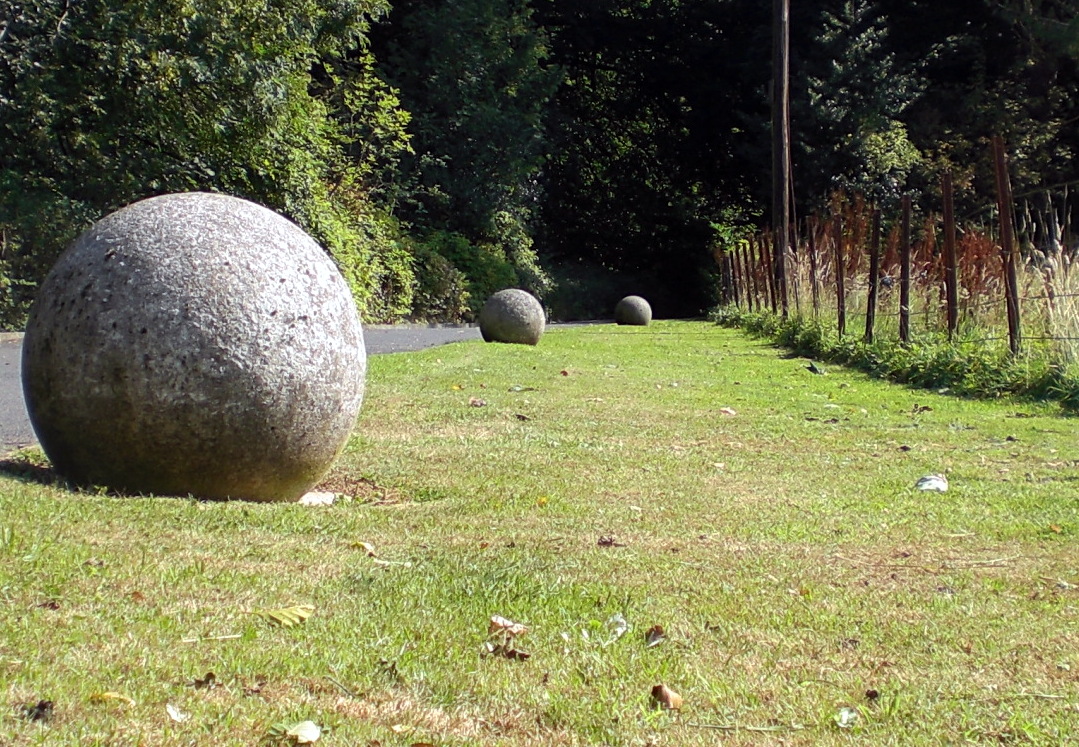
Silverburn – a Brief History
Silverburn is the former estate of The Russell family who were owners of the Tullis Russell paper making business. The land was originally part of the Barony of Durie and was leased to Mr David Russell by Charles Maitland Christie of Durie in 1854. Arthur Russell purchased the land in 1866 and rebuilt Silverburn House. A dower house known as Corriemar was also built and a flax mill was established on the site.
David Russell died in 1906. His son, (also named David) and who later became Sir David Russell was born at Silverburn in 1872 and in 1912 married and went to live in Aithernie House. He returned to Silverburn in 1929. Sir David had a great interest in trees and many were planted including some rare and unusual species which continue to thrive today.
The flax mill closed around 1930.
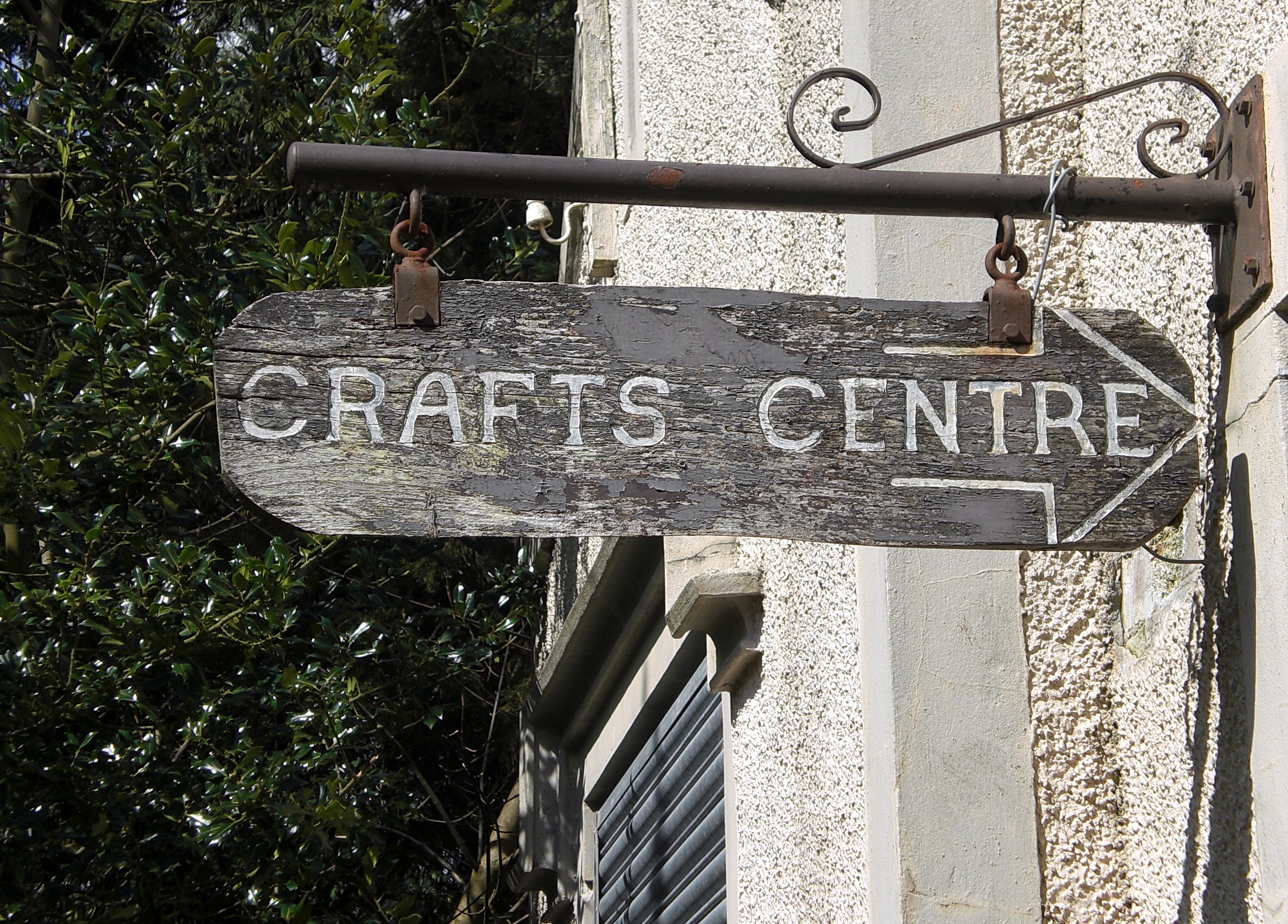
In 1973, Sir David Russell’s grandson, Major Russell (Head of Tullis Russell Paperworks) gifted the houses and grounds to Leven Town Council, but also stipulated through the National Trust for Scotland that the “subjects should remain forever as a quiet area used for the benefit of the public in general and the people of Leven in particular for nature trails, quiet parkland and organised camping”. In the mid to late 1980s, the former Kirkcaldy District Council undertook a Job Creation Programme to reinstate Silverburn House for use as a Residential Centre for groups to use such as scouts and guides; school parties, caravan rallies etc. A stand alone wing to the rear of the House was used by crafters to make and show their wares throughout the Summer and Christmas/New Year periods.
Between 1990 and 1999, an average of 20,000 + people per year visited Silverburn. Its main attraction was the former “Mini-Farm” which had on show a wide range of domestic and exotic animals, birds, reptiles and insects. However, following a Council policy decision in 2002, to cease operating Animal Centres across Fife there have been very few visitors to Silverburn, other than local people. Financial constraints have also led to year-on-year reductions in revenue expenditure with no meaningful capital investment in the Park.
Over the years, various ideas have been proposed for Silverburn including the setting up of a Scottish Music/Arts and Craft Centre and redevelopment as a crematorium. None of these have come to fruition.
However, work is presently underway by Fife Employment Access Trust (“FEAT”) in collaboration with the local community, agencies and local authorities in the Levenmouth area on a project entitled ‘Heart Mind Soul Silverburn’. This aim of this initiative is to secure a long-term future for the park and to promote wellbeing and employment opportunities.
≈
We have visited Silverburn a number of times over the past few months. Drifting around the mixed woodland trails and environs of the estate at different times, on different days and in different weather conditions. Most apparent is observing and feeling the subtle changes of a thriving natural world; an incipient wildness forever encroaching on the deteriorating materiality of the buildings. Silverburn is a place highly conducive to the immersive dérive. A locus of past, present and possible.
≈
The excellent Blacketyside Farm Shop is a wonderful place for sustenance at the start or finish of a Silverburn visit. However, this does means crossing the A915 road which is the main artery into the East Neuk of Fife. The road is a long, straight stretch which can be very busy with vehicles tanking past at high-speed:
wheeeeeeeeeeeeeeeeeeeeeeejjjjjjjjjjjjjjjjjjjggroooooooooooooooooooooooom
mmmmmm oi nnnnnnnnnnnn
nnnnnnnnnnnn oi mmmmmm
mmmmmm oi nnnnnnnnnnnn
wheeeeeeeeeeeeeeeeeeeeeeejjjjjjjjjjjjjjjjjjjggroooooooooooooooooooooooom
≈
Enter Silverburn
Overhead, a charcoal smudged blue, heralds a chorus of rooks riffing off the traffic screech.

Giant American redwoods stand sentinel, stretching for the sun. “Ambassadors from another time” silently announcing that this may not be your conventional Scottish woodland:
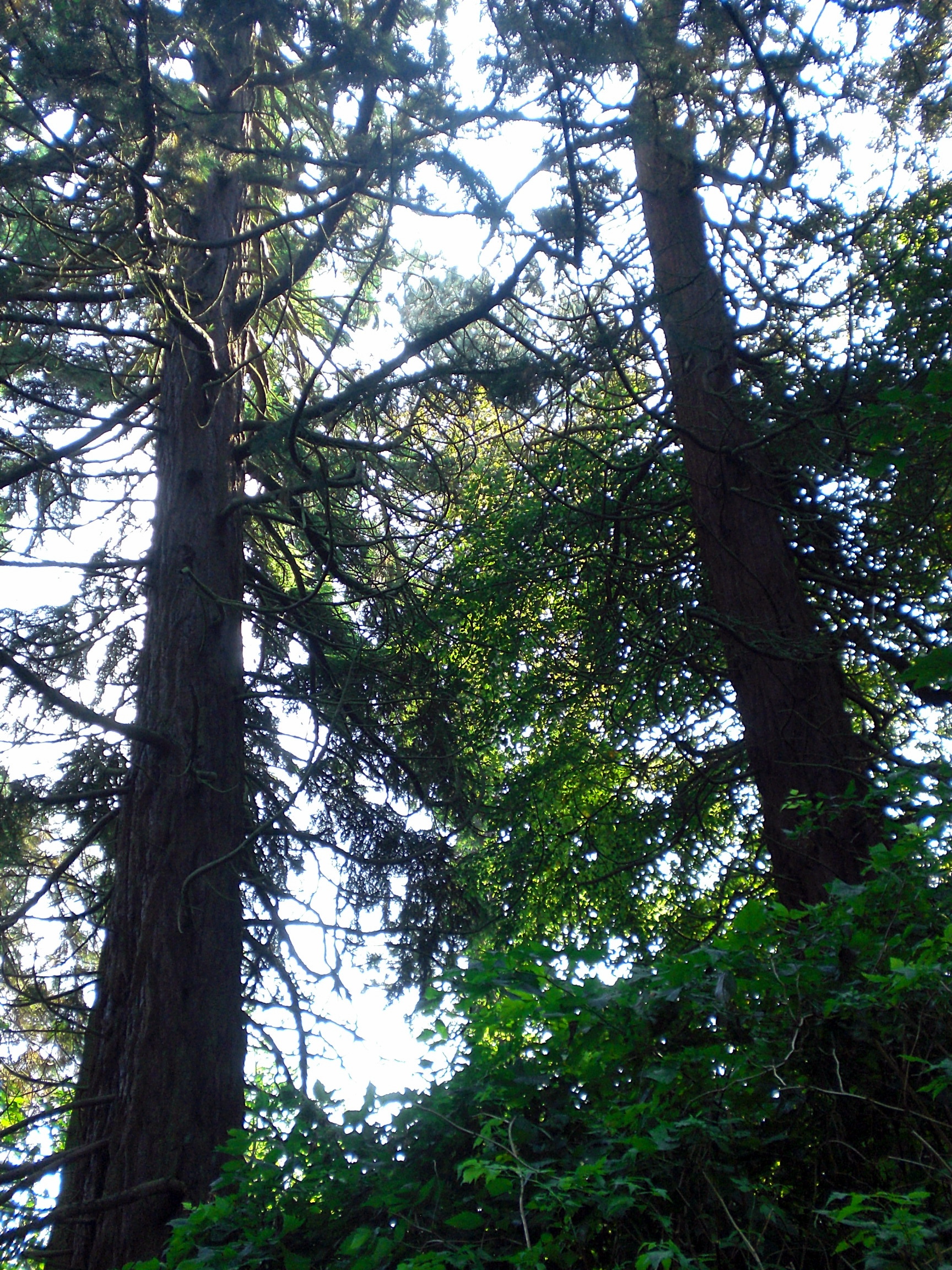
The redwoods, once seen, leave a mark or create a vision that stay with you always. No one has ever successfully painted or photographed a redwood tree. The feeling they produce is not transferable. From them comes silence and awe. It’s not only their unbelievable stature, nor the color which seems to shift and vary under your eyes, no, they are not like any trees we know, they are ambassadors from another time.
John Steinbeck
N: “do you know you can punch a redwood and it doesn’t hurt your hand?”
Blue melts to green as sunlight showers through the tree canopy, dappling the forest floor. Traffic thrum gradually dissolves in the low lipping burr of the flowing burn. A sunken path beckons and so our immersion into Silverburn begins.

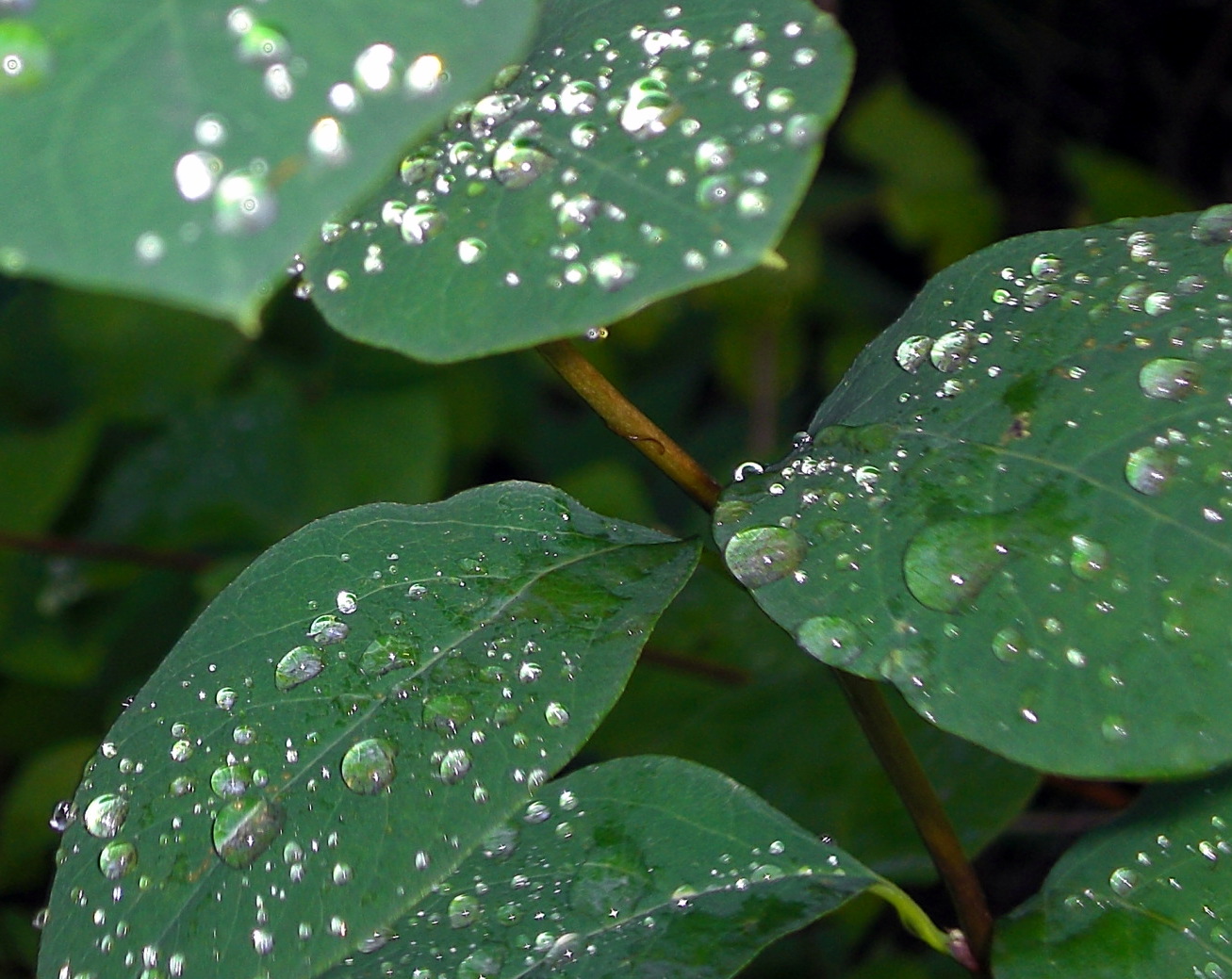
Once in the shade, a sprinkling of light and water; a scattering of silver drops:

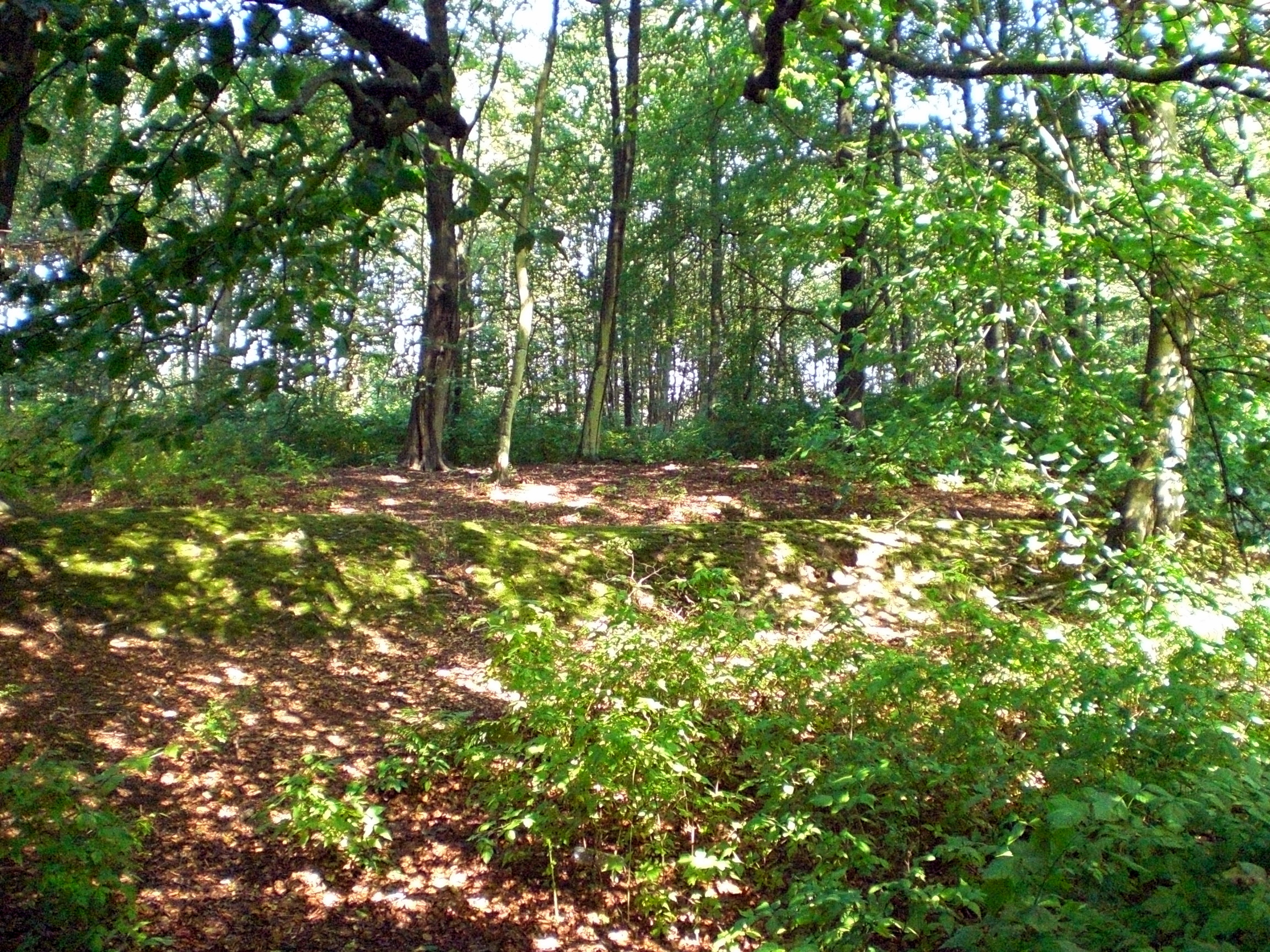
A network of wooded paths through and around Silverburn provide ample scope for aimless drifting. The topography is interesting with a long flat elevated plateau where Silverburn House sits which tumbles away quite steeply down to the flax mill with the golf courses and coast beyond.


Depending which path you take you will soon stumble across one of the ghosts…
≈
Corriemar: The Dower House
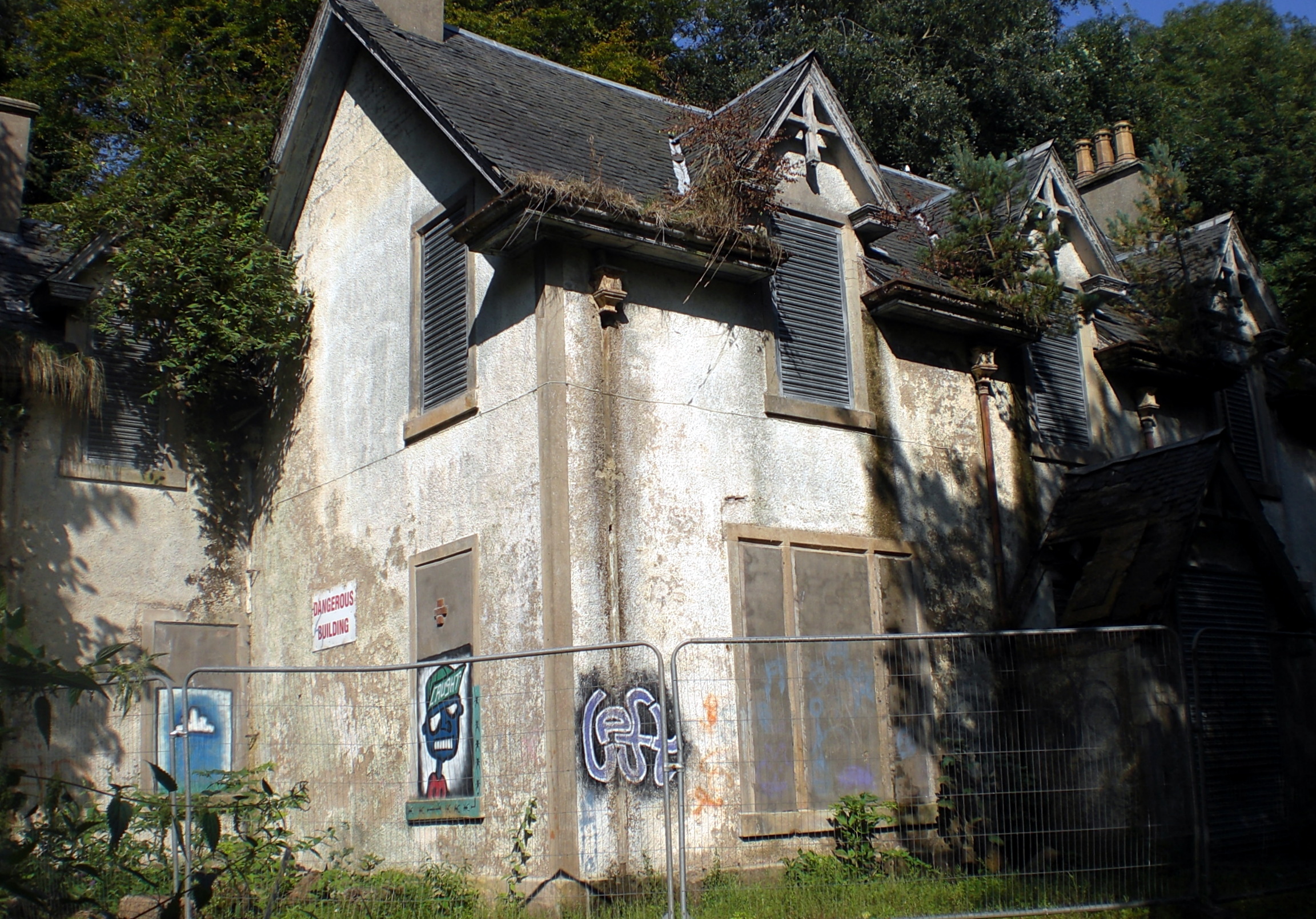
Corriemar is thought to have been the dower house for Silverburn House. A dower house is usually a moderately large house available for use by the widow (dowager) of the estate-owner.
Corriemar has been vacant since 1970, having previously served as day patient accommodation for Stratheden Hospital or the Fife and Kinross District Asylum as it was formerly known. (Stratheden will be a place-name that resides in the (un)consciousness of many Fifers. My mother used to say that the teenage antics of my brother and I would send her there. In hindsight, I hope that she was only joking. RIP Mum).
The house today is a crumbling ghost of a building. Buildings need capital, care and a purpose to thrive and Corriemar has had neither of these since the 1970s. Now officially classified as a dangerous building and on the Buildings at Risk register, nature is slowly restaking her claim.
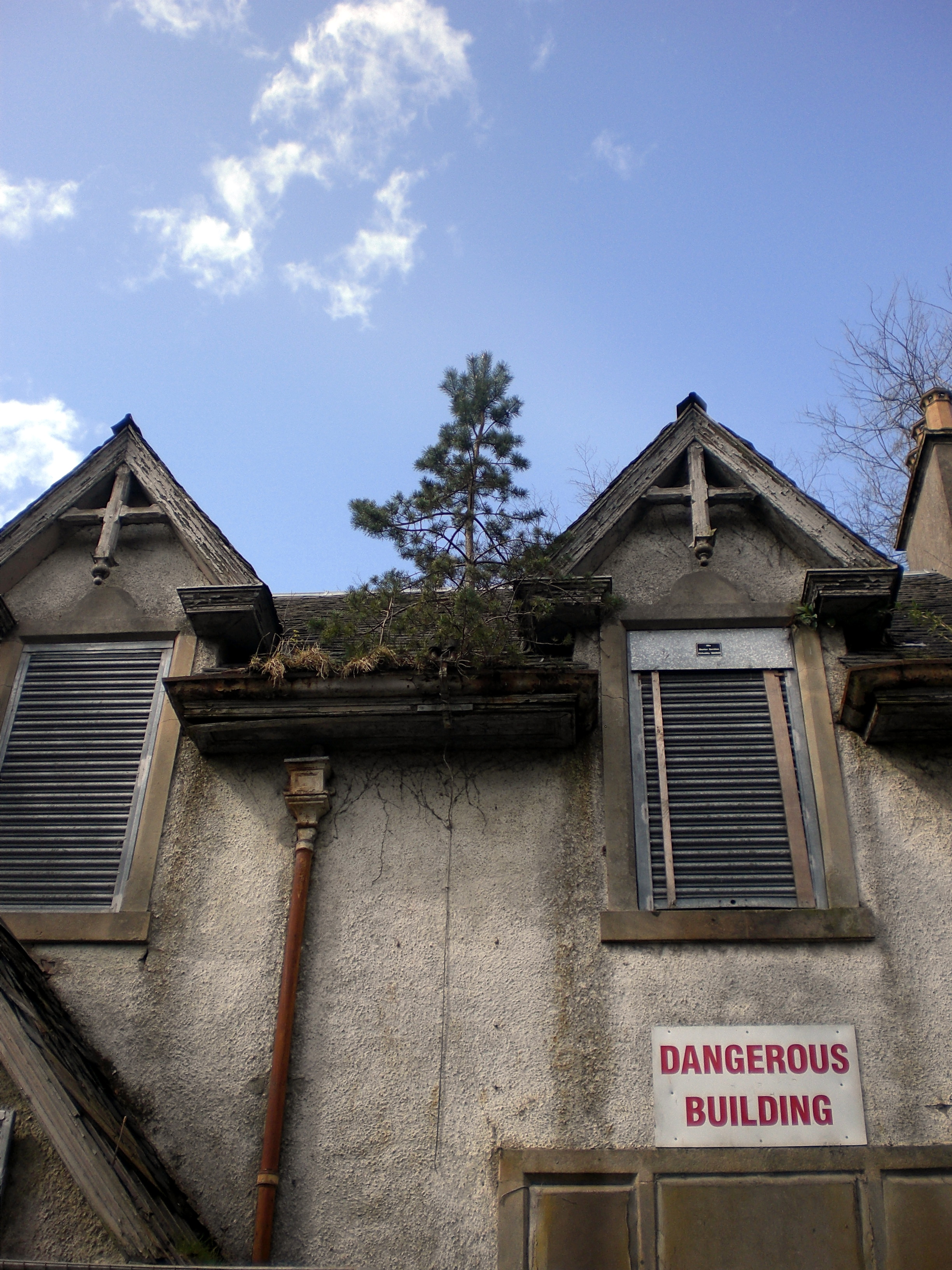
A pine tree grows out of the roof guttering. Many slate tiles have been lost to the elements, leaving the roof like a mouth full of smashed teeth.

The building is not just boarded but sealed.
Mute.
All flow and circulation broken:
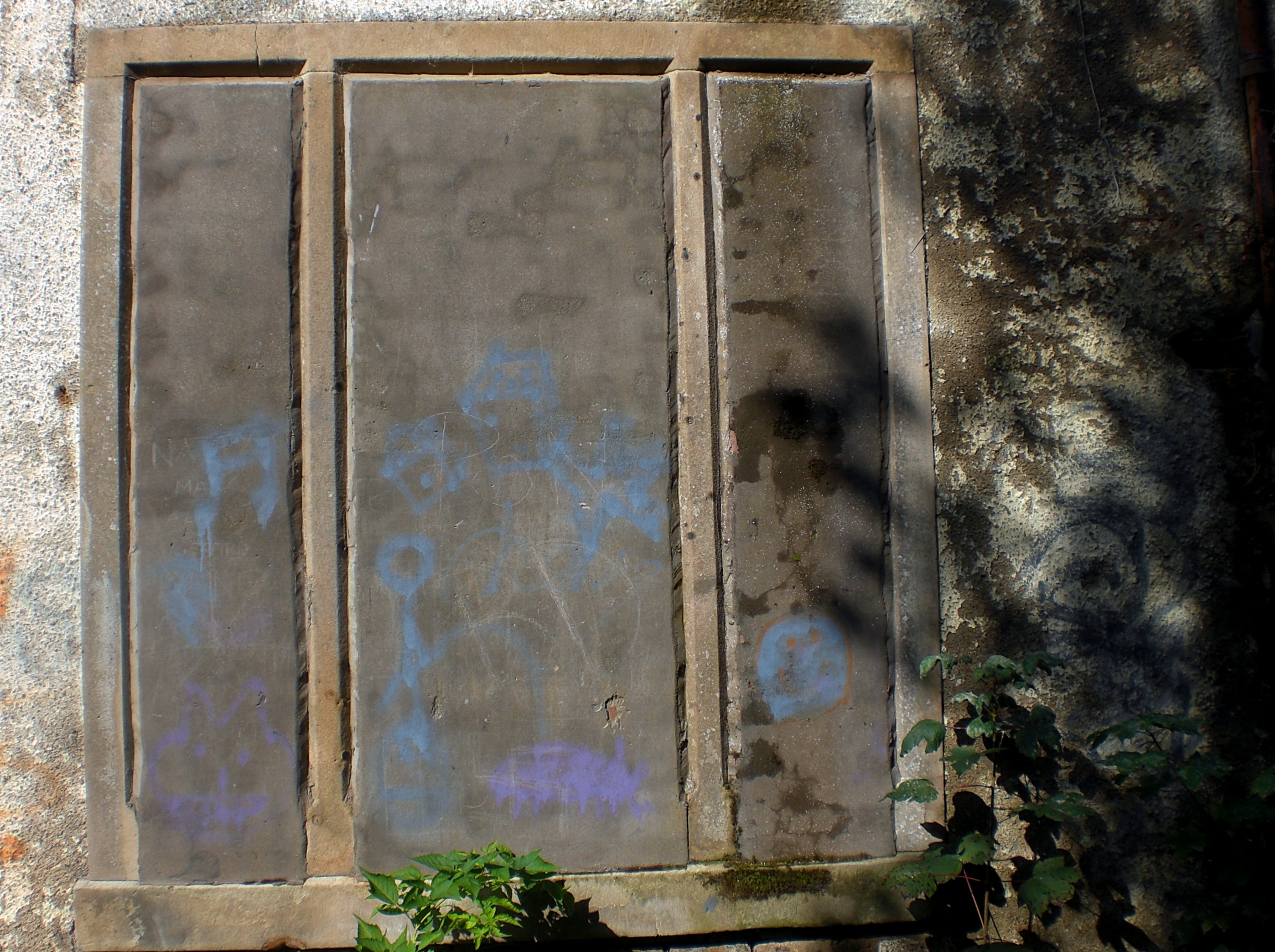
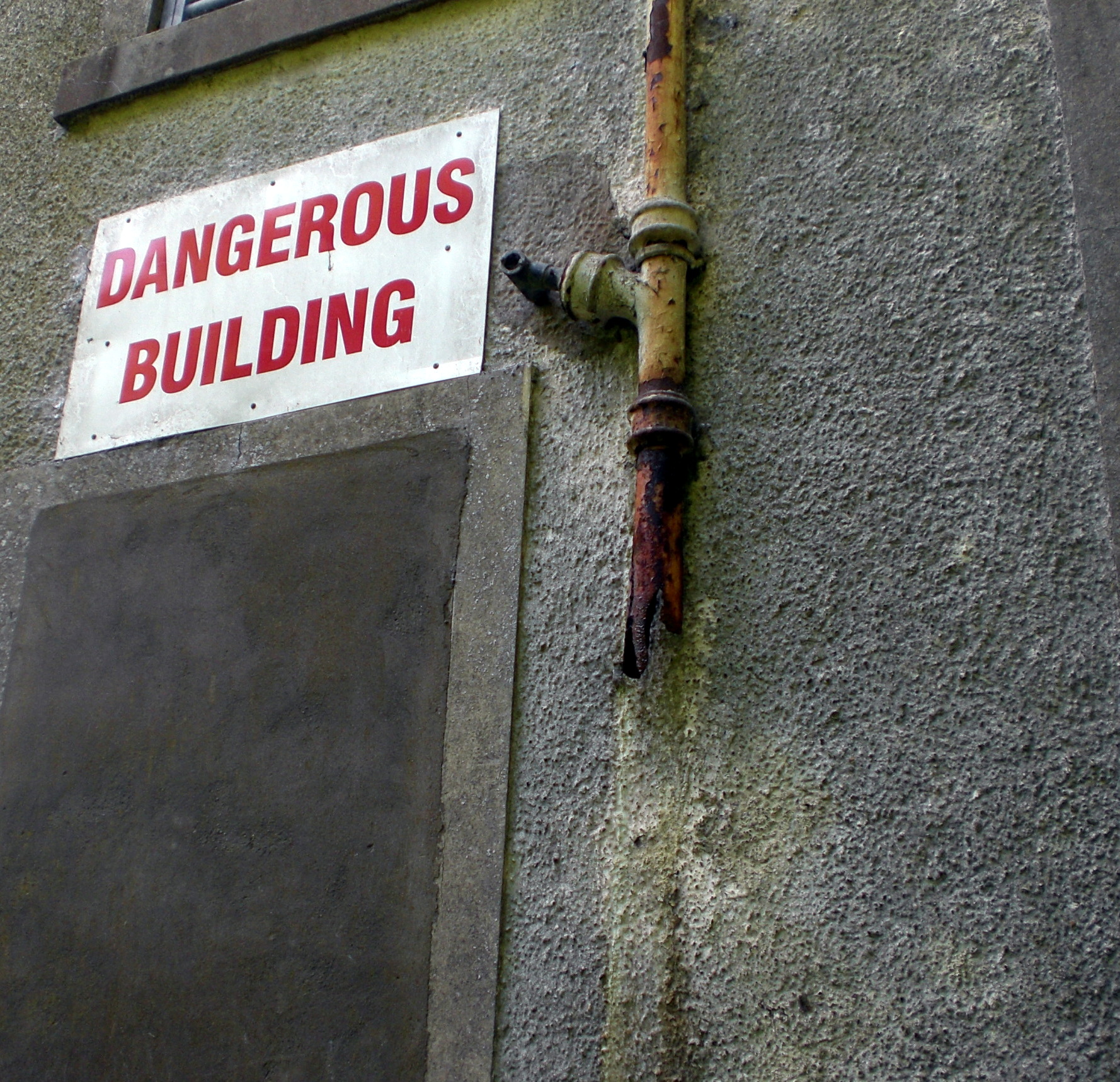
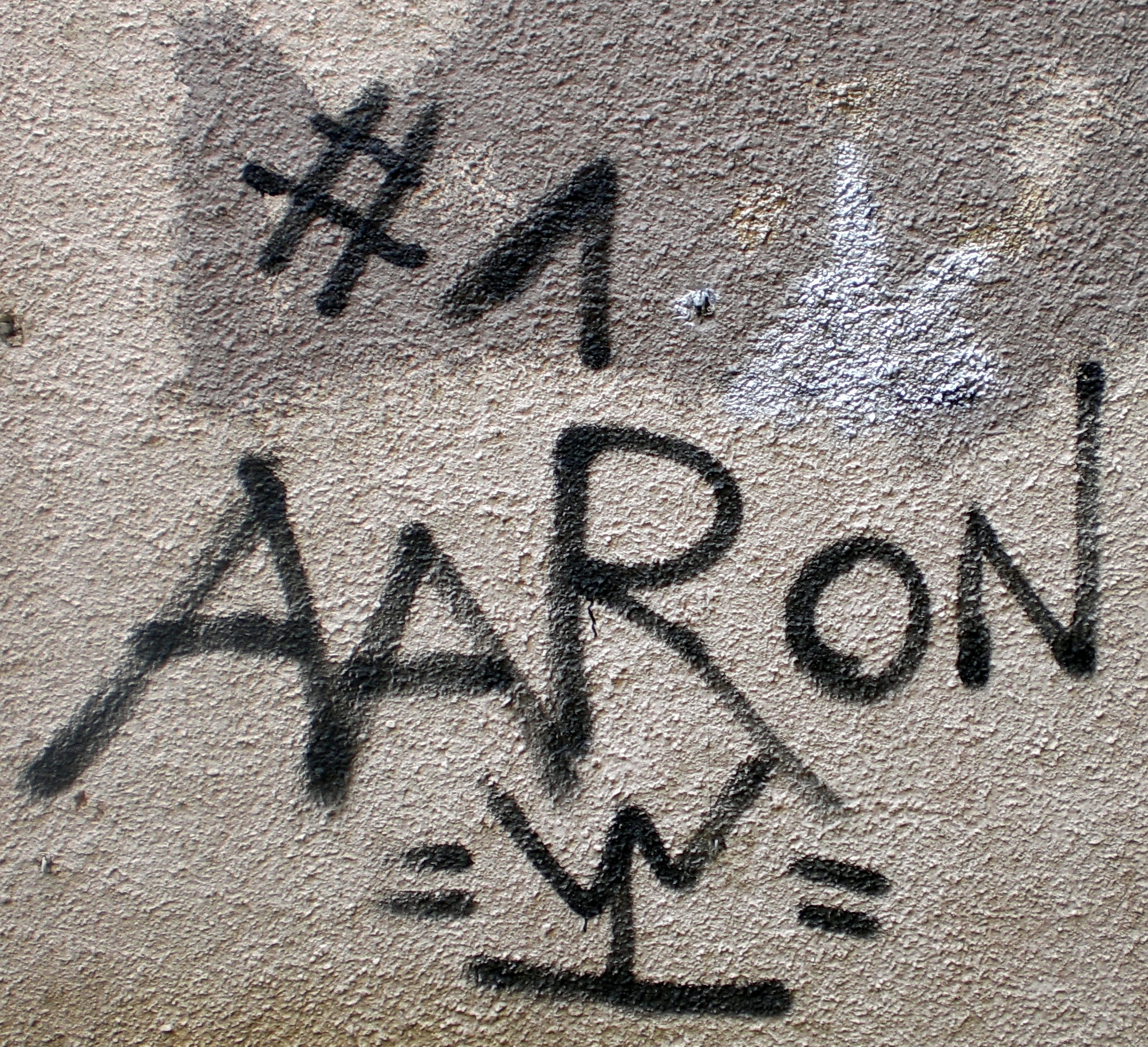
Graffiti abhors a blank surface and Corriemar has become a canvas for a surprisingly diverse display:

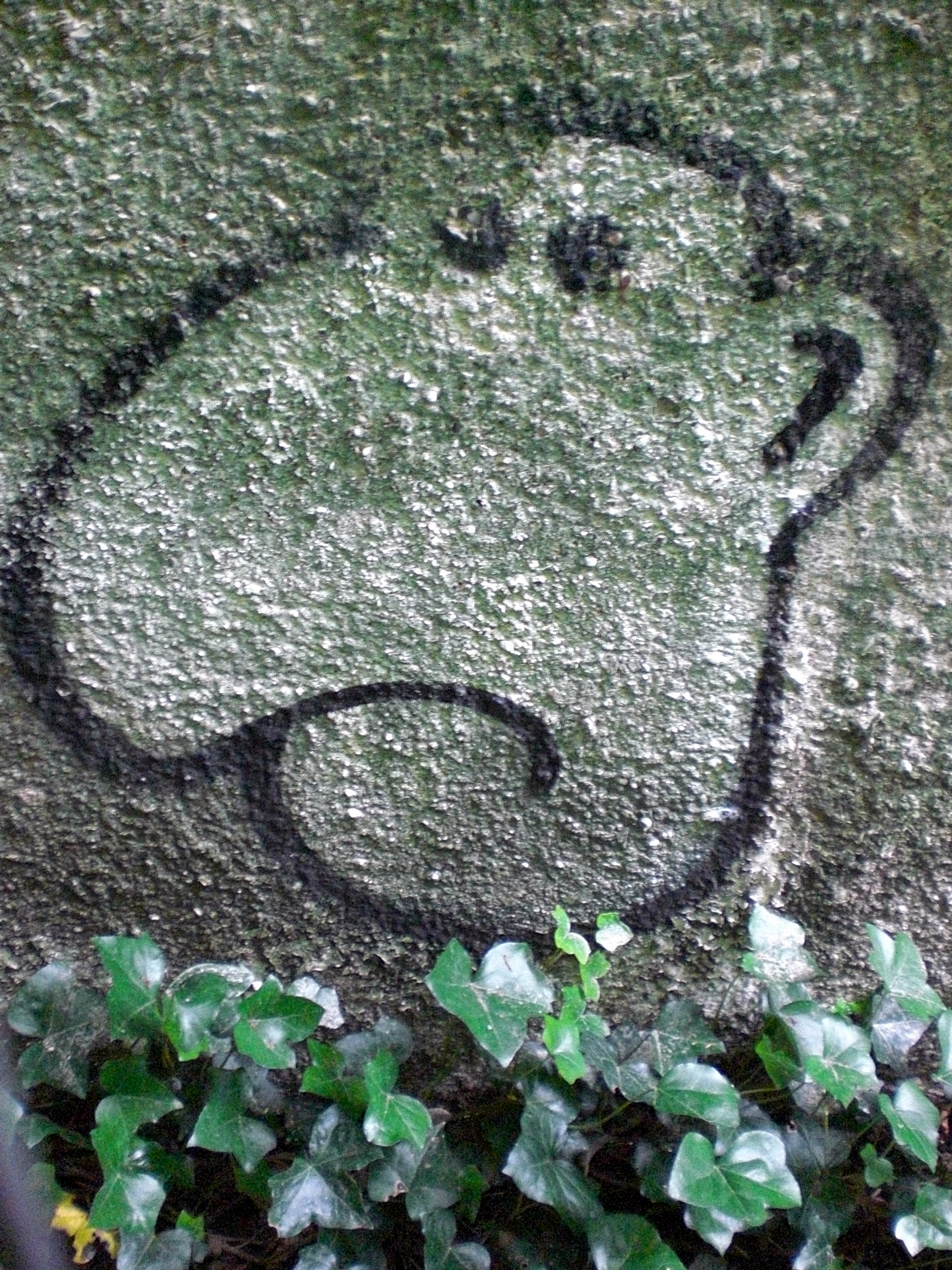

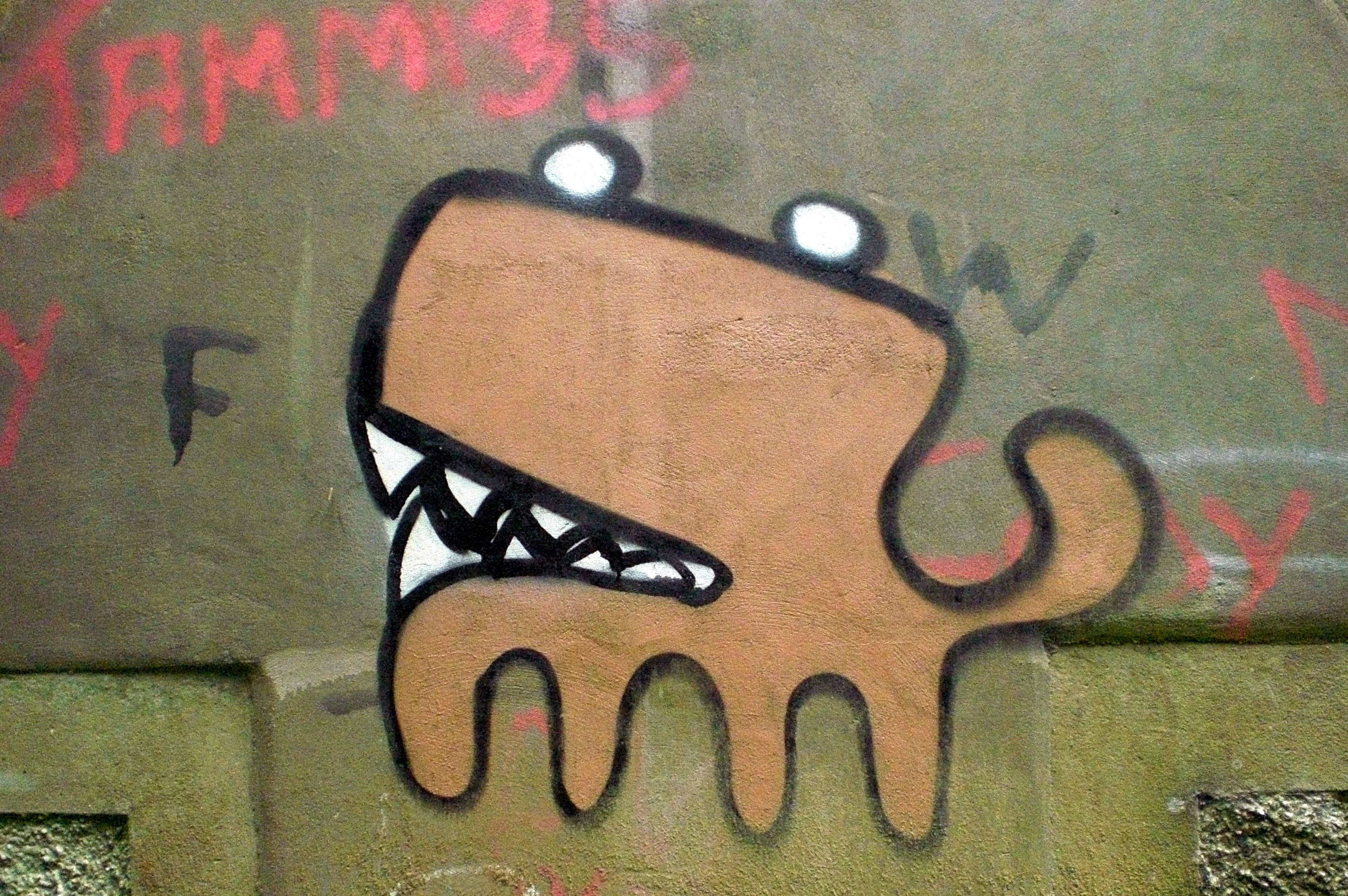


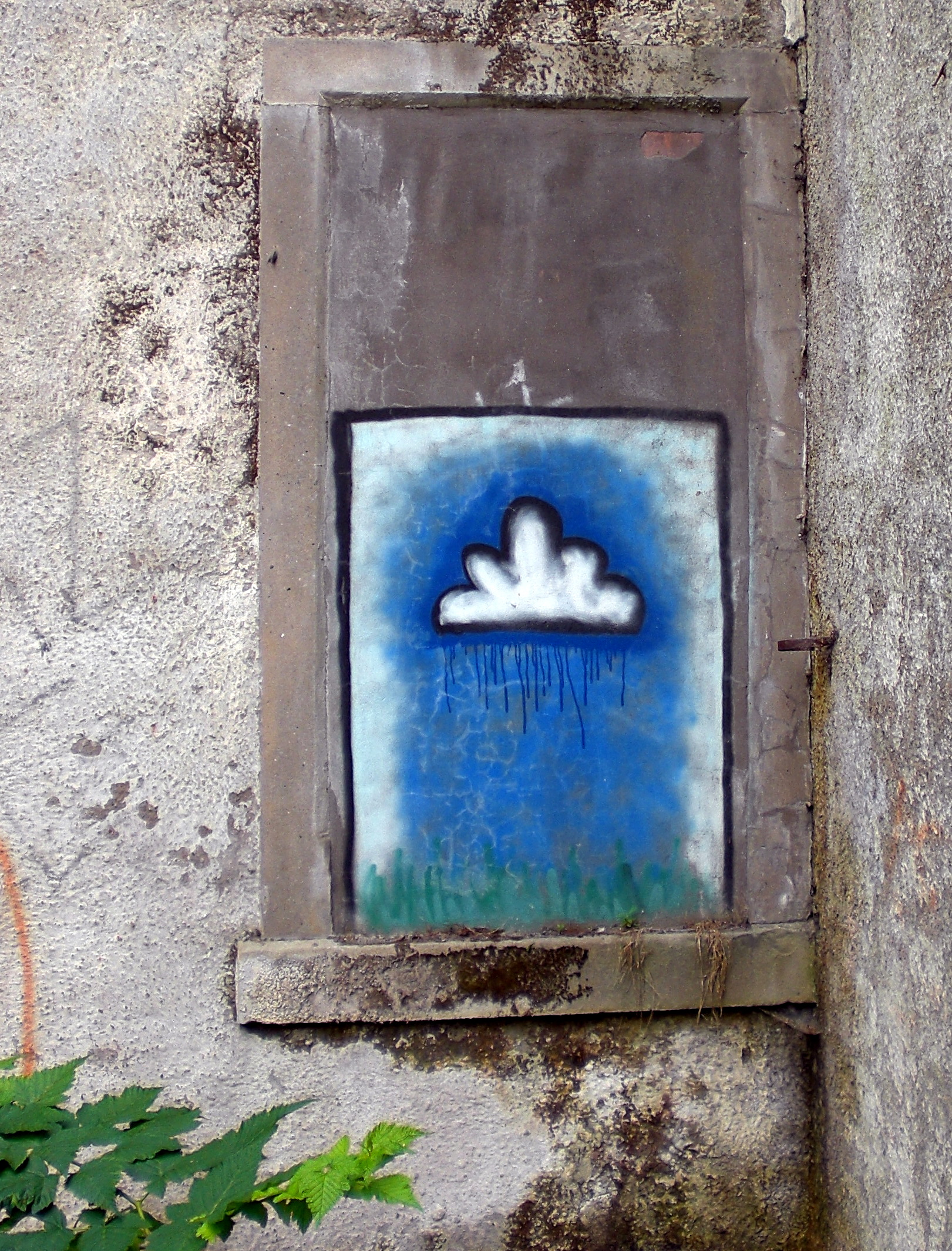
Interesting in that all of these shots, the green leaves of nature always encroach into the frame.
Silverburn House
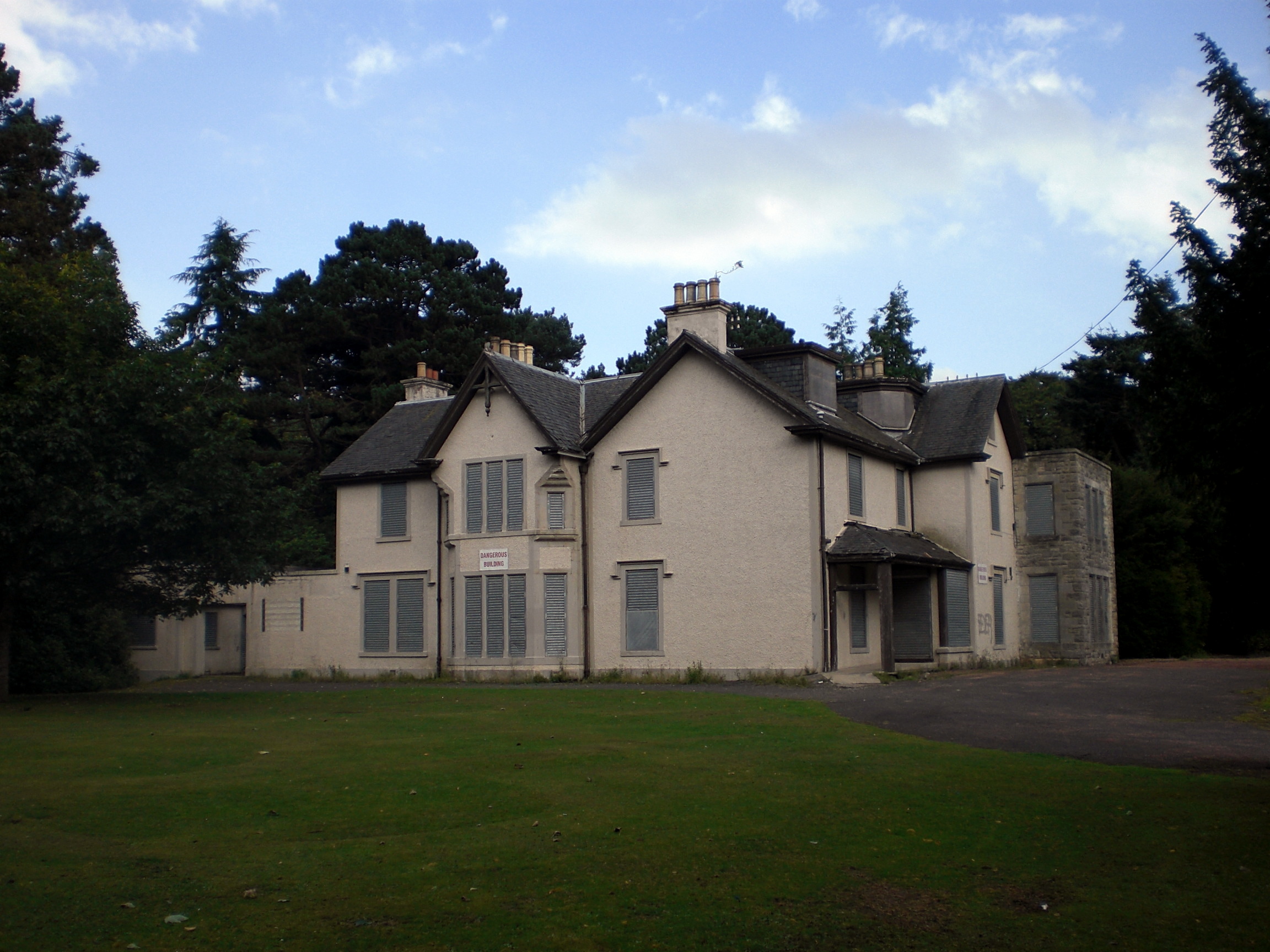
Once a home to the Russell family. Old, super-8 film shows children playing and running around on the lawn in front of the house. Adults relax in deck chairs, smoking and chatting…
Now, like Corriemar, Silverburn House is sealed up and dangerous:
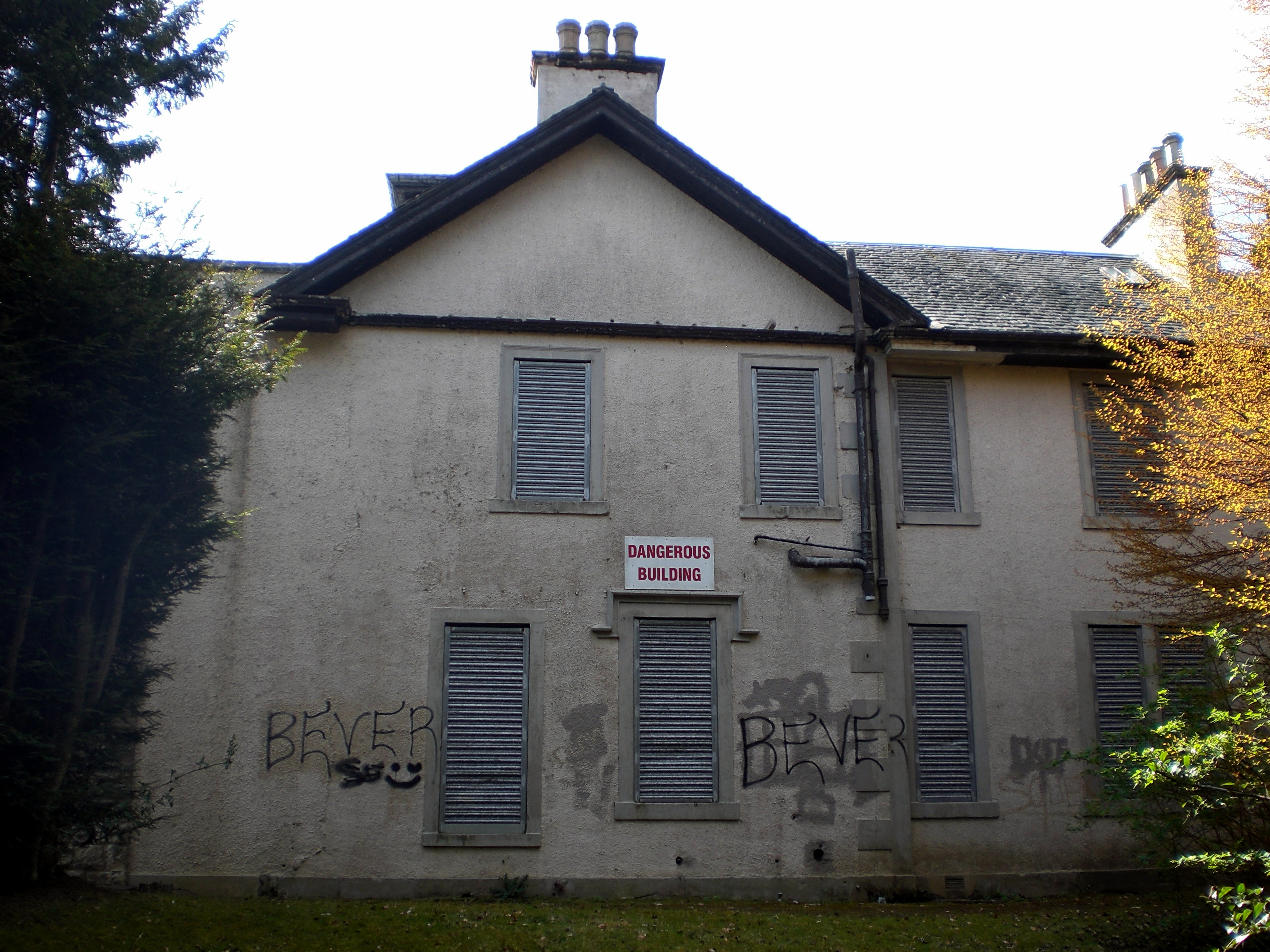
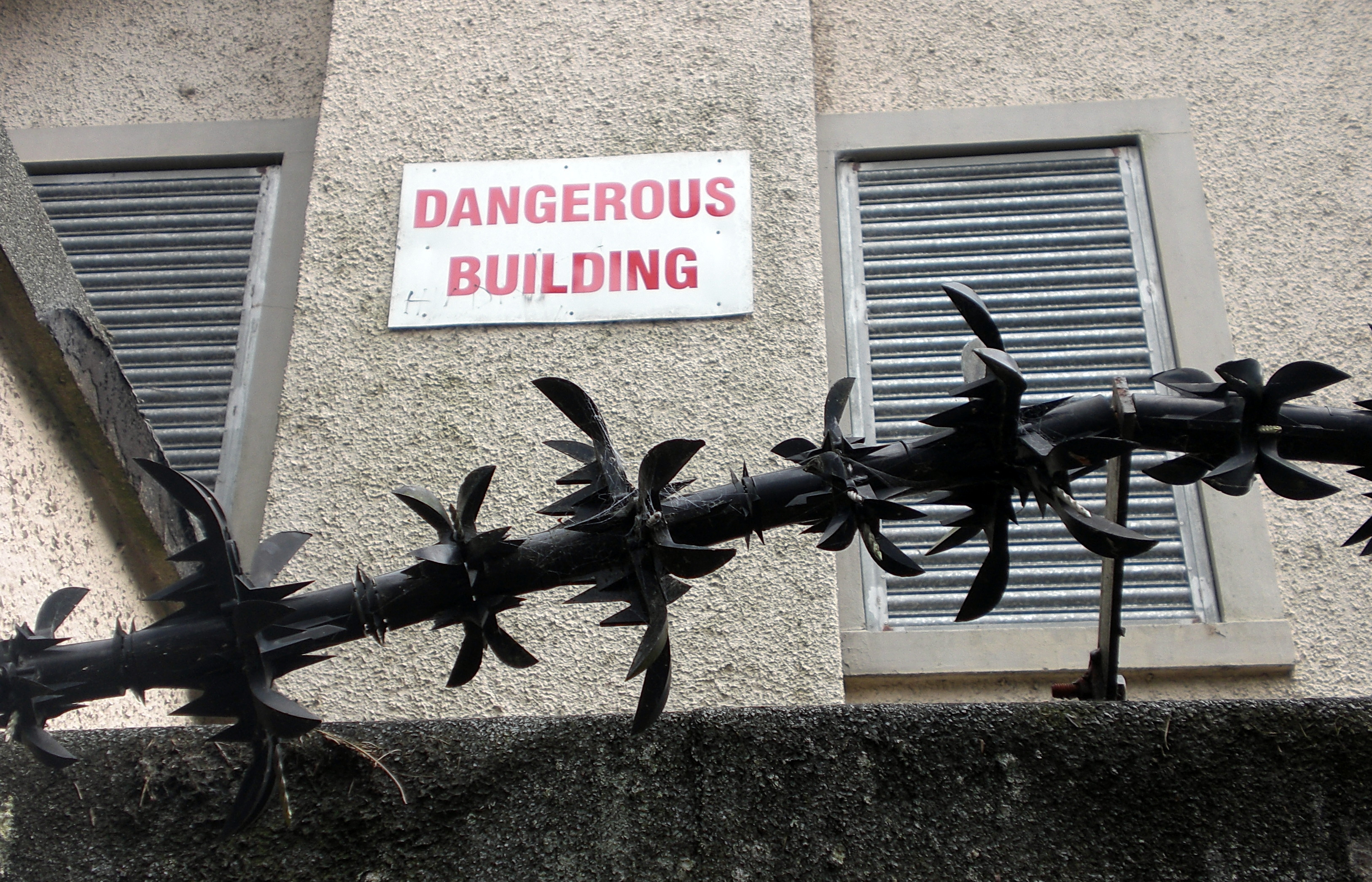
Broken Flows:



The entrance to the old crafts centre:
Stretching for the sky:
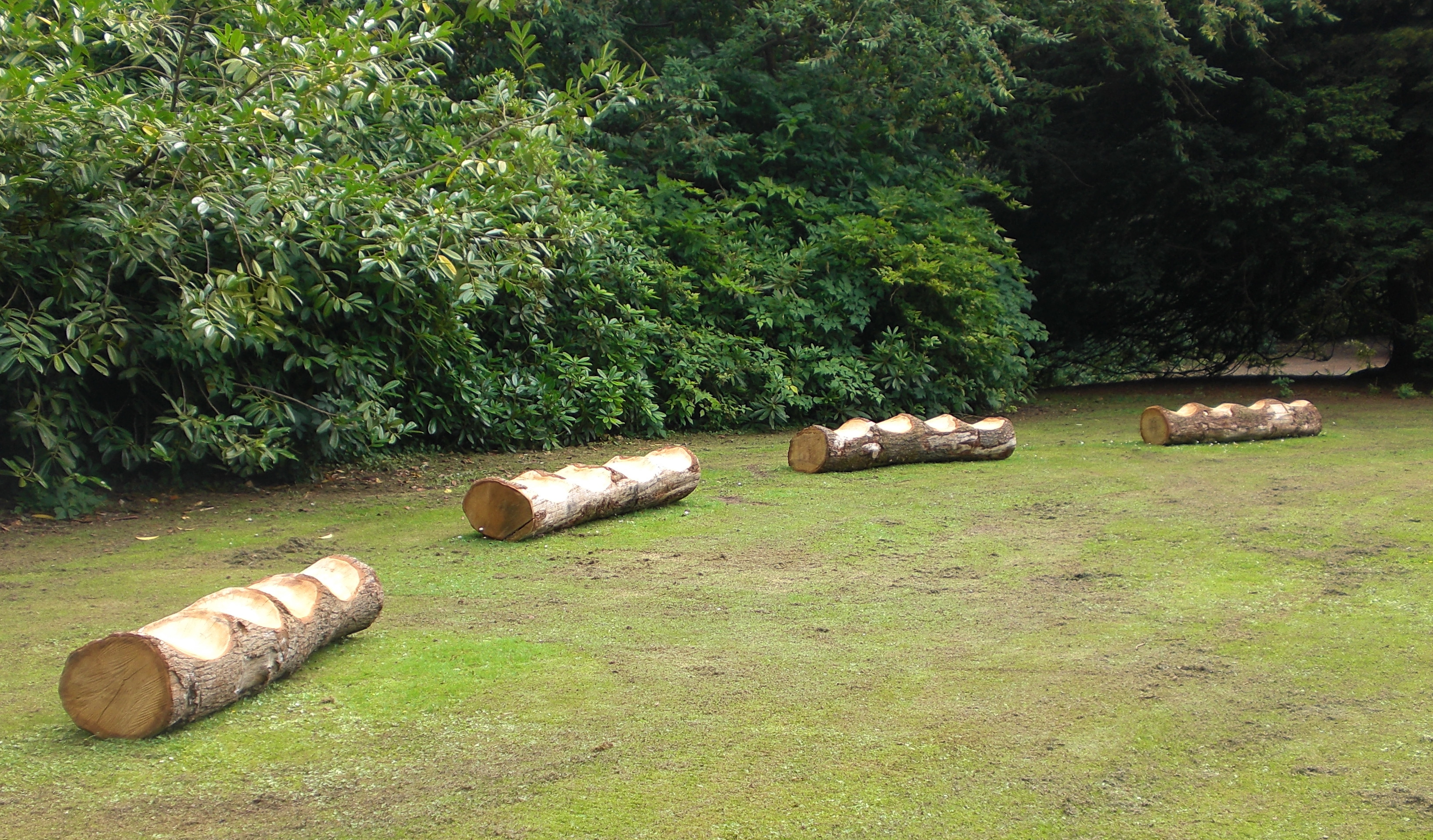
On our last visit, we noticed a new addition. Some outdoor seating has been added, fashioned out of tree trunks:

And at the opposite end of the lawn, a collection of shamanistic divining posts in the family sculpture area:


As is common with any drift, with a little attention, a surreal world can reveal itself:
The shoe tree:

The worm mound:

One tries to wriggle free:
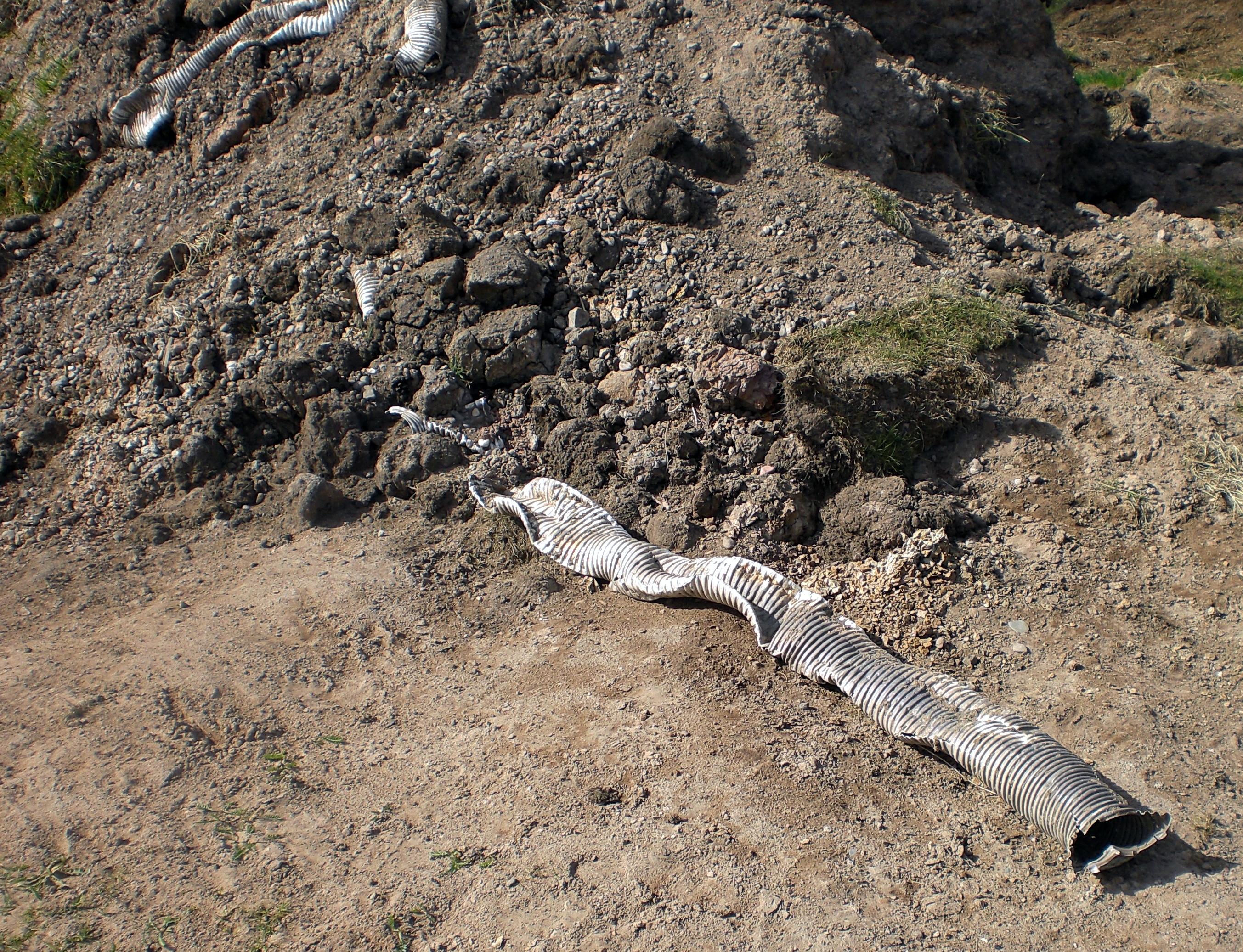
The giant pencil:

The stalled roundabout:

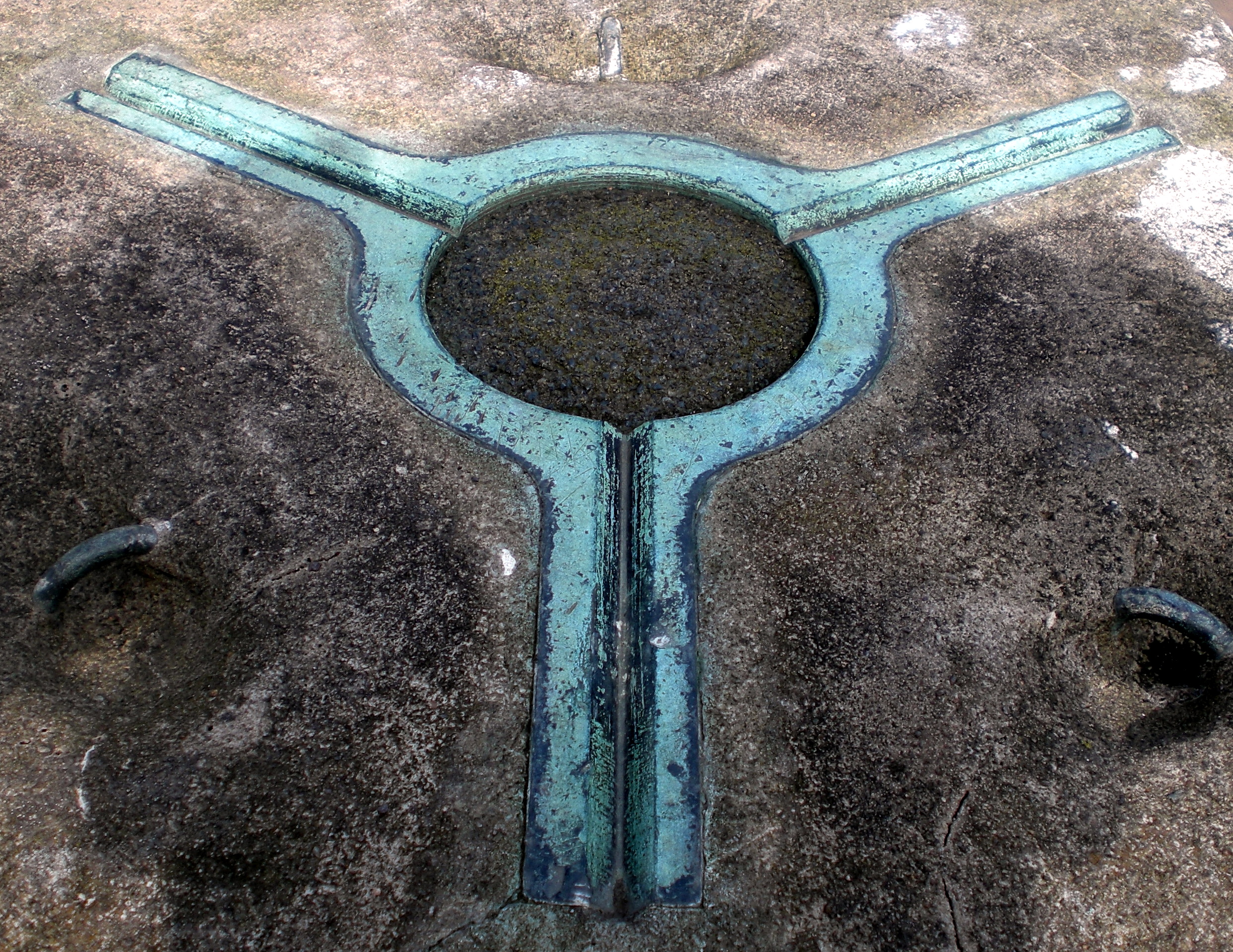
The unknown and undecipherable signs:

.
.
≈
One visit, late Saturday afternoon, a dull twilight. No other humans around and even the bird song is subdued. Only the rustle of leaves – hopping blackbird and scurrying rabbit. The fungi radiate a pale light:

A message from the trees:
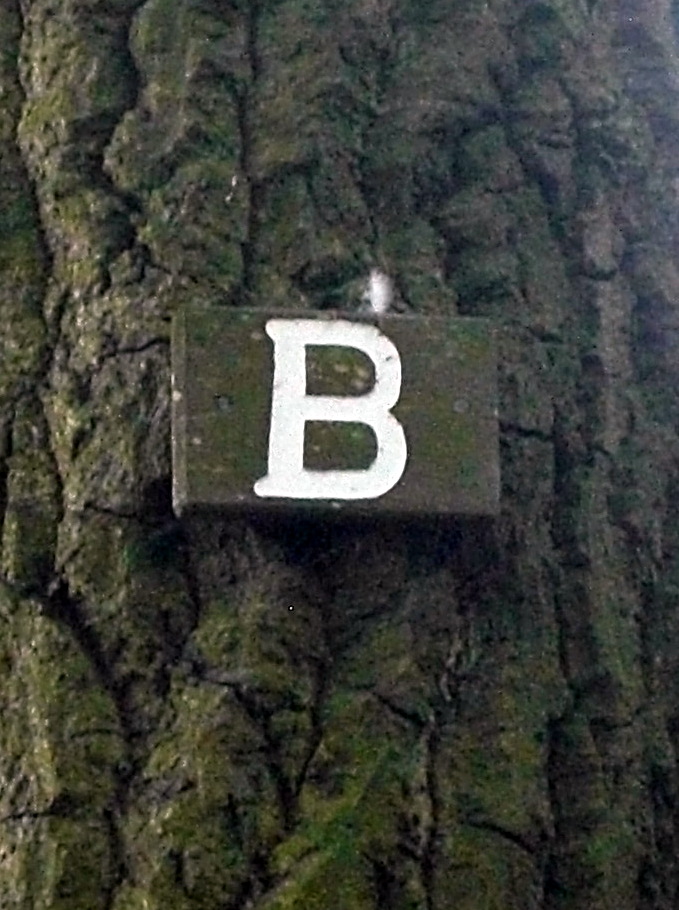

Stare for long enough and the tree spirits begin to reveal themselves:
dog-bear
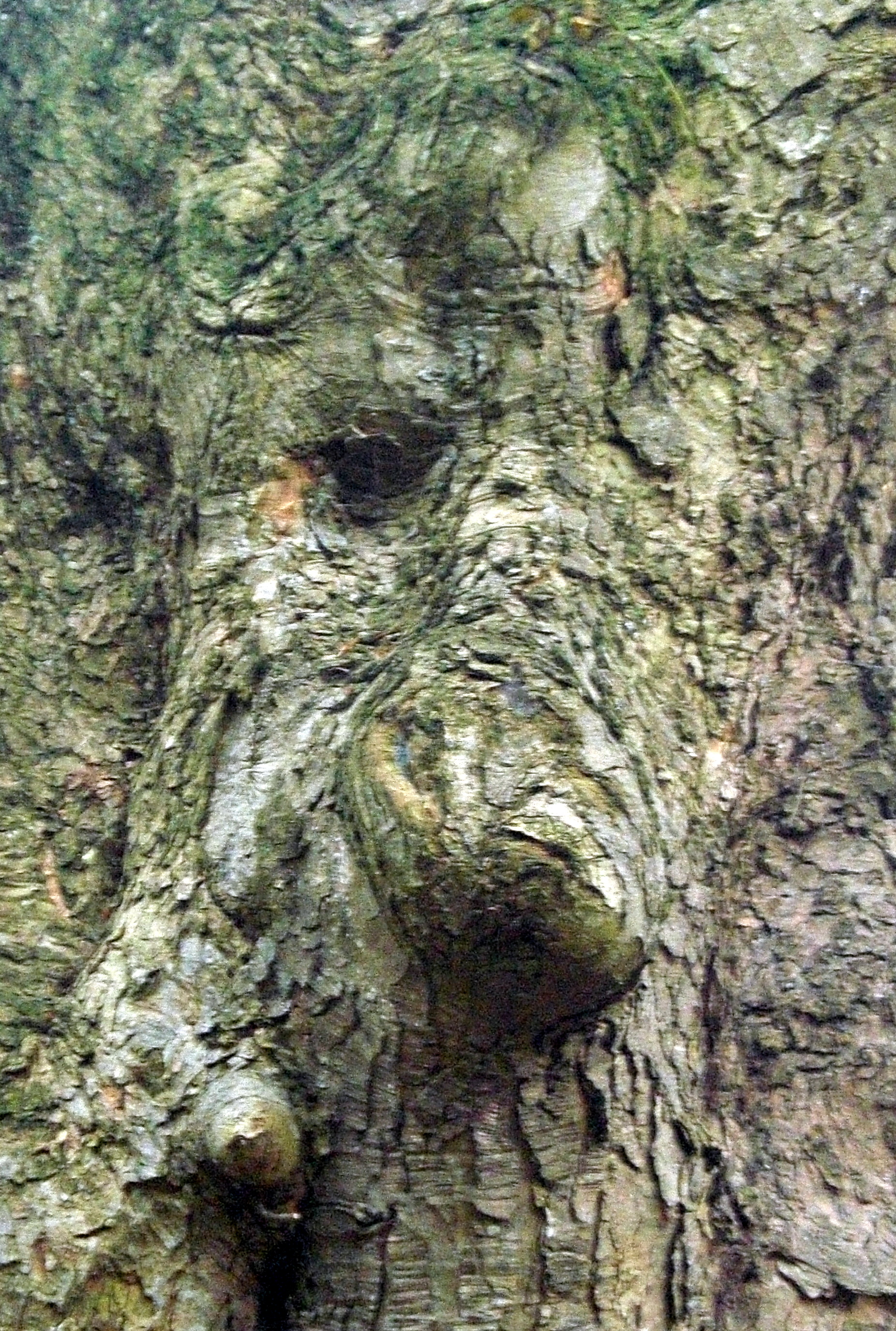
Tusked boar
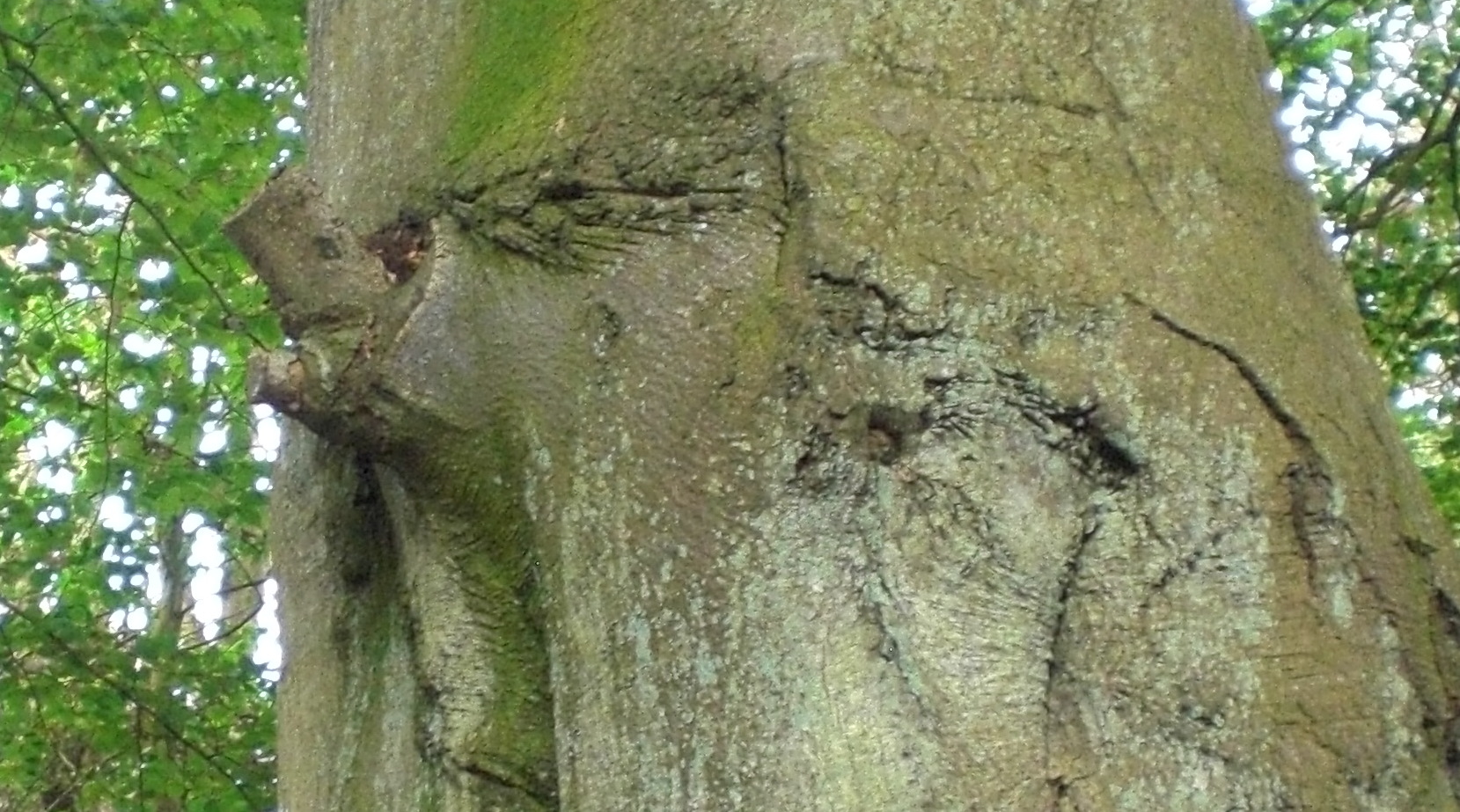
Cyclops
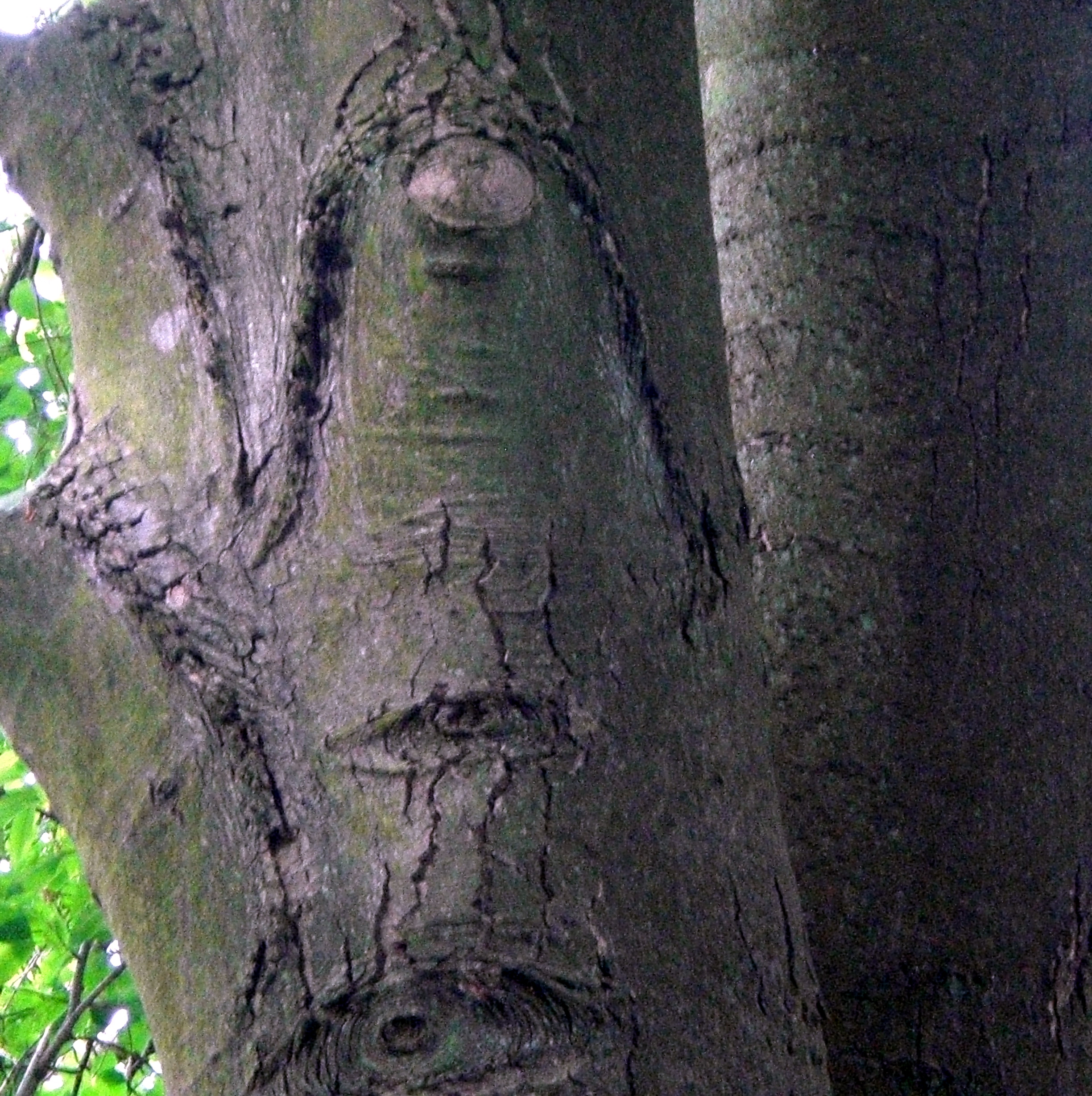
Preying Mantis
 tentacle clawed … ?

≈
The Flax Mill & Retting Pond
On the lower level of Silverburn sits the Flax Mill and its associated retting pond.
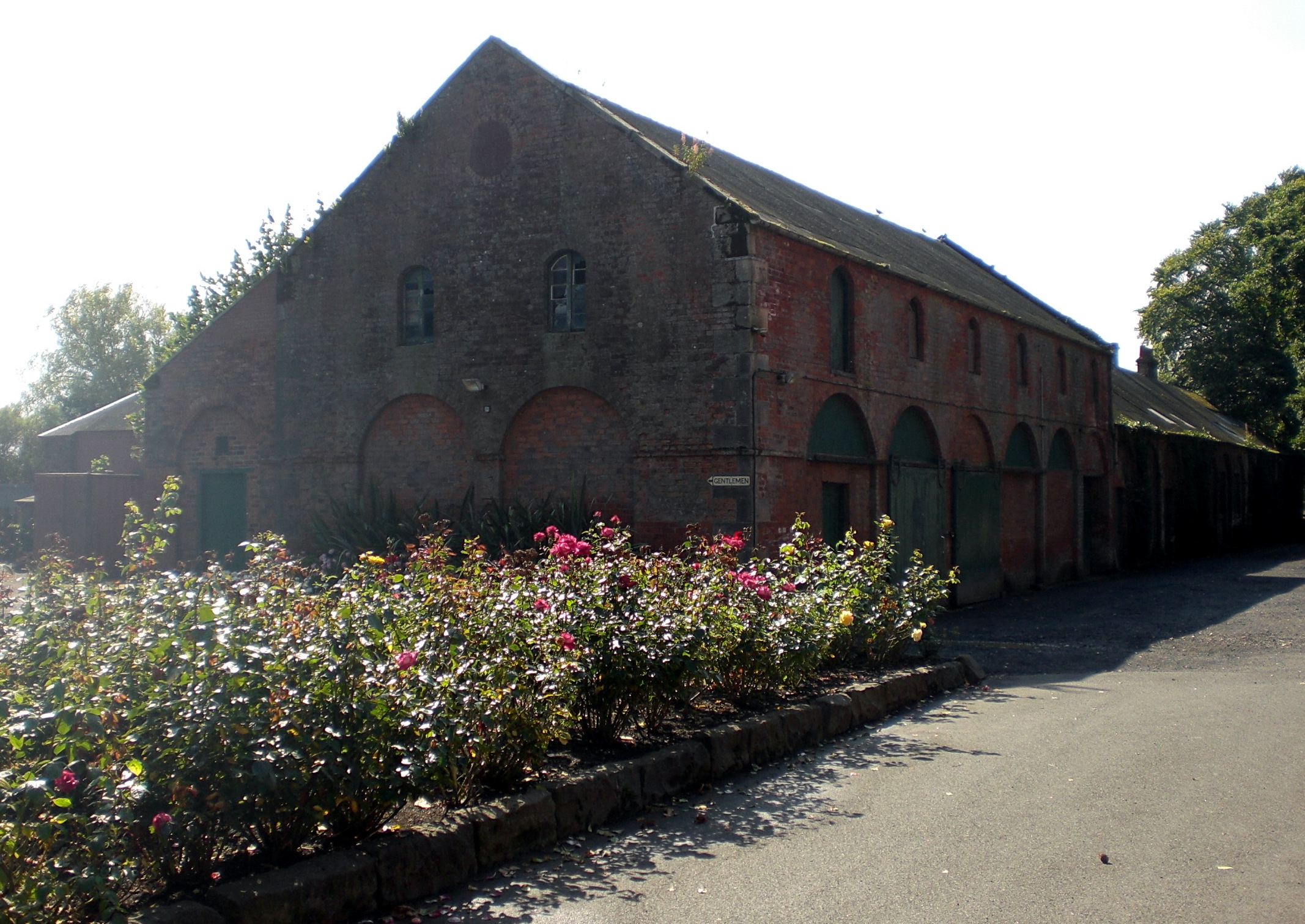
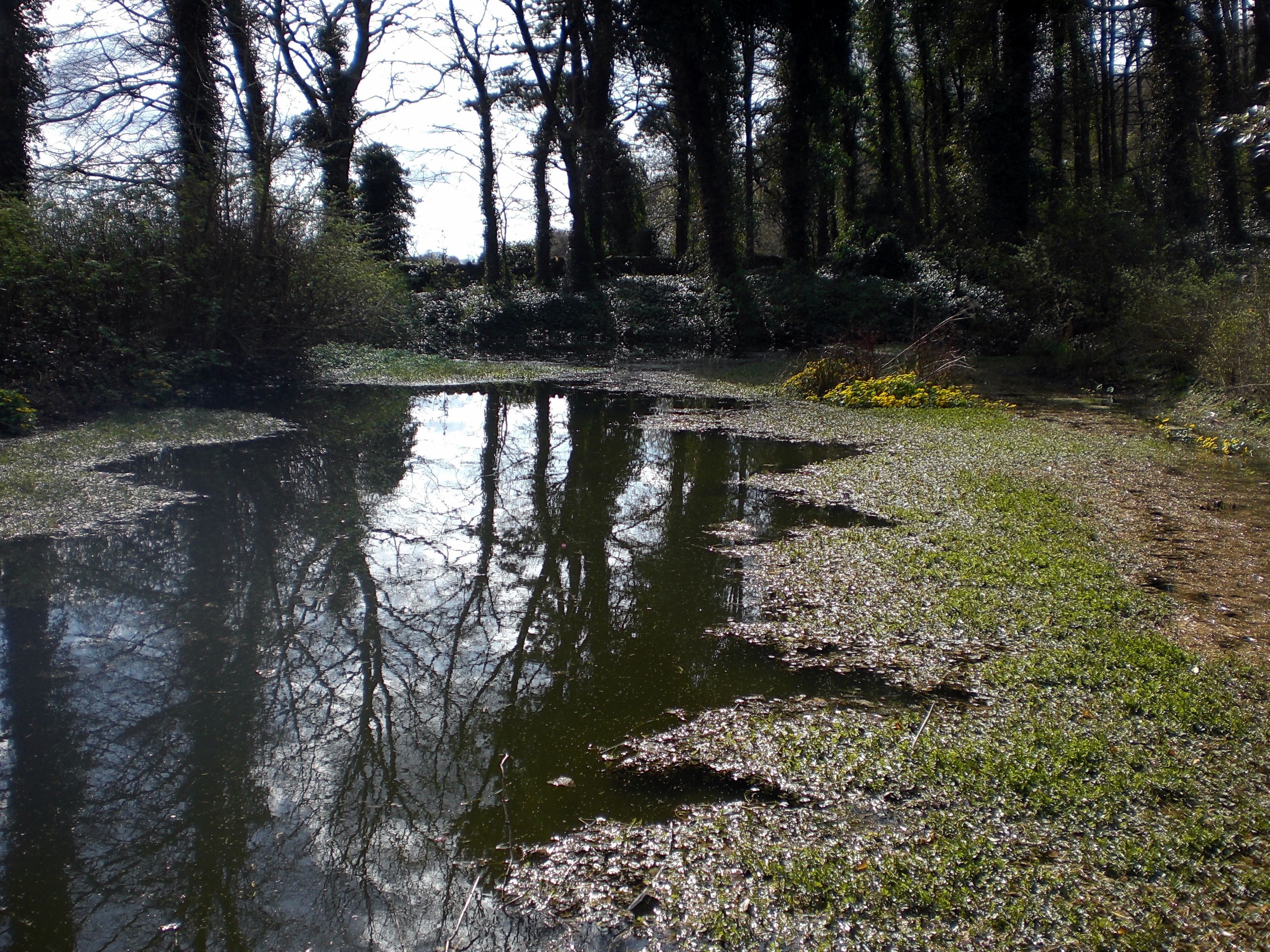
Retting is a process which employs the action of micro-organisms and moisture on plants to dissolve or rot away much of the cellular tissues and pectins surrounding bast-fibre bundles. This process is used in the production of fibre from plant materials such as flax and hemp stalks and coir from coconut husks.
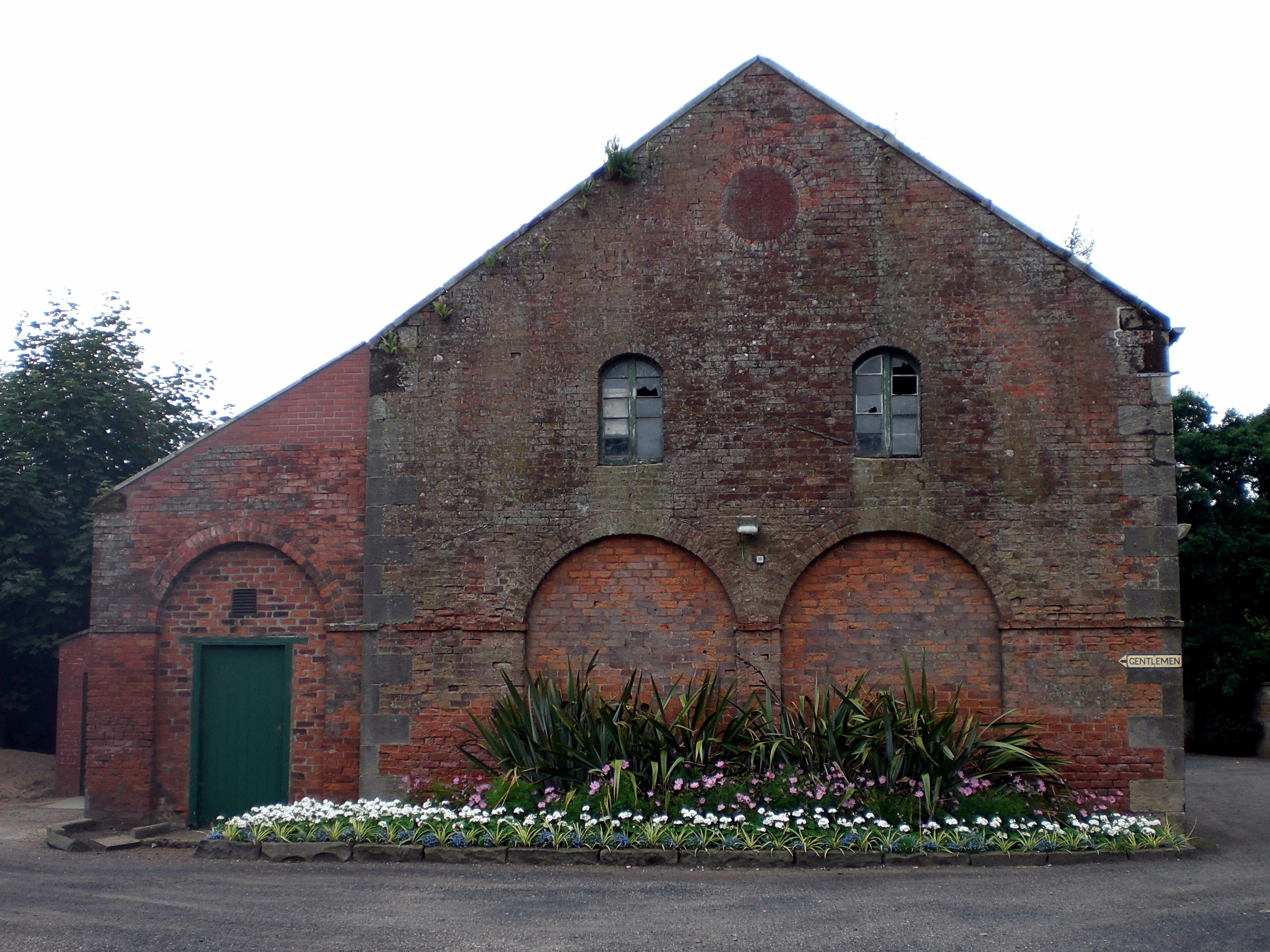
The flax mill was built in the mid 1800s and was one of the first industrial buildings to be roofed with a ‘new material’ called corrugated iron. Flax fibre was prepared for spinning at Silverburn and was soaked in the retting ponds for about 10 days, after which it was thrashed. Retting Ponds were brought into play after an Act in 1806 prohibited the use of local streams due to excessive pollution which occurred from the process. The flax mill itself was run on steam power. The mill closed in 1930, although, as previously mentioned, the outbuildings were used for the mini zoo during the 1990s. Today, the brickwork is failing in some places, with over 50% of the brick turned to dust. An adjacent row of cottages were probably built for the flax mill workers and remain used and in good condition today.

Look out for the face in the factory:
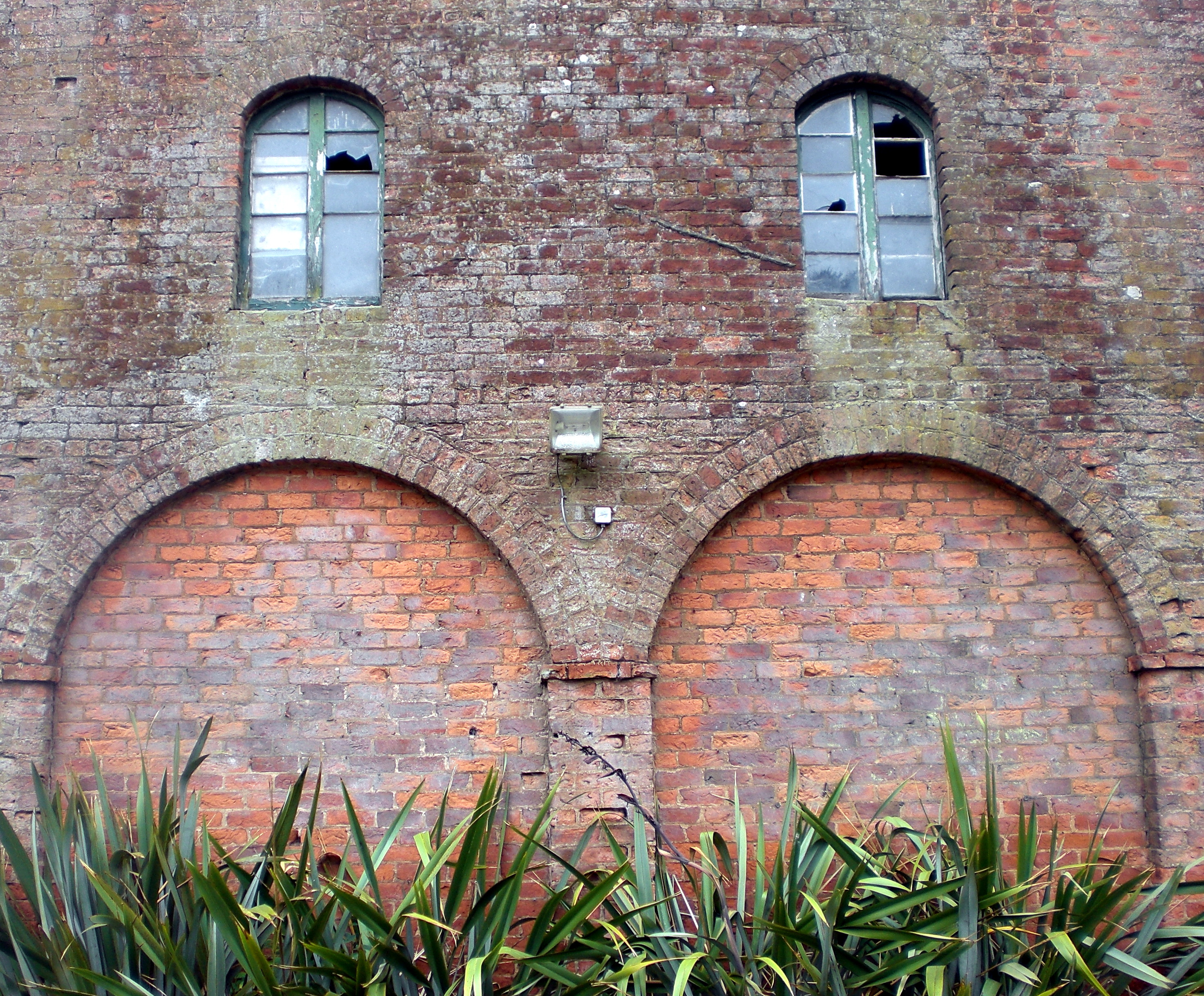
and the quizzical ghost:


.
.
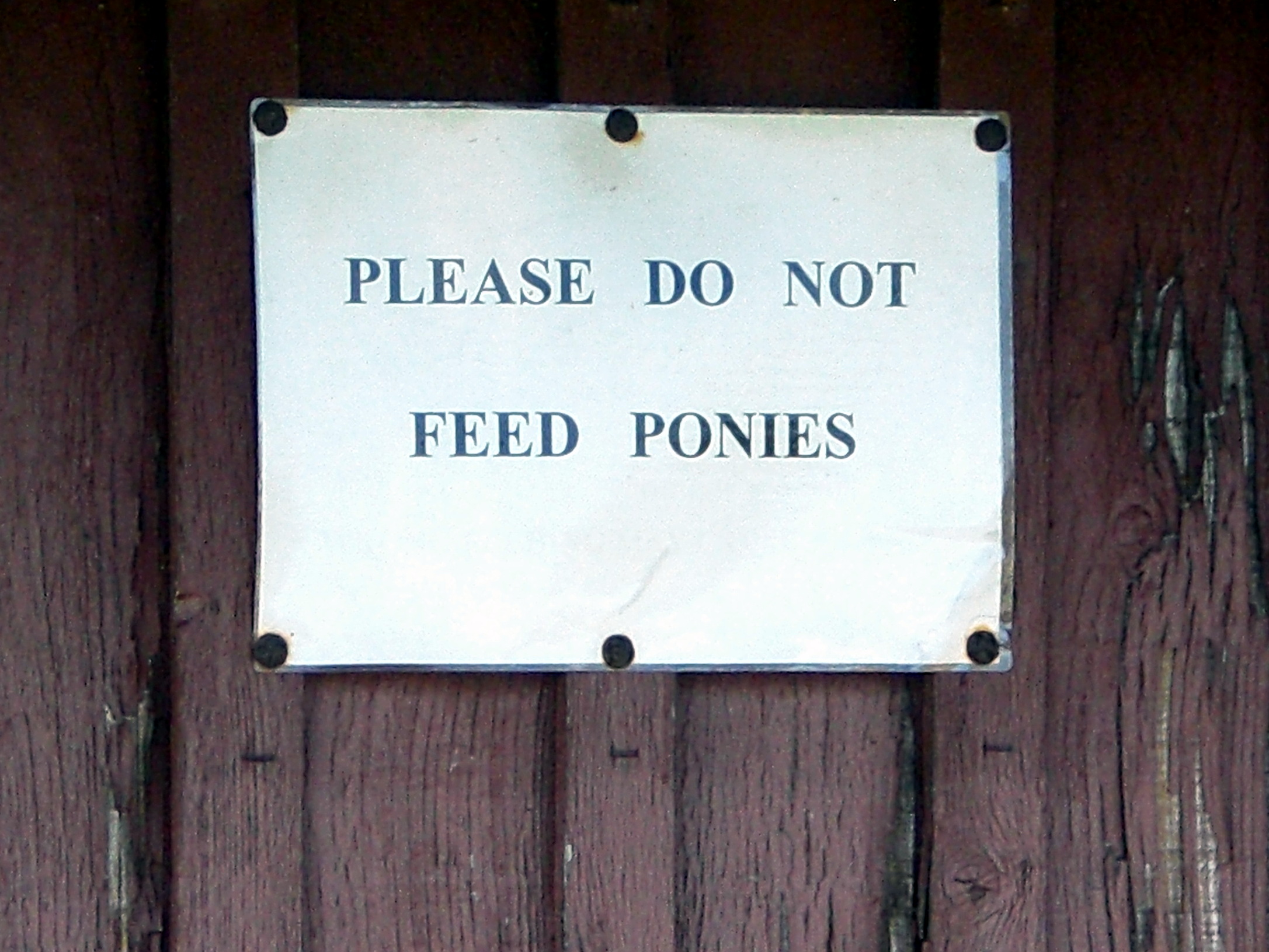
The outbuildings:

The old stables:

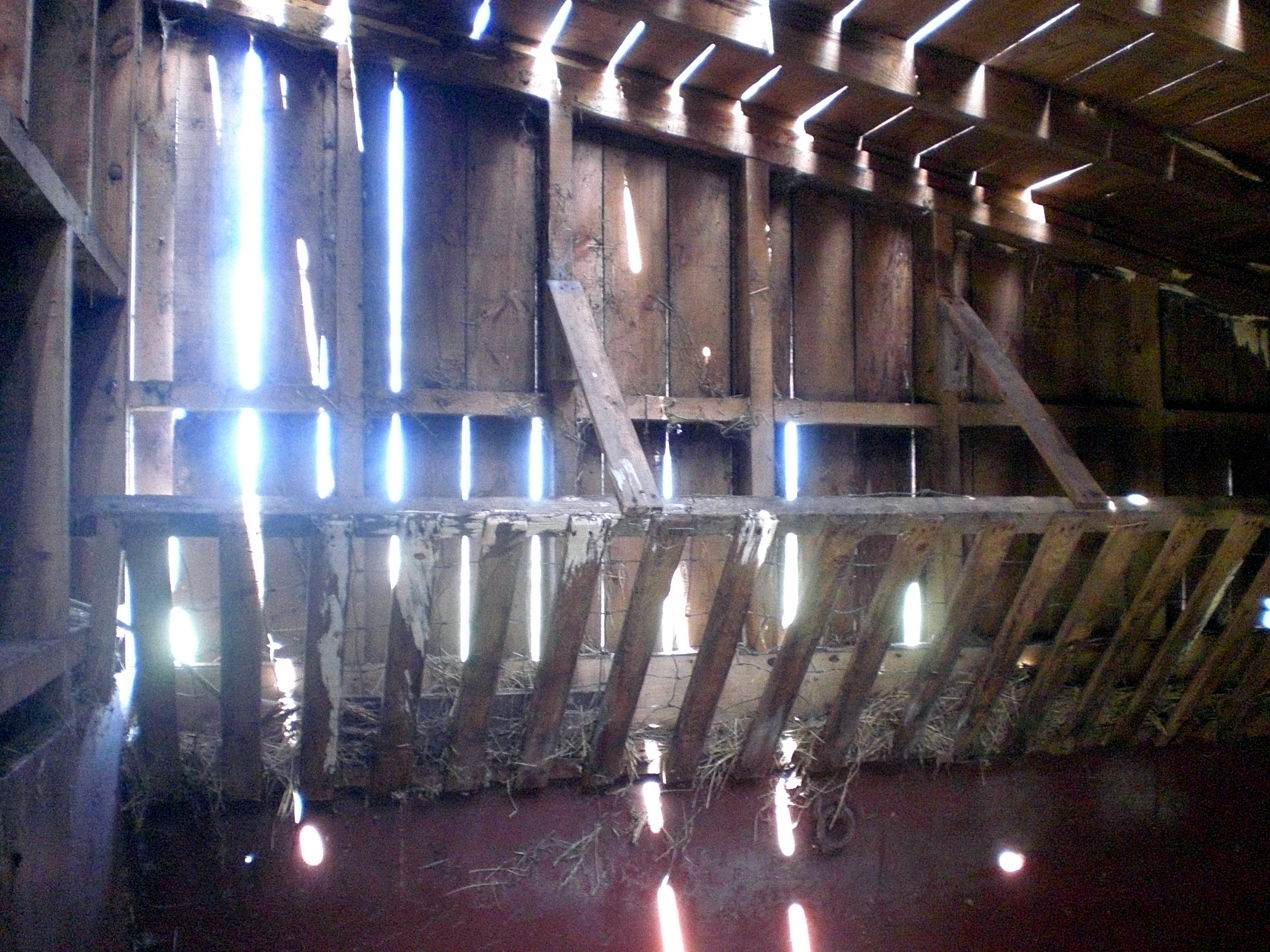
Inside the old stable
the darkest corners – bleed
in slatted sunlight
The retting pond where the flax was soaked is close by. Now heavily overgrown with vegetation, it is a meditative spot to watch the reflected trees in the water and the teeming pond life on the surface:

≈
The Tree House and Formal Gardens
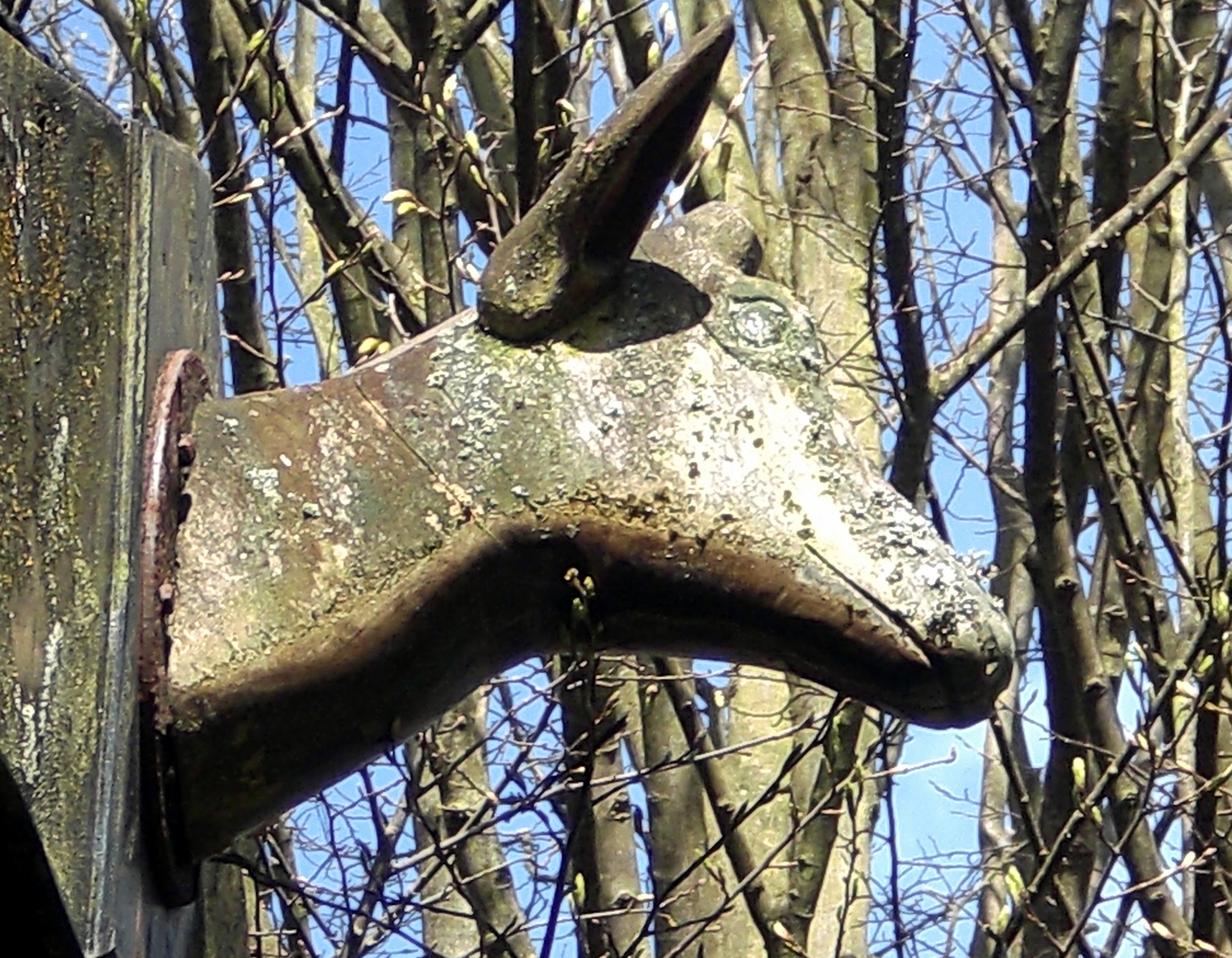
How could anyone not be captivated by the tree house? It looks as if it could walk away at any moment on its stilted legs:

The sense of being watched by the animal heads on either side add a touch of the uncanny:

.
.
By complete coincidence, N has a copy of Reforesting Scotland in his bag. The cover illustration an echo of what we are standing underneath:
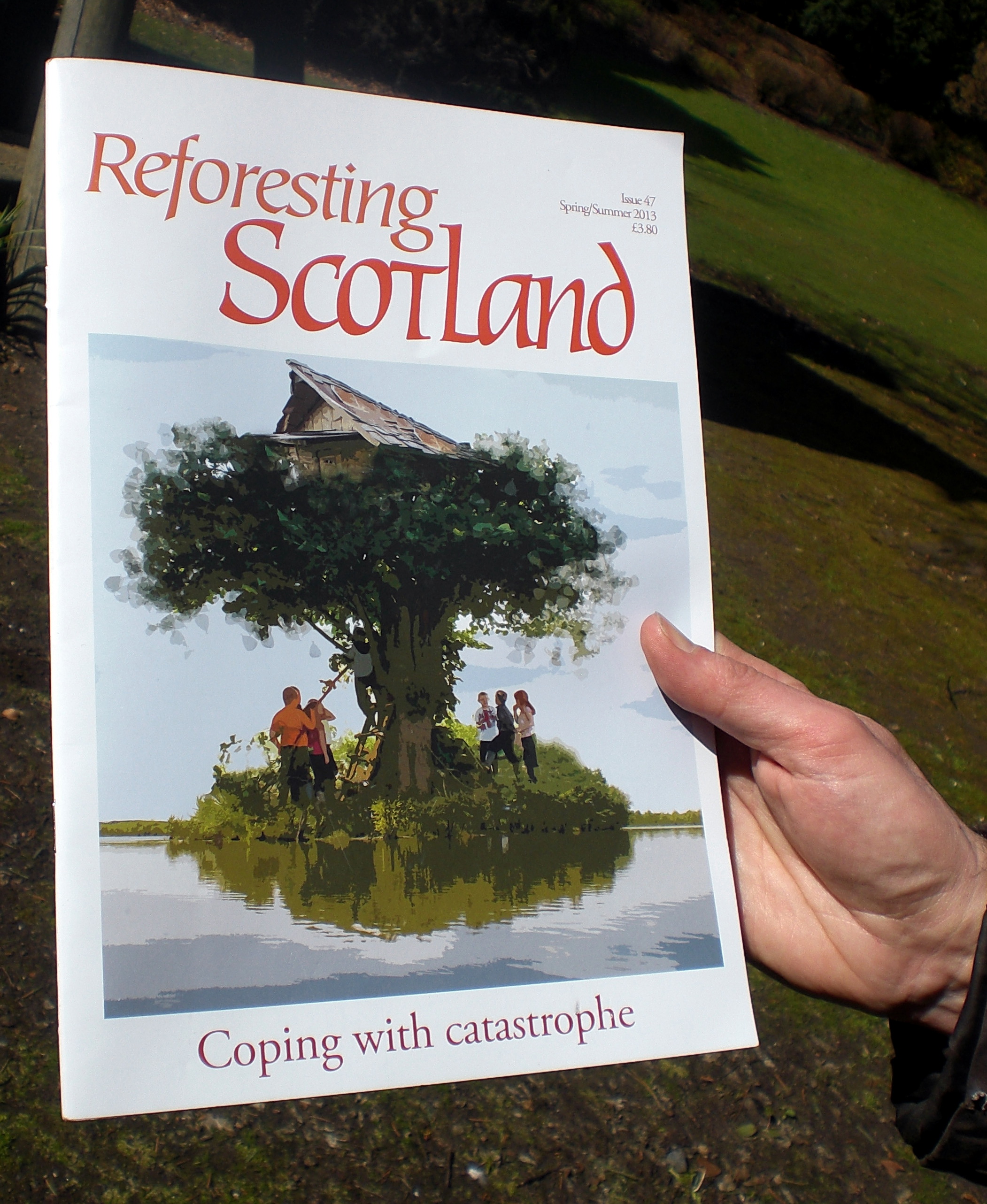
The formal gardens, also comprise a sensory and walled garden. They are clearly places of meaning and memory. On our first visit, we find a wreath of knitted flowers:


By the time of our second visit they have gone. There are also the lives commemorated and remembered. Emotional linkages between people and place.

From the sensory garden, the gentle trickle of running water projects around the natural amphitheatre. Bees congregate upon yellow and pink petals shower down on grey.


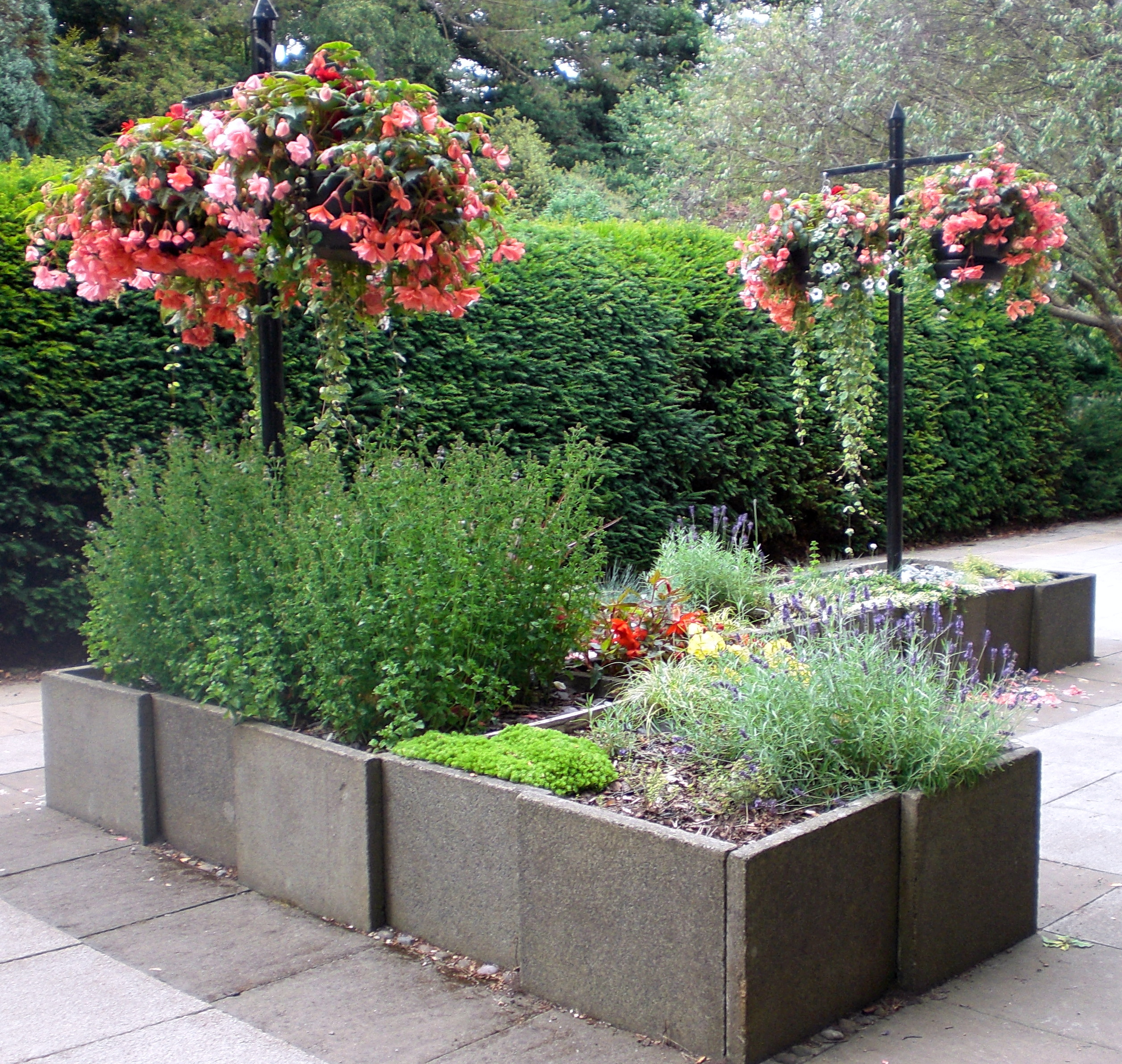
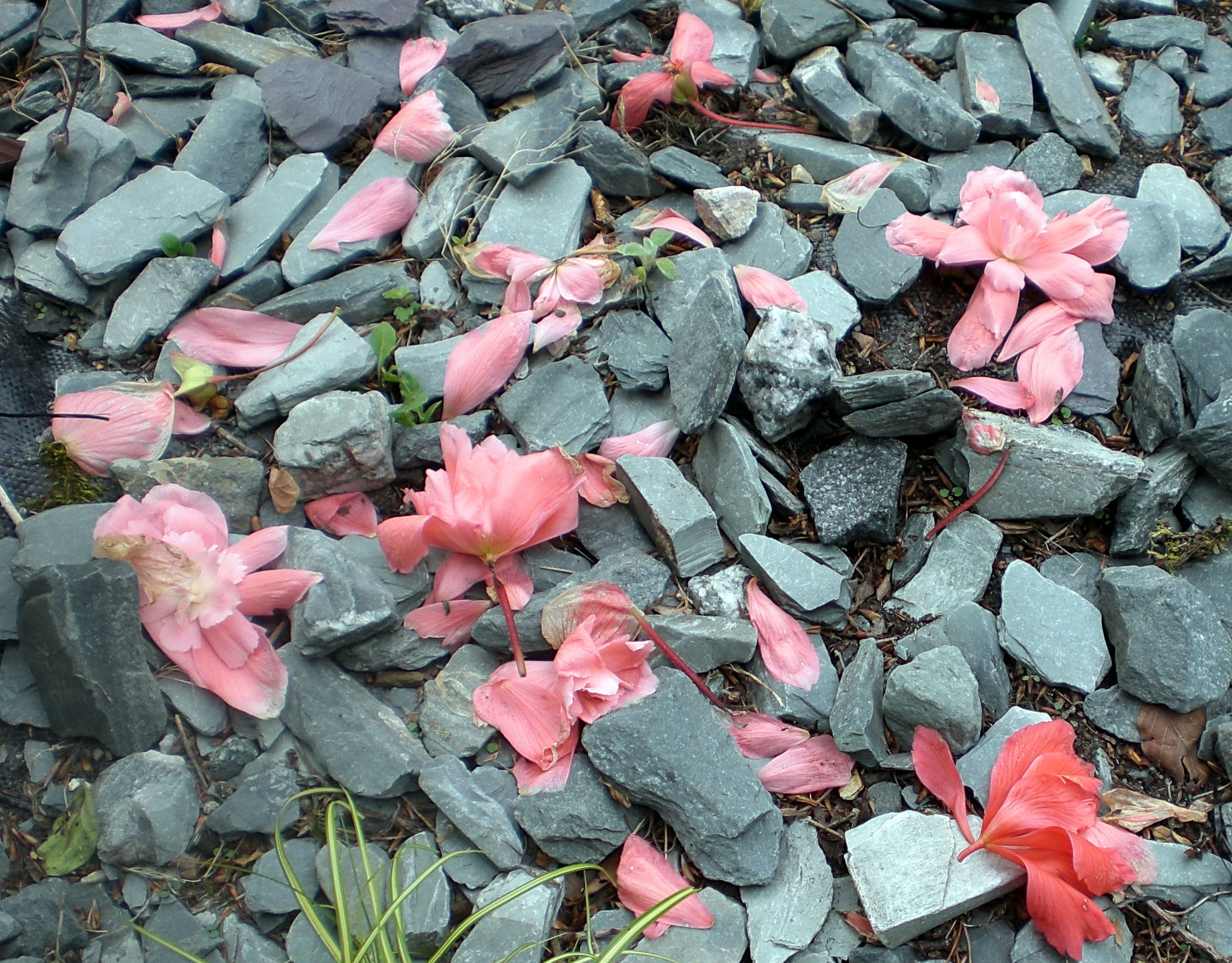
Perhaps there is also evidence of the cunning folk at play. A small entrance through a hedge; a portal to another world?

≈

What is in a Name?
We leave Silverburn to head for the coast once again. Following the flow of the burn back down Mile Dyke to where the silver stream meets the sea.

We reflect on the name:
Silver – precious, with, the highest conductivity of any metal, allowing energy to flow.
Burn – always in flux/flow. As Heraclitus said, you never step in the same river twice and we know we will never visit the same Silverburn twice. There is also the idea of how prescribed burning of vegetation can recycle nutrients tied up in old plant growth to invigorate new growth. With the current FEAT and community initiative ‘Heart Mind Soul Silverburn’ perhaps new possibilities for Silverburn are emerging.
And to end. A whispered message from a beach encounter:

≈
To end with a name and only the name. To end with only the letters of the name:
.
Silver sun sliver –
burrs liven us.
.
River veils runes
in blue siren lures.
.
Briers line ruins,
burn rises in
river lens.
.
Vein in burn
silver in vein
burn silver
S i l v e r b u r n.

Now playing: The Necks – Silverwater
References:
Buildings at Risk Register for Scotland
County Folk-Lore Vol VII. Examples of Printed Folk-Lore concerning Fife with some notes on Clackmannan and Kinross-Shires collected by John Ewart Simpkins (London: Sidgwick & Jackson for the Folk-Lore Society, 1914).
John Steinbeck, Travels with Charley: In Search of America. (New York: Viking, 1962).
Marysia Lachowicz, Polish Army in Fife. (Work in Progress).
With very special thanks to Margaret and Aiveen for the invitation to “come and see what we make of it” and also Aiveen, Margaret, Graham and Ninian for inspiration and sharing that first visit.
 Murdo Eason - From Hill to Sea